“one of the most uncomfortable and cringe-inducing films to screen this year… Crumb Catcher is an insanely impressive directorial feature debut for Skotchdopole. It’s funny, bizarre, uncomfortable, and an absolute cringe-fest for all the best reasons. Skotchdopole has secured himself as a writer-director to keep an eye on, as he continues to refine his skill and explore the depths of depravity with a clever, humorous voice.” —Maggie Lovitt, COLIDER
“Deliciously Devious… there’s plenty to fall head over heels for in the satisfying thriller.” —Stephen Saito, Moveable Feast
“begins as a cringe comedy and becomes a truly suspenseful thriller. It is equally relentless at both.” —Fred Topel, UPI
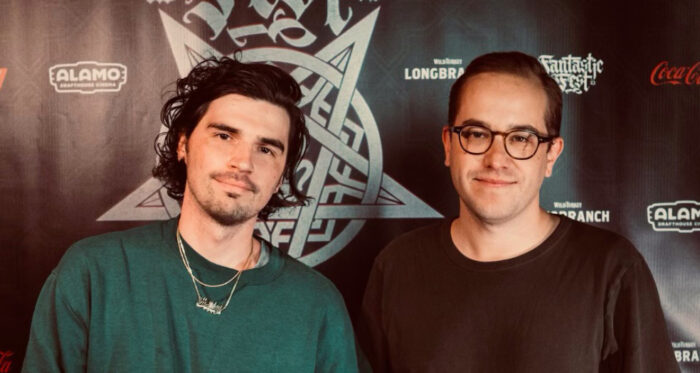
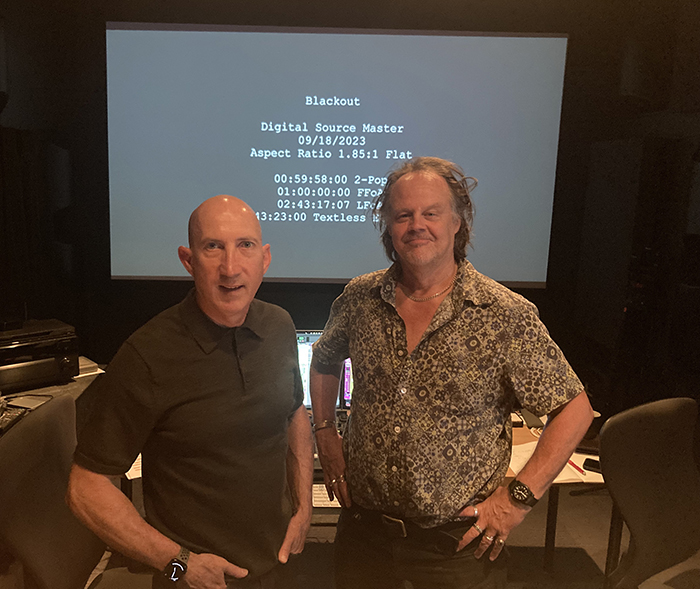
pictured: Chris Skotchdopole and producer Chadd Harbold
With hundreds of films made about vampires, it’s obvious that some are going to fly under the radar. While these films may not have enjoyed mainstream acclaim or box office success, they have left their mark on the genre, tantalizing those with an appetite for the unusual and offering fresh perspectives on ancient mythos.
Just in time for Halloween and the need for something new to watch. From forgotten classics of the past to contemporary hidden treasures, here are 12 obscure vampire movies you’ve probably never heard of but definitely need to check out.
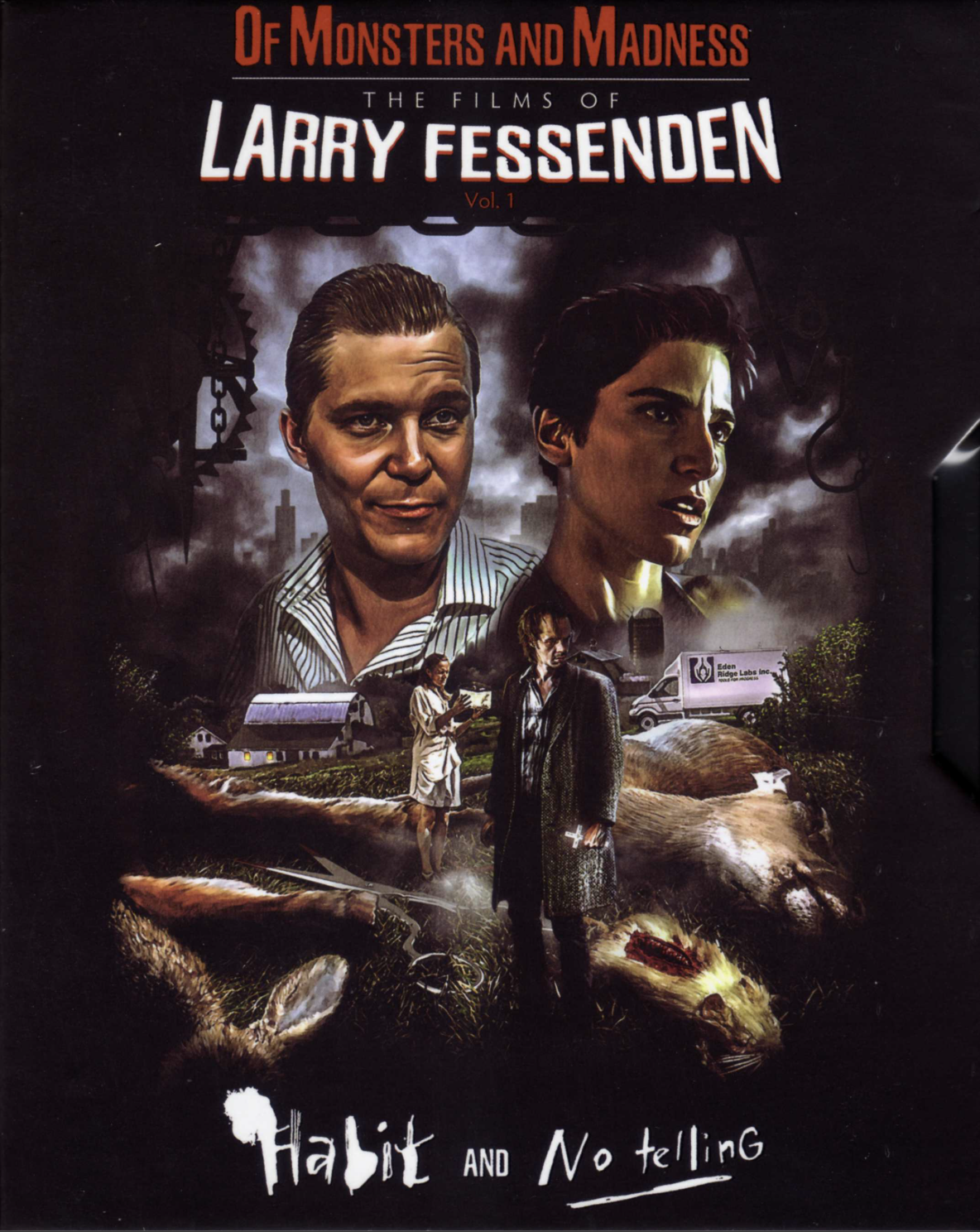
Habit
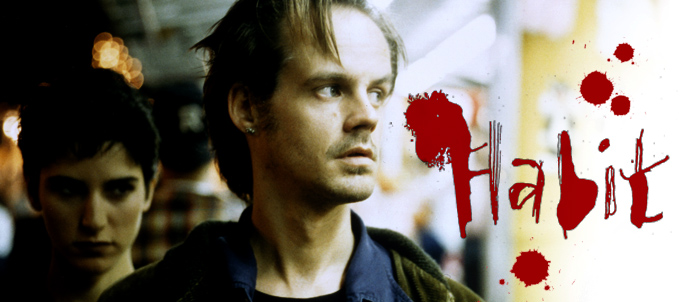
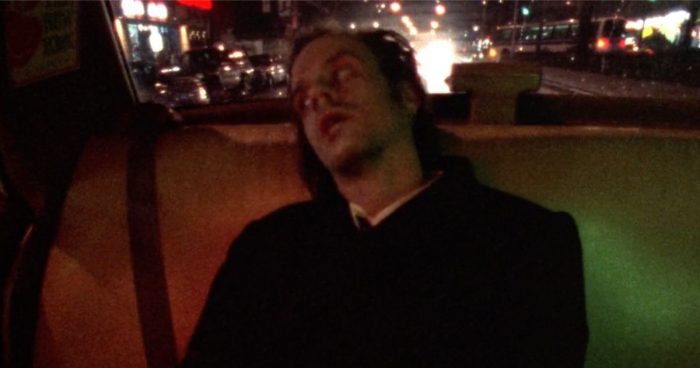
Indie horror maverick Larry Fessenden wrote, directed, and starred in his 1997 vampire horror film Habit, in which he plays Sam, a self-destructive alcoholic who meets the beautiful but mysterious Anna at a Halloween party. The two are immediately drawn to each other and embark on an all-consuming romance. But Sam starts to suffer from a strange illness and soon begins to suspect Anna is actually a vampire, and he’s been turned.
Like Abel Ferrara’s The Addiction, it’s pretty obvious just by the title alone that Fessenden’s Habit is more or less an allegory for alcoholism and the self-destructive lifestyle of addicts. It’s grim, dark, and gritty, with a heavy atmosphere that’s hard to shake.
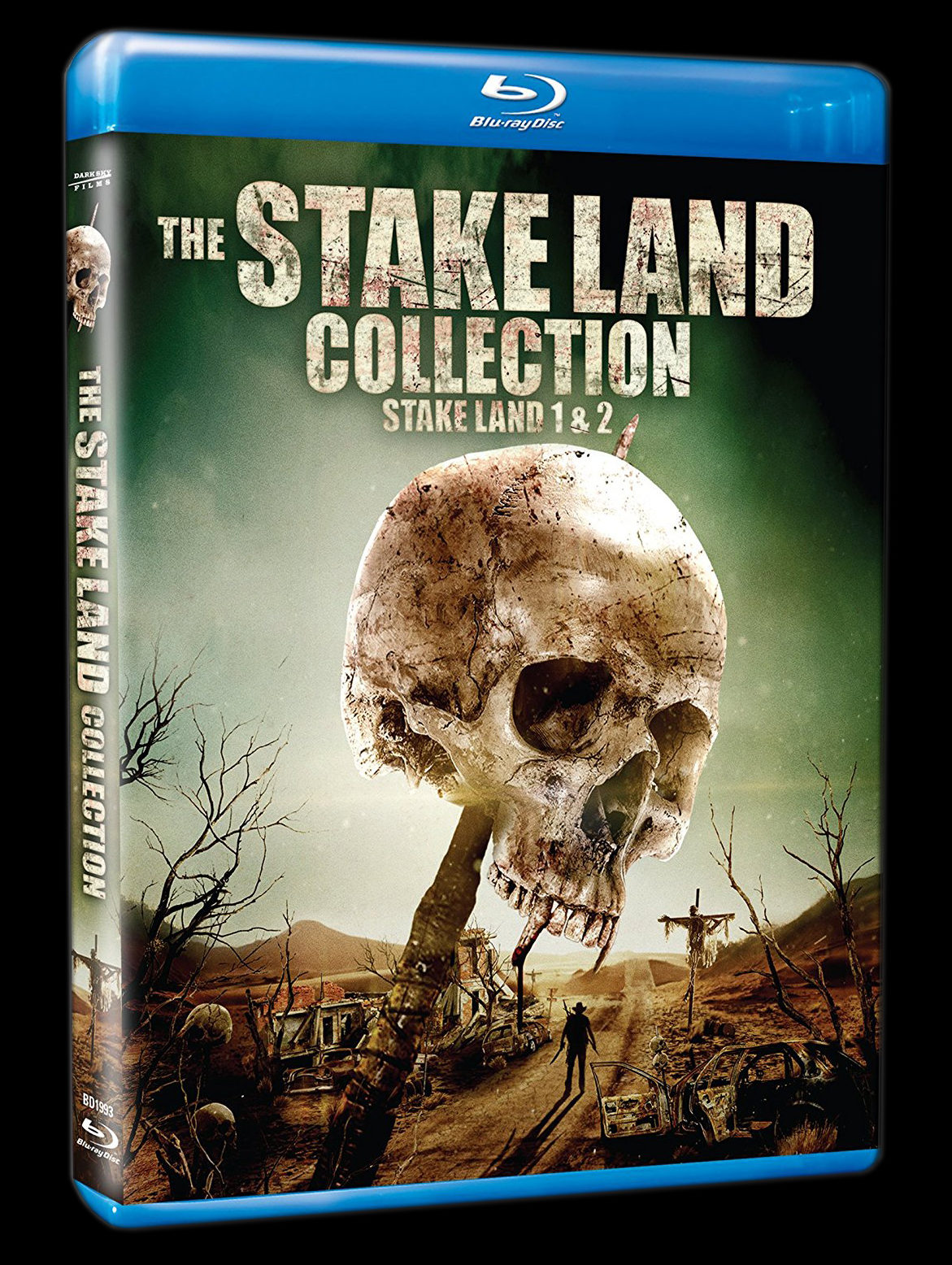
Stake Land
Jim Mickle’s indie post-apocalyptic vampire film Stake Land has gone underseen and underappreciated since its quiet release in 2010. Set in a dystopian world overrun by vampires following a viral outbreak, the film centers around a young boy named Martin who, after his family is killed by vampires, joins forces with a seasoned vampire hunter named Mister. Together, they embark on a perilous journey through the desolate American landscape, searching for a rumored safe haven known as “New Eden.”
Despite its obvious low budget, Mickle mines the most out of his limited resources via strong characterization and powerful performances from his two leads, Connor Paolo and Nick Damici. The direction is assured, and Mickle’s ability to maintain a brooding atmosphere – thanks in no small part to Jeff Grace’s fantastic score and Ryan Samul’s crisp cinematography – really helps Stake Land stand apart from other low-budget post-apocalyptic monster movies (of which there are many). It’s a unique take on the vampire mythos, with more in common with The Walking Dead than Dracula, and is well worth checking out.
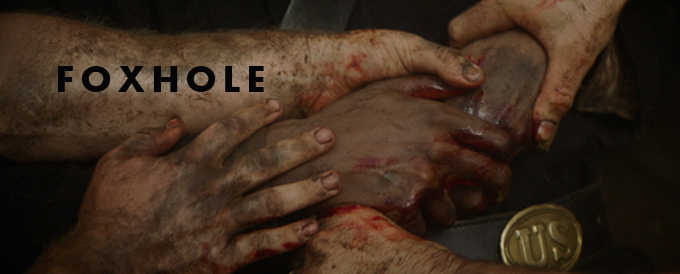
WHAT DOESN’T FLOAT Directed by Luca Balser Written by Shauna Fitzgerald Pauline Chalamet, Larry Fessenden, Roger Howarth, Cindy De La Cruz In theaters on September 22
“In What Doesn’t Float, director Luca Balser and writer Shauna Fitzgerald set the stage with seven vignettes, each about the mistakes and heartaches of various New Yorkers who can’t seem to make the right decision, whether it’s the socially acceptable call or not…” —Magan Robinson, MOVIEJAWN
“What Doesn’t Float is a wonderfully crafted series of stories – each finding a different meaning to its place, to its character, to its exposure of the life of this corner of the city, and what it means to be a part of it. All the vignettes are strong, but highlights include one in which … a seemingly insignificant moment between Marco (Larry Fessenden) and the young girl (Chanel & Dior Umoh) that turns both violent and compassionate.” —Shelagh Rowan-Legg, SCREEN ANARCHY
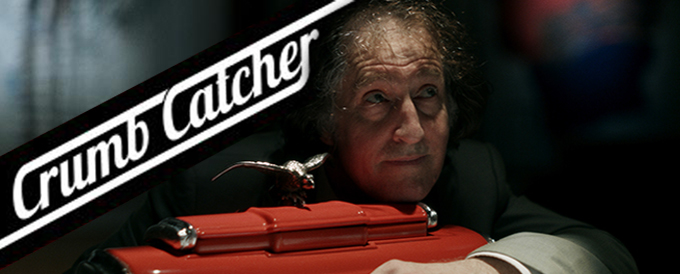
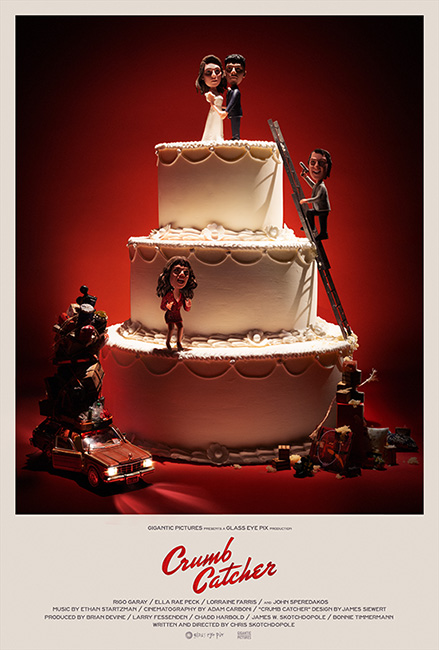
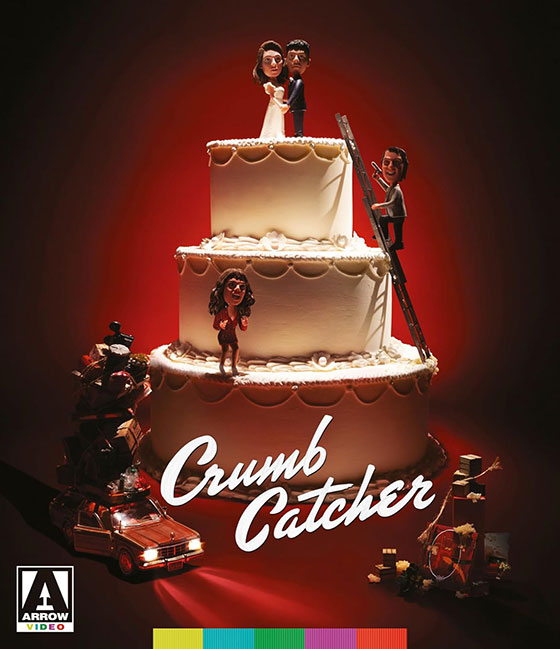
Submarine Entertainment is picking up worldwide sales rights on Chris Skotchdopole’s feature directorial debut “Crumb Catcher.” The move comes just ahead of the darkly comic thriller’s Fantastic Festworld premiere.
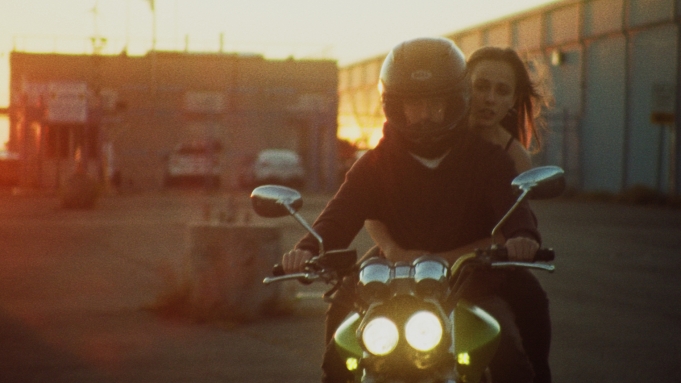
Skotchdopole wrote, directed, edited, and produced the movie and Submarine Entertainment, a notable sales and production company, will launch sales out of the festival, which runs from Sept. 21 to Sept. 28 at the Alamo Drafthouse South Lamar in Austin, Texas. “Crumb Catcher” was described by Fantastic Fest programmer Anna Bogutskaya as a “chamber piece that melds extreme anxiety with the worst salesmanship imaginable.” The film follows a newlywed couple held captive by an entrepreneur desperate to finance his outlandish invention with a blackmail plot.
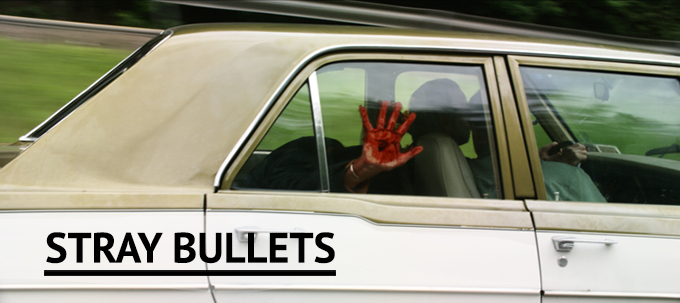
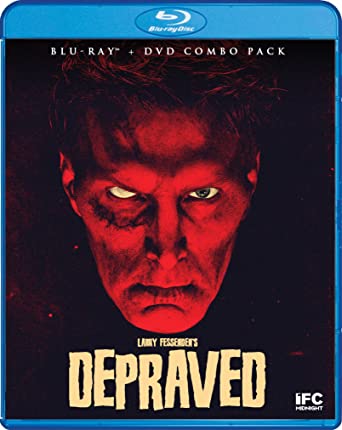
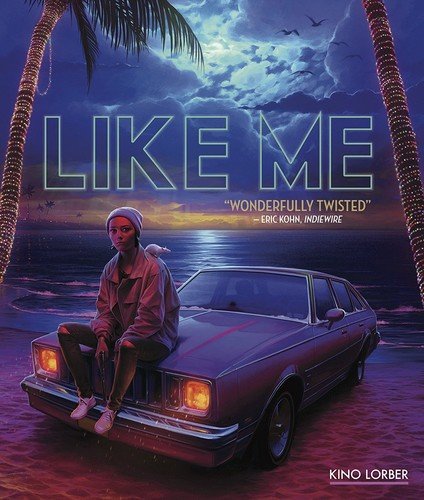
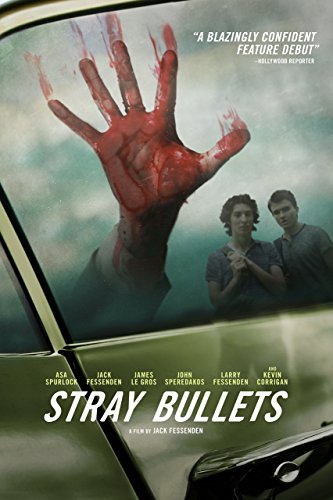
With ten years of experience working with Glass Eye Pix, the New York independent genre production outfit led by horror auteur Larry Fessenden, Skotchdopole has amassed numerous credits on several films, including working as the cinematographer on Fessenden’s “Depraved,” as co-producer on Jenn Wexler’s “The Ranger,” and associate producer on Robert Mockler’s “Like Me” and Jack Fessenden’s “Stray Bullets.” Prior to his feature debut, Skotchdopole wrote and directed the short “The Egg and the Hatchet,” which screened at the Oldenburg Film Festival and Festival du Nouveau Cinéma, among others.
Fessenden and Garay also share story credits with Skotchdopole, and Adam Carboni shot the film.
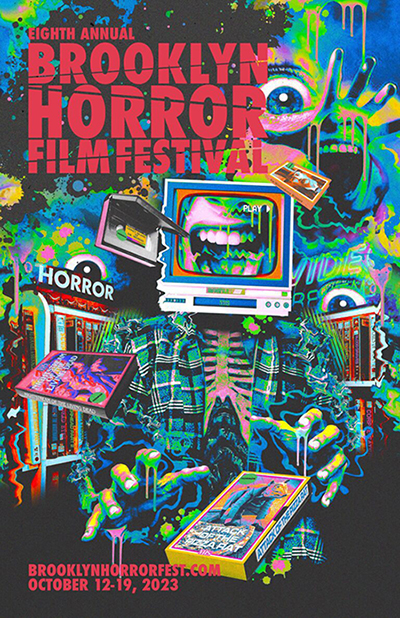
Following the world premiere at Fantastic Fest, “Crumb Catcher” will screen at the Woodstock Film Festival and at the Brooklyn Horror Film Festival, with further festival engagements to be announced.
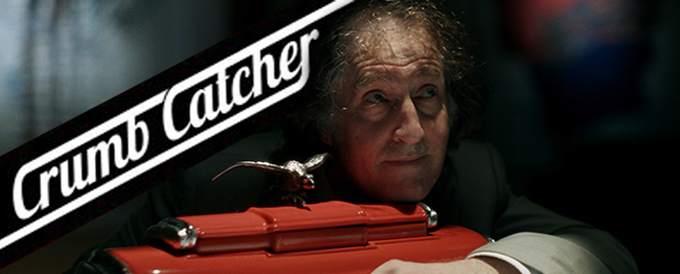
A crumbcatcher lets a waiter clean your table in one quick swipe, hence its nickname, the silent butler. But what if there was a crumbcatcher that caught more than just crumbs? And what if the not-so-silent obnoxious inventor of this device showed up unannounced late one evening, grumpy wife in tow, determined to prove his idea will revolutionize the restaurant industry?
Produced by indie legend Larry Fessenden, Crumbcatcher is rumored to be a wild ride full of unpleasant characters doing unpleasant things to one another. Which is one way of saying it sounds like it absolutely belongs at Fantastic Fest. – Dave Canfield
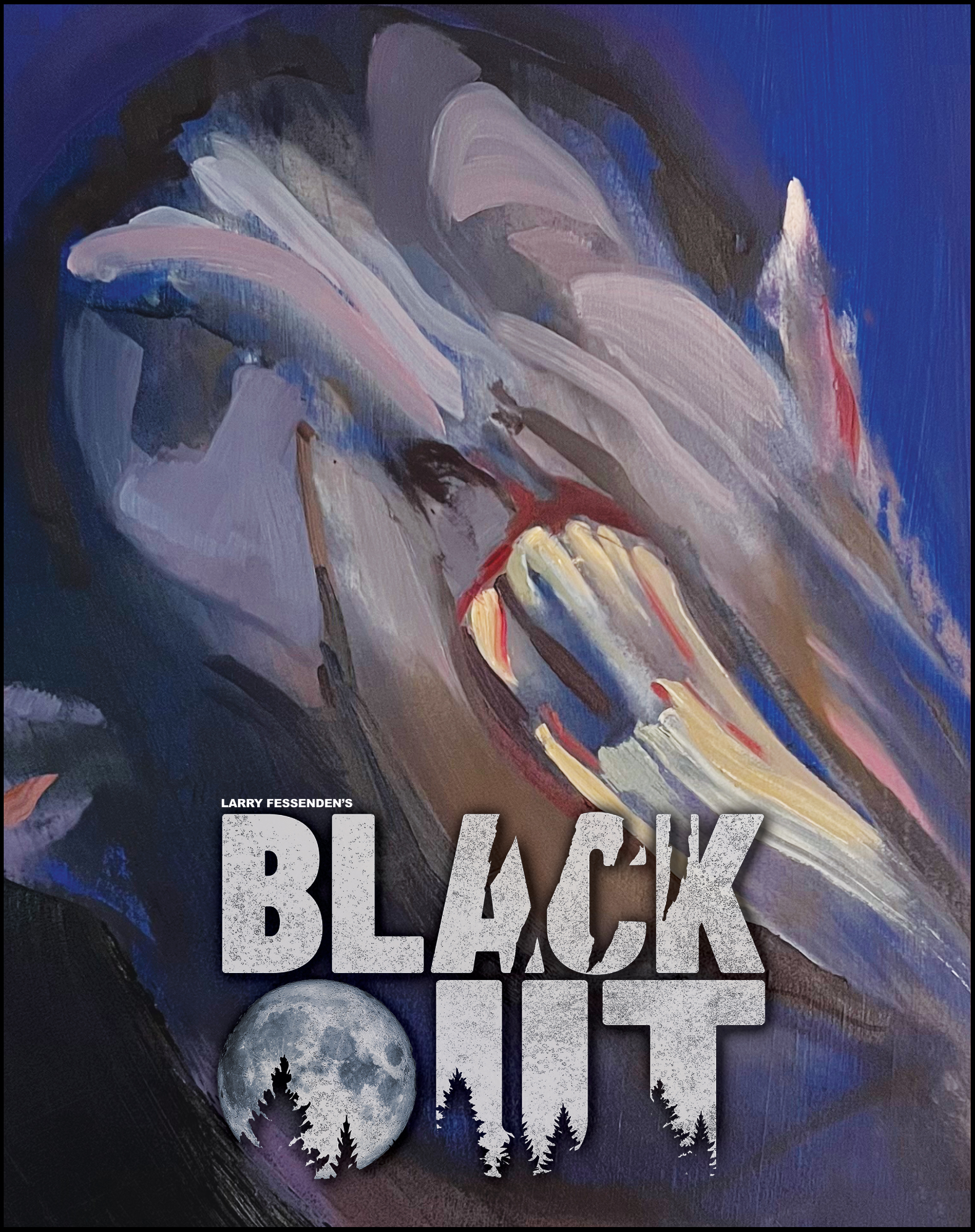
A work is never finished, only abandoned: Fessenden looking forward to abandoning BLACKOUT after edit and mix tweaks following world premier at Fantasia Film Fest.
New cut will unspool at Woodstock Film Festival, Brooklyn Horror, and Sitges overseas. Check it!
Fessenden with longtime Glass Eye Pix collaborator Tom Efinger after the mix 9/19/23
Fessenden with thespians Alex Hurt and Barbara Crampton day one of principal photography 9/19/22
Check out the full lineup which includes a 40th anniversary screening of ANGST by Gerald Kargl, often sited as a favorite of depraved cinema by Fessenden.
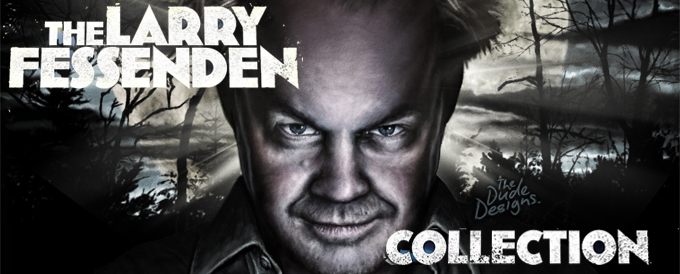
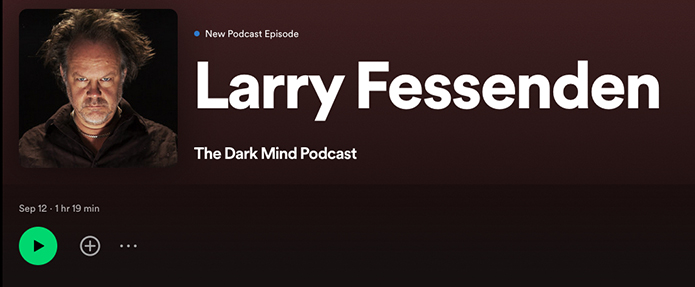
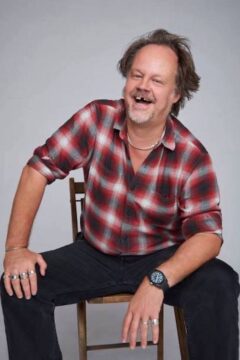
2023 WOODSTOCK FILM FESTIVAL: A CONVERSATION WITH ART-HORROR AUTEUR LARRY FESSENDEN
What inspired you to choose a career in the film business, and what was your journey?
I always loved movies and monsters as a child. I was drawn to the arts as a kid, drawing pictures and writing stories when I was very young. I was an actor in grammar school and high school. I might have had small roles, but I always made an impression as a dragon or a one-legged pirate. As I grew up, I became aware that when you watch a movie, it is the camera that tells the story, and I started shooting S8mm as a teenager. I learned feature filmmaking with video because the tape stock was cheap. I am only tangentially in the film business even now, but I have been involved in various aspects of making and distributing many, many movies.
What was your most rewarding or the most challenging project to date?
I am proud of the filmmakers whose careers I have helped, like Kelly Reichardt, Ti West, Jack Fessenden, and many others. I am fond of my own films because they express my viewpoint of life, for better or worse. I have cherished memories working with actors and directors that I revere, like Adam Driver, Bill Murray, Jim Jarmusch and the incomparable Marty Scorsese. As for my most challenging project, every project, big and small, that I am involved with is a challenge. You try to bring your personal best to the work, and it doesn’t always hit.
What are your thoughts on technology and the changing landscape of the TV and film industry?
I am very bitter about the commodification of a medium I love. The studios have relinquished moviemaking to the streamers.
I dislike streaming, even though it is convenient. I grew up on the scarcity of access to movies; it made them special. They lived in the mind, imagination, posters, and stills from magazines and books. Movies mattered. The business mindset behind the streamers is craven; they don’t even let you watch the end credits on a movie you’ve just sat through. No time for reflection. They are training viewers to disdain the people who made the work and just gobble up the next dollop of content.
The TV execs tried to drop televising the cinematography and editing award at the Oscars, no respect for the craft, just celebrity gawking. But it is not just movies, of course. Technology and rampant capitalism in all aspects of life have amplified our narcissism, which leads inexorably to tribalism and strife.
What is one question you’re constantly asked or what’s the biggest misconception about what you do?
People often suggest I should “sell out” and go to Hollywood. That’s not something you just do. It is very hard to break into the film business, especially if you have an alternative perspective on the world. And anyway, I’m too old now, it’s a youngster’s game.
Can you put your finger on what makes a great Writer/Director and who inspires you?
I respond to directors who have a distinct visual style, a sense of realism even in fantastical contexts, and a commitment to resonant themes. But this could describe many directors that I don’t particularly revere, I suppose. I like Hitchcock, Kurosawa, Scorsese, Polanski, Kubrick, The Coen Brothers, and Herzog. It is a pretty traditional list for a cinephile of my generation. These were high priests when the cinema was a church.
What are you working on now that you’re excited about?
In fact, I am working on a few changes to BLACKOUT. When I finished it a month ago, I suspected there were two things I might want to revisit in the edit. I am allowing myself to go back in. I often do that between festival screenings and whatever distribution I might secure. And I am working on the sequel. Yes, you read that correctly.
If you could have one superpower, what would it be?
It’s a whimsical question that reveals my melancholy about life because I really would like a superpower to vanquish the bad guys and fix the world. In that way, I have never grown up.
Glass Eye Pix is the fierce independent NYC-based production outfit headed by award-winning art-horror auteur Larry Fessenden with the mission of supporting individual voices in the arts. Read more...