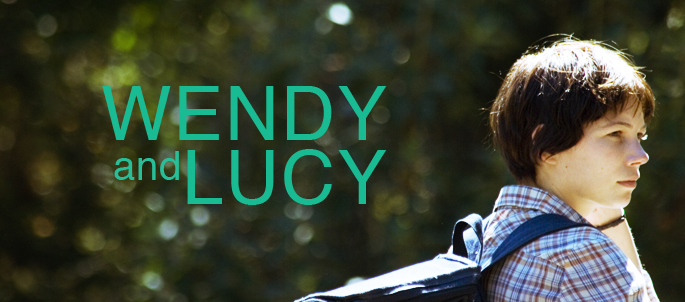
TBT: 2007, Michelle Williams and Fessenden wraps night shoot
in Portland for Kelly Reichardt’s WENDY AND LUCY.











TBT: 2007, Michelle Williams and Fessenden wraps night shoot
in Portland for Kelly Reichardt’s WENDY AND LUCY.


GQ has a talk with GEP pal and collaborator Kelly Reichardt about isolation,
male friendship, and her “chaotic” Miami childhood.
This weekend, watch her newest film FIRST COW. Be sure to revisit OLD JOY,
MEEKS CUTOFF, CERTAIN WOMEN and Glass Eye classics WENDY AND LUCY
and RIVER OF GRASS. Streaming on the Criterion Channel.

Formative Fears is a column that explores how horror scared us from an early age, or how the genre contextualizes youthful phobias and trauma. From memories of things that went bump in the night, to adolescent anxieties made real through the use of monsters and mayhem, this series expresses what it felt like to be a frightened child – and what still scares us well into adulthood.
Water, water everywhere, nor any friend to help.
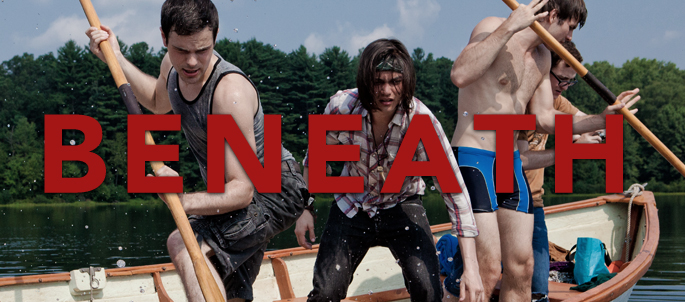
Over the course of our lives, we form numerous relationships. Some flourish into more long-lasting bonds, whereas others are fleeting. As much as we try to hold on to those dear and important people, there’s really no telling if they’ll still be there tomorrow. In Larry Fessenden’s creature feature Beneath, Johnny and his friends are about to have the rudest awakening of their short-lived lives. They may have been tight-knit throughout high school, but when the unthinkable happens one day out on the lake, the connection between the six is severed in the most horrifying way possible.
…
Fessenden aims for a more sinister update of Lifeboat with this movie — and he succeeds. He breaks the moral compass and undermines the idea of loyalty. Rules known from a young age and practiced well until death are ditched as the characters’ situation becomes dire. The actions of Johnny and his peers are shameful under scrutiny, but the circumstances are unique. They succumb to paranoia and trivial disputes that cloud their judgment. Although there is a series of irrational choices that wear thin for viewers, those lapses in thinking are earned through process. This isn’t a matter of characters deliberately making bad decisions to further the plot; they’re so scared they just can’t think straight.
What hits the hardest about Beneath is its unapologetic cynicism. There are no heroes here. The story is a display of human nature at its most loathsome. The camaraderie is non-existent, and the overarching theme of distrust goes against everything we know and cherish in both the real world and fiction. The movie acknowledges conventions while dismantling them. Fessenden and writers Tony Daniel and Brian D. Smith tapped into something very dark in Beneath, something provocative even for a genre known for twisting reality and challenging ethics. As for the characters, their relationships were undone not because of a carnivorous fish but because they failed one another during times of trouble. It’s a harsh lesson about growing up that Johnny and the others will never have the opportunity to learn from.
The movie is outwardly memorable because of its creative practical effects and unpredictable behavior. The characters are detestable and the outcome is grim. Even so, Beneath is a shrewd morality experiment that asks its audience a difficult question — what would they do if they were in the same boat — on top of showing what happens when baser instincts supersede compassion.


FIRST COW, the latest film from Glass Eye collaborator Kelly Reichardt
(RIVER OF GRASS, WENDY & LUCY) is now available on digital today!

TBT: 2010, A red carpet pic of Fessenden, Ti West, Peter Phok
and Jim Mickle at the 25th Annual Spirit Awards.

Reichardt will be taking part in a virtual Q&A on July 9 at 7 p.m.
at the Northwest Film Center and the Seattle International Film Forum.
FIRST COW will be available to watch by video on demand on
July 10 after a lengthy release delay.
The News Tribune: Has there been a film of yours that you didn’t edit for?
Reichardt: Larry Fessenden cut “River of Grass.” In the years where I really couldn’t get a film made, I was just practicing cutting. Larry Fessenden really did teach me how to edit for the most part. Also “Ode” I worked with an editor on. By that point I was sort of starting to find it very frustrating to talk through someone to get to what I wanted. I thought it wasn’t that fun of an experience for either of us. So I decided I should just figure out how to just do it on my own. At that point I was really finding a lot of what was happening in the film in the editing. Like “Night Moves” or even in a lot of cases “First Cow” where one thing dictates what comes next. It’s a different kind of cutting than a film like “Meek’s Cutoff.” We’re certainly following a script and a plan but ultimately there are a lot of small ways that things could go together differently. It’s just nice, after having a collaborative experience with a crew, to get back in a room and have a direct relationship with whatever you just made.
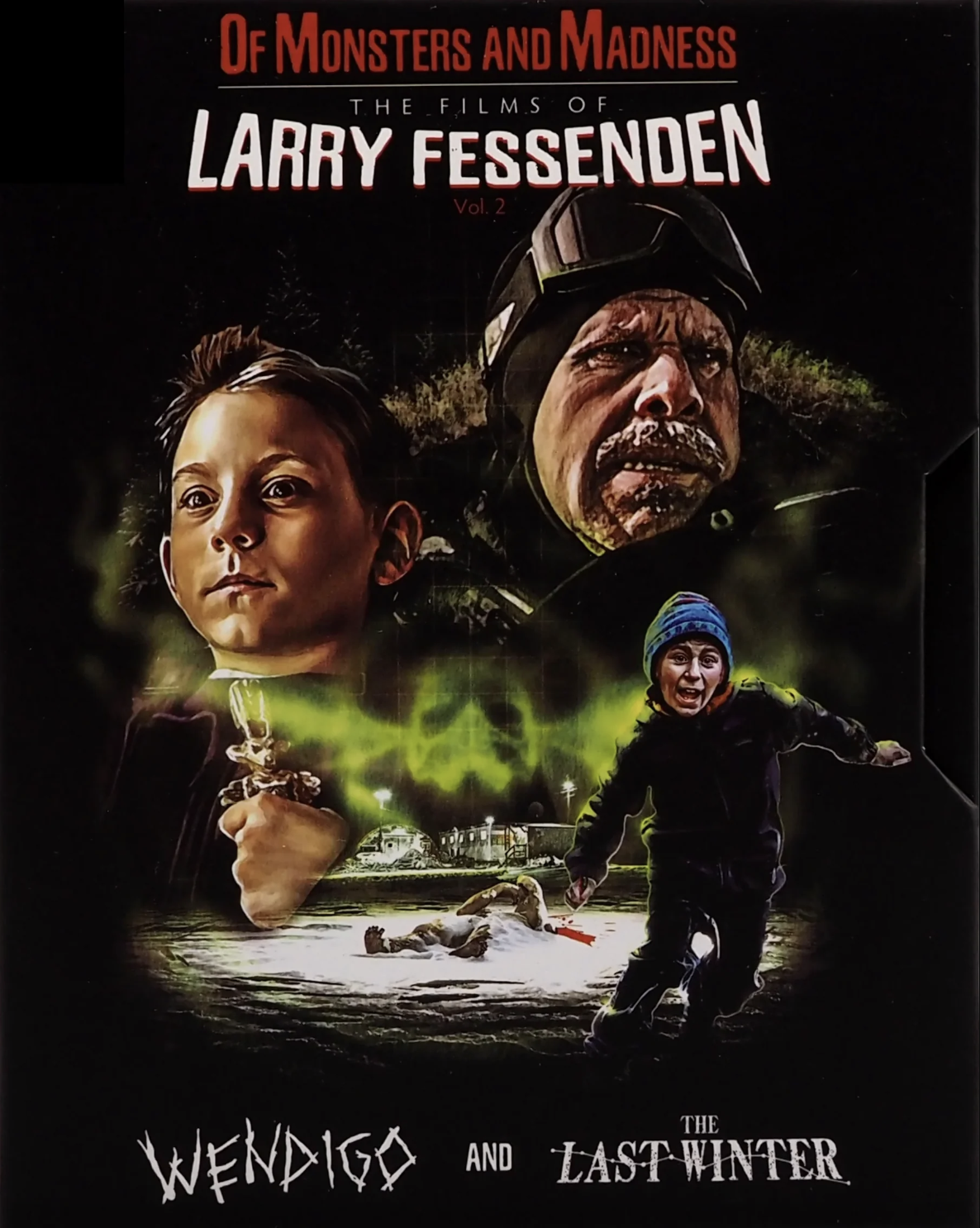
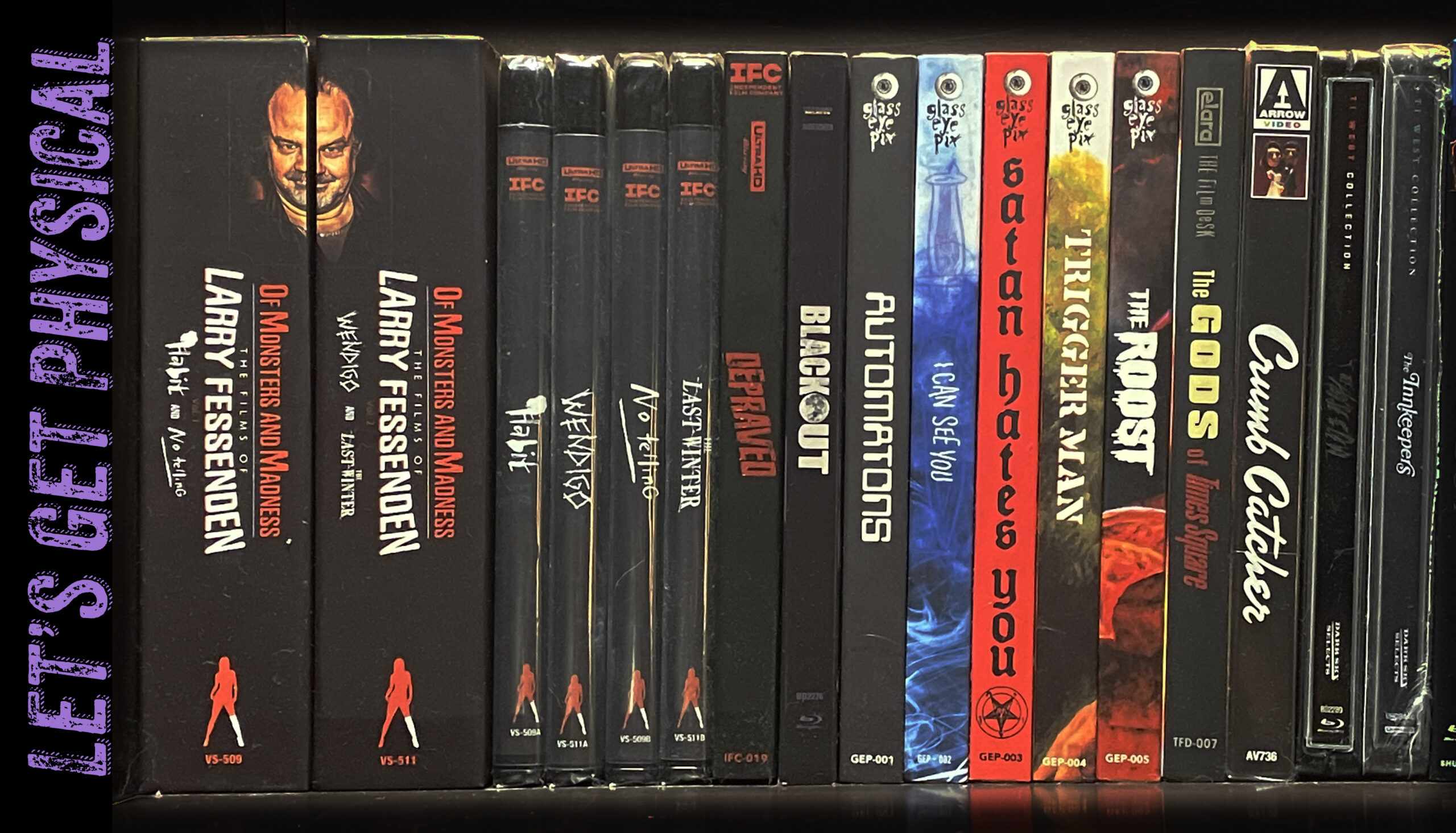
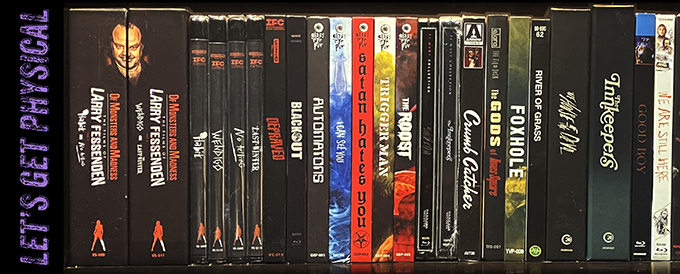
The Films of Larry Fessenden: Vol 2
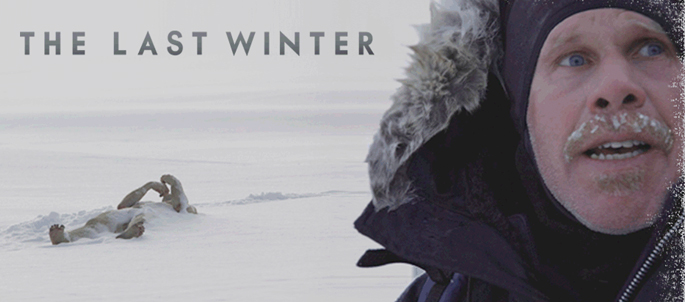
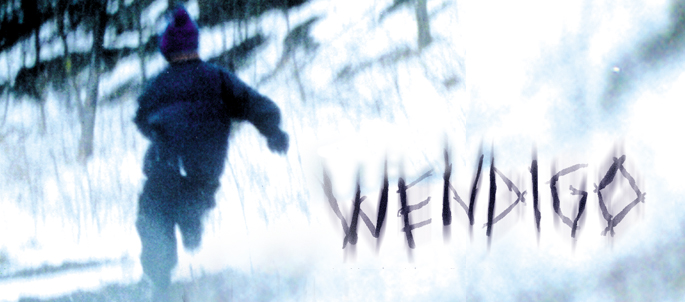
Wendigo & The Last Winter
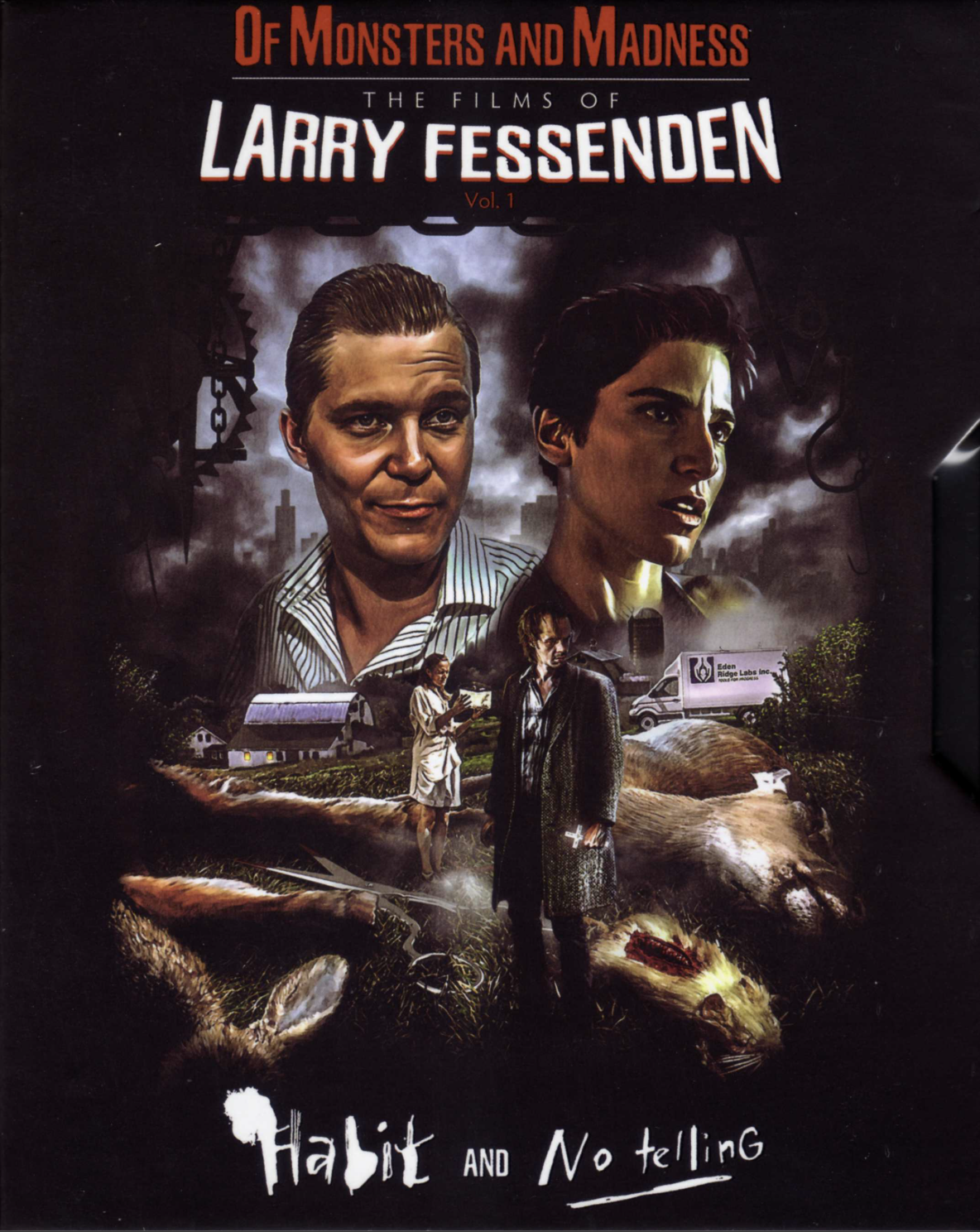
The Films of Larry Fessenden: Vol 1
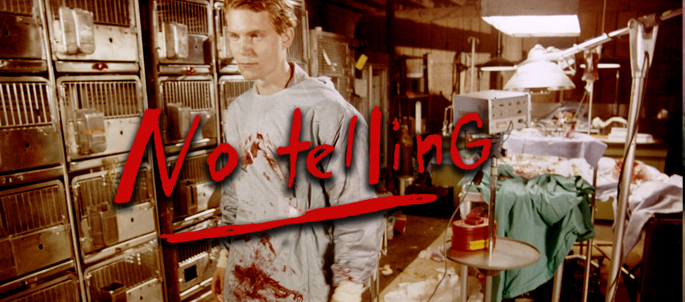
Habit & No Telling
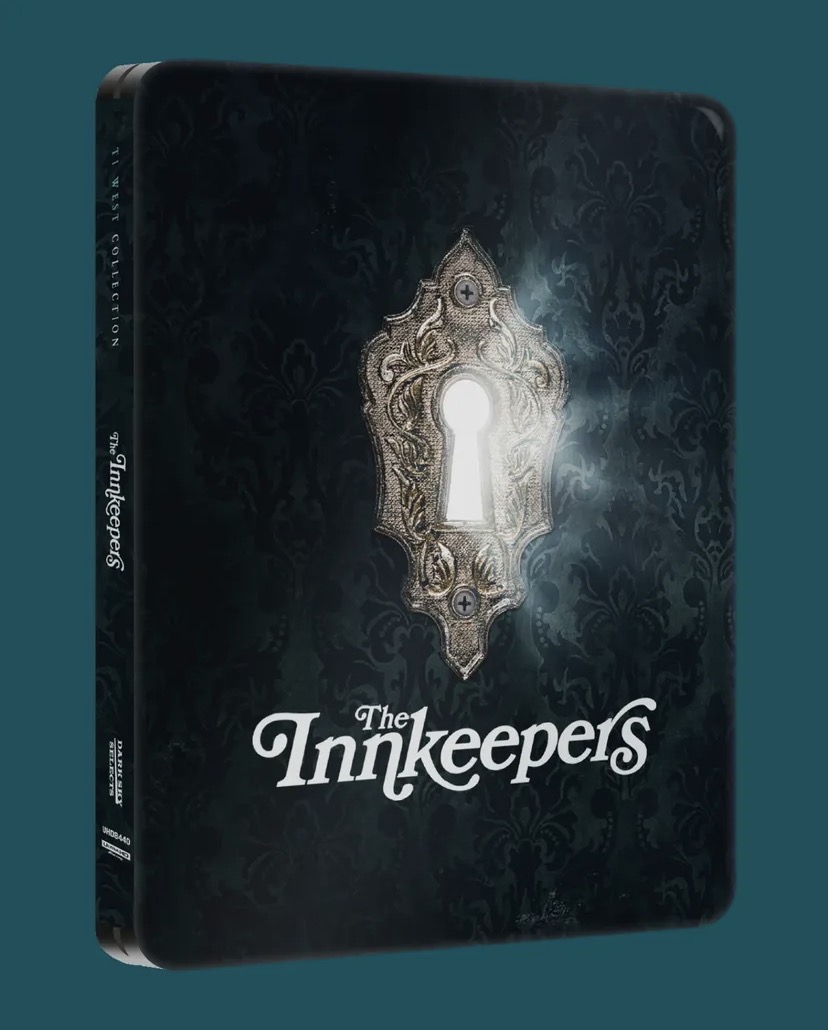
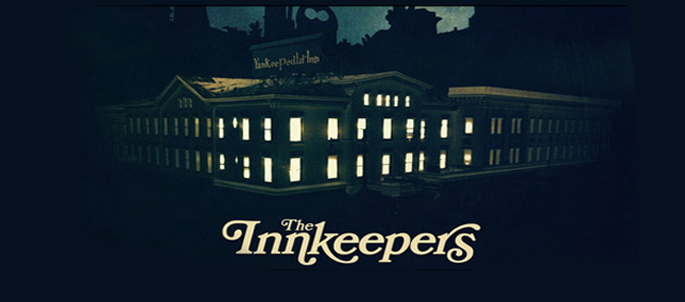
The Innkeepers
Limited Edition Blu-Ray
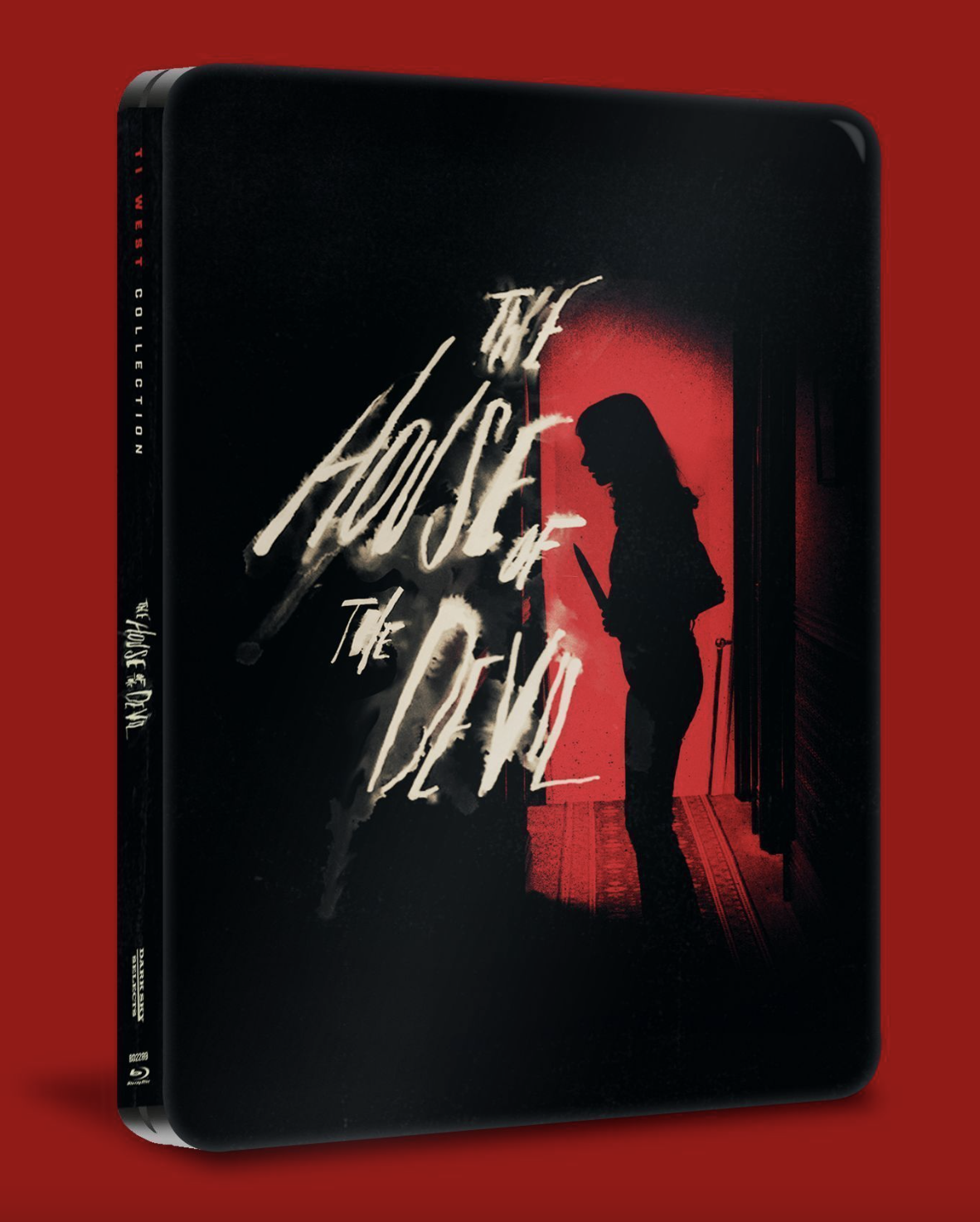
The House Of The Devil
Collector Edition Blu-Ray
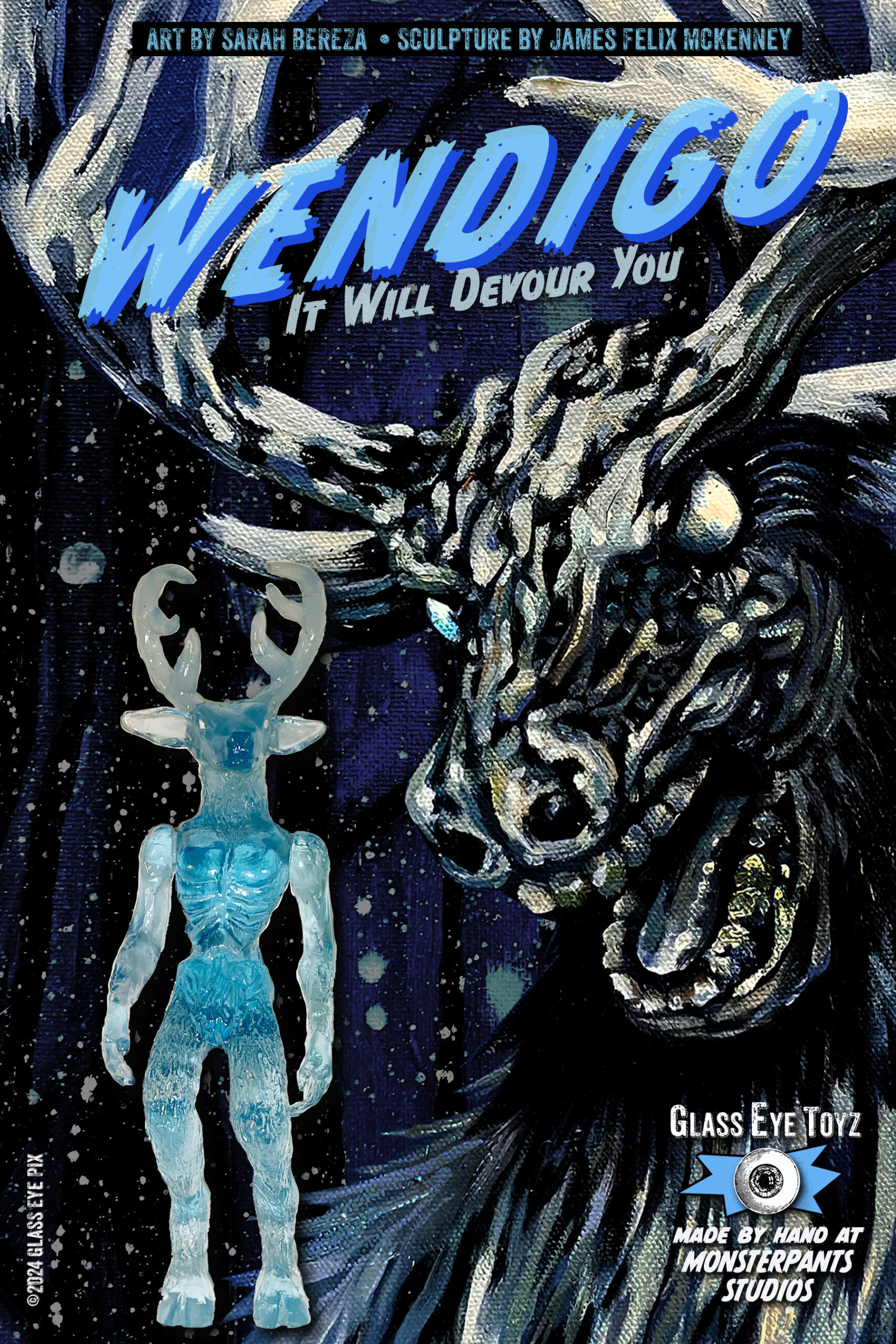
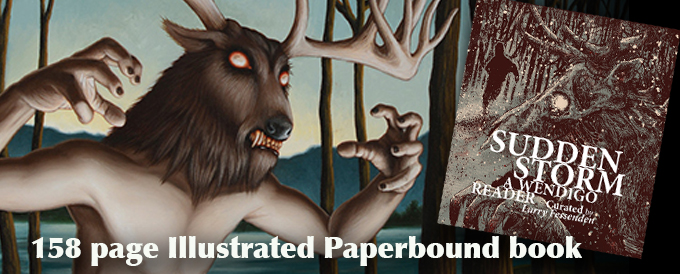
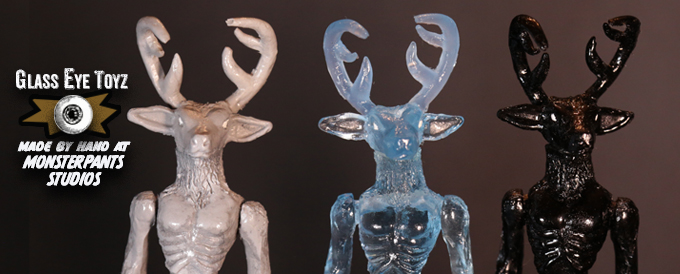
WENDIGO Figures
From Glass Eye Toyz
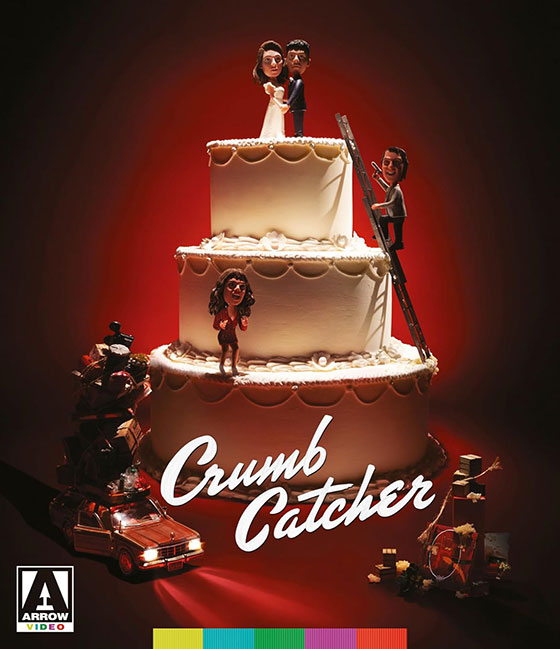
CRUMB CATCHER Blu-Ray
From Arrow Video
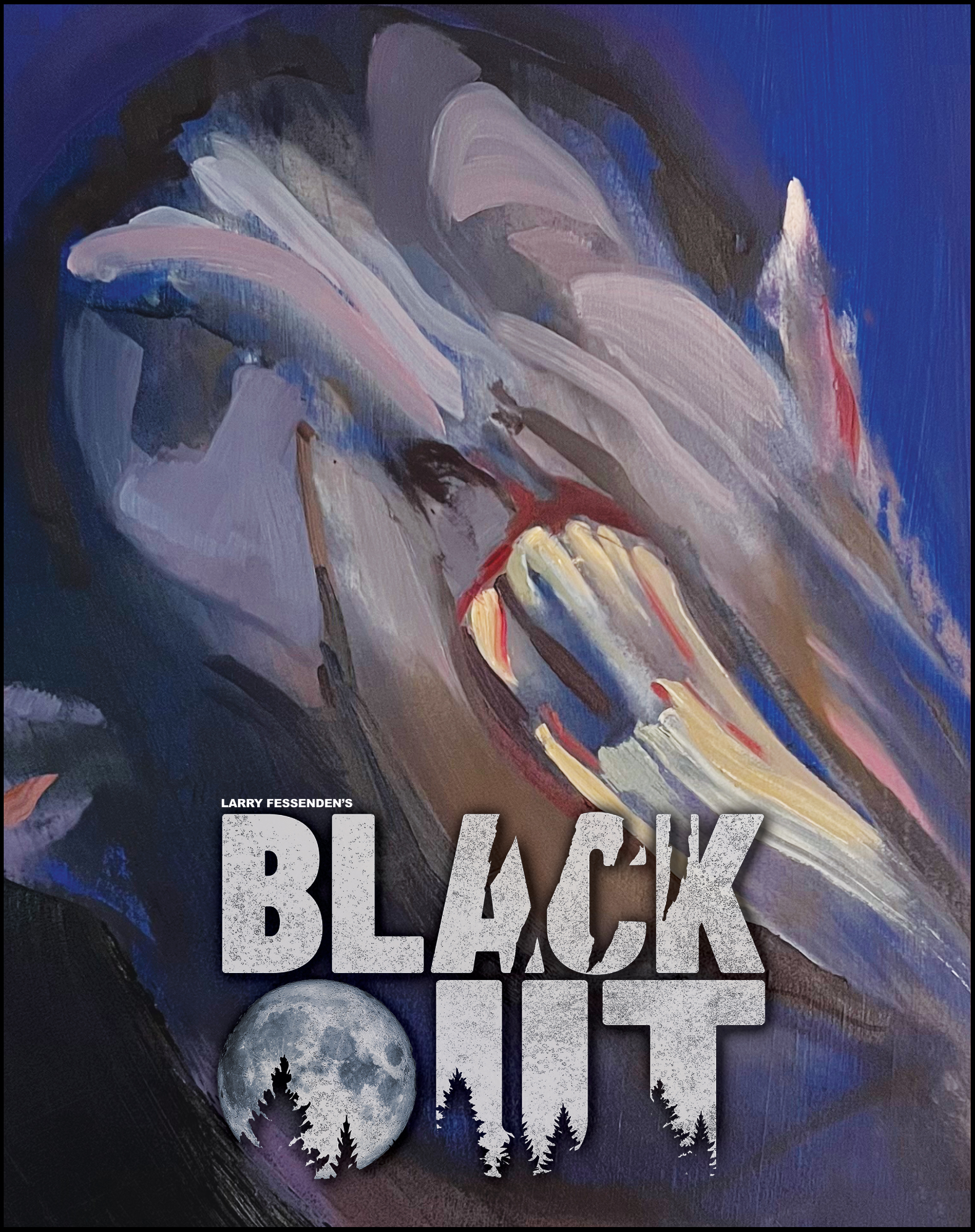
BLACKOUT BLU-RAY
From Dark Sky Selects
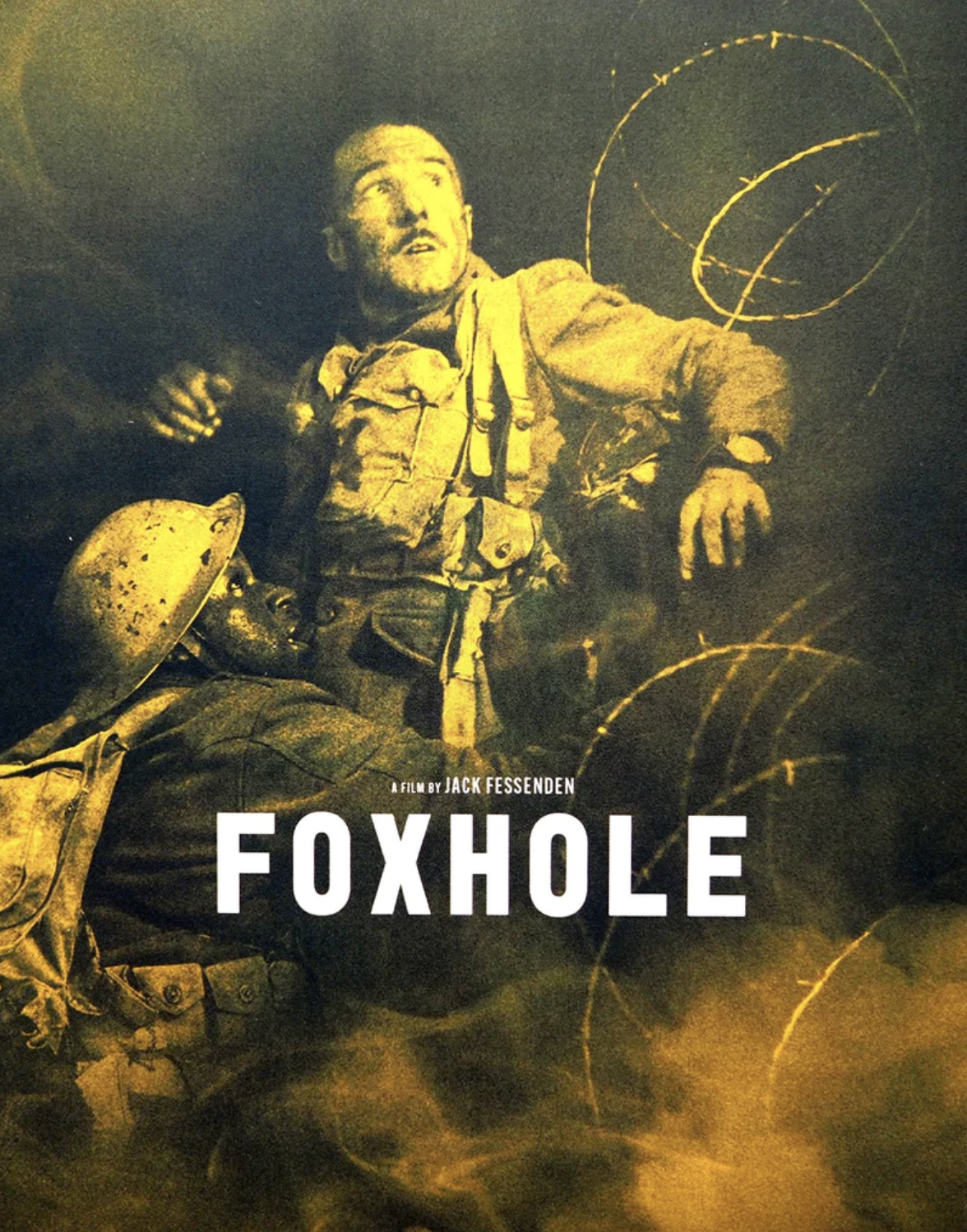
FOXHOLE BLU-RAY
From Vinegar Syndrome
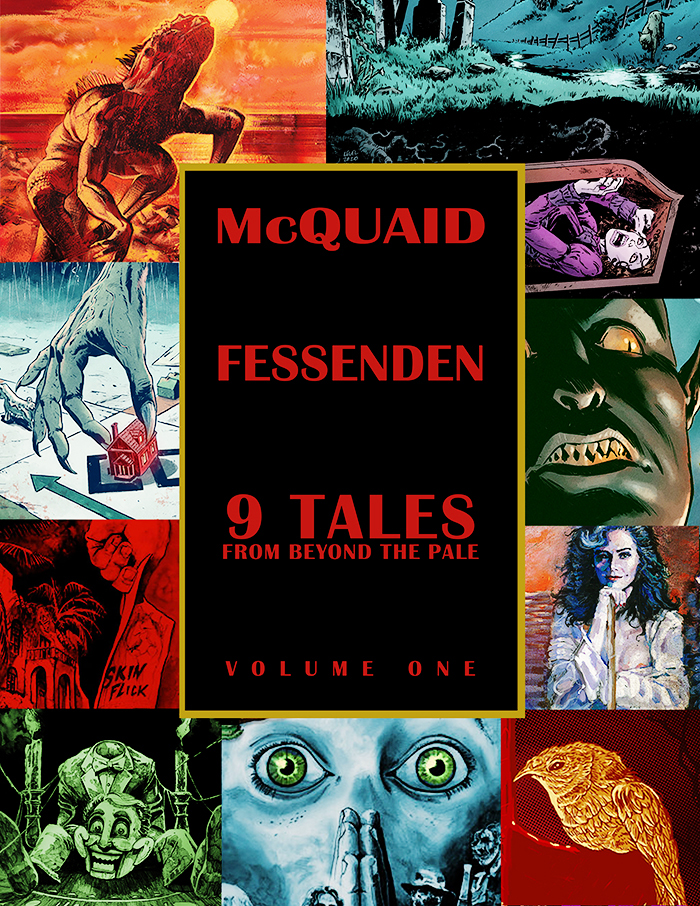
9 Tales From Beyond The Pale
on Amazon!
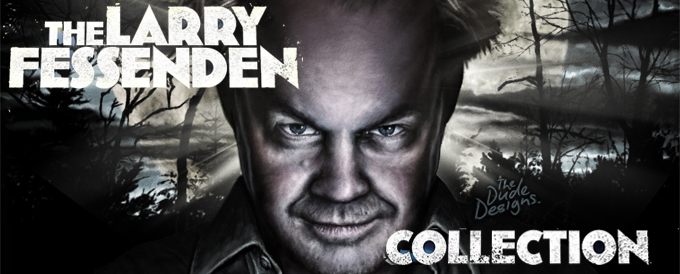
THE LARRY FESSENDEN COLLECTION Blu-ray
on Amazon!
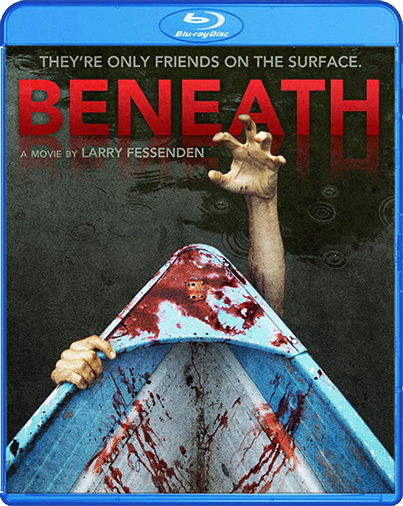
BENEATH Blu-ray & DVD
on Amazon!