









April 20, 2022
Share:


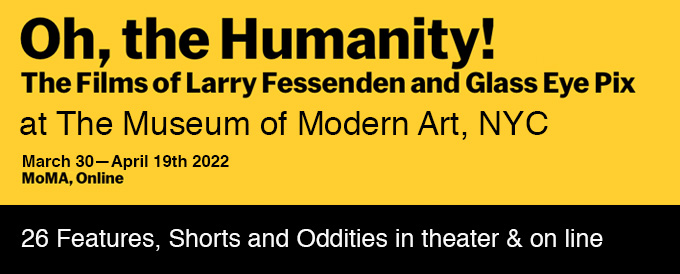
MoMA Glass Eye Pix Retrospective Roundup
Thanks to the artists and audiences that came to the shows…
April 19, 2022
Share:
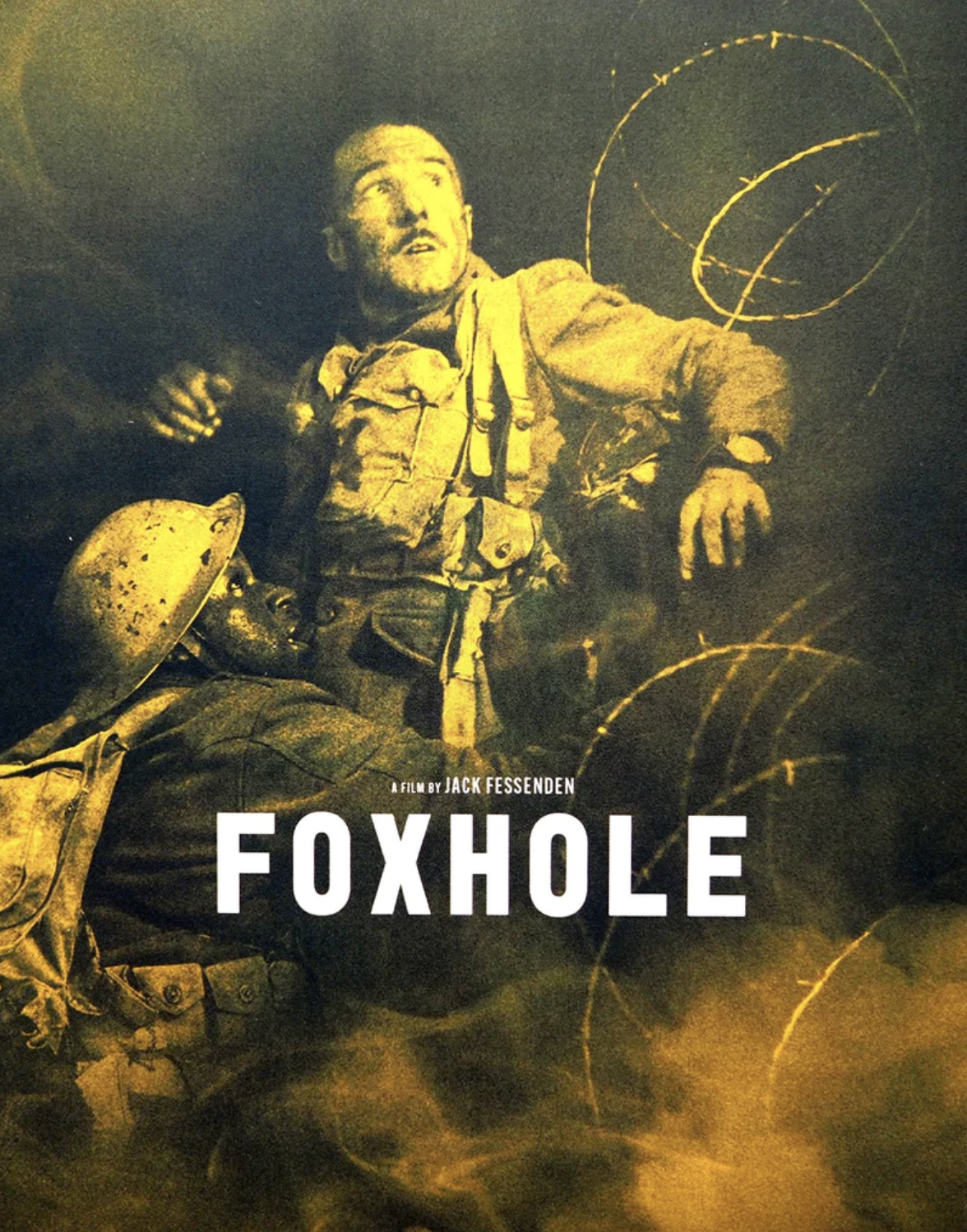
FOXHOLE poster by Graham Humphreys revealed!

Samuel Goldwyn releases official FOXHOLE poster
by long-time Glass Eye Pix collaborator Graham Humphreys
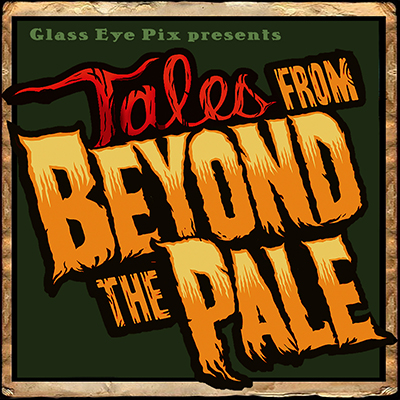
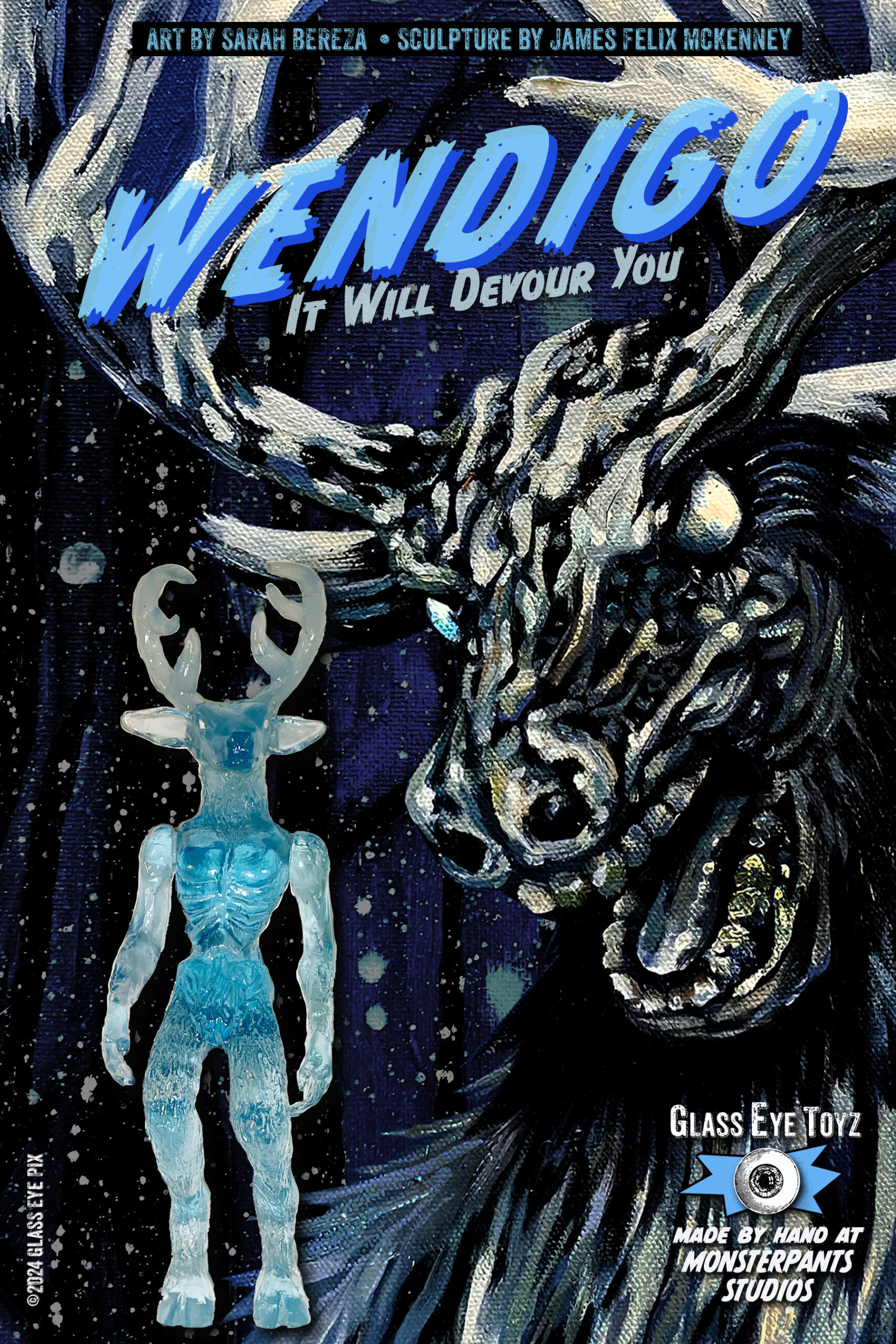
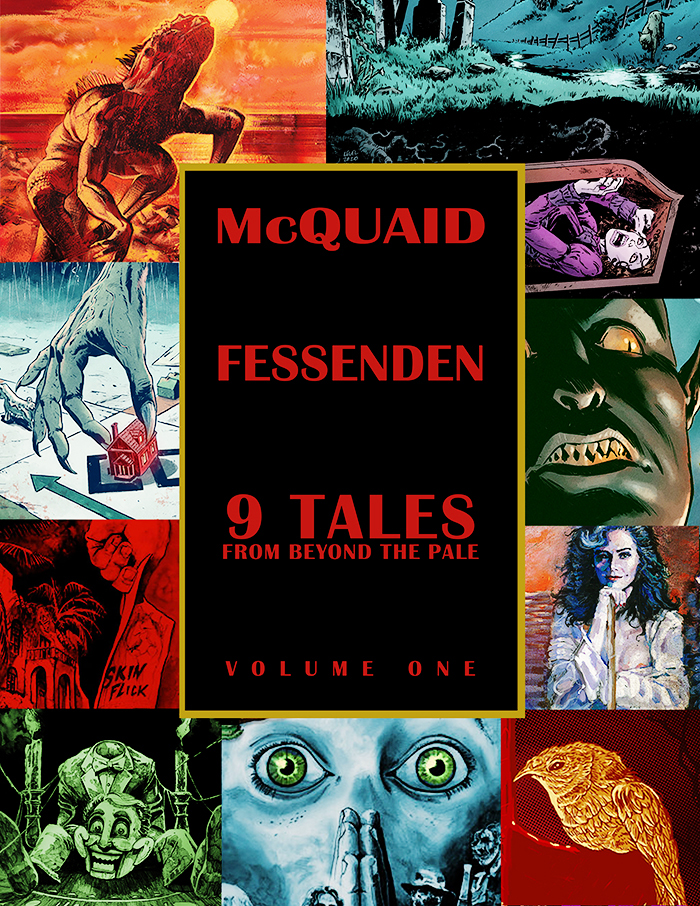
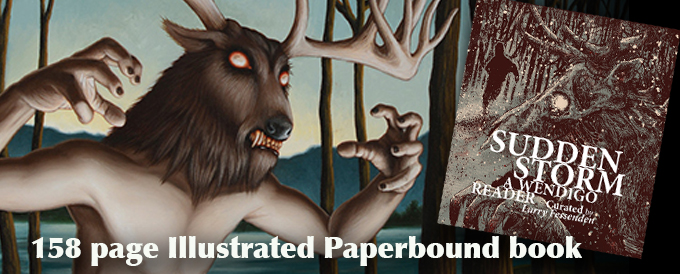
(Tales From Beyond The Pale Season 3; DEPRAVED retro poster, Sudden Storm Wendigo illustration)
visit www.grahamhumphreys.com
April 19, 2022
Share:
Samuel Goldwyn’s FOXHOLE Trailer drops at ComingSoon.net

SPACE
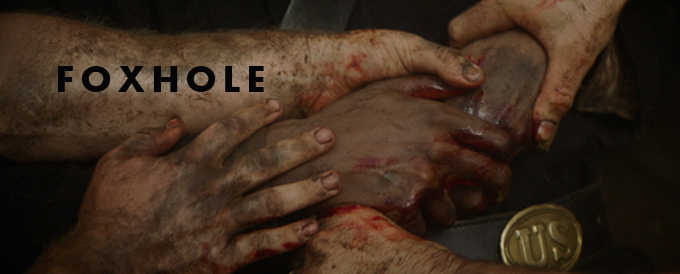
“Unfolding over the span of 36 hours in three separate wars — The American Civil War, World War I, and Iraq — Foxhole follows five soldiers confined in a foxhole as they grapple with morality, futility, and an increasingly volatile combat situation,” says the official synopsis.
April 19, 2022
Share:
Today at MoMA: THE COMEDY and LIBERTY KID

4:30
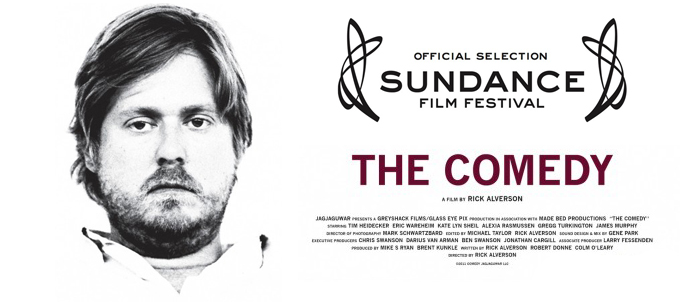
THE COMEDY (2012, Rick Alverson, 94 min. Tim Heidecker, Eric Wareheim) On the cusp of inheriting his father’s estate, Swanson is a man with unlimited options… As Swanson grows restless of the safety a sheltered life offers him, he tests the limits of acceptable behavior, pushing the envelope in every way he can.

7:00
LIBERTY KID (2007, Ilya Chaiken, 92min. Al Thompson, Kareem Savinon) Two young friends struggle to survive after losing their jobs at the Statue of Liberty tourist site due to 9/11. Derrick, courted by Army recruiters, seeks a life outside of their Brooklyn neighborhood, while Tico leads him on a detour into the street-hustling life.
More info on the Museum of Modern Art Larry Fessenden & Glass Eye Pix retrospective
April 18, 2022
Share:
Today at MoMA: I SELL THE DEAD

4:30
TALES FROM BEYOND THE PALE SEASON 3 TEASER (2015, Beck Underwood, 1:13 mins) Animated Teaser for the Glass Eye Pix Radio Series by Glenn McQuaid and Larry Fessenden
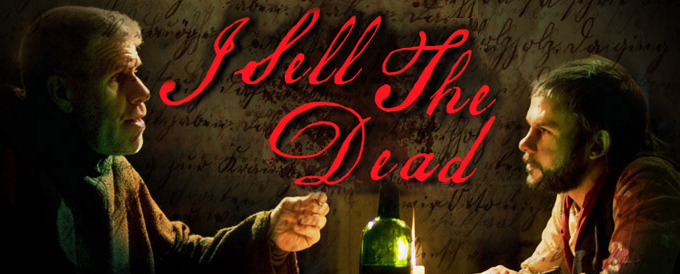
I SELL THE DEAD (2008, Glenn McQuaid. Dominic Monaghan, Larry Fessenden, Ron Perlman, Angus Scrimm) 19th century justice has finally caught up to grave robbers Arthur Blake and Willie Grimes. With the specter of the guillotine looming over him, young Blake confides in visiting clergyman Father Duffy, recounting fifteen years of adventure in the resurrection trade. The colorful and peculiar history of Grimes and Blake is one filled with adventure, horror, and vicious rivalries that threaten to put all involved in the very graves they’re trying to pilfer. Never Trust A Corpse.
April 17, 2022
Share:
“WIND” by Tom Laverack in new music video by Fessenden
Long-time collaborator Tom Laverack writes and performs “WIND”
edit by Fessenden in tribute to the Easter screening of DEPRAVED at MoMA
as the Glass Eye Pix Retrospective winds down
April 17, 2022
Share:
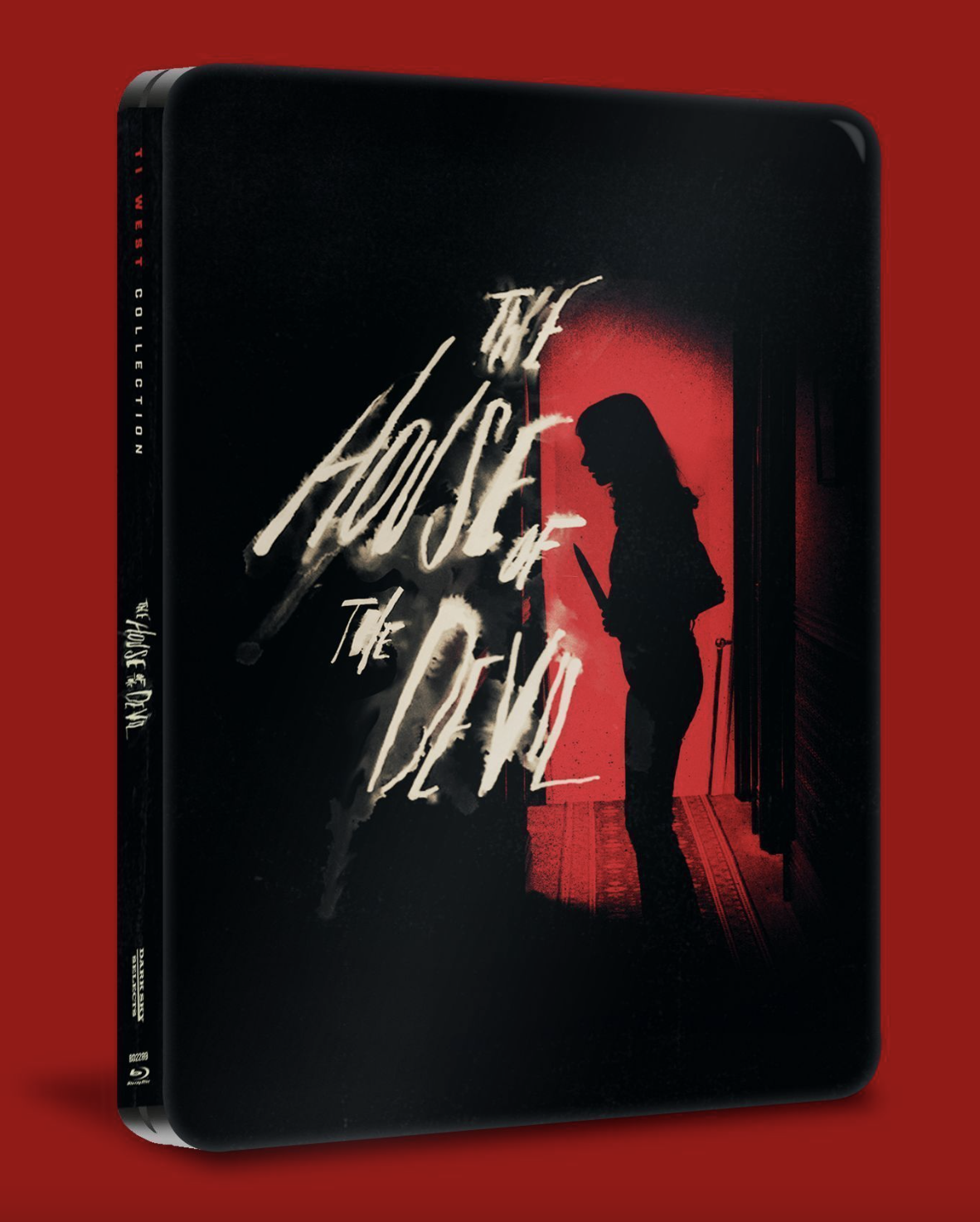
Today at MoMA: THE HOUSE OF THE DEVIL and DEPRAVED

2:00
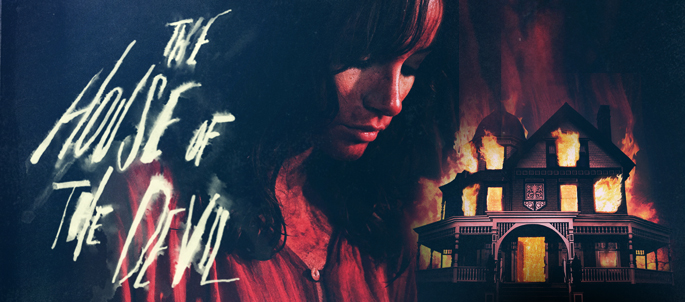
THE HOUSE OF THE DEVIL (2009, Ti West 95 mins. Jocelin Donahue, Tom Noonan, Mary Woronov, Greta Gerwig, AJ Bowen, Dee Wallace) College girl Samantha responds to an ad for a babysitter to land some quick cash for a new apartment. Her skeptical pal Megan drives her deep into the woods and deposits her at a big, creaky Victorian house lorded over by a creepy old couple with big plans to celebrate the night’s rare lunar eclipse.

4:30
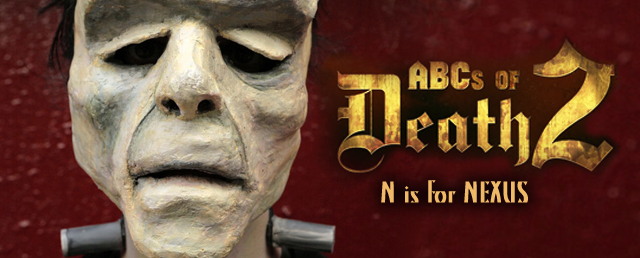
NEXUS (2014, Larry Fessenden, 5 minutes. Michael Vincent, Lauren Molina, Aaron Beall) On Halloween in NYC, a man hurries to meet his girlfriend for a costume party while a cabbie speeds through the street with his attention on the missing letter of his crossword puzzle.
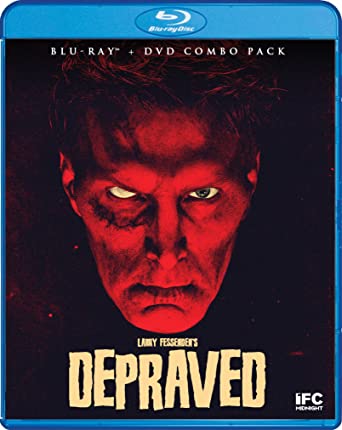
DEPRAVED (2019, Larry Fessenden; 112 mins. David Call, Joshua Leonard, Alex Breaux, Ana Kayne, Maria Dizzia, Chloe Levine, Owen Campbell and Addison Timlin) Henry, a field surgeon suffering from PTSD after combat in the Middle East, creates a man out of body parts in a makeshift lab in Gowanus, Brooklyn. The creature he creates must navigate a strange new world and the rivalry between Henry and his conniving collaborator Polidori.
More info on the Museum of Modern Art Larry Fessenden & Glass Eye Pix retrospective
April 16, 2022
Share:
Today at MoMA: RIVER OF GRASS, MOST BEAUTIFUL ISLAND and THE COMEDY

2:00
RIVER OF GRASS (1994 Kelly Reichardt 81 mins; Lisa Bowman, Larry Fessenden, Dick Russell, Stan Kaplan, Michael Buscemi) A drowsy, sun-drunk road movie in which a would-be Bonnie and Clyde never really commit a crime, fall in love, or even hit the road.

4:30
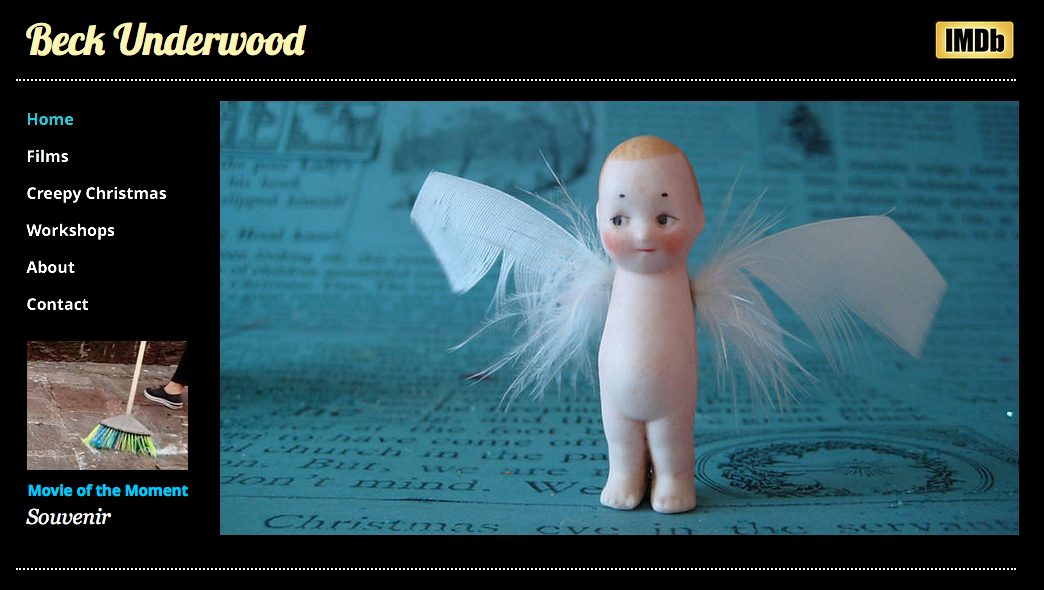
AN EXQUISITE TASK (2020, Beck Underwood, 5 min) A vintage doll, a mysterious barn spirit and some mischievous farm critters come together in this stop-motion short about motherhood, creativity, and letting go.
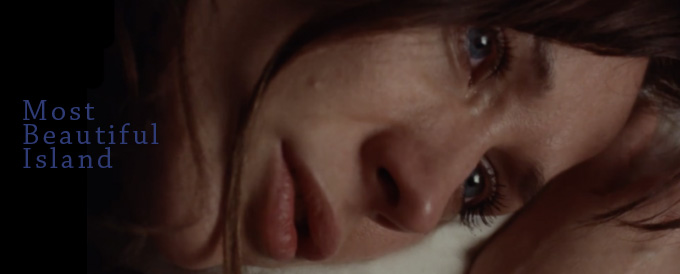
MOST BEAUTIFUL ISLAND (2016 Ana Asensio, 91 mins. Ana Asensio, Natasha Romanova, Brett Azar, Caprice Benedetti, Nick Tucci, Larry Fessenden) One harrowing day in the life of Luciana, a young immigrant woman struggling to make ends meet while striving to escape her past, who finds herself a central participant in a cruel game played for the perverse entertainment of a privileged few.

6:30
THE COMEDY (2012, Rick Alverson, 94 min. Tim Heidecker, Eric Wareheim) On the cusp of inheriting his father’s estate, Swanson is a man with unlimited options… As Swanson grows restless of the safety a sheltered life offers him, he tests the limits of acceptable behavior, pushing the envelope in every way he can.
More info on the Museum of Modern Art Larry Fessenden & Glass Eye Pix retrospective
April 15, 2022
Share:
Today at MoMA: FOXHOLE and LIBERTY KID

5:00
FOXHOLE (2019, Jack Fessenden, 95 mins) James Le Gros, Motell Gyn Foster, Cody Kostro, Angus O’Brien, Alex Hurt, Andi Matichak, Alex Breaux, Asa Spurlock. Unfolding over the span of 36 hours in three separate wars—The American Civil War, World War I, and Iraq—”Foxhole” follows a small group of soldiers trapped in a confined space as they grapple with morality, futility, and an increasingly volatile combat situation.

7:30
LIBERTY KID (2007, Ilya Chaiken, 92min. Al Thompson, Kareem Savinon) Two young friends struggle to survive after losing their jobs at the Statue of Liberty tourist site due to 9/11. Derrick, courted by Army recruiters, seeks a life outside of their Brooklyn neighborhood, while Tico leads him on a detour into the street-hustling life.
More info on the Museum of Modern Art Larry Fessenden & Glass Eye Pix retrospective