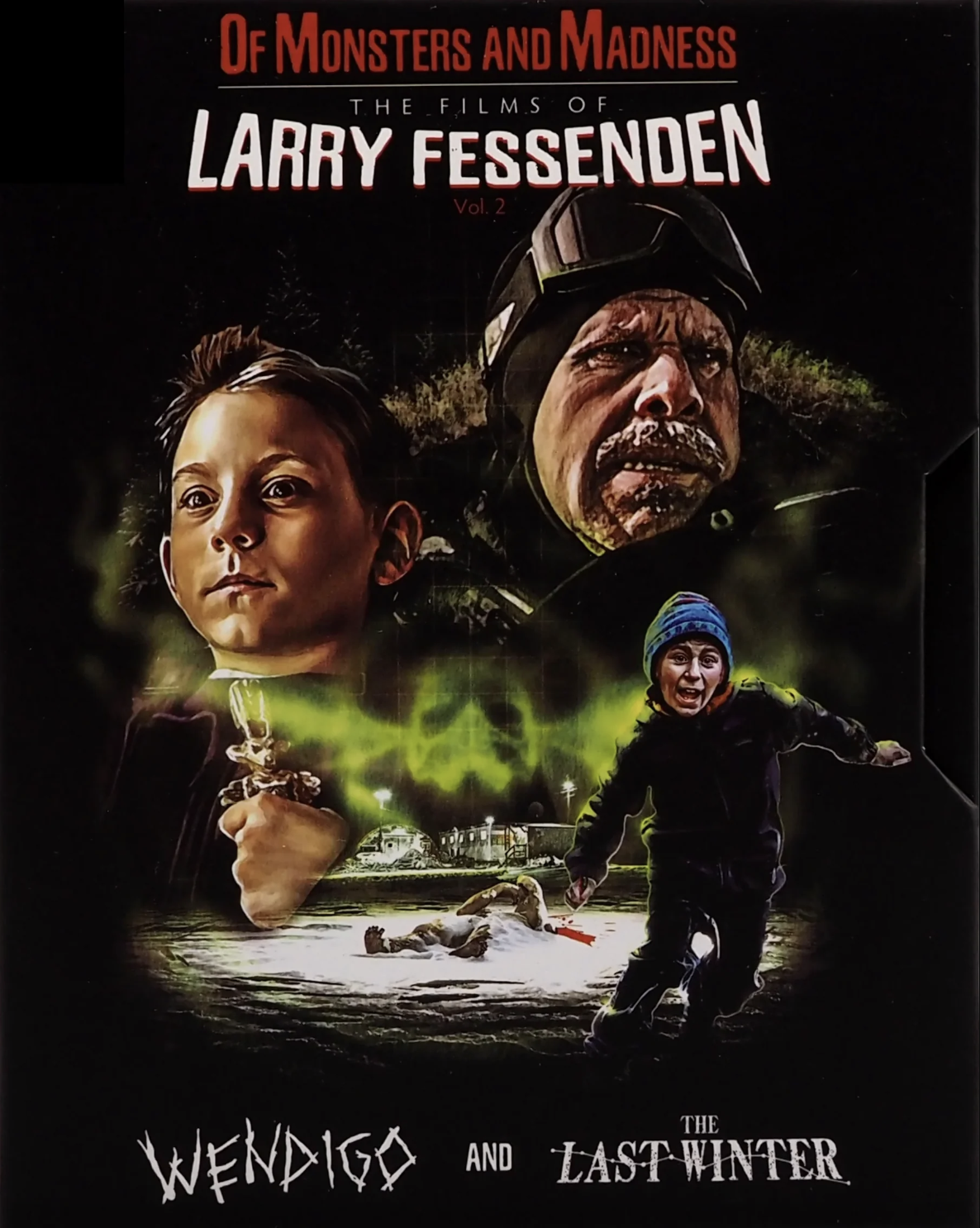
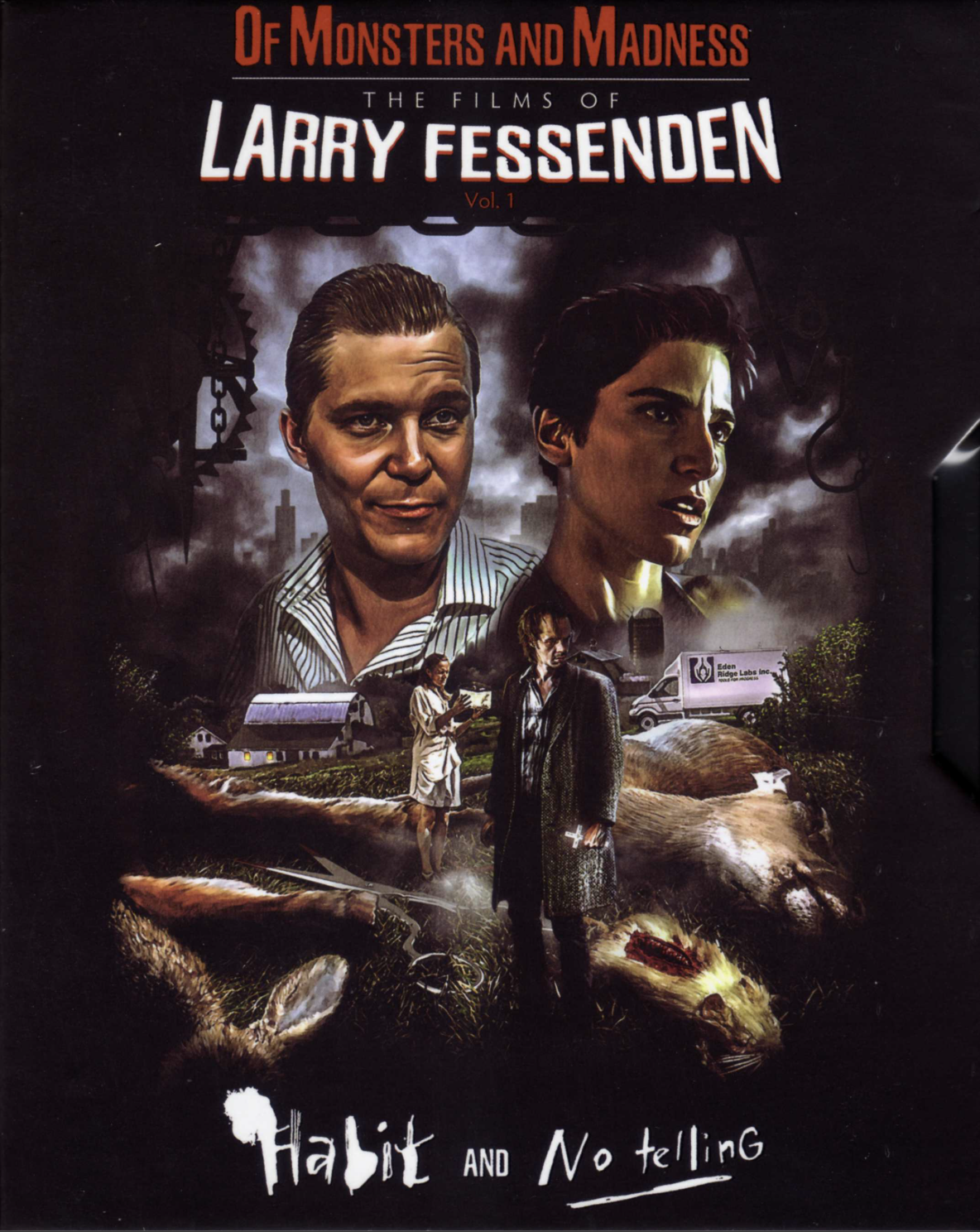
GLASS EYE PIX Sizzle Reel Collectible WENDIGO Figures from Glass Eye Toyz and Monsterpants Studios Oh, The Humanity! The Films of Larry Fessenden and Glass Eye Pix at MoMA The Larry Fessenden Collection BLACKOUT DEPRAVED BENEATH THE LAST WINTER WENDIGO HABIT No Telling / The Frankenstein Complex FEVER ABCs of Death 2: N is for NEXUS Skin And Bones Until Dawn PRETTY UGLY by Ilya Chaiken BLISS by Joe Maggio CRUMB CATCHER by Chris Skotchdopole FOXHOLE Markie In Milwaukee The Ranger LIKE ME PSYCHOPATHS MOST BEAUTIFUL ISLAND Stake Land II STRAY BULLETS Darling LATE PHASES How Jesus Took America Hostage — “American Jesus” the Movie New Doc BIRTH OF THE LIVING DEAD Explores the Impact of the Ground-Breaking Horror Film NIGHT OF THE LIVING DEAD THE COMEDY THE INNKEEPERS HYPOTHERMIA STAKE LAND BITTER FEAST THE HOUSE OF THE DEVIL I CAN SEE YOU WENDY & LUCY Liberty Kid I SELL THE DEAD Tales From Beyond The Pale Glass Eye Pix Comix SUDDEN STORM: A Wendigo Reader, paperbound book curated by Larry Fessenden Satan Hates You Trigger Man Automatons THE ROOST Impact Addict Videos
May 26, 2022
Share:
Facebook Twitter Email

R.I.P. Ray Liotta

May 25, 2022
Share:
Facebook Twitter Email

Mubi: “Fessenden’s palpably handcrafted features are like slingshots taking aim at American superstructures”

Larry Legend

An essential retrospective at the Museum of Modern Art showcases the directing, producing, and acting work of Larry Fessenden.

Adam Nayman • 01 APR 2022

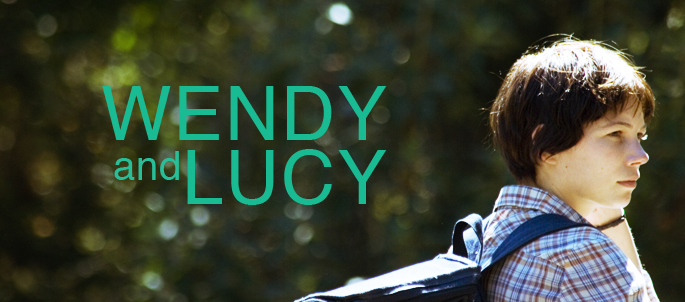
In Kelly Reichardt’s Wendy and Lucy (2008), Michelle Williams’ road-tripping heroine has a harrowing nighttime encounter with a derelict played by Larry Fessenden—a witty bit of casting calling back to the latter’s starring role in Reichardt’s 1994 debut, River of Grass. There, a leaner, lankily handsome Fessenden essayed an Everglades variation on Martin Sheen, except that instead of a charismatic crackshot, his character Lee is a hopeless fuckup who can’t handle his borrowed gun; in a genre full of wrong men on the run for murders they never committed, he may be the only one who failed to hit the target in the first place.

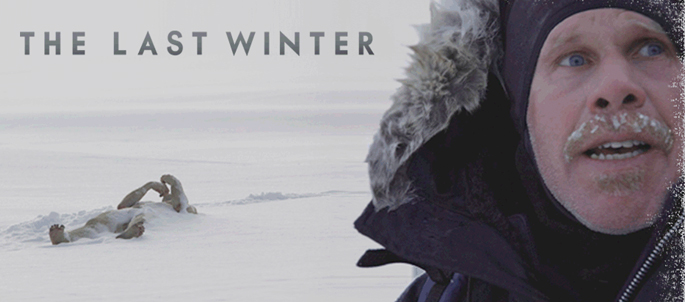
It’s possible to imagine that Fessenden’s unnamed, unmoored character in Wendy and Lucy is Lee fifteen years later, still on the outside looking in and relocated to the Pacific Northwest. Even if not, he and Reichardt remain joined at the hip artistically. Back in 2006, while reviewing Fessenden’s awesome, cautionary The Last Winter—about a team of deep-core drillers lacerating Alaska’s permafrosted surfaces and unleashing the end of the world as we know it—I wrote that his melancholy films could be campfire tales for the “falling-tear shaped universe” described by Will Oldham in Old Joy. In 2013, Reichardt laughed when I noticed that the (fictional) activist documentary being screened in the opening scenes of Night Moves was signed by her producer, mentor, and former leading man.

Both River of Grass and Wendy and Lucy are featured in the Museum of Modern Art’s welcome—and, for the uninitiated, essential—retrospective of Fessenden’s work as a director and producer, which paints him as one of the most underrated genre filmmakers of his generation. As a director, Fessenden typically cultivates a winning mix of cheapo ingenuity and lofty ambition: charmingly raconteurish in conversation and beloved within his community, he is not without his artistic pretensions.

The Native American legend of the Wendigo—a creature that gets hungrier and more desperate the more it masticates—provides the conceptual throughline for Fessenden’s career; even as his 1995 breakthrough Habit drew on the iconography of vampire movies (especially Romero’s sad-eyed Martin), its real subject was the insatiable nature of human appetite (a word which also gets meticulously spelled out in Wendigo). What keeps Fessenden’s parables of conspicuous consumption from getting pedantic is a sense of gallows humor that mostly bypasses irony (a tool wielded more effectively by acolytes like West) and a moviemaking fever that’s simply more vital than mostly good left-liberal auteurs, regardless of their vintage. That Fessenden and Reichardt (who’ll be present at MoMA for the screenings of her films) continue to occupy the same subcultural space and sensibility is heartening, as was Fessenden’s characteristically weather-beaten cameo in Jim Jarmusch’s The Dead Don’t Die, where he felt like part of the gang alongside Tilda Swinton, Steve Buscemi, Bill Murray et al—another survivor who’s endured long enough to stare down the apocalypse without blinking.

Read Full article at MUBI

May 25, 2022
Share:
Facebook Twitter Email

Adam Schartoff interviews Fessendens for Filmwax TV


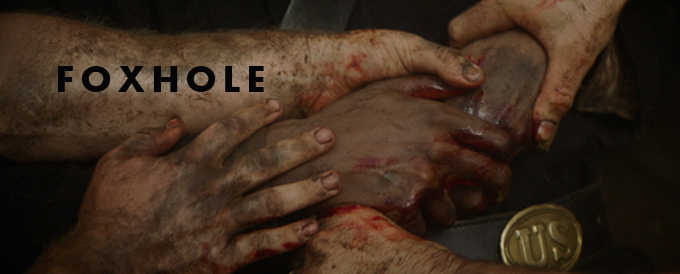
The Fessendens return to the show to discuss Jack the Younger’s new dramatic feature “Foxhole” which he wrote, directed, edited and scored. His Dad, Larry –a producer on the film- joins us as well. Unfolding over the span of 36 hours in three separate wars–The American Civil War,World War I, and Iraq– “Foxhole” follows a small group of soldiers trapped in a confined space as they grapple with morality, futility, and an increasingly volatile combat situation. Available on demand and on streaming services.

May 23, 2022
Share:
Facebook Twitter Email

Jack Fessenden interview for Breezeway Productions


May 20, 2022
Share:
Facebook Twitter Email

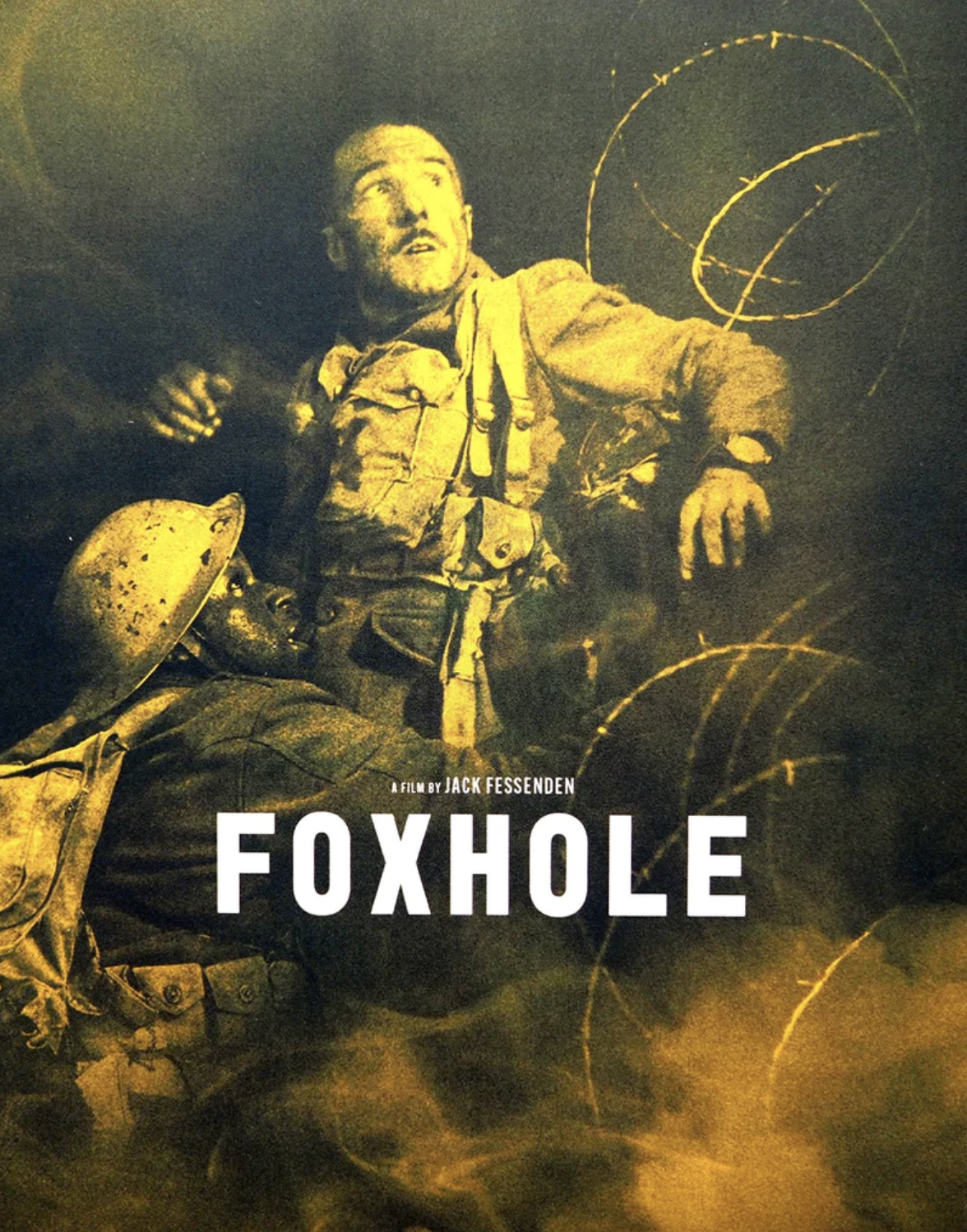
HOLY SMOKES! Foreign Sales Poster Art for FOXHOLE now selling at the Cannes Market

FOXHOLE Now Streaming in the USA

May 19, 2022
Share:
Facebook Twitter Email

FOXHOLE: Last day on the big screen NY & LA

NYC at the IFC Center at 6:15 pm

LA at Laemmle Glendale at 3 pm

Get your tix now!

May 18, 2022
Share:
Facebook Twitter Email

American Cinematographer Digs into FOXHOLE

Of all the low-budget, high-concept ideas an independent filmmaker could take on — the chamber play, the boxing film, the cabin in the woods — the war film can be the most challenging because of the immense amount of resources — costumes, sets, props, special and visual effects, sound design and on-screen action — needed to bring such a story believably to life. With Foxhole, independent feature director Jack Fessenden achieves a significant level of believability thanks to the contributions of the aforementioned departments and cinematographer Collin Brazie.

Foxhole is composed of three stories, each set during a different conflict: the American Civil War, in 1864; World War I, in 1917; and the Iraq War, in 2004. Each takes place in a confined space — a foxhole in the first two segments and a Humvee in the last — where a different group of American soldiers (all with one exception played by the same actors) must navigate the tenebrous moral issues around killing the complete strangers who are trying to kill them. By constraining almost all of the action to one small location for each segment, the filmmakers were able to extend more of their modest budget toward other departments, including camera.

According to Fessenden, Brazie joined the production a mere 10 days before the shoot and hit the ground running. “We quickly found our rapport as we made our way through the script,” says the director. “On set, Collin was always two steps ahead, plotting how we would make our days, which sometimes called for as many as 25 setups. A highlight of our collaboration was the pass-off: a camera move that would be impossible to make with a single operator; Collin would start the shot, then he’d pass me the camera and I’d finish it off.”
“With indie films there are always budget, time and crew constraints,” says Brazie, who met with AC in New York City to discuss the lenses, lighting and visual language of Foxhole. “But our constraints led to interesting ideas.”
Read article by Iain Marcks Here

May 18, 2022
Share:
Facebook Twitter Email

“Holy Sh*t! Only Two more days to see FOXHOLE in the Theater in New York and LA?”

May 16, 2022
Share:
Facebook Twitter Email

Iraq Veteran reviews FOXHOLE: “left me with tears in my eyes”

May 14, 2022
Share:
Facebook Twitter Email

FOXHOLE Now Playing at the IFC Center 6:15 daily