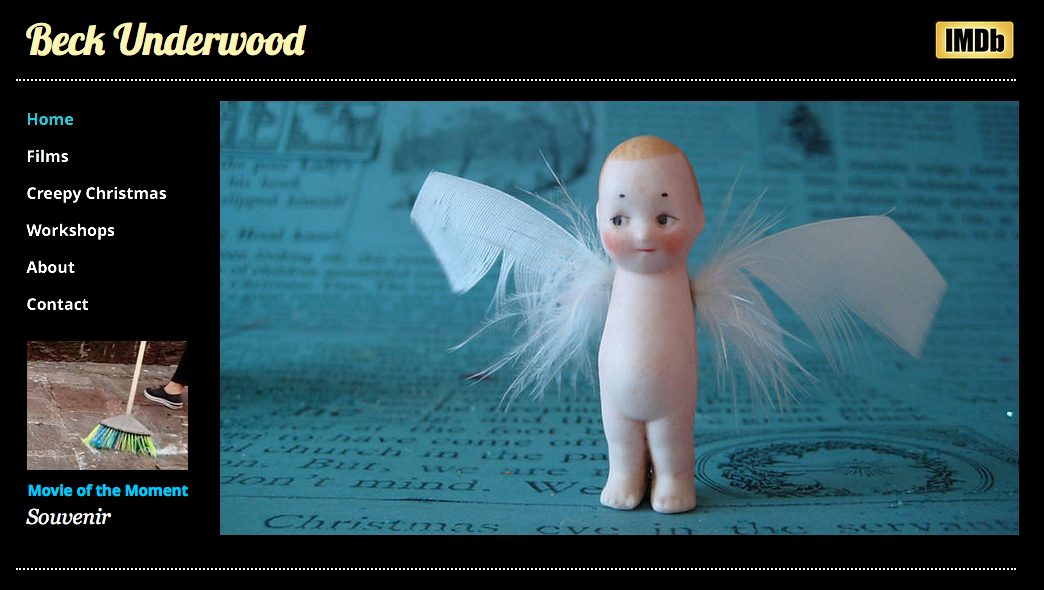
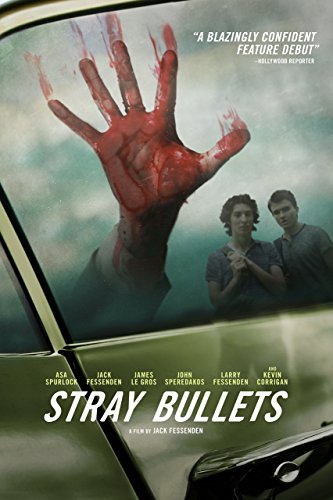
THE LURE OF PONIES – a spellbound attic mystery by GEP collaborator Beck Underwood (CREEPY CHRISTMAS FILM FEST. production design: NO TELLING, BITTER FEAST, STRAY BULLETS & more) set to U.S. premiere at the 26th Woodstock Film Festival.
From Woodstock: This stop motion animation mystery is set in the attic of a long shuttered vintage emporium populated by a chosen family of cast aside dolls. The attic hums with fun and camaraderie, but also secrets and danger. Detective-in-residence Frances Faraday, a Victorian-era porcelain doll, and her sidekick Midge, a sixties-era plastic doll, are called into action when a bereaved baby doll arrives with a missing person case: her 8-year-old human playmate Lily hasn’t been seen in over one hour! Is Lily just playing hide and seek? Or is something more sinister afoot? Solving this case will take these private eye dolls on a wild ride through the spellbound attic.
A playful homage to the cozy mystery genre, The Lure of Ponies poignantly explores themes of abandonment, longing, and desire. Director Beck Underwood embraces the intangible spirit life of the inanimate with energy and humor. – Noelle Melody
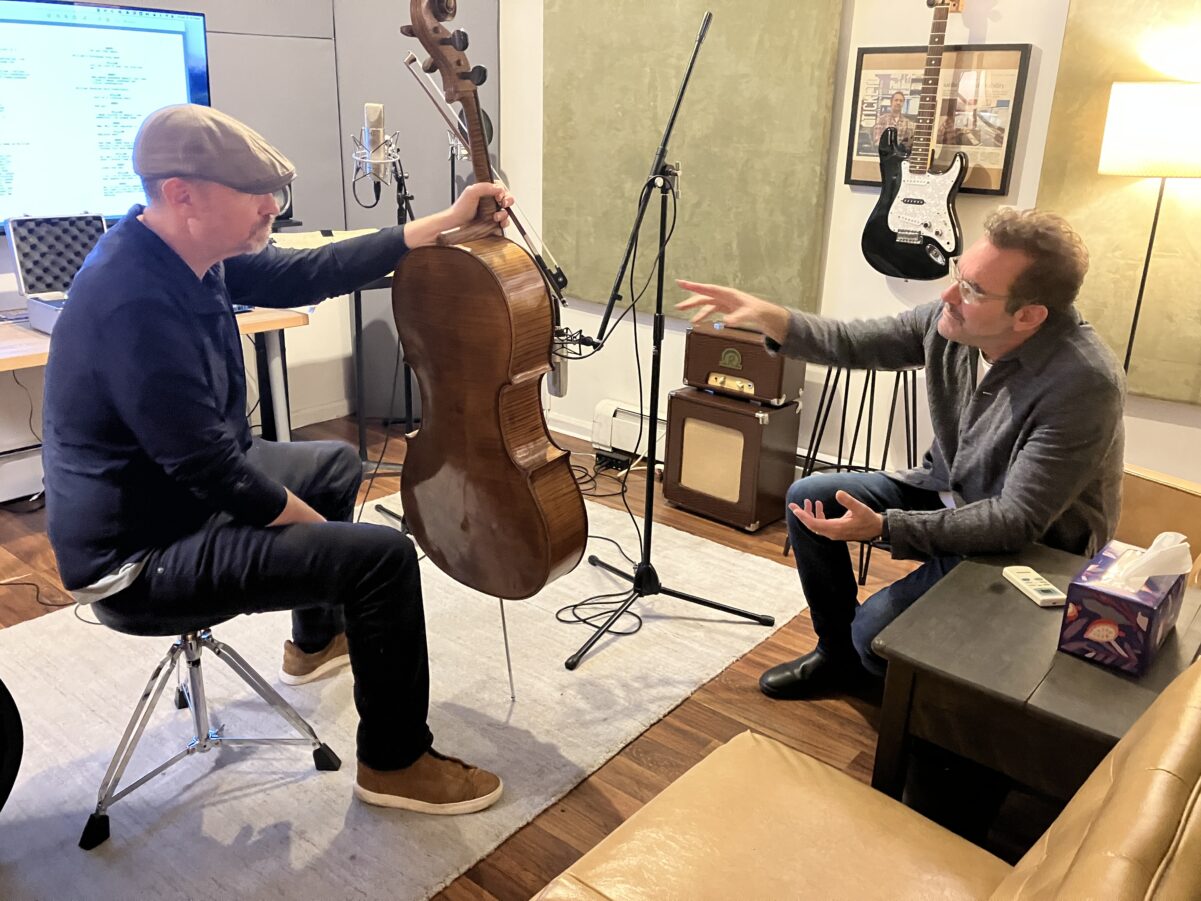
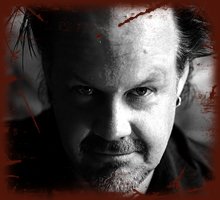
Fessenden and Jenn Wexler at the 2024 Film Fest. This year Fessenden appears in BLOOD SHINE by Emily Bennett and Justin Brooks. Get Your tickets for Oct 23 at 6:30
And join Fessenden for a Blu-ray signing on October 24 $$$$$
In between directing and producing high-quality genre and other kinds of films via his Glass Eye Pix (which sees its 40th anniversary this November), Larry Fessenden has frequently taken the time to appear in fright fare made by others. This fall, he can be seen in a pair of fear features–largely on video footage within the movies. Fessenden speaks about his roles in GOOD BOY and BLOOD SHINE below.
In GOOD BOY, currently in release from the Independent Film Company and Shudder, Fessenden plays the grandfather of protagonist Todd (played physically by director Ben Leonberg and vocally by Shane Jensen). Todd has moved into the remote home formerly owned by his recently deceased relative, who appears on old VHS cassettes Todd watches; meanwhile, Todd’s dog Indy (playing himself), from whose point of view the story is told, begins to detect malignant spirits lurking about (see our GOOD BOY review here). In BLOOD SHINE (pictured above), currently touring the fest circuit (it screens Thursday, October 23 at the Brooklyn Horror Film Festival), Fessenden is also seen on video as well as in the main body of the movie, playing the leader of a cult in which heroine Clara (Emily Bennett, who wrote and directed with Justin Brooks) becomes enmeshed.
Says Leonberg, who wrote GOOD BOY (pictured below) with Alex Cannon, “We had been filming the movie for a few years before we were able to, kind of through a friend, get in touch with Larry and tell him about this project. We’d had this part ready to go that we’d been shooting around, and we were just waiting for the right actor. He is both amazing in the movie–he knew exactly what to do–but also has been a huge cheerleader for the film, an amazing advocate and a source of info as we’ve taken the movie into the world, and have been excited to share it with everybody else.” And we’re excited to share Fessenden’s words on both movies…
How did you get involved with GOOD BOY?
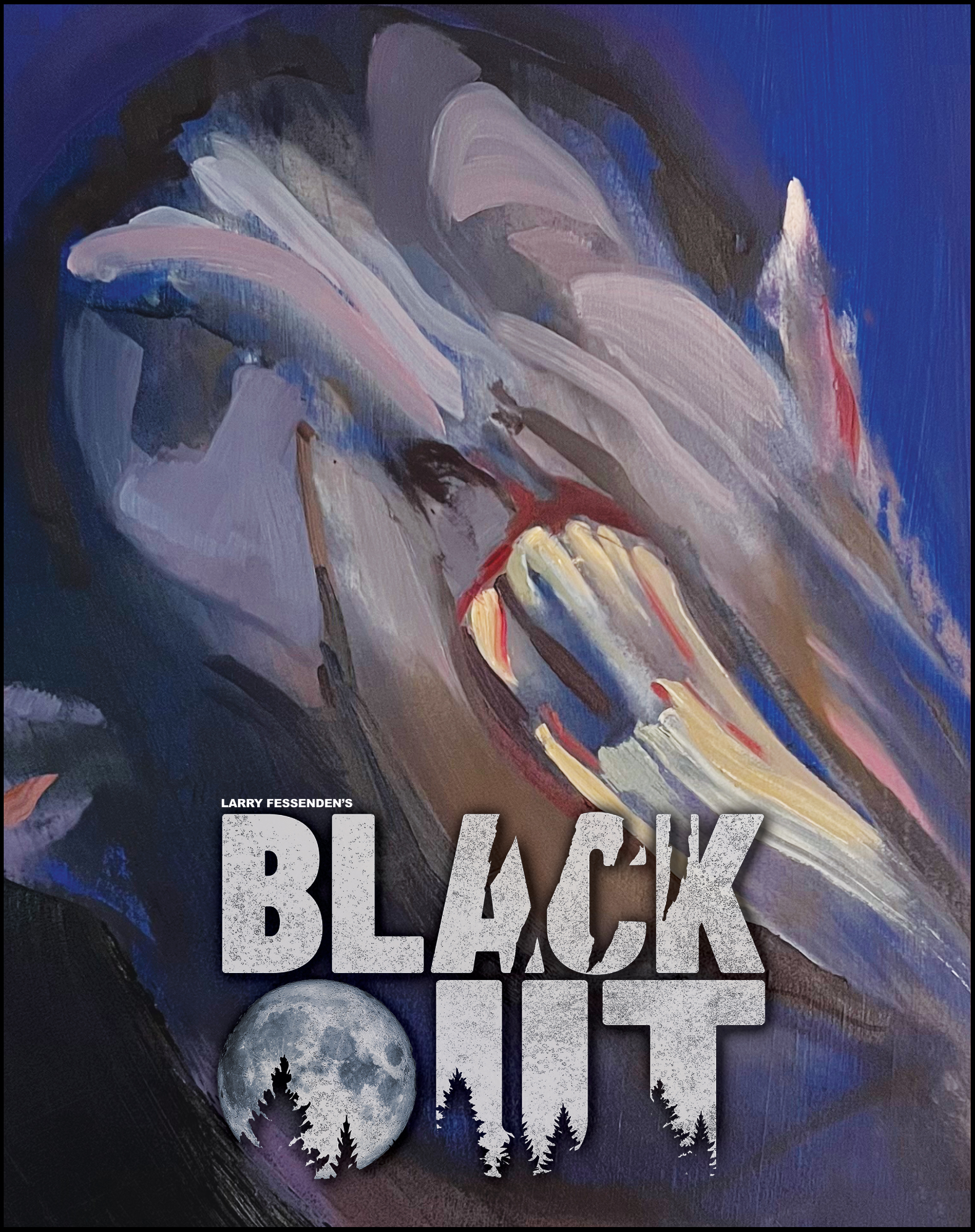
I was having an embroidery made of my werewolf from BLACKOUT by a new neighbor in upstate New York who normally makes embroidered pet portraits. She asked one day if I might talk to her friend who was a film teacher at Columbia and was making a movie starring his own dog. Ben sent me a short scene from GOOD BOY, and I thought the filmmaking was very succinct and evocative and I agreed to show up.
What was involved in shooting your scenes?
I drove out to New Jersey somewhere, where Ben and Kari [Fischer, Leonberg’s wife and co-producer] had rented a house. Ironically, they had a dog with them but it wasn’t Indy. I worked with them through the day doing scenes outside, throwing a stick and talking to the camera, as if the grandfather was making home videos. Then we did some intense scenes in an upstairs room–blood gags and so on. All the while, it was just us making the movie; Ben would light and shoot, Kari would help with art department and costumes and hosting. It was a good hang, as low-budget productions can be.
Did you shoot at the same house location as the rest of the movie?
We were in the same house; that’s where they had been for the previous four years, I believe. It was very lived-in, and then I kind of realized it was all a set. They had bought the house to be their shooting location, and had built the gates of hell in the basement. It was all just slightly crazy, which I related to.
What did you think of GOOD BOY’s concept when you first heard about it? Did you feel it might be difficult to pull off?
I thought the concept was very cool, one of those ideas you hear and you say, “Of course.” But it’s all in the doing. When I watched that initial clip they sent me, I felt this was going to be executed with control and an understanding of tone and pacing, and that it might transcend the gimmick.
What are your thoughts on how GOOD BOY turned out?
The movie is very strong. Of course, most of the conversation is about Indy and how charming he is, as it should be with a breakout performance. But what makes the film resonate is the craft of it. It is truly an exercise in shot-reverse shot filmmaking, bringing to mind Hitchcock’s discussion of the schematics of building suspense and also the Kuleshov effect, which is how you create meaning in cinema by cutting from an actor to the thing they are observing to build empathy and emotion. Without being remotely heady, this is what Hitch called “pure cinema.” There is no dialogue per se; the story is conveyed in sound and image.
I think it’s interesting that there is little talk about how bleak and sad the movie is. It is about mortality–the movie is haunted by a debilitating illness affecting generations of the human characters. It is about the isolation we feel in sickness. Finally, the movie is such a winning example of an idea turned to reality through a real commitment to doing it right, and then the festivals responding, which led to a wider release. It is the kind of success story we want to champion. So I was very happy that a favor turned into something worthwhile. Oh, and the werewolf embroidery by Hannah Lamar is pretty damn cool too!
How did you approach playing BLOOD SHINE’s cult leader?
I always take a character to be a true believer when I play a part. So I found the conviction in the words in the script. I believe in inspirational language and the idea of giving people solace through guidance. At the same time, there is a dangerous tendency to take advantage of people’s desire for meaning and twist it toward self-glorification and dominance. And nowadays, we are surrounded by preachers whose teachings lead to dark places. As a kid growing up in the ’70s, these cult leaders like Jim Jones were very much part of the cultural lore, where now of course they have been legitimized and become our political figures. I was also thinking of Gene Jones in Ti West’s THE SACREMENT, one of my favorite performances in a movie about a cult.
How was your experience shooting this one?
It was a great pleasure. The video material of the preaching was shot in my own barn upstate, so I didn’t have to leave the house! And then the live stuff we shot at Emily and Justin’s home in a remote part of upstate New York. They have a true family atmosphere when shooting, but both are focused and dedicated. Their house is like a horror museum, with DVDs and Blu-rays shoved into every nook and cranny. It was a night shoot with lots of blood, and the whole vibe was everything I like about indie shooting.
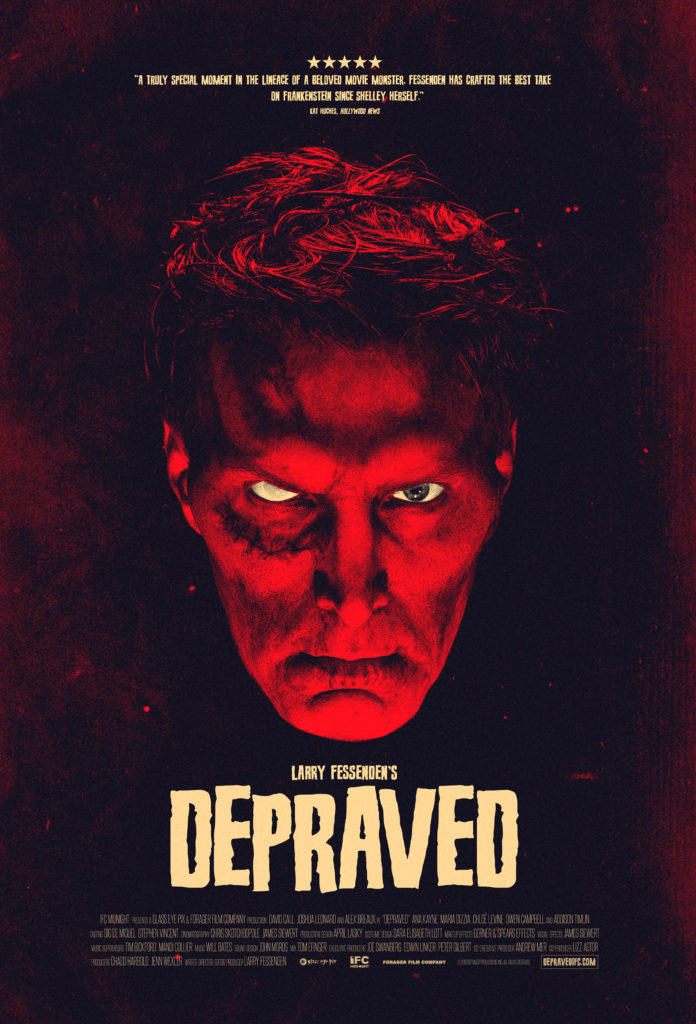
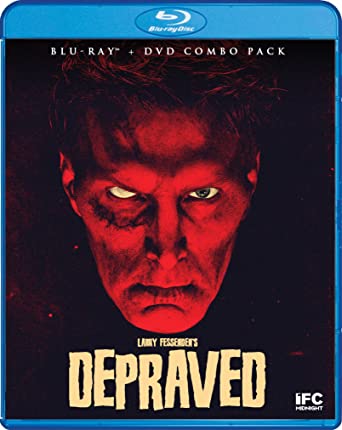
It was also great to see David Call, who was my Dr. Frankenstein in DEPRAVED, and Toby Poser, such a great actor and matriarch to the fantastic independent filmmaking clan The Adams Family. Also, my pal [makeup effects artist] Brian Spears was there and he brought some test sculptures for the project we were working on next, so it felt like an extended community of artisans committed to making movies off the grid. It was very atmospheric, where you feel the vibe of the story even behind the scenes. That’s what I find so fun with a small crew: It is very immersive.
How was it working with Bennett and Brooks?
It was a pleasure. Each in their own way is such a dedicated artist and very committed to the genre, and the story they’d been telling for some time; I worked toward the end of the shoot. But most of all, it is very ennobling to see any collaboration go so well, filled with respect and a constant exchange of creative ideas. And to know they are a couple, it was endearing as well.
Are you enjoying being the guy on video in these movies?
I love movies that work with different formats. Aesthetically, it provides texture and reminds us how infiltrated we are by images shaping our own consciousness. Old Super-8 and lo-fi video evoke the ghosts in our lives and in our culture. Just as cell-phone imagery suggests how trapped we are by the narratives that shape our lives. Also, when you get older, you’re happy to blur the image a little!
What else do you have coming up acting-wise?
I am in a movie called DEMONATRIX that’s starting its festival run, a movie called COWBOY, produced by my pal Marc Senter, and a short called WILD ANIMALS, and a bunch of other flicks that I showed up for, each on various stages of their journey to the public. And I show up in my own film TRAUMA OR, MONSTERS ALL, which I’m editing right now.
Horror Impact Report: From Ryan Coogler to Lisa Dreyer to Osgood Perkins, Variety Stakes Out the Top in Genre Films and TV
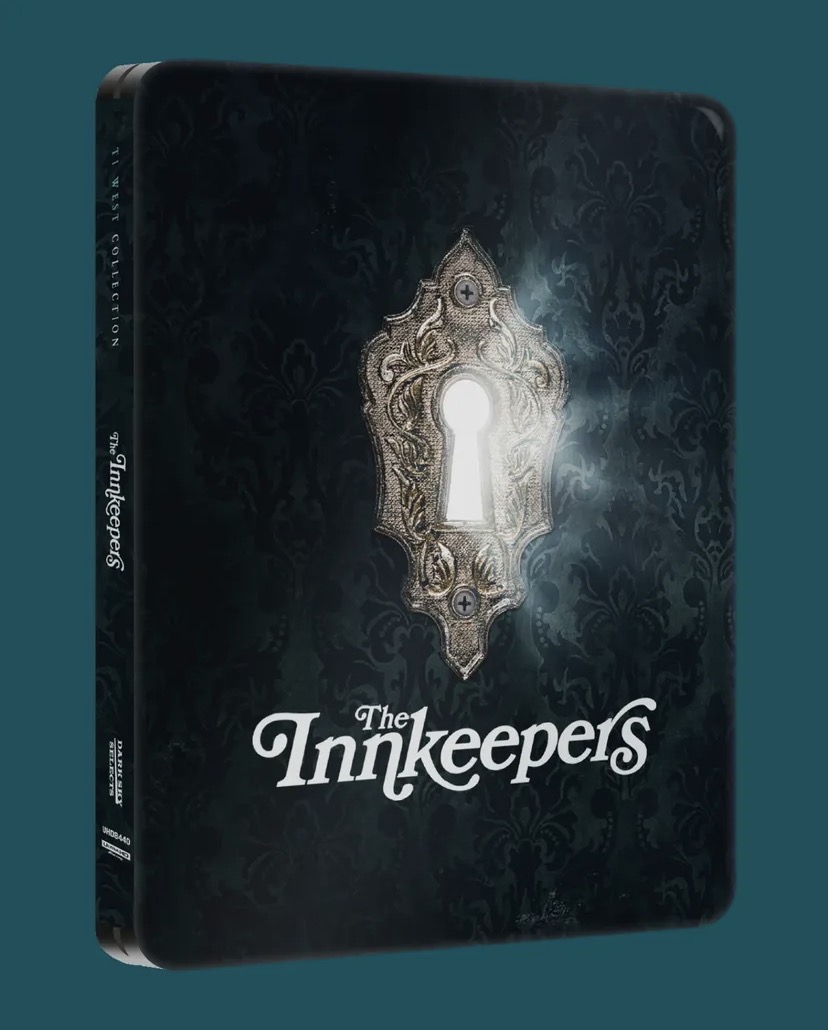
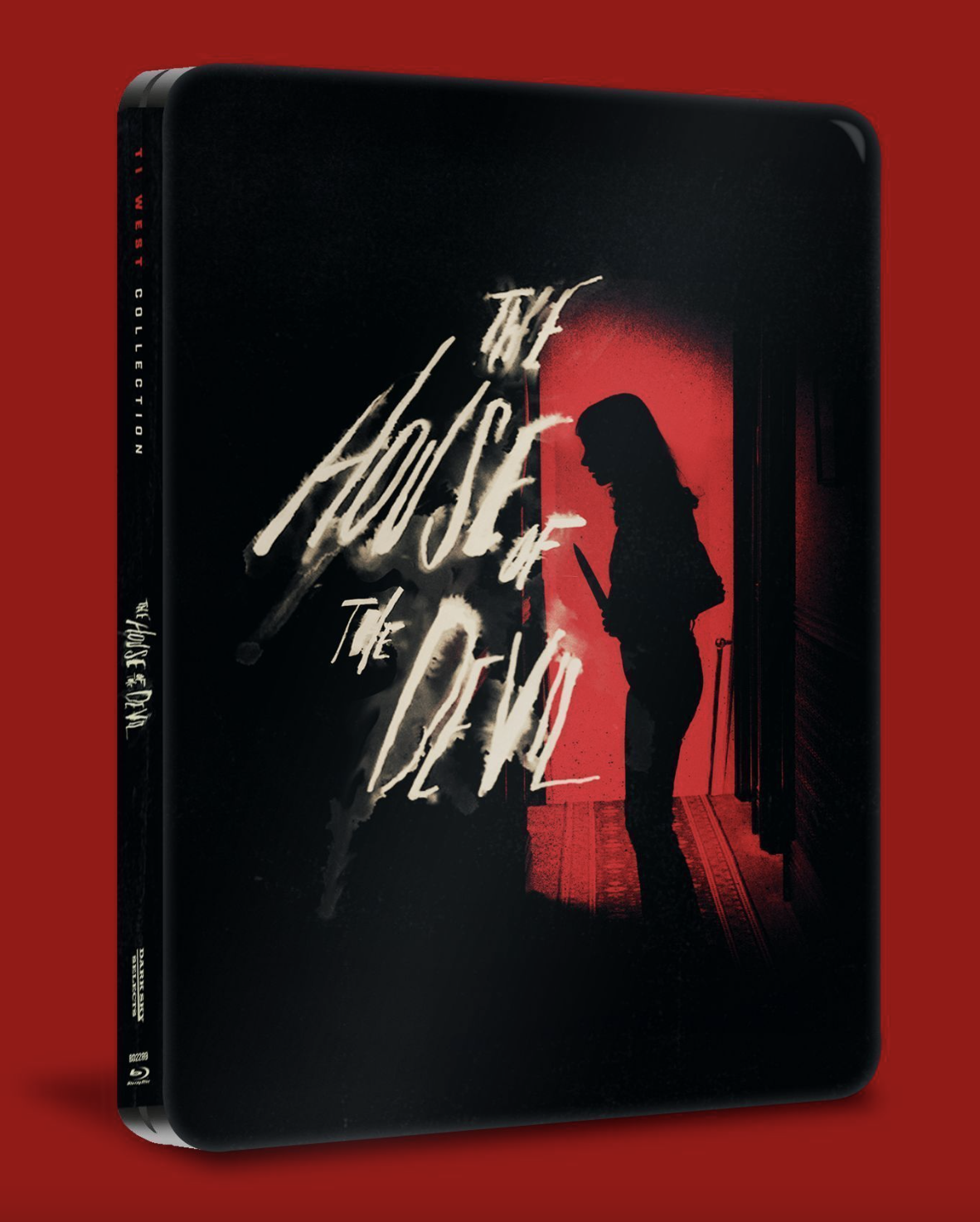
Producer The producer’s close collaboration with filmmaker Ti West has yielded such cult favorites as the “X” trilogy — “Pearl,” “Maxxine” and “X” — as well the “The House of the Devil” and “The Innkeepers.” Upcoming is Sonja O’Hara’s “Cottagecore,” which Verve Ventures and UTA Independent Film Group introduced to buyers at June’s Tribeca Creators Market, and Jenny Leigh Reed’s “Feed” in July’s Frontières Co-Production Market, which runs in conjunction with the Fantasia Intl. Film Festival.
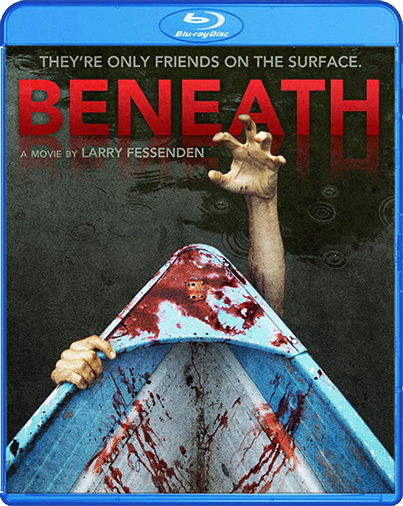
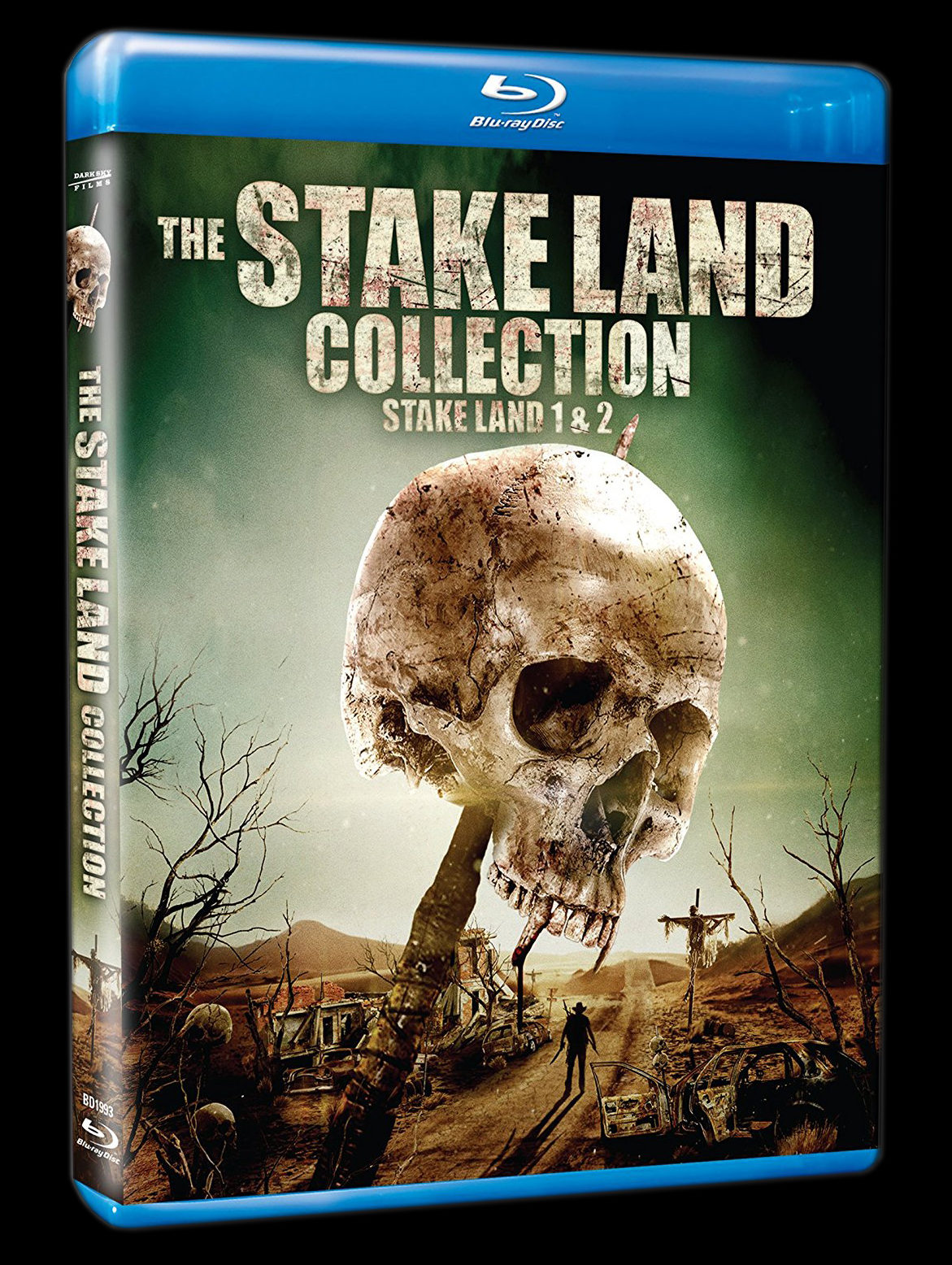
Of course Peter Phok also served as producer on myriad projects for Glass Eye Pix from 2005 til 2018 including THE ROOST, TRIGGER MAN, THE HOUSE OF THE DEVIL, THE INNKEEPERS, I SELL THE DEAD, BITTER FEAST, STAKE LAND, HYPERTHERMIA, STAKE LAND 2, BENEATH and DEPRAVED and UNTIL DAWN to name just a few. Congrats to Peter. (Check out his minidoc!)
And a Shout Out to other Glass Eye supporters on the list, including:
Sam Zimmerman, Justin LaLiberte, Phil Nobile, Mitch Davis, Ryan Turek
Horror Underground celebrates 40 Years of Glass Eye Pix with a special screening of selected Short Films by Fessenden. Followed by a Q&A, Open Reel and more.
The deal was brokered by Concord Originals, the film and TV division of L.A.-based music and theatre company Concord, which financed and produced the film.
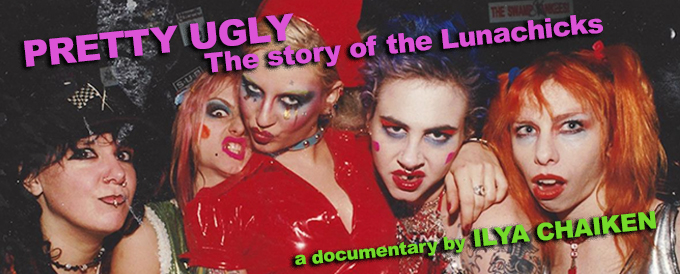
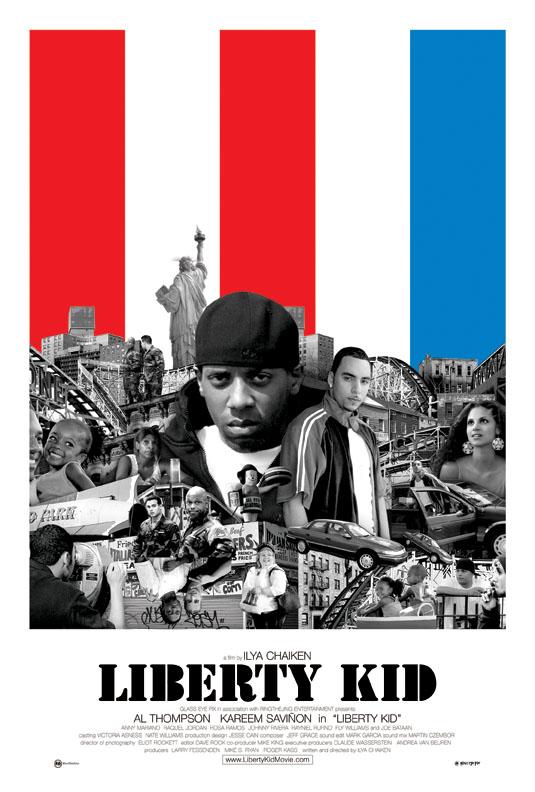
The music documentary, chronicling the seminal, feminist NYC punk band Lunachicks, is directed and produced by New York-based filmmaker Ilya Chaiken, whose directing credits include the Sundance and TIFF title Margarita Happy Hour and Kino Lorber’s Liberty Kid.
The movie made its World Premiere at DOC NYC and will be released theatrically in the U.S. and on all major streaming platforms by Giant Pictures in early 2026.
“The Lunachicks’ story is long overdue. Chaiken’s documentary captures their electrifying energy and groundbreaking journey with such heart and power. Giant Pictures is proud to bring this film to audiences across the world and for fans– old and new– to experience the wild ride.” said Madeleine Schumacher, Director of Distribution for Giant Pictures.
New York-based independent distributor’s recent releases include Sundance 2024 title Luther: Never Too Much, as well as the Oscar-nominated documentary A House Made of Splinters. The company also operates specialty labels Drafthouse Films and Tribeca Films.
“We are thrilled to partner with Giant Pictures to unleash Ilya’s first feature documentary – a loud, funny, and unapologetic portrait of the Lunachicks, whose boldness has inspired generations,” said Wesley Adams, VP Production & Distribution for Concord Originals.
Chaiken’s film follows Lunachick band members Gina, Theo, Squid, and Sindi as they reflect on their crusade for equality and are propelled towards a spectacular 20-year reunion.
In the process it captures the legacy of these unsung super-heroines of the 1990s independent rock world and forces of nature who inspired generations of young women with their music, Spinal Tap-like antics, and uncensored defiance of the sexist status quo.
Some 30 years after their teenage debut, the band comes together to write their memoir ‘Fallopian Rhapsody’. Interweaving contemporary vérité footage shot over eight years with archival video and a candy colored palette of photos, art, and music, the feature documentary brings the band’s history to life along with their triumphant and poignant journey back to the stage.
“As young women in the 1990s, watching the Lunachicks onstage was like seeing the fiercest, most invincible version of ourselves. Their story will resonate with a wide audience beyond just punk rock fans. I am so excited to be partnering with Giant to bring this long-awaited story to the screen and to a whole new generation of fans.” said Chaiken.
The film is executive produced by Storyville Films’ Betsy West and Julie Cohen (directors and producers of the Academy Award-nominated RBG and Amazon’s Peabody Award-winning My Name is Pauli Murray); Concord Originals’ Sophia Dilley, Wesley Adams, Charles Hopkins and Bob Valentine, with Concord Originals’ Quíle Gomez serving as associate producer; and Larry Fessenden of Glass Eye Pix.
This film’s release comes at a dynamic time for the Lunachicks who are again reuniting for a series of shows on both coasts.
On September 27, the band played CBGB Festival in Brooklyn, NY featuring Iggy Pop, Jack White, Johnny Marr and The Damned, followed by a concert on October 3 in Los Angeles with L7 as part of L7’s 40th Anniversary Bash.
The deal for Pretty Ugly: The Story of the Lunachicks was negotiated by Madeleine Schumacher, Director of Distribution, for Giant Pictures and Wesley Adams, VP, Production & Distribution, and Sophia Dilley, EVP, for Concord Originals.
“Good Boy” is a haunted house movie told from the perspective of a dog, and Indy, the adorable pup at the heart of the story, steals the show. Most viewers will spend the entirety of “Good Boy” worrying about the dog dying, and some scenes are so distressing for our adorable furry friend that canine lovers won’t give much thought to the human characters. That said, if you can overcome those worries and concerns, you will probably appreciate the cameo from a bona fide horror legend in Ben Leonberg and Alex Cannon’s chiller.
The cameo features none other than Larry Fessenden, who plays the deceased grandfather of the protagonist, Todd (Shane Jensen), and his sister, Vera (Arielle Friedman), in “Good Boy.” After gracing some family home videos early on in the movie, his spooky moments comes halfway through, with Indy finding an apparition of gramps coughing up blood in the upstairs of the house. It’s a horrifying scene, and Fessenden is in no mood to sugarcoat it with his performance.
Of course, seasoned horror fans have come to expect disturbing performances from Fessenden. He has portrayed creepy, sinister, and troubled characters in plenty of cinematic scare fare, becoming a frequent collaborator of genre masters like Ti West (“MaXXXine”) and Jim Mickle (“Stake Land”). Martin Scorsese (you might have heard of him) also tapped Fessenden for “Bringing Out the Dead” and “Killers of the Flower Moon,” so know that his work isn’t exclusive to the horror genre. What’s more, Fessenden is an acclaimed writer and director in his own right — one whose work is admired by some of your favorite filmmakers.
Your favorite filmmakers love Larry Fessenden’s work
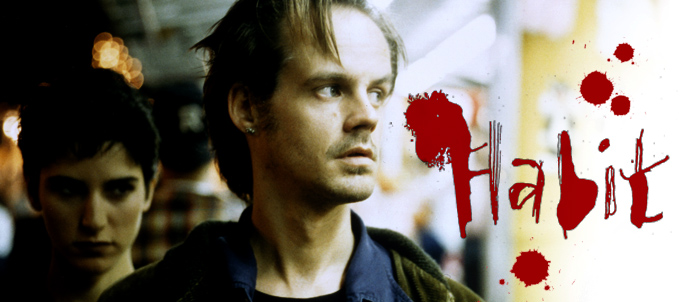
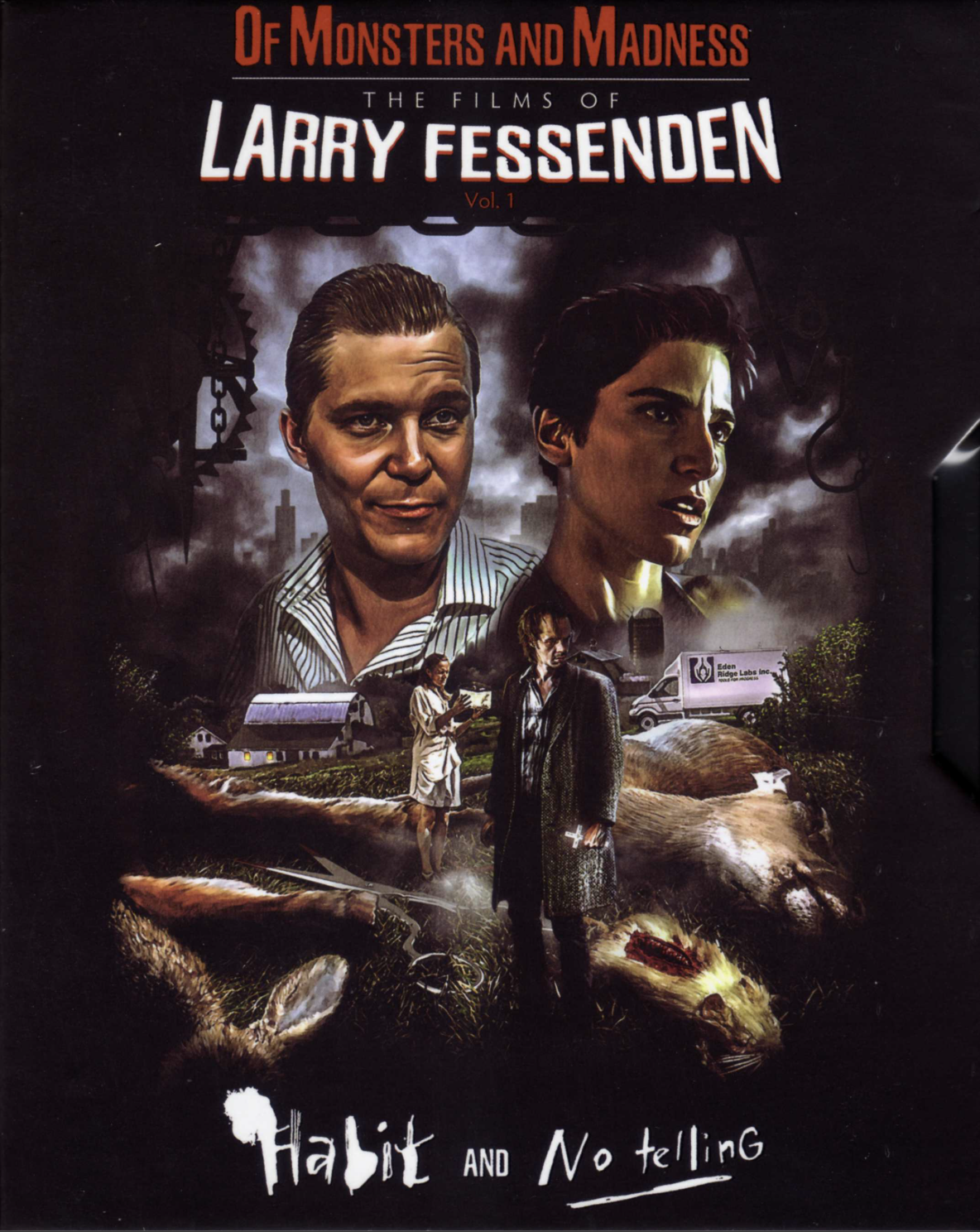
Larry Fessenden’s directorial works aren’t widely known, but some notable filmmakers rank them among the best horror films ever made. His cult classic 1997 movie “Habit” — a vampire tale that serves as a metaphor for addiction — is a favorite of “Jennifer’s Body” director Karyn Kusama, who praised it for its ability to juggle so many ideas seamlessly. To an extent, you can see the influence of “Habit” in “Jennifer’s Body,” as Kusama’s horror-comedy uses monster tropes as an allegory for overcoming abuse.
Guillermo del Toro is also a Fessenden fan, describing him as a master of his craft. Like Kusama, del Toro is a fan of the “Habit,” and his appreciation of that movie — and Fessenden’s work as a whole — led to the “Frankenstein” filmmaker tapping the indie auteur to direct a remake of “The Orphanage.” The project never materialized in the end, but del Toro considering Fessenden for a project of that magnitude shows that he holds the filmmaker in high regard.
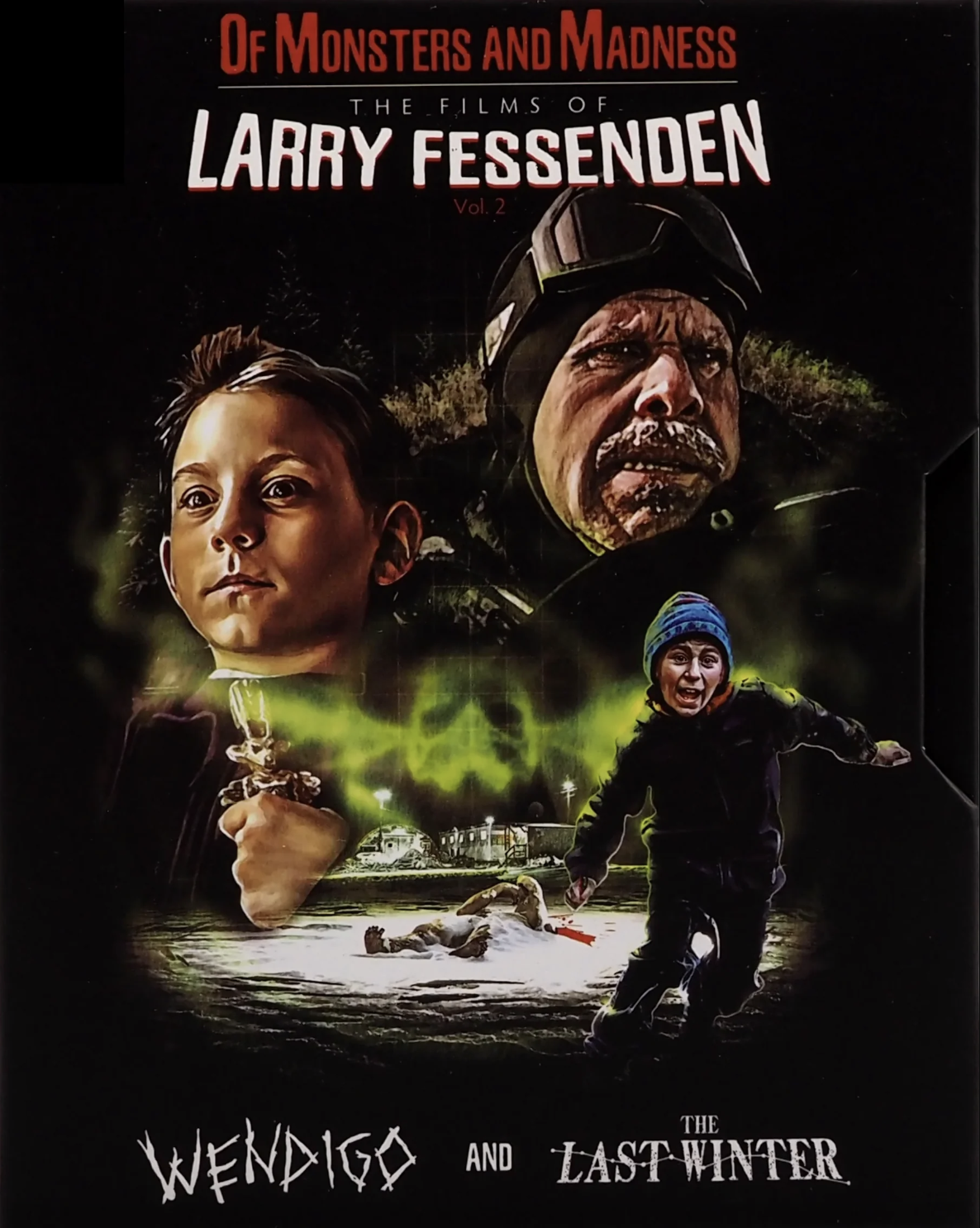
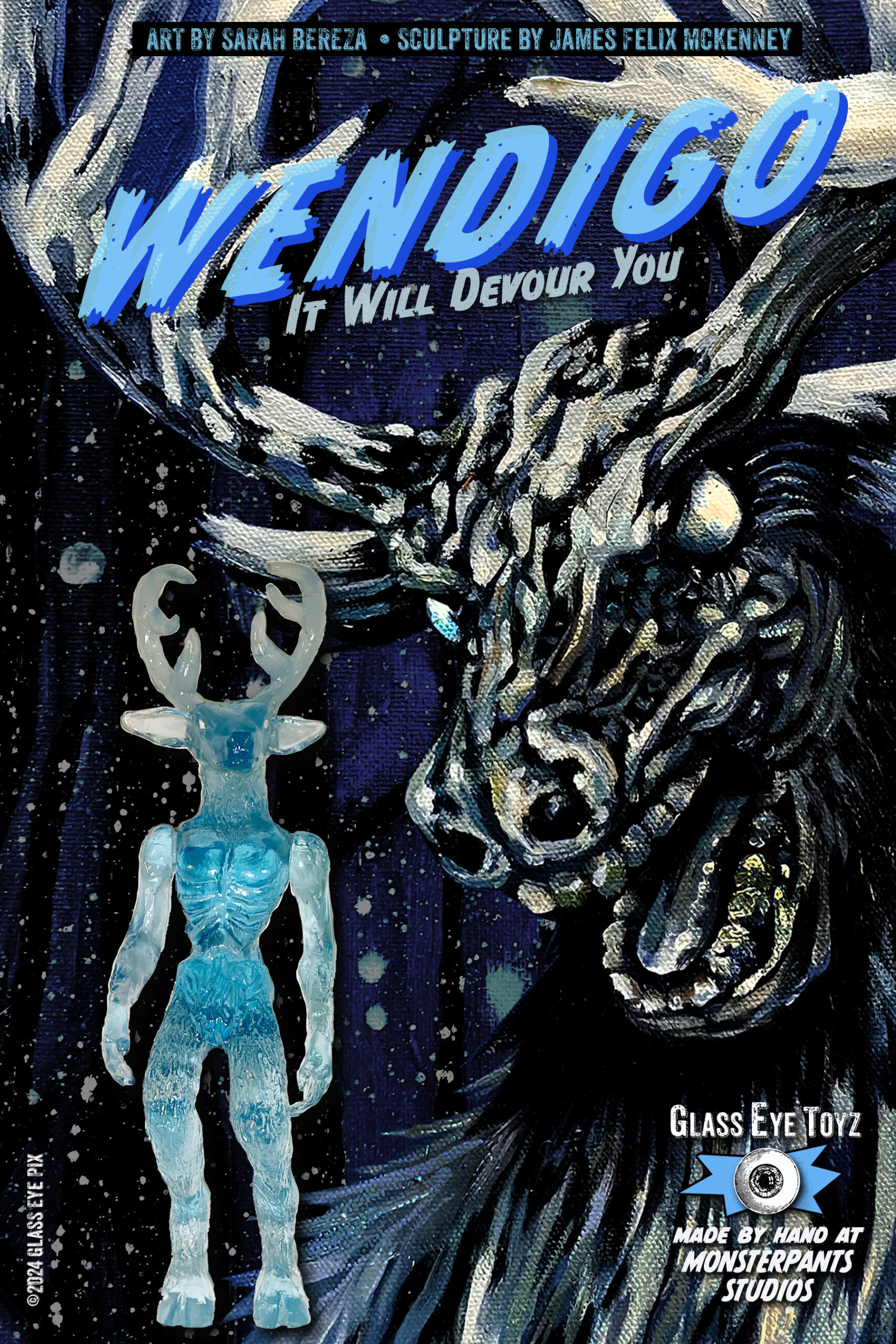
From “Habit” to “Wendigo” to “Blackout,” Fessenden’s directorial oeuvre is littered with gems just waiting to be discovered by the masses. His cameo in “Good Boy” shows how terrifying he can be as an on-screen presence, but he is just as capable of scaring viewers from behind the camera.
Fessenden’s melancholy and sexy take on vampire tropes is the best feature in the writer-director-producer-editor’s personal Dark Universe
If Larry Fessenden’s lone contribution to cinema history was producing River of Grass (1994), the debut feature of Split Tooth-favorite director Kelly Reichardt, he’d deserve at least passing reference in its annals. He also stars in the film, but he’s primarily made his bones in smaller roles. Whether or not you know Fessenden’s name, you’ve probably come to know his distinct presence and visage. Despite his slight resemblance to Jack Nicholson, there’s no mistaking Fessenden’s high forehead, wild mop of hair, and wide smile (almost always short one incisor). Though they each riff on familiar horror characters and tropes, the films Fessenden has directed are as singular as the figure he cuts on screen. His filmmaking career deserves at least as much credit as his character actor resumé.
Sam (Larry Fessenden) crushes a beer on the way to a Halloween party. (Vinegar Syndrome)
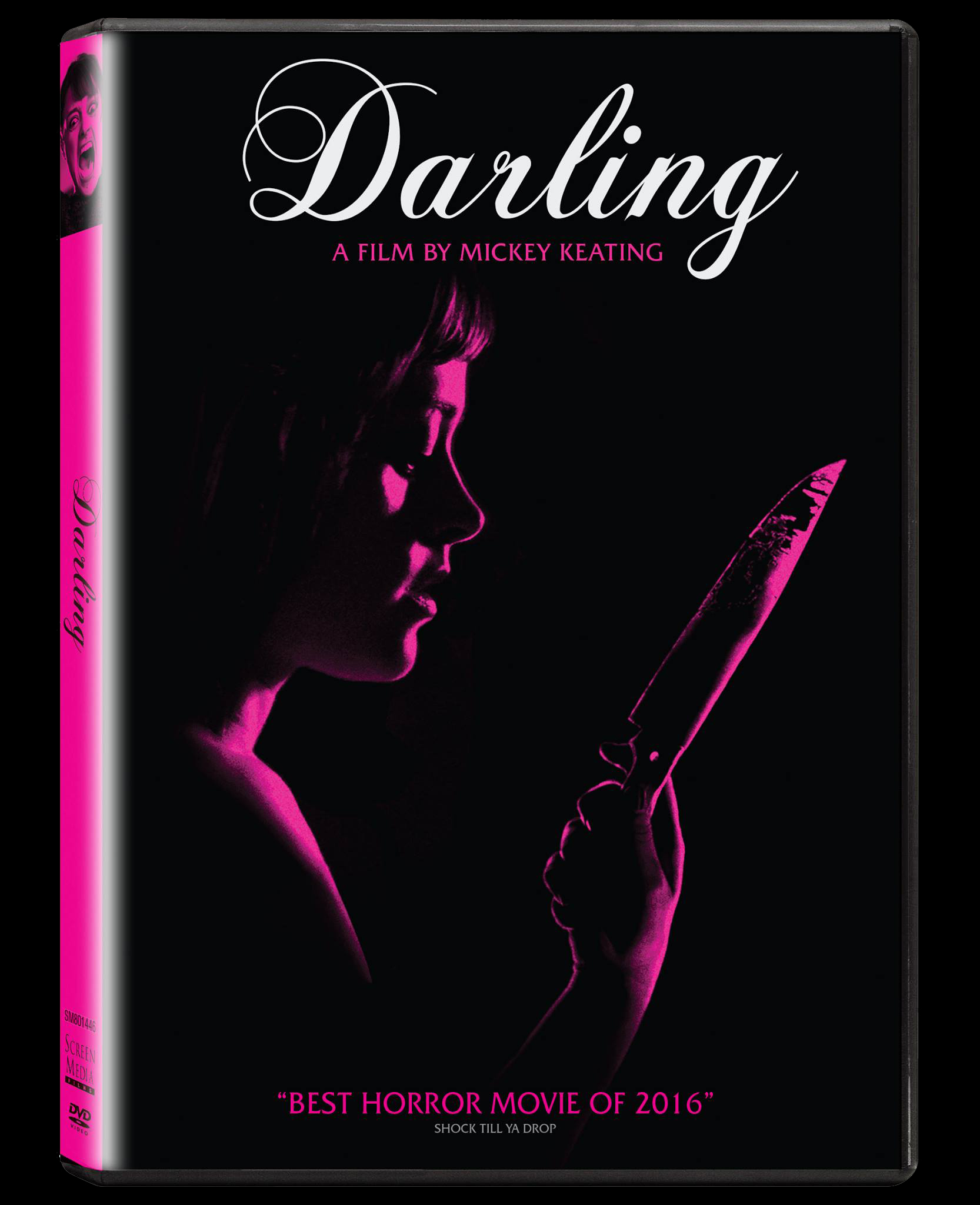
As a producer, Fessenden is as prolific as it gets. His company Glass Eye Pix has helped launch the careers of genre filmmakers like Ti West and Mickey Keating and supported many of Reichardt’s features. While these new protégés certainly can’t rival Reichardt, Fessenden’s enthusiasm for directors like West has obviously proven infectious. Fessenden sits in the director’s chair far less often, calling ‘action’ on just six films since the early ’90s. More than half of these films have allowed him to put a modern and distinctly Fessendenian spin on characters Universal Studios first introduced to American moviegoers in the 1930s. No Telling (1991)and Depraved (2019)recast the story of Dr. Frankenstein and his monster; Blackout (2023) grafts the horrors of alcoholism and MAGA-era white grievance onto a version of The Wolf Man; and Habit (1995) proves perhaps the best of the countless films to draw parallels between vampirism and other types of addiction.
Habit, Fessenden’s sophomore feature, begins with its central character, Sam (Fessenden), at an emotional low point. He’s mourning the recent passing of his father (who may have died during a bender) and coming to terms with his decision to hastily end a long-term relationship with Liza (Heather Woodbury). Liza hopes the situation is temporary. Sam, however, soon meets the enigmatic Anna (Meredith Snaider) at a Halloween party thrown by his friends Nick (Aaron Beall) and Rae (Patricia Coleman). They lock eyes from across the party and Anna seems to disappear before reappearing by Sam’s side. The word vampire won’t come up until more than 90 minutes into Habit, but Fessenden quickly gives Sam and the viewer reason to wonder about Anna. She’ll soon bite Sam and drink his blood, turn her nose up at garlic, and even appear in nocturnal visions, floating at Sam’s window like a blood-sucker from Salem’s Lot(1979).
As Habit’s opening credits roll, a ship sails into New York. Like the Demeter, it may carry blood-sucking cargo. (Vinegar Syndrome)
We track most of Sam’s journey through the Lower East Side to the fateful party, soak in the holiday atmosphere, and grow accustomed to Habit’s often leisurely pace. When he finally arrives, Rae greets him, “Hey Sam, already wasted?” Habit itself arrived late to the party. By the time Fessenden finished editing the film and started shopping it around, programmers and audiences had already more than drunk their fill of NYC-set vampire tales. Michael Almereyda’s Nadja and Abel Ferrara’s The Addiction — both excellent — played Sundance in 1995 and, to hear Fessenden tell it,1Habit didn’t stand a chance the following year. That’s a shame because it’s the best of the bunch. Ferrara’s and Almereyda’s films have more arresting aesthetics and plenty of familiar faces, but neorealist grit and a cast of mostly one-time screen actors are part of what makes Habit so intoxicating.
Anna and Sam ride an ominously noisy Ferris wheel during one of Habit’s standout sequences. (Vinegar Syndrome)
Ferrara’s New York is all inky, high-contrast blacks and luminous silvers; Almereyda shoots the city in sludgier digital grays that occasionally explode into the Fisher-Price Pixelvision camera’s signature blurry squares. Fessenden and cinematographer Frank G. DeMarco capture Habit’s New York and the Hamptons on color 16mm. The muted warmth of Habit’s images suggests the cooling autumn months, the feverish breath of ancient NYC radiators, and the temporary and artificial comfort of steeling oneself against the wind with a few drinks.
Habit’s lived-in qualities affect its pacing too. Fessenden makes time for the daily habits that give Sam’s life what structure it has — and not just his round-the-clock drinking. Less sympathetic viewers might refer to Habit’s baggy sections as bloat and ask why we’re watching Sam feed his cat, pee with the door open, empty the litter box, and reheat bodega coffee on the stove during Habit’s first act. Fessenden attunes us to the typical rhythms of Sam’s increasingly inebriated lifestyle so we can recognize how fundamentally his addictive, self-destructive relationship with Anna disrupts them. Around 20 minutes in, Sam follows Nick to the bar before Fessenden suddenly cuts to our protagonist waking up the next morning and carrying out the same regimen. When Sam later wakes with a start in Battery Park and falls asleep at the kitchen table while a saucepan of coffee smokes behind him, we recognize a troubling escalation of already dangerous behavior.
Throughout the film, Fessenden lets scenes run long. The film doesn’t speed up until its deadly climax. Mostly it moves with a drunk’s shambling intensity, a directionless sense of purpose. One standout sequence shows us almost the entirety of a ride on a carnival Ferris wheel. Sam says he’s afraid of heights and Fessenden makes us fear them too. Mixing close-ups with queasy POV shots of the quickly approaching and retreating ground, he manages to depict a ride as harrowing as any roller coaster. He edited the sound too, an impressive cacophony of ominous creaks and whines. Anna already seems to have hypnotized Sam with “the ride of his life.” He looks much the same as he will later on, once he’s potentially in the throes of creeping vampirism. That night, Anna will bite him for the first time under the fang-like talons of an eagle statue in Battery Park. It’s impossible to discern which of Fessenden’s groans express pleasure and which ones express pain. It establishes a pattern for the numerous, increasingly violent, and exhibitionist sex scenes2that will follow.
Bloodied and disoriented, Sam wakes with a start after a nocturnal hook-up in Battery Park. (Vinegar Syndrome)
Habit presents a lonely, despairing, and provocatively ambiguous take on the vampire myth. More than its contemporaneous vampire tales, Fessenden’s film recalls George A. Romero’s masterpiece, Martin (1977), which depicts a multi-generational folie à deux about a man who thinks he’s a vampire. Habit is, in part, a neorealist portrait of its setting, a crumbling city that offers appropriate gothic tableaus while suggesting Sam’s psyche. During Habit’s pleasantly buzzed early going, Sam shambles through various Manhattan neighborhoods with apparent ease. He and his bohemian friends live in an East Village of comfortable and artfully composed squalor. Even before his mind and body begin to deteriorate, however, Sam gets a taste of the distrust and outright hostility he’ll wrestle with during the film’s delirious closing stretch. Liza’s new neighbor, a Ruth Gordon lookalike, scowls at Sam from her doorway and his ex’s friends don’t mask their contempt, leading Sam to ask, “Why’s everyone giving me the hairy eyeball?“
The images accompanying Habit’s opening credits suggest the different ways we might interpret the film’s events. Either a vampire is making port in New York on their version of the Demeter, or Sam is about to succumb to a different kind of family curse, a thirst not for blood, but booze. Sam nurses a beer while shuffling through photographs of his late father. Sam’s father, “portrayed” by Fessenden’s real father in these photos, almost always holds a bottle or can of his own. Fessenden depicts creeping vampirism as an especially shaky hangover that eventually evolves into what may be delirium. Compared to a title like The Addiction, Habit leaves room for deniability.3 Sam can tell us, tell himself, and tell his friends he’s not an alcoholic; we can tell ourselves that Anna’s not a vampire. Even her mysterious appearances and disappearances may have conventional explanations. Is she dematerializing and leaving Sam’s bed through magical means upon sunrise, or is Fessenden just using a dissolve to show the slow passage of a few hours? Did she teleport into Sam’s apartment, or has she been lurking just outside the frame? On all counts, we know what we’ve seen. Habit leaves the existence of vampirism ambiguous and emphasizes the isolation of believing it does exist. Though he never seems to go very long without a drink or a visit from Anna, Sam leaves conversations to puke and almost always glistens with a coating of sickly sweat. A bite wound on his lip never quite heals.
Sam, looking worse for wear, addresses his late father’s colleagues. (Vinegar Syndrome)
Twelve Steps literature emphasizes the isolating nature of alcoholism, the way it puts the drinker at odds with their potential support network and themselves. Habit repeatedly shows this to be true. There’s no dysfunctional yet supportive family like in Nadja nor any of The Addiction’s solidarity among a growing cohort of bloodsuckers. Even Romero’s confused young Pennsylvanian gets some notoriety out of his taste for blood. Sam just grows lonelier as his suspicions evolve into sickness and familiar locations become more forbidding. Sam may as well be describing his predicament when he quotes from Heart of Darkness during a late-night cab ride with Anna: “We live as we dream,” he says, “alone.” It’s no surprise when Sam finally falls prey to whatever’s circulating through him.
Sam’s worsening appearance draws comments but little genuine concern. The closest thing we see to an intervention is a whispered conversation between Nick and Rae. While Sam shells peas at a table in the foreground, they discuss his drinking and Anna’s troubling influence from just within earshot. Nick doesn’t follow up on the conversation, opting instead to open a bottle of liquor that night. When Sam stops their car the next morning to vomit by the Long Island Expressway, we can assume the conversation sounds familiar, unchanged by these new circumstances. Nick, like Sam, can convince himself this is nothing he’s never seen before. He even brings a 40 with him when he’s hoping to figure out what’s ailing Sam toward the film’s end. Even after Sam explains the situation, saying “vampire” for the first time, Nick remains unconvinced that anything is particularly amiss. “Vampirism is everywhere,” he says, continuing:
“It is hiding in our hearts, Sam. It is at the bottom of a bottle, it is a needle in the arm, it is 500 channels of insipid cultural drivel. The advertising and gluttony, draining us of our ability to think. It is the insidious Faustian bargains we make every day. The little compromises that eat at our souls, but believe me, it is not to be found embodied in Anna . . . she is not a vampire.”
Sam reminds us that he’s not the only one in denial, “You disappoint me, Nick,” practically weeping, “it’s like you’ve got the shade down.” Nick doesn’t seem to hear these words and may have ignored his own. Before leaving, he insists, “You should be drinking, it’s probably the best thing for a man in your shoes.”
Even some positive reviews single out this exchange as one of Habit’s low points. Such assessments ignore the vital role the sequence plays in underlining the essential loneliness of addiction and sealing Sam’s grim fate. We’re not meant to read any special insights into Nick’s comments, just the same denial we’ve observed in Sam. “It’s a rare misstep, but it’s a doozy,” reads Aaron Christensen’s 2014 appreciation for Hidden Horror: A Celebration of 101 Underrated and Overlooked Fright Flicks. Never mind that Nadja and The Addiction are full of sequences like this, moments where characters outright state their directors’ themes. Here’s how Nadja describes her father, Dracula, and his immense, ill-gotten wealth: “Like all vast fortunes of this kind, it comes from the exploitation of the poor, the peasants, the workers.” Do we excuse monologues like this in Almereyda’s film because we’re reminded of Hal Hartley, because we envy the affected cool? Do we excuse it in The Addiction because its characters are grad students, because Lili Taylor’s impression of her director is so arresting? I love those films, but Habit beats both thanks in large part to the ways it resembles real life. Maybe it’s tempting to reject Beall’s awkward delivery and his on-the-nose comments because they remind us of ourselves.
“Leonberg mostly films from Indy’s perspective, not cartoonishly like Beggin’ Strips commercials, just low, forcing us to simultaneously experience Indy’s terrifying visions and Indy himself in full panic. Whereas ‘Cujo’ and other scary movie dogs are evil, Indy is loyal and kind, characteristics that Leonberg’s stellar cinematography captures in luminous close-ups.
This is assured horror filmmaking. Heartbreaking too: Anyone who’s held a pet as comfort from pain or despair should have tissues at hand.
Remember this, dog owners: The next time your pup causes a ruckus when you leave the house, it may not be because he’s alone, but because he knows he’s not.”
Glass Eye Pix is the fierce independent NYC-based production outfit headed by award-winning art-horror auteur Larry Fessenden with the mission of supporting individual voices in the arts. Read more...