GLASS EYE PIX Sizzle Reel Collectible WENDIGO Figures from Glass Eye Toyz and Monsterpants Studios Oh, The Humanity! The Films of Larry Fessenden and Glass Eye Pix at MoMA The Larry Fessenden Collection BLACKOUT DEPRAVED BENEATH THE LAST WINTER WENDIGO HABIT No Telling / The Frankenstein Complex FEVER ABCs of Death 2: N is for NEXUS Skin And Bones Until Dawn PRETTY UGLY by Ilya Chaiken BLISS by Joe Maggio CRUMB CATCHER by Chris Skotchdopole FOXHOLE Markie In Milwaukee The Ranger LIKE ME PSYCHOPATHS MOST BEAUTIFUL ISLAND Stake Land II STRAY BULLETS Darling LATE PHASES How Jesus Took America Hostage — “American Jesus” the Movie New Doc BIRTH OF THE LIVING DEAD Explores the Impact of the Ground-Breaking Horror Film NIGHT OF THE LIVING DEAD THE COMEDY THE INNKEEPERS HYPOTHERMIA STAKE LAND BITTER FEAST THE HOUSE OF THE DEVIL I CAN SEE YOU WENDY & LUCY Liberty Kid I SELL THE DEAD Tales From Beyond The Pale Glass Eye Pix Comix SUDDEN STORM: A Wendigo Reader, paperbound book curated by Larry Fessenden Satan Hates You Trigger Man Automatons THE ROOST Impact Addict Videos
November 11, 2022
Share:
Facebook Twitter Email

Happy Veteran’s Day from Glass Eye Pix

November 8, 2022
Share:
Facebook Twitter Email

Washington Post: Graham Reznick on interactive Horror, Supermassive and “King’s Quest”

Reznick gets his due in extensive conversation about Until Dawn,
The Quarry and Supermassive’s The Dark Pictures.

Is the interactive horror movie making its long-overdue comeback?

By Alexander Chatziioannou

“I think the entertainment industry has a tendency to shoot itself in the foot and get too excited about emerging technologies,” said Graham Reznick, lead writer on both “Until Dawn” (alongside indie-horror legend Larry Fessenden) and “The Quarry.” “We’ve seen it over and over again with 3D and VR. These are viable artistic mediums that need to be explored organically. But when you get a lot of money and expectations put into them, they can easily topple before they’ve had a chance to mature. That’s probably what happened in the ‘90s with FMVs.”
Reznick even includes traditional adventure games in the interactive movie’s long lineage of partial successes and outright failures. Growing up without a dedicated console, he would use his father’s work PC to immerse himself in games like “King’s Quest,” which he considers “essentially, weirdly templates for what Supermassive ends up doing.”

“[It] seems counterintuitive because the latter [of Supermassive’s Games] are primarily narrative-driven,” he told The Washington Post, “but they do share more with Sierra adventures than people tend to realize.”

While citing point ‘n clicks as a precursor to the modern interactive movie may raise some eyebrows, at the same time it highlights how a fresh perspective on the genre — one focused on storytelling rather than the technological spectacle and star-studded casts of the FMV era — proved vital for Supermassive’s success with the genre.

Byles, who joined the Guildford-based studio in 2010, is slightly older and, having followed the medium’s cinematic ambitions from the start, somewhat less controversial with his historical references.

“I loved ‘Dragon’s Lair’ — I spent a bloody fortune on it!” he said, referring to the most celebrated product of the Laserdisc era, a gorgeously animated fantasy arcade game helmed by occasional Spielberg collaborator Don Bluth that was visually indistinguishable from his award-winning animated films.

Despite approaching the interactive movie’s winding genealogy from different entry points, both contributors were aware of the pitfalls involved in Supermassive’s undertaking. If overinvestment doomed the medium’s most orchestrated pursuit of the interactive-movie ideal, it could be argued that Supermassive’s creative triumph was, at least partly, due to the freedom of operating outside the zeitgeist.

Read in-depth article at The Washington Post

November 5, 2022
Share:
Facebook Twitter Email

Fessenden on Sax with the Wharton Tiers Ensemble: Sunday 10/6/22 @ 4PM

November 4, 2022
Share:
Facebook Twitter Email

GEP alumn Eric Pennycoff introduces trailer for THE LEECH

From Screen Rant: We’re thrilled to present an exclusive first look at the trailer for The Leech, a new Christmas horror film from writer-director Eric Pennycoff. Coming to Blu-ray and streaming on ARROW Player in December, the frightfully festive film had its world premiere at the Chattanooga Film Festival on June 23 and has been successfully making its way through horror crowds ever since.

Arrow Video brings you THE LEECH, written & directed by GEP alumn Eric Pennycoff.
Starring GEP pals Graham Skipper, Jeremy Gardner, Taylor Gardner and Rigo Garay.

More from Screen Rant

November 2, 2022
Share:
Facebook Twitter Email

Glass Eye Pix turns 36 today!
Fessenden shooting HOLLOW VENUS in 16mm circa 1989

As we mark another year in operation,
Glass Eye Pix looks forward to sharing upcoming projects:

BLISS by Joe Maggio
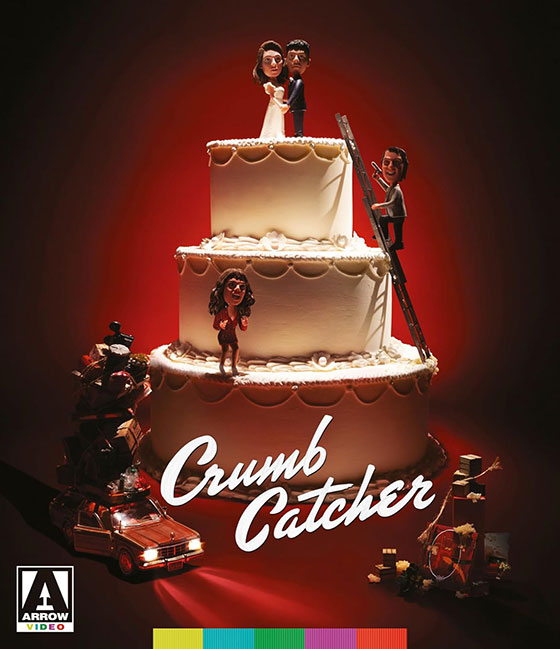
CRUMB CATCHER by Chris Skotchdopole
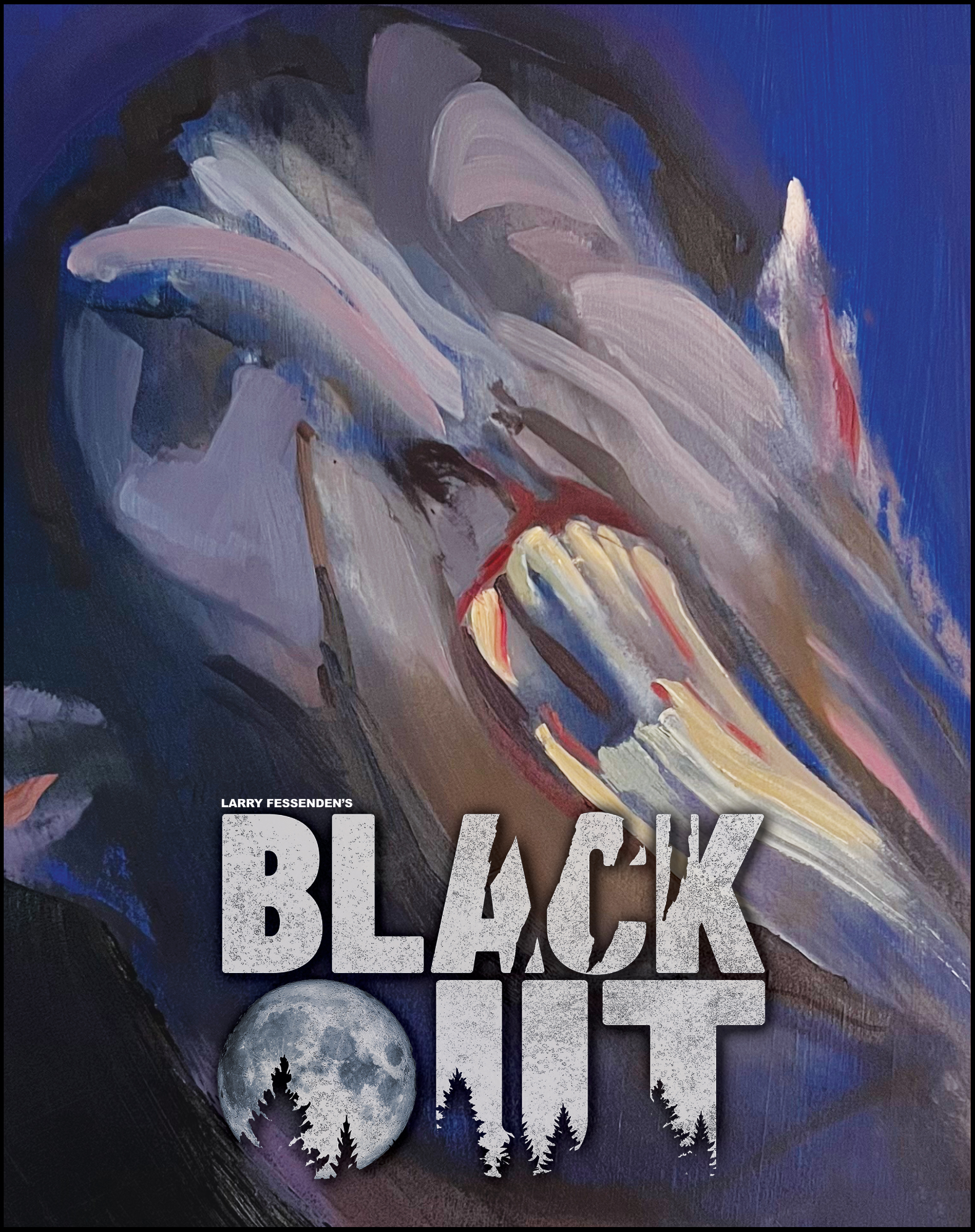
BLACKOUT by Larry Fessenden

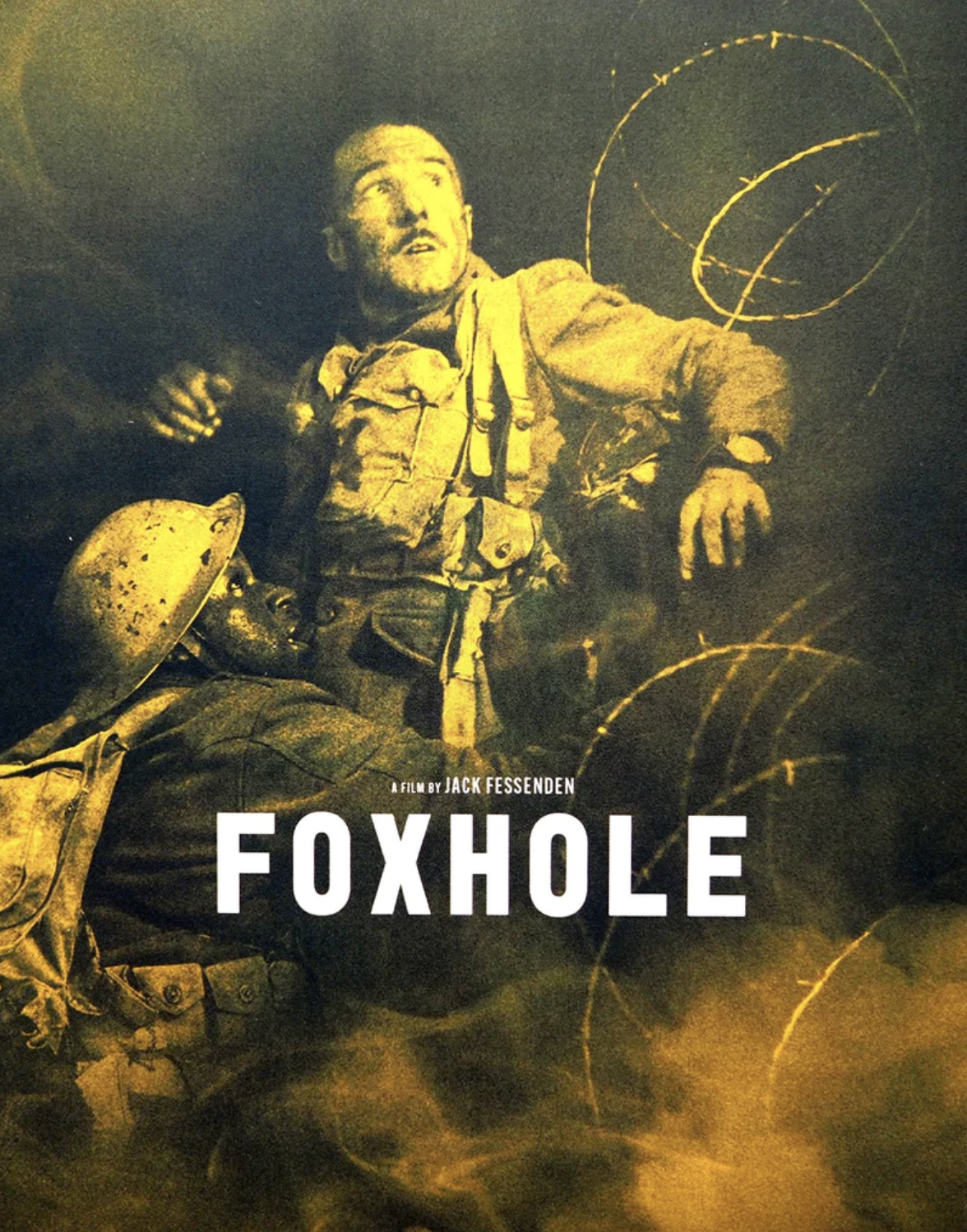
blu-ray Special Edition of Jack Fessenden’s FOXHOLE

a new season of Tales From Beyond The Pale

Glass Eye Pix TOYZ by James Felix McKenney

new music from Just Desserts

and we’ll be keeping an EYE out for new work by GEP alumni

Jenn Wexler, Ti West, Glenn McQuaid, Jim Mickle, Kelly Reichardt, Graham Reznick, Beck Underwood
as well as actors. producers and interns that have survived the GEP Boot Camp

with much appreciation to our viewers and fans


October 31, 2022
Share:
Facebook Twitter Email

Fangoria drops BLACKOUT article on Halloween

Exclusive Photo And Comments: Larry Fessenden Heads Into Werewolf Territory With BLACKOUT

“It’s got more blood than all of my other films combined, probably.”

by Michael Gingold

Having offered a very personal take on the vampire story with 1997’s Habit and a variation on Frankenstein in 2019’s Depraved, Larry Fessenden has at long last fulfilled his desire to round out a triptych of classic-monster homages. The independent horror auteur recently wrapped shooting on Blackout, a werewolf drama starring Alex Hurt (son of the late William; pictured above), Marshall Bell (Total Recall, A Nightmare on Elm Street 2), Joseph Castillo-Midyett, Rigo Garay, Cody Kostro, Marc Senter (The Lost, Old Man) and such past collaborators as Joe Swanberg (You’re Next), Depraved’s Addison Timlin and James Le Gros and his regular player John Speredakos. The makeup effects were created by another pair of frequent team members, Brian Spears (pictured below with Hurt) and Peter Gerner.

“It’s about all the bad things you do when you can’t remember,” the filmmaker continues, noting that the title indicates, “Like all of my movies, it’s sort of about alcoholism, and that weird state where you can’t recall what happened. It’s also, hopefully, thematically deeper than that; it’s about our pasts and our histories, and of course, it’s about a father relationship. He’s haunted by his dad, so it’s all my usual themes.”

There’s a touch of mystery to what Charley is going through, Hurt notes. “He doesn’t know if he’s a werewolf or not, so he’s wrestling with a lot of feelings of grief and other things that have to do with alcoholism and addiction. He’s wondering if that’s what’s coming out in these blackouts he’s having, or if he’s actually turning into an evil creature, this monster that’s committing violent acts.

“And if he is,” Hurt continues, “he starts out hating the fact that he’s a werewolf, and then his journey is that he actually starts to accept it and use it. Larry is really pulling from so many different, beautiful sources for this film.”

Lest this sound like a kinder, gentler approach to lycanthropy, Fessenden notes, “It’s got more blood than all of my other films combined, probably. I don’t know if it comes from a place of anger, or maybe that’s just what the werewolf story is.” Elaborating on the anger part, he explains, “I’m often responding to the events of the day, so Blackout is about a community that’s divided, and scapegoating the wrong people. My theme frequently is, there’s a real monster out there, but we’re always arguing with each other.

“I’m also very influenced by the Marvel comic Werewolf by Night, and especially one of the issues drawn by Mike Ploog. Almost every image there is iconic to me. Now, I’m not saying we’re going to achieve exactly that, but it was such a huge inspiration, that particular werewolf.”

Read whole article at FANGORIA

October 31, 2022
Share:
Facebook Twitter Email

October 29, 2022
Share:
Facebook Twitter Email

Screen Anarchy: “BLACKOUT” A New Film From Larry Fessenden Wraps Photography

The word is out! Fessenden wraps photography on werewolf movie BLACKOUT, starring Alex Hurt.

A Fine Arts painter is convinced that he is a werewolf wreaking
havoc on a small American town under the full moon.

It’s always a pleasure to talk about a new film from Larry Fessenden, one of the true bastions of independent genre filmmaking out there. Fessenden has just finished photography on his new film, a werewolf movie called Blackout, this month and now heads into post.
A Fine Arts painter is convinced that he is a werewolf wreaking havoc on a small American town under the full moon.
Fessenden has stuck to his roots, shooting around New York’s Hudson Valley and hired Brooklyn-based artist John Mitchell to create the paintings for the main character’s artwork in the film.
“My approach was to blend a naturalistic docu-style with the mythological tropes of the werewolf story, an ongoing interest to blend realism with stylization, and to fuse themes of contemporary society with classic monster movie clichés.” 
His cast is also pretty great too: Addison Timlin (Little Sister, Like Me, Depraved), Motell Gyn Foster (Marriage Story, Foxhole), Joseph Castillo-Midyett (Equalizer, Death Saved My Life), Ella Rae Peck (upcoming Crumb Catcher), Rigo Garay (upcoming Crumb Catcher), John Speredakos (Wendigo, I Sell The Dead), Michael Buscemi (Habit, BlacKkKlansman), Jeremy Holm (The Ranger, Brooklyn 45), Joe Swanberg (You’re Next, Offseason), Barbara Crampton (You’re Next, Jakob’s Wife), James Le Gros (Foxhole, The Last Winter), and Marshall Bell (Total Recall, Stand By Me).
 

I mean, come one, a who’s who of Glass Eye Pix alumni back again for another Fessenden film?
 
from the press release:

The film was produced by Fessenden, James Felix McKenney, Chris Ingvordsen, and co-produced by Gaby Leyner. Collin Braizie was cinematographer, following his previous stint on the Glass Eye Pix production Foxhole. Paintings for the main character’s artwork were created for the film by Brooklyn-based artist John Mitchell.

Blackout was shot at local shops and locations in New York’s Hudson Valley and serves as a portrait of the area including Woodstock, Olivebridge, Andes, and Kingston. Many local merchants generously supported the independent production. Fessenden explains, “My approach was to blend a naturalistic docu-style with the mythological tropes of the werewolf story, an ongoing interest to blend realism with stylization, and to fuse themes of contemporary society with classic monster movie clichés.”

Makeup and special effects were handled by long-time Glass Eye Pix collaborators Brian Spears and Peter Gerner, who previously created the Frankenstein monster for Fessenden’s 2019 film Depraved. Comments Fessenden, “Yes, I’m competing with Marvel and Blumhouse to create my own Monsterverse, but at a very different price-point.”

October 29, 2022
Share:
Facebook Twitter Email

Indiewire Exclusive: Larry Fessenden’s “BLACKOUT” coming soon!

Larry Fessenden reveals news of his new horror movie “Blackout” and why the genre needs substance to survive.

I am excited to report that Larry Fessenden has wrapped production on his seventh feature, “Blackout,” which stars Alex Hurt as a painter in a rural community who’s convinced he’s a werewolf. If you don’t know Fessenden’s work, you may as well remit your horror buff credentials now — or keep reading, because the persistence of this filmmaker’s lo-fi approach to horror over 40 years is a case study in its own right.

On the subject of horror movies with something to say, well, that’s what the 59-year-old Fessenden has done for generations. At 22, he launched his New York production company Glass Eye Pix and he’s built a remarkable filmography out of spooky horror movies doused in social commentary. (You can also thank him for serving as a producer and general advocate of fellow New York filmmaker Kelly Reichardt.). With the very recent exception of Jordan Peele, nobody has mined more for substance in modern monster movies than Fessenden, but the industry has yet to embrace his work to the extent it deserves.

“I’ve been living in this world of low-budget impatience for years,” Fessenden told me over Zoom this week. After spending nearly a decade scraping together the budget for his last movie, the stellar 2019 “Frankenstein” adaptation “Depraved,” Fessenden decided not to wait. He took a communal approach to the production, shot in New York’s Hudson Valley with local merchants donating props. He self-financed the production with a handful of investors in part using residuals from previous Glass Eye productions. “I just wanted to skip all the angst on this project,” he said. “There’s a rock ’n’ roll aspect to just going out and making movies quickly.” Fessenden laughed as he declined to comment on the precise budget. “Let’s just say it’ll be eligible for the John Cassavetes Award,” he said. (The Spirit Awards category highlights projects made for under $500,000.)

With his missing tooth and tousled hair, Fessenden looks like a genuine creature of the underworld. His movies feel that way, too. Their themes range from global to intimate, starting with the alcoholism at the center of his masterful vampire thriller “Habit” (1995) and continuing through the climate-change allegories of the “Frankenstein”-inspired “No Telling” (1991) and “The Last Winter” (2006). During that time, Glass Eye became a kind of mini-factory for substantial horror stories produced on a small scale, with Fessenden helping launch the careers of directors like Ti West (“Pearl”) and Jim Mickle (“Sweet Tooth”).

The typical Fessenden movie is made for a few hundred grand and looks like it, but not in a raggedy way. The smallness of his movies enhance their intimacy and give the eerie impression of a world coming apart at the seams. When I profiled Fessenden for the New York Times in 2011, I compared his collective and its support of no-frills genre filmmaking to Roger Corman, but Corman ultimately wormed his way into a Hollywood system that Fessenden keeps at arm’s length. “I was never good at the parties,” he said with a chuckle.

After acclaim for “Habit,” Fessenden navigated a number of studio offers that didn’t gel, for obvious reasons: He wanted to bring substance to the genre, and studios wanted market-ready products. They batted away his pitches for “Mimic 2” and a reboot of “The Texas Chainsaw Massacre.” Perhaps the greatest irony from this period is that Fessenden once pitched Miramax genre label Dimension Films an adaptation of Marvel Comics’ “Werewolf By Night,” decades before the MCU took off.

The recent black-and-white “Werewolf By Night” adaptation on Disney+ certainly provides an innovative riff on Universal monster-movie tropes, but it’s more of a superficial homage than an attempt to grasp the fundamental horrors at the root of the originals. “We’ve seen all kinds of werewolf movies,” Fessenden said. “To me, it’s a Jekyll-and-Hyde story, a form of madness, and a lot of my concerns are there. As the political system unravels, do you keep fighting for democracy or just keep leaning into the hysteria?”

Notions like that don’t translate into a tidy pitch deck. “In the end, maybe this is the zone I belong in,” Fessenden said. “I don’t mind. It’s a more organic approach to filmmaking. I have my hands in every department.”

Fessenden wasn’t wowed by the original “Halloween” in 1978, arguing that much of the discourse around that franchise was less about the movie than the life it took on later. “I thought it was just horror for horror’s sake,” he said. “I really liked the metaphorical grit of movies like ‘Rosemary’s Baby,’ whereas ‘Halloween’ was just scary music for the sake of the next kill. It just felt like a spookfest.”

After “The Last Winter,” there was a period when WME represented Fessenden. For a few years, he was attached to direct an English-language adaptation of the Spanish horror film “The Orphanage” for New Line, with Guillermo del Toro as the producer. That project fell apart due to budgetary constraints while the rapid-fire pace of Hollywood’s IP hunger annoyed Fessenden again and again.

“My favorite agent email read, ‘Stephen King’s ‘It.’ Any int?’ He just wrote ‘int,’” Fessenden said. “I wrote back saying, ‘Sure, what about it?’ He’d never respond.” After the “Orphanage” project fell apart, Fessenden found out that his agent had dropped him. “If you haven’t had a hit by now, I don’t think they’re really looking for your cooperation,” he said.

Fessenden isn’t the biggest fan of Blumhouse, which resurrected the “Halloween” franchise among other commercial horror coups. While the company has managed to produce complex horror successes like “Get Out,” there’s a reason why Peele went on to start his own production company.

The Blumhouse model prioritizes low-budgets with the potential upside for key creative forces, but it’s still a factory and that can lead to a lot of rush jobs, like “Halloween Ends.” For all the talk of its box office being hurt by a day-and-date release on Peacock, I suspect this second sequel to a quasi-reboot might have found legs if audiences weren’t already exhausted by yet another “Halloween” movie. “Let’s be honest,” said Fessenden, who has yet to see the film. “We’re talking about the commodification of something that is supposed to be pointed and say something real about society.”

He cited the original “Night of the Living Dead” as the template that all modern-day horror filmmakers should consider. “It’s about society breaking down during Vietnam and the racial struggles of the time,” he said. “At their root, horror movies have to discuss things that are horrific. So I think it’s a problem to commercialize this genre.”

 READ FULL ARTICLE HERE
October 28, 2022
Share:
Facebook Twitter Email

Glass Eye Pix catalogue streaming this Halloween!

Need something scary to watch this Halloween weekend?
Celebrate the spookiest time of the year by streaming
some of your favorite Glass Eye titles.

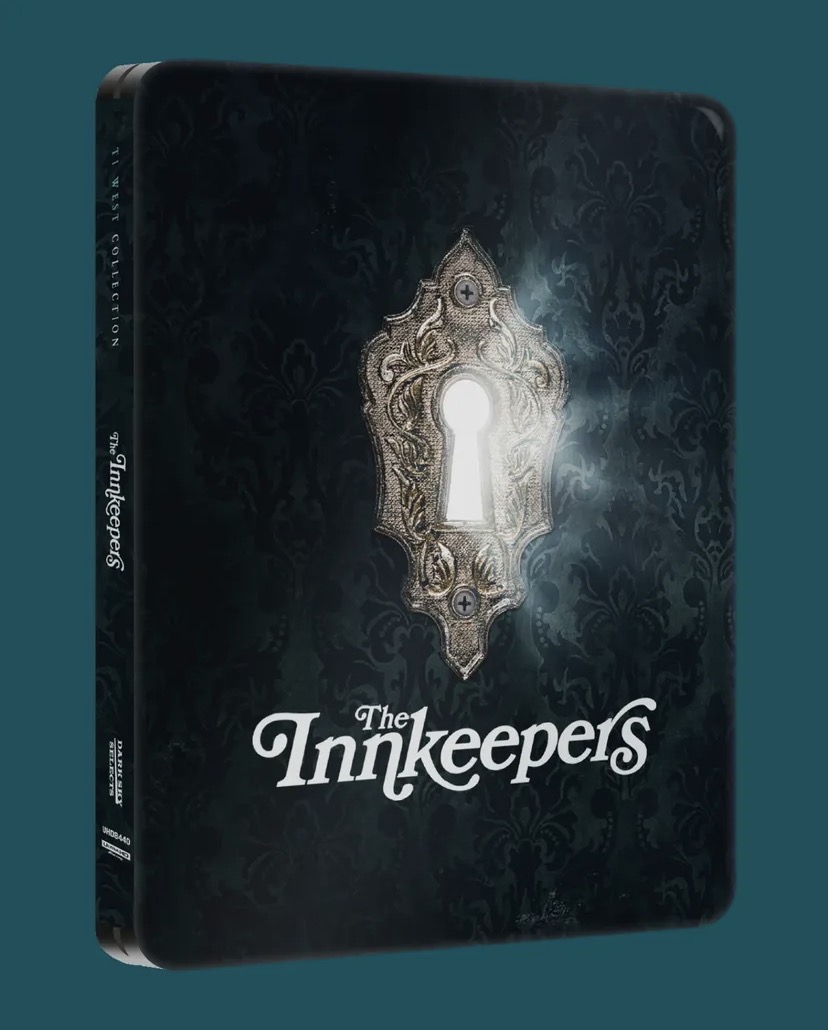
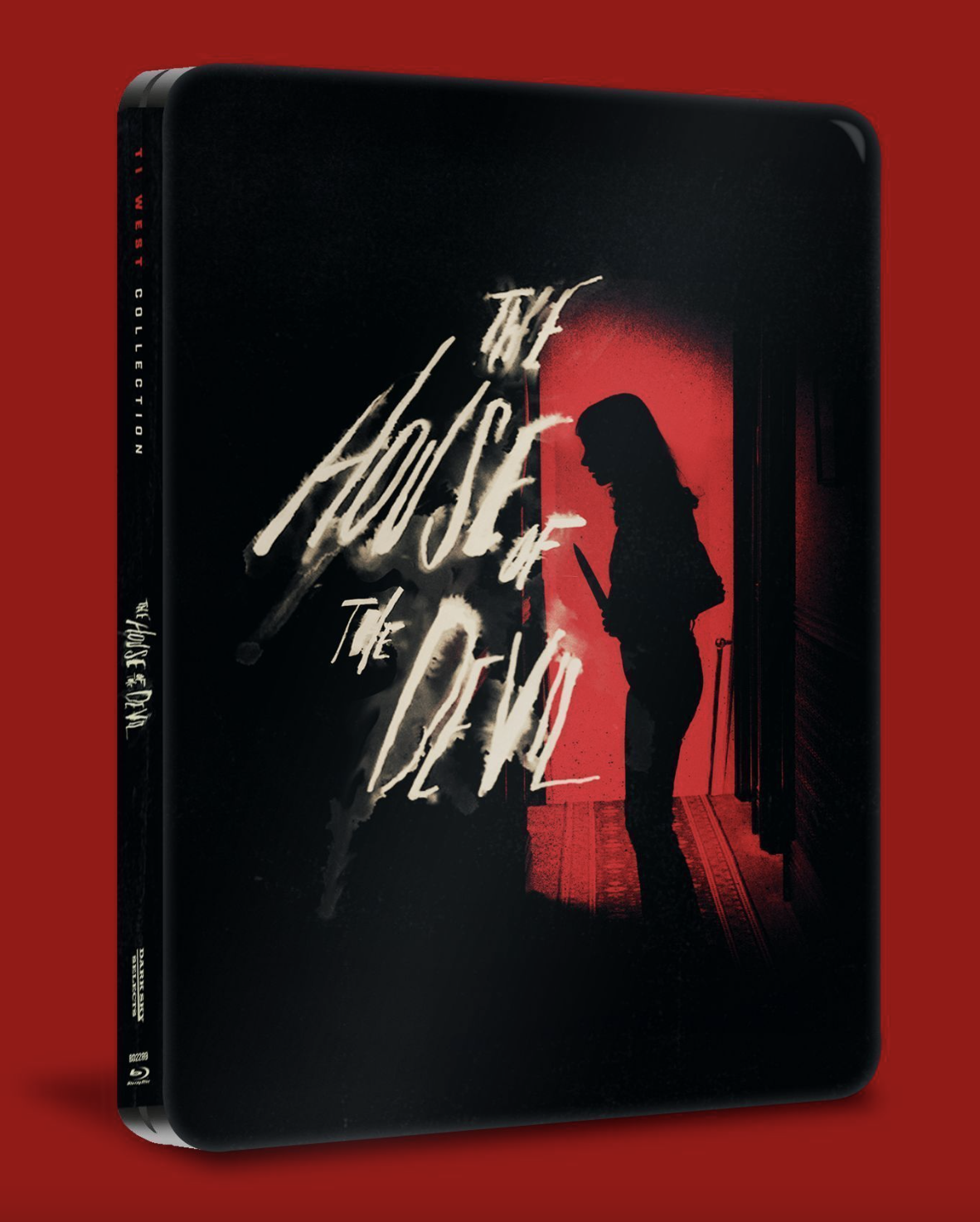
Now streaming: THE HOUSE OF THE DEVIL on the Criterion Channel. DEPRAVED on Hulu. HYPOTHERMIA, THE INNKEEPERS, LATE PHASES, STAKE LAND 1&2 on Peacock. THE RANGER, HABIT, BIRTH OF THE LIVING DEAD on Shudder. DARLING, PSYCHOPATHS on Amazon. NO TELLING, THE LAST WINTER on IFC Unlimited… And the list goes on and on!