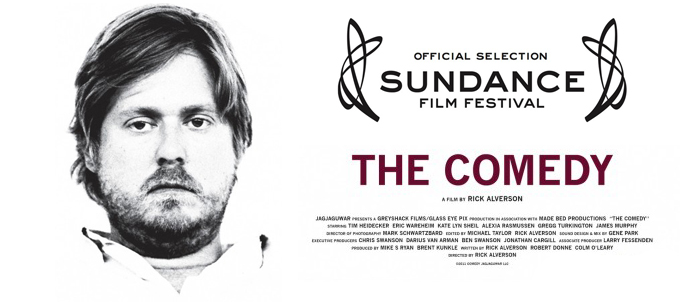
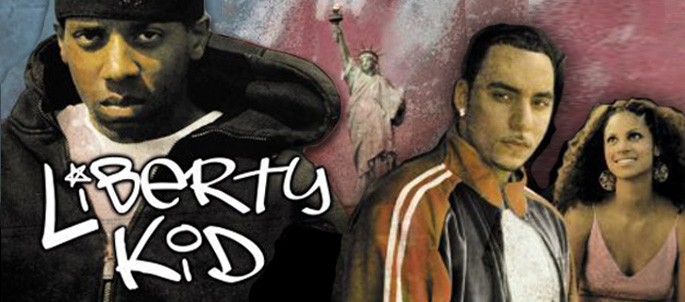
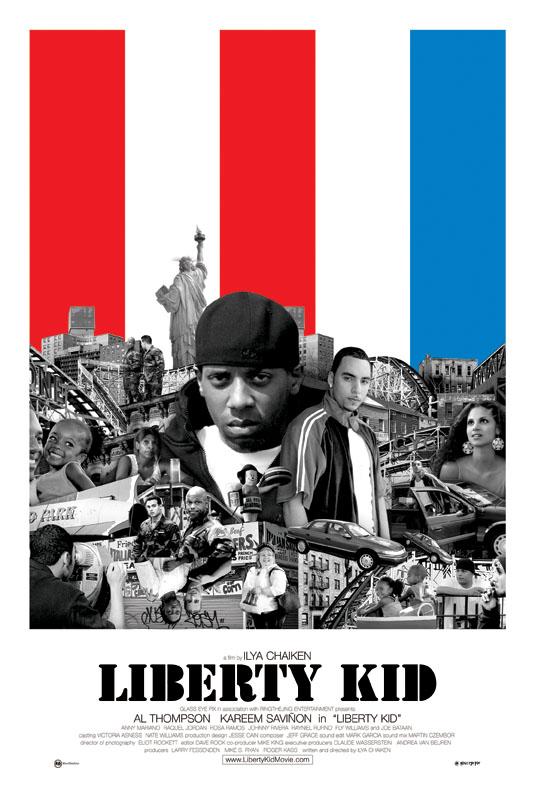
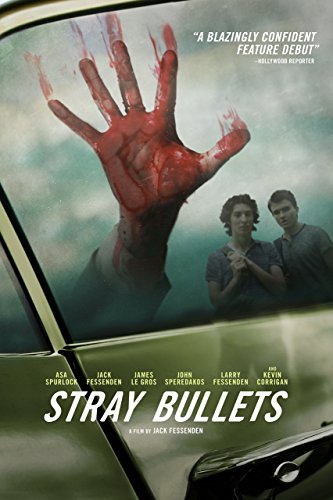
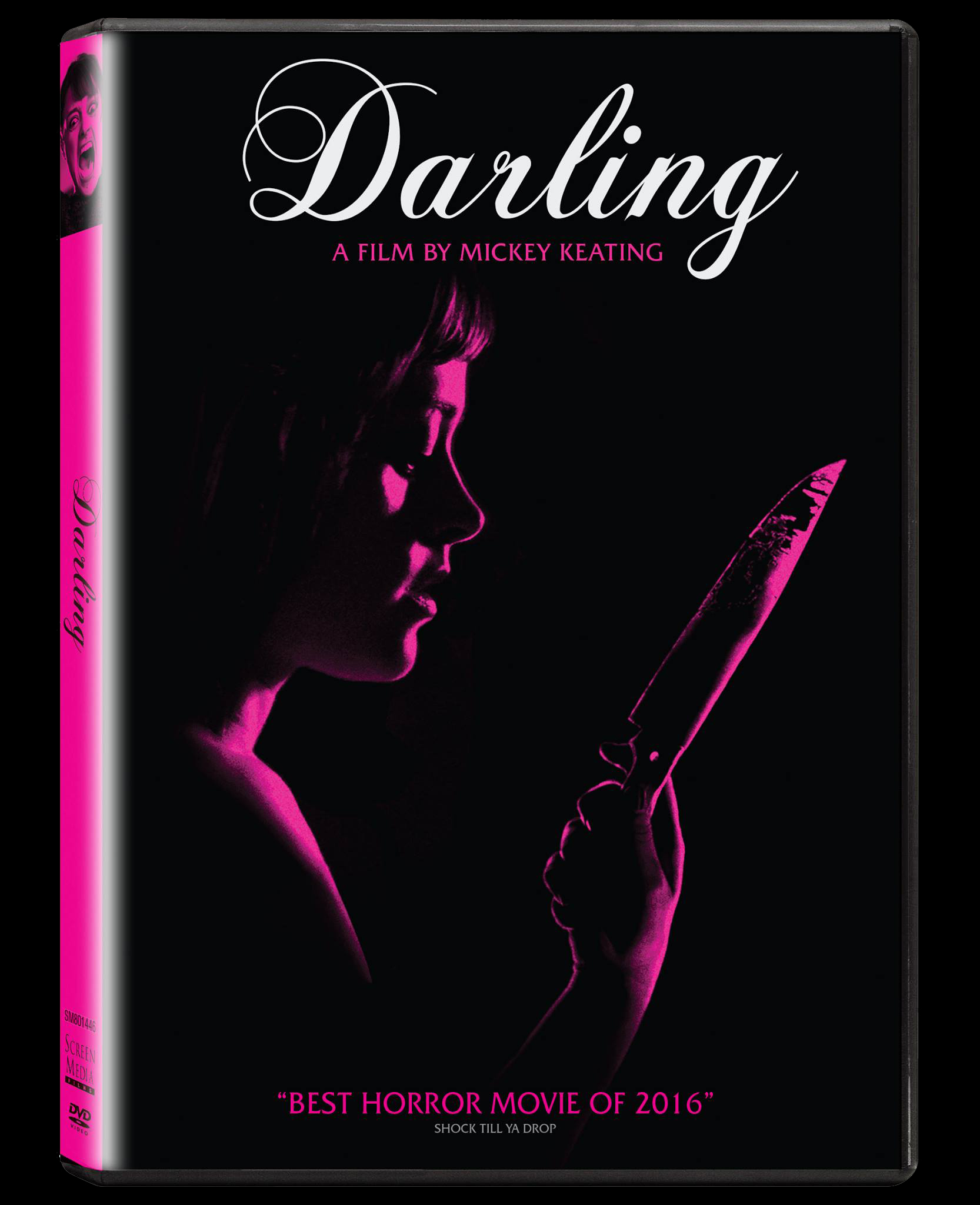
“Liberty Kid elevates that woeful genre, the 9/11 movie, by keeping a ‘Wire’-worthy ear to the street talk of south Williamsburg and maintaining a shrewd balance of the personal and the political… an uncommonly acute, deftly played drama of the New York working class.” — Nathan Lee THE VILLAGE VOICE
9/8/23 • 7:30PM • 6&B Garden (6th Street, Avenue B, NYC) FREE ADMISSION Q & A with M.M. SERRA and writer/director Phil Hartman to Follow
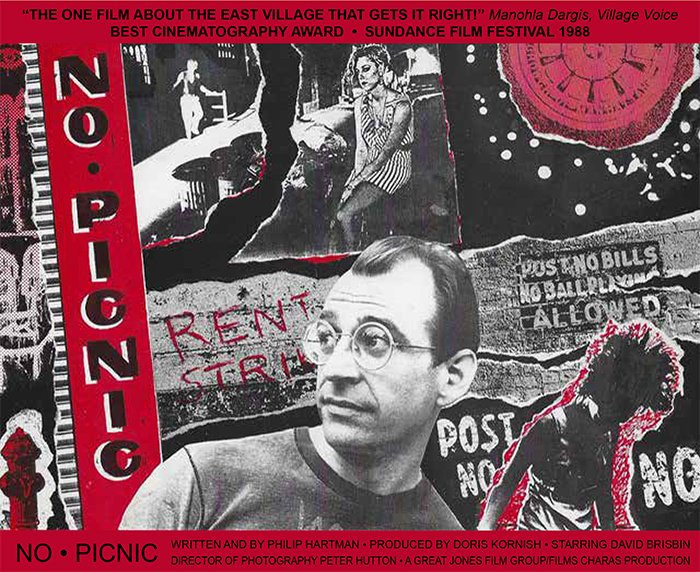
come revisit the post-apocalypse/pre-gentrification East Village at this special screening of No Picnic in one of the actual locations in which it was filmed!
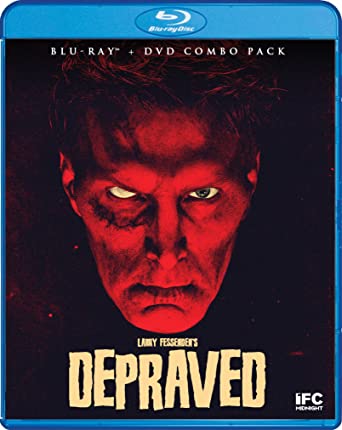
Shout Out to Phil Hartman, GEP pal, longtime supporter of the downtown arts scene as investor (IMPACT ADDICT VIDEOS), actor (HABIT), director (EERIE), organizer (HOWL FEST), presenter (TWO BOOTS VIDEO, PIONEER THEATER), and pizzaiolo (TWO BOOTS PIZZA featuring the annual DEPRAVED PIZZA slice)
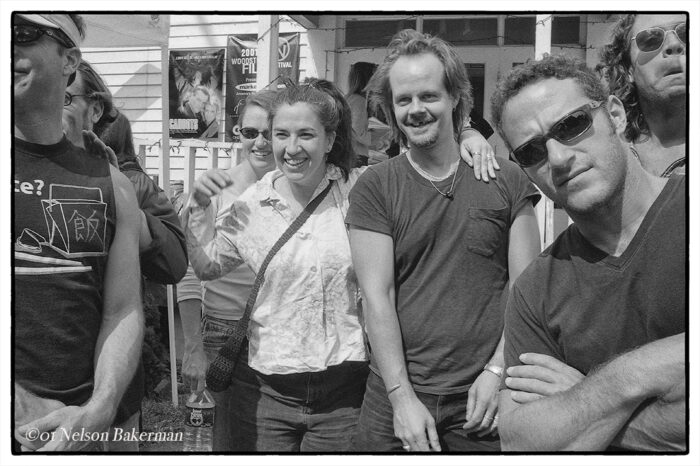
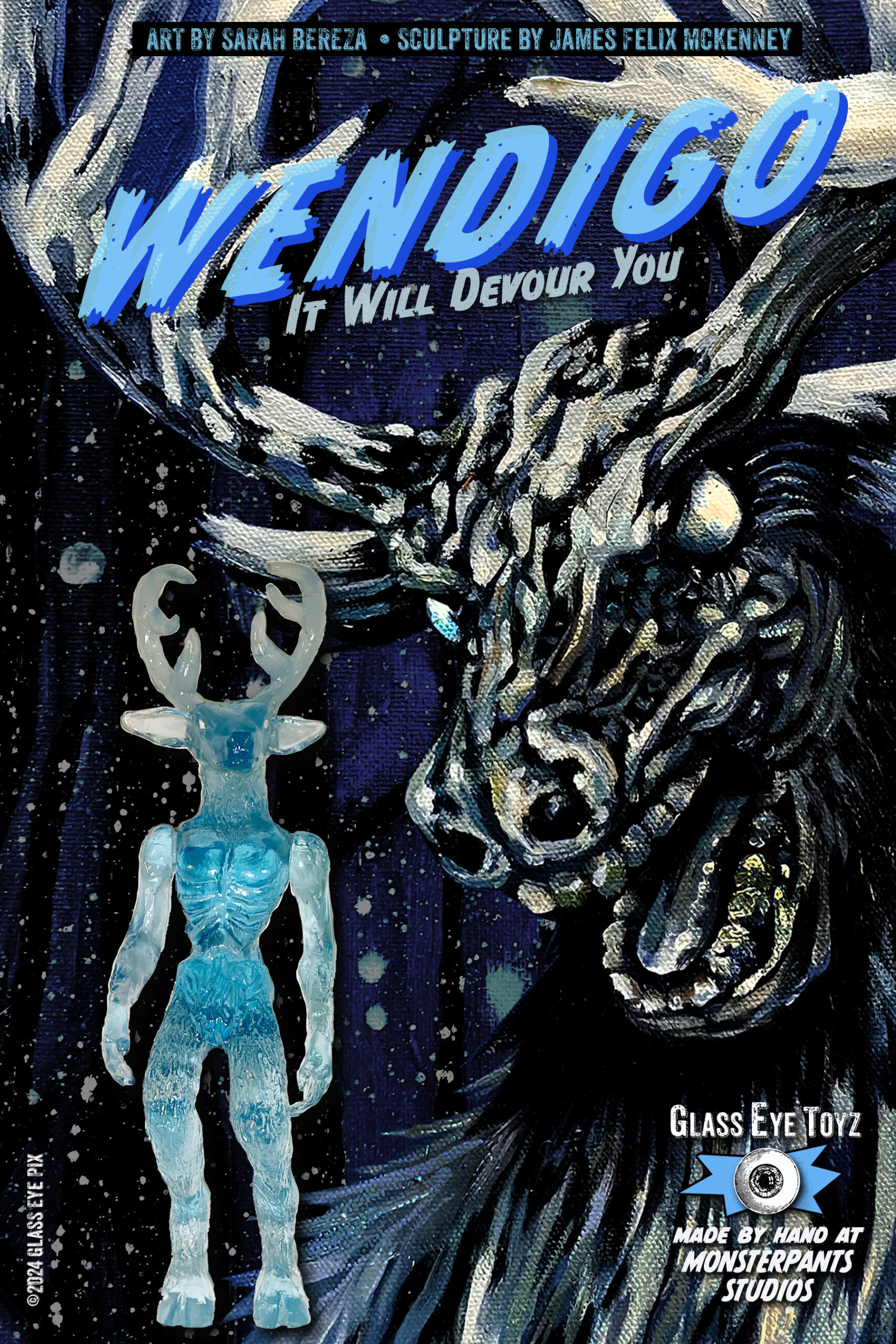
Fessenden with Beck Underwood at the Woodstock Film Festival 2001 with the film WENDIGO (winner best feature). Also in the frame: (l) David “Impact Addict” Leslie, (r) Jay Silver, WENDIGO 2nd Unit DP, Rick Field, “Rick’s Picks” entrepreneur. photo by Nelson Bakerman.
This was just 11 days after the terrorist attacks of 9/11. Art heals.
With college season here for most, I’ve put together a number of “bad time” party movies that showcase what happens when partying hard turns into hard times for everyone.
8. Cabin Fever 2: Spring Fever (2009)
Cast: Giuseppe Andrews, Noah Segan, Alexi Wasser, and Marc Senter Director: Ti West Runtime: 86 Minutes Rating: R Rotten Tomatoes
He may have redefined his career with the one-two punch of X and Pearl in 2022, but Ti West’s debut in the director’s chair came with a direct-to-video sequel for Cabin Fever that follows a group of teenagers preparing for their high school prom unknowingly in the midst of a deadly outbreak. Living up to the gruesome gross-out standards of its predecessor, Cabin Fever 2redefines the concept of “worst prom ever.”
13. Body (2015)
Cast: Helen Rogers, Alexandra Turshen, Lauren Molina, and Larry Fessenden Director: Dan Berk & Robert Olsen Runtime: 75 Minutes Rating: Not Rated Rotten Tomatoes
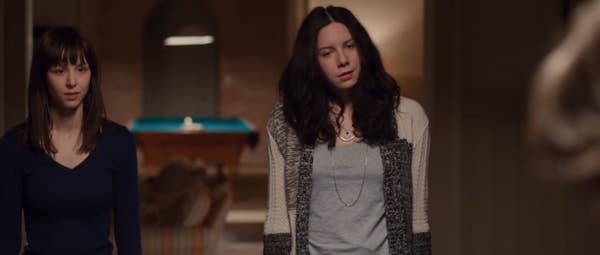
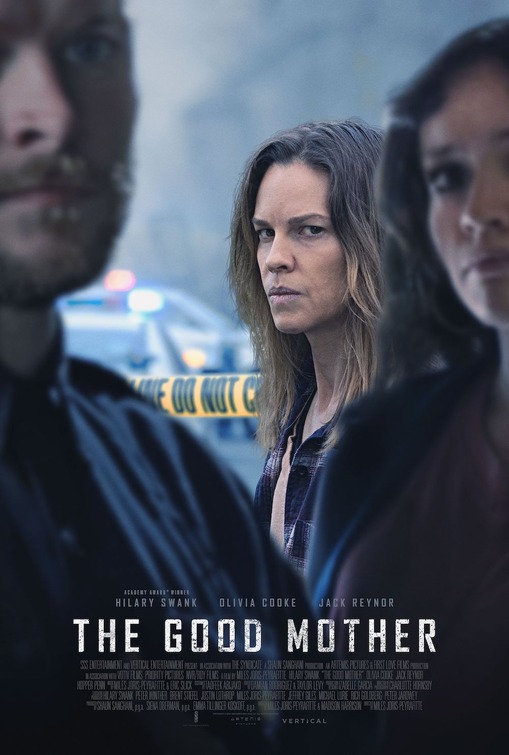
From the filmmakers behind Significant Other and Villains, Body surrounds a trio of young women who decide to party at a secluded mansion belonging to a nearby babysitting client, but find themselves in a moral quandary when they accidentally paralyze the groundskeeper. This macabre movie is a lean and mean one, which is ultimately bolstered beyond its fairly by-the-numbers narrative framing by outstanding performances and confident direction.
We celebrate this especially prevalent Labor Day with a GEP Minidoc of the behind-the-scenes movies created over the last 35 years. Highlighting all the essential workers of film and GEP productions.
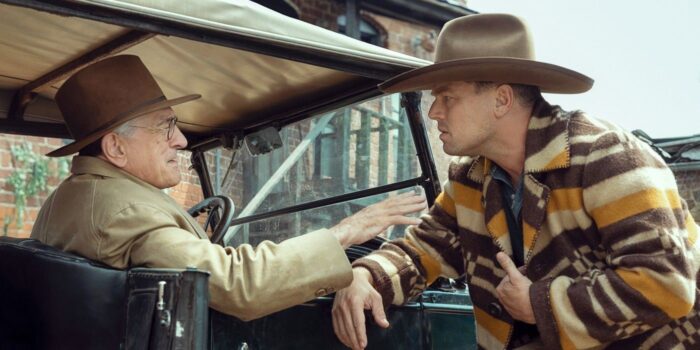
Martin Scorsese’s next movie is a 3.5-hour epic, and the Killers of the Flower Moon cast is just as epic to fill its behemoth runtime. The new western is based on the true story of the Oklahoma murders, in which members of the Osage tribe were murdered in the 1920s due to an oil dispute. This led to an investigation operated by Tom White for the BOI (soon to be FBI). Apple TV funded Killers of the Flower Moon with $200 million, and the production is on such a monumental scale. However, one of the most exciting elements of a new Scorsese movie is its cast, and Killers of the Flower Moon boasts an impressive ensemble led by longtime Martin Scorsese collaborator Leonardo DiCaprio.
Like many directors, Martin Scorsese is known to work with the same group of actors with each release, with a few changes to the roster here and there but the same few members at its core, and many regulars from his previous movies appear among the Killers of the Flower Moon cast. Nevertheless, with every new film, Scorsese picks up more trusted talents that he’ll keep in mind for future roles. This happened with The Irishman’s Jesse Plemons and Louis Cancelmi, who both appear in Killers of the Flower Moon. Scorsese also likes to cast complete unknowns, who quickly become huge actors shortly after. The Killers of the Flower Moon cast is an exciting amalgam of regular collaborators, up-and-comers, and Osage tribe first-time actors too.
…
Larry Fessenden as Radio Voice – Fessenden is a serial actor, as he has featured in multiple movies every year for decades, including Scorsese’s Bringing Out the Dead. The actor has also voiced video game characters, which explains his voice-only role in the Killers of the Flower Moon cast.
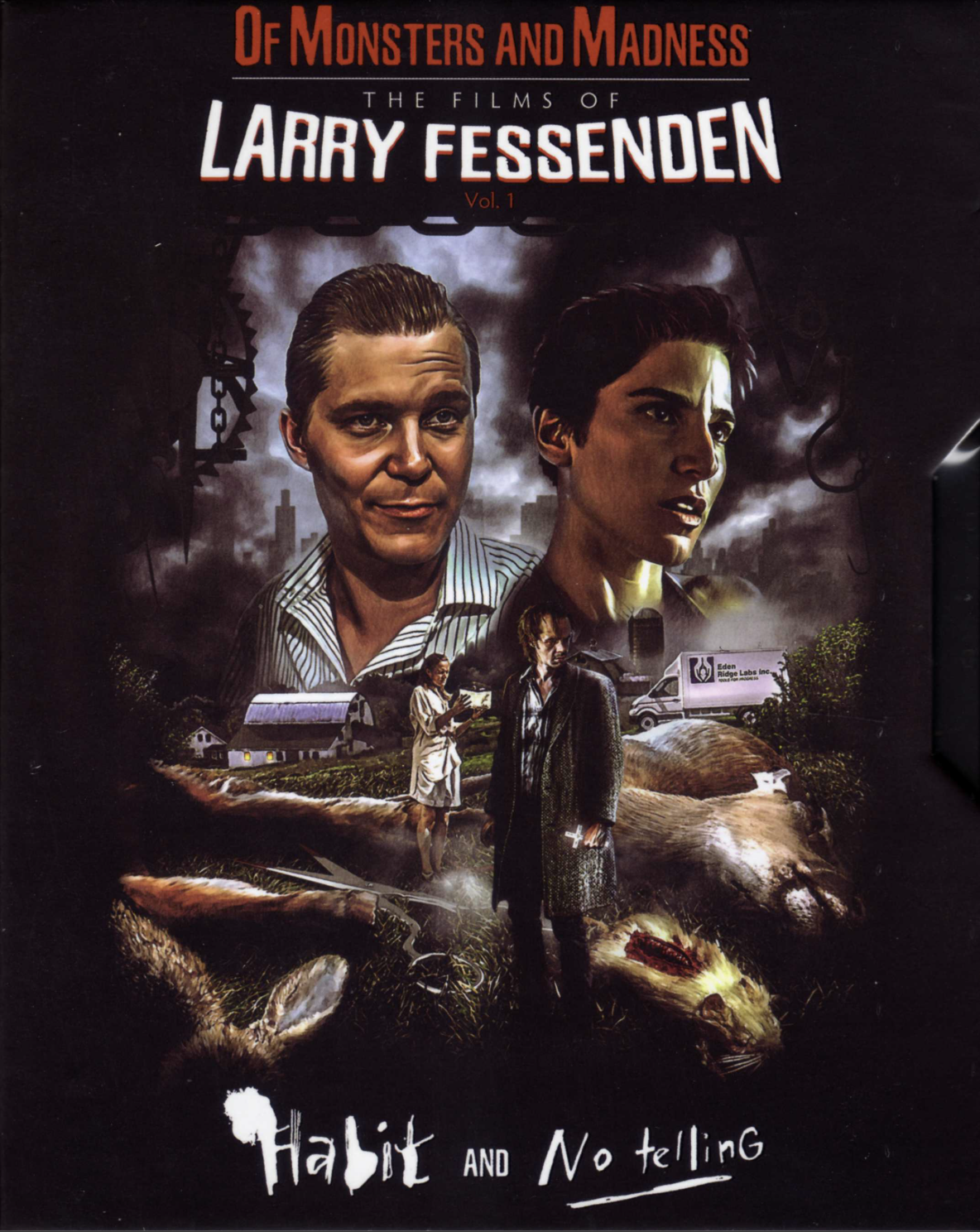
At one point in Larry Fessenden’s Habit, our protagonist Sam (Fessenden) is walking home with Anna (Meredith Snaider). He admits he has somewhat of a drinking problem. “I’m committing suicide on the installment plan,” he quips. To most, this is nothing but self-deprecating humor. To an alcoholic, though – like Sam, like me – we’re simply masking the truth. On top of being an excellent independent horror film, Habit is one of the finest examples of allegorically depicting addiction on screen
…
On their way home from a weekend of food and plenty of drink, Sam and Nick pass a casket company truck followed by a hearse. We know where this is headed. Unless you make the choice to get out and get help, the harmless habit that surreptitiously turned into an addiction will kill you. Unfortunately, real-life death from addiction isn’t nearly as romantic as the demise of the star-crossed lovers in Habit. Larry Fessenden is a master of allegory, and Habit is singular in its romanticization and swift deglamorization of alcoholism.
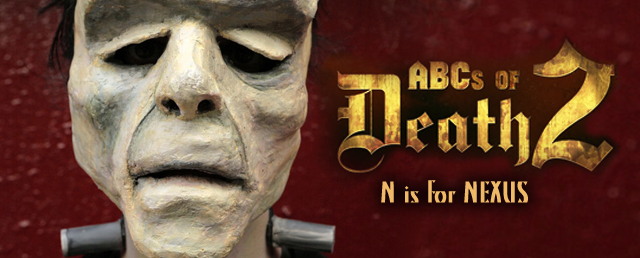
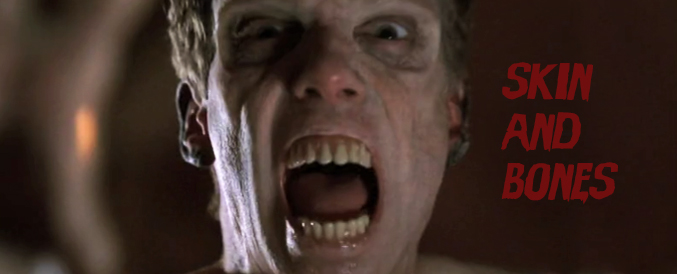
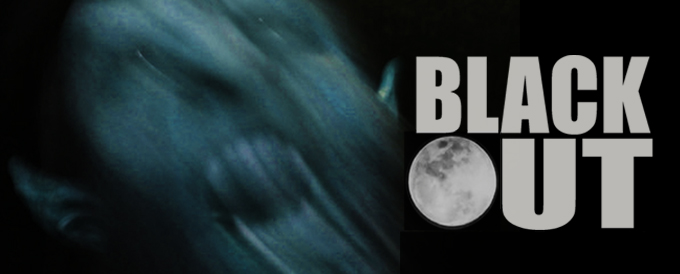
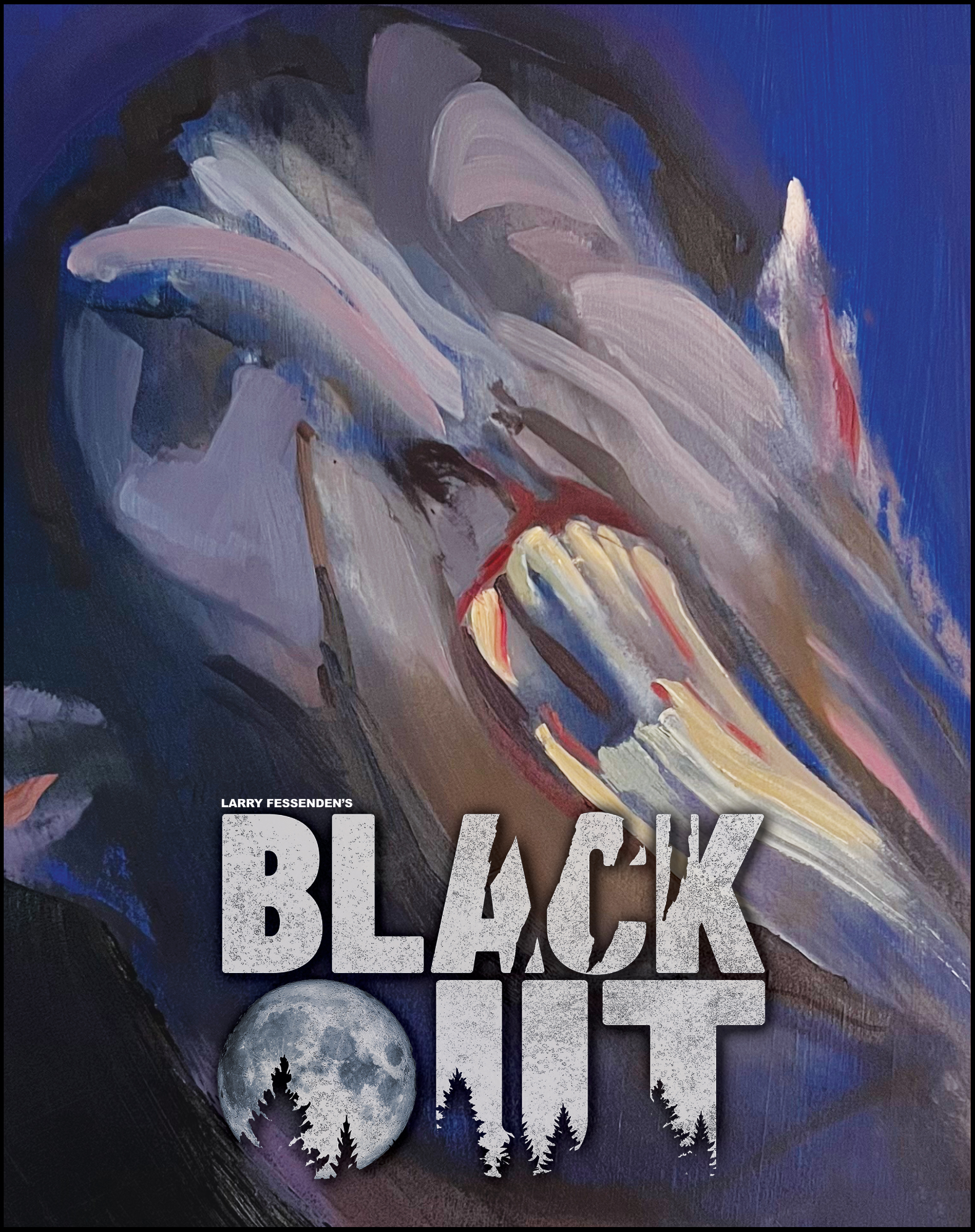
In celebration of the BLACKOUT World Premiere at Fantasia Fest 2023, Fessenden appears in interviews on YouTube: Infamous Horror,Mystic Severe Radio, SKM.
Glass Eye Pix is the fierce independent NYC-based production outfit headed by award-winning art-horror auteur Larry Fessenden with the mission of supporting individual voices in the arts. Read more...