Everything’s Goin’ Great Right?
Here’s to a Super 2026










Everything’s Goin’ Great Right?
Here’s to a Super 2026
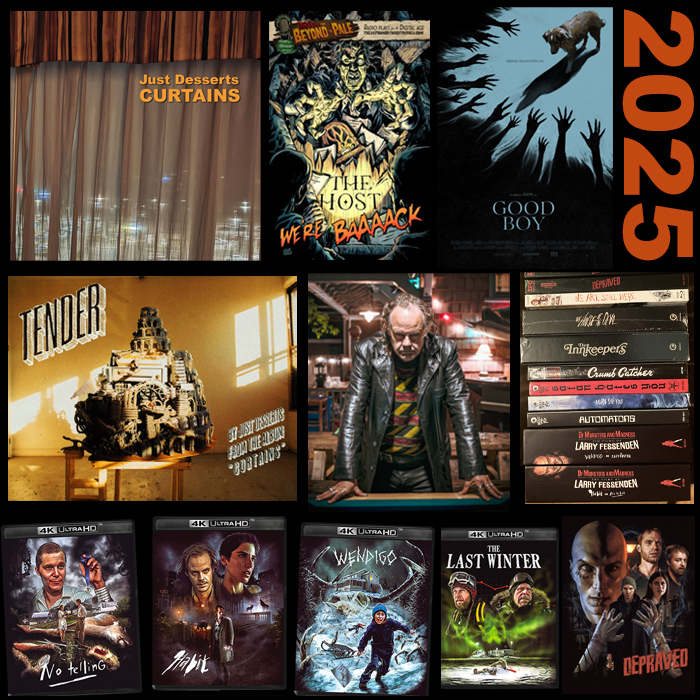
Glass Eye Pix turned 40 Years Old on Nov 2nd 2025
we hope to be celebrating all 2026 right on up til we turn 41!
2025 Highlights
Release of the 4th full length Album from Just Desserts entitled CURTAINS
Look for airplay and gigs in February
Tales From Beyond The Pale is Baaaaack with its 6th Season
New Episodes drops 2nd Thursday of every month
Fessenden appears in year’s horror favorite GOOD BOY
James Siewert’s epic music video of Just Desserts song Tender drops
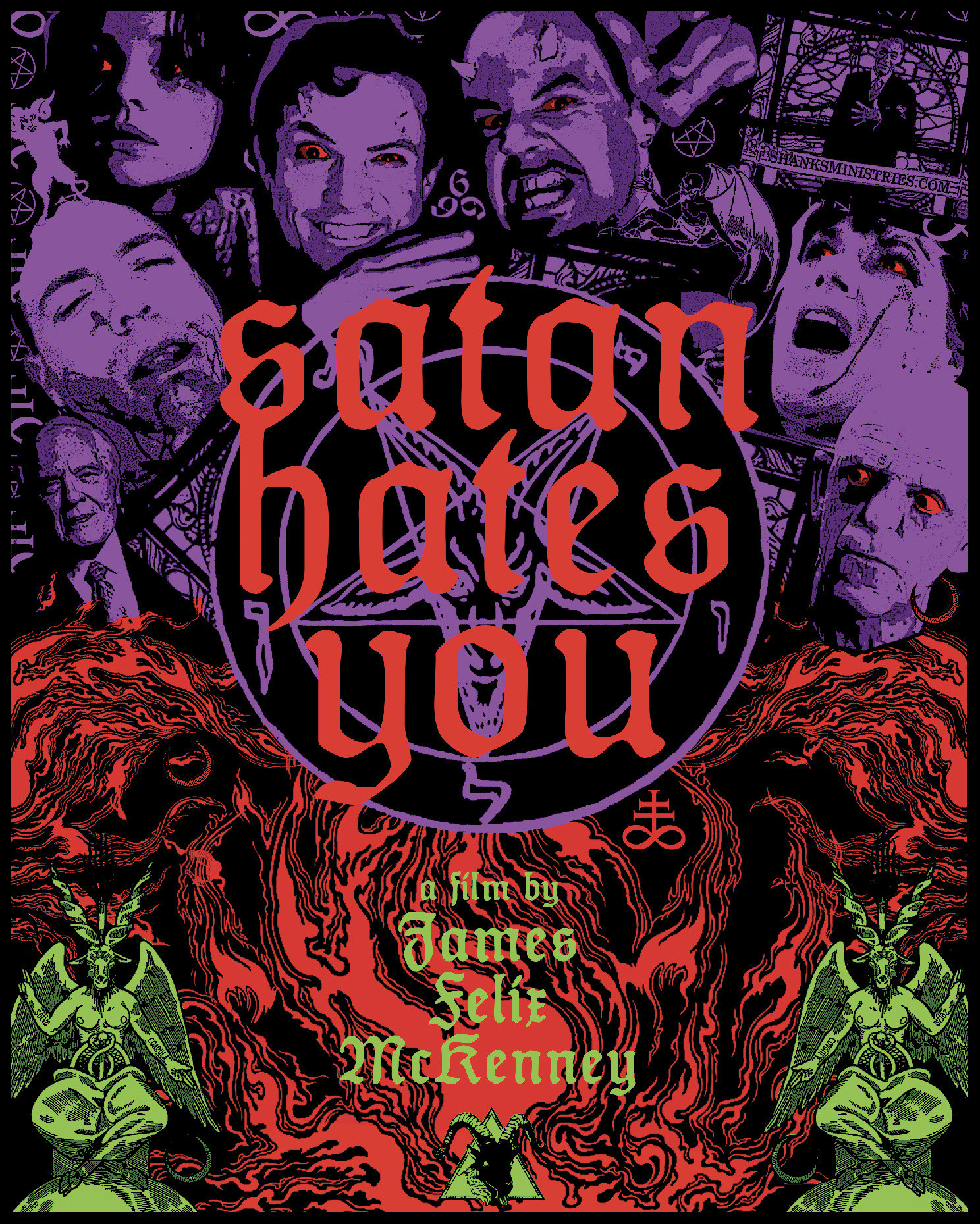
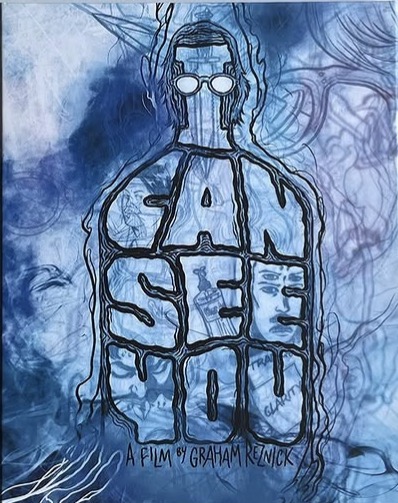
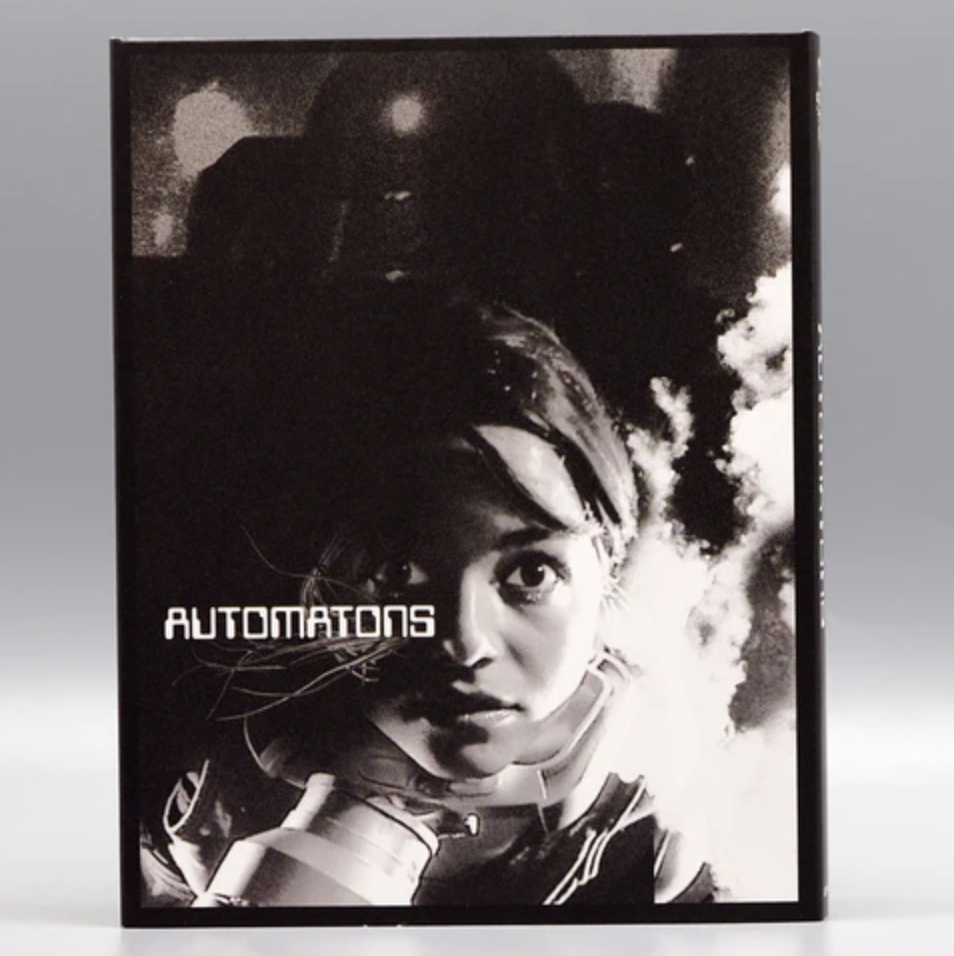
GEP launches new Video Label in collaboration with OCN
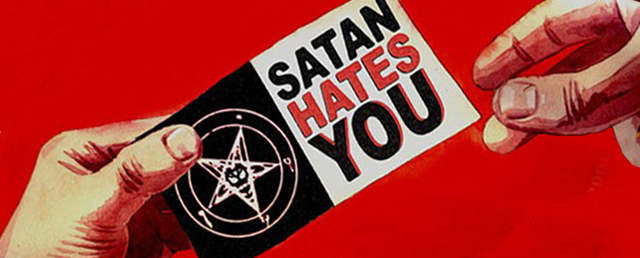
First Titles include AUTOMATONS, I CAN SEE YOU and SATAN HATES YOU
more on the horizon!
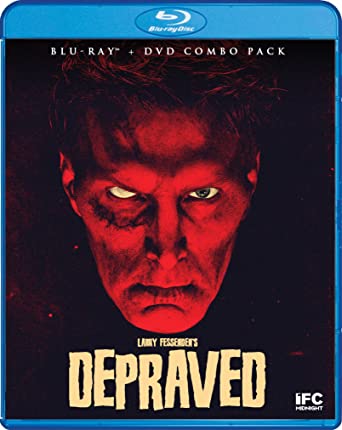
Vinegar Syndrome releases delux 4K versions of Fessenden Catalogue:
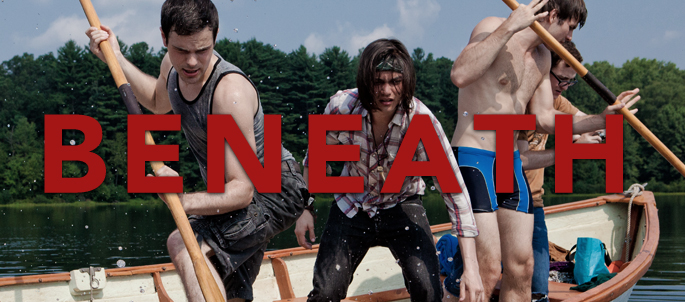
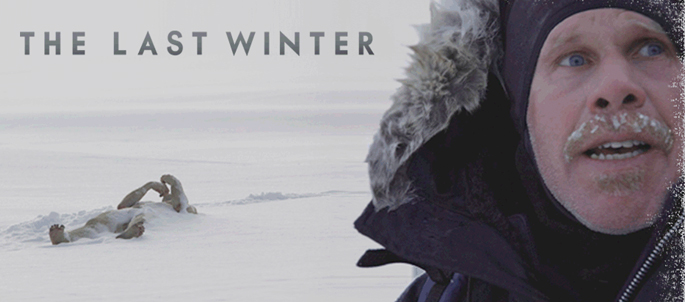
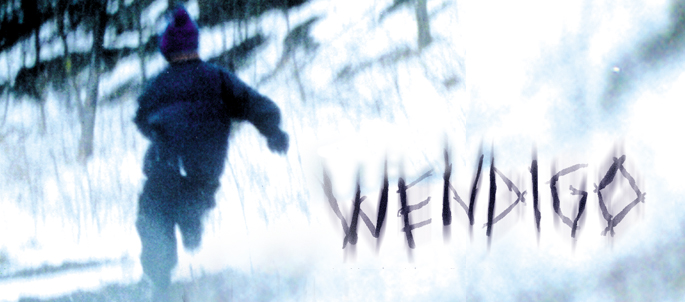
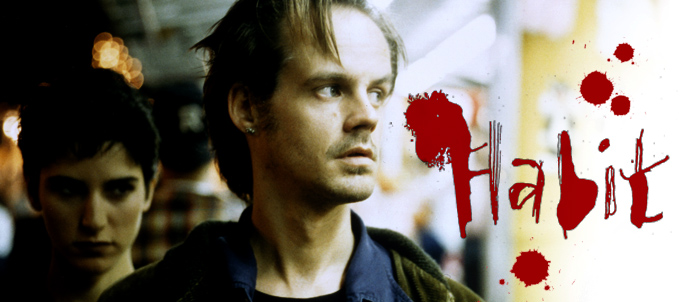
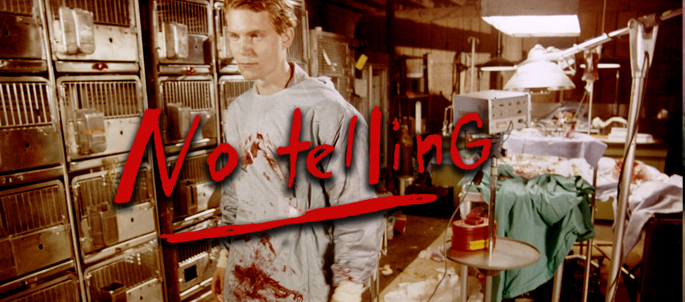
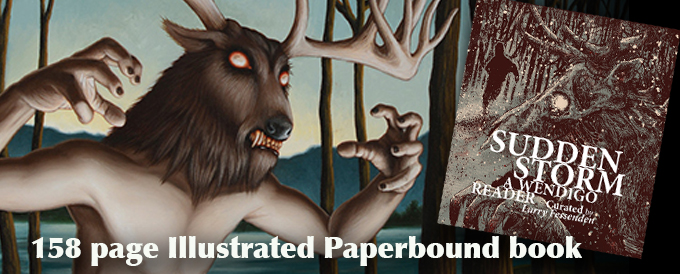
NO TELLING, HABIT, WENDIGO, THE LAST WINTER, DEPRAVED
with more to come
Fessenden wraps photography on TRAUMA OR, MONSTERS ALL…
COMING SOON
Thanks for for all the support. Good Luck in 2026
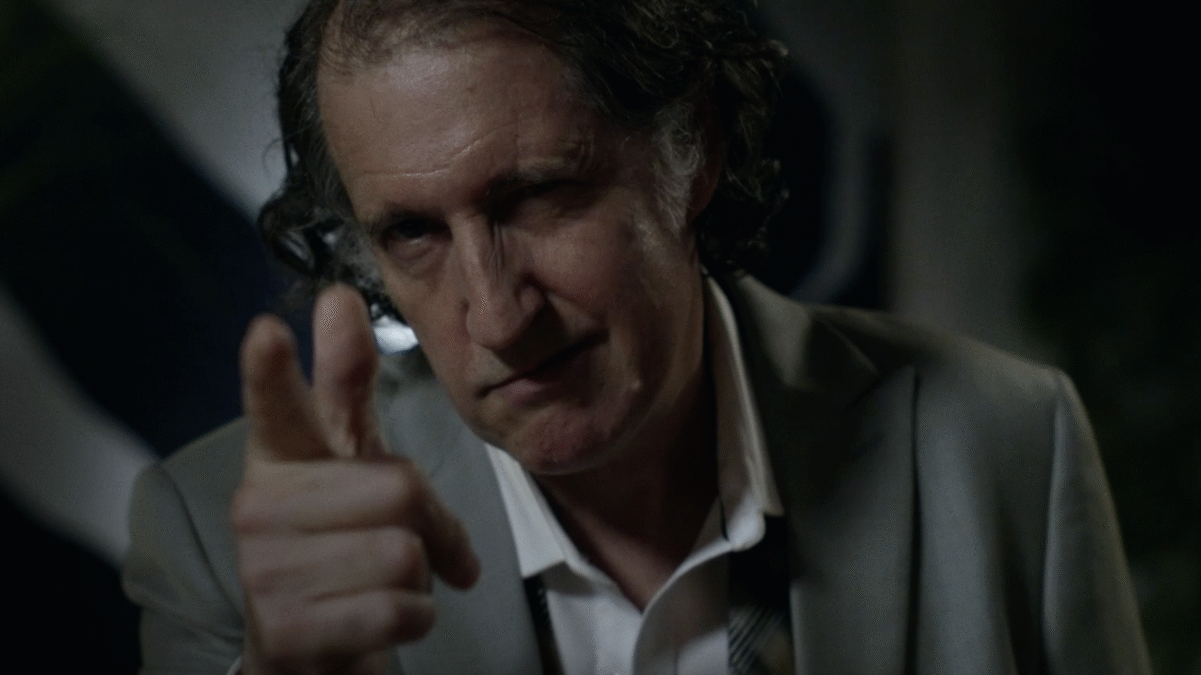
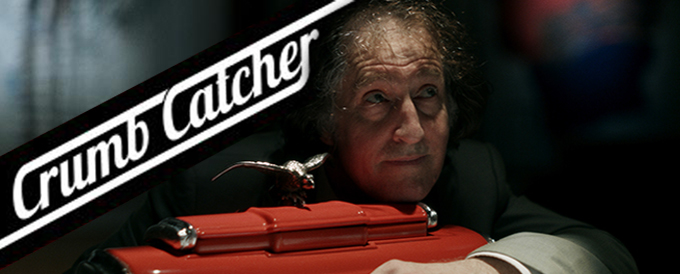
From Terry Sherwood at Film Threat: Crumb Catcher takes a premise that sounds like a lost sitcom pitch and plays it in a social nightmare of obligation. Written and directed by Chris Skotchdopole, from a story by Skotchdopole, Larry Fessenden, and Rigo Garay, the picture begins with newlyweds Shane (Rigo Garay) and Leah (Ella Rae Peck) at their reception, being photographed. The dialogue between them and others is on the edge of an argument and underlying tensions of the moment. The same mood in the drive to the honeymoon cottage, where it’s one learns that Shame is a writer and Leah is his publisher. Shane’s past is filled with childhood trauma from his family. There is some trouble with the wedding cake during the reception, and Shane fails to thank her mother for the reception, which he did not care for in the first place, as he wanted to elope.
Later on, Shane wakes up the morning after his wedding with a headache and zero memory of the previous night. Worse: an envelope containing the wedding guests’ cash gifts is empty. The situation changes when he receives a text from a woman named Rose (Lorraine Farris) hinting that the two of them got intimate. Shane’s confusion is matched only by Leah’s determination to ignore anything that might spoil their honeymoon. So off they go to their getaway: a posh, secluded woodland home supplied by Leah’s boss, where all is quiet, tasteful, pristine. A perfect location for things to go wrong, and they do.
A late-night knock at the door interrupts their attempt at newlywed fun and games. Standing outside is John (John Speredakos), the odd, overly friendly caterer from the wedding the night before, who made remarks about Shane’s used car. He claims he brought the missing wedding cake topper. John initiates himself into their home, has a glass of water, puts it down on a table, ignoring a coaster that irritates Leah. He drones on about absurd details when he finally reveals he’s also come to pitch a device he invented, which is a bizarre contraption called the “crumb catcher.” It turns out to be a sort of handheld vacuum designed to sweep table crumbs into a funnel. He insists Shane and Leah sit for a full presentation. Then the truth detonates: Rose is John’s wife, and she’s the same woman who texted Shane. She has a video of the alleged encounter. If Shane doesn’t invest in John’s crumb-collecting dream machine, the video goes straight to Leah. It’s blackmail with a smile that only gets more deranged as the night progresses.
Speredakos is a bull in a China shop throughout Crumb Catcher. He’s huge, sweaty, oblivious, clumsy, with the temperamental volatility. The man adds menace to each of his lines. He makes every stumble, every loud gesture, every sudden turn feel like an accidental tragedy waiting to explode. Peck’s performance always hints that her character’s exhaustion is something they are resigned to, a sort of grasping at “crumbs” to live on. Shane and Leah are the “normal” ones. Leah responds logically, sharply, almost icily. Shane, however, is a frustrating mystery. Garay internalizes guilt instead of suspicion.
Skotchdopole uses the Hitchcock metaphor of creating suspense when showing a conversation between people, with the audience knowing there is a bomb under the table to solid effect. Leah notices John’s weapon right away. Much like the aformentione master, the filmmaker also infuses humor. The comedy arises not from punchlines but from the horrible social bind of being too polite to throw an intruder out of your home, much like Who’s Afraid of Virginia Woolf. It’s a nightmare built entirely from the dread of not wanting to be rude, which itself is interesting because social media is filled with people who are rude continually to the point of hate. This is hugely similar to Duncan Birmingham’s Who Invited Them which is about a married couple who have a housewarming party to show off to their colleagues and superiors. When the guests have already left, the hosts suddenly discover an unfamiliar couple in the house who enter their lives.
Visually, Crumb Catcher leans into disorientation. Drunken POV effects distort the frame. The film is largely confined to the house, giving it a theatrical feel. The editing keeps the action going well, even the car chase towards the end is well-handled. The picture is a wonderful example of social horror, fear of strangers who are not what they seem, worth a look for the production values well used, and the committed actors.
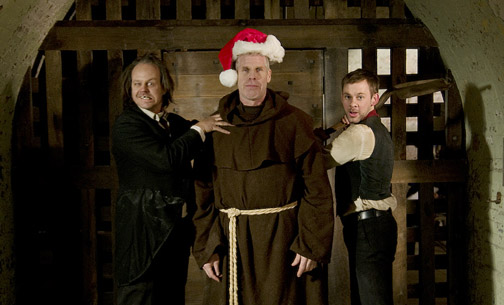
Gather around the fireplace on this cozy night and stream
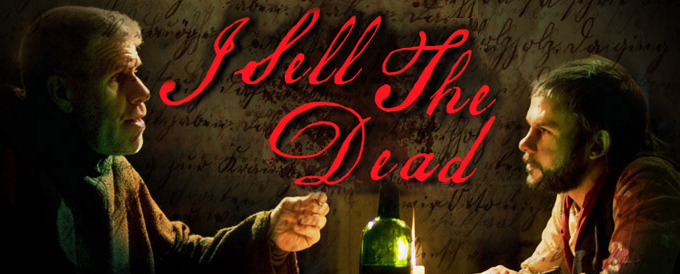
Glenn McQuaid’s I SELL THE DEAD on AMC Plus.
Fessenden featured in this seasonal delight from
Fall On Your Sword, AKA Will Bates,
composer on recent Fessenden Flix BENEATH, DEPRAVED and BLACKOUT.
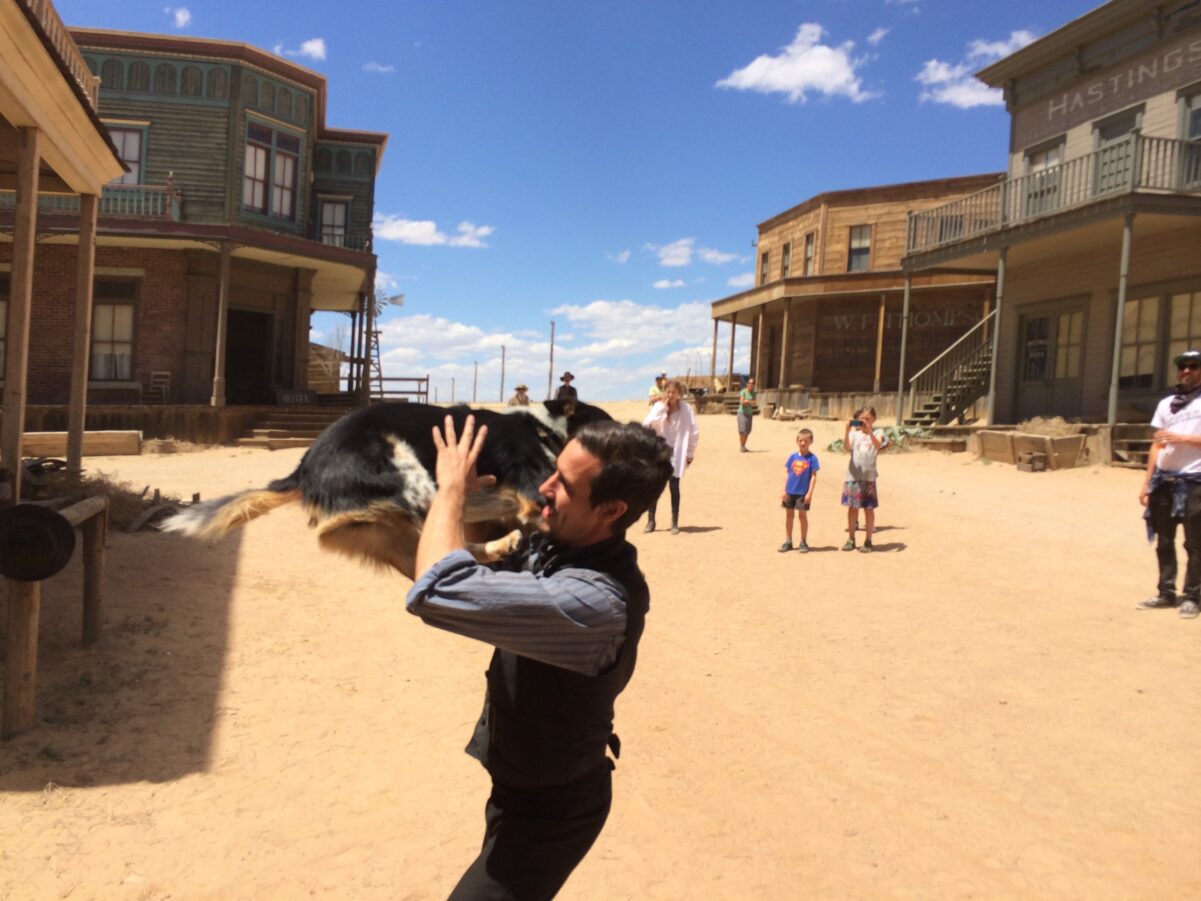
Today we mourn the passing of James Ransone who decided to check out early from this mortal coil. Ransone is known for THE WIRE, SINISTER, BLACK PHONE, IT PT 2, as well as Ti West’s IN A VALLEY OF VIOLENCE (seen above on set playing with canine star Jumpy the Dog) with Toby Huss, John Travolta and Ethan Hawk. Films are such a bonding experience, you feel you’ll know each other for ever.
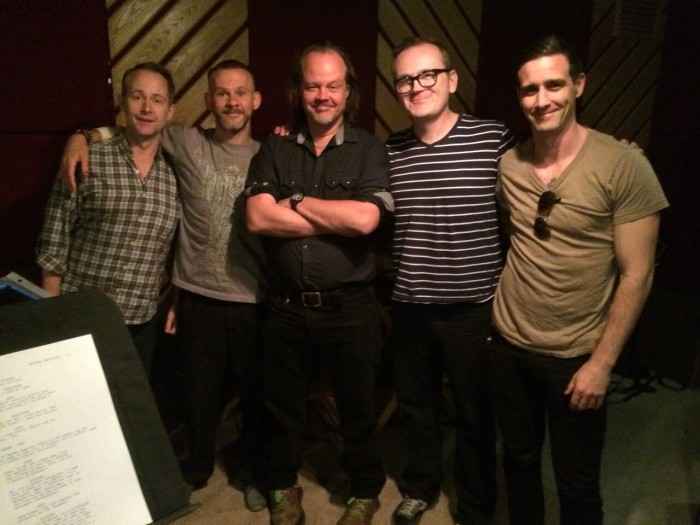
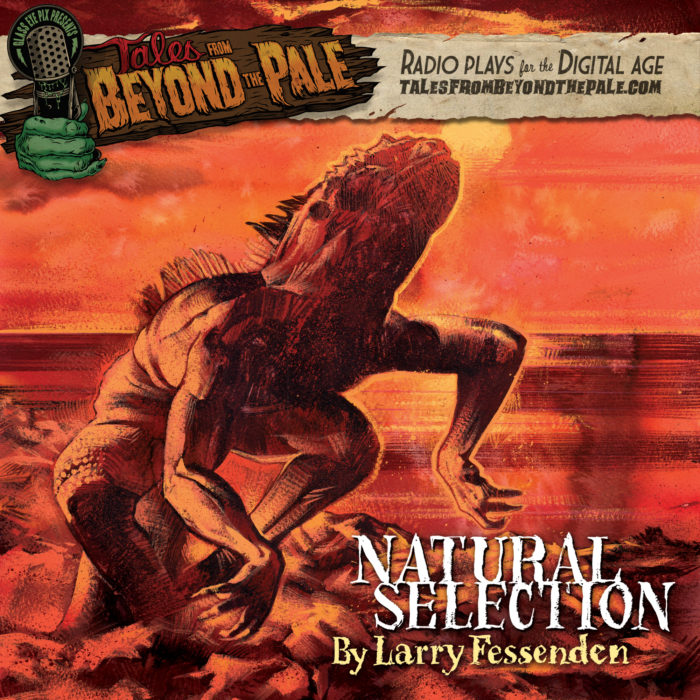
In memoriam we highlight the fine performance he contributed to a TALES FROM BEYOND THE PALE: “Natural Selection” also featuring Billy Boyd, Dominic Monaghan and Pat Healy (seen above with Fessenden during the LA recording, Ransone on right).
Rest in Peace, Ransone, hope you’ve found some now.
Deep sympathy to those left behind.
Hard times.
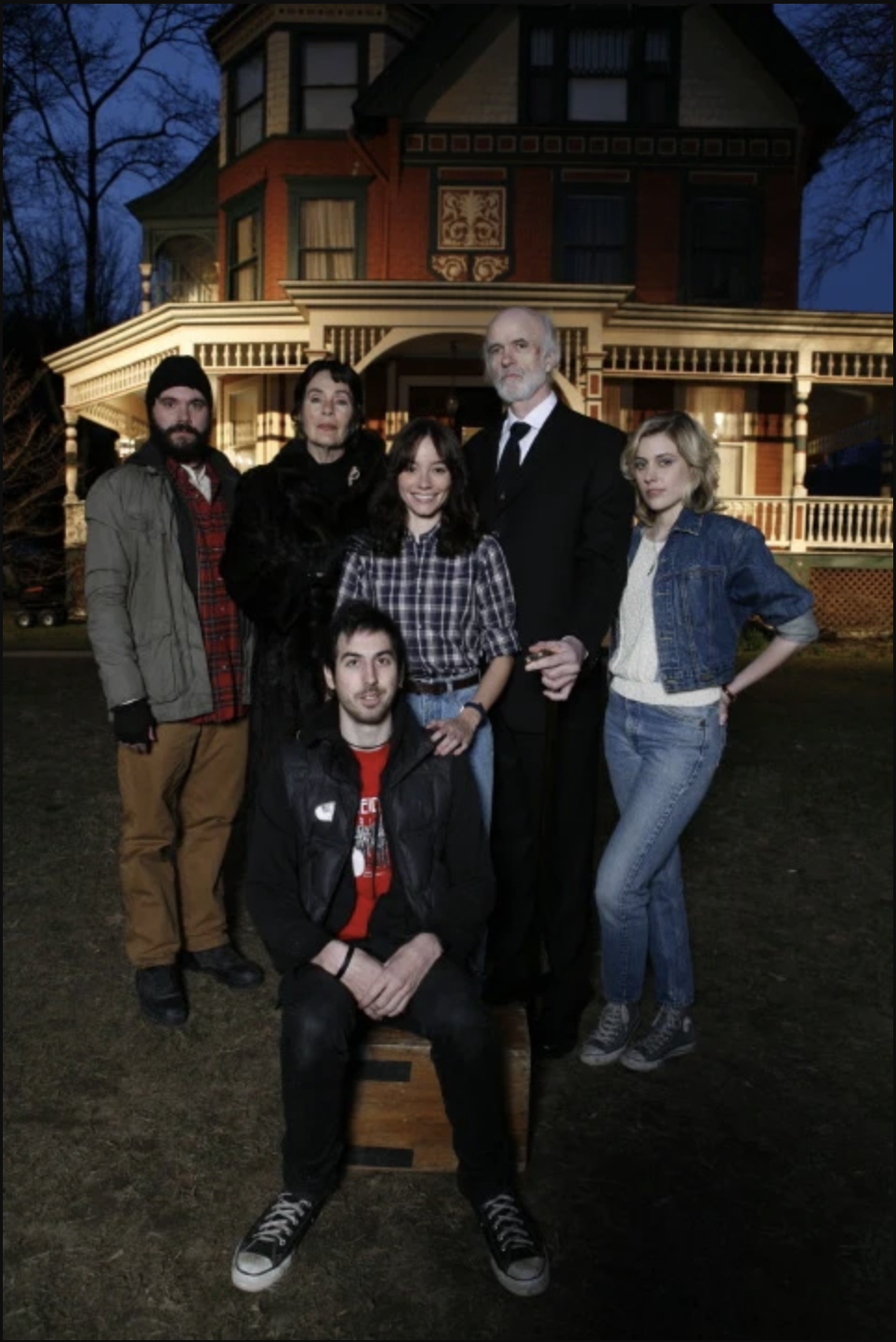
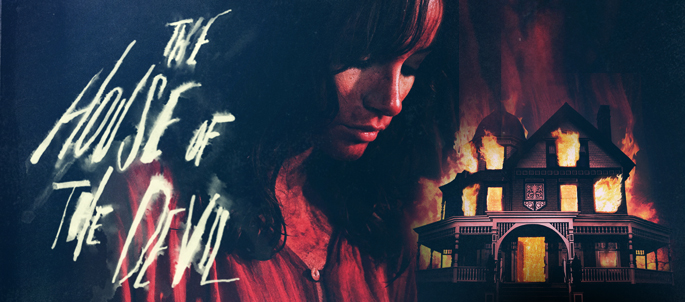
TBT 2008, A.J. Bowen, Mary Woronov, Jocelin Donahue, Tom Noonan, Greta Gerwig
and writer / director Ti West on set of THE HOUSE OF THE DEVIL.
Get the Steelcase Edition Blu-Ray from Dark Sky Selects,
the perfect stocking stuffer.
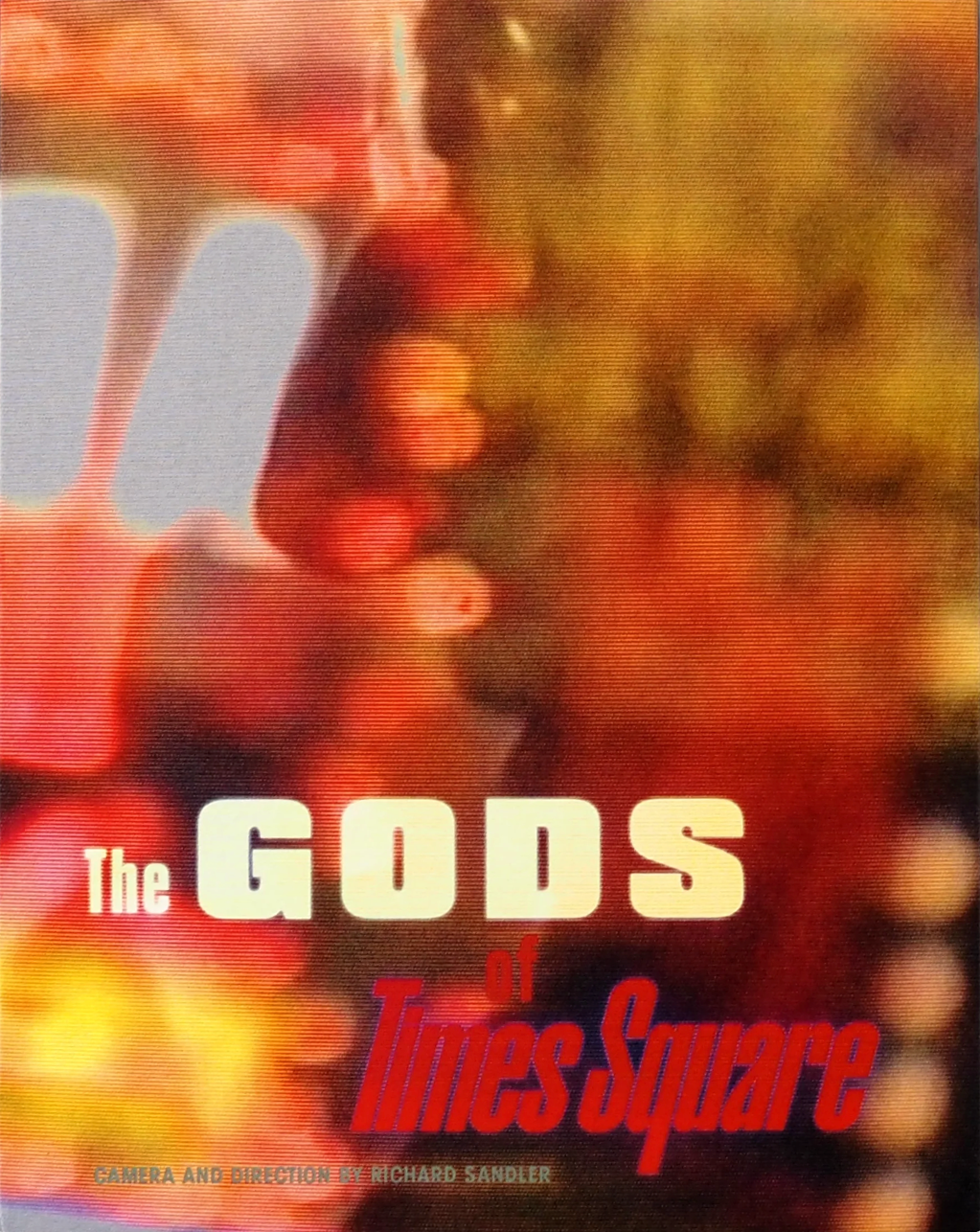
Now for sale at Vinegar Syndrome, Film Desk and Elara Pictures presents
Richard Sandler’s THE GODS OF TIMES SQUARE,
a Glass Eye Pix and Scorpio Dogs production.
Shot on video over six years in the mid-1990s by legendary photographer Richard Sandler, The Gods of Times Square is a portrait of the “Crossroads of the World” at the end of the millennium, told through the words of its denizens, particularly the various street preachers that populated every corner. Now over twenty five years since its transformation to the unrecognizable, the Times Square known for generations only exists in memory and dreams, one of many treasured, vanquished New York demimondes. The Gods of Times Square is now available in an extended version through the auspices of Josh Safdie, Elara Pictures and The Film Desk.
The Film Desk is a theatrical and disc distributor founded in 2007 by Jake Perlin, dedicated to releasing masterpieces of international cinema, with a focus on titles never before released in the United States, or long out of circulation, primarily in new 35mm prints.
Packed with special features including 6 films from Richard Sandler and a
booklet with an interview by Fessenden and critic/author Ed Halter.
BUY NOW!
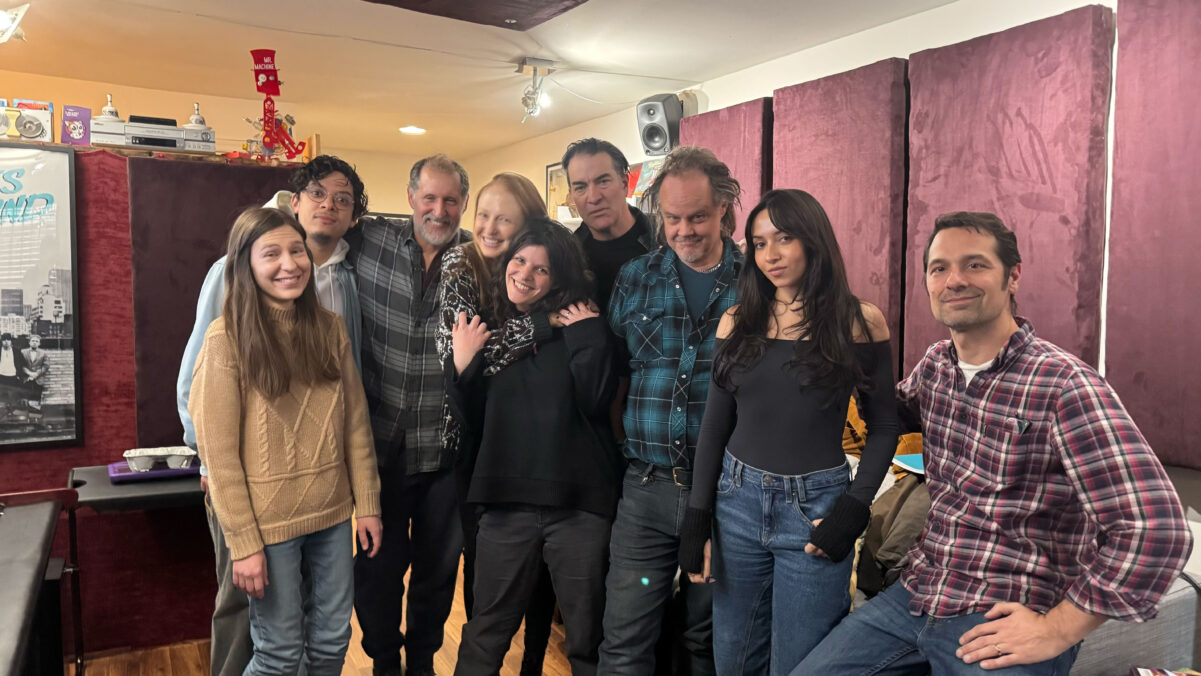
Jordan Gass-Pooré, Rigo Garay, John Speredakos, Emily Bennett, Jenn Wexler, Jeremy Holm, Larry Fessenden, Gaby Leyner, Matt Rocker
BELOW:Abi Lieff
I came up with the concept for “Orpheus” this time last year. In the past I’ve helped to produce Tales (here’s looking at you Seasons 2 and 3!) but this would be my first as a Tales writer/director. I knew I wanted to write an episode that would allow for a variety of soundscapes and that would let me explore multiple horror sub-genres. I wanted to craft a story that could start intimate and expand into something epic – a chamber piece that spins its way into a blockbuster. The magic of the audio drama! One moment, an intimate phone conversation; the next, nuclear explosions and planes falling from the sky. It’s all possible in audio. Which ultimately led me to realize that this creative process could help me cope with the major anxieties I was having around the advent of AI – at that point, primarily the rise in popularity of ChatGPT.
As I started to develop the story, I knew immediately that I wanted Emily Bennett and Jeremy Holm to star as the couple at the center of it, both fantastic actors and my good friends. I pitched Emily on the idea while tucked into a corner of Jack Fessenden’s childhood bedroom during Glass Eye’s legendary Christmas party. She said yes, as did Jeremy soon after, and I got to work writing, with their voices top of mind.
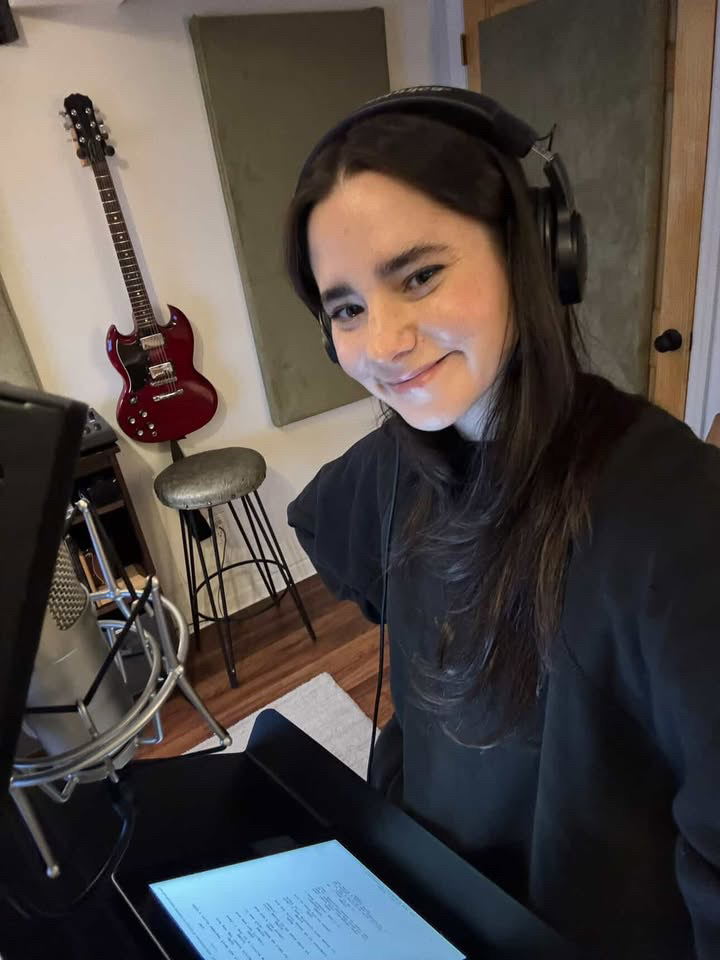
We recorded “Orpheus” in February with Matt Rocker at Underground Audio NYC, the cast rounded out with Glass Eye regulars and newcomers alike, over the course of two days, and then I dove into the dialogue edit. While editing, I got a coffee with incredible singer/songwriter and my good friend Shayfer James, described the concept to him and that I was searching for a song to serve as the couple’s first wedding dance, as well as the theme for the episode. He sent me his song “Waiting,” which I instantly fell in love with. With that in place and the dialogue edit complete, Matt worked his sound design wizardry, and the episode started to come to life.
We set the Tale aside for a little bit while I worked on another project, and when we picked it back up in the fall, AI in the real world had grown exponentially (as I guess you would expect from it.) Writing “Orpheus” back in January, the Tale seemed very science fiction. Now with Sora, Claude, a few weeks ago Nano Banana, et al, AI has become a very real, inescapable part of our lives and our society. (The day before we released “Orpheus,” I read this article in the Independent – “If You Could Speak To Your Dead Grandmother Forever, Would You?”) The future is apparently here.
But at any rate, there was a Tale to release! In November, brilliant composer Antoni Maiovvi came aboard and crafted a score capturing all of the sub-genres I’d been excited to explore – domestic drama, psychosexual tech thriller, end-of-the-world apocalypse blockbuster. We mixed the Tale at Underground Audio with Matt working his magic. And on our final day of mixing, Larry and Glenn recorded The Host’s intro and outro, which was super fun to see come together.
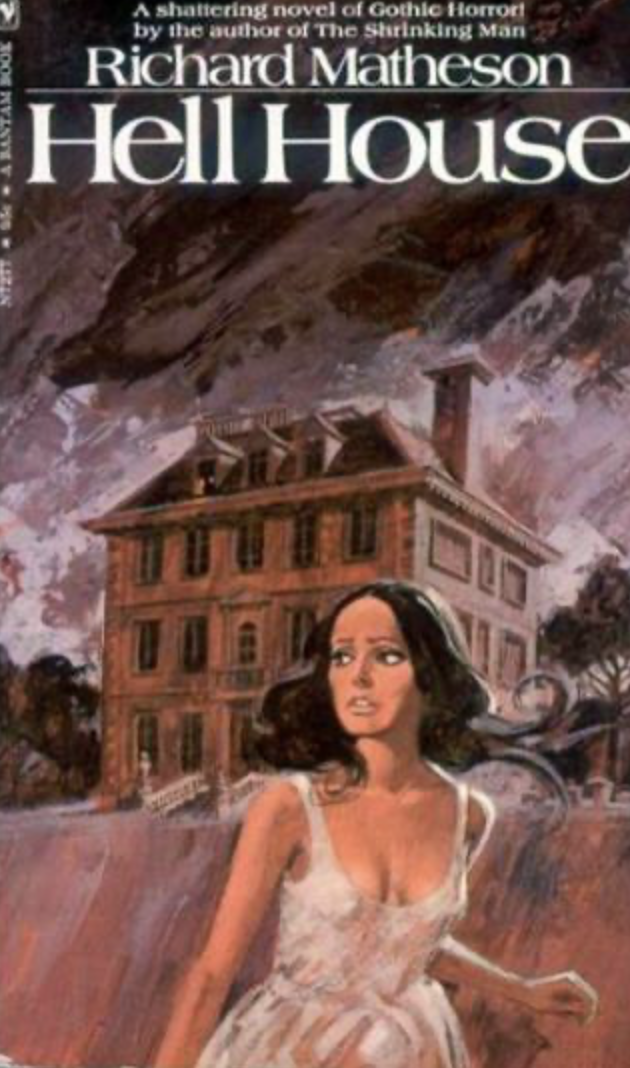
Meanwhile, as we were finishing up the Tale, Brian Level was making my poster art dreams come true, with a modern spin on the classic gothic women-running-away-from-houses paperback novel covers.
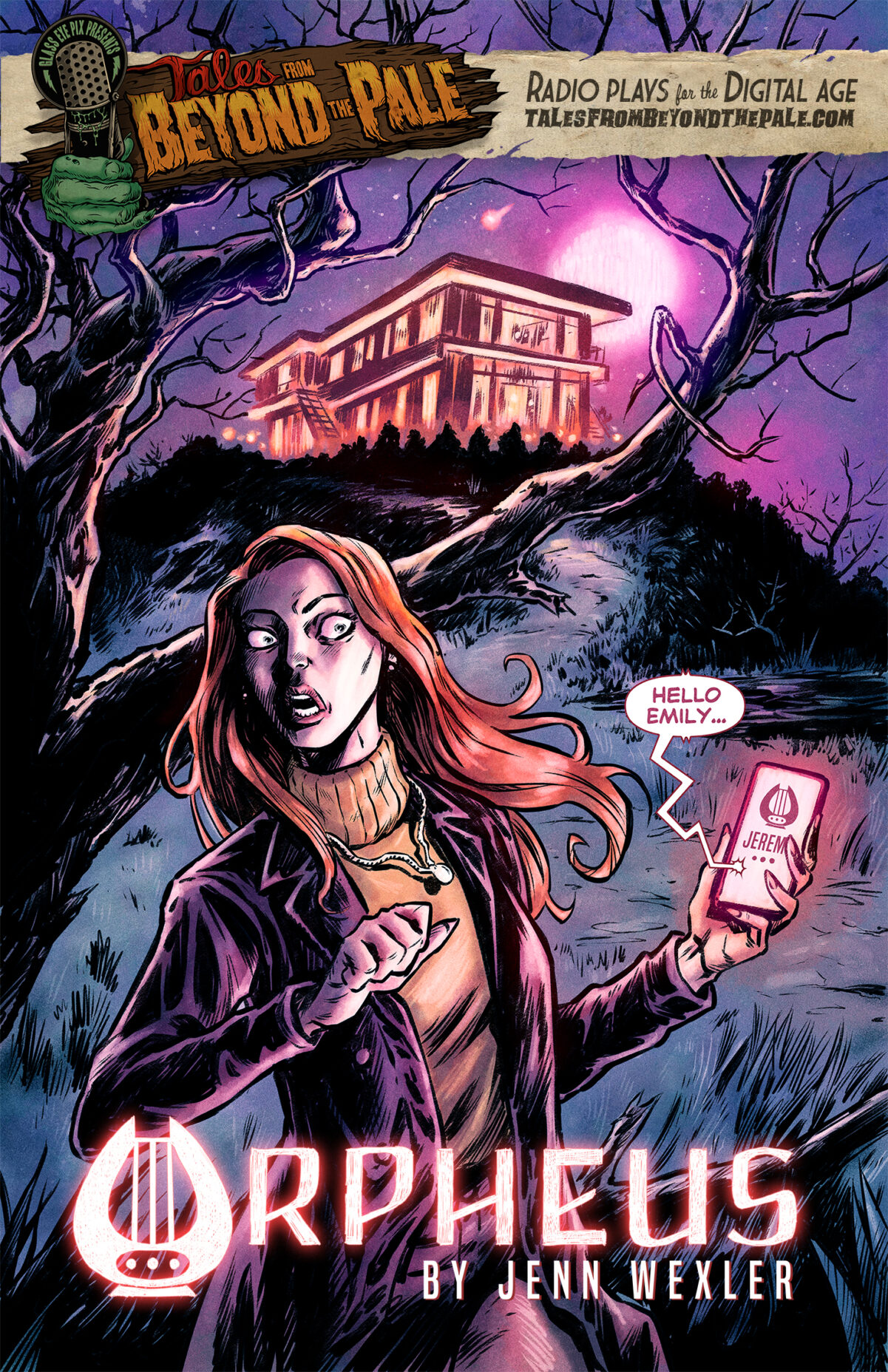
There you have it! A year in the life of an episode of Tales From Beyond the Pale.
And probably obvious to say, but this episode was 100% made by HUMANS. There was no AI in the making of this Tale. Sorry, Orpheus!
– Jenn Wexler
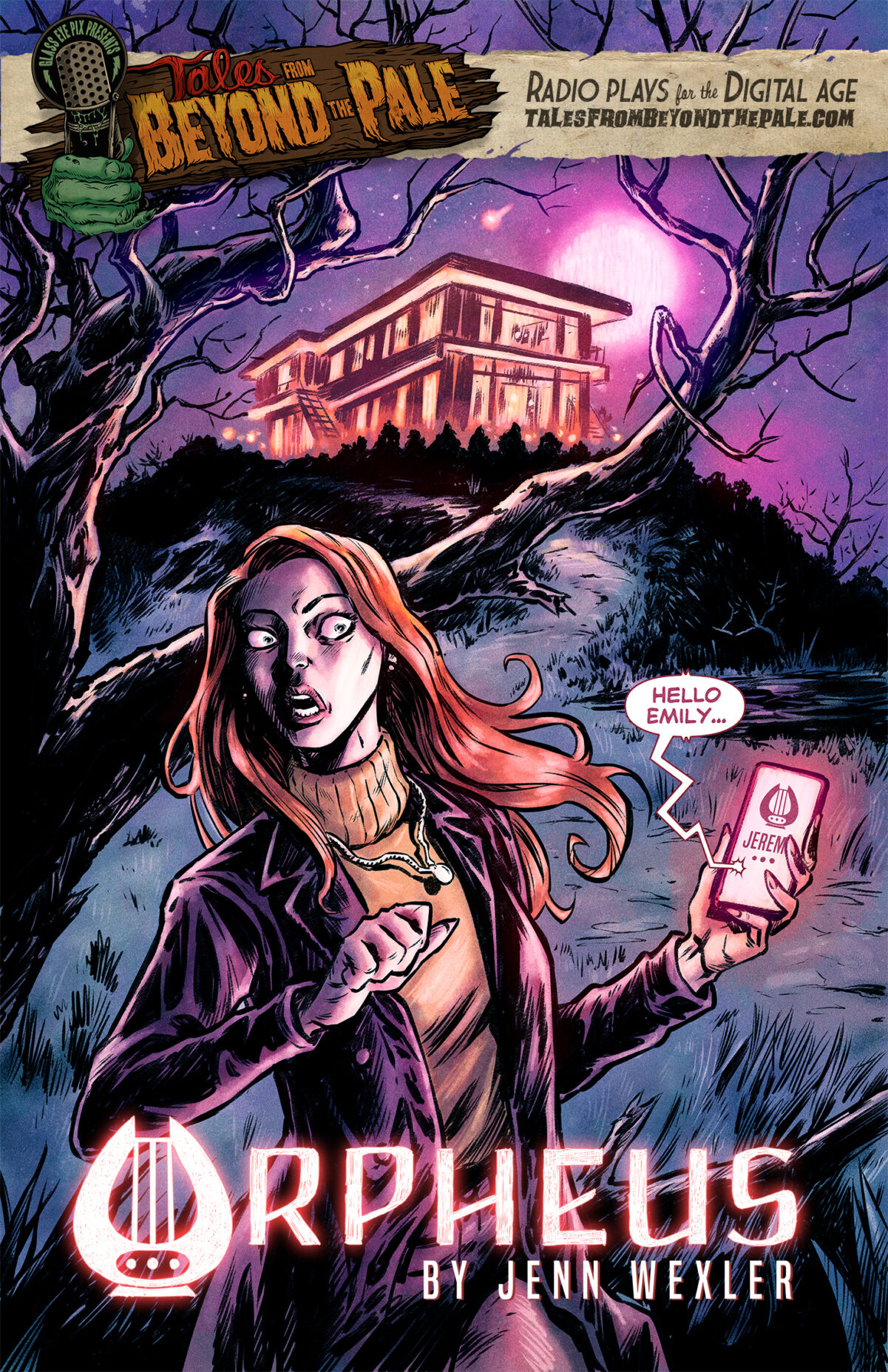
“ORPHEUS“
A recently widowed woman uses a new AI technology to be able to talk to her dead husband.
Writer, director Jenn Wexler
Producers: Larry Fessenden, and Glenn McQuaid, with Jordan Gass-Pooré and Rigo Garay
Associate Producer: Sean Redlitz
Featuring the voice talents of Emily Bennett, Jeremy Holm, Abi Lieff, Estelle Olivia, Gaby Leyner, Glenn McQuaid, Matt Rocker, Rigo Garay, Larry Fessenden, John Speredakos
Sound Recording, Design and Mix by Matt Rocker at Underground Audio, NYC
Score by Antoni Maiovvi
“Waiting” written and performed by Shayfer James
Poster by Brian Level
Visit TALES FROM BEYOND THE PALE for all 51 TALES, VIDEOS, PHOTOS & More
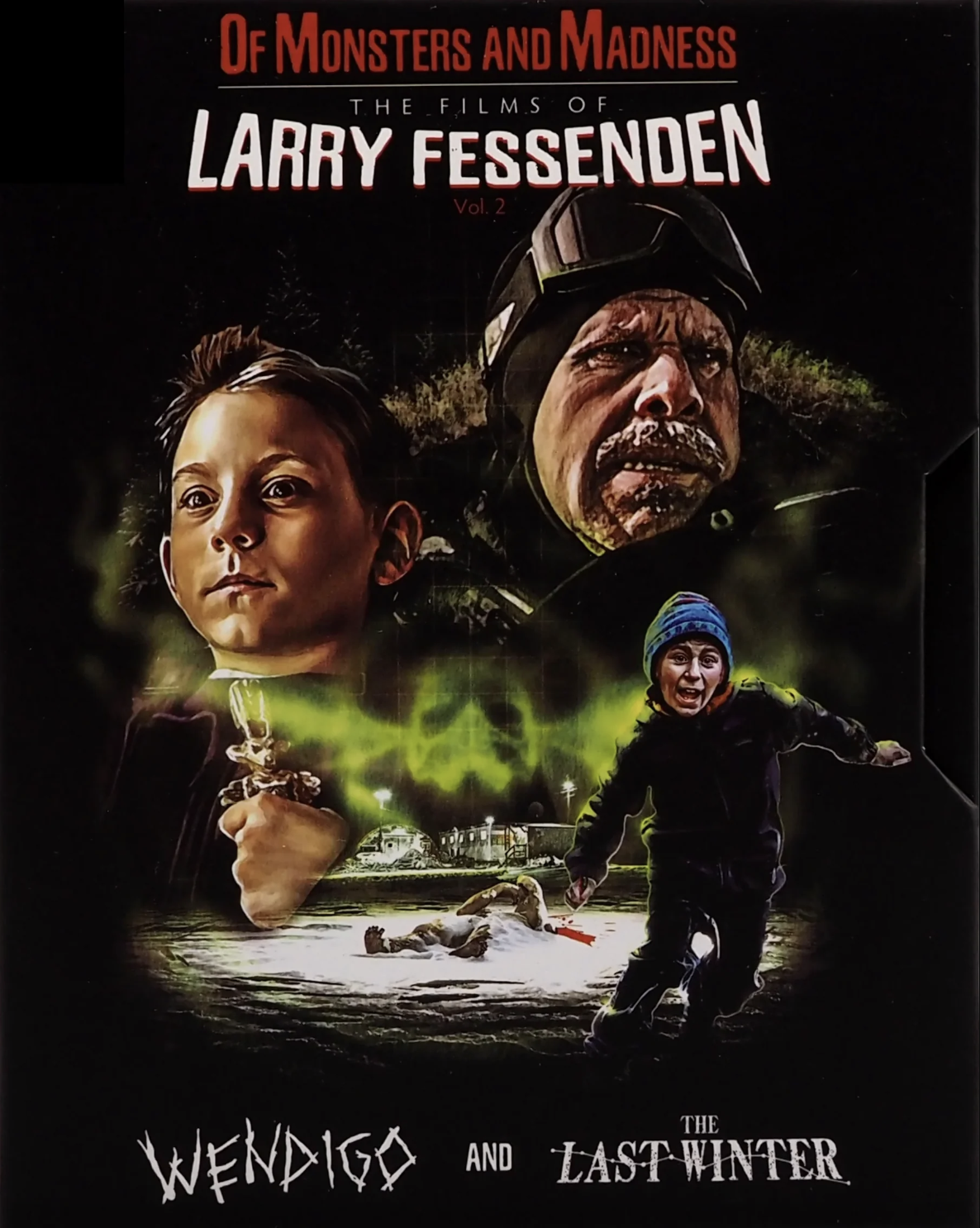
The Films of Larry Fessenden: Vol 2
Wendigo & The Last Winter
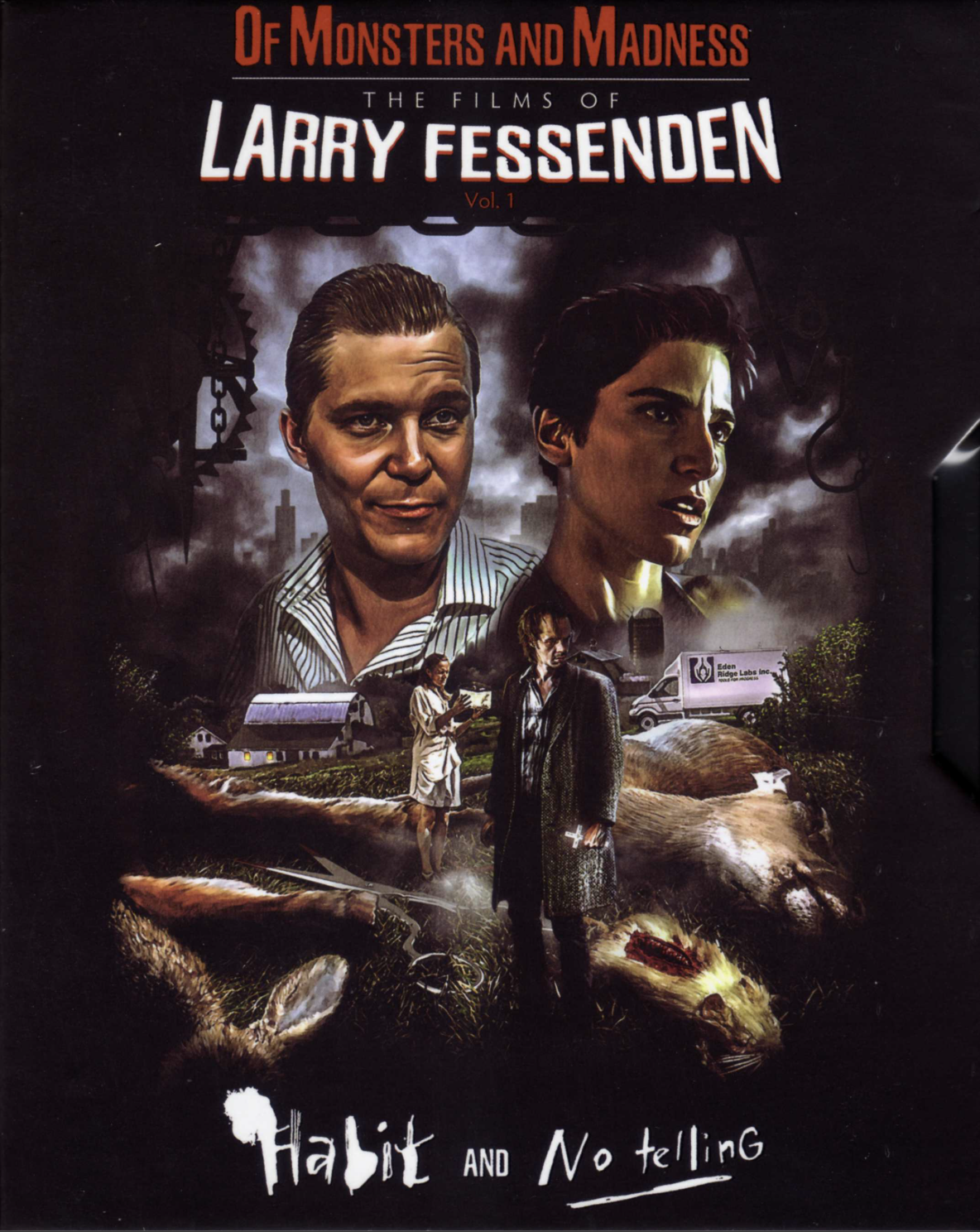
The Films of Larry Fessenden: Vol 1
Habit & No Telling
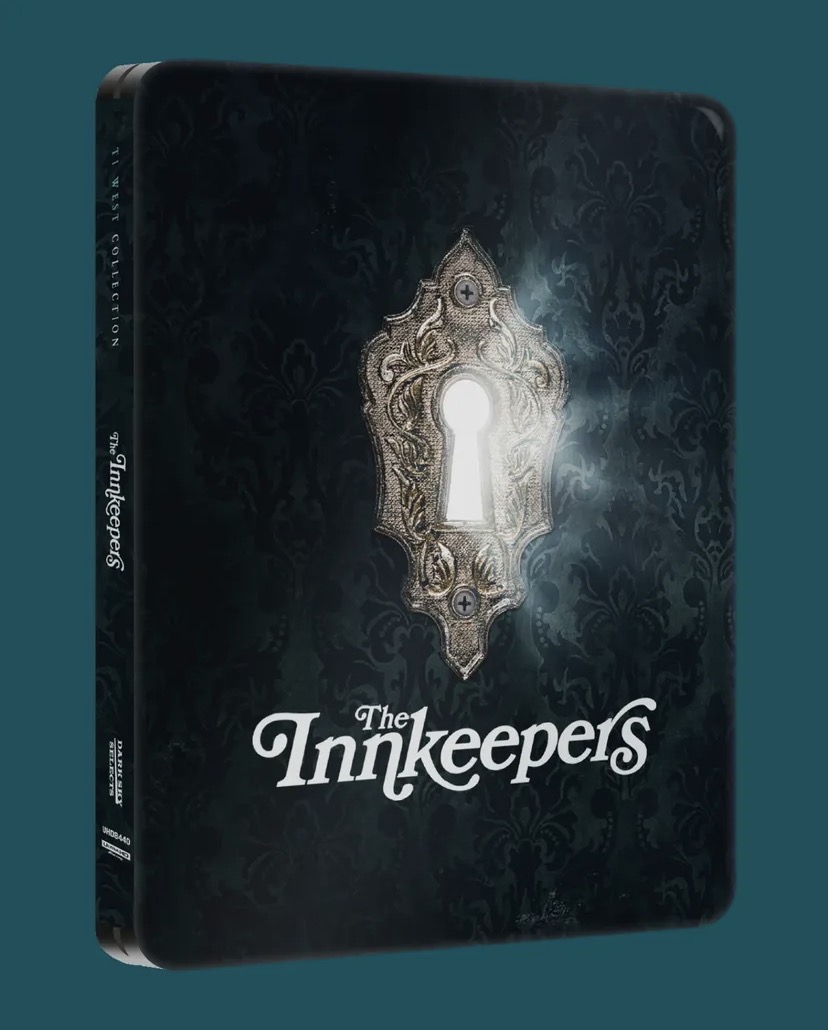
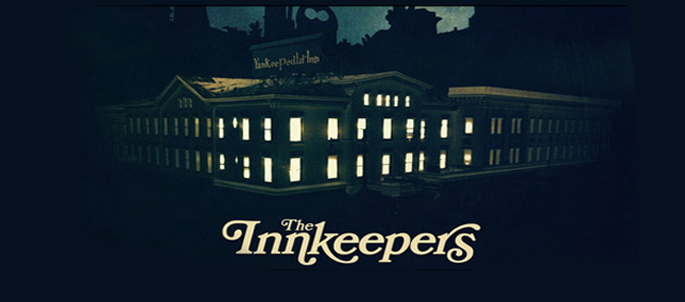
The Innkeepers
Limited Edition Blu-Ray
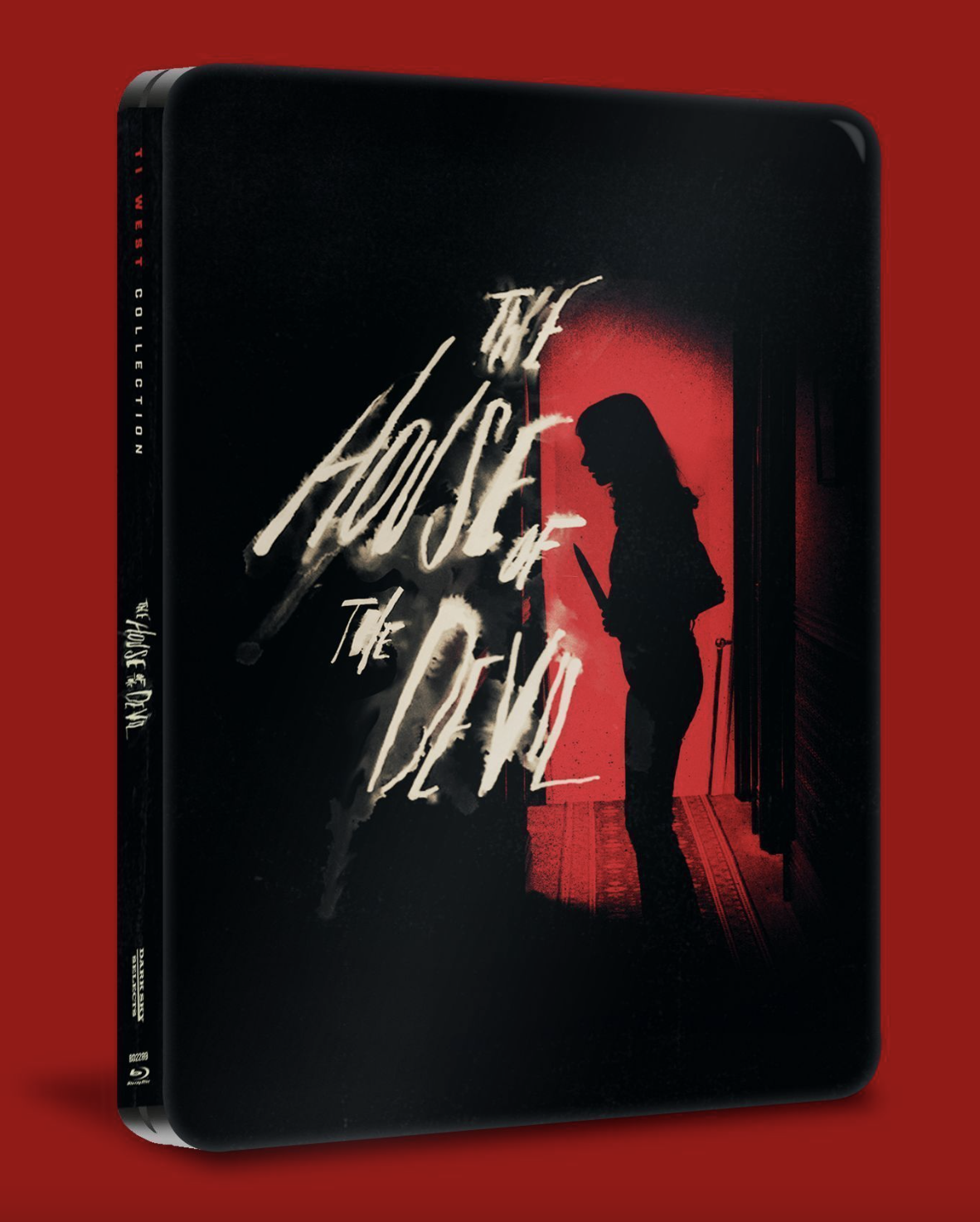
The House Of The Devil
Collector Edition Blu-Ray
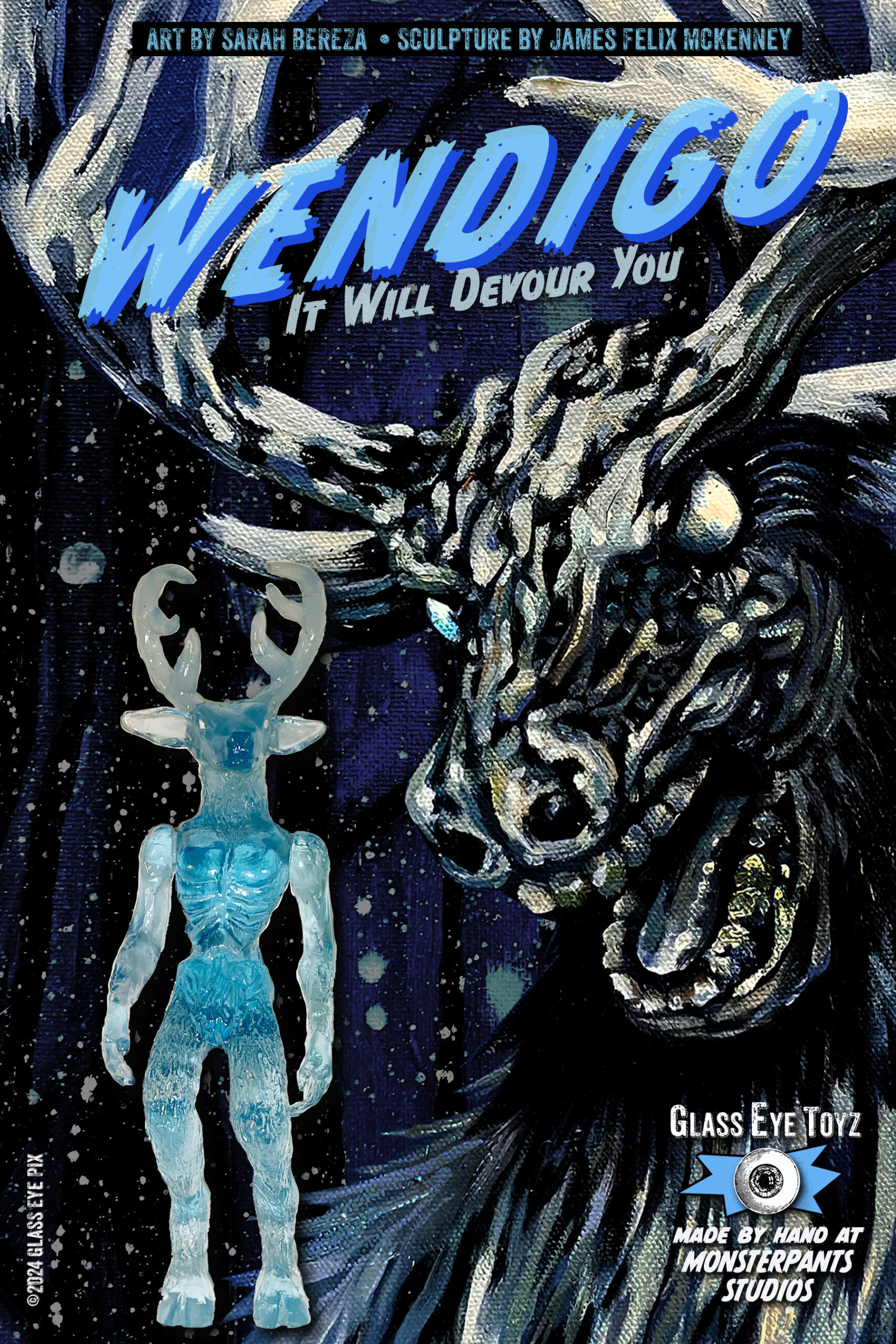
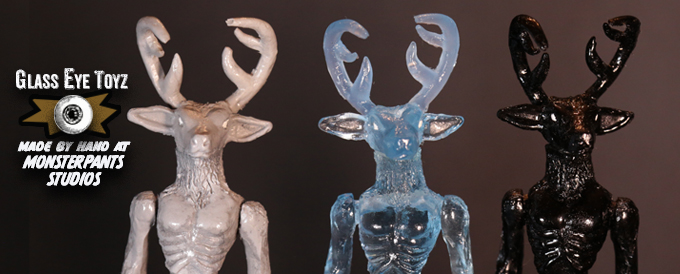
WENDIGO Figures
From Glass Eye Toyz
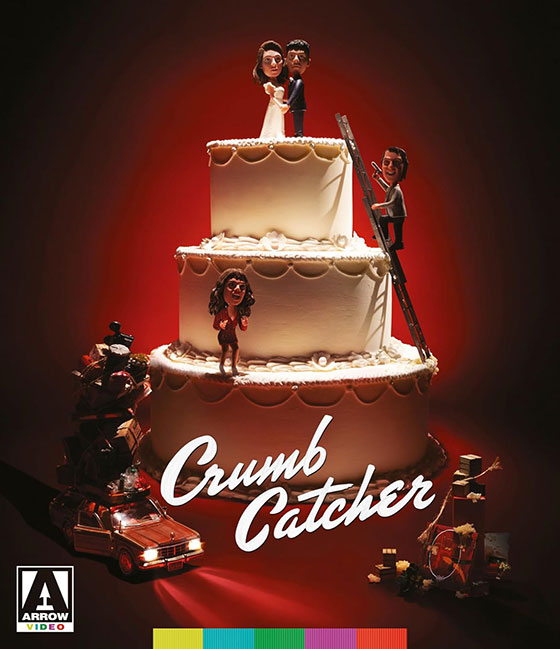
CRUMB CATCHER Blu-Ray
From Arrow Video
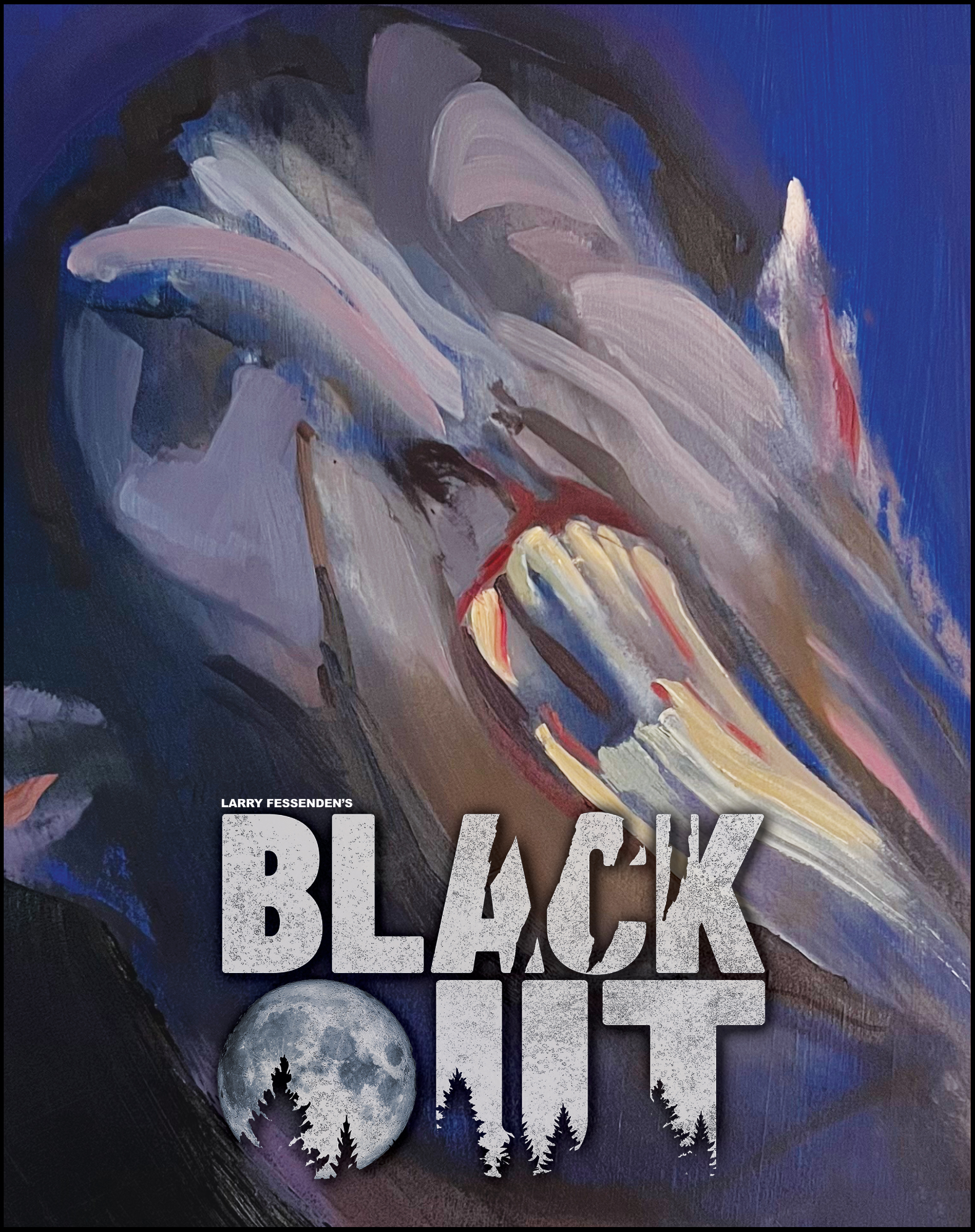
BLACKOUT BLU-RAY
From Dark Sky Selects
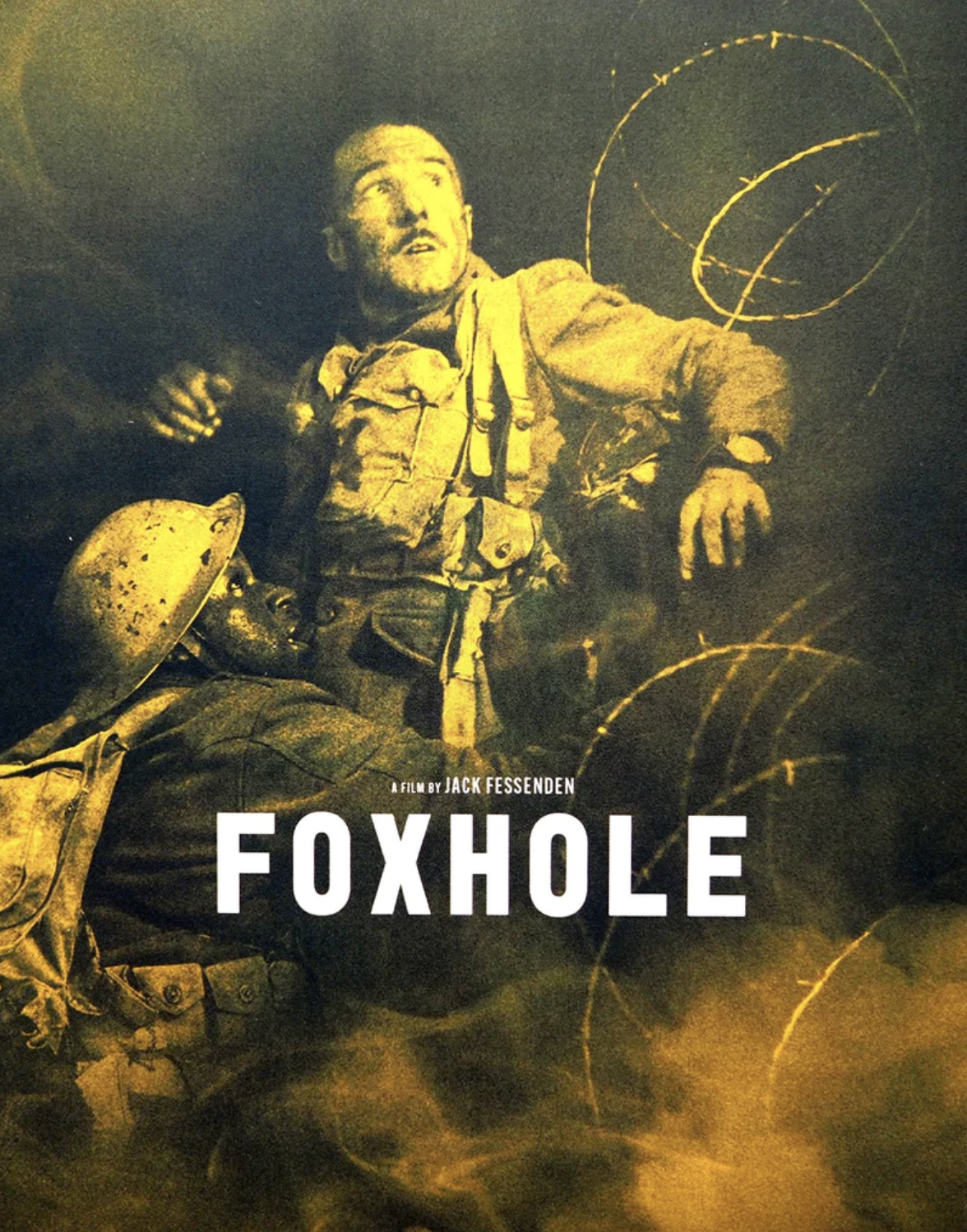
FOXHOLE BLU-RAY
From Vinegar Syndrome
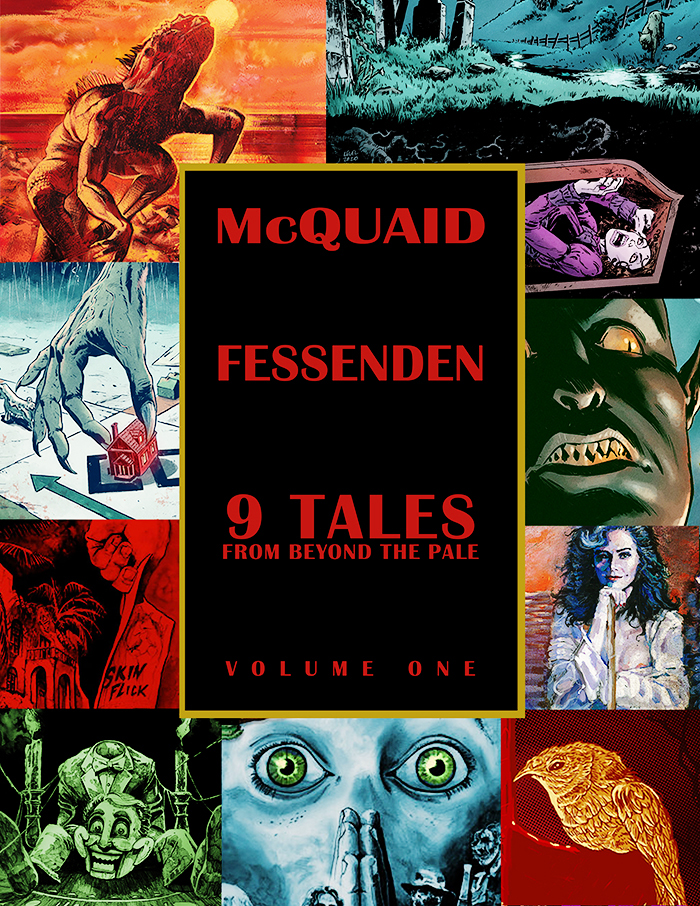
9 Tales From Beyond The Pale
on Amazon!
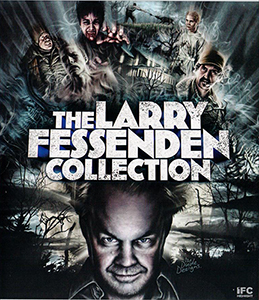
THE LARRY FESSENDEN COLLECTION Blu-ray
on Amazon!
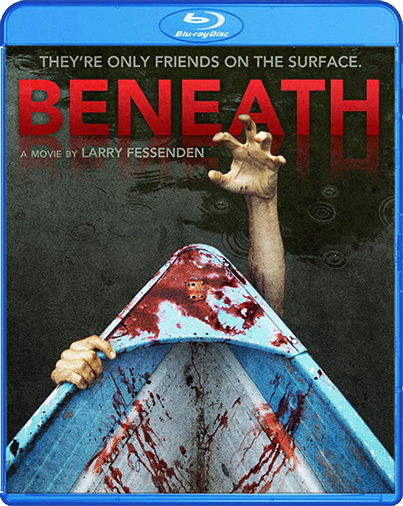
BENEATH Blu-ray & DVD
on Amazon!