




January 22, 2026
Share:


IN FILM WE TRUST podcast: 4 episodes Deep Dive into the Fessenden Oeuvre collected here!
July 31, 2025
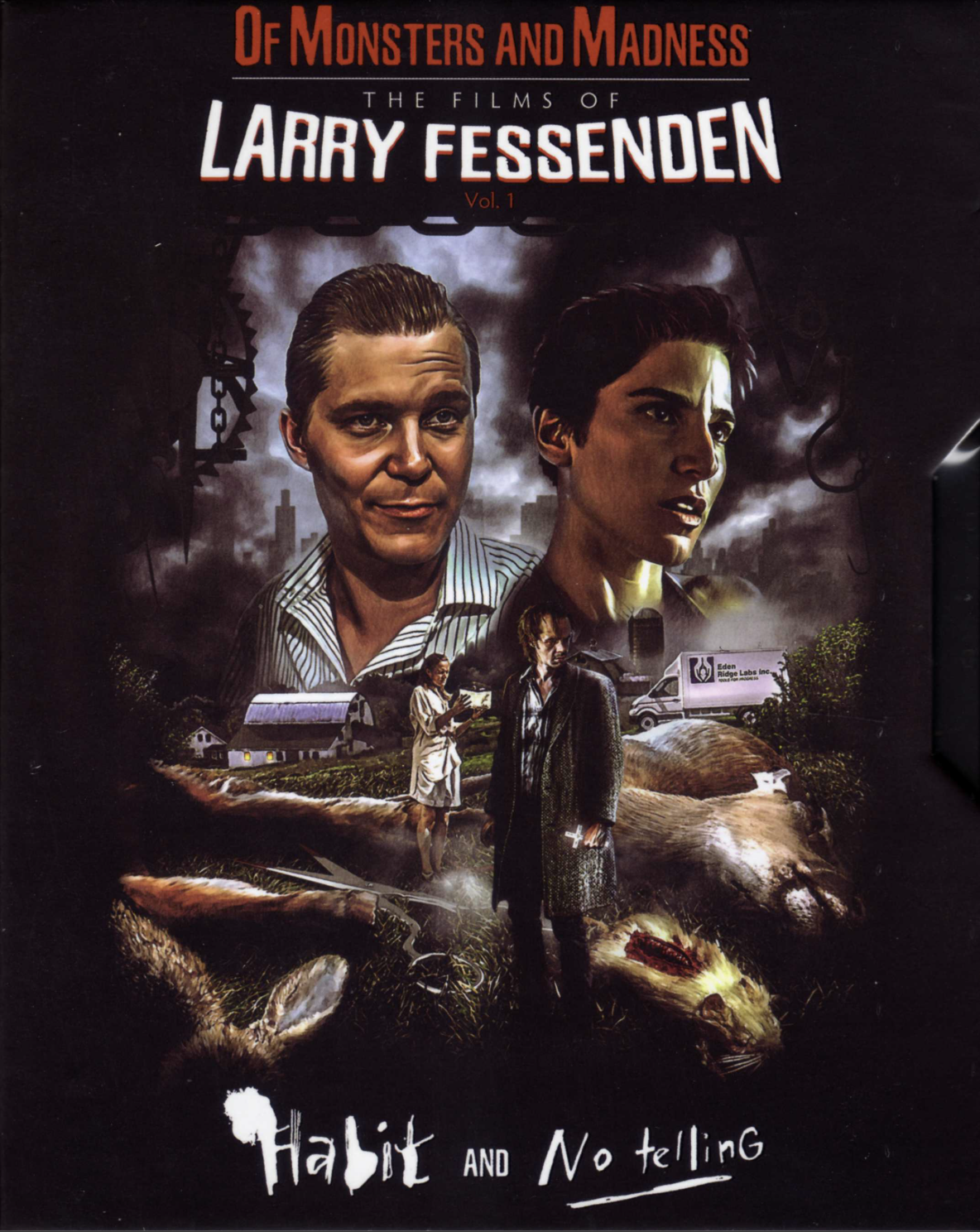
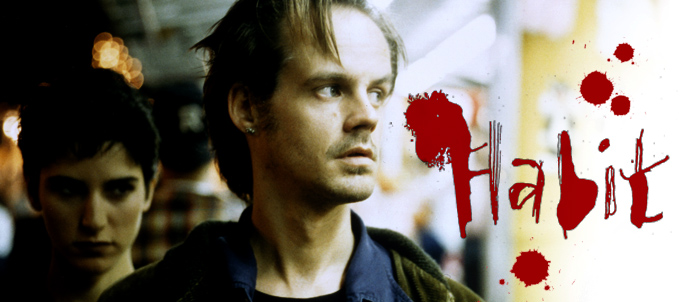
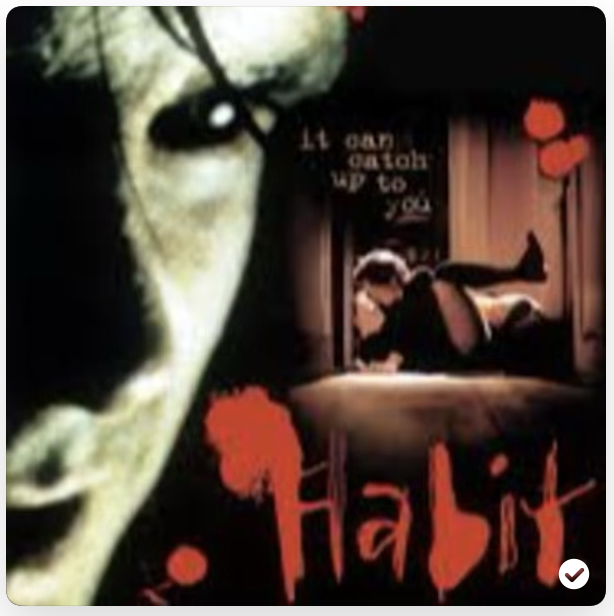
IFWT #129 – HABIT (1997) [ft. Rolo Tony]
While Liam is off on a wild psychedelic adventure, Wayne is here to kick off a mini-series on New York filmmaker Larry Fessenden with our friend and previous collaborator Rolo Tony. Fessenden’s name may not be as recognisable as the likes of Carpenter, Hitchcock, Cronenberg and others, but Tony is here to explain why he still deserves to be mentioned among these all-time greats. So we’re starting this little project with the 90s vampire horror film Habit, an allegorical take on… well, a variety of things actually. We chat about the films history, its look and feels, the soundtrack, the characters and, most importantly, the thematics. On the way we’ll make a slight diversion to discuss an earlier Fessenden film, No Telling, and what it demonstrates about the director’s ability and his career. So strap on your finest Cyrano de Bergerac nose and join us for this dark, disturbing and delightful deep dive.
September 18, 2025
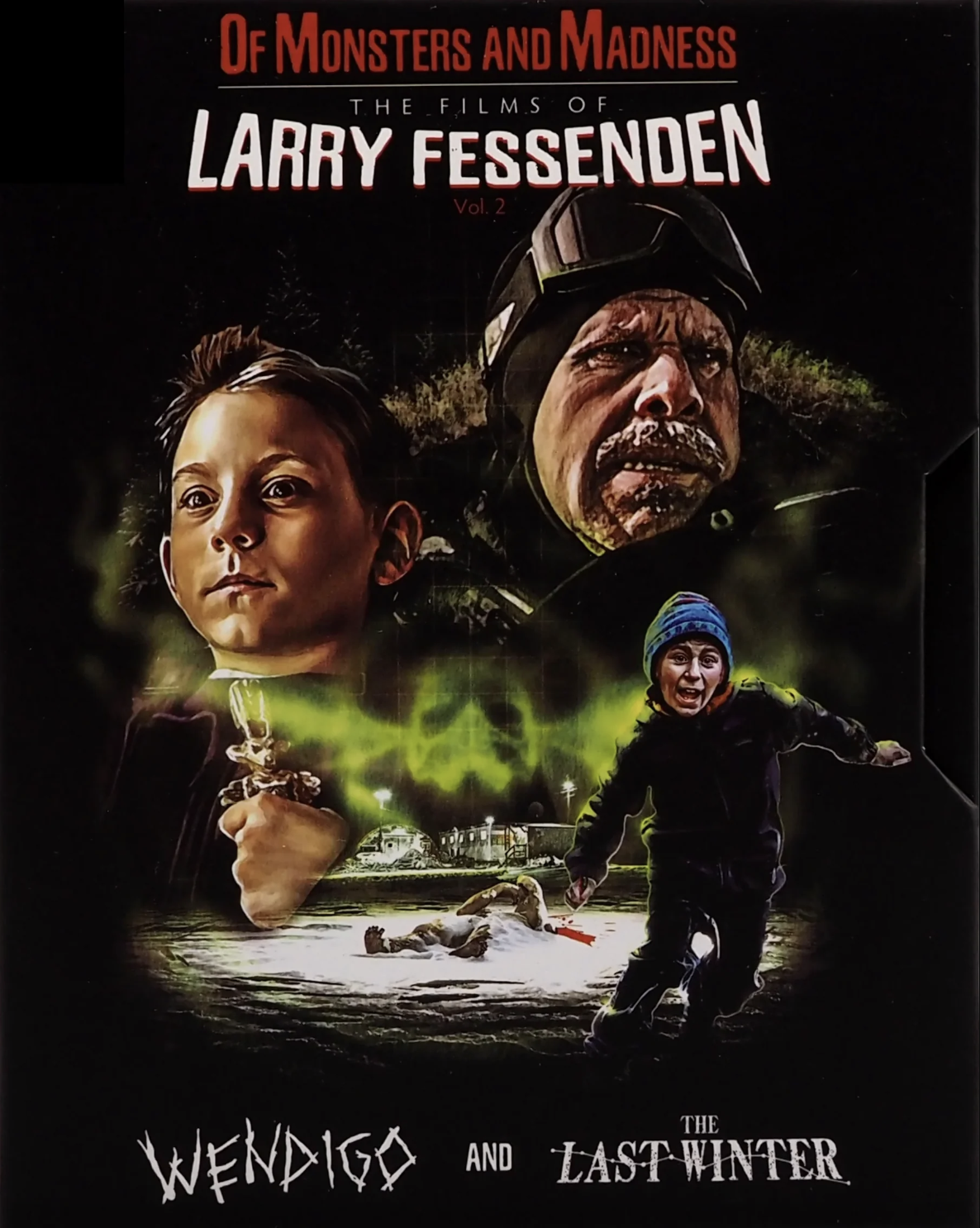
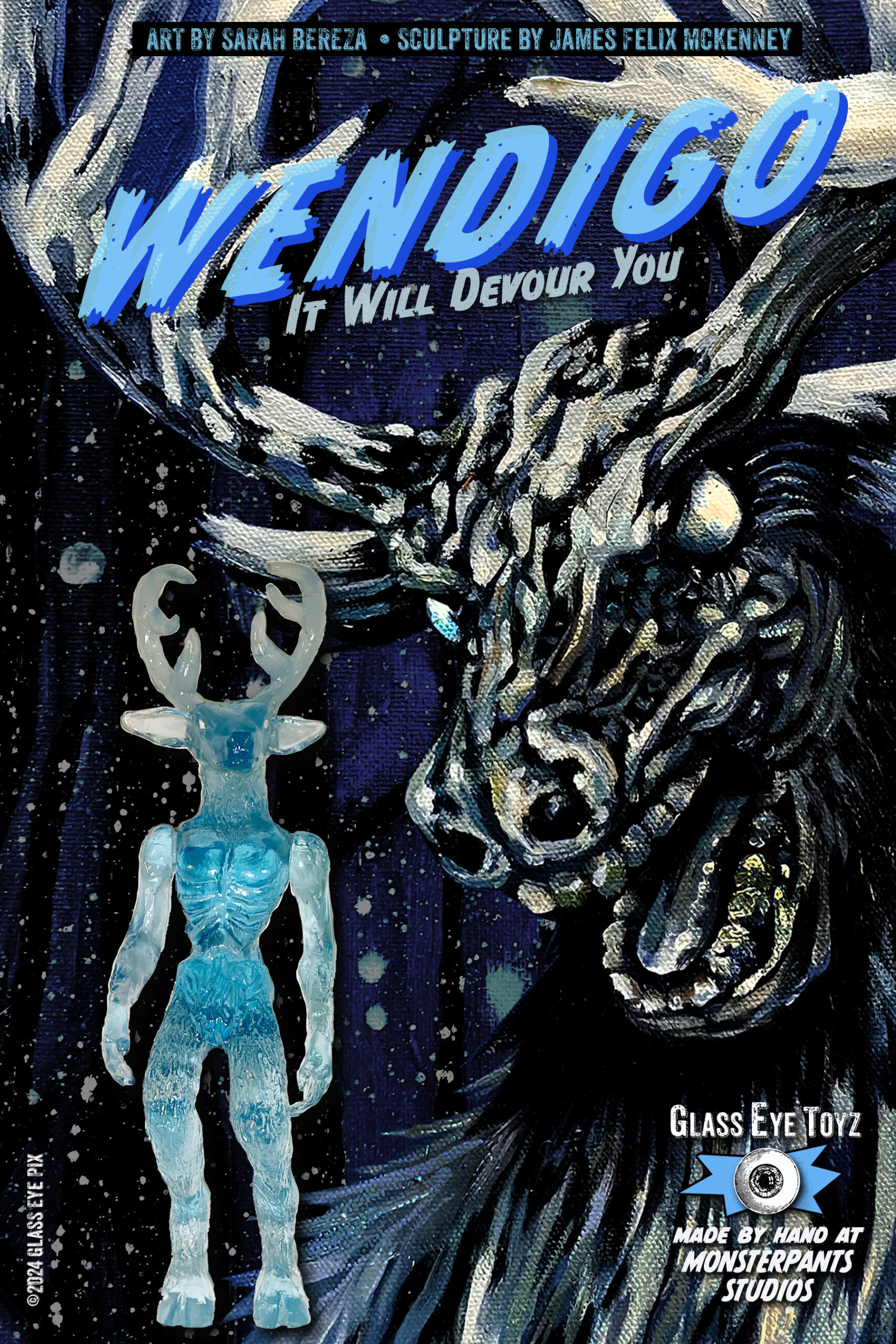
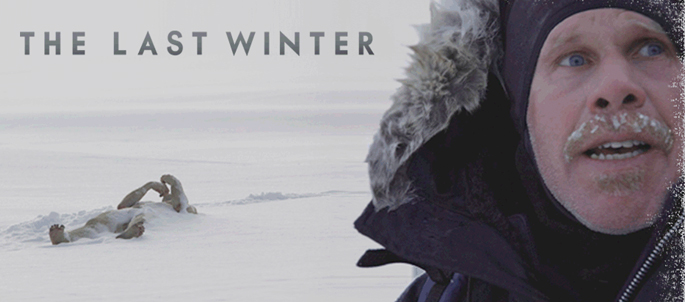
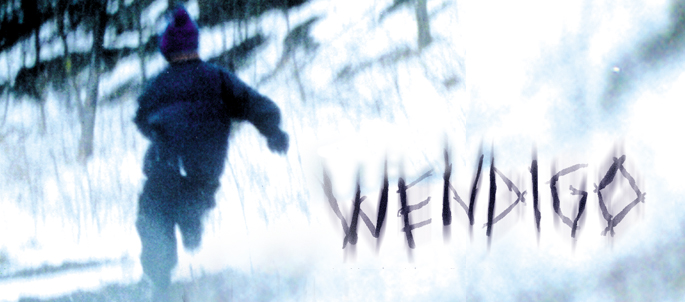
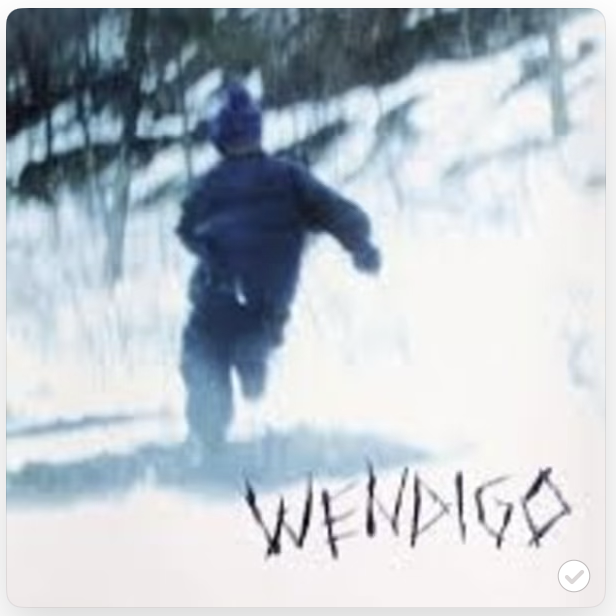
IFWT #132 – WENDIGO (2001)/THE LAST WINTER (2006) [ft. Rolo Tony]
After a brief hiatus, we’ve returned to our rightful place in front of the mics. Some months ago, with Liam off saying hello to Dennis Hopper on a psychedelic tour of the stratosphere. Wayne welcomed our good friend Rolo Tony on to discuss Larry Fessenden’s 1997 Vampire film Habit. That was the first episode in a miniseries that continues today with Wendigo, a film set in the snow-covered wilderness of upstate New York, where a child’s imagination causes the line between reality and fantasy to blur.We discuss the Native American Wendigo legend and its place in the story, the films’ themes, its characters, setting and the divisive ending. Along the way we discuss another one of Fessenden’s films which featured the Wendigo: The Last Winter. Let the discussin’, dissectin’ and deep divin’ begin once again.
October 16, 2025
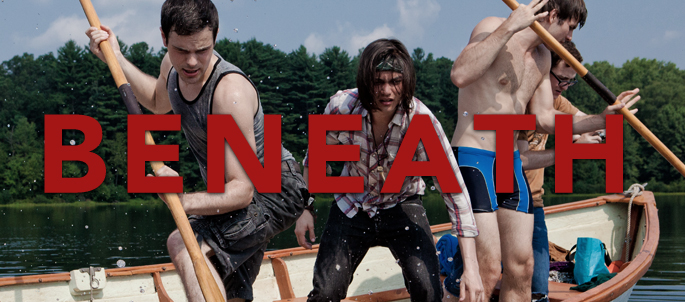
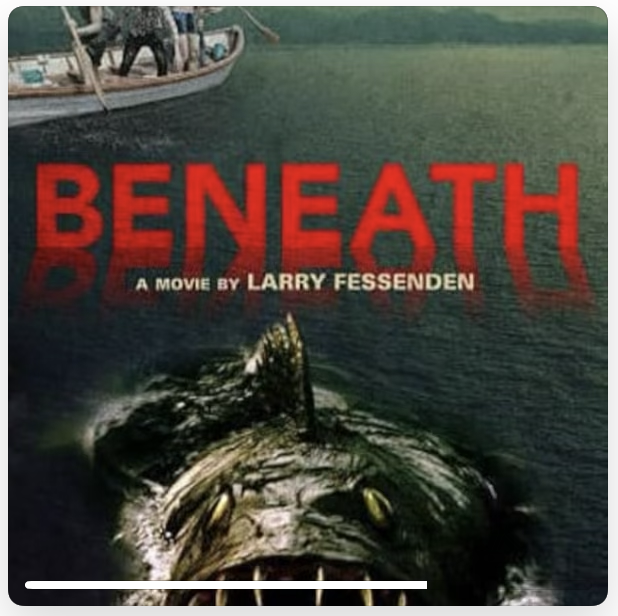
IFWT #136 – BENEATH (2013) [ft. Rolo Tony]
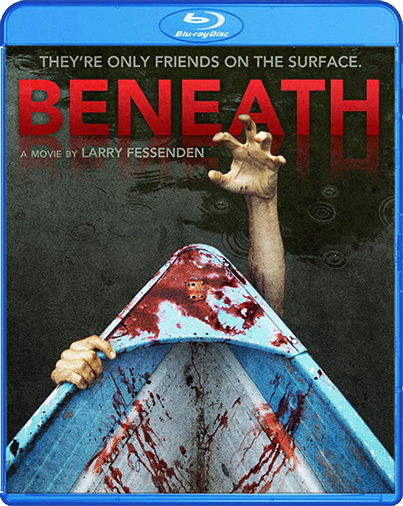
Our pal Rolo Tony is back as we continue our dive into the works of Larry Fessenden, and for today’s episode we’re taking a look at easily Fessenden’s most divisive film to date – the direct-to-Chiller, creature feature Beneath.
Taking a relative battering by the critics of the time, and an equally poor audience reception, does Beneath deserve another look at? Does it retain Fessenden themes and concerns, which made his name in Underground USA horror landscape? Stay tuned as we dissect this film.
January 22, 2026
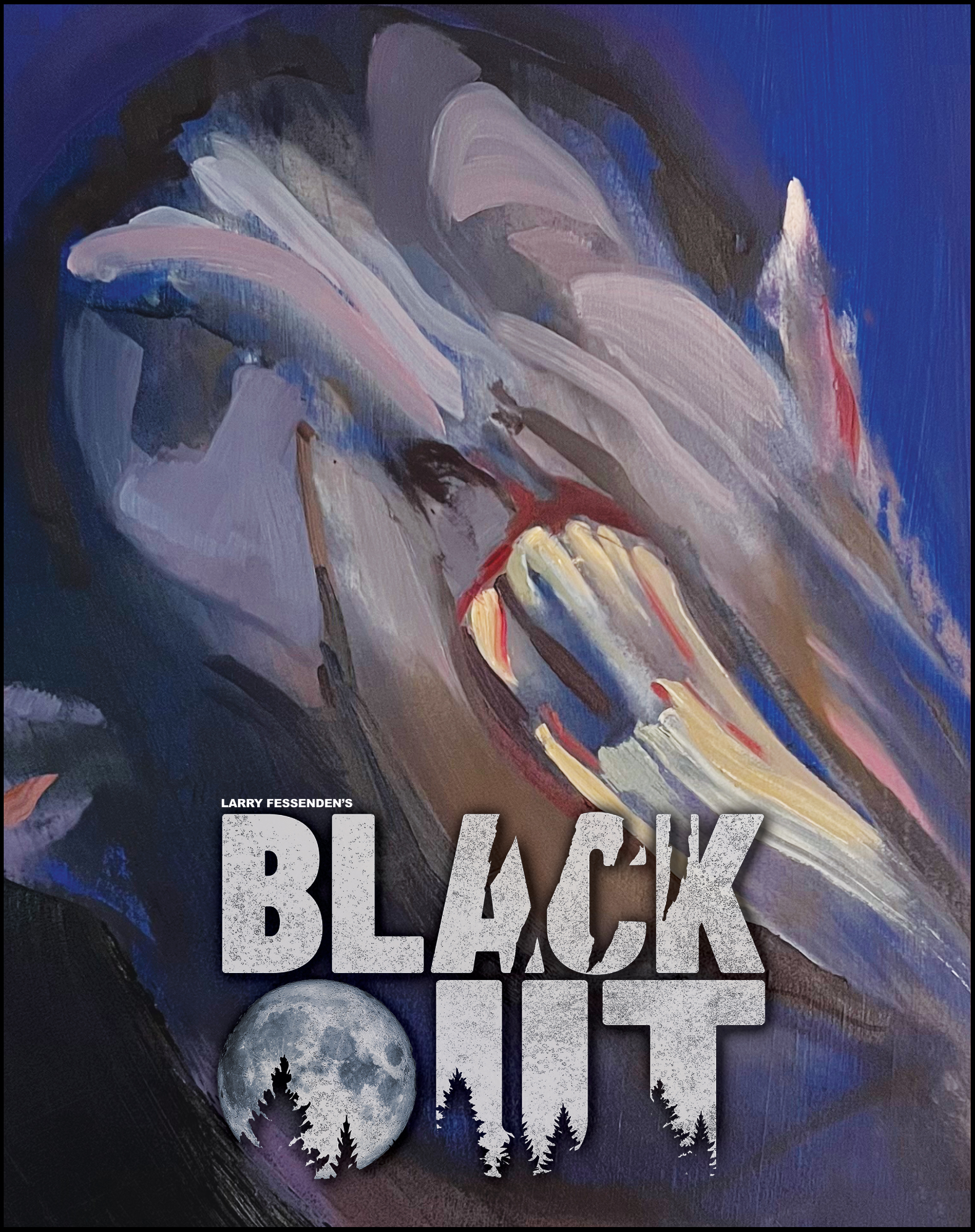
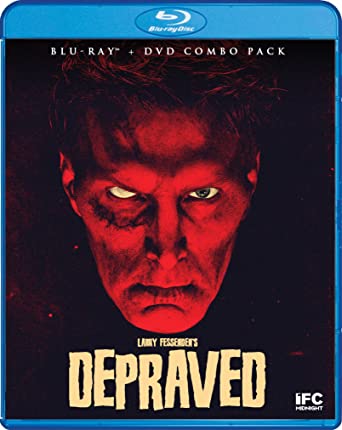
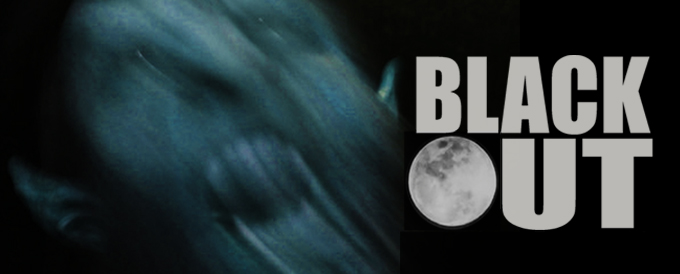
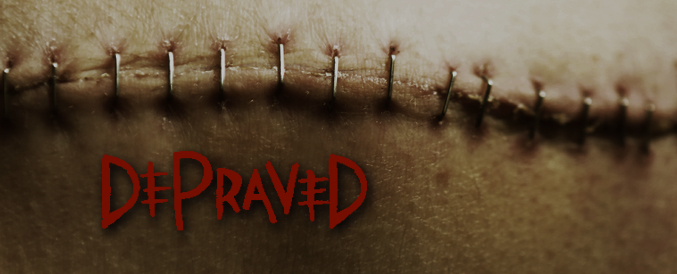
IFWT #145 – DEPRAVED (2019) / BLACKOUT (2023) [ft. Rolo Tony]
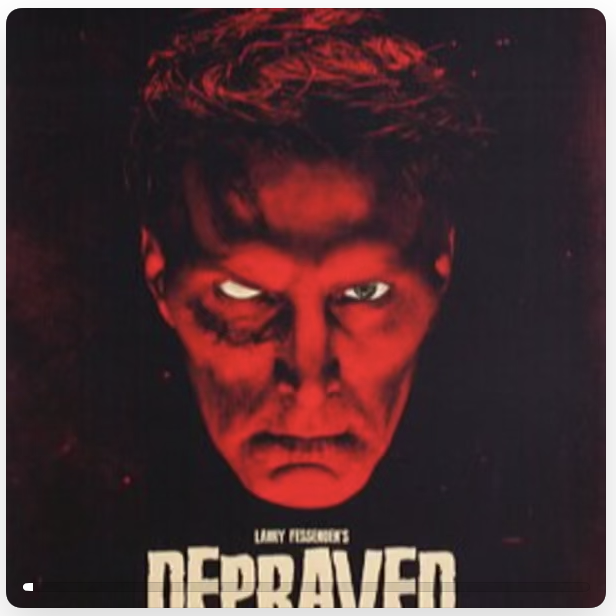
Friend of the podcast Rolo Tony (@PoorOldRoloTony) is back, and this time he’s here to conclude our series diving into the works of New York auteur Larry Fessenden.
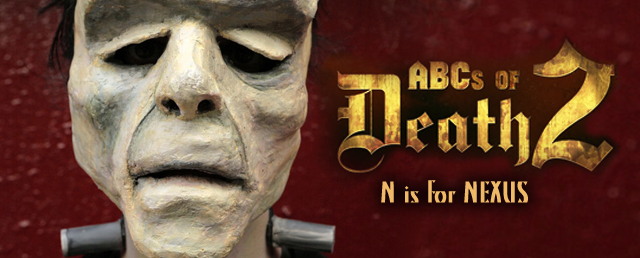
For the finale we’re wrapping up in style, with a creature feature double-feature! In discussion are Fessenden’s hitherto films, 2019’s modern retelling of Mary Shelley’s Frankenstein, Depraved, and the Wolf Man story of Blackout.
We get into the themes, the politics, the elements that ran through Fessenden’s work, including certain complimentary elements between both Depraved and Blackout, and we even riff on Fessenden’s future monster mash film!
Thanks to IN FILM WE TRUST! Subscribe NOW!!!
January 22, 2026
Share:
SURGEONS OF HORROR on Fessenden’s WENDIGO: “an act of cultural stewardship”
by Saul Muerte
American horror has always struggled with its own mythology.
Where European cinema leans effortlessly into castles, covens, and inherited superstition, American folklore remains fragmented — scattered across Native legend, Puritan fear, frontier violence, and the unresolved guilt of colonisation. Monsters here are rarely elegant. They are born of hunger, cold, isolation, and the uneasy sense that the land itself remembers what we have tried to forget.
Wendigo is one of the rare American horror films that attempts to take that legacy seriously.
Folklore in the Margins
Based on Algonquian legend, the Wendigo is not merely a creature but a concept: a spirit of starvation, greed, and moral collapse, born when humans consume more than they should — flesh, land, or power. It is a monster inseparable from colonial history, ecological dread, and cultural trespass.
Larry Fessenden, ever the scholar of marginal horror, understands this instinctively.
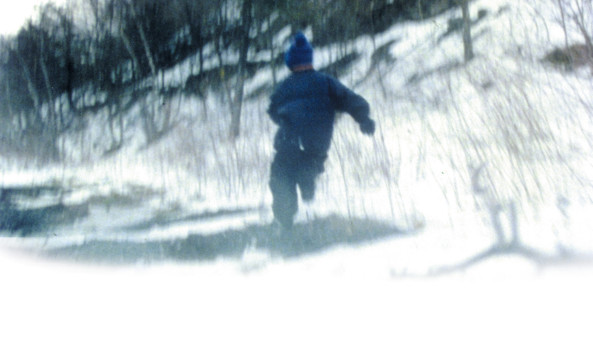
From its opening moments, Wendigo resists the trappings of mainstream genre cinema. There are no easy shocks, no baroque effects, no grand set-pieces. Instead, the film unfolds as a low-key domestic tragedy — a city family retreating to the countryside, bringing with them the casual arrogance of outsiders who believe nature is merely scenery.
When an accidental shooting ignites the film’s chain of events, the horror that follows feels less supernatural than inevitable.
Fessenden’s America
By 2001, Larry Fessenden had already established himself as one of American indie horror’s great caretakers — a filmmaker less interested in spectacle than in preservation. Through films like Habit and his later work on The Last Winter and Depraved, Fessenden has acted as both archivist and advocate for a strain of horror that treats myth as cultural memory rather than genre decoration.
Wendigo fits squarely within that mission.
This is not a film about a monster in the woods so much as a film about trespass: moral, ecological, and cultural. The family’s intrusion into rural space, their careless handling of firearms, their unthinking disruption of local rhythms — all feel like small sins accumulating toward punishment. When the legend of the Wendigo finally surfaces, it feels less like summoning than consequence.
In theory, this is rich terrain.
The Problem of Restraint
In practice, Wendigo struggles to fully embody the power of its own mythology.
Fessenden’s commitment to understatement, while admirable, often becomes a liability. The film withholds too much, too often. The creature remains largely abstract. The rituals feel gestural rather than revelatory. What should accumulate as dread instead drifts into ambiguity.
The central performances are competent but muted, and the domestic drama — meant to ground the supernatural — never quite achieves the emotional density required to make the horror resonate fully. The film gestures toward trauma, guilt, and moral rupture, but rarely pierces them.
When the Wendigo finally asserts itself, the moment feels conceptually powerful but cinematically undernourished.
Indie Horror as Preservation
And yet, to judge Wendigo purely by conventional standards would be to misunderstand its place in the larger ecosystem of American horror.
This is not exploitation. It is not entertainment-first. It is an act of cultural stewardship.
Fessenden belongs to a lineage of American indie filmmakers — alongside figures like Kelly Reichardt (in her own register), Jim Mickle, and later Robert Eggers — who treat landscape as archive and myth as history. He is less concerned with thrills than with keeping endangered stories alive, even when their cinematic translation proves imperfect.
In that sense, Wendigo is less a failure than a partial success: a film that reaches for something rare in American horror, even if it cannot quite grasp it.
The Prognosis:
Wendigo remains a fascinating but flawed entry in the canon of American folk horror.
It lacks the visceral impact of its European cousins, and the narrative control to fully harness its mythology. But it compensates with sincerity, scholarship, and a genuine respect for the dark stories embedded in American soil.
Some myths refuse to die.
Even when poorly told, they continue to haunt — not because they are frightening, but because they are true.
January 21, 2026
Share:
BLOODY DISGUSTING: NO TELLING one of 10 Overlooked ’90s Horror Movies You Should Watch

From Bloody Disgusting by Paul Lê
While some people regard the 1990s as an overall weak time for horror, others feel the decade has been too maligned. Especially when looking back on the era through a modern lens. If nothing else, the ’90s were an interesting time of transition before Scream (1996) stirred the pot and sparked new interest in all things horror. Admittedly, the years before then were all over the place, and not every movie made in Scream’s immediate wake was as game-changing; however, there are plenty of less detectable gems buried in the mix. By now, a fair chunk of ’90s horror has been unearthed and reappraised, but these ten overlooked movies could certainly use a bit more attention.
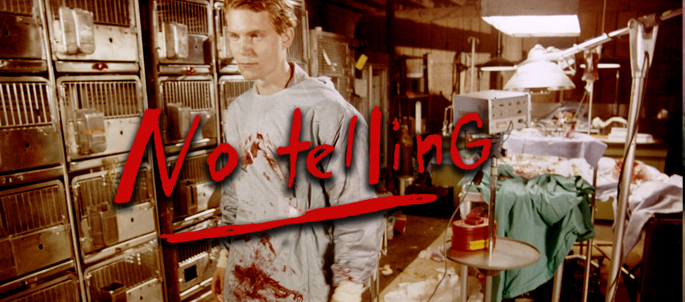
No Telling (1991)
Larry Fessenden’s clear love of monsters manifested after No Telling; however, this bad-science movie isn’t short on its own kind of monster. This Frankensteinian story follows the events of a scientist (Stephen Ramsey) whose experiments on animals become more and more troubling. His concerned wife (Miriam Healy-Louie) acts as our eyes as we examine the manmade horrors in this sinister drama. No Telling is a visually arresting, not to mention disturbing, entry from the iconic horror filmmaker.
January 19, 2026
Share:
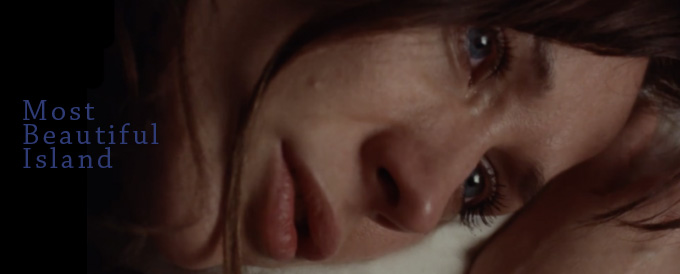
On MLK Day we celebrate MOST BEAUTIFUL ISLAND by Ana Asensio

“A short, stressful, and utterly spellbinding debut
that transforms the immigrant experience
into the stuff of an early Polanski psychodrama…
blends the anxiety of neo-realism into something that resembles
the suspense of the orgy sequence from EYES WIDE SHUT.”
—Indiewire
January 15, 2026
Share:
NETFLIX JUNKIE touts TRAUMA star Laëtitia Hollard
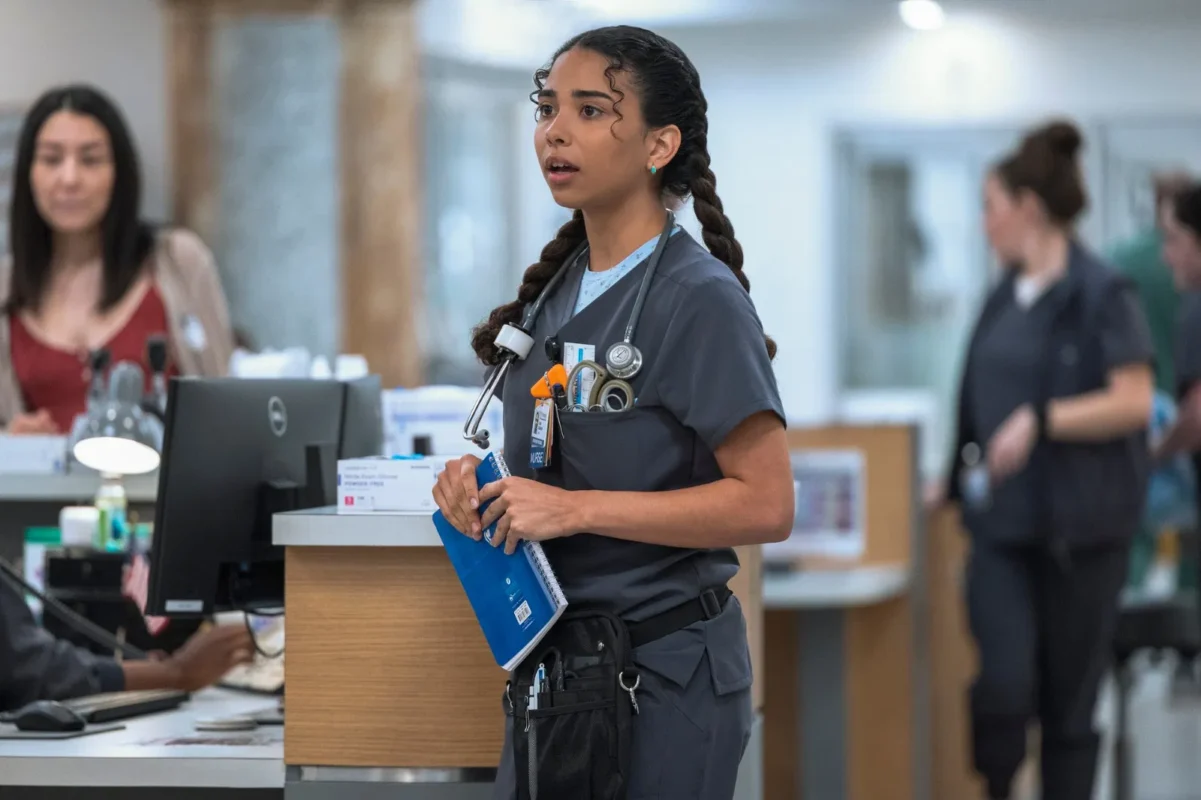
Who Is Emma Nolan in ‘The Pitt’ Season 2? And Who Is Laëtitia Hollard Playing the Character?
Hospitals on television rarely whisper. They declare dominance through chaos, hierarchy, and fluorescent dread. The Pitt returns in season 2 with sharpened instincts, where new faces threaten old rhythms.
…
Laëtitia Hollard arrives in The Pitt carrying classical performance weight
Laëtitia Hollard’s professional foundation is built on stage rigor rather than overnight visibility. Based in Wisconsin, as per her Instagram bio, she trained early with Children’s Theater of Madison, Theatre LILA, and American Players Theatre.
Her formative roles demanded range and physicality, including Peter Pan, Carrie White in Carrie the Musical, and a Macduff Child in Macbeth. These performances established emotional precision long before camera proximity entered the equation.
Hollard later refined her craft at The Juilliard School Drama Division, performing Viola in Twelfth Night and Cleopatra in Antony and Cleopatra. Her screen experience includes projects such as Larry Fessenden’s Trauma or Monsters All, and Ravel (2025), as per IMDb.
The Pitt marks her first major television role.
January 12, 2026
Share:
EW: Good Boy dog beats out Ethan Hawke, Alison Brie, and other humans to win acting award
From Entertainment Weekly By Emlyn Travis
Director Ben Leonberg said that Indy the Dog was “thrilled to be recognized for his work in a movie he does not totally understand he was in.”
The 9th Annual Astra Film Awards has gone to the dogs!
No, literally. Good Boy star Indy the Dog took home the award for Best Performance in a Horror or Thriller at Friday’s ceremony, beating out a collection of talented humans that included Ethan Hawke, Alison Brie, and more.
In a pre-recorded message, the Nova Scotia Duck Tolling Retriever could be seen sporting a black bow tie as his owner and director Ben Leonberg accepted the trophy on his behalf.
January 9, 2026
Share:
TALES DISPATCH: Emily Bennett on “TNVYHWBYO”

A payphone in the desert. That’s how it all started.
A few years ago, I was clicking around the internet and I stumbled upon this photograph. The photo shows a Pacific Bell payphone in the middle of the Mojave Desert.
The image was so stark and uncanny I had to find out what it was. I learned the payphone was installed in the 1960s for the extremely remote communities that lived in this part of the desert, and it was eventually discovered by popular culture in the 90s. People would call the payphone from all around the world, while others made pilgrimages in hopes they would hear the phone ring. Those who became fascinated with the lone booth seemed inspired by it, hoping to connect to something that felt greater than themselves. The phone booth became a surreal symbol for serendipity and connection in the modern world. Fun, right?
But then I started wondering: What if the person on the other line was… Me? But not just me… Me from the future. What existential turmoil could that bring? What opportunities could that present? And how could that go horribly, horribly wrong? The rest of the story developed from there.
When writing this piece, I was inspired by the mythology of the siren as well as classic social-experiment focused episodes of The Twilight Zone. I was also inspired by films such as Donnie Darko, Time Crimes, Coherence and Triangle as well as the delightfully evil desert-set horror anthology Southbound (which also happens to feature the great Larry Fessenden).
I molded each character to my talented cast, and we recorded at Underground Audio NYC with the wonderful Matt Rocker. The day was filled with laughter and screams, and then I went into post with my amazing producer Jordan Gass-Poore’ supporting me throughout. I worked with friend and composer Graham Reznick to craft the uncanny siren-like song that rides atop the desert winds. I provided the vocals for this song, and Graham was masterful at layering and extending the tracks, stretching them into the darkening horizon.
And my sound designer Shawn Duffy, with whom I work as often as possible, helped bring the rest of the world to life. This is the first time I’ve written for audio, and I quickly realized the best thing about audio drama is that you can go BIG. I wanted to begin this piece as a contained drama and social experiment and crank it up to blockbuster levels, embracing the full audio potential of films like Dune and and Tremors in the end. The climax of this piece was really vital to the story, and Shawn masterfully drove it home with his design.
Glass Eye Pix continues to be a subversive yet joyful beacon of light in the darkening desert of media monopolies, empty franchises and AI driven content. I’m honored to join the long lineage of Tales From Beyond the Pale contributors and continue sharing grassroots, independent tales of terror with the audiences I love the most.
And next time, when your phone rings, maybe don’t let it go to voicemail. After all, you never know. The next voice you hear might be your own.
—Emily Bennett

“The Next Voice You Hear Will Be Your Own”
Episode 52 of TALES FROM BEYOND THE PALE
January 8, 2026
Share:
TFBTP presents Emily Bennett’s THE NEXT VOICE YOU HEAR WILL BE YOUR OWN

TALES FROM BEYOND THE PALE Season 6 Episode 3
THE NEXT VOICE YOU HEAR WILL BE YOUR OWN
written and directed by Emily Bennett
After a week-long bender in Las Vegas, a group of road-tripping friends stumble upon
a pay phone in the middle of the desert that allows them to talk to their future selves.
Featuring Madeleine Morrell, Nick Fondulis, Samuel Dunning
Rigo Garay, Larry Fessenden and Emily Bennett.
Sound design and mix by Shawn Duffy, Original score by Graham Reznick.
Additional music by Epidemic Sound.
Produced by Larry Fessenden and Glenn McQuaid along with Jordan Gass-Pooré and Rigo Garay.
Poster by Trevor Denham.
Visit TALES FROM BEYOND THE PALE for all 50 TALES, VIDEOS, PHOTOS & More