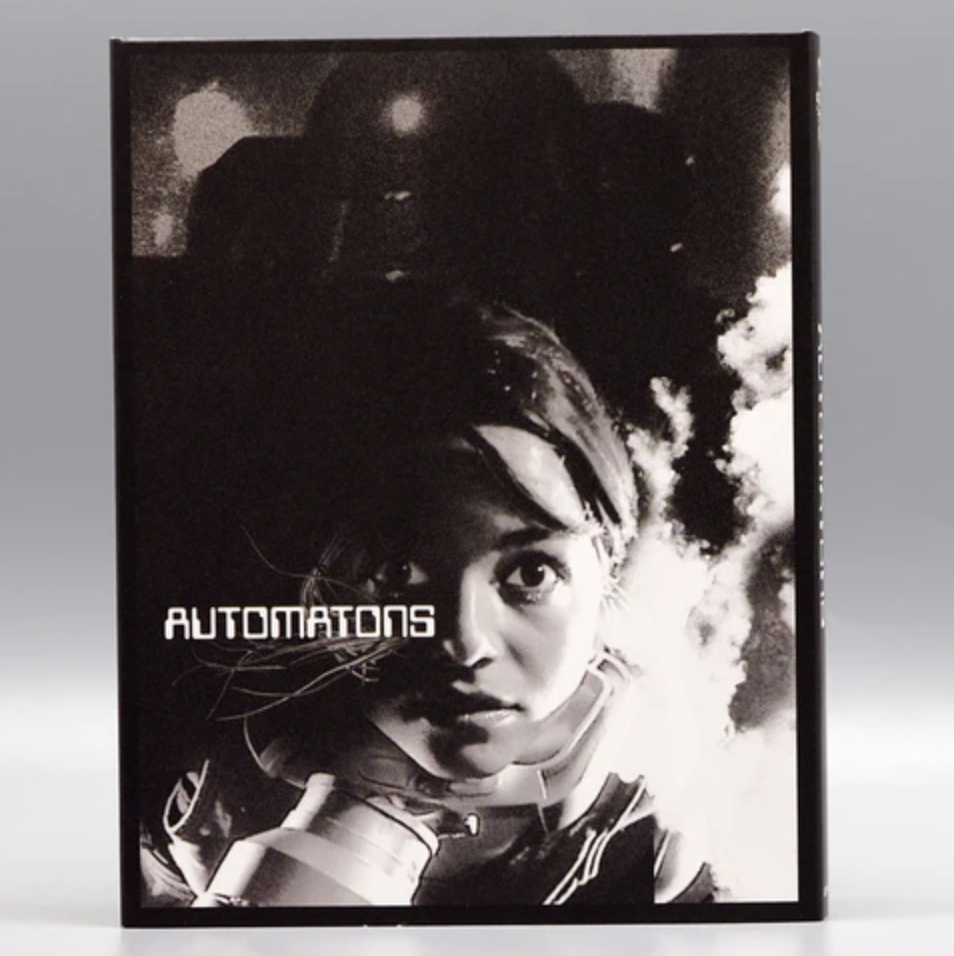
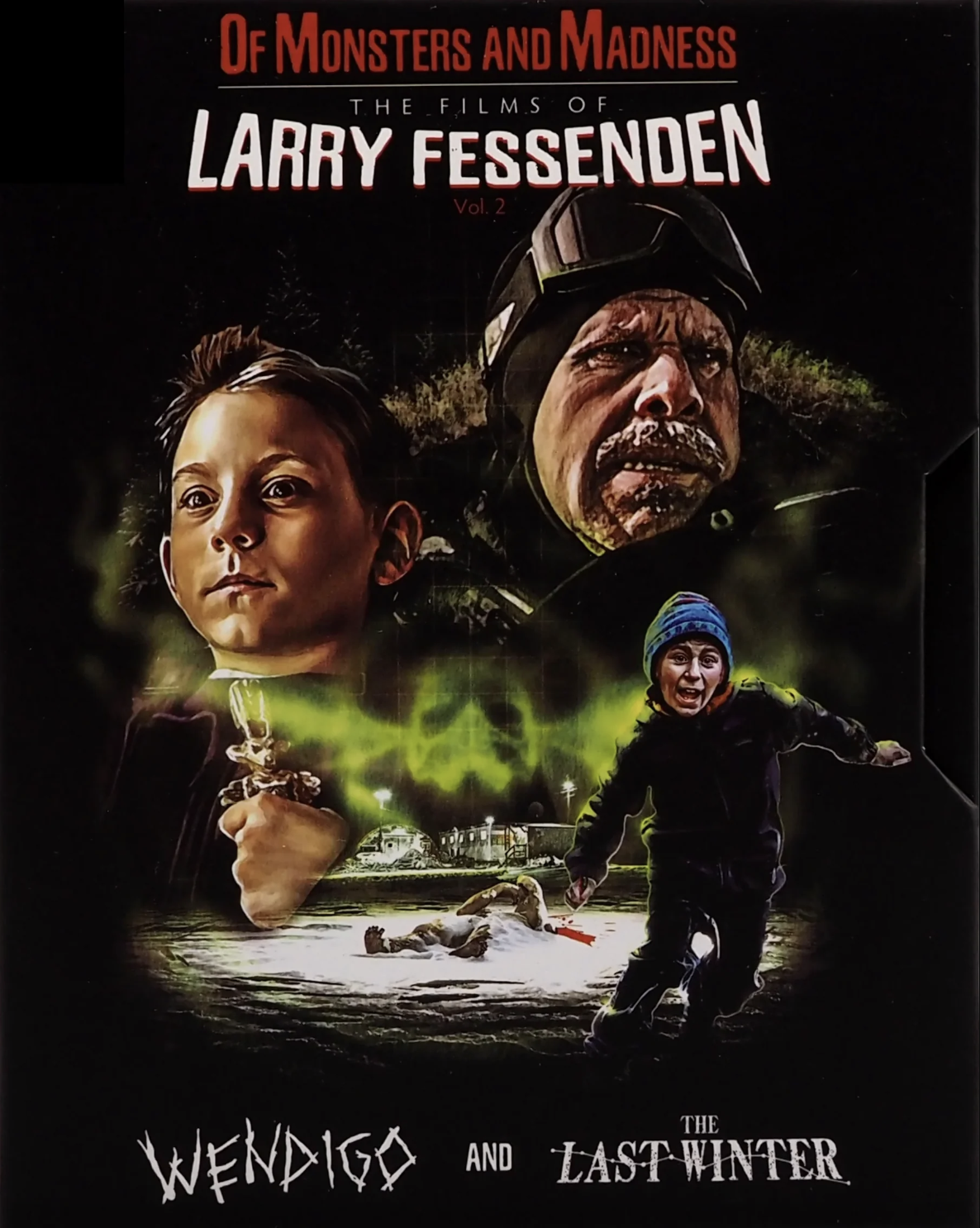
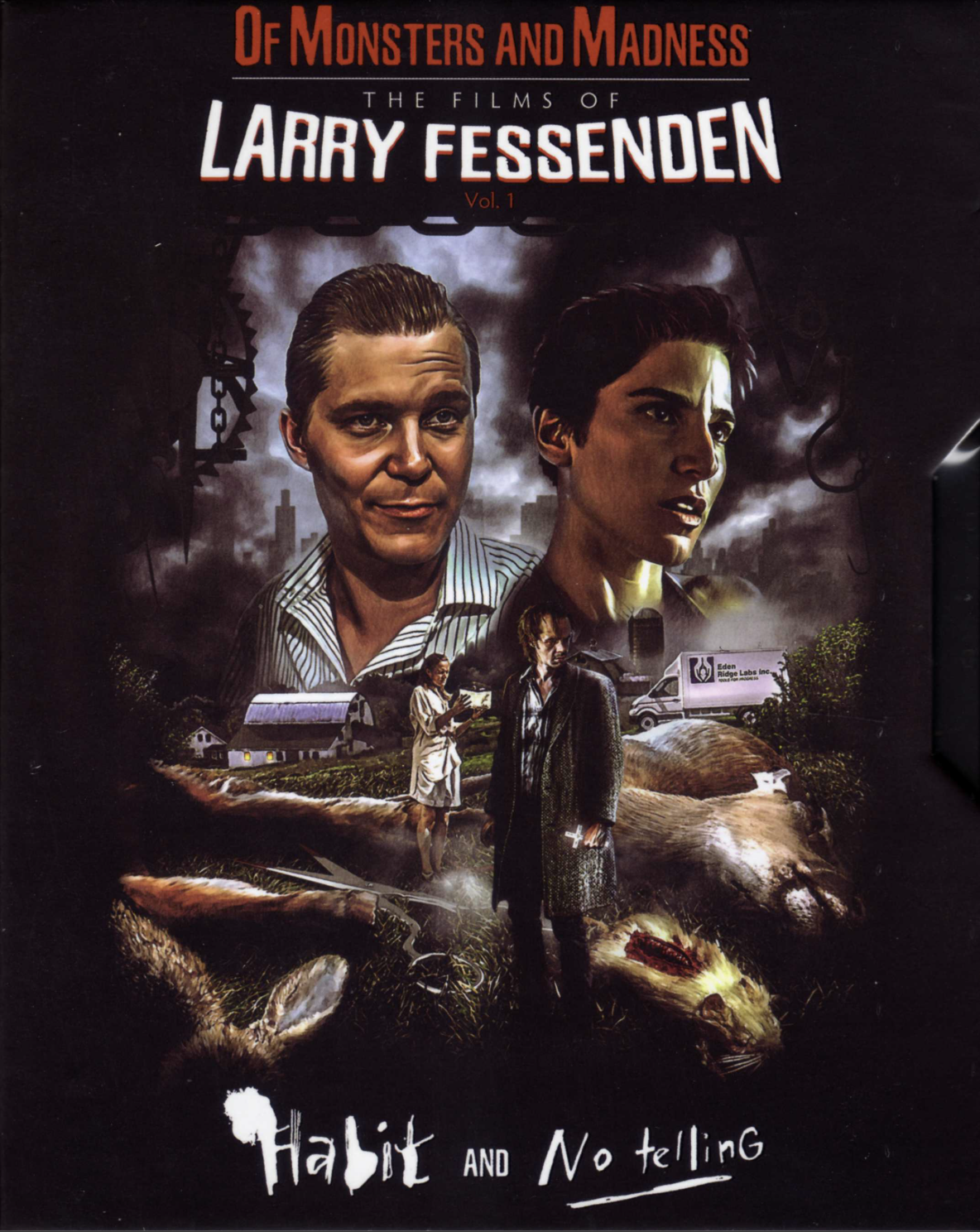
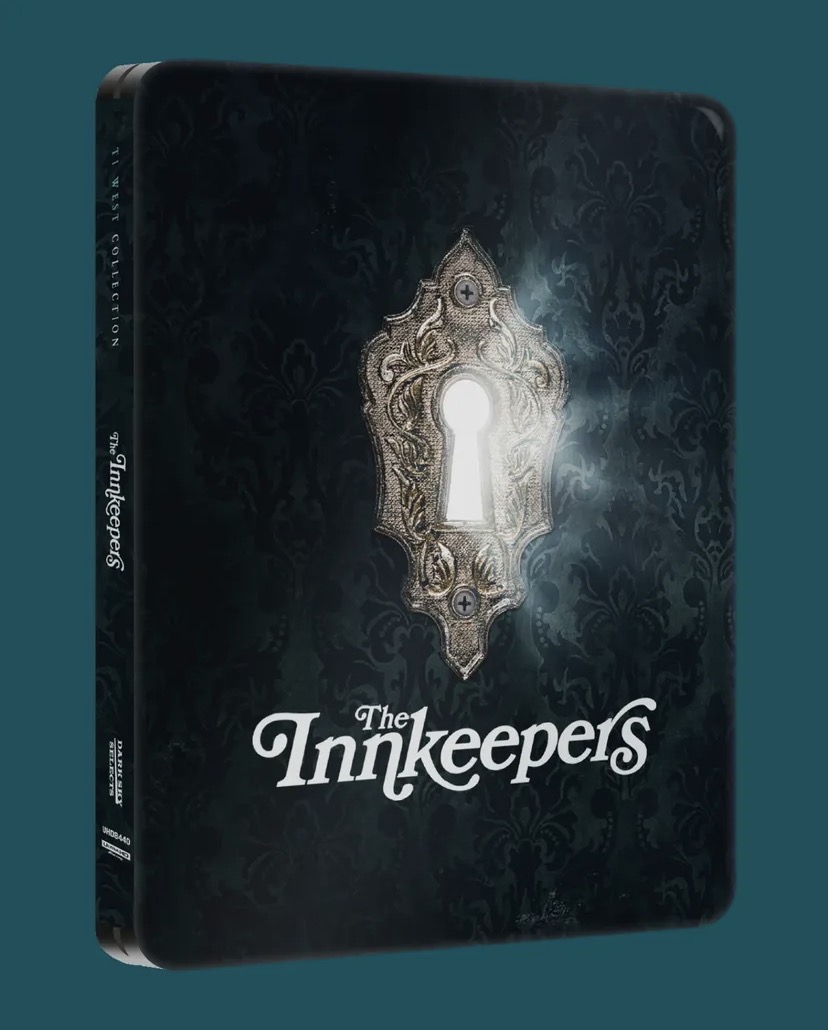
The Offering’s Directors Series: Beyond the Screen with Visionary Larry Fessenden
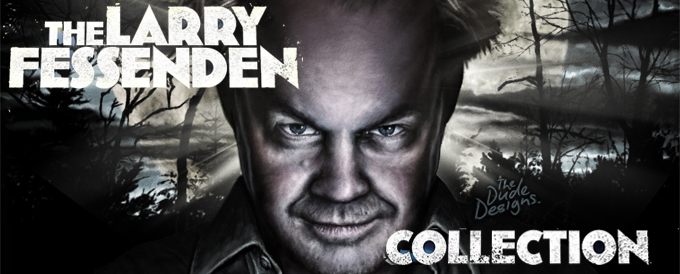
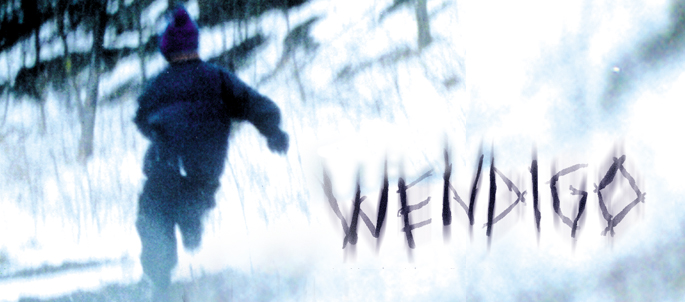
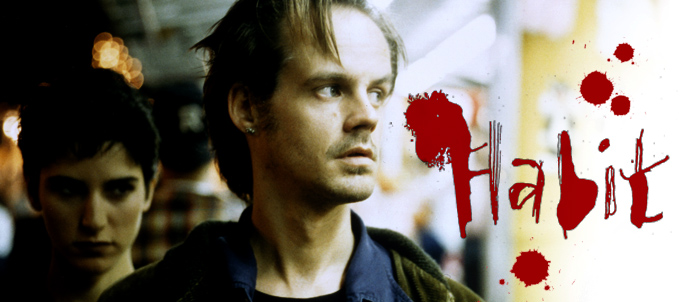
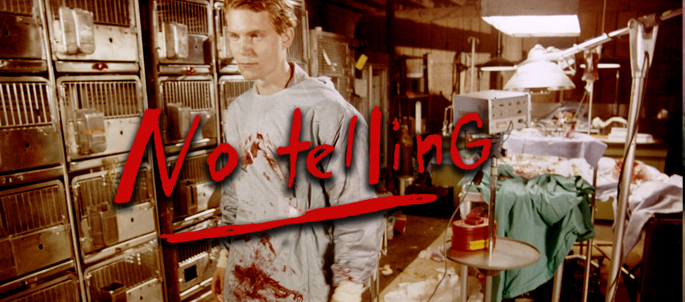
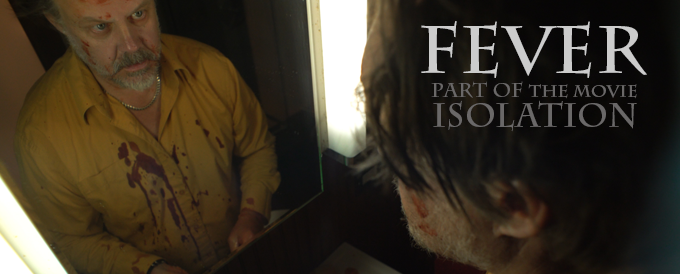
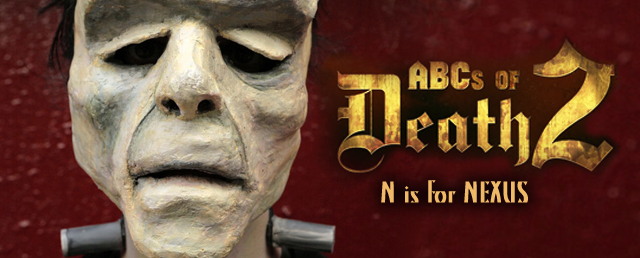
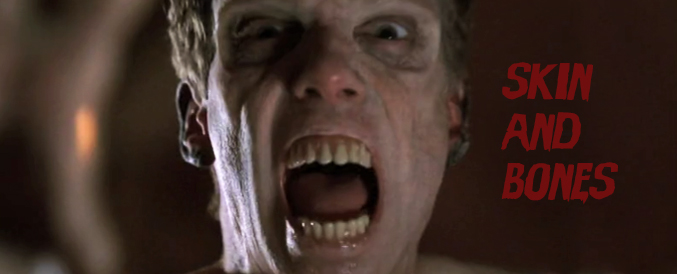
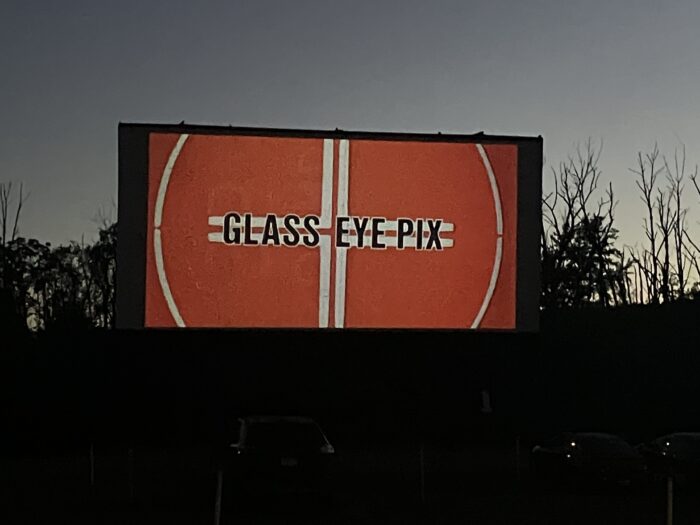
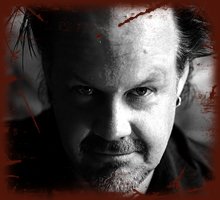
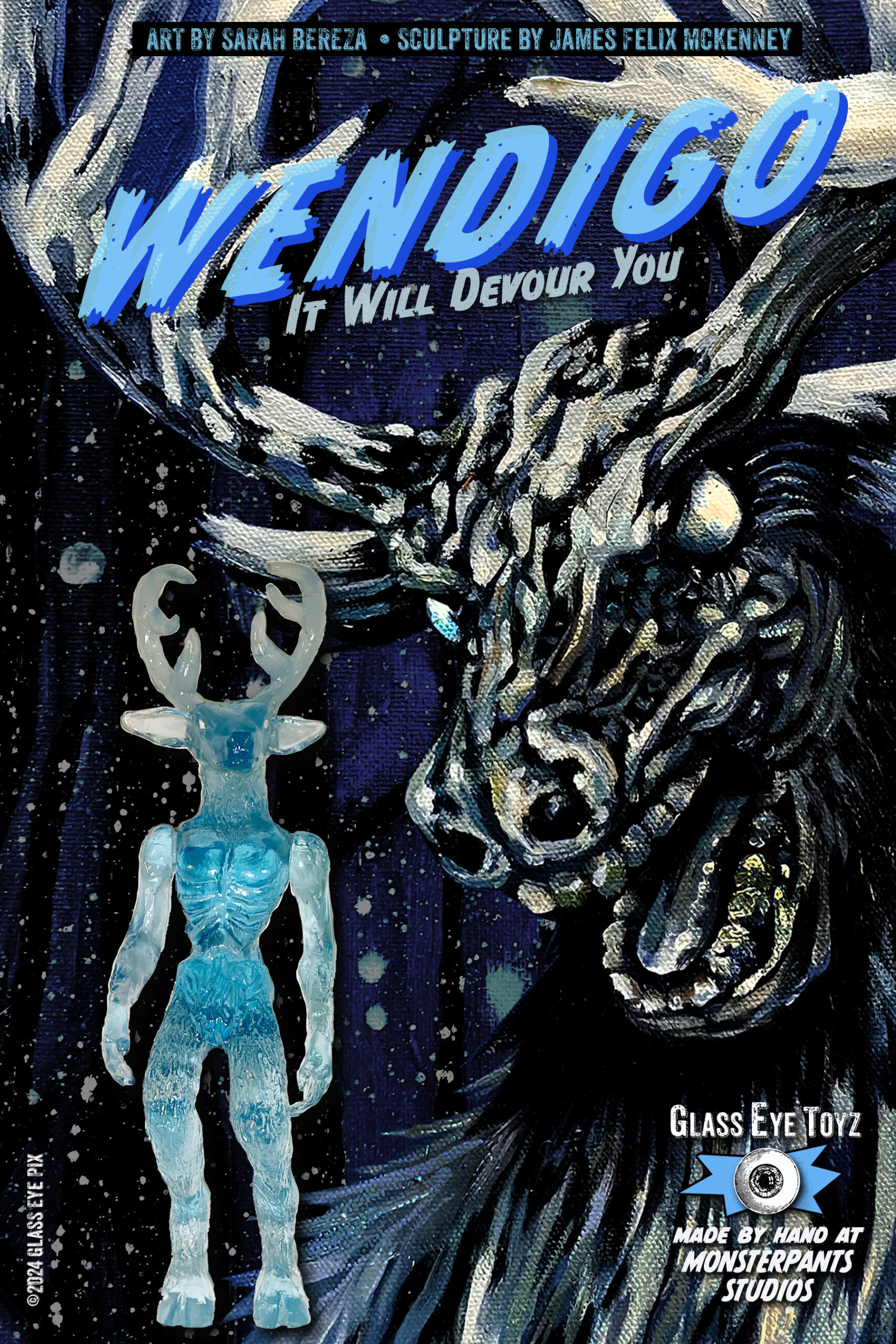
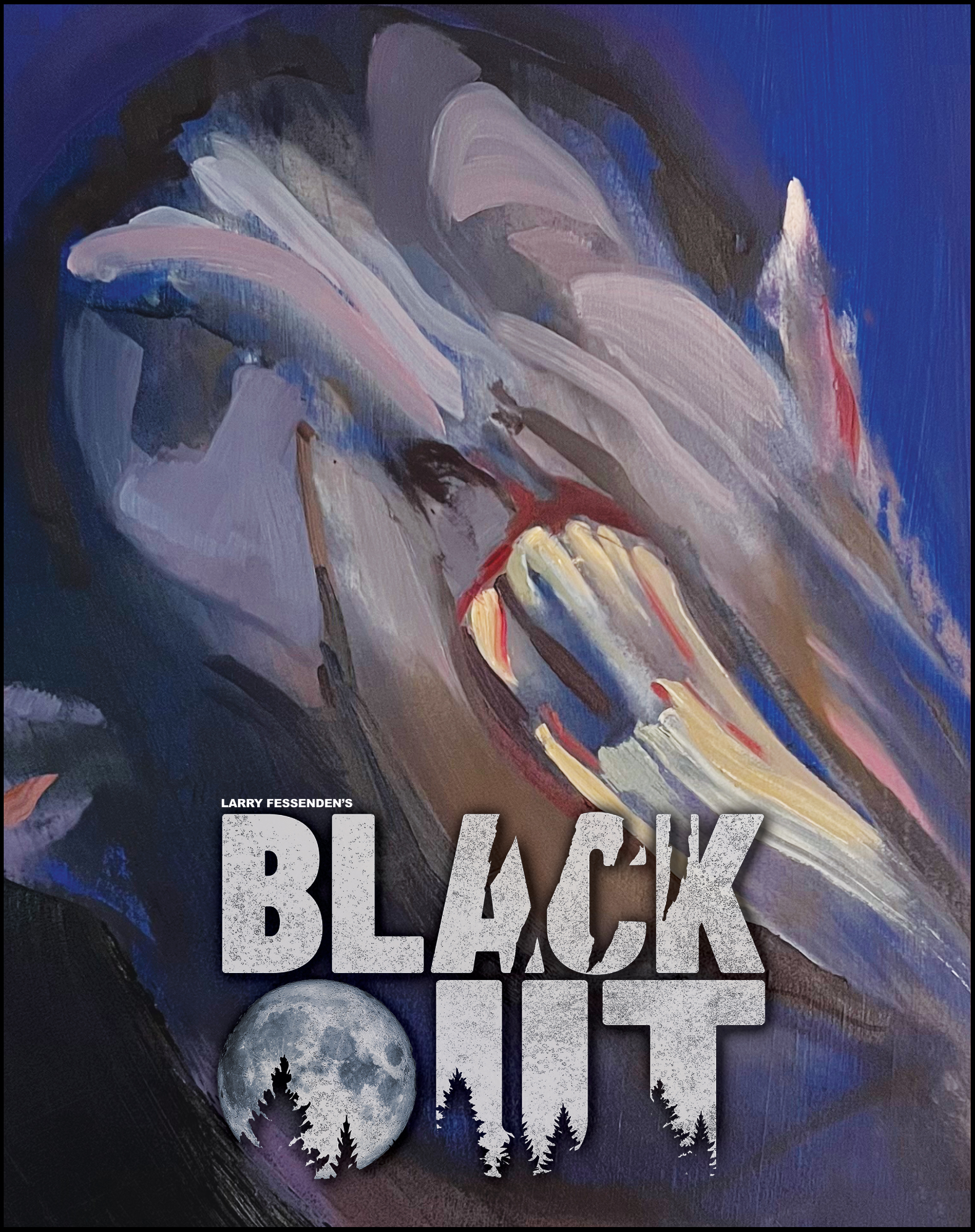
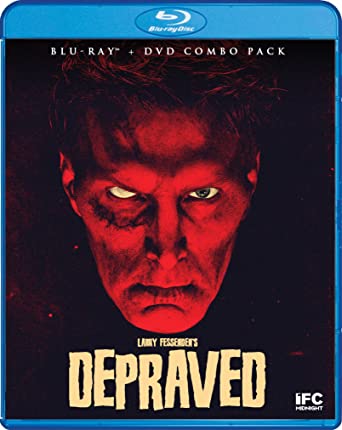
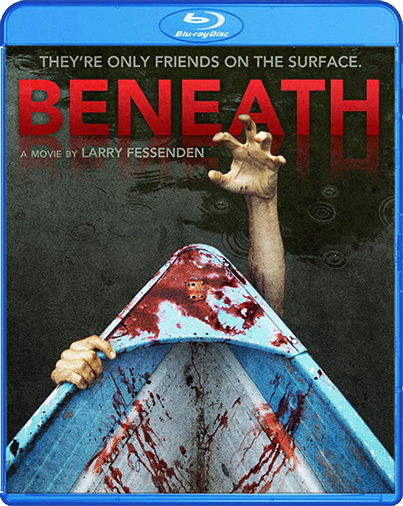
Not many people can say that they embody the DIY ethic that Larry Fessenden has. He has endured for decades in the entertainment industry on his own terms. He’s an actor, a director, an editor, a producer, a writer, and culturally his fingerprints are on so many things it would make your head spin. Glass Eye Pix is the fierce independent NYC-based production outfit headed by art-horror auteur Larry Fessenden. He defies genre. His works include DEPRAVED, BENEATH, ABC’s of DEATH 2, NBC’s Fear Itself episode “SKIN AND BONES,” THE LAST WINTER, WENDIGO, HABIT, NO TELLING and his latest effort BLACKOUT.
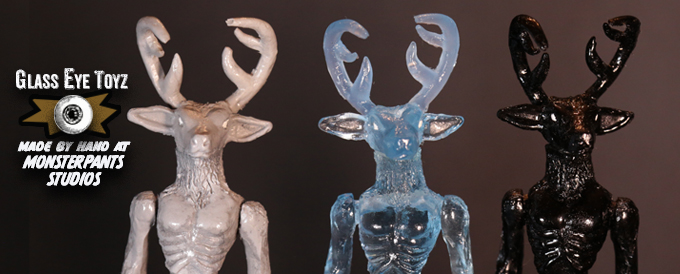
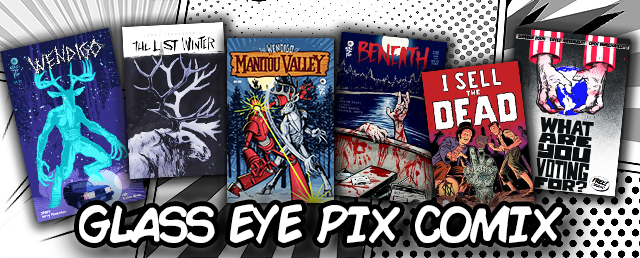
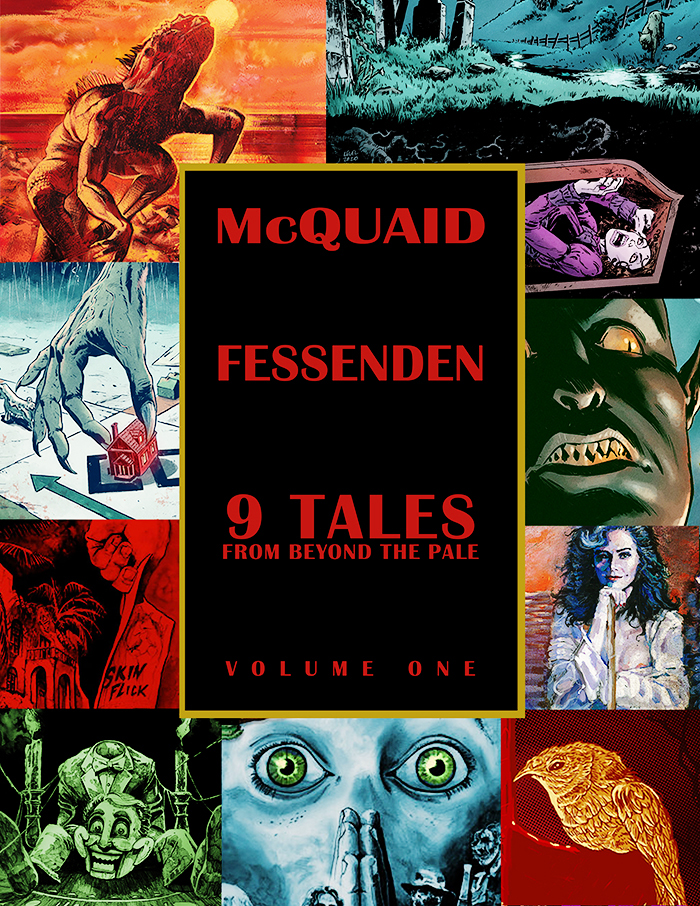
Glass Eye Pix is responsible for narrative films, documentaries, books, comics, audio plays, and other unique work designed to inspire and contrast with corporate media. https://glasseyepix.com/
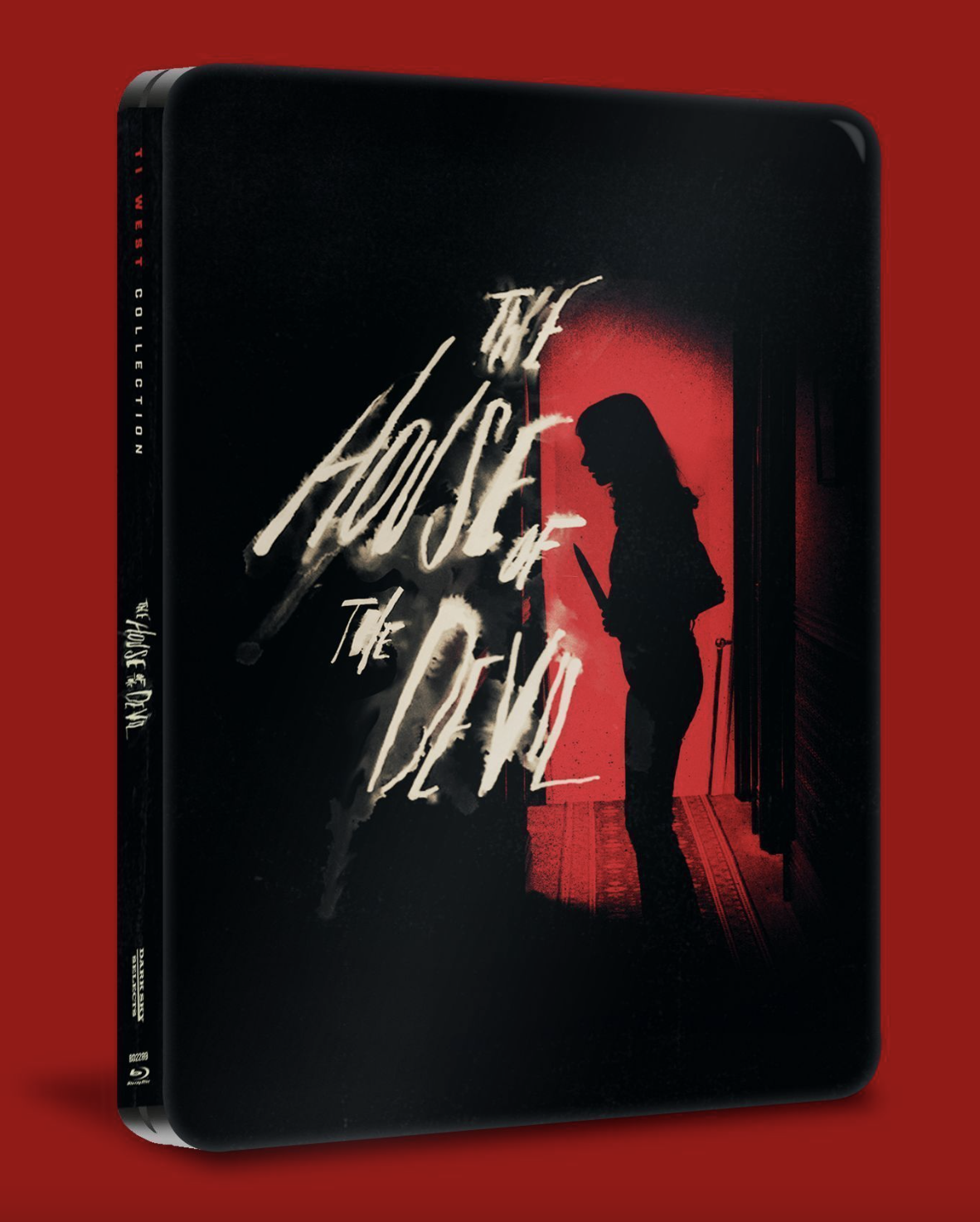
Larry Fessenden has been the maestro who’s been mentoring the next generation of iconic talent whether it’s Ted Geoghegan, Ti West, Travis Stevens, Christian Nilsson, Luca Balser, and most recently Chris Skotchdopole. Some folks have called him the John Cassavetes of horror. I call him the latest guest on The Offering Director’s Series.
Guillermo del Toro has sagely said “the natural state of a movie is not getting made.” Glass Eye Pix has a litany of movies we worked on that never made it to production (like Fessenden’s THE ORPHANAGE). Then there are the projects we started that did go on to get made by other entities (like Jeremy Gardner’s AFTER MIDNIGHT, formerly SOMETHING ELSE). One happy story comes back to life in this archived account of GEP’s involvement in the making of Ryan Spindell’s THE MORTUARY COLLECTION, which went on to become a popular success with a different production team. Here is a blast from the past circa 2013: …
Fantasia ’13 Exclusive: Director Ryan Spindell Talks Glass Eye Pix Anthology THE MORTUARY COLLECTION
An archive interview from The Gingold Files.
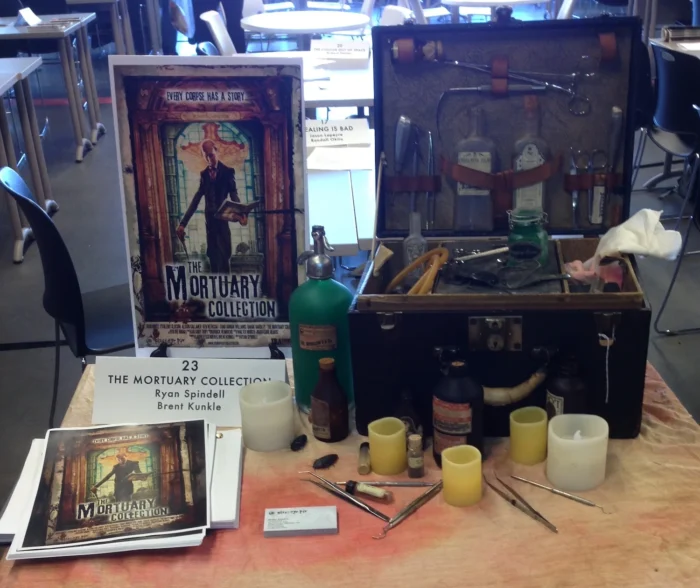
Of all the projects being hawked at individual tables at the Frontières International Co-Production Market during Montreal’s Fantasia festival, the one with most attention-grabbing setup was Glass Eye Pix’s horror anthology The Mortuary Collection (see photo above). Read on for the visual and verbal details on the film (which was ultimately produced by another company, made its Quebec premiere at Fantasia 2020 and was released later that year—MG).
Director Ryan Spindell and producer Brent Kunkle of Glass Eye placed the props seen above to visually represent The Mortuary Collection, a four-part tale of terror that will mark Spindell’s feature debut after shorts like Kirksdale (which impressed this writer at the Tribeca Film Festival back in 2008) and The Root of the Problem. As opposed to the boundary-busting approach of the likes of the V/H/S movies and The ABCs of Death, this omnibus will adopt a more classical approach … He’s certainly hooked up with the right team, as Glass Eye Pix and its president/producer Larry Fessenden have backed genre films set in many different times with many different tones. “I’ve been working within the studio world for a while,” Spindell explains, “and I was taking a lot of meetings and not making a lot of things, so I decided I was going to write a movie for myself as a die-hard horror fan and cinephile. And instead of going the normal Hollywood route with it, I went to Glass Eye, because I knew these guys were making really high-quality products for very low costs, and I love that DIY attitude. They were the first people I went to and they said yes, and we just took it from there.”
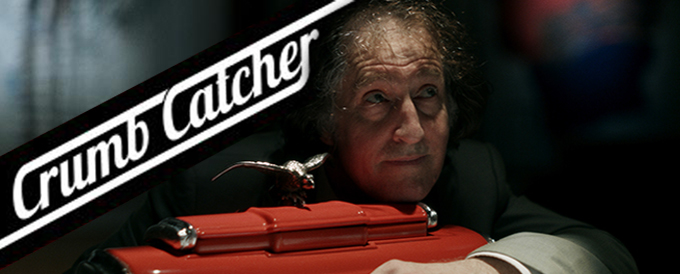
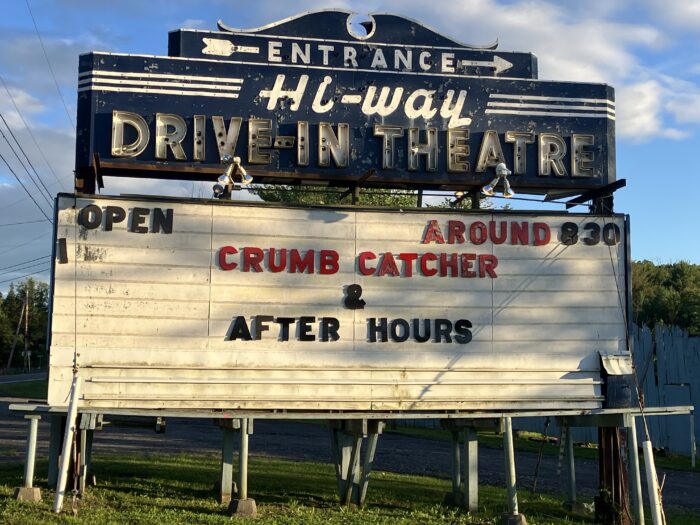
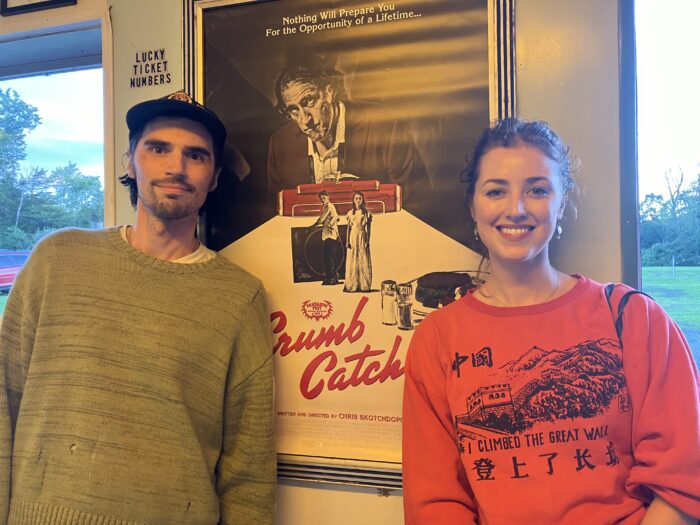
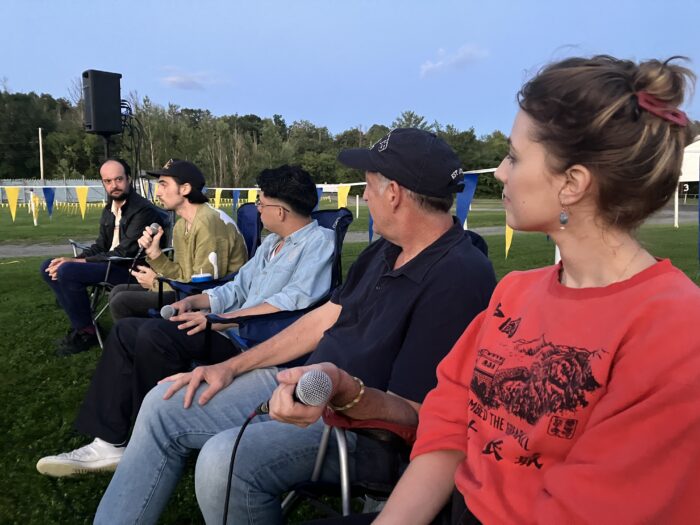
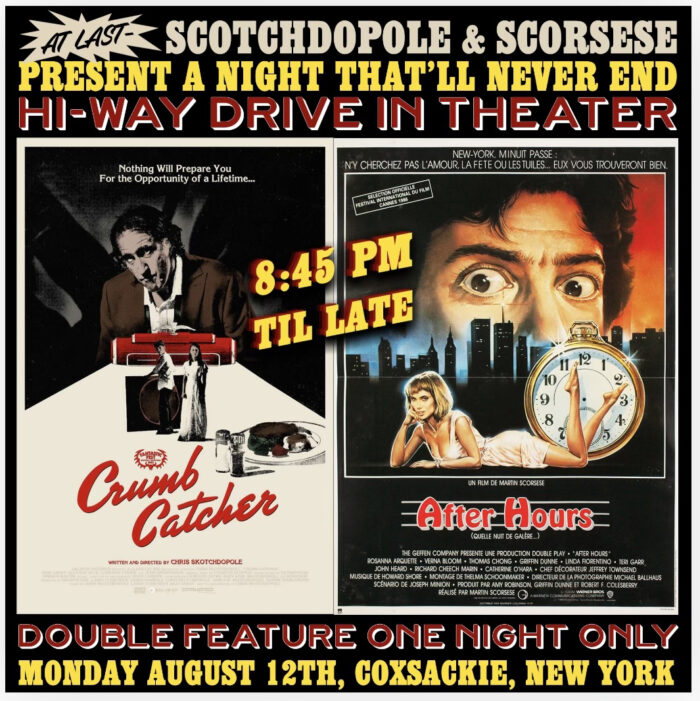
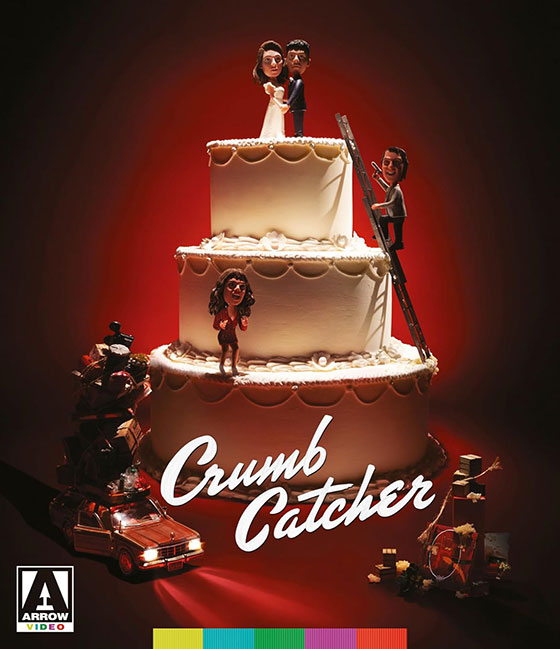
On Monday, August 12th we have a very special double feature brought to you by The Kingston Film Foundation. Shot right here in the Hudson Valley, Crumb Catcher blends horror, suspense, off-kilter zaniness, and a scene-stealing performance by John Speredakos into a wickedly funny and wildly entertaining dark comedy. Come early for the pre-show Q&A with the cast and crew, and stick around later for a special screening of Martin Scorsese’s brilliant After Hours! Door open at 7pm. Tickets are $12. Don’t miss it!
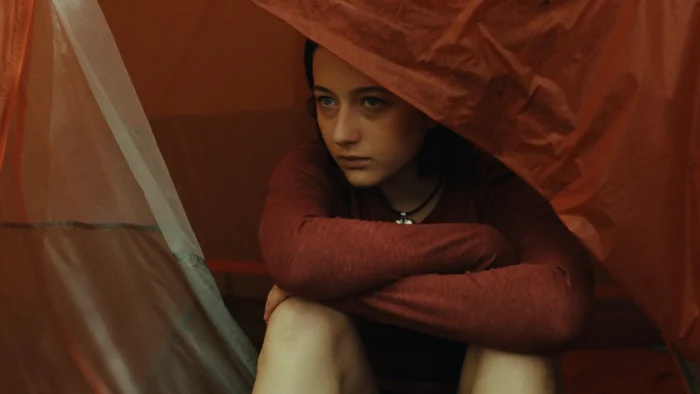
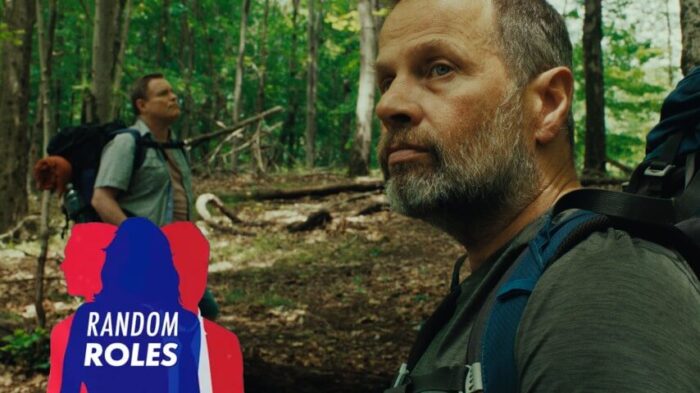
On a camping trip, 17-year-old Sam (Lily Collias) grapples with the immature behavior of her father (James Le Gros) and his old friend (Danny McCarthy) in this drama.
From our review:
“Good One” is the writer and director India Donaldson’s feature debut, and an astounding one, full of the kind of emotional detail that can only come from personal experience. The movie smoothly shifts from gentle comedy to emotional punch, modest in a way that sneaks up on you in the end, backed by Celia Hollander’s acoustic, folk-inflected score. For most of the film, we’re expecting something to happen to Sam — it feels inevitable, out here in the woods with two grown men. But when something does happen, it’s totally unexpected and revelatory.
“Good One has the concision of a sharply etched short story, but what happens by the end can’t be easily summed up. Sam won’t soon forget the lessons of this particular trip, and neither will we.” —NPR
“Dramatic subtlety makes Good One‘s coming-of-age a great one. India Donaldson skillfully makes her insightful, clever hike through the woods look like a walk in the park.” —AVClub
Documentaries can be fascinating films which offer great insight into a subject, from historical events to pop culture, movies in particular. For especially beloved movies that have had a lasting impact, documentaries give fans more to enjoy than just the films themselves, with added insight and valuable memories from the people who were there as the film took shape.
That’s especially true of horror, a genre which has been explored in countless documentaries. They offer a deeper look at its most iconic films and the legacy they have left behind, with plenty more content to enjoy, from behind-the-scenes clips to interviews with the cast and crew, some with impressive runtimes which far surpass the original films. The best of them are not only informative but entertaining in their own right, making them must-see companion pieces for fans.
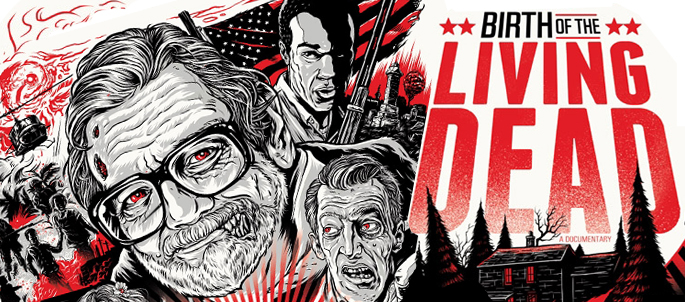
#2 BIRTH OF THE LIVING DEAD
Birth of the Living Dead focuses on George A. Romero’s classic Night of the Living Dead, starting with Romero’s use of Pittsburgh-area residents to get the film made—a surprising team of largely blue-collar workers who had no experience with or ties to filmmaking. The documentary also explores the film’s long-lasting impact and its social and political themes. It includes interviews with Romero himself as well as with writers, filmmakers, and more.
Night of the Living Dead gave rise to the zombie subgenre of horror, making it perfect documentary fodder. Birth of the Living Dead provides a fascinating behind-the-scenes look at the film’s origins, with entertaining and insightful interviews from Romero himself and others who discuss the impact the film had on their own work, including modern zombie horror like The Walking Dead. The documentary also contextualizes the film by addressing the major events and political issues of the time.
James Le Gros on Good One, shooting with Tarantino, and delivering Zodiac’s best line
From AV Club: ByMitchell Beaupre
Welcome to Random Roles, wherein we talk to actors about the characters who defined their careers. The catch: They don’t know beforehand what roles we’ll ask them to talk about.
The veteran character actor also discusses skydiving for Point Break, being in the best episode of Friends, and playing Raylan Givens before Timothy Olyphant.
The actor: Kelly Reichardt, Gus Van Sant, Todd Haynes, Kathryn Bigelow. All names that appear multiple times in the filmography of James Le Gros, across a career that stretches back to guest spots in the early ‘80s on shows like Punky Brewster and Simon & Simon. An industry stalwart for the past four decades, Le Gros blossomed as a consistently reliable figure during the American independent boom of the ’90s, earning an Independent Spirit Award nomination for his vanity-skewering performance in the showbiz satire Living In Oblivion.
Yet despite his hops from marquee hits like Enemy Of The State to cinephile landmarks such as Zodiac, the actor has been able to shield himself from the spotlight. “I have the kind of fame that makes people think they know me from the gym or that I went to high school with them,” Le Gros tells The A.V. Club.
James Le Gros’ latest, Good One, sees him in a more prominent role as Chris, father of Sam (Lily Collias) and longtime friend of Matt (Danny McCarthy). The three embark on a backpacking trip through the Catskills in India Donaldson’s quiet, humanistic debut, about how a teenage girl starts to see the world in a slightly different light as she discovers more about who these men are.
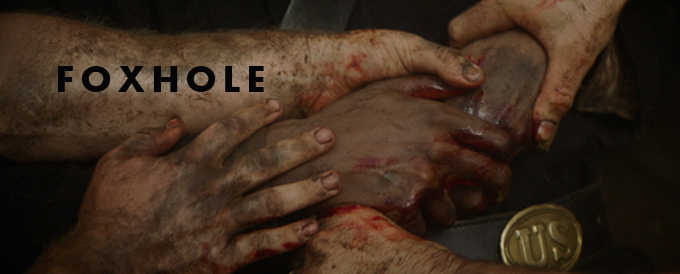
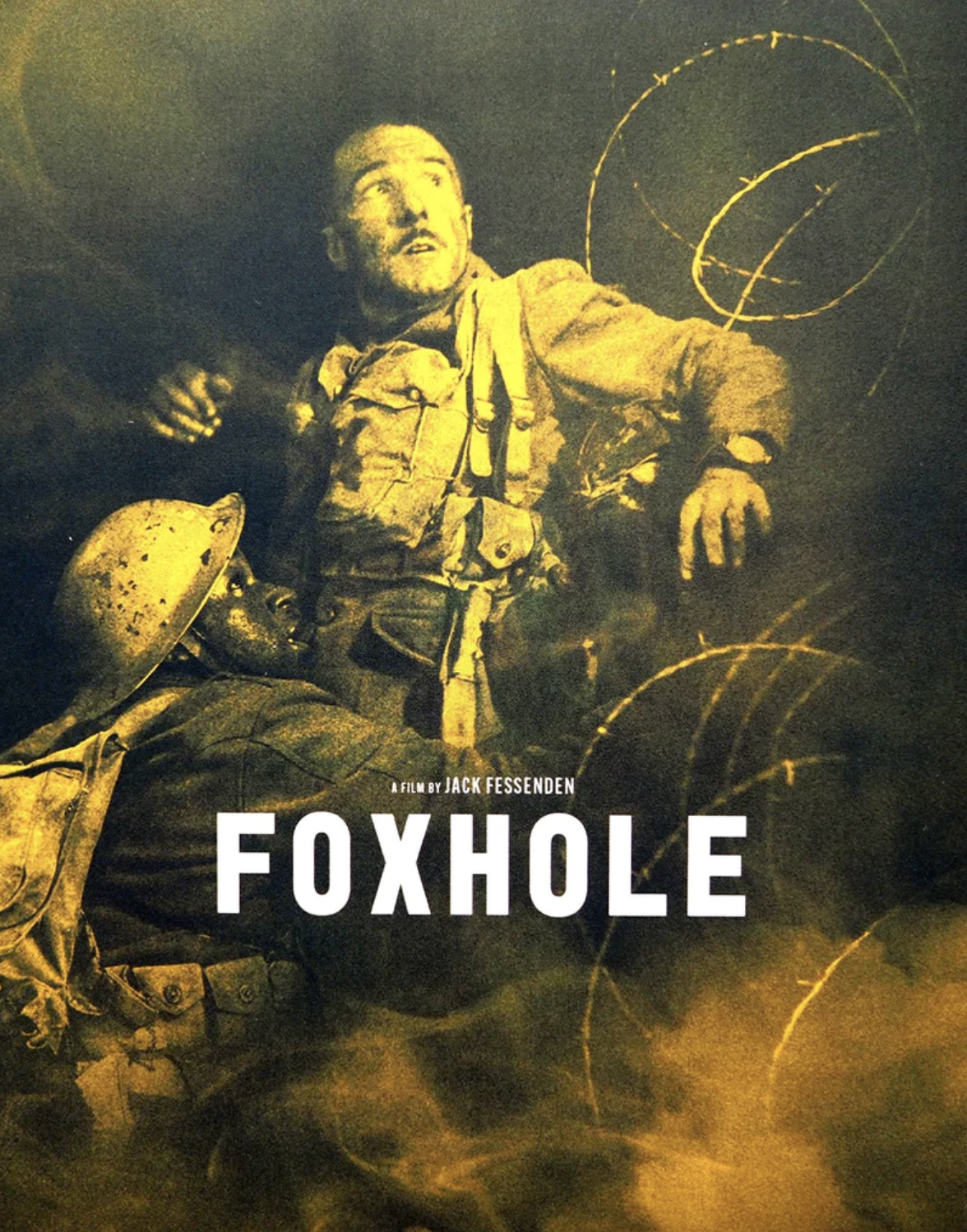
AVC: You mentioned working with Larry Fessenden earlier. You’ve made several films with him and several with his son, Jack. Those are guys in the independent space who aren’t letting lack of budget inhibit their ambition. Foxhole alone is nuts.
JLG: These are guys that really love the cinema. They’re unencumbered by challenge. But they understand fundamental things as well. Good composition doesn’t cost you anything. You just have to figure out what your resource pool is, that’s the big thing about independent cinema in general. And they’re able to do that, and they’re able to figure these things out. Like, Foxhole takes place over three wars, and we just shot that in a tent in Larry’s front yard.
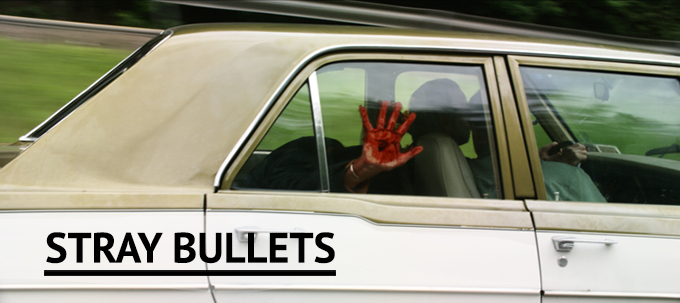
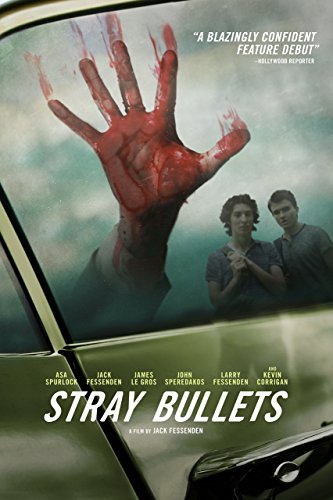
I think of Stray Bullets, which was Jack’s first real movie, and he knew he could make that because of that big front yard he had to work with. There’s one shot in Stray Bullets, where we had a character getting shot from behind. How we did the shot was that we had a squib and then we had a fire extinguisher, that we filled with fake blood, that ran up John Speredakos’ leg. We rehearsed the timing of it, and then we had a leaf blower outside the window that would blow these plastic shards as if the gunshot was coming through the window.
It was all just figuring out the timing so that we were all synchronized to go. I don’t know what the net cost of getting that shot was, but at the most it was like a couple hundred dollars. Probably the most expensive part was the fake blood, because I think Larry personally owned the leaf blower.
MaXXXine, the grand finale in Ti West‘s X trilogy, is finally available to watch from the comfort of your very own home.
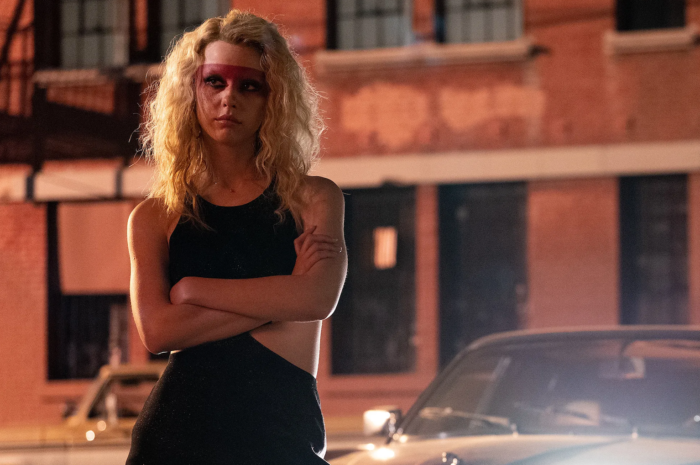
Starring Mia Goth as the titular Miss Minx, Kevin Bacon, Halsey, Michelle Monaghan, Giancarlo Esposito, Elizabeth Debicki, and Lily Collins (with a special cameo from Fango fave Larry Fessenden), A24’s MaXXXine followed X and Pearl to tell the story of superstardom and sleaze across three very distinct eras.
Following its release on July 25, MaXXXine grossed $19.4 million worldwide, becoming the highest-grossing film of the series.
If you’re already missing the world of Miss Maxine Minx, don’t forget that West has already teased that the trilogy MIGHT end up becoming a tetralogy in the distant future, as he already has a sequel for MaXXXine in mind.
Glass Eye Pix is the fierce independent NYC-based production outfit headed by award-winning art-horror auteur Larry Fessenden with the mission of supporting individual voices in the arts. Read more...