














February 25, 2026
Share:


GEP Pals featured in Shudder’s 1000 WOMEN IN HORROR series
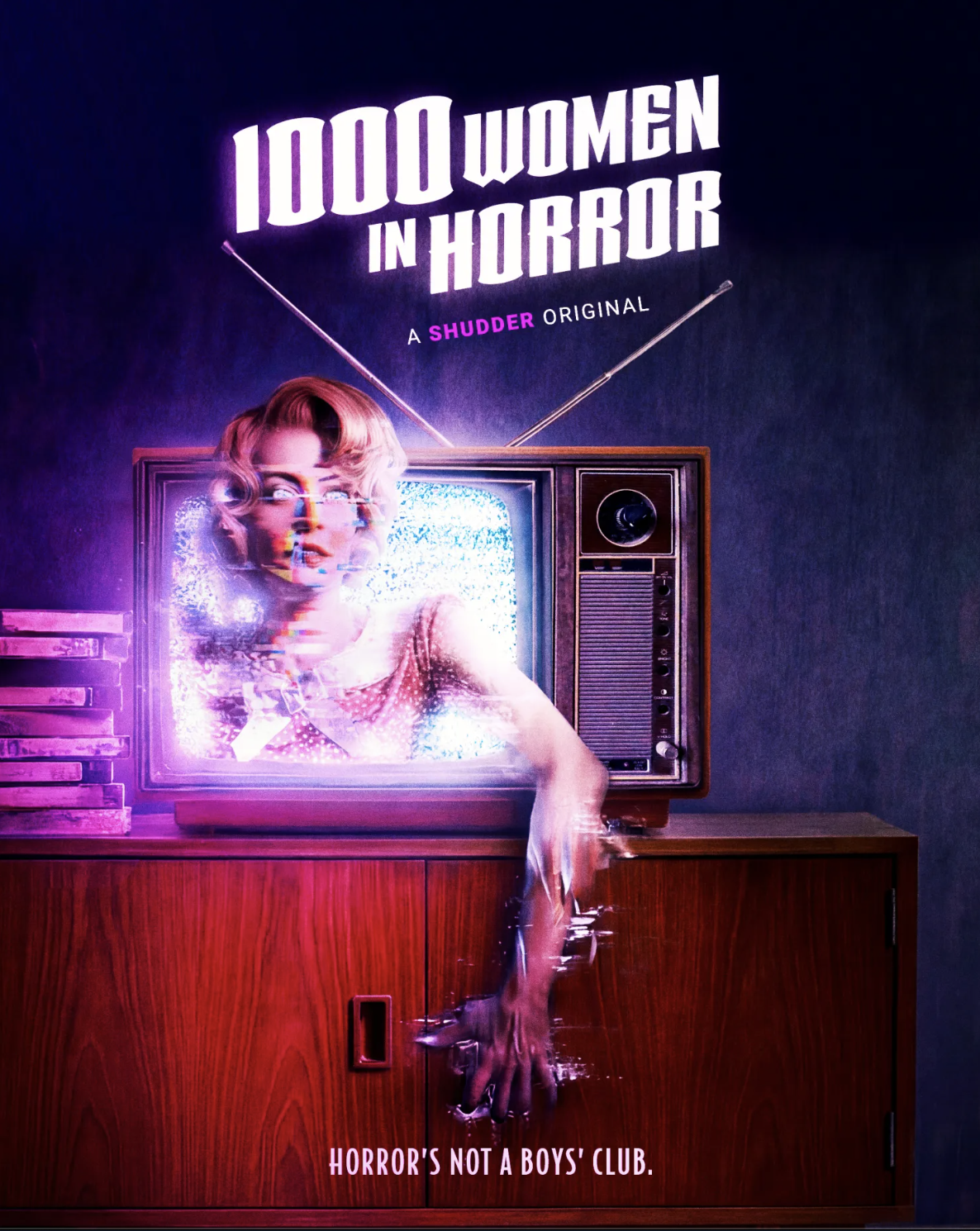
Horror’s Not a Boy’s Club in Shudder’s ‘1000 Women in Horror’ Exclusive Poster Reveal
By Meagan Navarro
Acclaimed horror critic, historian, and author Alexandra Heller-Nicholas wrote her first film, 1000 Women in Horror, based on her 2020 nonfiction book of the same name. And we can exclusively unveil the poster ahead of its release.
1000 Women in Horror premieres on Shudder on March 20, 2026.
The documentary offers a deep dive into how women pioneers revolutionized horror cinema through their groundbreaking work as directors, actors, and creators since 1895, leaving an indelible mark on the genre’s evolution. Featuring interviews with Roxanne Benjamin, Akela Cooper, Mary Harron, Cerise Howard, Kier-La Janisse, Nikyatu Jusu, Roseanne Liang, Annalise Lockhart, Toby Poser, Sara Risher, Gigi Saul Guerrero, Kate Siegel, Jenn Wexler, and more.
Donna Davies (Nightmare Factory) directs the feature.
Heller-Nicholas, who recently appeared in Chain Reactions, states, “Like so many women and femme-identifying horror fans, horror is in my blood: I live and breathe it, and it has helped me navigate the real-life horrors of the world more times than I can count. Having dedicated my career as an author and a film critic to the genre, watching my 2020 book, 1000 Women in Horror, come to life on screen has been a dream. This has been rendered even more magical not just through our collaborations with the horror royalty interviewed on screen, but the unwaveringly supportive Shudder team themselves, without whom this film literally would not exist!”
“In my films, I like to rip back the curtain and expose the raw underbelly of stories that obsess me. I love horror because it drags our deepest, darkest fears out into the light. Women have been shaping this genre from day one, but the industry has too often ignored or erased their contribution. This film finally sets the record straight, and SHUDDER is the perfect place for horror fans to discover the voices and films that have too often been overlooked,” Davies adds.
If you’re unfamiliar with Heller-Nicholas’ work, prepare to get schooled; her sprawling tome 1000 Women in Horror, 1895-2018 is a well-researched, joyous tour through extensive and frequently undersung horror history.
The Shudder Original made its world premiere at the Melbourne International Film Festival and screened at Sitges, SXSW Sydney, Brooklyn Horror Film Festival, and more ahead of its arrival on Shudder, just in time for Women’s History Month.
February 23, 2026
Share:
Rue Morgue: GLENN MCQUAID’S “THE RESTORATION AT GRAYSON MANOR” SET TO HIT THEATERS THIS YEAR
By MICHAEL GINGOLD
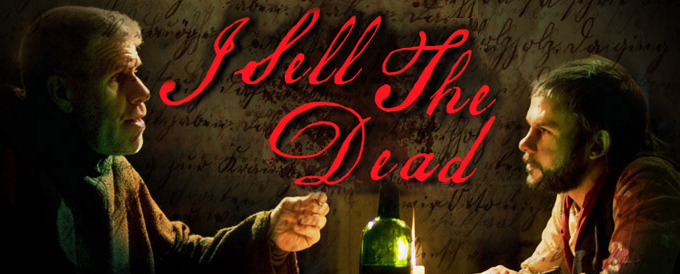
The latest from the creator of I SELL THE DEAD has landed distribution.
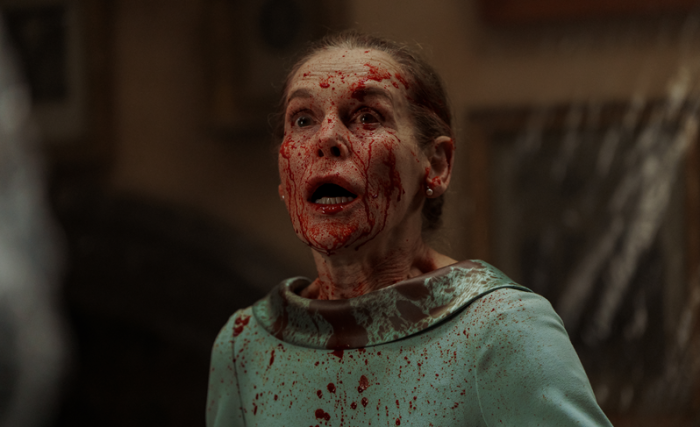
Chroma has announced its acquisition of North American rights to THE RESTORATION AT GRAYSON MANOR, with theatrical release planned for later this year. Directed by Glenn McQuaid (I SELL THE DEAD) from a script he wrote with genre novelist Clay McLeod Chapman, it premiered at last year’s Fantastic Fest and stars Chris Colfer, Alice Krige (SLEEPWALKERS), Daniel Adegboyega, Declan Reynolds, Gabriela Garcia Vargas and Matthew McMahon. According to the official synopsis, Colfer plays “Boyd Grayson, a hedonistic heir who loses his hands in a freak accident. His domineering mother, Jacqueline [Krige], invests in radical experimental new technology to help him.” Things go gruesomely and wickedly awry from there.
“From our first conversations, it was clear Chroma really got this film,” McQuaid says. “Their persistence and enthusiasm throughout the acquisition has been incredibly affirming. THE RESTORATION AT GRAYSON MANOR is a deeply personal, Gothic queer horror, and finding a North American partner willing to champion its ambition and strangeness means everything to us. I couldn’t be more excited to have Chroma bringing it to audiences.”
“THE RESTORATION AT GRAYSON MANOR is audacious, perverse, and emotionally ferocious,” says Chroma VP Ahbra Perry. “Glenn McQuaid has crafted an unsettling horror story that explores queer identity and repression, and bodily autonomy, in a way that feels both operatic and intimate. We’re thrilled to bring this film to North American audiences, and to showcase Chris Colfer’s powerful return to acting in such a daring, transformative role.”
February 18, 2026
Share:
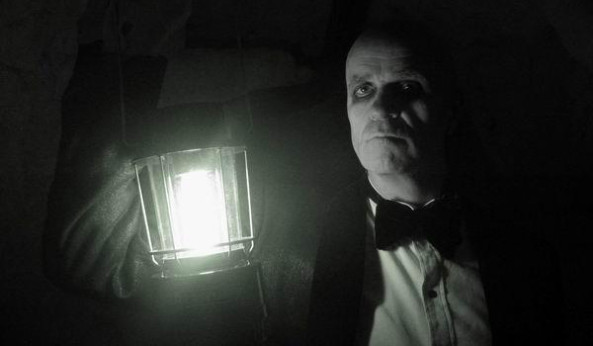
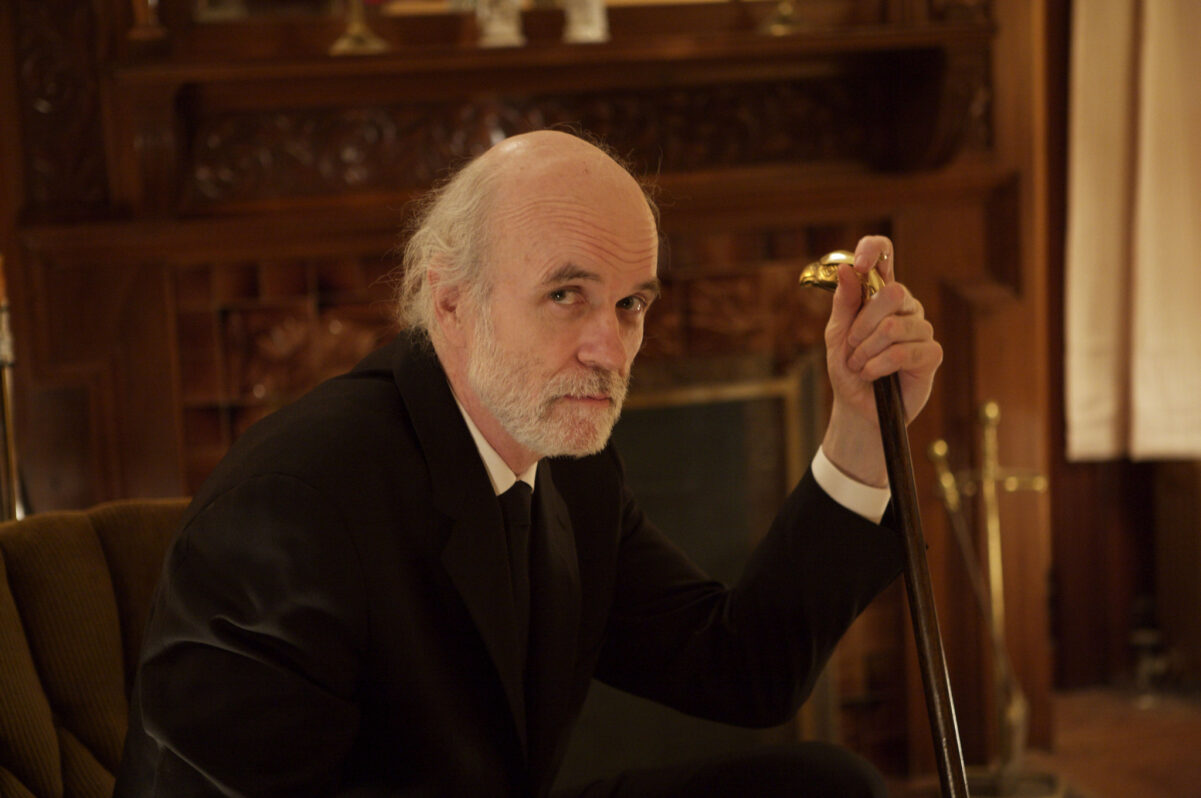
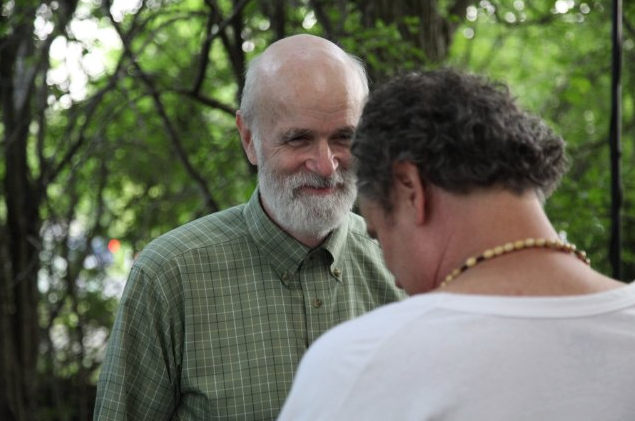
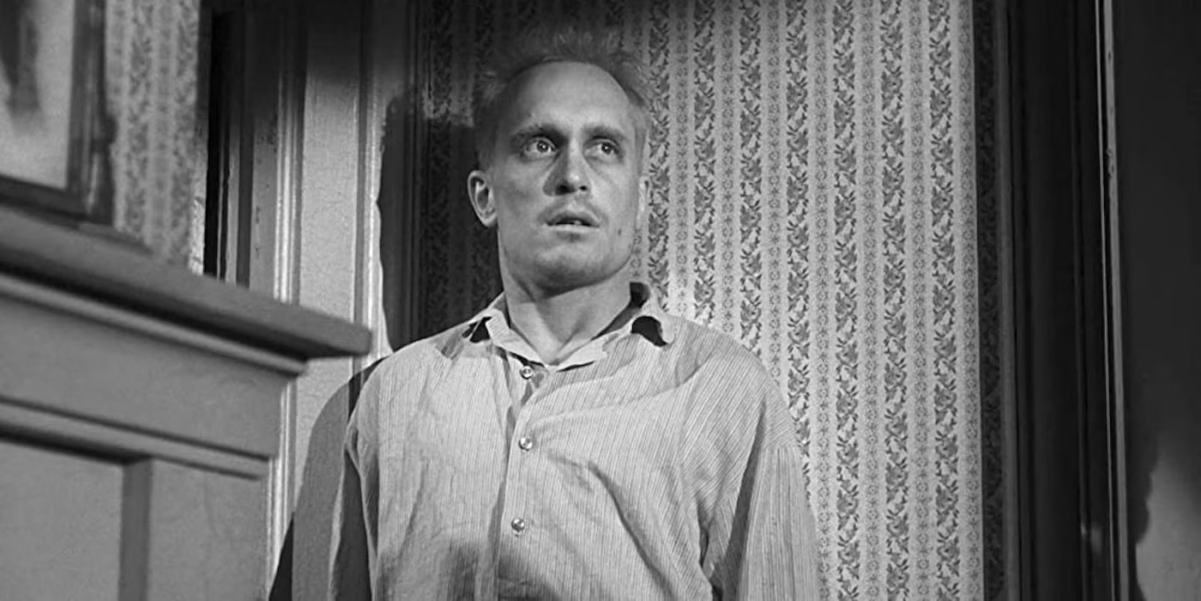
R.I.P. GEP Pal Tom Noonan
February 16, 2026
Share:
Emily Bennett and Justin Brooks’ Folk Horror ‘Blood Shine’ Acquired by Dark Sky
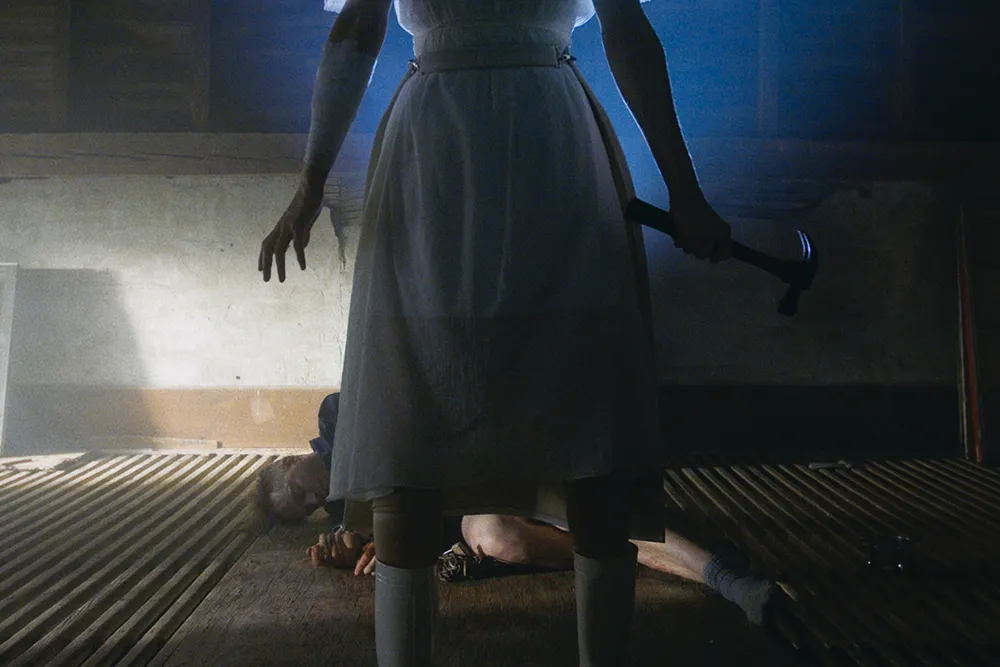
Dark Sky Films has acquired all North American distribution rights to “Blood Shine,” the latest feature from husband-and-wife filmmaking duo Emily Bennett and Justin Brooks. Described as a “striking blend of arthouse sensibility and visceral folk horror,” the film will be released later this year following a successful festival run that included the Sitges Film Festival, the Brooklyn Horror Film Festival and others.
Dark Sky’s sales division, MPI Media Group, is representing additional international territories at this year’s European Film Market in Berlin.
“Blood Shine” stars Bennett (“Shelby Oaks”) as Clara, a devout zealot who worships the light through solitary, sacred rituals in upstate New York. David Call (“Insidious: The Red Door”) plays Brighton West, a troubled horror filmmaker who retreats upstate to complete his screenplay, only to encounter Clara and become entangled in her increasingly extreme spiritual practices. Convinced that her sadistic ceremonies will transform him into a god, Clara draws Brighton into a hallucinatory descent into faith, flesh, and the sublime. The cast also includes Brendan Sexton III (“Russian Doll”), Larry Fessenden (“MaXXXine”), and Toby Poser (“Hellbender”).
February 14, 2026
Share:
Happy Valentine’s Day from Glass Eye Pix

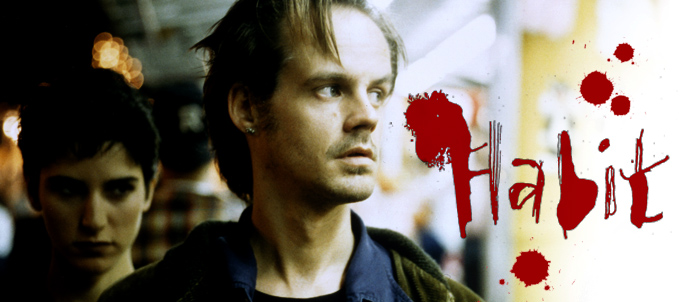
HABIT plays tonight in Montreal at Cinéma Moderne
And is reluctantly reccomended by a College Campus Newspaper:
“Habit” (1995)
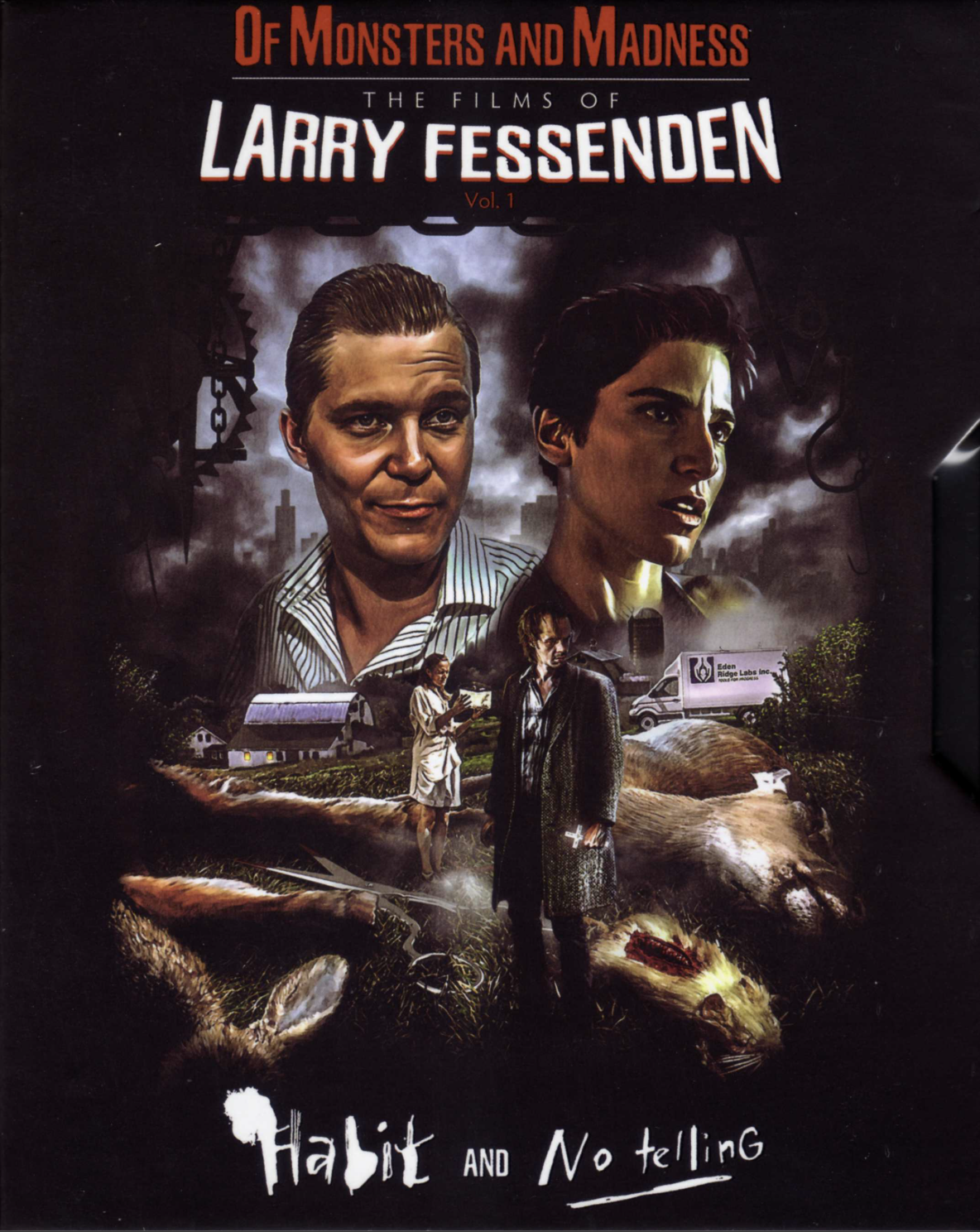
An aggressively DIY slacker-vampire film from underground horror legend Larry Fessenden, “Habit” (1995) goes all in on the idea of love as addiction. In the vein of Claire Denis’ “Trouble Every Day” (2001), “Habit” is a film about appetite. It’s not the most positive representation of lovers who can’t stay away from each other since one is a literal vampire, but the film’s textures and vibes are sublime, with stretches of the movie consisting of a sad sack walking around New York before his hungry lover takes a liking to him. Frankly, this film probably pushes the limits of what could and should be watched on Valentine’s Day. “Habit” might be enjoyed best by a guy who tells girls on Hinge to step on him, since he likely doesn’t have Valentine’s Day plans.
Louis Chiasson, Wesleyan Argus
Stream HABIT tonight with your valentine pal.
Or watch that expensive 4K you impulse-bought!
February 13, 2026
Share:
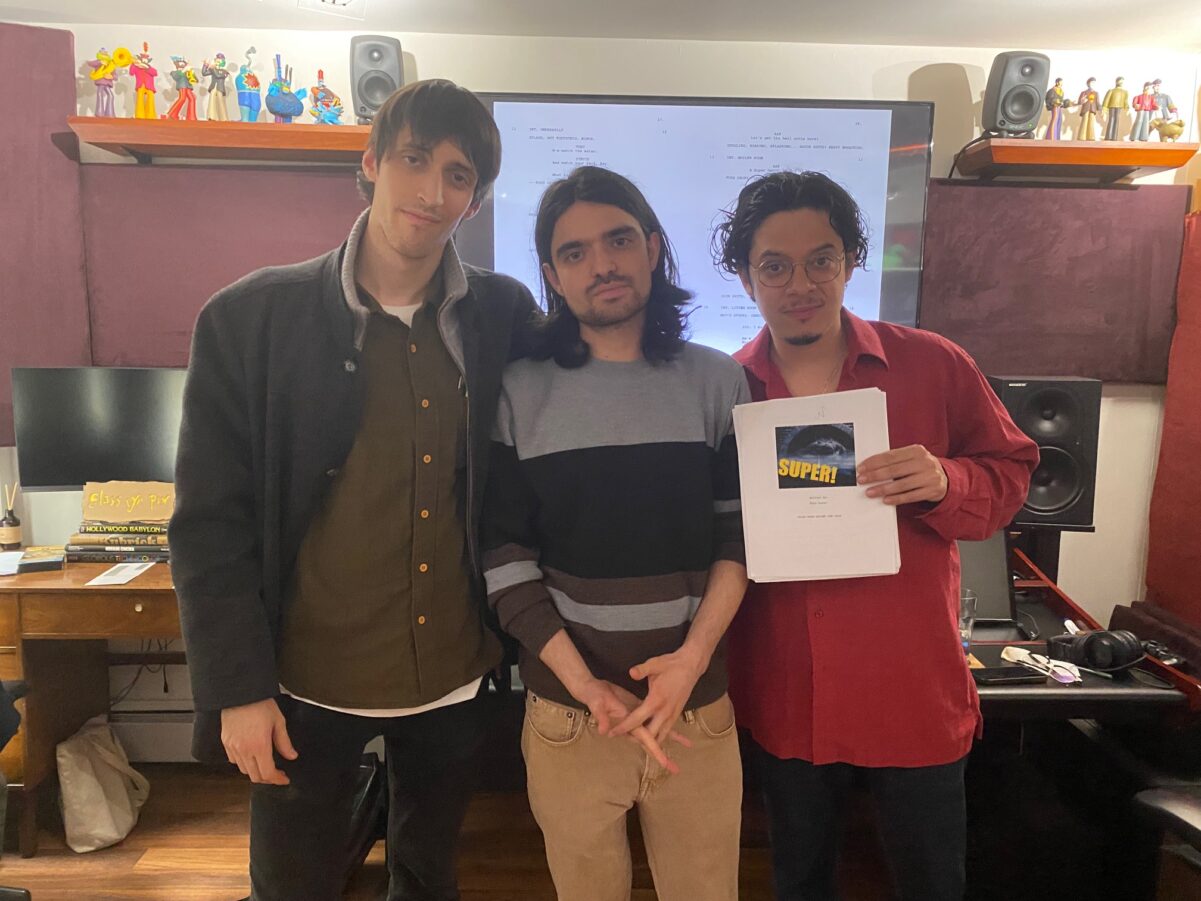
TALES DISPATCH: Rigo Garay on “SUPER!”
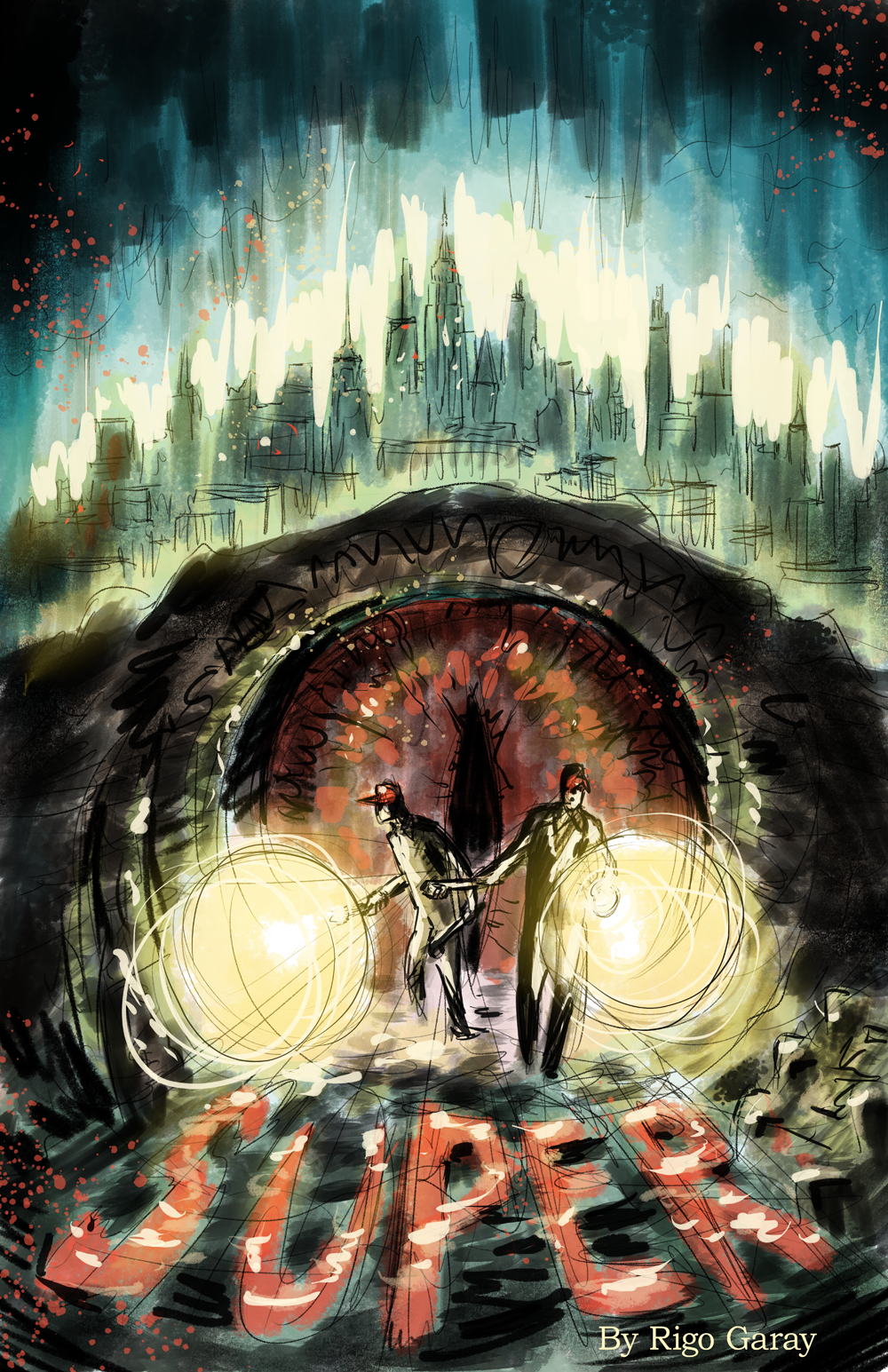
As a kid, I was fascinated by the urban legend of alligators in the NYC sewer. I looked into the myth, discovering testimonies of people spotting the reptiles in ponds. I even read a story about a guy who flushed an alligator he got at the circus down the toilet back in the 60’s. Owning a prehistoric reptile as a pet is a lot of responsibility, and being responsible isn’t always guaranteed to be a part of human nature.
SUPER! is a satirical take on how the Left views the Right and how the Right views anyone who isn’t them. But more importantly, SUPER! is a celebration of all the different inhabitants of New York City. Lefty, Righty, immigrants, patriots, blue-collar and the unemployed, at the end of the day, we’re all just Gator food.
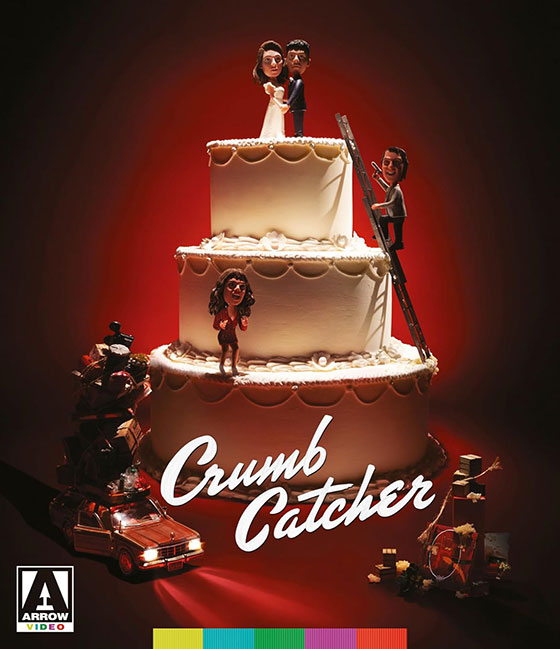
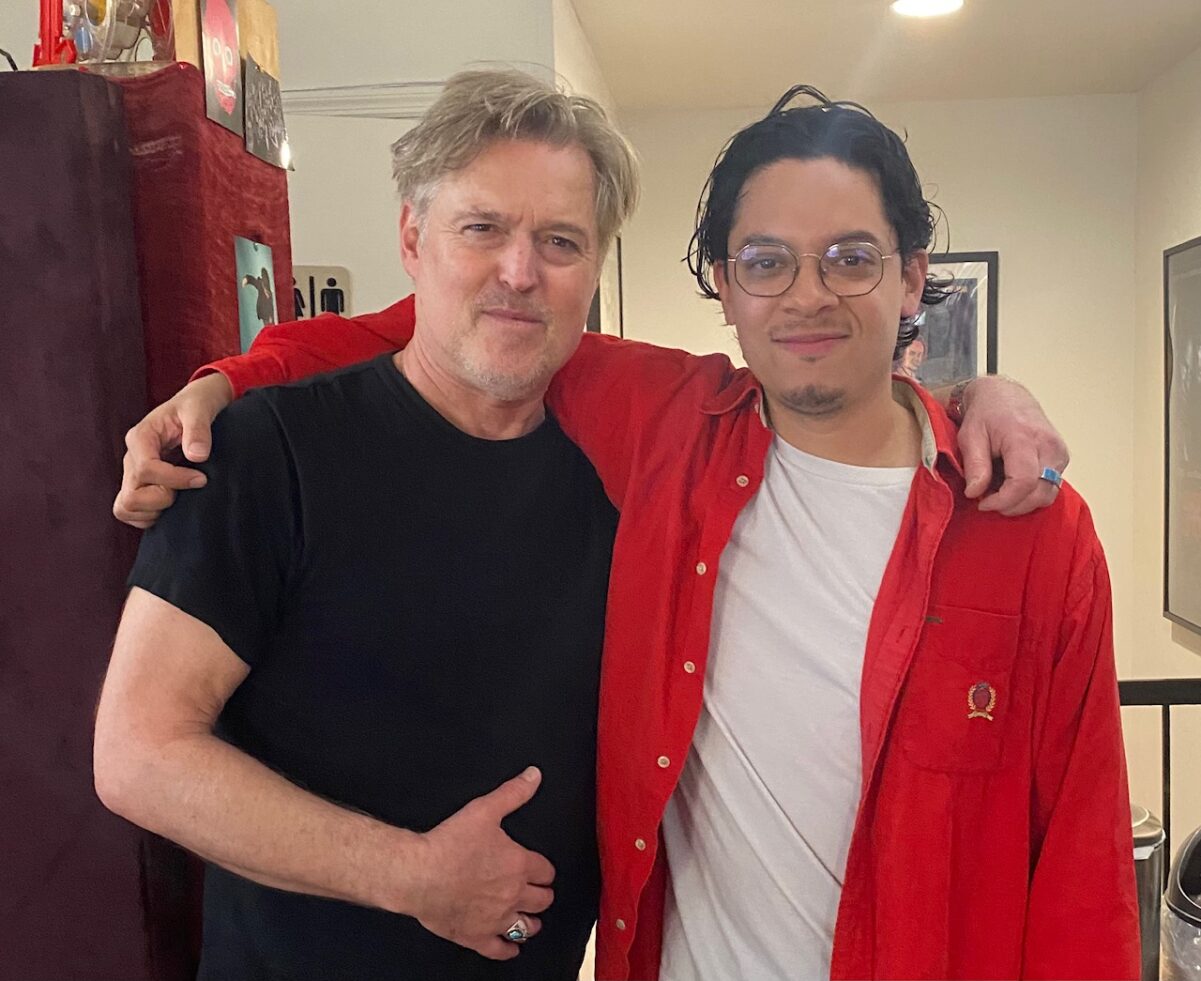
There’s a slew of acting gold in current day NYC, you just gotta mine for it. I’m a fan of Bill Sage, he came on to the scene in that era of 90’s New York auteur cinema that I admire. I brought on Lorraine Farris who I acted with in Crumb Catcher. On set I would say to myself “I gotta cast her in something someday”, I’m glad I finally did. It tickles Fessenden when I would mention my favorite Glass Eye movie is Liberty Kid, so naturally I had to cast Kareem Savinon. Actor Dante Fiallo and Cartoonist/Filmmaker/Actor David Cardoza are a filmmaking duo, so I paired them up as the boiler guys, and then there’s Romanichel who is the only cast member to play 2 different roles in 2 different languages.
Matt Rocker Sound Designed the Tale. We used his extensive sound library to really bring out that NYC vibe. For Stevie’s kid voice, we took a page out of South Park and pitched my voice up. Rocker used a fancy program which basically allowed us to speak into the mic and it translated into alligator growl. All the gator noises you hear are Rocker snarling into a mic, it was a fun day at work.

I grew up going to Hip-Hop and Hardcore shows, so I have a fondness for gritty, live music. That’s what I wanted for the score, a guy shredding on an electric guitar. I approached Jack Fessenden to write a score and record it with Rocker, who both have a history in playing in bands. It was a hell of a jam session, it felt like we were recording a punk album, that’s until Larry, Jack, Matt and I hummed “Glory, Glory, Hallelujah” in acapella.
This one is dedicated to Larry Cohen.
—Rigo Garay
February 12, 2026
Share:
TFBTP presents Rigo Garay’s SUPER!
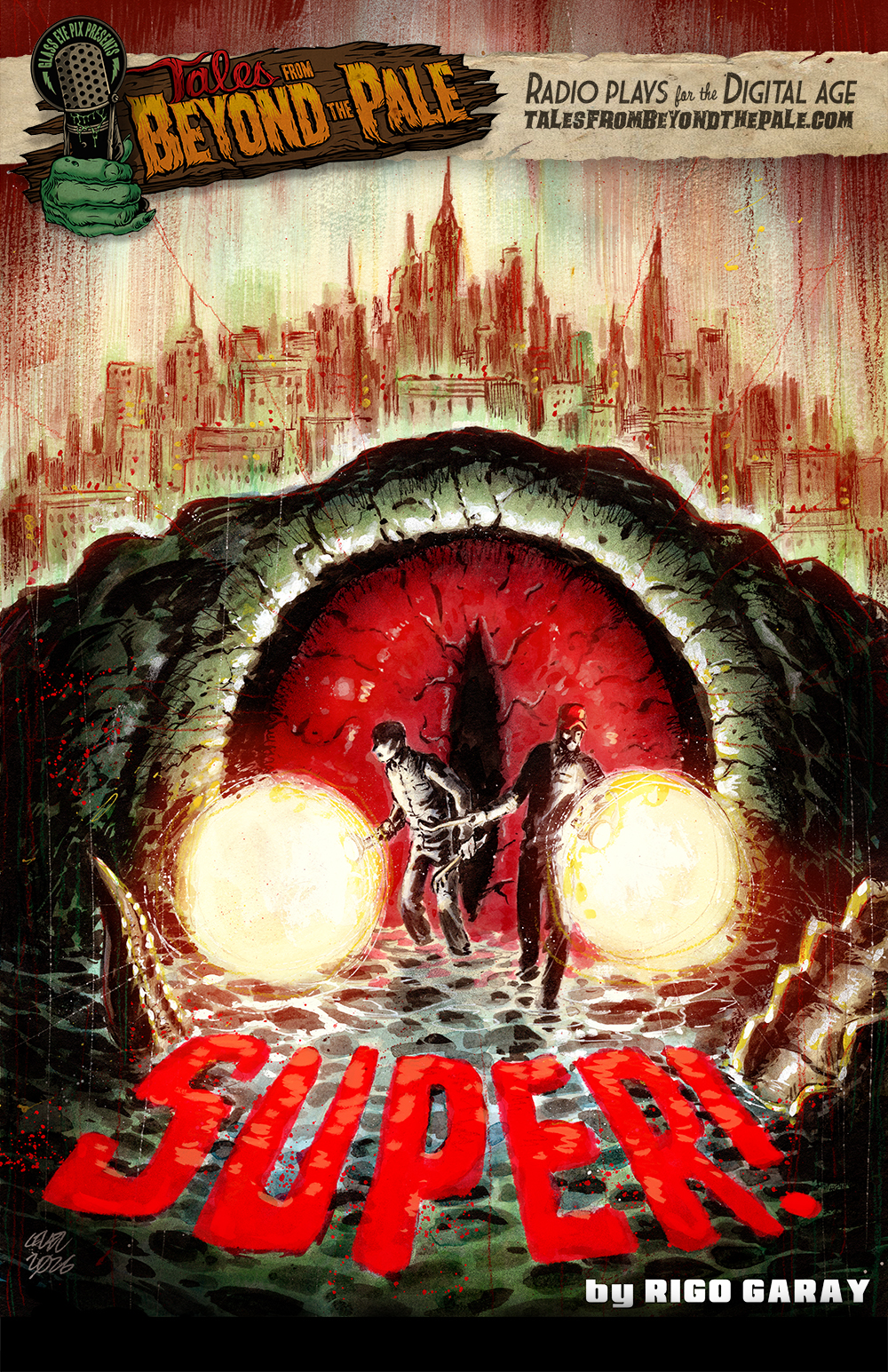
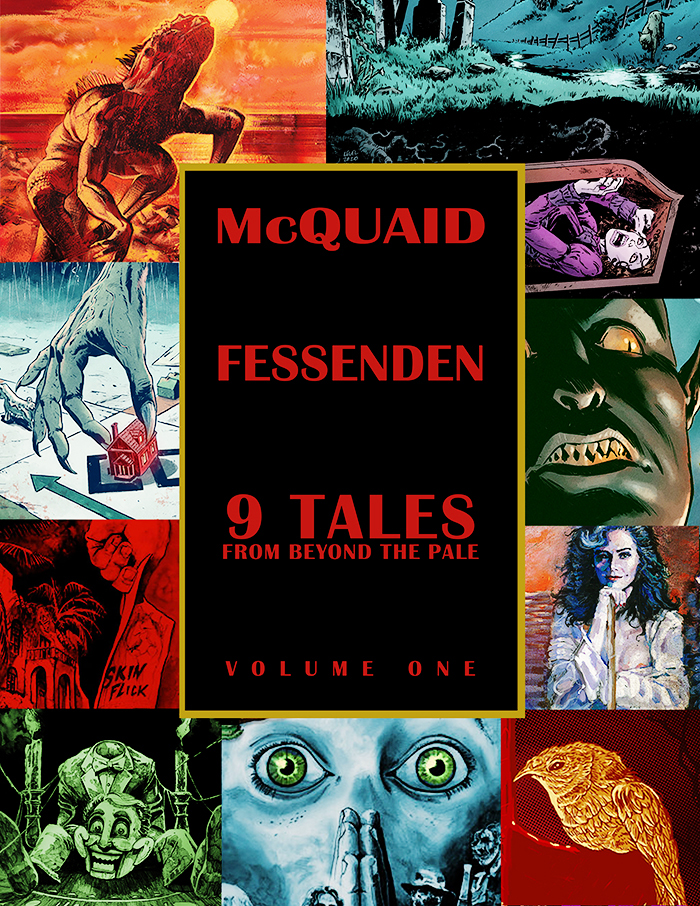
TALES FROM BEYOND THE PALE Season 6 Episode 4
“SUPER!”
A New York City building Superintendent encounters a Super Gator on the night of the Super Bowl.
writer & Director Rigo Garay
Cast: Bill Sage, Rigo Garay, Lorraine Farris,
Kareem Savinon, Dante Fiallo, David Cardoza, Romanichel, Jessalyn Abbott
Composer: Jack Fessenden
Sound design and additional music by Matt Rocker
Produced by Larry Fessenden and Glenn McQuaid along with Jordan Gass-Pooré and Rigo Garay.
Poster by Brian Level.
Visit TALES FROM BEYOND THE PALE for all 50 TALES, VIDEOS, PHOTOS & More