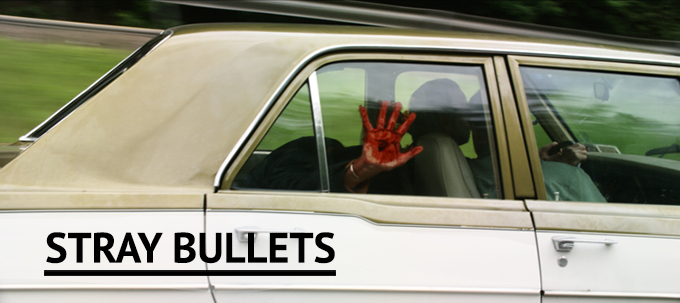
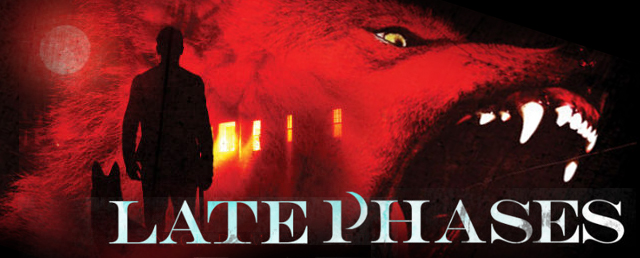
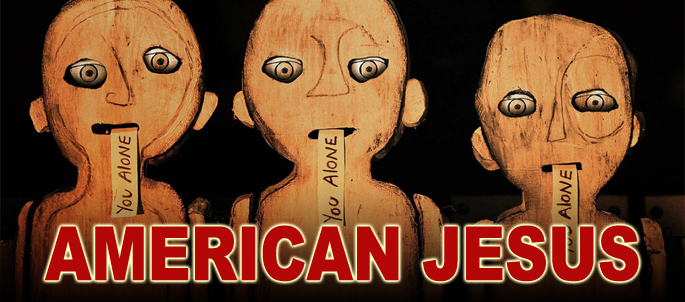
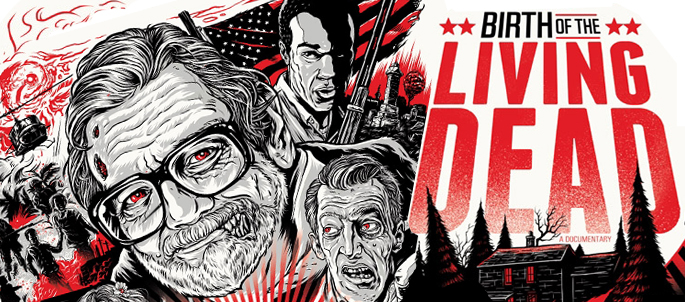
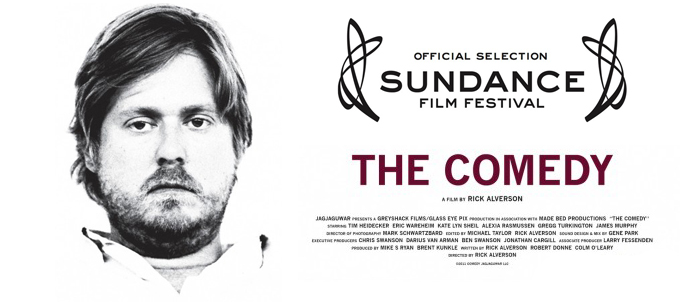
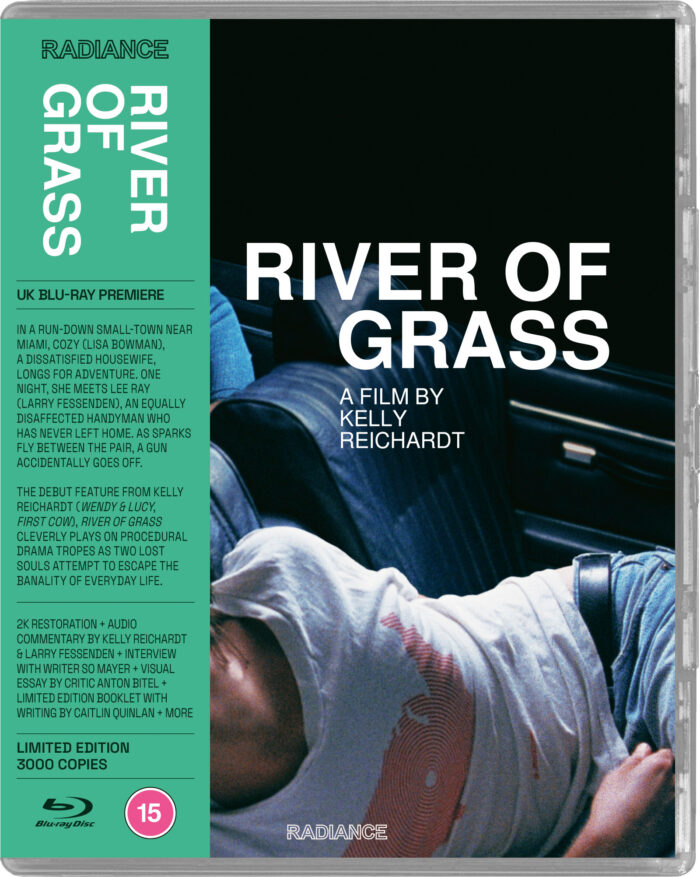
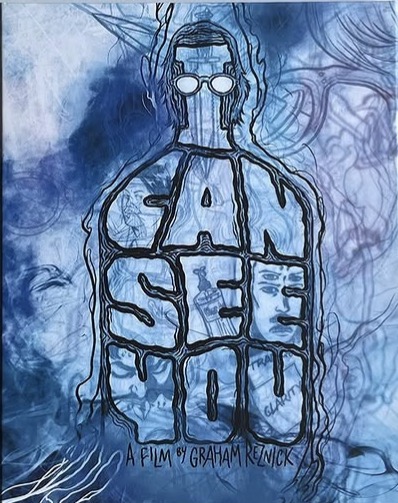
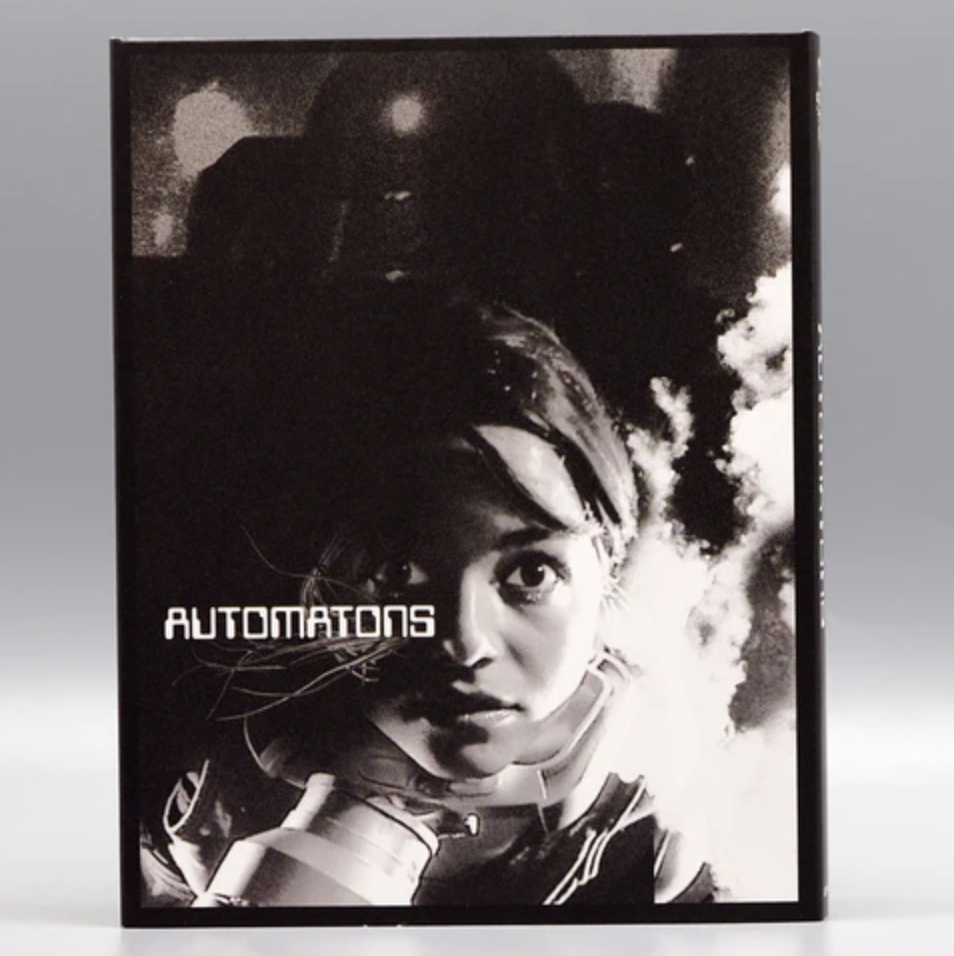
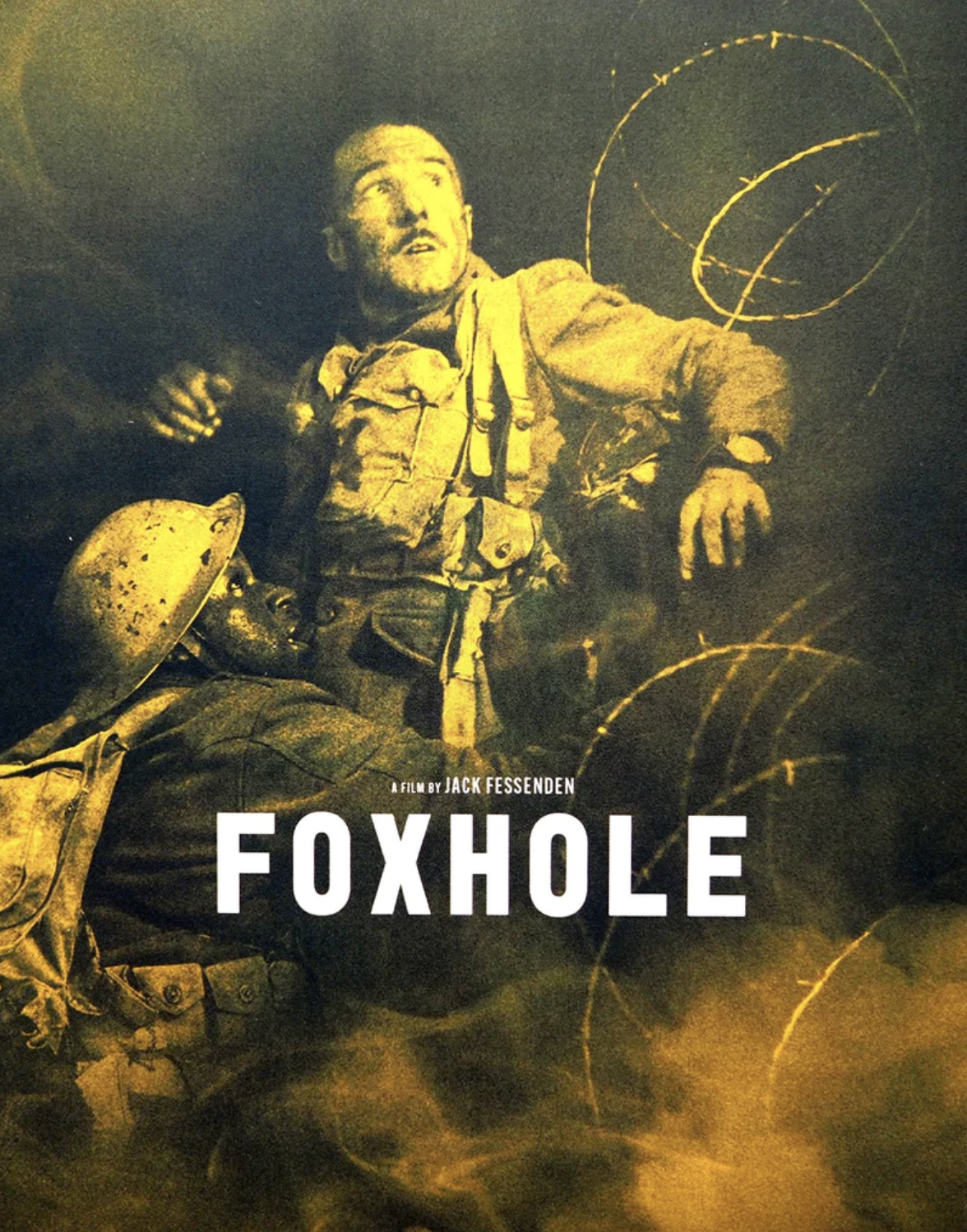
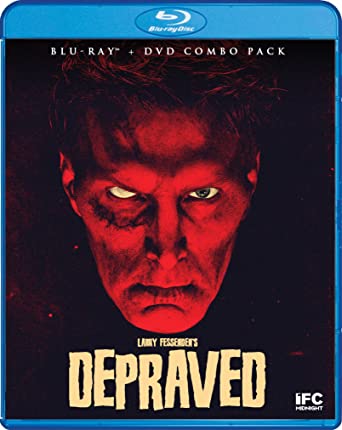
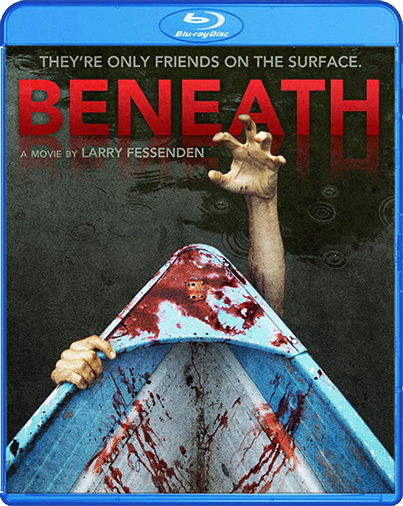
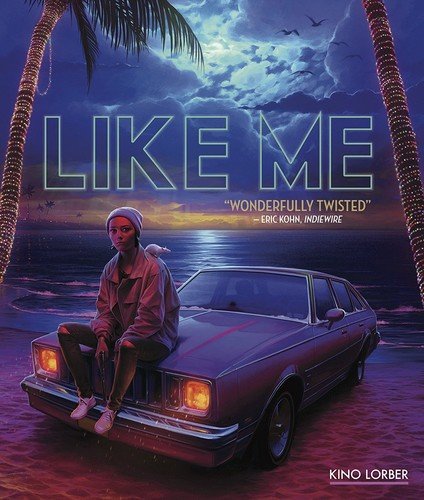
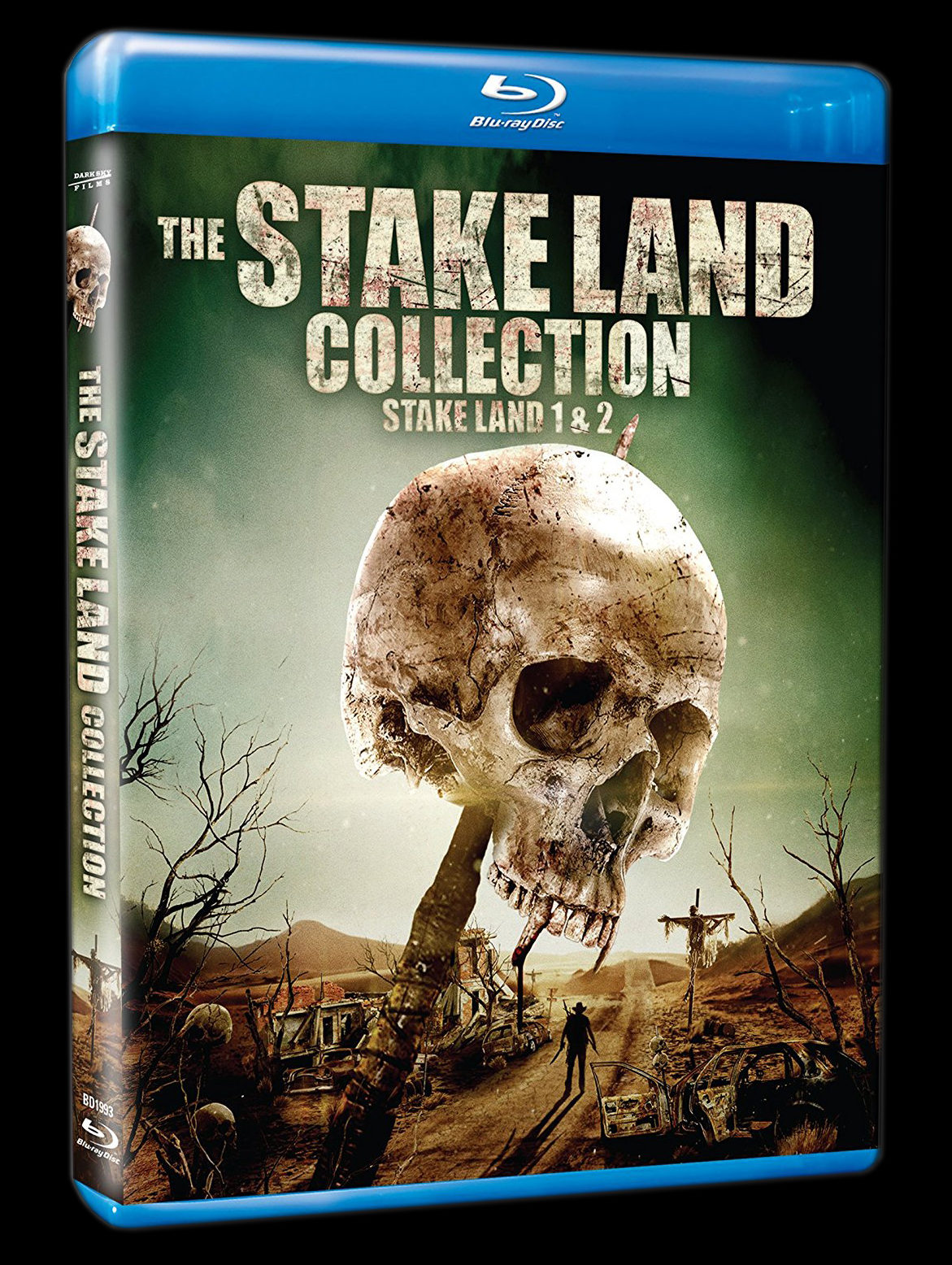
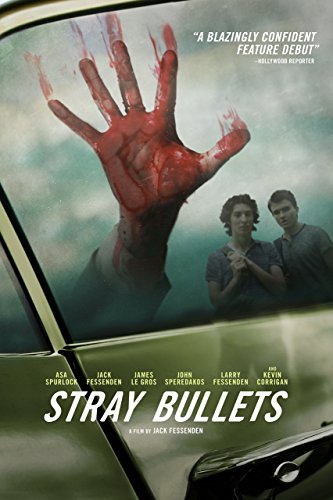
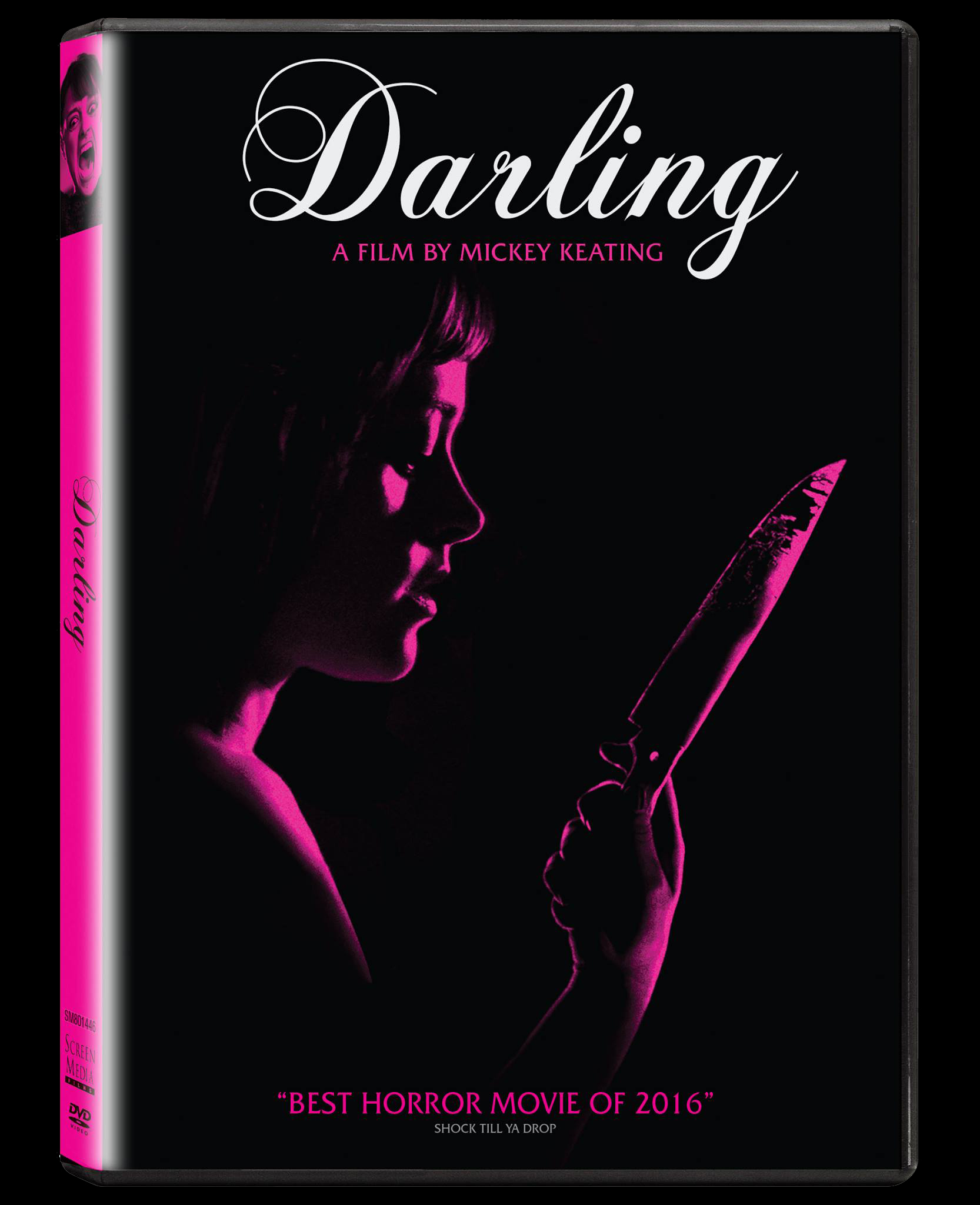
Description: In a run-down small-town between Miami and the Everglades, Cozy (Lisa Bowman), a dissatisfied housewife, longs for an adventure. One night, at a nearby bar, she meets Lee Ray (Larry Fessenden), an equally disaffected handyman who’s never left home. As sparks fly between them, a gun accidentally goes off. Thinking they have committed murder, the pair decide to flee, but their naive natures and limited bank balances mean they don’t get very far. Cleverly playing on procedural drama tropes, Kelly Reichardt’s remarkably assured debut feature showcases her keen eye for observing the unsaid in this story about the stories we tell ourselves to escape the banality of everyday life.
Special Features and Technical Specs:
2K RESTORATION by Oscilloscope Laboratories
Uncompressed stereo PCM audio
Audio commentary by Kelly Reichardt and Larry Fessenden
Audio interview with writer and curator So Mayer (2024)
Larry Fessenden: Invisible Man, Renaissance Man, Monstrous Midwife – a visual essay by critic Anton Bitel on the career of actor and producer Larry Fessenden including his work with Reichardt and other independent filmmakers (2024)
“Drive-by” outtakes
Restoration featurette
Trailer
Optional English subtitles for the deaf and hard of hearing
Reversible sleeve featuring original and newly commissioned artwork by Time Tomorrow
Limited edition booklet with new writing by Caitlin Quinlan
Limited edition of 3000 copies, presented in full-height Scanavo packaging with removable OBI strip leaving packaging free of certificates and markings
10 Best Movies Set In Alaska, Ranked By Rob Hunter
Every state has its own histories, landscapes, and stories worth telling, but some lend themselves to more visually stimulating tales than others. There are bland-looking states that shall remain unnamed, and then there are ones that feel intriguing and inviting no matter which way the camera’s pointed. Hawaii is an obvious pick on that count, but Alaska gives it a real run for the top spot. It is an endlessly stunning place to be with natural beauty staring you down from every direction. That beauty can come at a cost, though, as nature can be both unrelenting and unforgiving.
That reality, when coupled with the vast size of the state and a sparse population, leaves it ripe for drama, danger, and stories about isolation both intentional and otherwise. It’s a place where a detective can be driven mad by the lack of night (“Insomnia”), a humorously inappropriate romance can take hold (“The Proposal”), and an amateur hockey team can win big (“Mystery, Alaska”). None of those films landed in our top 10 movies set in Alaska, though, so keep reading to see what titles made the cut.
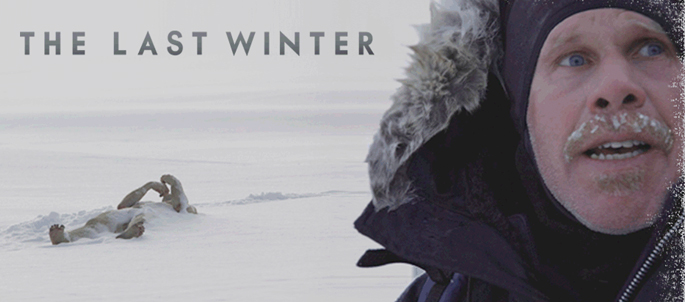
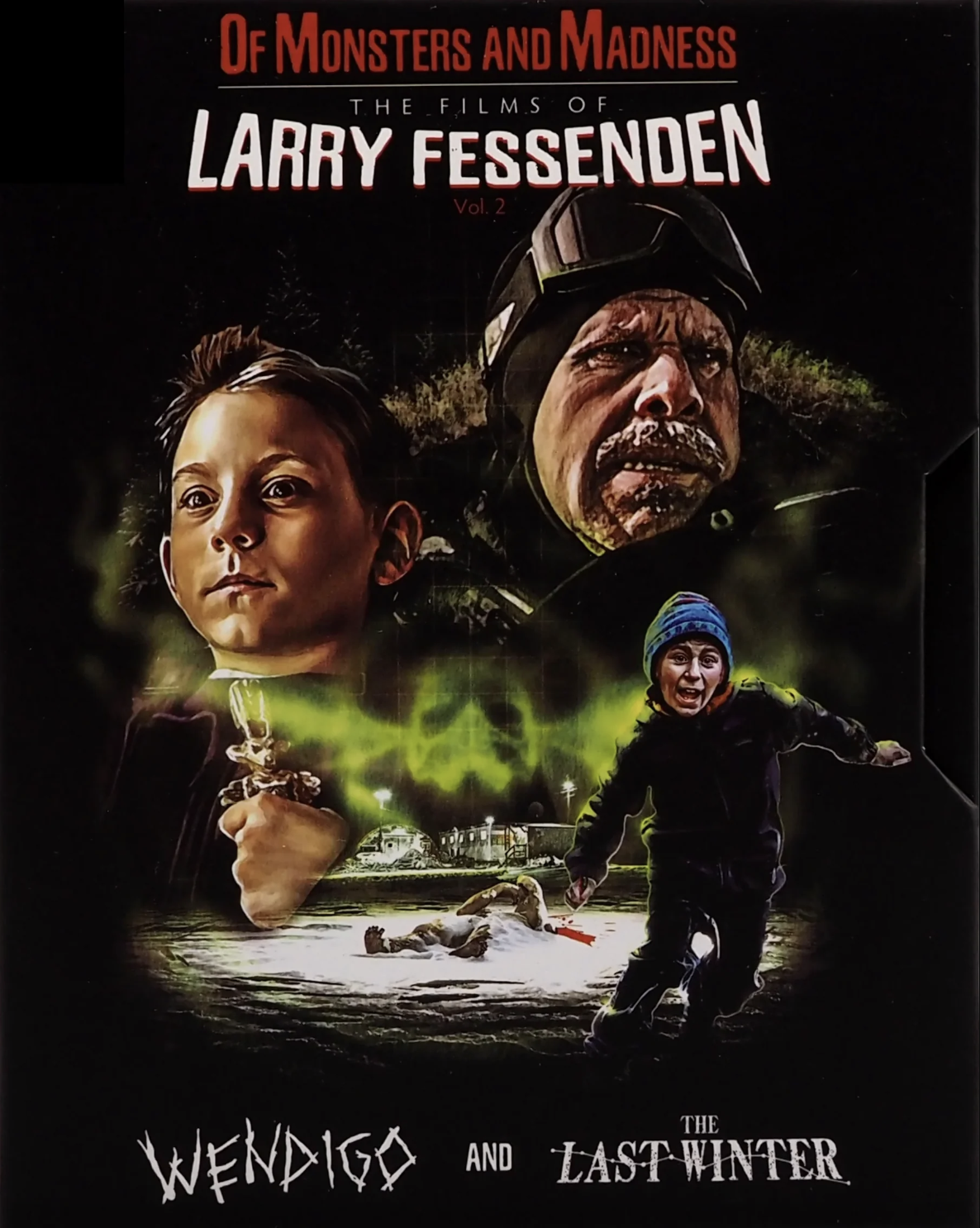
#9 THE LAST WINTER
A small group of oil company employees work to establish a base in the Arctic National Refuge with plans on drilling for black gold. The earth and nature itself seem to have other ideas.
Comparisons to John Carpenter’s masterpiece, “The Thing,” are inevitable given the location and setup, but these are wholly different beasts. The alien threat in Fessenden’s film comes from within, and it rises in a slower, far from tangible form. The only monster here is humankind’ voracious appetite for environmental destruction, and as the Earth strikes back with madness and paranoia, it serves to highlight our absolute culpability in the climate change that might ultimately be our downfall. Fittingly then, it’s a downer of a film serving as a cautionary tale even as it suggests we’re too late to fix the problem.
Larry Fessenden’s “The Last Winter” wears its eco-horror label loud and proud in the guise of a slow-burn thriller that scratches a very specific genre itch. Cinematographer G. Magni Agustsson takes fantastic advantage of filming locations in Alaska and Iceland to capture the stark beauty of an unforgiving landscape. The cast does great work giving the group a lived-in feel with familiar faces like Ron Perlman, Connie Britton, and James Le Gros as the one who first suspects that Mother Nature is done taking crap from humans. As with “The Thing,” the ending is a bit ambiguous, but we know one thing: A change is needed.
FINDING THE MAGIC: Jenn Wexler on her approach to filmmaking,The Ranger and The Sacrifice Game by Paul Risker
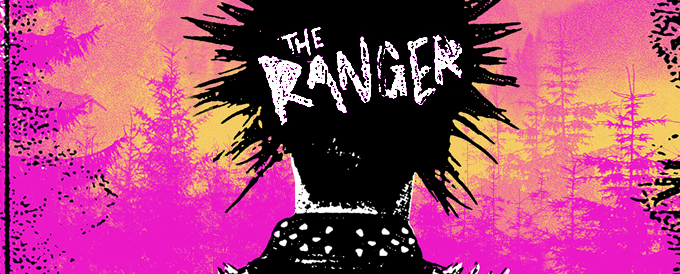
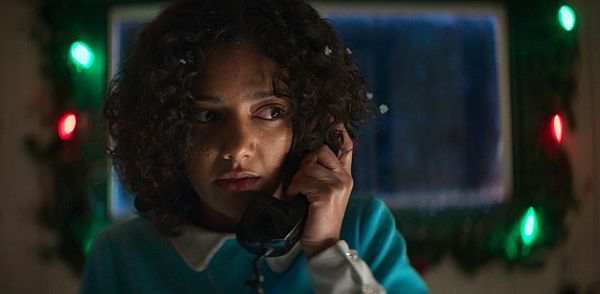
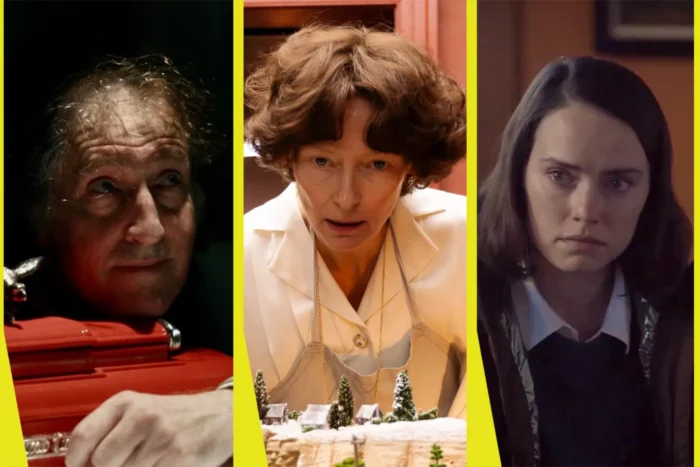
After opening the 2018 edition of FrightFest with her début feature, The Ranger, filmmaker Jenn Wexler’s 2023 sophomore feature, The Sacrifice Game (2023), was chosen to close the festival. It’s a remarkable privilege to have opened and closed the UK’s most prestigious genre festival only two films into her directing career.
In August 2023, in London, I sat down with Wexler to discuss the Christmas-themed The Sacrifice Game — hours before she was due to walk on stage and introduce the film to the West End audience.
The striking thing about Wexler is her layered presence. While outgoing, you can sense an introverted side to her personality—her self-reflective nature, perhaps. Talking with her, you realise that there’s a piece of her folded into her films, which reminds me of something filmmaker Rebecca Miller told me: “…if they are made honestly, all pieces of art are self portraits of the person making them. Even though film is such a collaborative art, if there is a real auteur behind it, then that person imbues the film with who they are, and what their concerns are at that moment.”
As entertaining as The Ranger and The Sacrifice Game are, there’s something personal, even a vulnerability imbued in their souls. The two films share similar beats, namely a group of characters finding themselves in an unexpected situation. Beyond that, and other similar thematic beats that are revealed to interest Wexler, the director carefully ensures the two films have their own identity.
In conversation with Eye For Film, Wexler discussed her creative process, concerns about an AI apocalypse, her enduring interest in horror and why she doesn’t want to work outside the horror space.
Paul Risker: I remember speaking to a director who remarked that the term ‘filmmaker’ is a strange and slightly ambiguous one. I’ve spoken with others who say that it took a number of films before they felt they could call themselves a filmmaker. Do you feel that you can call yourself, if not a filmmaker, then a director?
Jenn Wexler: I feel like a filmmaker, and I proudly call myself one. Before I directed my first feature, The Ranger, I’d produced six features. I learned how to make movies as a producer, working for Larry Fessenden’s production company, Glass Eye Pix, out of New York.
I love the term filmmaking because there’s a connotation to it that you’re making something — and especially making indie movies at Glass Eye Pix, it felt like we were making a movie with our own hands. I loved that vibe and sense of community, where people come together to create something out of nothing.
Certainly now, I feel I can call myself a director after my second feature, and also before The Ranger and The Sacrifice Game, I had directed shorts. So, I feel confident calling myself a director, but I prefer the term filmmaker because, especially in the indie world, you’re doing a lot. You might not just be directing. There might be a little bit of producing in there too, and writing. Filmmaker is a great catch-all.
PR: Filmmakers I’ve spoken to have compared the experience of making a film to going to war or having a baby, and they frequently suggest making films is addictive. What are your thoughts on these chosen metaphors to describe the process?
JW: I don’t feel it’s like going to war. I find filmmaking so joyful. I’m so happy when I’m making a movie, and as soon as I receive the green-light, as soon as I know we’re doing this, from prep through post-production, I am so happy and fulfilled. It’s exciting to have the privilege to explore art and to create. I try not to take it for granted and I try to find the magic in every phase of the process
…
PR: The problem with modern horror is it can be too message-orientated. Cinema can be a Trojan Horse, addressing themes and ideas in a less direct way. The outsider themes and finding one’s place in The Sacrifice Game don’t compromise it being a fun genre picture. Instead, the subtext is gently communicated to the audience.
JW: My favourite horror movies do that and what’s so wonderful about the horror genre is that you can tell a really entertaining story, and also talk about the world through metaphor or character. So, with The Ranger and with The Sacrifice Game, I think about that balance. You don’t want to be too heavy-handed, of course, because more important than anything else is telling an entertaining story, but yeah, I’m trying to pour myself into the movie. Instinctively, what comes along with that are the things that I have anxieties about.
PR: If as you say, you filter the film through your traumatic experiences, then The Sacrifice Game is an act of self-compassion. What’s so striking is how you’re able to create an entertaining genre picture, and beneath the surface, have so much more happening.
JW: What is so beautiful about art is that you’re doing something on the surface and while you’re doing this, your subconscious is doing other stuff, and it’s going to come out in surprising ways. You look at it after and think, ‘Oh, that’s something I am dealing with, okay.’ But not all of it is in the front of your mind when you’re actually making it, and it’s cool to hear you put it in those words. I find that process fascinating.
The Sacrifice Game and The Ranger are available on Shudder.
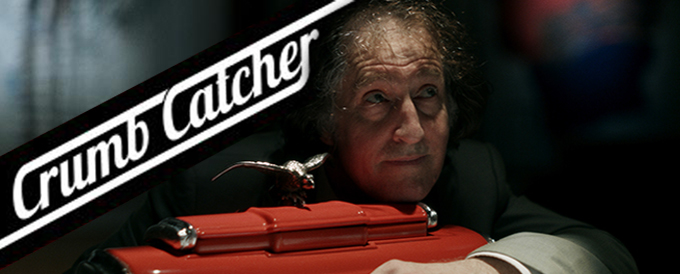
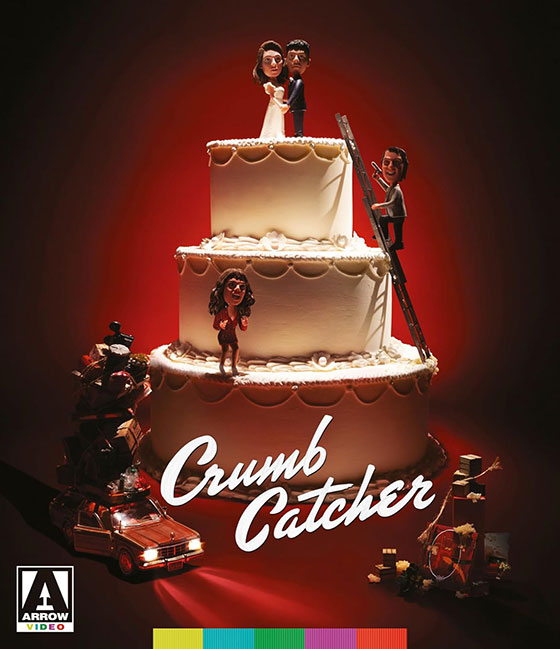
Chris Skotchdopole’s Crumb Catcher delivers a clever take on what I affectionally refer to as the “weirdos just showed up at your house” subgenre. It sifts through the tensions of class, career, race, gender, capitalism and ownership.
By the time newlyweds, Shane (Rigo Garay), a writer, and Leah (Ella Rae Peck) stay at a remote house for their honeymoon, tensions are already high between the two over Shane getting blackout drunk on their wedding night, unable to remember what transpired. Shane’s reservations over the book deal Leah helped him secure, Leah’s decision not to invite Shane’s father to their wedding, and her feeling over shared ownership of Shane’s career drives a further wedge between the two.
Tensions boil over when a knock at the door finds the pushy waiter John (John Speredakos) from their reception on their doorstep, with a one-of-a-kind invention in tow. Accompanied by his girlfriend, Rose (Lorraine Farris), a bartender who also worked the reception, John attempts to blackmail Shane and Leah over what transpired during Shane’s blackout. Without them as his business partners, there will be no money or names to generate interest in his revolutionary invention, The Crumb Catcher.
While John and Rose’s appearance initially results in an uncomfortable and absurd comedy of manners, tensions grow, and the situation devolves into unhinged lunacy as Shane and Leah are forced into a bloody fight for their lives. Deranged, topical, and surprisingly tender, even in its moments of violence, Crumb Catcher is a highlight of indie filmmaking, showcasing just what can be accomplished with an original idea, talented collaborators, and a vision that finds honesty in the messes people can make of their lives.
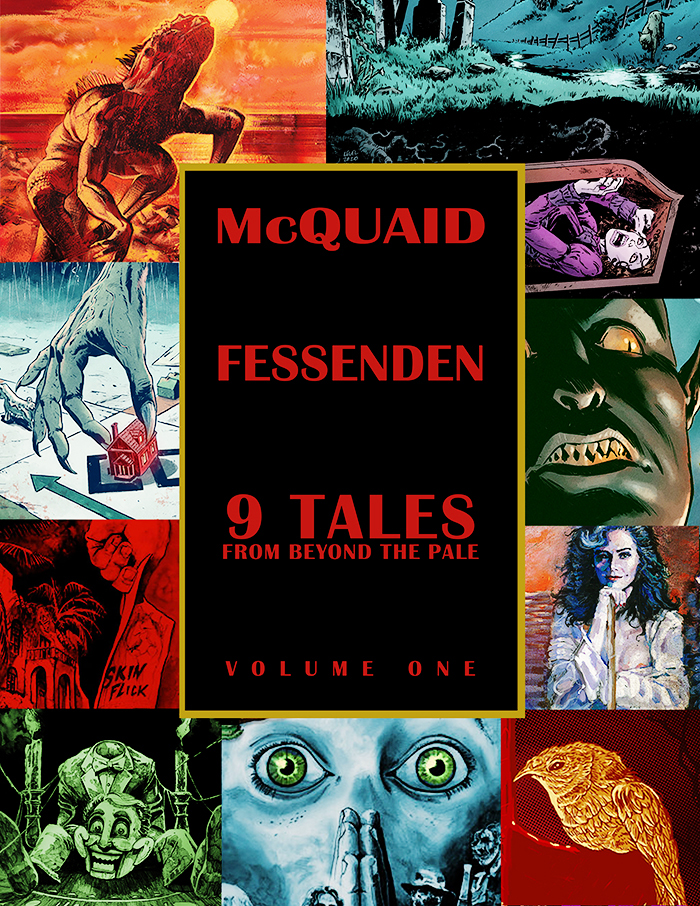
New album by Just Desserts New Tales From Beyond The Pale New releases hitting theaters New Physical Media of Old Titles New productions getting underway and 40th anniversary shenanigans… stay tuned…
Directed by Chris Skotchdopole; written by Chris Skotchdopole, Larry Fessenden, & Rigo Garay; starring John Speredakos, Rigo Garay, Ella Rae Peck, & Lorraine Farris
The last eight years of American political cinema contains its share of movies adapted from history and headlines, with little mystery about intent left to the imagination. Chris Skotchdopole’s unhinged debut Crumb Catcherheads the opposite direction: the film doesn’t betray itself by declaring outright what, or who, it’s “about.” You have to work that out yourself.
Honeymooners Shane (Rigo Garay) and Leah (Ella Rae Peck), plagued by implied, stewing tensions, put their friction on pause when their rental house is called on by uninvited guests: John (John Speredakos), a waiter at their wedding reception, and his wife, Rose (Lorraine Farris). They’ve stalked the newlyweds to offer them a once in a lifetime opportunity to get in on the ground floor of the next consumer craze — or else. Crumb Catcher is a nail-biting ode to American failure, where side-hustle-and-grind entrepreneurship synthesizes with the insecurities wrought by our bootstraps mentality; it’s a chiller about entitlements and unearned outrage that’s attuned to our times through black comic plotting.
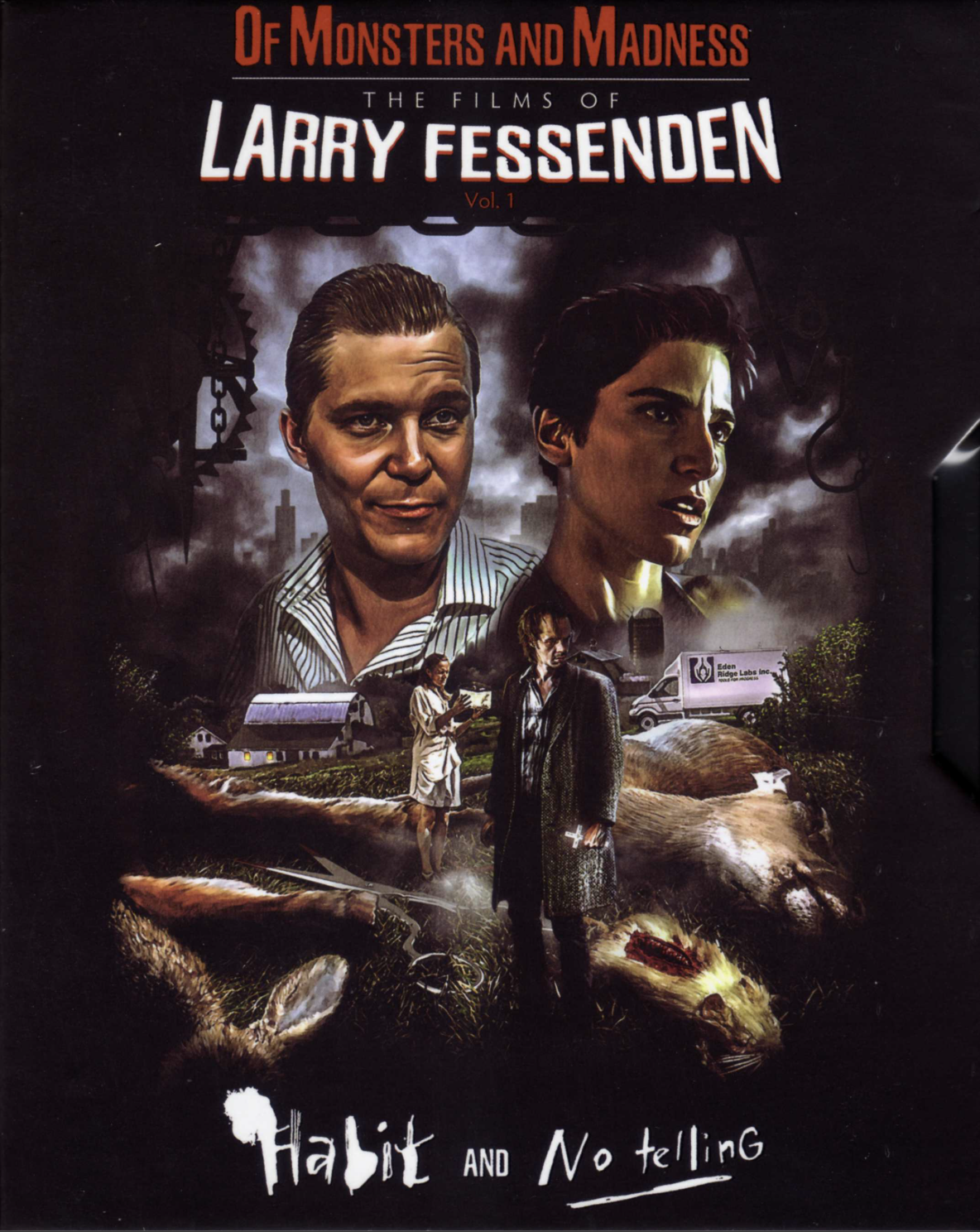
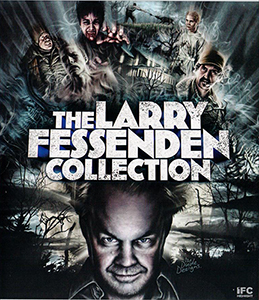
Larry Fessenden is among the most fiercely independent filmmakers working in the American genre cinema today—and, not coincidentally, one of its chronically undervalued. Even as his New York-based Glass Eye Pix has backed filmmakers like Ti West, Jim Mickle, and Kelly Reichardt in breaking through, Fessenden himself has continued to operate at a low-budget level, where his chillingly atmospheric features—all monster movies, to some degree—have for decades observed the philosophical struggle of people to know themselves in the face of larger socioeconomic and environmental collapse. Together, films like vampirism-as-addiction allegory “Habit” and climate-change reckoning “The Last Winter” comprise a singular, deeply personal body of work; individually, they’re all striking, emotionally resonant studies of the beast within.
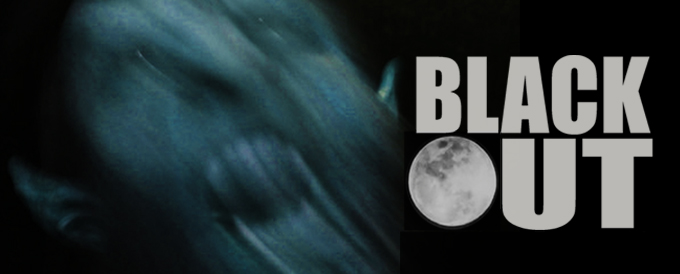
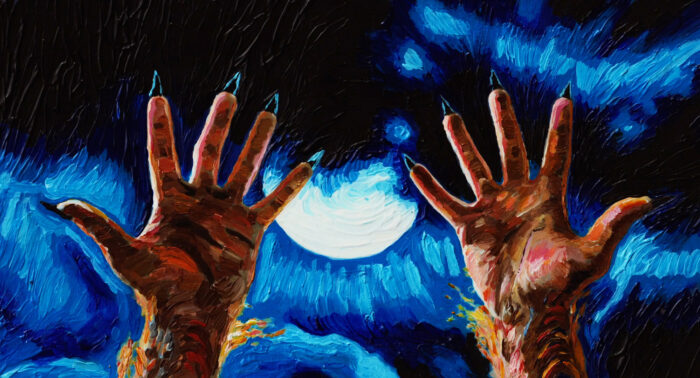
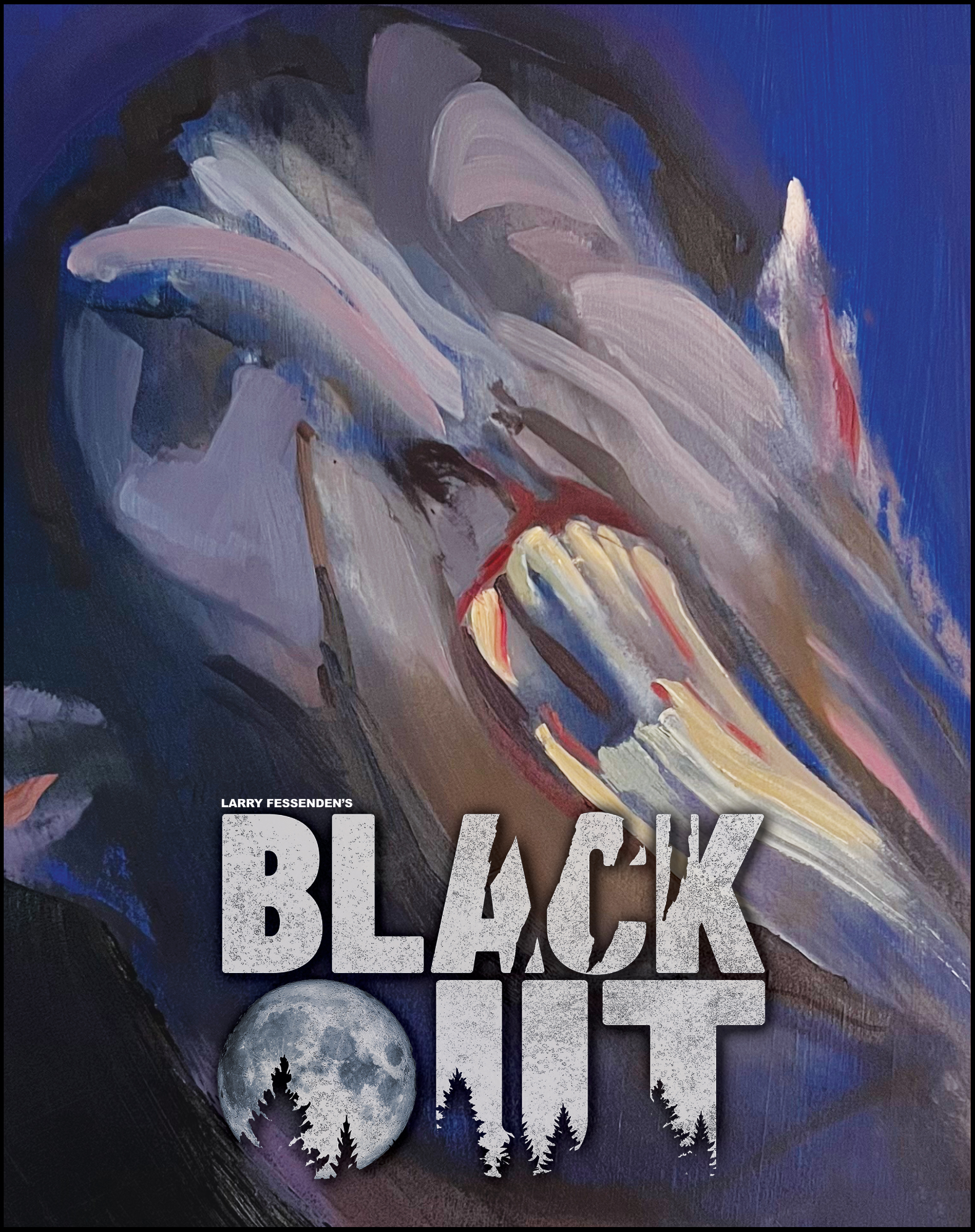
“Blackout,” released quietly to VOD this year, is perhaps Fessenden’s most haunting and poignantly hand-crafted creature feature to date—a werewolf film where an existentially afflicted outsider (Alex Hurt), having contracted the curse amid grieving his father’s death and separating from his partner, falls back into an old drinking habit and enters a downward spiral. With his liberal upstate New York community besieged by politicians who exploit voters’ fears of the Other for their own financial gain, exposing a rot in the heart of small-town America, our protagonist is caught between skipping town and standing up for what’s right — even as his efforts to suppress his animalistic instincts, and the self-loathing he’s felt all his life, make “Blackout” blurrier than a study in good and evil. That our protagonist is a painter, specializing in nature scenes that grow more violent and abstract as he transforms, gives “Blackout” an ingenious device through which to explore art as an outlet for anguish, as a mirror to the soul.
Fessenden’s long been fascinated by perversions of the psyche, and by the sorry state of a world filled with such damaged individuals; his “Blackout” is personal and political in the way of all enduring horror. – Isaac Feldberg
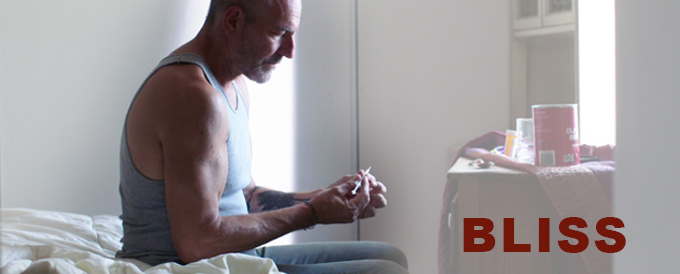
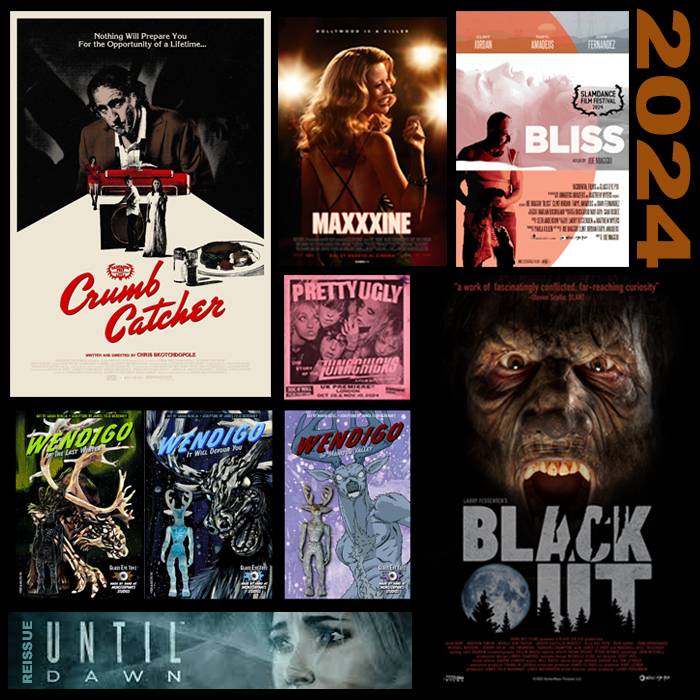
BLISS by Joe Maggio premieres at Slamdance 2024 coming to theaters in 2025: a Glass Eye Pix co-production
BLACKOUT by Larry Fessenden releases in theaters and on Blu-ray through long-time collaborator MPI
CRUMB CATCHER by Chris Skotchdopole; a Glass Eye Pix Production releases in multiple theaters and Drive-Ins through Doppelgänger Releasing Coming to Blu-ray on Arrow in 2025
Ti West’s MAXXXINE opens wide across the US through A24 Featuring Fessenden
Fessenden and Graham Reznick-scribed Bafta-Winning Video Game UNTIL DAWN Re-released for PS5 and PC
Ilya Chaiken’s documentary PRETTY UGLY unspools at international Festivals.
JOHN MITCHELL MIND OF AN ARTIST documents the years-long collaboration between painter John Mitchell and filmmaker Larry Fessenden that resulted in Fessenden’s werewolf movie BLACKOUT. Mitchell describes themes and influences and the lifelong artistic journey that lead him to create over 100 paintings and drawings for the film, drawing parallels and connections between seemingly disparate art forms and traditions from Bernie Wrightson, Vincent Van Gogh, Martin Scorsese, Francis Bacon, Rembrandt, Goya, and THE TEXAS CHAINSAW MASSACRE. Interviews and Camera by Rigo Garay; Producer and Edit by Larry Fessenden; Glass Eye Pix 2024.
Halloween may be in the mirror, but a bonkers horror comedy has been part of Netflix’s top ten for most of the month of December, and it might just be the strangest success story of the month. The Dead Don’t Die isn’t a straightforward zombie comedy like Shaun of the Deadand manages to go even further than the absurdist zombie film Fido with twists that are impossible to see coming. Granted, they’re impossible because the director, Jim Jarmusch, upends everything that’s expected from a typical zombie film and replaces it with the type of bitter, sardonic black comedy you don’t expect from such a star-studded celebrity cast.
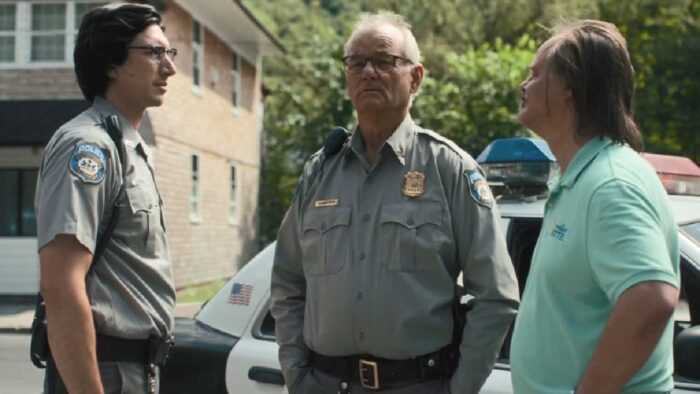
Trying to describe the actual plot of The Dead Don’t Die is futile. It starts off normally enough, with two police officers investigating a report of missing animals, and then they start to notice strange things, like how a watch has suddenly stopped working. Background news reports hint at what’s happening before zombies start to rise from the ground and begin feasting on the living residents of Centerville.
From that simple beginning, The Dead Don’t Die quickly spirals wildly out of control, shattering the fourth wall for one brief, well-earned hysterical moment. The two Centerville officers, Cliff and Ronnie, are played, respectively, by Bill Murray and Adam Driver, in a film pairing I never knew I needed to see before this film, but now consider it one of the greatest cross-generation pairings of all time. No matter what’s going on around them, Murray and Driver maintain the same deadpan delivery from start to finish, like how Farmer Miller doesn’t deserve to be warned about the zombies or how Ronnie has an affinity for Mexicans.
…
Netflix’s top ten usually includes the latest original movie that’s getting pushed hard by the algorithm, a major new release or two, and usually a seasonal film. What it typically doesn’t feature, and especially not in the top five for over a week, is a film like The Dead Don’t Die that would be described by your average moviegoer as “weird.” The reason I mention a fourth wall break is because that’s not even the weirdest thing that happens during the film, and after watching it again, I’m even more impressed that it’s enjoying such a surge of popularity since it means that there’s hope that your average Netflix subscriber actually has good taste.
A Rare Original Movie
The Dead Don’t Die is an easy recommendation for anyone who’s seen more than one zombie movie or if you want to watch something that dares to be different, takes chances, and is the exact opposite of the movies seemingly designed by focus groups that have plagued theaters for the past decade. Bill Murray and Adam Driver’s zombie flick won’t make you scream in terror, but it will make you laugh, and a few of the kills might make you cringe, but it will surprise you.
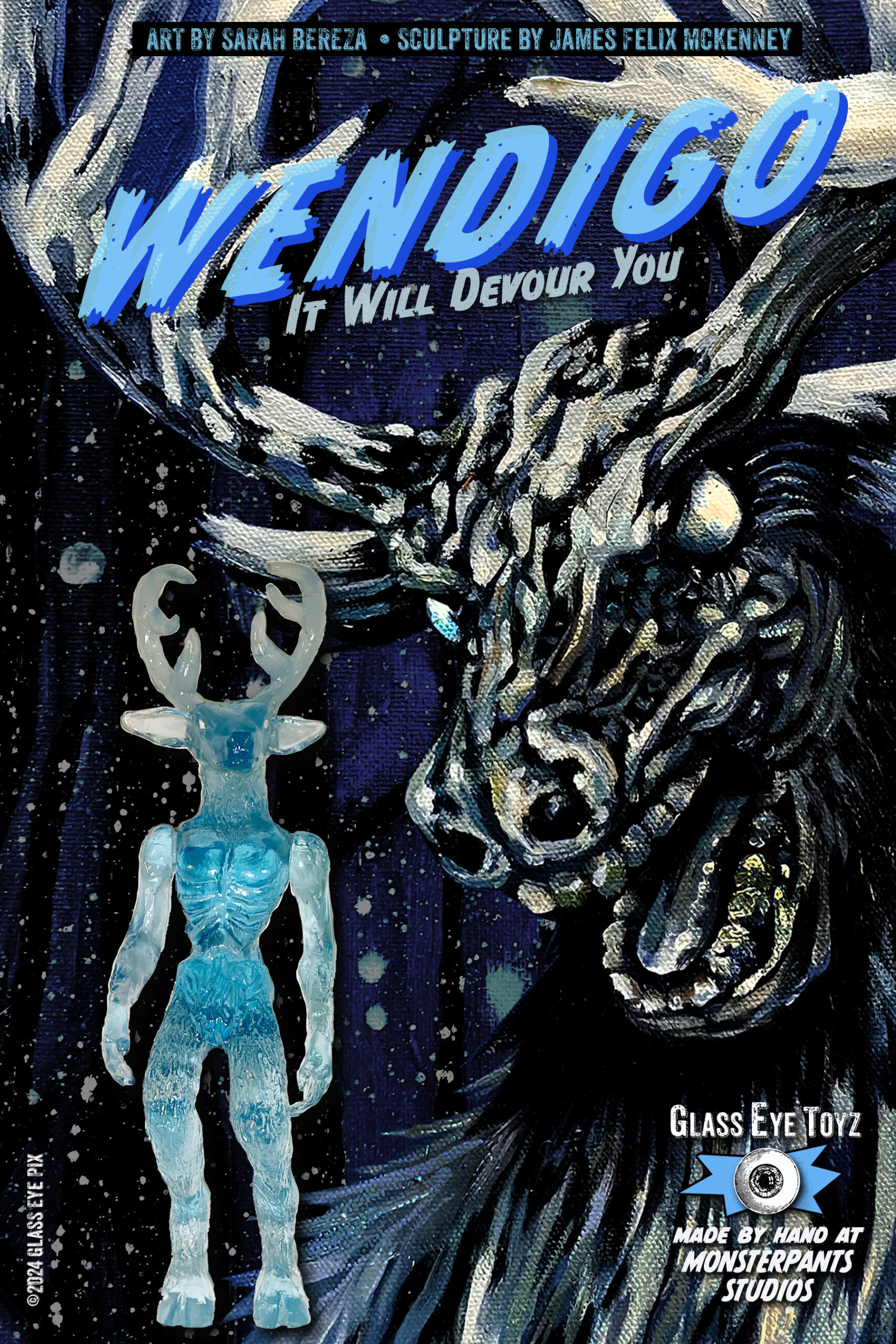
Glass Eye Pix is the fierce independent NYC-based production outfit headed by award-winning art-horror auteur Larry Fessenden with the mission of supporting individual voices in the arts. Read more...