




























Talkhouse Film Contributors Remember George A. Romero
In the following post, Talkhouse Film contributors and other filmmakers share their tributes to George A. Romero, the father of the zombie movie and the man behind such great movies as Night of the Living Dead, Martin and The Crazies, who passed away yesterday, aged 77.
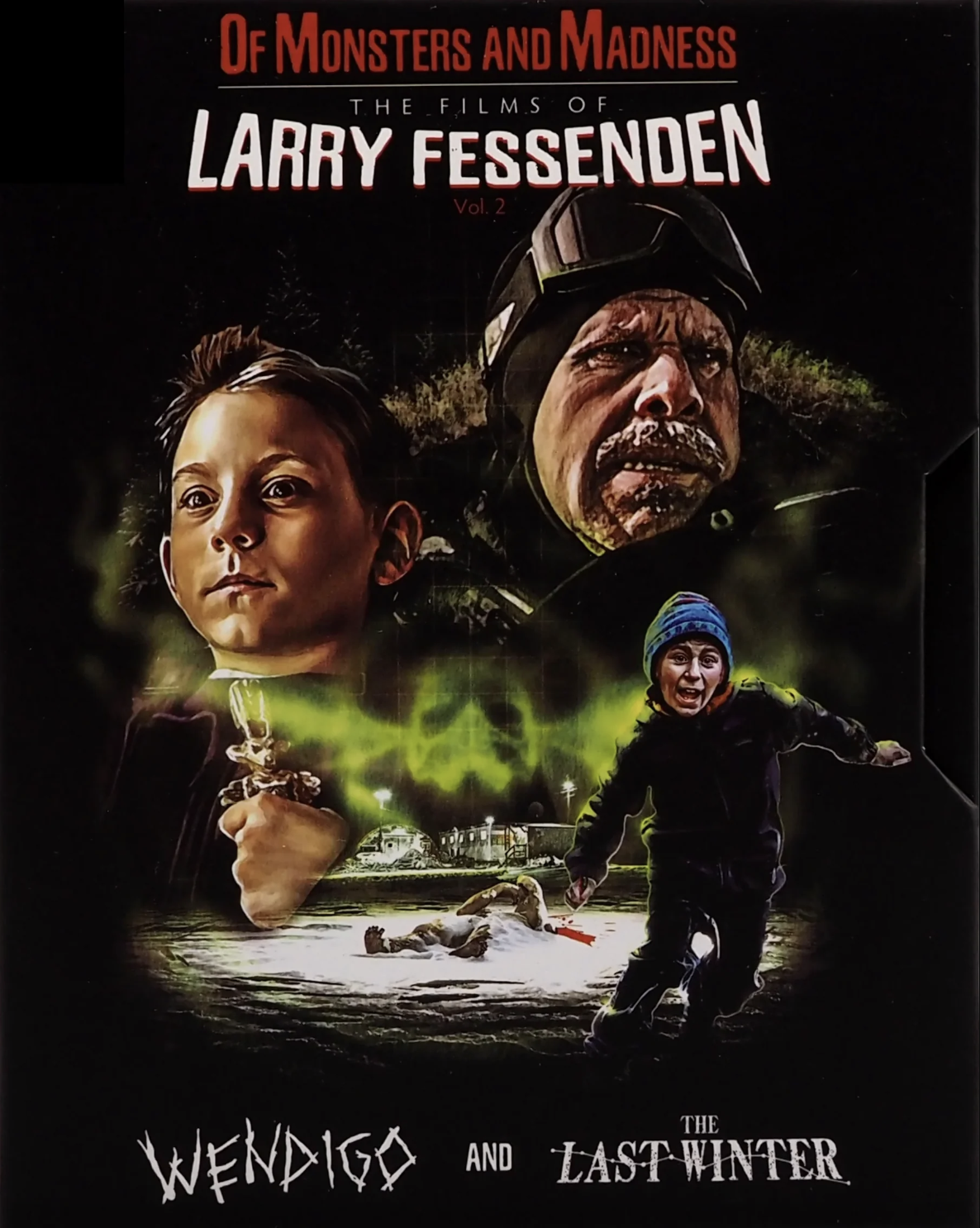
Larry Fessenden
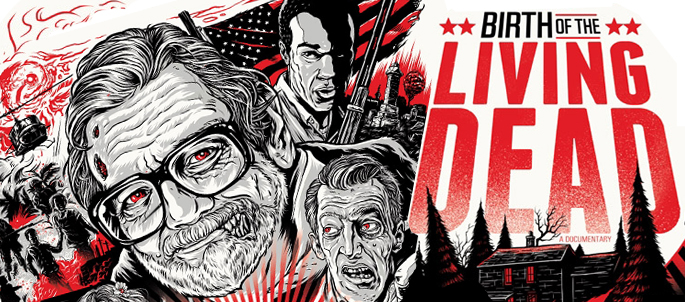
Over the years I have often cited George Romero’s Night of the Living Dead as my favorite horror movie. It served as a fulcrum between the old black-and-white horror films produced by Universal, featuring iconic monsters like Frankenstein and Dracula, and the more modern, despairing, angry and confrontational cinema of the ’60s and ’70s. I saw Living Dead on TV late one night and as a kid, I couldn’t tell when it had been made because it was still black-and-white, but I knew something was different. I knew the genre had grown up. Later, I was enamored with Martin, another film that grappled with the tension between movie monsters, in this case black-and-white vampire movies, and the very real, disturbing psychological violence of the young protagonist. And with The Crazies, Romero gave us a parable about mass hysteria and government overreach. Even when I could see the filmmaking was awkward and on the cheap, there was an energy and a fierce intelligence to Romero’s films, and their scrappiness felt like an invitation to aspiring filmmakers to just go out and do it. Of course he did make Creepshow, which had a budget and a cast and offered him the opportunity to celebrate his love of the DC comics that had influenced him as a kid. Romero was among a band of horror purveyors who came up in the ’60s and who ushered in a more brutal tone to the genre: Craven, Carpenter, Tobe Hooper — but distinct from his contemporaries, Romero seemed to resonate a conscience even as he relished in extreme gore. It is remarkable that a medium that is so collaborative still tends to convey the personality of the director, and in his films, you can feel George’s humility, thoughtfulness and sardonic anti-establishment sensibility. I often think about how Romero lamented he never really had a Hollywood career, never had it easy making films, no matter how influential and beloved he was. It has stood as a reminder that the embrace of Tinseltown is not the only measure of success in cinema.