December 20, 2015
Share:
Facebook Twitter Email

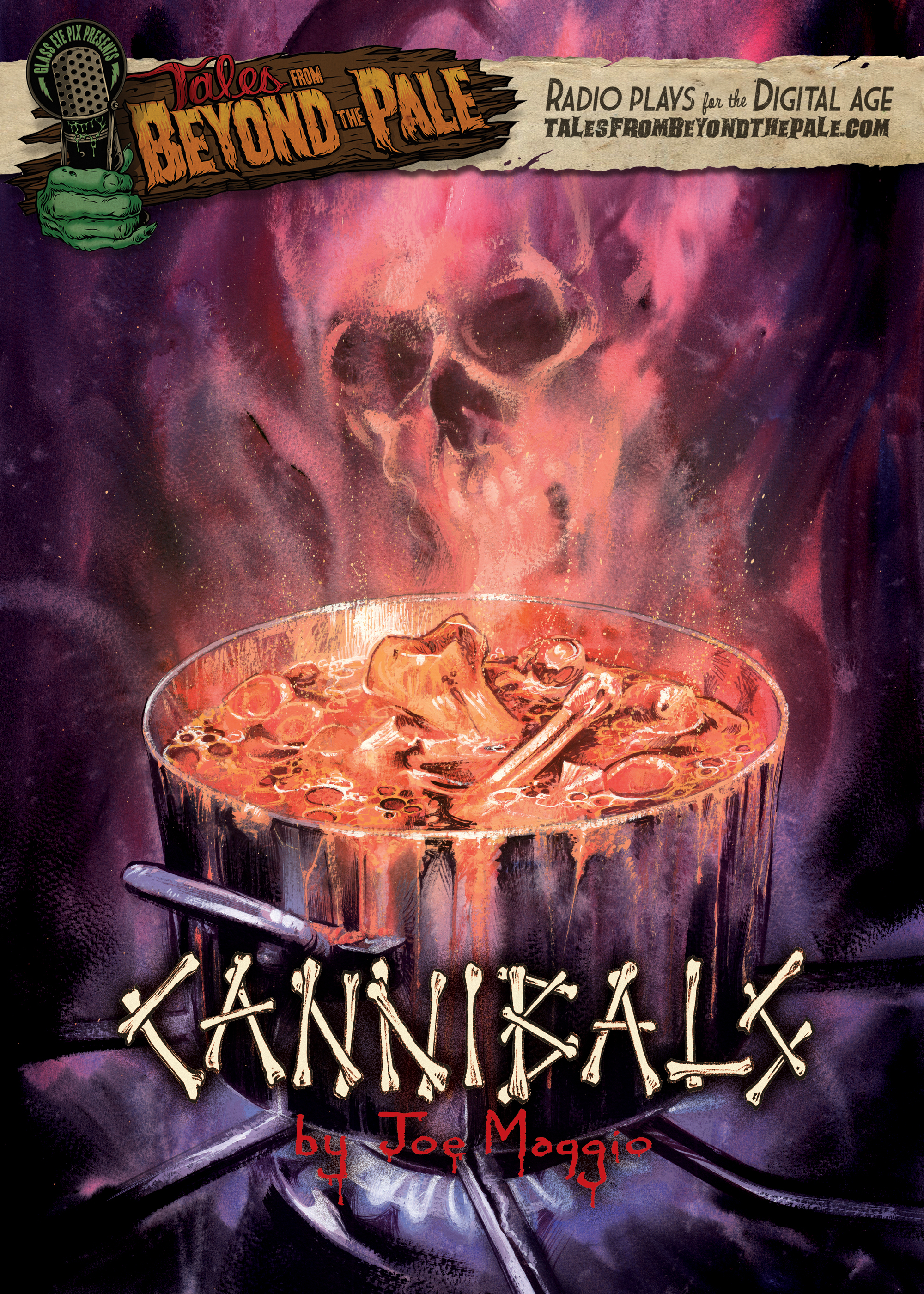
LISTEN NOW: Cook Up Something Good with Joe Maggio’s CANNIBALS – TALES FROM BEYOND THE PALE SEASON 3

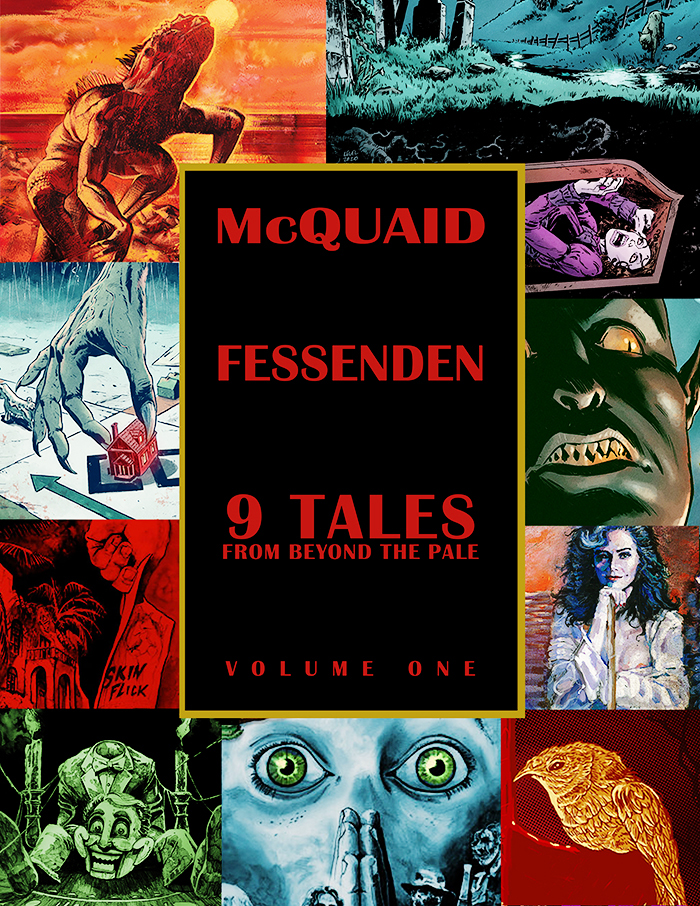
Indiewire hosts the latest TALES FROM BEYOND THE PALE episode by Joe Maggio. CANNIBALS follows an auteur who discovers that a young filmmaker is biting his style.

Indiewire is exclusively premiering new episodes from the third season of “Tales From Beyond the Pale,” the audio play series produced by Glass Eye Pix. Episodes will be available for two-day windows. 

The season concludes today with filmmaker Joe Maggio’s “Cannibals.” Listen to the episode above, and read an interview with Maggio conducted by Indiewire’s Eric Kohn about the inspiration for the episode below. Pre-order the third season of “Tales From Beyond the Pale” here.

The story of “Cannibals” involves an established director who confronts a young filmmaker who’s been ripping him off. Is this something you’ve experienced firsthand? 

Well, I’ve done my share of idol worshipping — writers and directors I became obsessed with and whose work I devoured. I started off with Cassavetes. I watched his films over and over again, but beyond the film work I really dug into his personal life. I wanted to know what brand of cigarette he smoked, what was his cocktail of choice, whose shirts did he wear, that kind of stuff. I suppose that, unconsciously, I was simply trying to conjure up a presence, to get as close as possible to the man so that some of his greatness might rub off.

READ MORE: How Horror Movies Have Changed Since ‘Psycho,’ According to Filmmaker Eric Red

After Cassavetes I had a David Lynch phase, Kieszlowski, Fellini…And then you reach an age where such obsessive fandom feels somehow undignified. You become your own person, comfortable in your own skin, and it feels silly to be so involved in the minute details of another man’s life. It’s like when I see a grown man walking around in a football jersey with another man’s name on the back – it’s ridiculous! For “Cannibals,” I wondered how it must feel to know that there is this person out there digging into every aspect of your creative and personal life. I imagined it would feel flattering to a point, but then it might start to feel like a violation, or worse…

How did this approach to storytelling differ from your experiences as a filmmaker?

“You reach an age where obsessive fandom feels somehow undignified.”

This is actually my third time out with “Tales From Beyond the Pale” so I feel like I’ve made some progress as a “radioist.” I guess the most obvious difference between radio and film is that with a radio play you’ve got to be careful that your story will be compelling on a purely auditory level, which really isn’t that hard because frankly I find it compelling to just listen to someone with an interesting voice saying interesting things. And that really is the biggest difference for me, that the radio plays allow me to write really long passages of dialogue, which I love to do and which is not something I can get away with as a filmmaker.

With film, I feel like I’m always trying to trim things back, to show and say the minimum. But with the radio plays I let it rip.

You’ve been exploring themes of human depravity across several films. What appeals to you about this focus? 

Oh, I guess what I’m really exploring is my own depravity, my own sick fantasies, or the crushing fears that would otherwise fester inside of me. Writing about these things and then watching an actor get up and speak the words that previously only existed in my head, or perform the gestures and actions I’d imagined a thousand times is a way of exorcising my depravity and achieving a kind of transcendence.

What’s your relationship to the horror genre? Do you consider horror to be a part of your earlier films? “Bitter Feast” is the only one that has some horror elements.

I don’t think I’ve ever made a movie that lies strictly within the horror genre, although “Bitter Feast” comes the closest. I’m someone who dabbles in horror, who sees the horror in the seemingly benign — which, when I think about it now, is actually a defining characteristic of the best horror films, or at least my favorite horror films, like “The Exorcist” or “The Shining.” You start with something so ordinary, so familiar, and then you start peeling away the layers until you get to the rotting core.

What’s next for you?

I’m just finishing a new film, “Supermoto,” about a girl who wakes up in a motel on the edge of the prairie in Eastern North Dakota. She quickly discovers that her boyfriend has ditched her and all he’s left behind is a toothbrush, a few bucks, a set of racing leathers and a supermoto motorcycle. We shot in scope with seventies-era Lomo anamorphic lenses. It’s gonna be pretty sweet.

Cannibals
December 18, 2015
Share:
Facebook Twitter Email

LISTEN NOW: There’s Something Off About the Children’s Pageant in Eric Red’s LITTLE NASTIES – TALES FROM BEYOND THE PALE SEASON 3

Indiewire hosts Eric Red’s LITTLE NASTIES, a new TALES FROM BEYOND THE PALE episode about the terror of children’s beauty pageants.


Indiewire is exclusively premiering new episodes from the third season of “Tales From Beyond the Pale,” the audio play series produced by Glass Eye Pix. Episodes will be available for two-day windows. 

The season continues with filmmaker Eric Red’s “Little Nasties.” Listen to the episode above, and read an interview with Red conducted by Indiewire’s Eric Kohn about the inspiration for the episode below. Pre-order the third season of “Tales From Beyond the Pale” here.

How would you say this medium of storytelling differs from filmmaking? From novels?

Doing a radio show is like making a movie because you’re dealing with getting performances from actors and working with a sound effects mix to tell the story. But it’s really more like a novel, because radio enlists the audience’s imagination as an active participant. A film shows you pictures, a book makes you supply your own, and so does radio. What I love about writing novels is when people read a book they provide their own images to the prose, which is a more intimate involvement because they’re engaging their imagination. It’s the same thing with radio — when you listen to the show, you see what you’re hearing in your head. The fun in doing one of these as a writer and director is designing it to work so the listener fills in the blanks.

READ MORE: ‘Tales From Beyond the Pale’ Season 3 Posters Will Chill You to the Bone

When I was a kid, my grandfather used to tell me about the horror radio shows he listened to as a boy. When he described those radio scenes — the ghostly train engines, the creaking footsteps and rattling bones — my imagination ran wild…just like his must have as a child huddling around the radio listening to famous horror shows like “Inner Sanctum” and “Lights Out.”

“Tales From Beyond the Pale” reinvents the classic radio horror show format for modern horror audiences in the hippest, coolest way.

What inspired your interest in a child beauty pageant as a setting for a horror story?

A while ago, I watched a documentary on child beauty pageants and honestly was mortified. Not just how the pageants objectified children in a pervy way — the whole Jean Benet Ramsey thing — but how some of the kids seemed to be bossing their parents around in every respect. It’s a different culture, so I’m not judging.  But it seemed to me a unique setting for a horror tale that also satirized the child beauty pageant world, in a funny scary way.  So that was the inspiration for “Little Nasties.”

How has this genre evolved since you first started contributing to it? 

“It’s not how you show it but how you don’t show it.”

I think the genre has devolved somewhat. There’s too much gore now, to the point where it’s totally off the chain. The classic horror films that influenced me like “Psycho,” “Rosemary’s Baby,” or “The Exorcist” were more grounded in character and reality, relying on sophisticated suspense and tension techniques. My most recent film, “100 Feet,” with Famke Janssen and Bobby Cannavale, was a throwback to those. The whole film was a woman under house arrest haunted by the ghost of her husband. Even though it was one location and mostly a one-woman show, it still had the audience on the edge of their seat throughout, even with only one death scene.

To me, it’s not how you show it but how you don’t show it. The classic example is the shower scene in “Psycho” — you don’t see any nudity or knife wounds, you just think you do because of how the sequence is designed, so your imagination supplies the pictures, which is what makes the scene so scary. To me, that’s more interesting, and brings me back to what was so much fun about doing “Little Nasties”: the whole show was about using just sound and dialogue to tell a story the audience uses their imagination to visualize, which is very intense.

You started your career in the eighties. What sort of creative challenges have you faced since you first started making movies? 

Getting them made is the biggest creative challenge, same as always. I am very happy to be able say that the films I’ve written and directed so far, “Cohen and Tate,” “Body Parts,” “Undertow,” “Bad Moon” and “100 Feet” all turned out the way I wanted, though they were occasionally a battle to get made. If it was easy, everybody would do it.

What’s next for you?

I’m working on films of my two most recent novels, “It Waits Below,” and “White Knuckle,” and writing the sequel to my novel, “The Guns of Santa Sangre,” which will be the second book in a trilogy.

Little Nasties
December 18, 2015
Share:
Facebook Twitter Email

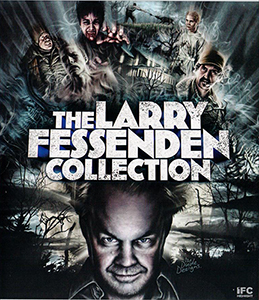
DVD BEAVER on The Fessenden Collection: “WOW, WHAT A SET!”

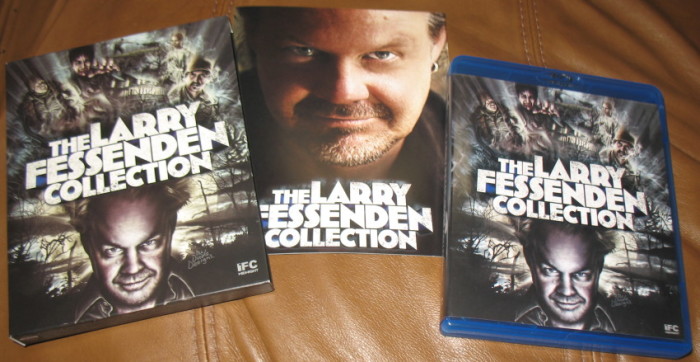
package

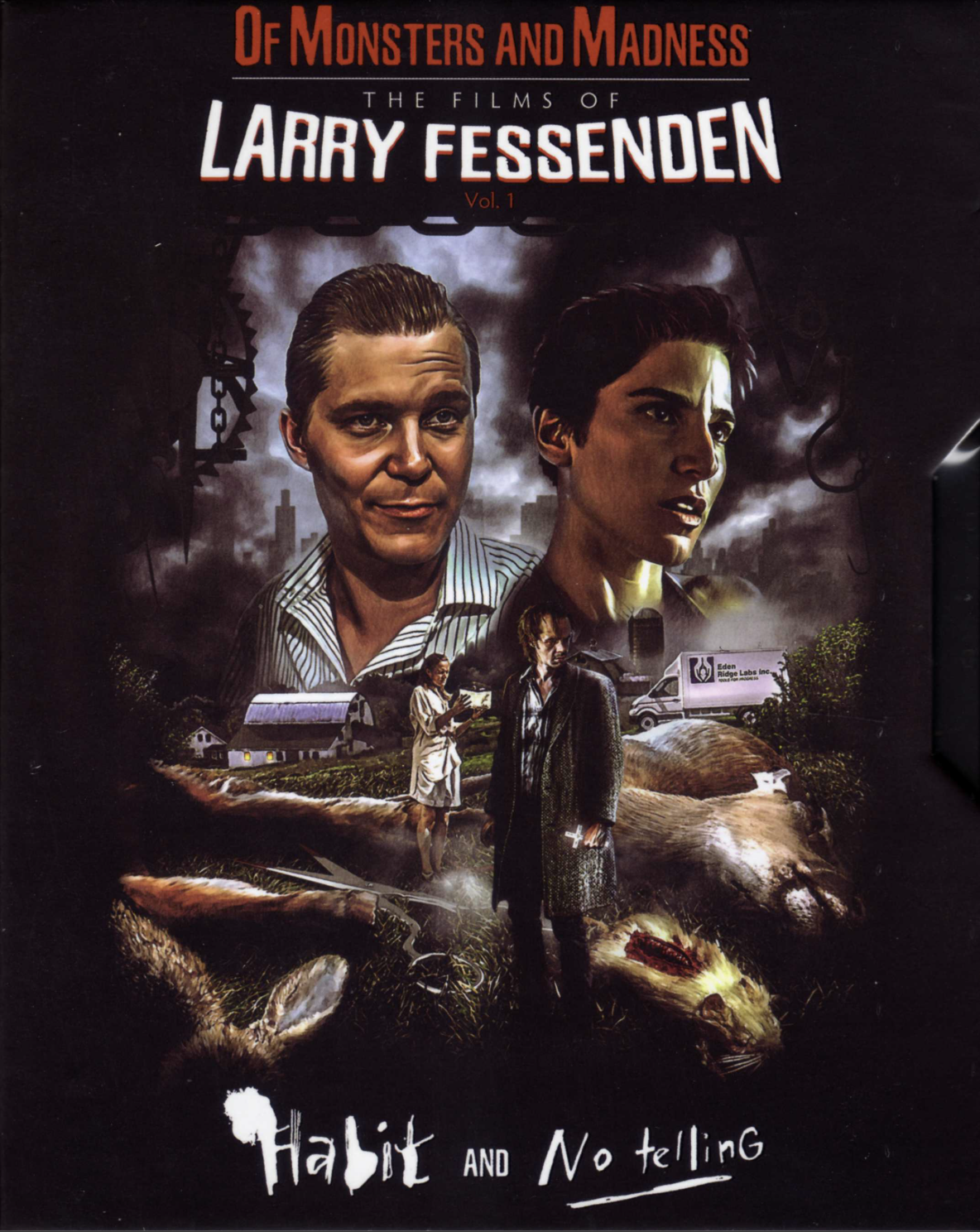
The Fessenden Collection

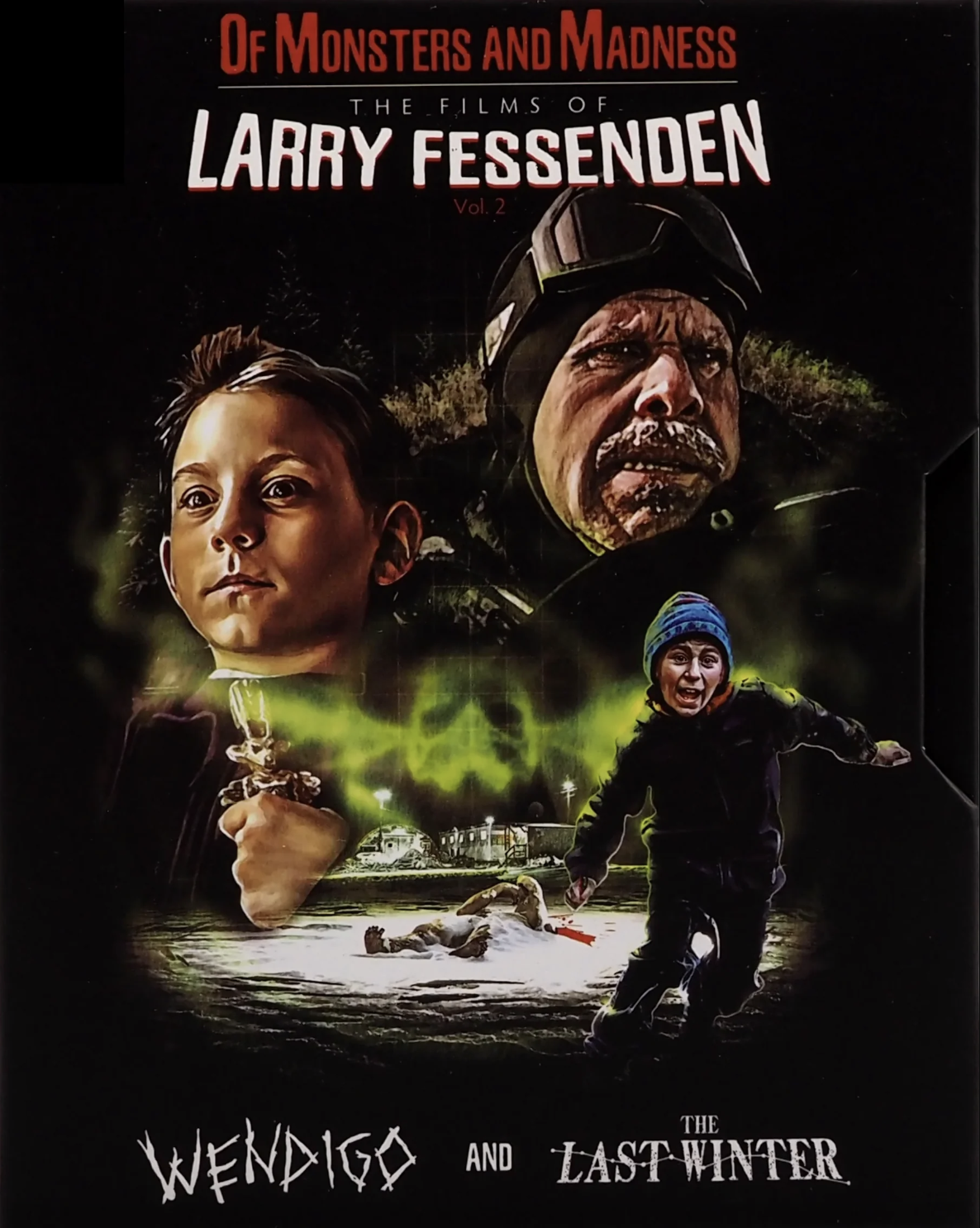
Four tales of terror from multi-talented filmmaker Larry Fessenden: he’s a writer, a producer, a director and an actor. In this box set, he brings together four of his films, in HD for the first time, along with both brand-new and vintage bonus features including short films and music videos.

Edition Details:


“No Telling”
• Director-approved HD Transfer
• Audio commentary with writer/director/executive producer Larry Fessenden
• Making of “No Telling” (1991) (24:15)
• Archival footage (1990) (26:44)
• Short Film “White Trash” (1979) with intro and new music by composer Will Bates (9:16)
• Glass Eye Pix Sizzle Reel (1985-1990) (7:34)

“Habit”
• Director-approved HD Transfer
• Audio commentary with actor/director/writer/editor Larry Fessenden
• “The Making of Habit” featurette (1995) (24:17)
• Short film “Habit” (1981) (17:42)
• The Making of short film “Habit” (1981) (5:39)
• “Save You from Yourself” music video (3:40)
• Theatrical trailer (2:15)
• Short film “N is for Nexus,” from Magnet Releasing’s The ABCs of Death 2 (4:11)
• The Making of “N is for Nexus” (3:55)
• “Frankenstein Cannot Be Stopped” music video with intro (7:26)

Wendigo”
• Director-approved HD Transfer
• Audio commentary with writer/director/editor Larry Fessenden
• Audio commentary with actors Patricia Clarkson, Jake Weber, and John Speredakos
• Search for the “Wendigo – Behind the Scenes” featurette (2001) (31:56)
• Interview with Larry Fessenden (2001) (8:16)
• WENDIGO: animated series trailer plus intro (3:10)
• Short Film “Santa Claws” plus intro (2008) (4:52)
• Theatrical trailer (1:35)
• Glass Eye Pix Sizzle Reel (2010) (3:28)


The Last Winter”
• Audio commentary with co-writer/director/producer/editor Larry Fessenden
• The Making of “The Last Winter” – full-length documentary featuring deleted scenes (1:46:52)
• Archival footage (2005) (18:31)
• Short film “Jebediah” (2:33)
• Short film “Origins” (7:54)
• Short film “Mister” (5:31)
• “Tired of Killing Myself” music video (5:36)
• 2015 interview with Larry Fessenden (22:22)
• Glass Eye Pix Sizzle Reel (2014) (4:12)

-24-Page Booklet with liner notes by Fangoria’s Michael Gingold, featuring never-before-seen photos, storyboards, and sketches

Blu-ray Release Date: October 20th, 2015

Blu-ray Package

Comments:

NOTE: These Blu-ray captures were taken directly from the Blu-raydisc.

Firstly, WOW – what a set! We get the features on four separate dual-layeredBlu-ray discs loaded with extras. Shamefully, all I knew about Larry Fessenden was that he wrote the booklet available with the Kelly Reichardt Collection citing him as a collaborator. And it was excellent. Kudos to my buddy Colin for alerting me to this as a worthy purchase. Was he ever right!

The 1080P transfers are all “Director-approved HD” with max’ed out bitrates for No Telling and Habit and strong renderings for Wendigo and The Last Winter. They looks great – heavy grain on the 1.33:1 The Habit and 1.78:1Wendigo – both shot on 16 mm (Eastman EXR 500T 7298.) Colors are bright and rich – there is tightness with the 2006 The Last Winter (2.35:1) looking the best and No Telling (1.78:1) also looking very strong. Contrast is layered and adeptly exported by the HD. I was impressed with all of them and they seem deserved of the director -approved moniker. I have no complaints, whatsoever.

Ditto for the audio – every feature has the option of a DTS-HD Master 5.1 surround (bumps) at a high kbps or a similar encode 2.0 channel – both in 24-bit. Scores are by the likes of Jeff Grace, David Van Tieghem, Tom Laverack, Michelle DiBucci and Geoffrey Kidde and seem very accurately reproduced via the lossless options sounding appropriately strong or modest in accordance with the original productions. There are optional English subtitles for each feature (see samples below.) The Blu-ray discs are region ‘A’-locked.

Supplements are endless and I have not got through all of them yet – we get audio commentaries by writer/director/executive producer Larry Fessenden for each feature and an additional one for Wendigo with actors Patricia Clarkson, Jake Weber, and John Speredakos. Fessenden also does introduction for most of the other extras on the discs which include extensive making of’s, archival footage, at least 7 short films (I watched “Santa Claws” and loved it), interviews, music video, trailers and, the production company’s Glass Eye Pix Sizzle Reels and the package has a 24-page booklet with liner notes by Fangoria’s Michael Gingold, featuring never-before-seen photos, storyboards, and sketches.

What makes me recommended this so strongly are the films – criminally under-rated – Mr. Fessenden is a force and I love his style. These are cool, if totally imperfect, flics – Wendigo (always had a thing for Clarkson) especially made my day, but Habit is remarkably chilling. I was a shade uncomfortable with No Telling but was swept right up in The Last Winter. I LOVE being introduced to new auteurs like this wayward genius, styles and signatures. The films are weak in some areas but offer strength in visuals. Fessenden’s works here thrilled me. I wish I had a set like this every week to cover. Our highest recommendation to those with an open mind and who appreciate the lower-budgeted horror genre! I’m a fan of Larry Fessenden!  

Gary W. Tooze


Read the review at DVD Beaver

December 17, 2015
Share:
Facebook Twitter Email

CUT PRINT FILM gives Fessenden Collection 5/5

CUT PRINT FILM reviews the Fessenden Collection
larry_fessenden_collection_feat

Blu-ray Review: The Larry Fessenden Collection

In Blu-ray Reviews by J. TonzelliDecember 17, 2015Leave a Comment


 THE FILMS

“We live as we dream: alone.”

Four tales of terror from multi-talented filmmaker Larry Fessenden – he’s a writer, a producer, a director and an actor. In this box set, he brings together four of his films, in HD for the first time, along with both brand-new and vintage bonus features including short films and music videos. Titles Include:

No Telling.  A compelling twist on the “don’t mess with Mother Nature” theme familiar to fans of sci-fi and horror films. When Lillian Gaines moves to the country with her medical researcher husband Geoffrey for a quiet summer retreat, she never suspects that meeting activist Alex Vine will force her to confront her deepest fears about the man she married, and the bizarre experiments under way in his lab.

Habit. When Sam meets Anna, his alcoholic delusions lead him to believe she is a vampire. His dilemma becomes a struggle with sanity, truth and fiction, all the while straining his relationships with friends and family.

Wendigo.  As Kim and George (Patricia Clarkson and Jake Weber) and their son Miles (Erik Per Sullivan) drive to the Catskills to spend a weekend away, they accidentally hit a deer and are run off the road. But what seems to be a mere occurrence of misfortune marks the beginning of a terrifying journey, where myth becomes reality and an evil spirit, half man and half animal, haunts a small town…

The Last Winter. A team in Alaska is tormented by an unseen evil. After one crewmember is found dead, disorientation slowly claims the sanity of the other team members as each of them succumbs to an unknown fear.

larry_fessenden_collection_3

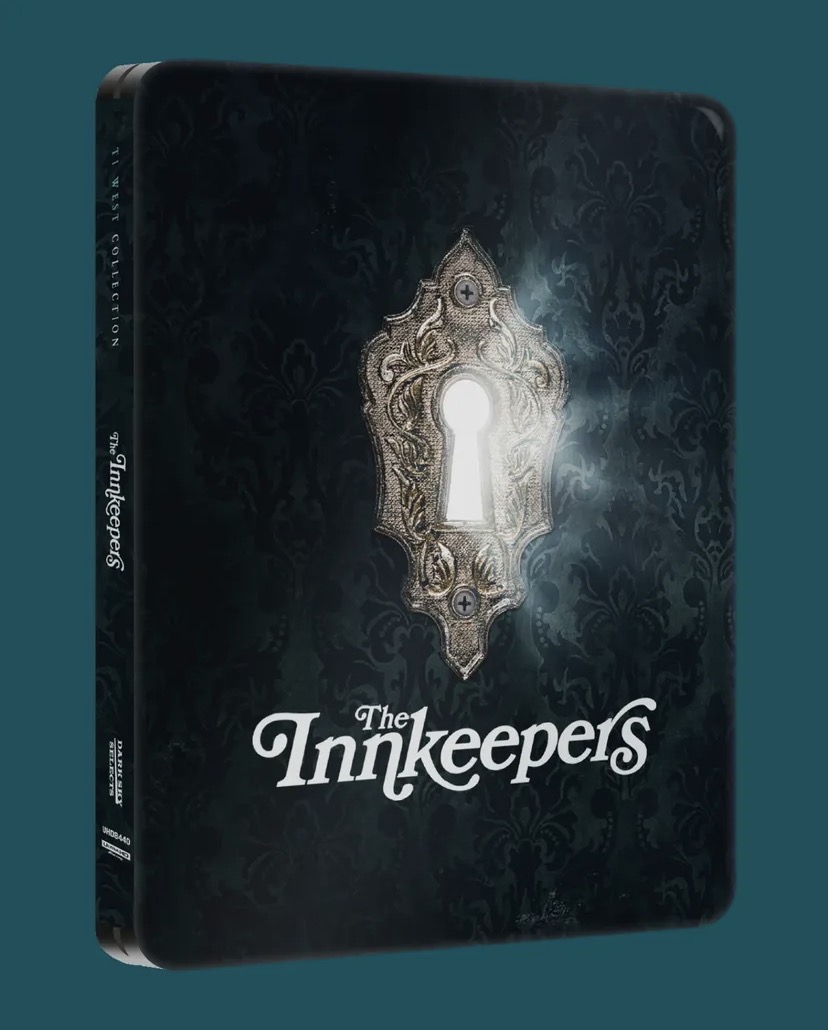
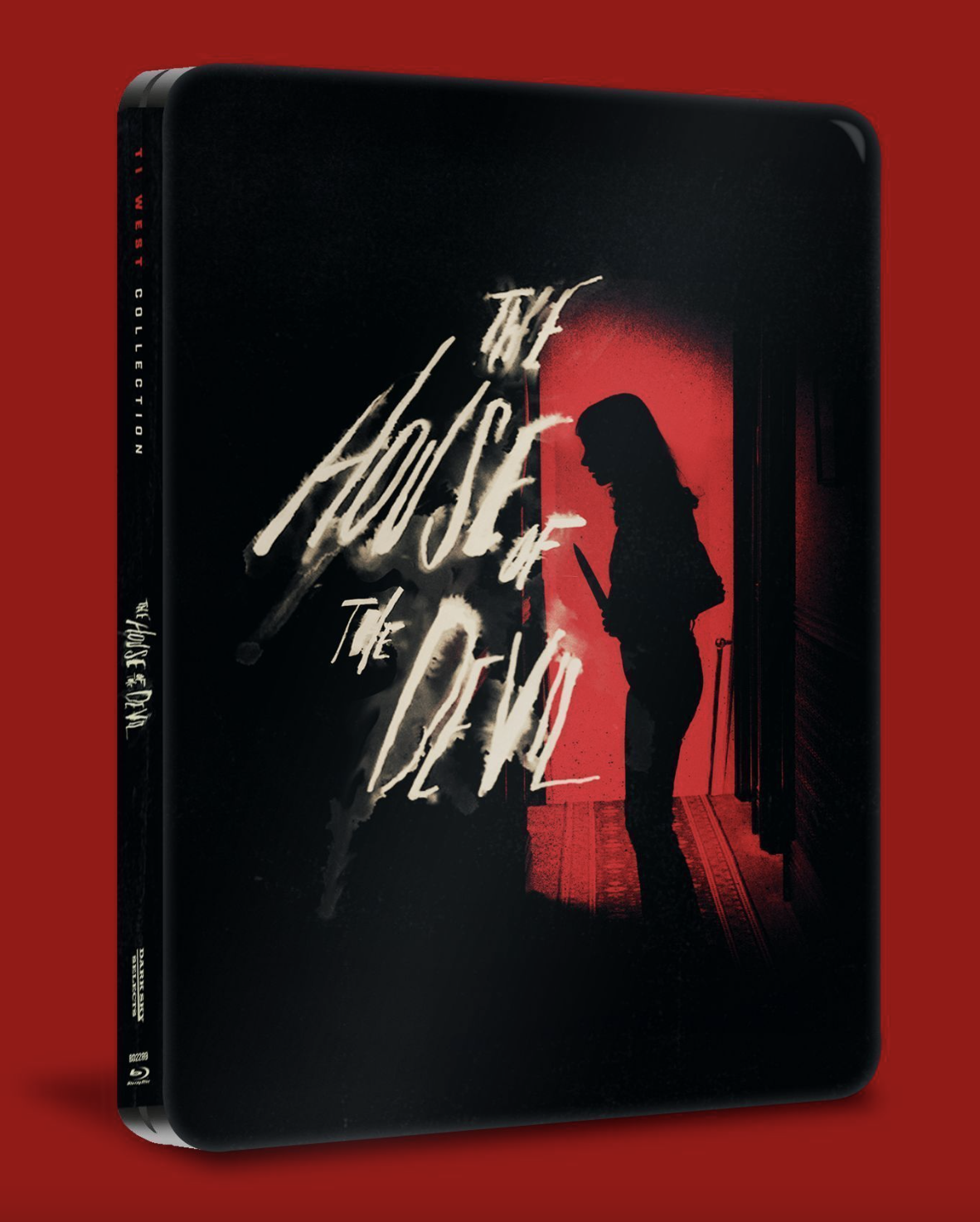
Larry Fessenden is kind of the crazy uncle of the horror genre, and it’s likely you may have come to know him from his dozensof on-screen cameos in which he’s probably killed. He’s like the Sean Bean of the low-budget horror world: if Larry Fessenden pops up on-screen, chances are he’ll be dead soon. And he’ll love every minute of it. But to credit only his “Where’s Waldo?” like appearances in the last twenty years of horror films would do the man a severe injustice. Because Larry, when he’s not bleeding out on the ground for his fellow horror filmmaker colleagues, is not only producing some of the best independent horror out in the world right now (The Innkeepers, Stake Land, House of the Devil, I Sell the Dead), but also directing his own.

Fessenden’s unique and recognizable style adheres to the slow-burn approach. It’s making your audience wait, agonizingly, for the alluded horror to manifest into an undeniable foe. But even when other filmmakers, for instance Ti West (a frequent collaborator), finally let loose in the third act, Fessenden, while doing the same, still finds a subtly eerie way to go about it. You’ll find no dripping-eyed specters in the dark or satanists in the basement. No, in fact, it’s something a lot more deadly and a lot more…important.

Fessenden’s pro-environmental agenda may slip by unnoticed if looking at his work in separate chunks, examining each film only as its own entity and not a part of something bigger. It’s not until undertaking the grand slam marathon that this new collection from Shout! Factory encourages when it starts to become noticeably thematic. And for the three out of four total titles included, that pro-environmental stance cannot be ignored. Film after film shows people from all walks of life disrespecting the very thing that’s given them sustenance and shelter and and a sustainable world in which to live, and it all comes back to bite them in the proverbial ass in one way or another.

larry_fessenden_collection_1Even though Fessenden is known as a horror filmmaker, his films aren’t terribly horrific – at least not in an obvious way. As he says in his commentary track for The Last Winter, he admits that his films would probably be considered “slow and dull” by general film fans, and that’s probably true. His films are less about the horror our characters are experiencing, and more about how these characters are affected by the before mentioned horror. For instance, in No Telling, there’s nothing supernatural at all. And except for mild sci-fi aspects, there’s nothing presented that couldn’t necessarily happen. No Telling isn’t about some Frankensteinian creation brought to life by a mad scientist which then runs rampant through the countryside slaughtering the innocent. Instead, it’s about the bastardization of man, and how someone can change and go to such grisly lengths for what he believes to be the betterment of society. Same goes for The Last Winter, which, though made in 2007, is more relevant right now (what with the president having killed the proposed Keystone Pipeline for good). Are there monsters in The Last Winter? Sure, there are. But are they real? Or are they figments of the isolated driller crew’s imaginations? And if they’re not real, then what’s left to think? Is it collective guilt in knowing the repercussions of their presence on the icy tundra creating their own monsters?

To reiterate, Fessenden’s films are not for everyone. They are, in fact, surprisingly low-key, philosophical, and thoughtful, which doesn’t jive with Fessenden’s on-screen persona as a hammy joker with a frat-boy demeanor. (More on this during his commentaries discussions.) The uninitiated should know this before tackling this comprehensive-but-not-complete blu-ray collection.

larry_fessenden_collection_2No Telling: 4/5. Warning: not for dog lovers. No Telling, one of the three environmentally conscious films in this collection, might be the preachiest, but it’s never done in a way in which you feel you’re being preached to. The discussions of the evolution of the farming industry, and how it changed once large corporations got involved, is shared by our characters more than once. And, though one of those involved in this conversation is ultimately proven to have gone sick with power, every argument supporting his or her side doesn’t come across as stacked in one’s favor and against another. Everyone presents solid arguments on why he or she feels the way he or she does, and this is done purposely to show that while we like to think maintaining a pro-environment mindset by default is the way to go, we may not be considering all possible ramifications from not making those harder choices for the greater good. Performances in the film are excellent, with special mention of Miriam Healy-Louie as Lillian, caught between the two opposing viewpoints of pro-nature vs. pro-progression, personified by the two men for whom she either maintains feelings of devotion, or for whom she’s beginning to feel devotion.

larry_fessenden_collection_4Habit: 3.5/5.  Probably the most well-known of Fessenden’s filmography, Habit temporarily hangs up the environmental bent in favor of presenting a more straightforward vampire film in the vein (no pun!) of Nadja and Abel Ferarra’s The Addiction. Mostly a vampiric take on Taxi Driver, the idea behind Habit is to express the isolation many people feel even when stacked on top of and next to each other in stretching miles of apartment buildings. This somewhat sexually explicit film filled with subtle bloodletting explores human relationships and how they can change disconcertingly quick. Fessenden deserves tons of credit for playing the on-screen role of the victimized Sam, who seems intent on drinking himself to death at the same time that the mysterious Anna seems intent on drinking him to death.

larry_fessenden_collection_6Wendigo: 3.5/5. Fessenden returns to his pro-environment tale, though in a far more subdued way, with his take on the Native American mythology of the wendigo, a shadowy figure presented as an intangible force resurrected to restore the natural balance. A sort of Straw Dogs meets The Shining, underrated actors Jake Webber (Dawn of the Dead) and Patricia Clarkson (“Six Feet Under”) play parents to their young son, Miles (Erik Per Sullivan, the youngest “Malcolm in the Middle” brother), who find themselves being victimized by a local hunter while vacationing at a winter getaway in upstate New York. Though based on a supernatural myth, Wendigo avoids being overtly supernatural, with the horrific images of a stick-assembled monster tromping through the woods a heavily implied figment of Miles’ imagination. Its ambiguous ending is going to bother the hell out of some viewers, but it falls in line with Fessenden’s aesthetic of leaving the horror as a matter of discussion rather than of obvious force which needs to be defeated.

larry_fessenden_collection_9The Last Winter: 4/5. A tremendous cast of actors brings the frigid events of their collective haunting to life as they confront The Last Winter. The most technically achieved film of Fessenden’s career (and one finally shot in 35 mm), much like his other films, at first presents a straightforward concept before it transforms into something else. Sort of a spiritual sequel to Wendigo, oil drillers for a company called North Shore find themselves dealing with unexplainable events following the disappearance of one of their own, followed by the subsequent discovery of his frozen eyeless corpse. One by one, the crew begin to exhibit strange and even dangerous behavior, all which seem to follow on the heels of a conflict spurred by the on-site foreman, Ed Pollak (Ron Perlman of “Sons of Anarchy”) and James Hoffman (James Legros, Zodiac). Hoffman, an environmental specialist brought to determine the site’s stability, announces he’s going to recommend that North Shore shut down the site’s operations, which doesn’t sit will with Pollak’s alpha male. Soon the men and women of the base begin to see phantom images of transparent animals tearing across the icy tundra, or discorporated visions of their own departed appearing to them in their bunks. Another ambiguous ending – one of Fessenden’s most haunting – is in store for those who dare to see if they can survive The Last Winter.

 THE PICTURE

larry_fessenden_collection_5(The first three films in this collection were originally shot in 16 mm, so their video presentations will be judged accordingly.)

No Telling: 4/5. For a film shot on 16 and blown-up to 35 mm, No Telling actually looks very good. The oldest title in the collection managers to obtain much stability, with clear definition, subdued but strong colors, and no signs of print damage or wear. Resolution looks very good, and though it hasn’t been stated (and why wouldn’t it be?), this offers the appearance of a 2K transfer.

Habit: 3.5/5. Habit‘s meager budget and independent shoot likely explains the somewhat foggy and muddiness of this transfer. That’s not to say that Habit looks bad – on the contrary, it manages to overcome its 16 mm origins and present an attractive image – but it’s surprising that a second feature could look less impressive than its previous. Much of Habit takes place either at night or in dim tenement rooms and bars, and there’s a gray pallor draped over everything. It makes for kind of a depressing image, but when considering Habit‘s subject matter, it’s pretty appropriate.

Wendigo: 3.5/5.  Much of Wendigo takes place at night (in the dark), and so grain can be very present and overbearing. At times even the black of the night can look like faded brown. But daylight scenes look very good, maintaining good definition and strong colors.

The Last Winter: 4.5/5. Excellent transfer all around. With The Last Winter being shot in 35 mm, the image on hand looks so good that it’s indicative of a digital shoot. The stark whites of the barren landscape look excellent, and those unfortunate characters stuck out in the middle of it look all the better for it, as if they’re standing in front of a blank canvas. Flesh tones, when not smeared with frostbite or snow mobile oil, look realistic, and textures look very defined. This is Fessenden’s most accomplished film from a directorial standpoint, and its subsequent video presentation looks excellent because of it.

 THE SOUND

larry_fessenden_collection_7No Telling & Habit: 3.5/5. These low budget films present a very satisfactory audio experience. Dialogue is clear and easily understandable, though in Habit‘s case can sound a little tinny and hollow. Their musical scores are sparse but ever present, and are mixed well with their respective films’ dialogue and ambience.

Wendigo & The Last Winter: 4/5.  The audio presentations for these two films are very good. Wendigo improves from the previous two films by taking fuller advantage of its wintry surroundings. Blowing wind and creaking trees bring to life the forebodingness of a bleak winter. Dialogue is again clear and well presented. The Last Winter might come up as the winner again due to its higher budget and with it being a newer production, but this is also due in part to the excellent melancholy score by Jeff Grace. Dialogue is very clear, and the wintry ambience first explored in Wendigo is brought to relentless life. The presence of wintry surroundings only increase as the creepy events intensify and certain characters begin to lose their grip on reality.

 THE SUPPLEMENTS 5/5

larry_fessenden_collection_10Fessenden’s commentary tracks for each of his films are must-listens. In keeping with the surprising thoughtfulness and philosophical nature of his films, Fessenden rattles off a lot of information for each title. He discusses working with their casts, at their various locations, their inspirations, and what themes he wanted to explore. For Habit in particular, Fessenden is refreshingly honest by calling the film “somewhat auto-biographical,” especially when his on-screen version points out the various self-inflicted scars on his arms. Fessenden observes this and affirms that the scars are real, but that he’s “not going to get into it,” though he does mention that the events of the film and how his character is portrayed should be clue enough as to why the scars are there.

On every commentary track, Fessenden manages to turn even the littlest on-screen prop into something worth discussing. From wallpaper to Transformers toys and even to shoes, his breakdown on why things are the way they are really enforces the idea that every single detail in his films, down to the most mundane, are part of a conscious blanket of purposeful choices. To reiterate something he said during The Last Winter commentary where he admits some audiences might find his films slow and dull (and they do move slowly), watching the films with his calm and relaxing (and occasionally funny) commentary tracks really do make the experiences of watching them much more interesting.

The complete list of special features is as follows:

Disc One: NO TELLING

  • NEW Director-Approved HD Transfer
  • NEW Audio Commentary With Writer/Director/Executive Producer Larry Fessenden
  • The Making Of No Telling (1991)
  • Archival Footage (1990)
  • Short Film White Trash (1979) With New Music By Composer Will Bates
  • Glass Eye Pix Sizzle Reel (1985-1990)

Disc Two: HABIT

  • NEW Director-Approved HD Transfer
  • NEW Audio Commentary With Actor/Director/Writer/Editor Larry Fessenden
  • The Making Of Habit (1995)
  • Short Film Habit (1981)
  • The Making Of Short Film Habit (1981)
  • Save You From Yourself Music Video
  • Theatrical Trailer
  • Short Film N Is For Nexus From Magnet Releasing’s The ABCs Of Death 2
  • The Making Of N Is For Nexus
  • Frankenstein Cannot Be Stopped Music Video

Disc Three: WENDIGO

  • NEW Director-Approved HD Transfer
  • NEW Audio Commentary With Writer/Director/Editor Larry Fessenden
  • NEW Audio Commentary With Actors Patricia Clarkson, Jake Weber And John Speredakos
  • Searching For the Wendigo – Behind The Scenes Featurette (2001)
  • Interview With Larry Fessenden (2001)
  • Wendigo: Animated Series Trailer
  • Short Film Santa Claws (2008)
  • Theatrical Trailer
  • Glass Eye Pix Sizzle Reel (2010)

Disc Four: THE LAST WINTER

  • Director-Approved HD Transfer
  • Audio Commentary With Co-writer/Director/Producer/Editor Larry Fessenden
  • The Making of The Last Winter – Full-length Documentary Featuring Deleted Scenes
  • Archival Footage (2005)
  • Short Film Jebediah
  • Short Film Origins
  • Short Film Mister
  • Tired Of Killing Myself Music Video
  • 2015 Interview With Larry Fessenden
  • Glass Eye Pix Sizzle Reel (2014)

Package includes 24-Page Booklet With Liner Notes By Fangoria‘s Michael Gingold and Never-Before-Seen Photos, Storyboards, and Sketches.

TECH SPECS

larry_fessenden_collection_11STUDIO: Glass Eye Pix
DISTRIBUTOR: Shout! Factory
GENRE: Horror/Thriller/Drama
RATING: R/NR
THEATRICAL DATE: No Telling: 1991; Habit: November 14, 1997; Wendigo:  January 23, 2001; The Last Winter:  June 1, 2007
VIDEO STREET DATE: October 20, 2015
VIDEO: MPEG-4 AVC; 1080p; No Telling – 1.78:1; Habit – 1.34:1; Wendigo – 1.78:1; The Last Winter – 2.35:1
AUDIO: English: DTS-HD Master Audio 5.1; English: DTS-HD Master Audio 2.0
SUBTITLES: English
RUN TIME: No Telling: 93 mins; Habit: 112 mins; Wendigo: 91 mins; The Last Winter: 101 mins
DVD COPY: N/A
DIGITAL DOWNLOAD: N/A
REGION: N/A

 OVERALL 5/5

larry_fessenden_collection_coveLarry Fessenden, the on-screen kill guy, might be a recognizable name in horror-loving households, but Larry Fessenden, the director, may not. He may never be as celebrated as John Carpenter or George Romero, but his devotion to and knowledge of the genre – and of filmmaking in general – cannot be denied. That four of his best films have been gathered together in this collection doesn’t just make for a simple and tidy blu-ray package, but a rightful celebration of a director’s work, and of someone who doesn’t make typical horror films. In Wendigo, a father tells his son about Robert Frost, the poet who took the road less traveled and it’s made all the difference. That, right there, perfectly sums up the career of Larry Fessenden. (Plus he has really cool hair!) This set comes highly recommended.

(Thanks to DVD Beaver for the screen grabs.)

ABOUT  SHOUT! FACTORY

Shout!/Scream Factory, LLC is a diversified multi-platform media company devoted to producing, uncovering, preserving and revitalizing the very best of pop culture. Shout! Factory’s DVD and Blu-Ray™ offerings serve up feature films, classic and contemporary TV series, animation, live music and comedy specials in lavish packages crammed with extras. Shout! Factory also owns and operates Westchester Films, Inc., Timeless Media Group, Biograph Records, Majordomo Records, HighTone Records and Video Time Machine. These riches are the result of a creative acquisition mandate that has established the company as a hotbed of cultural preservation and commercial reinvention. 

Buy The Larry Fessenden Collection from Shout! Factory.

SHARE THIS

SIGN UP FOR A FREE TRIAL OF AUDIBLE AND GET A FREE AUDIOBOOK COURTESY OF CUTPRINTFILM

audible banner

podcastbanner

J. Tonzelli

J. Tonzelli is a writer, blogger, and avid Arnold/Van Damme enthusiast who currently resides in rural South Jersey. He is the author of  The End of Summer: Thirteen Tales of Halloween and The House on Creep Steet, a novel for younger readers co-authored with Chris Evangelista. He loves abandoned buildings, the supernatural, and films by John Carpenter. You can read some of his short fiction at his website, or objectify him by staring at his tweets. He apologizes for all the profanity.

Facebook Twitter

December 16, 2015
Share:
Facebook Twitter Email

Engadget Names UNTIL DAWN One of Their Fave Games of the Year

Timothy Seppala, writing for Engadget, names UNTIL DAWN his favorite game of the year.

“I never thought a video game would make me feel like Wes Craven. Before I started playing Until Dawn, I was almost positive that Sony’s advertising and marketing teams were ignoring it for a reason. Imagine my delight when I realized I couldn’t have been any more wrong.

Supermassive Games’ PlayStation 4 debut is unlike any big-budget game I’ve played in ages. Rather than sticking a gun in my hand, it sat me down in a director’s chair and essentially told me to craft my own horror movie. It could’ve been disastrous, but Supermassive intrinsically gets what makes for a good horror flick: the unknown, atmosphere, killer writing, and great performances from (mostly) unknown actors.

Sure, I’ve played scarier games (oh hi, Outlast and Dead Space), but those weren’t necessarily “fun” for me; I only made it an hour into the former before NOPE-ing out. Until Dawn expertly balances scares and an atmosphere of unease with genuinely funny bits to lighten the mood. This alone makes it much easier to play for extended periods. But even if I hadn’t needed to pack my play-through into a weekend, I still would have. It didn’t take long for the game’s hooks to dig in and pull me through experiences that I didn’t think were possible in a big-budget video game and I couldn’t wait to see the next one.

My filmmaking talents peaked with a crappy stop-motion short at community college, but my appreciation for movies has done the exact opposite. I don’t know why I’m surprised a video game that lets me live out an altogether different childhood dream had such an impact on me, but here we are. Supermassive Games, you have my undivided attention.

Honorable mention: Fallout 4, Bethesda Game Studios (PC, Xbox One, PlayStation 4)”
December 15, 2015
Share:
Facebook Twitter Email

L.A. Times: Fessenden Box Set one of Best of 2015

The best DVD releases of 2015: ‘Mad Men,’ Miyazaki, ‘Rocky Horror,’ Quay Brothers, Murnau… and Fessenden.

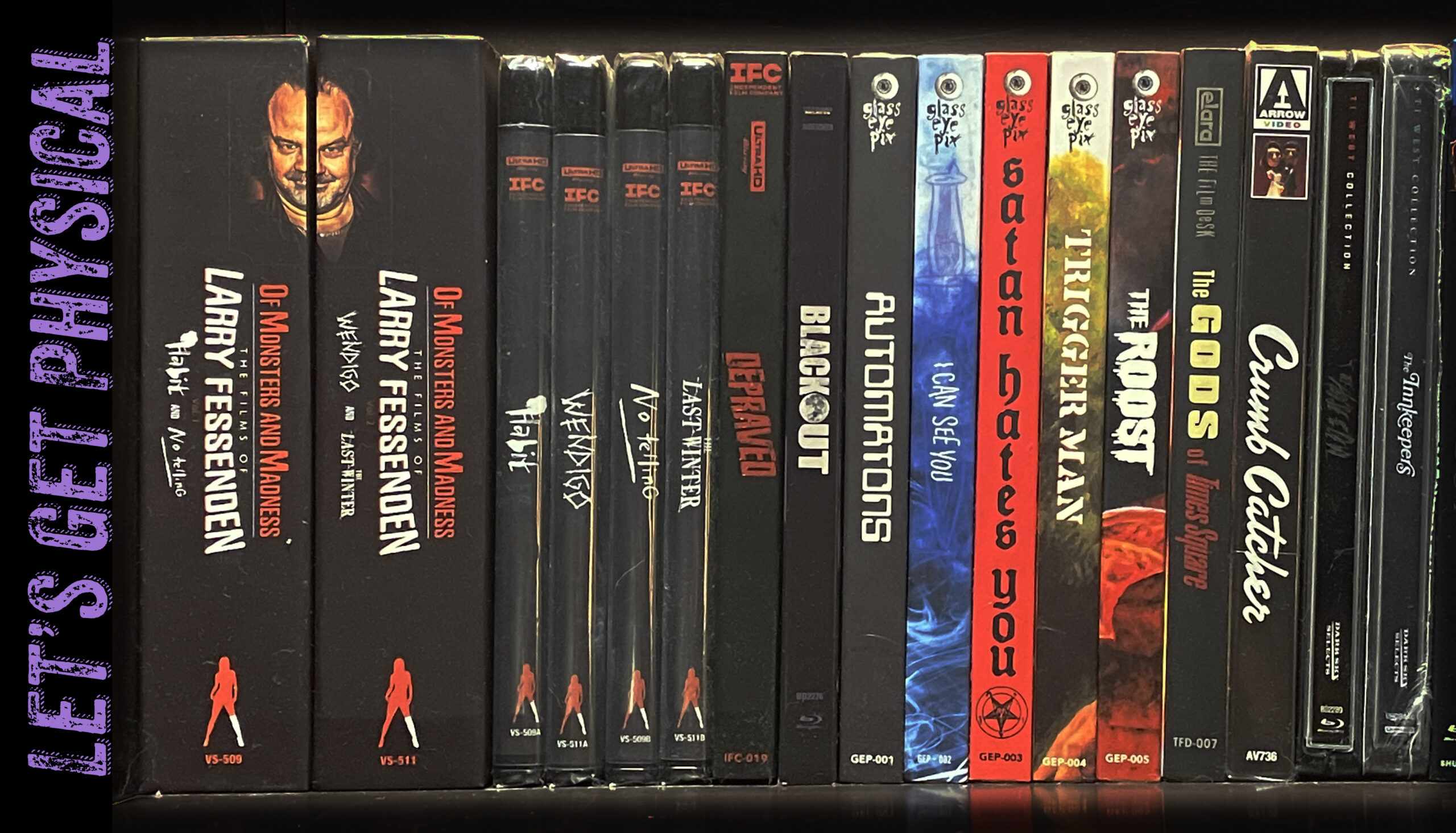
“The Larry Fessenden Collection” (Scream! Factory/IFC/Glass Eye Pix): One of the best arguments for the continued existence of physical media is this box set spotlighting the work of one of America’s most original horror auteurs. Fessenden has quietly put together a body of features, shorts and experiments that make more sense when they’re gathered all in one place than when they’re scattered.

read full list here

December 12, 2015
Share:
Facebook Twitter Email

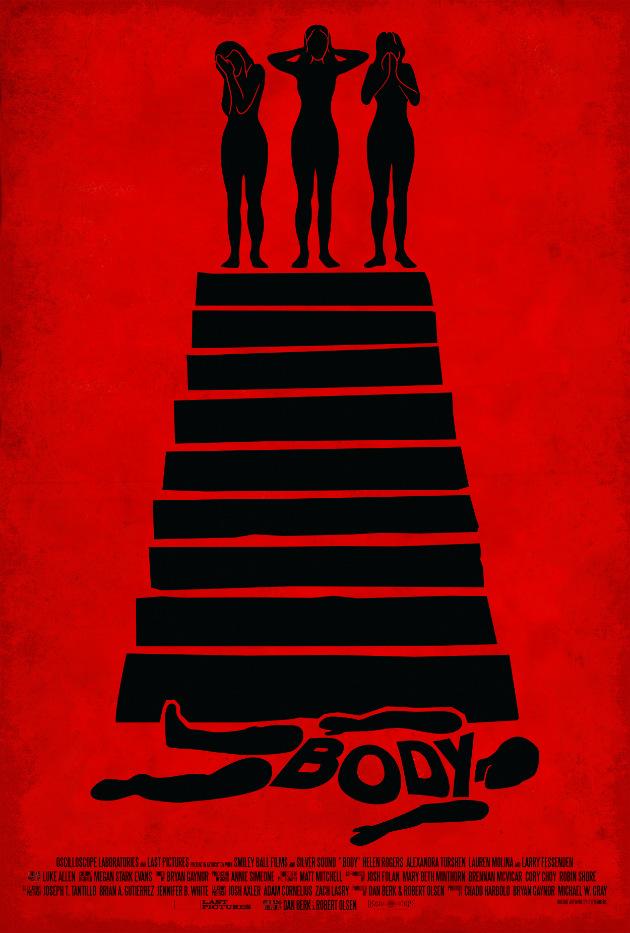
Berk and Olsen’s BODY opens theatrically 12.11.15 at Midnight

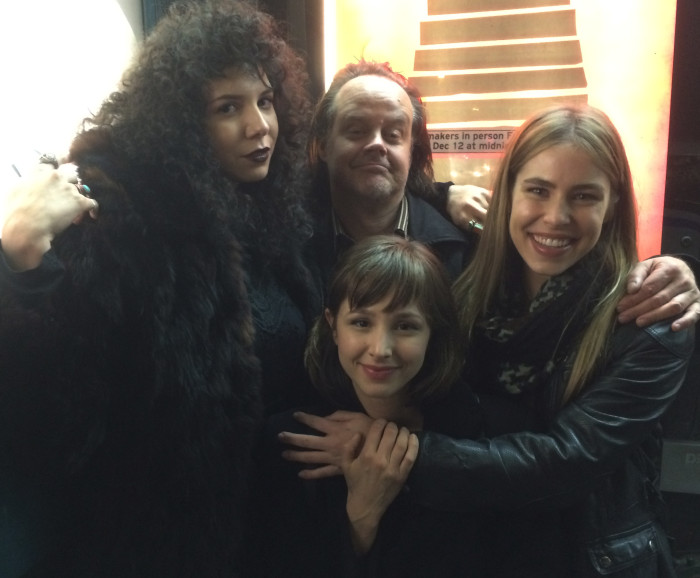
bodygirls

Fessenden with costars Molina, Turshen & Rogers
at the midnight premiere at IFC, NYC

from the review at rogerebert.com;

The film follows three twenty-something women on the night before Christmas Eve. Cali (Alexandra Turshen) and Holly (Helen Rogers) visit their friend Melissa (Lauren Molina) at Melissa’s parents’ house.

Turshen, Roger, and Molina have genuine sisterly camaraderie, so much so that it doesn’t matter that the dialogue and situations they find themselves in before being discovered is so light that you’ll barely remember it when the film ends. That’s actually the secret of the film’s success: it maintains a certain tempo and interest that you’re so immediately involved you don’t even realize you’re being sucked in.

A perfect example of the unassuming spell “Body” casts: Larry Fessenden’s excellent performance as … well, I can’t really tell you that. Fessenden, a horror filmmaker who has nurtured several talented American indie horror filmmakers at his own Glass Eye Pix distribution label, is an exceptional character actor. He steals every scene he’s in, and his big scene in “Body” is no different. Fessenden is an ideal bit player: he lures viewers in without going so far over the top that his performance seems to hail from a completely different film. He can be a ham, but Fessenden’s performance in “Body” is magnetic, and leaves you feeling like you’ve been turned inside-out.

But “Body” is not about Fessenden. He’s a key part of the film’s success, but no single part of the movie is more important than the rest. The film’s exceptionally consistent mood is its main appeal. For that reason, “Body” reminded me of supposedly minor Alfred Hitchcock masterworks “Dial M for Murder” and “Rope.” In those earlier thrillers, Hitchcock’s unmistakable talent serves ideas that seem to evaporate, or at least lose their thematic weight as soon as soon as you’re done watching. One can only hope that Berk and Olsen’s body of work grows to the point where “Body” is unfairly remembered as a minor success.

Still, right now, we’re at the beginning of Berk and Olsen’s promising career, and most viewers don’t know that “Body” is a must-see. “Body” may be the kind of genre film you take for granted, but there’s nothing inessential about a sharp, well-crafted thriller just because it’s not particularly flashy, and doesn’t have any big ideas. No, “Body” may not be the kind of modern-day B-movie that wins awards, but it does exactly what it sets out to, and that’s a fair amount. So go ahead: see this film for yourself. You won’t know what hit you.

body-poster_web_FINAL-630-thumb-630xauto-57132


December 11, 2015
Share:
Facebook Twitter Email

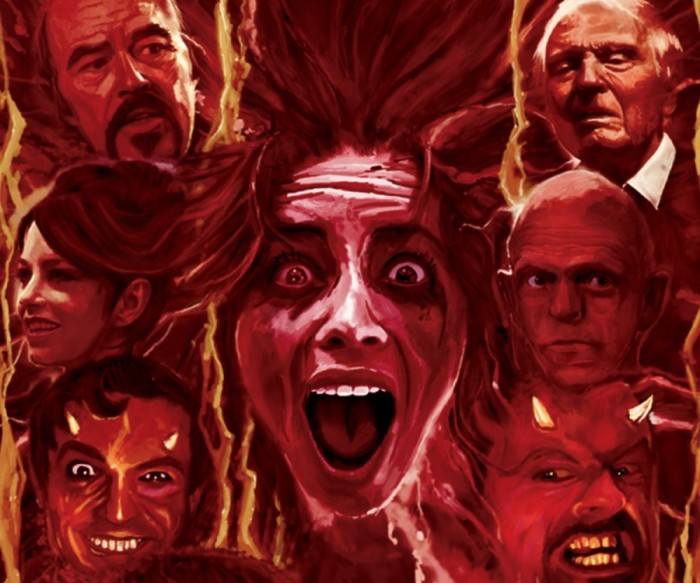
LISTEN NOW: Take a Listen Down the Drain with Jeff Buhler’s GUTTERMOUTH – TALES FROM BEYOND THE PALE SEASON 3

Indiewire hosts Jeff Buhler’s GUTTERMOUTH, a new TALES FROM BEYOND THE PALE episode inspired by the fact that he’s “always been terrified of drains.” Streaming now!


The story for “Guttermouth” involves a man who hears voices coming from a drain. What inspired this premise?

I don’t really know how to explain this, but I’ve always been terrified of drains. Not terrified like I don’t want to take a bath, but ever since I was little, I remember thinking how weird it is that all the water we use just goes down these pipes to some place underground. Stare at the sink for a while and your imagination wanders…

What tradition would you place this story in? On the one hand, it’s got a creepy supernatural tone; at the same time, it’s more of a psychological thriller.

I would put this in the relationship drama department. What is really at play here is a failing relationship and that is something we can all relate to, whether is a partner or friend. The supernatural stuff is really the mirror we hold up to look at ourselves and the silly head games we all play with each other.

As a filmmaker, how would you say the process of crafting audio plays differs from making movies?

“The supernatural stuff is really the mirror we hold up to look at ourselves.”

This is my third go around with the “Tales” gang, and I would say I’m finally getting my head around that very question. Audio storytelling is freedom.  There’s no crews, cameras, lights, etc. It’s far closer to theater that way.  The storytelling rests completely on the actors and the sound design, both of which are aspects of filmmaking that I love. I mean, who doesn’t love foley?  It’s just a blast to watch people walking on kitty litter or ripping up bunches of celery for bone snaps.
I was over at Larry Fessenden’s house and accidentally broke an extremely valuable vase. Doing these shows is the only way I can pay Larry back. He promises to knock $200 off my tab every time I turn one in but I don’t really trust him or that Glenn McQuaid fellow. Very shifty, that pair.

More generally, what do you like about working with Glass Eye Pix?

Basically it’s all about creative freedom.  Glass Eye lets creators run with ideas that no one else would touch.  They are supportive throughout the process but not intrusive.  And, most importantly, they’re getting really good at doing these things.  When I see the evolution from Season One to these recent Tales, I am really proud to have been a part of it from the beginning.

You’re currently working on several remakes. What do you make of this particular creative challenge and how does it differ from other projects?

Jacob's Ladder

“Jacob’s Ladder” was the first in what I’m calling my Trilogy of Reboots.  After that, it was a new “Pet Sematary” and then a new “Grudge.”  With each of those projects, the challenge was to find ways to make the current version have a reason to exist other than the name. Each of those scripts are completely different from the original movies — or books — in certain details, but remain true to the spirit of the original stories. They’re all fun and, I think, will not feel like a lame horror cash grab but actually a companion piece to these movies that we, as fans, hold so dearly.

With the “Tales” work, it’s completely just for fun. There are very little restrictions. The stories are all originals. Each one is completely different from the ones before. Writing and directing the “Tales” episodes feels like doing short stories after you’ve been working on giant novels.  They’re quick and fun and best of all, they get made!

What else do you have in the pipeline?

Outside of my Trilogy of Reboots, I’m just finishing a script I’ve been developing with Juan Carlos Fresnadillo — who is also the director of “Pet Sematary” — called “Into The Zombie Underworld,” which takes place in Haiti and delves into the real life experiences of a journalist who lived there just before the earthquake.  It’s all based on real events and very, very scary.  A bit like a gritty and modern “Serpent and the Rainbow” but real dark shit. A lot of fun to write. I also wrote a supernatural thriller called “Descendant” that is being produced this coming year with Screen Gems, and “Lotus,” which will be directed by Nicholas Macarthy, who did a wonderful little film called “The Pact. ”

And of course, I’m always coming up with more ideas for the “Tales” gang.  Gotta pay off that vase…

December 11, 2015
Share:
Facebook Twitter Email

LISTEN NOW: Fessenden’s Eco Thriller NATURAL SELECTION – TALES FROM BEYOND THE PALE SEASON 3

It’s Friday, so it must be time for new TALES FROM BEYOND THE PALE! NATURAL SELECTION, by Fessenden, starring Dominic Monaghan, streaming now on Indiewire.


For the next several weeks, Indiewire is exclusively premiering new episodes from the third season of “Tales From Beyond the Pale,” the audio play series produced by Glass Eye Pix. Episodes will be available for two-day windows. 

The season continues with filmmaker Larry Fessenden’s “Natural Selection,” starring Dominic Monaghan. Listen to the episode above, and read interviews with Fessenden and Monaghan conducted by Indiewire’s Eric Kohn about the inspiration for the episode below.

The episode is inspired by the show “Wild Things with Dominic Monaghan.” When did you discover the show and how did you get Dominic onboard to play the lead role?

I worked with Dom on Glenn McQuaid’s movie “I Sell the Dead” and we’ve always stayed in touch, so naturally when his show came on, I tuned in. The show has a really fun travel-type vibe, lively editing and exotic locations that become increasingly remote as each episode progresses toward the discovery of some rare creature that Dom is ultimately going to commune with on camera. But what is most meaningful to me is the ethos at work; Dom is fearless but not foolish in the way of daredevil personalities stalking alligators. He is incredibly respectful of the creatures in a trans-species sort of way that is so rare in popular entertainment.

Anyway, whenever I watch a show like that, any reality TV stuff or documentaries, I always think of the cameraman who is entirely invisible to the viewer but presumably doing everything the host is, only with a camera on his shoulders. Like they used to say, Ginger Rogers was doing all Fred Astair’s moves, only backwards and in heels. So I wanted to bring that idea into a story. In all the tales we’ve done, there are very few if any that would be considered “found footage,” so I was inspired to try something with that aspect to it.

“My mind clouds over with frustration at human arrogance…so I write a horror story.”

Next, I thought of how to tell the story personally and of course my trip to the Galapagos came to mind. I don’t travel often but the remote places I’ve been are my favorite and most memorable: Iceland, Alaska, the Redwoods — the places that are about the land and the animals more than the people. You can’t really visit or think about the Galapagos Islands without thinking about evolution and the power of observation and insight that a naturalist like Darwin brought to the world. Of course, all this wonderment leads me to think about the idiotic controversies that we have in our public and political diatribes, and my mind clouds over with frustration at human arrogance and the way religious doctrine is wielded like a blunt club. So I tip over into the dark side and write a horror story.

What were the challenges of representing this setting only through audio? 

I wanted to represent the remoteness of the islands by depicting the travel it takes to get there, and to take the listener from bustling Ecuador to this remote island in the sea populated only by birds. At the very end, it’s just one man and the birds. I used the motif of the chattering birds — boobies, to be precise — which are a species specific to these islands. I also have flamingos in there, which have a very unusual call. The idea was to have the vocalizations of the birds rise and fall with their excitement level and use that as a storytelling device: when they grow silent, the monster is near.

Ever since your first feature “No Telling,” you’ve dealt with ecological themes in your work. How does “Natural Selection” fit into that focus? 

Spoiler alert!

“What is scariest in life is not violence and death but loneliness.” –Larry Fessenden

I think of “Natural Selection” as the story of a man who transforms into another species without fear and horror, showing his true openness to the world. In a way, the story is told from the point of view of the cameraman, who witnesses the horror and then has to confront the same fate himself. In the end, it is a story about how we confront death and change and deal with the unknown. Ross Geary, Dom’s character, undergoes his fate without judgement. It is also, as I have said, about the cameraman. He’s left alone, repeating the same experience, but without the same perspective that eased Geary’s end, so his fate is more chilling. In setting up that ending, I contemplate that what is scariest in life is not violence and death but loneliness, the simple existential truth of existence. It’s a common theme in my work.

What has changed with respect to these issues since you started tackling them in your films?

The world has become more partisan and desperate since I began thinking about ecological things in the mid-eighties. I have seen public discourse go from civilized to irrational and vitriolic. In a sense, all my worst fears are coming true as humankind has become detached from the natural world and lost in a narcissistic death spiral exacerbated by the echo chamber of the internet. All the wars and unrest we are experiencing are resource wars and climate wars, brought on by a global eco-system under deep duress. This was all foreseen decades ago in books I was reading. So while I have always operated under a sense of urgency, there is also now a feeling of resignation and sadness as well.

In a broader sense, how do you avoid simply shilling for your message without losing something in the storytelling department?

Larry Fessenden and Glenn McQuaid

In all my work I am trying to get at a philosophical perspective about an individual’s place in the world. In the final analysis, I am trying to question the mythologies under which we exist, the basic assumptions our society operates under that in my view is not sustainable. This viewpoint, which is very personal, can be alined with the environmental movement and the talking points of various eco-causes. But then again, movies about the devil and exorcisms are in fact assuming a religious context where a devil exists. It is essential to understand where our stories are rooted. My stories may seem preoccupied with “nature,” but that’s because it’s what we as sentient beings are dealing with, not gods and devils. Those things reside in ourselves.

When will we see your next movie?

After this interview I’m sure I’ll never get financed again!

Below, Dominic Monaghan shares some thoughts on how his decision to perform in “Natural Selection.”

'Wild Things with Dominic Monaghan'

What made you want to do this?

Well, I love Larry, Glenn McQuaid, working with Billy Boyd, and “Tales From Beyond the Pale.” All plus points.

How did the production experience differ from what you usually do?

Always the same. Who’s the character? How do I identify with him? How can I add more? How can I help? How can I have fun?

What do you make of the ecological themes in the show? 

Larry very much hit upon something that has made us close friends over the years. We share the same worries and hopes for the future of this planet. We want the same things. We see the same warnings. It’s a cautionary tale — with a little fun!

How does your own program address these issues?

I attempt to inspire curiosity and eradicate fear from some classic situations that typically inspire fear: Travel. Planes. Heights. New things. Cultures. Ideas. Creeds. Unknown foods. And animals, of course.

Why would someone familiar with your show want to check out this episode?

I think they both exist as two separate things just fine, but if you have seen Larry and I in “I Sell the Dead,” or seen Billy and I in “The Lord of the Rings,” maybe you’ll want to check things out more. But it’s a great story full of exciting moments of suspense and intrigue. I had a lot of fun doing it and I hope that shows.

December 11, 2015
Share:
Facebook Twitter Email

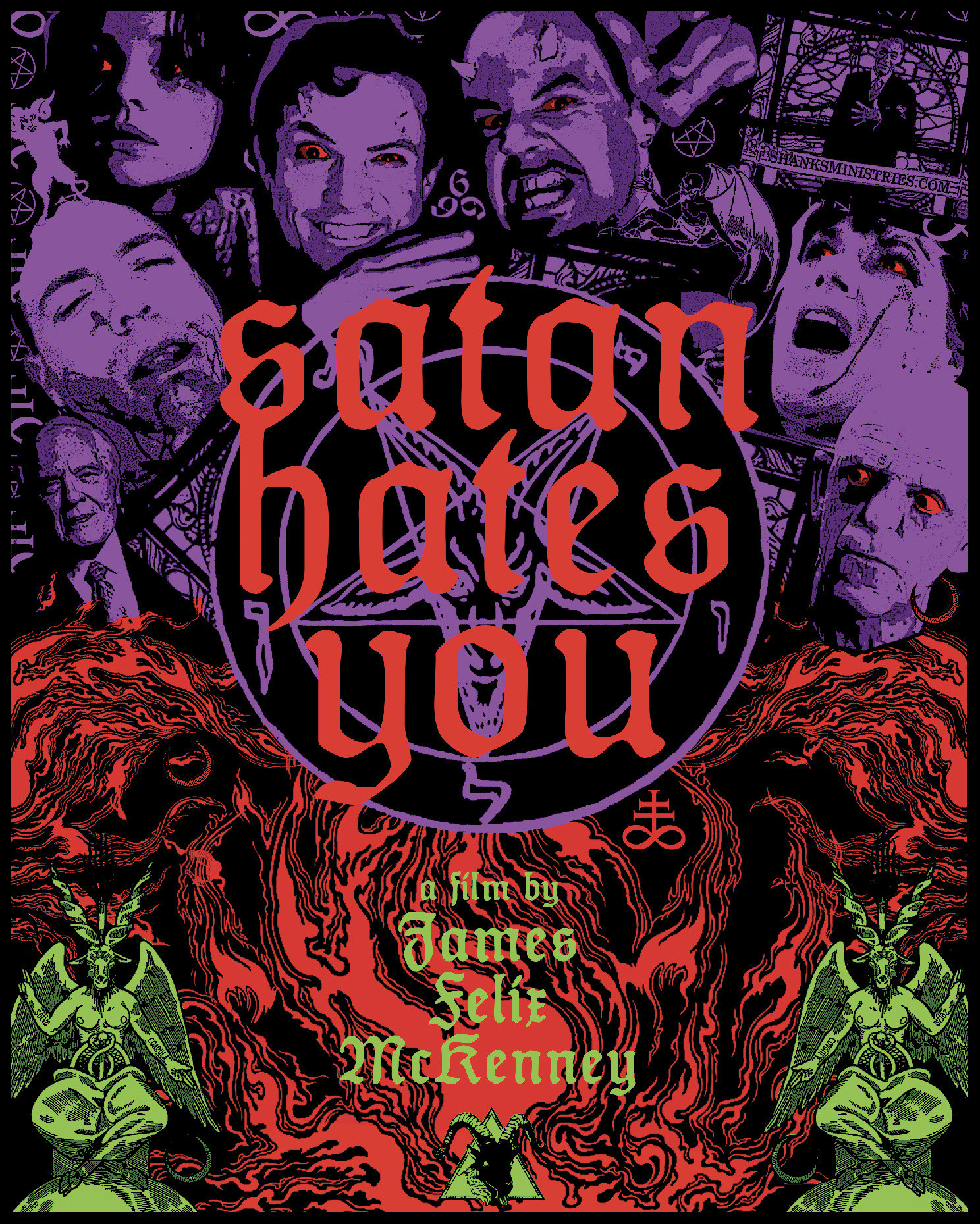
Blumhouse tags McKenney Mini Doc

Satan_Hates_You-900x750

From Blumhouse:

Glass Eye Pix Gets Real with SATAN HATES YOU Director James Felix McKenney
by Gregory Burkart

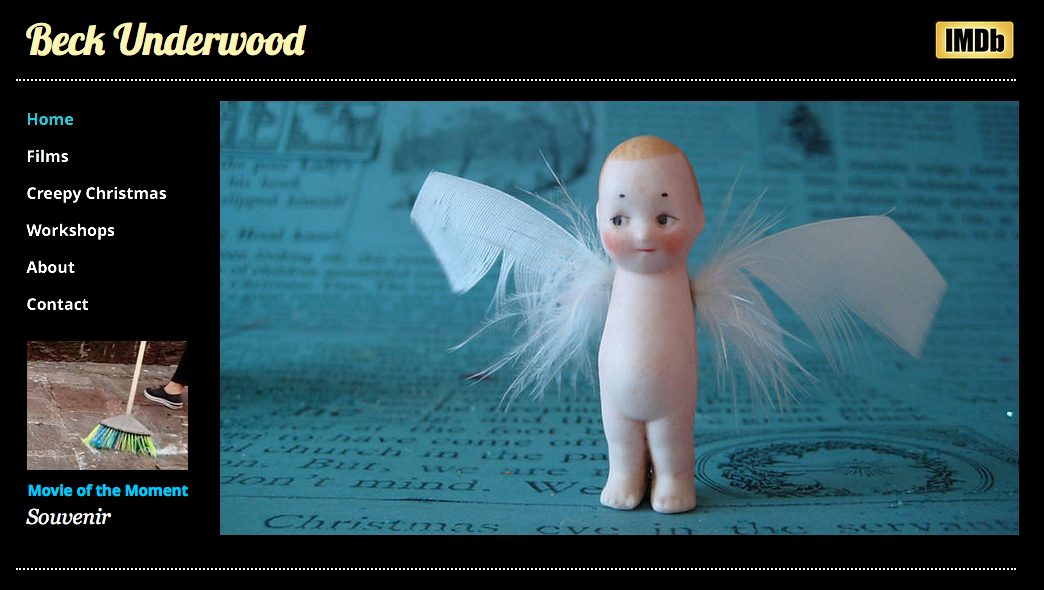
The folks at indie horror powerhouse Glass Eye Pix continue to celebrate their 30th Anniversary with the next installment in an ongoing series of mini-documentaries on the company’s many creative collaborators and contributors (if you missed it, be sure to check out this profile of animator Beck Underwood, whose work with creepy dolls and toys will chill and delight you).

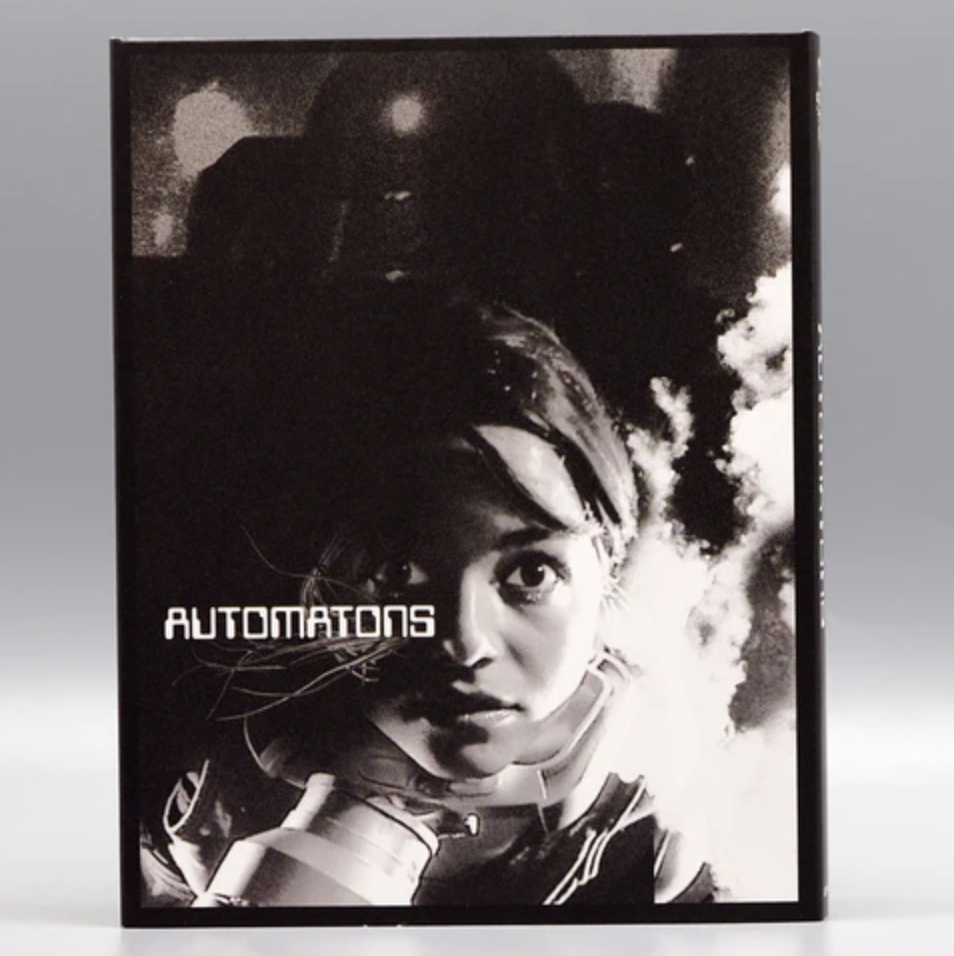
Today’s chapter focuses on James Felix McKenney — a man who has donned many horror hats over the past three decades: he’s the man behind cult horror projects AUTOMATONS, HYPOTHERMIA and SATAN HATES YOU; he founded his own production company Monsterpants Movies; and he was the very first full-time employee of Glass Eye Pix founder (and beloved genre icon) Larry Fessenden (HABIT, THE LAST WINTER). He’s since become manager on several of their projects, including the current season of the hit horror radio show TALES FROM BEYOND THE PALE.

Watch the mini-doc below and find out what horrific mischief he’s up to now!