January 14, 2016
Share:
Facebook Twitter Email

Fessenden Salutes Angus Scrimm

Angus Scrimm, Remembered: Producer/Co-star Larry Fessenden
via Fangoria

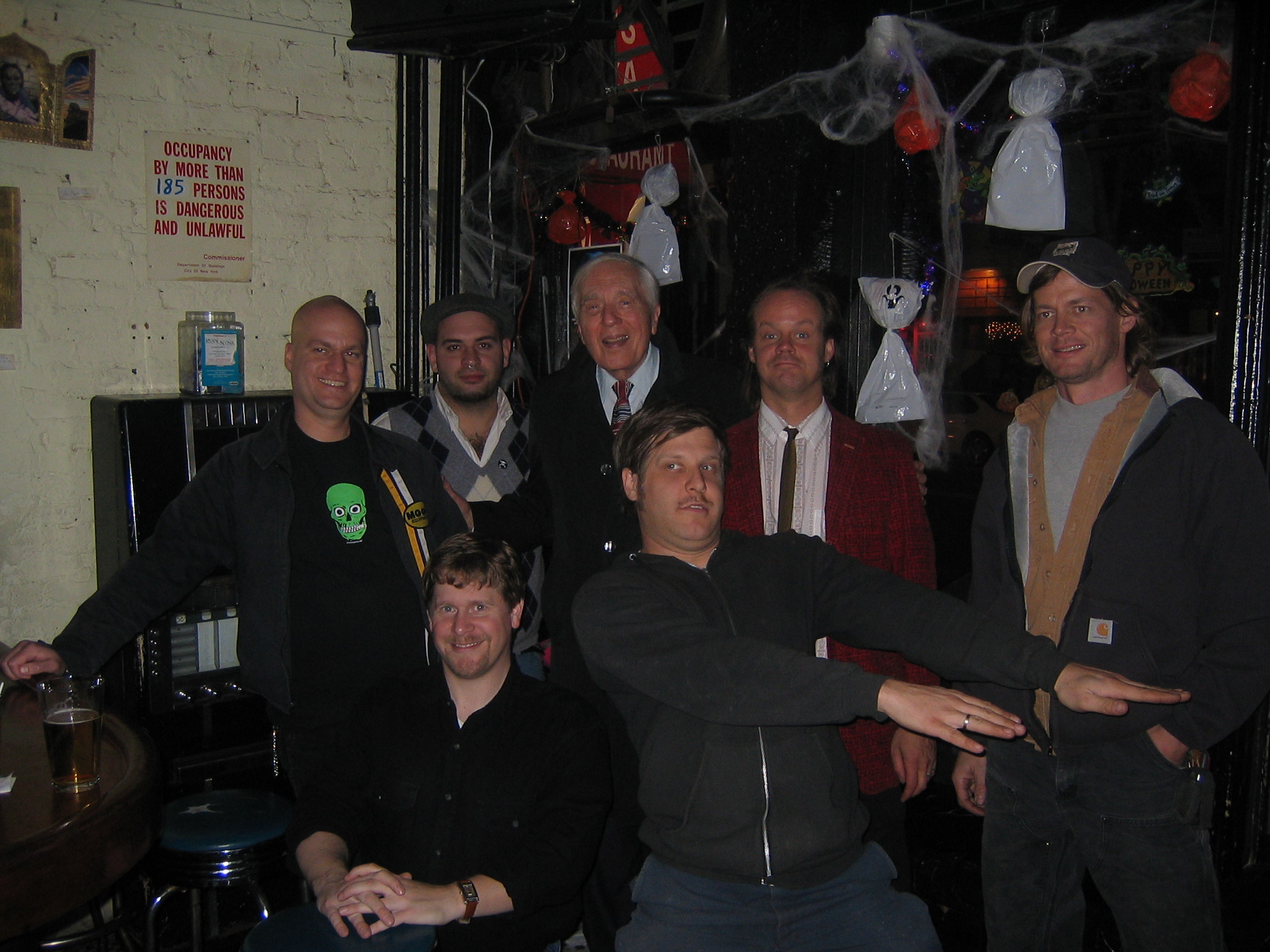
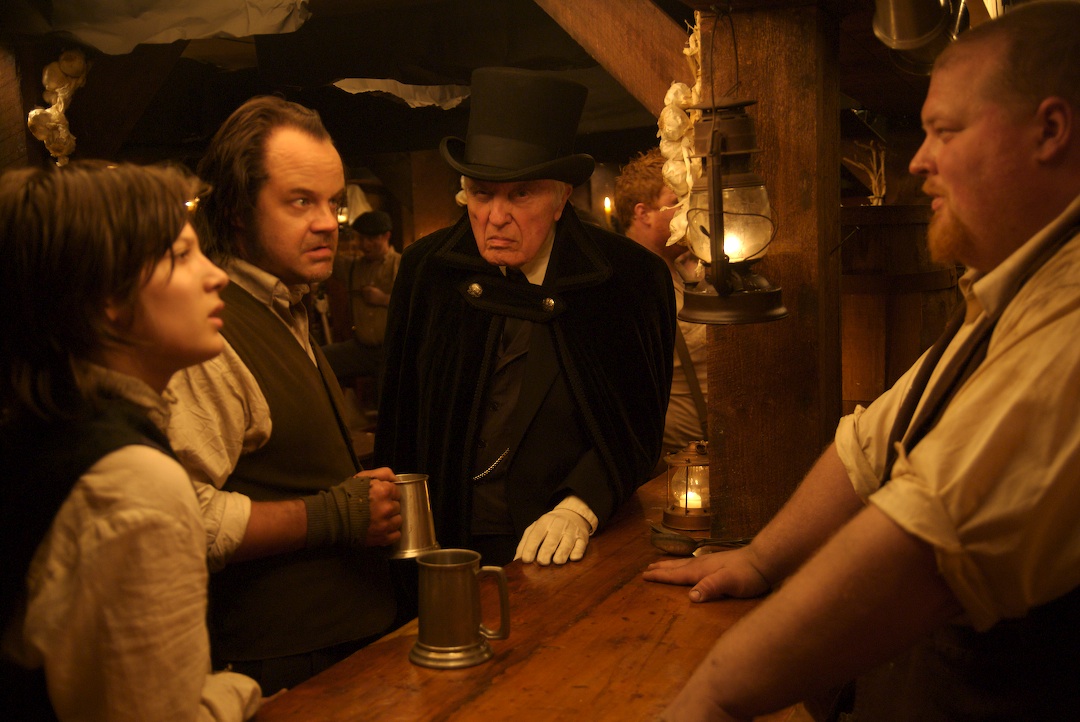
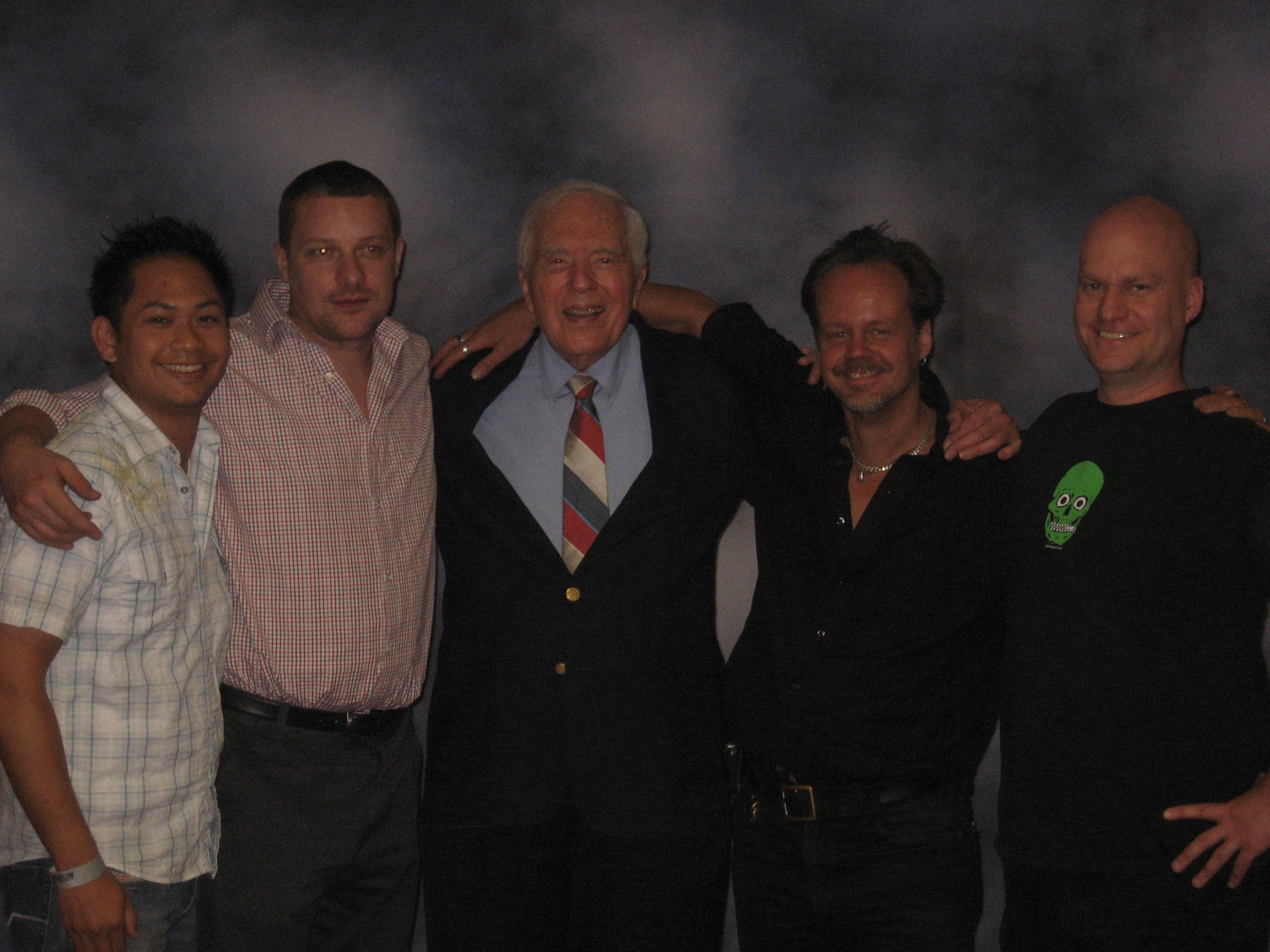
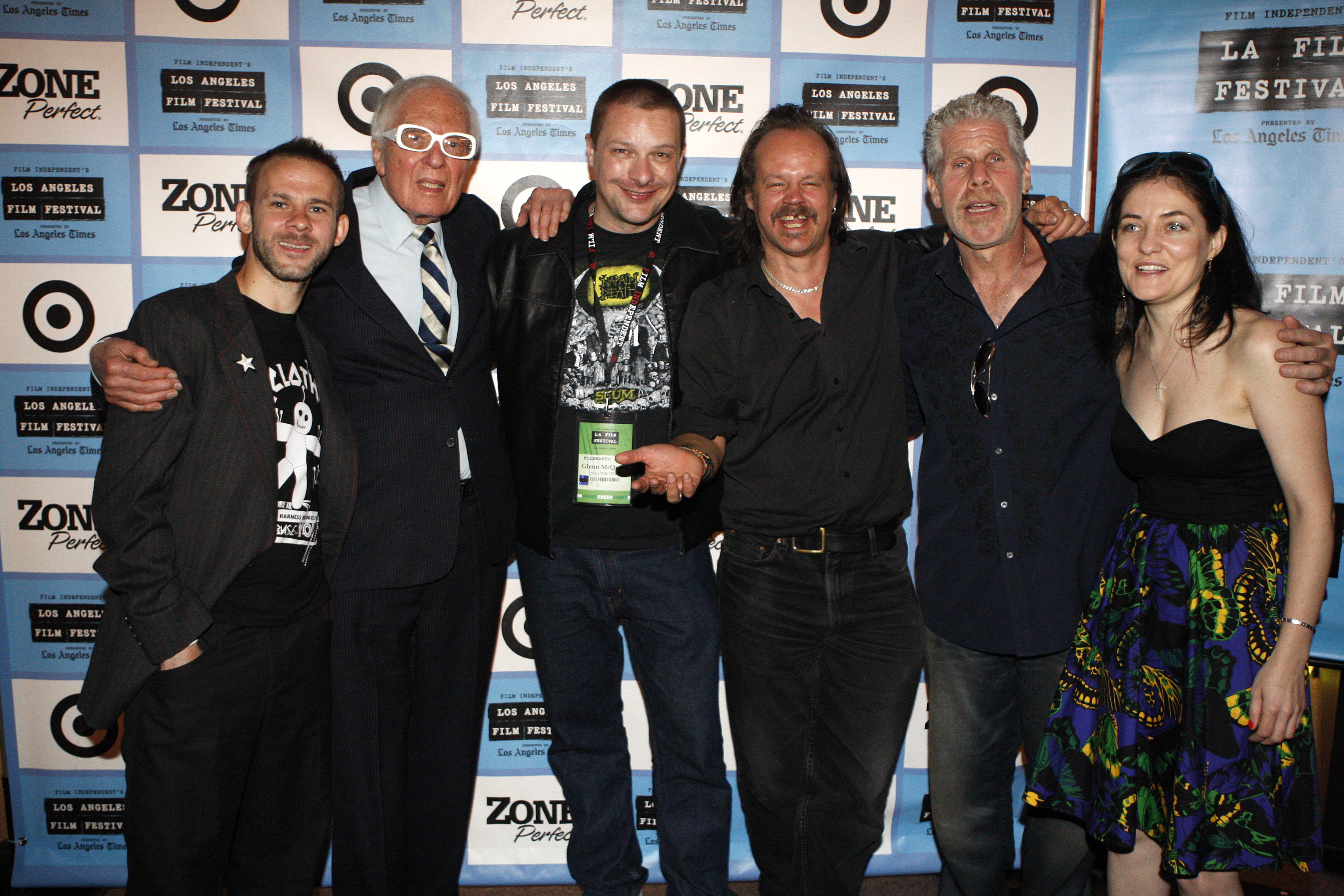
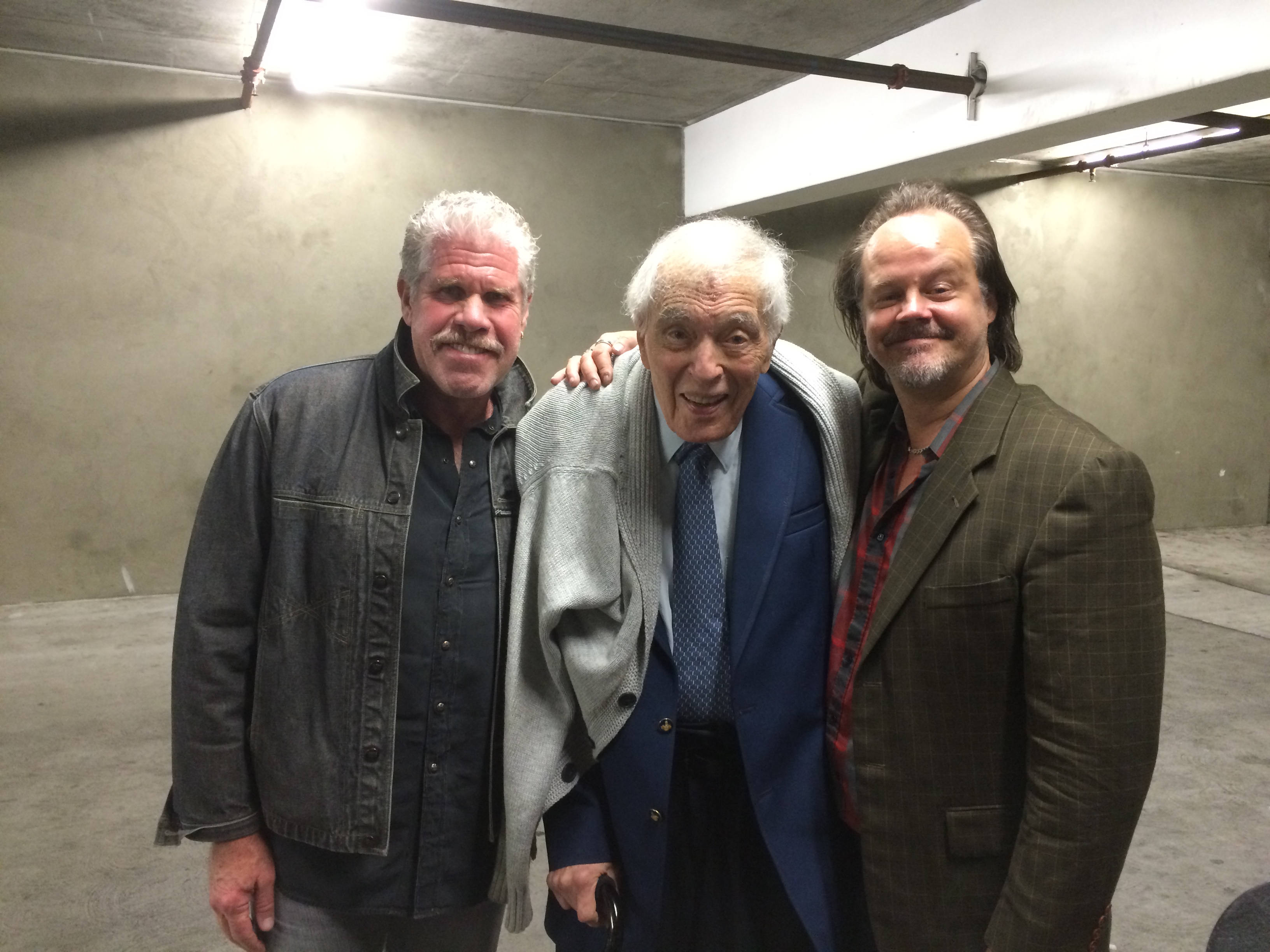
I SELL THE DEAD, Larry Fessenden (second from left), Angus Scrimm (center of frame), 2008. Ph: Lee Nussbaum/©IFC Films

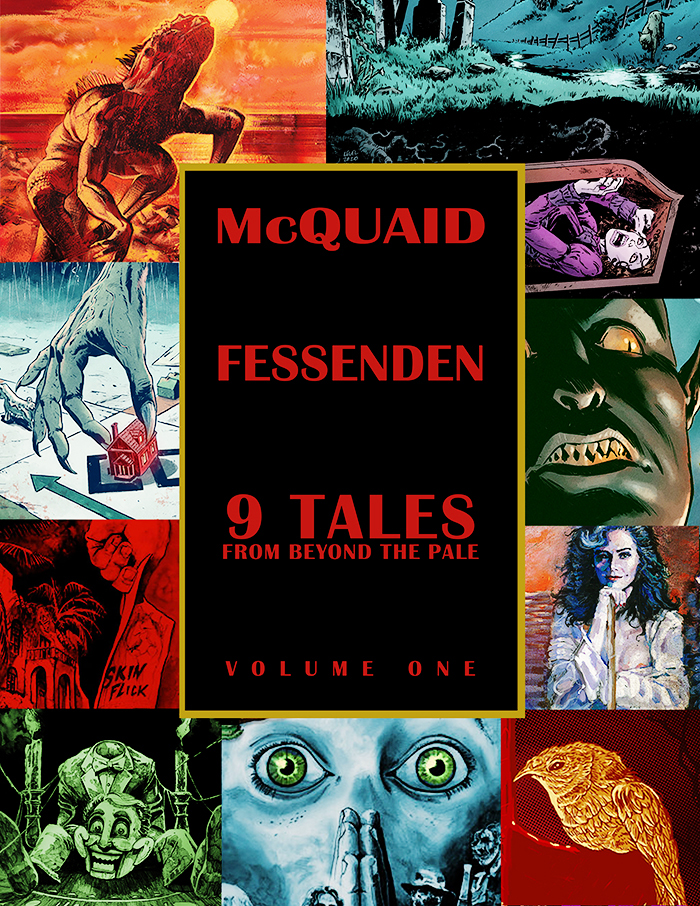
With the passing of horror icon Angus Scrimm this past week, FANGORIA is dedicating this week to the memory of our dear friend. Therefore, FANGORIA has reached out to several of those who knew Angus well for their parting words and to share the memories they had with the extraordinary actor. Our latest contribution comes from filmmaker Larry Fessenden, who produced no less than 4 features starring Angus Scrimm, including I SELL THE DEAD in which the two acted opposite one another, while also producing two episodes of TALES FROM BEYOND THE PALE featuring the horror icon.

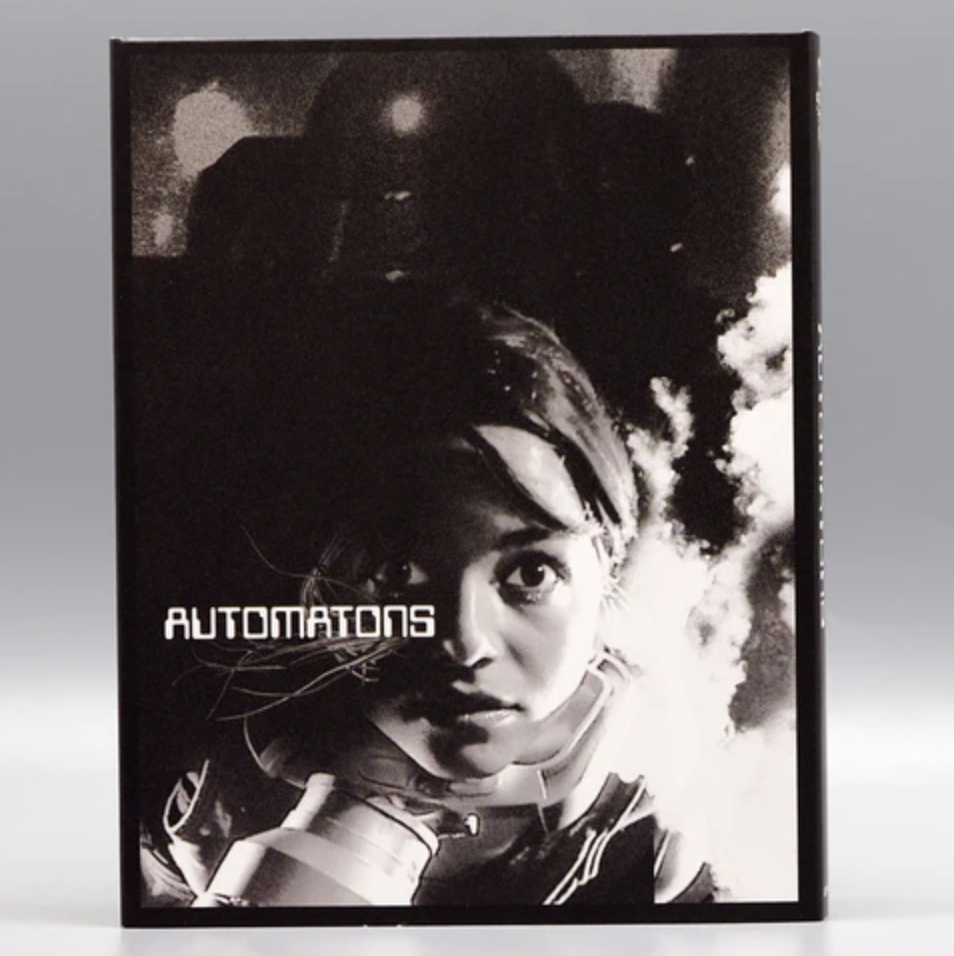
Angus was in town very near the holidays one year, perhaps for the premiere of AUTOMATONS or THE OFF SEASON, and he was visiting my home. For some reason, we were rehearsing a puppet show of SCROOGE, which we put on every year, and Angus listened in from the other room so as not to distract. He was sitting with my son, Jack, and conversing with the young fellow who in turn played Angus a piece he was learning on the piano. After the recital, Angus told Jack that he had once played the violin. I learned of this from my son and subsequently told Glenn and we all schemed together that Angus should play the violin in I SELL THE DEAD to show a peculiarity of the evil Dr. Quint.

Without objection and without telling us, Angus undertook violin lessons, and by his own account, would rehearse in his bathroom so as not to disturb the neighbors. He labored on this for several months and eventually Jeff Grace, the film’s composer, supplied him with sheet music to perform on camera. Angus labored further. When the time came to shoot, he was fully rehearsed and though his tone was unrefined, he hit every note and we used a large portion of his playing in the film before transitioning into the full score.

Years later—in fact just this last October—Angus hosted a Q&A for the film with Ron Perlman and myself and recounted the story of how he learned to play the violin for Glenn’s movie. He told the story with complete lucidity and humor, recalling not only the name of his violin teacher but being frustrated he couldn’t bring to mind the name of the teacher who taught him how to play in grade school 70 years earlier. Such was Angus: completely dedicated to the arts, a consummate professional, deeply respectful of and reverential to everyone’s individual contribution; and completely forthcoming in conversation with a child. And he had a damn good memory. He used to recite stanzas from Poe’s “The Raven” to the astonishment of fans at horror conventions. It is a blessing to have known such a gentleman. How often can we use that word in earnest anymore?

IMG_1517

January 14, 2016
Share:
Facebook Twitter Email

Cinedump interviews Fessenden

LARRY FESSENDEN (2016)

January 13, 2016 by Preston Fassel

Call him The Last Cowboy.

In many ways, the 1980s and early 90s were a sort of last frontier for independent horror film-making. In the internet age, where everyone has a social media presence, Kickstarter can fund a movie overnight, and careers live and die by tweets, it’s difficult to pine for an era when esotericism and ephemera were the name of the game. Yet for all of the magnificent movies brought to us by today’s ever growing crop of independent filmmakers, there was something special about that time and place— before the need for high technology, rigid production schedules, and a really well orchestrated Twitter campaign. It was an age where a guy with a camera on his shoulder, a zip-loc full of fake blood, and some willing friends could wreak havoc on a Friday night and have the fruits of their labors turn up at Blockbuster six months later. It was a time when the video store and the midnight movie reigned supreme, a phantasmagoric last gasp for a generation raised in the dark by the light of the film projector and the cathode ray tube. Seeing a horror movie wasn’t a communal experience shared with the American masses, it was a cabalistic rite for the initiated. It was a time of discovery; it was a time of adventure; it was the age of Larry Fessenden.

Though the name might not be immediately recognizable, his face surely is—he’s that guy you saw in that thing, a character actor with nearly 100 films under his belt and more on the way. Yet it’s Fessenden’s role as a director that makes him truly noteworthy, having cut his teeth on the craft in those magical days of truly independent film-making. Armed with little more than a bazooka of a VHS camera and an acting troupe, Fessenden carved out a niche for himself as a name to look for in the video stores of the 1980s, a purveyor of strange and fascinating tales. It was a reputation which allowed him to continue working into the 90s, further honing his craft (as we discuss below, if you grew up in the American Midwest, you’re almost certainly familiar with at least one of his films) while also taking on a secondary role: Producer. Under his Glass Eye Pix label, Fessenden has become the ghoulish godfather to a new generation of independent horror filmmakers, helping to launch the careers of such established and rising luminaries as Ti West and Mickey Keating. “It’s all about elevating the genre,” says Jenn Wexler, a producer for GEP who spoke to me on Fessenden’s behalf before we scheduled our sit-down. “Horror has a bad rep, so something we really try to do is show that horror speaks to so many more things than blood and guts. Horror is a metaphor for real issues… A lot of our movies play on the festival circuit, then we get theatric releases in certain markets before hitting VOD, then DVD and Blu-ray. We’re classical in the sense that we like to get theatrical screenings as much as possible.” Not content to rest on his laurels as an icon of the vide age, though, Fessenden has recently gotten into video games, as well. “Until Dawn is Sony’s new game for PS4. Hayden Panettier and Peter Stromare are in it,” Wexler says. “Larry and Graham Resnick wrote it and people are just going crazy over it now. It’s a horror movie that you can direct yourself as a video game player.”

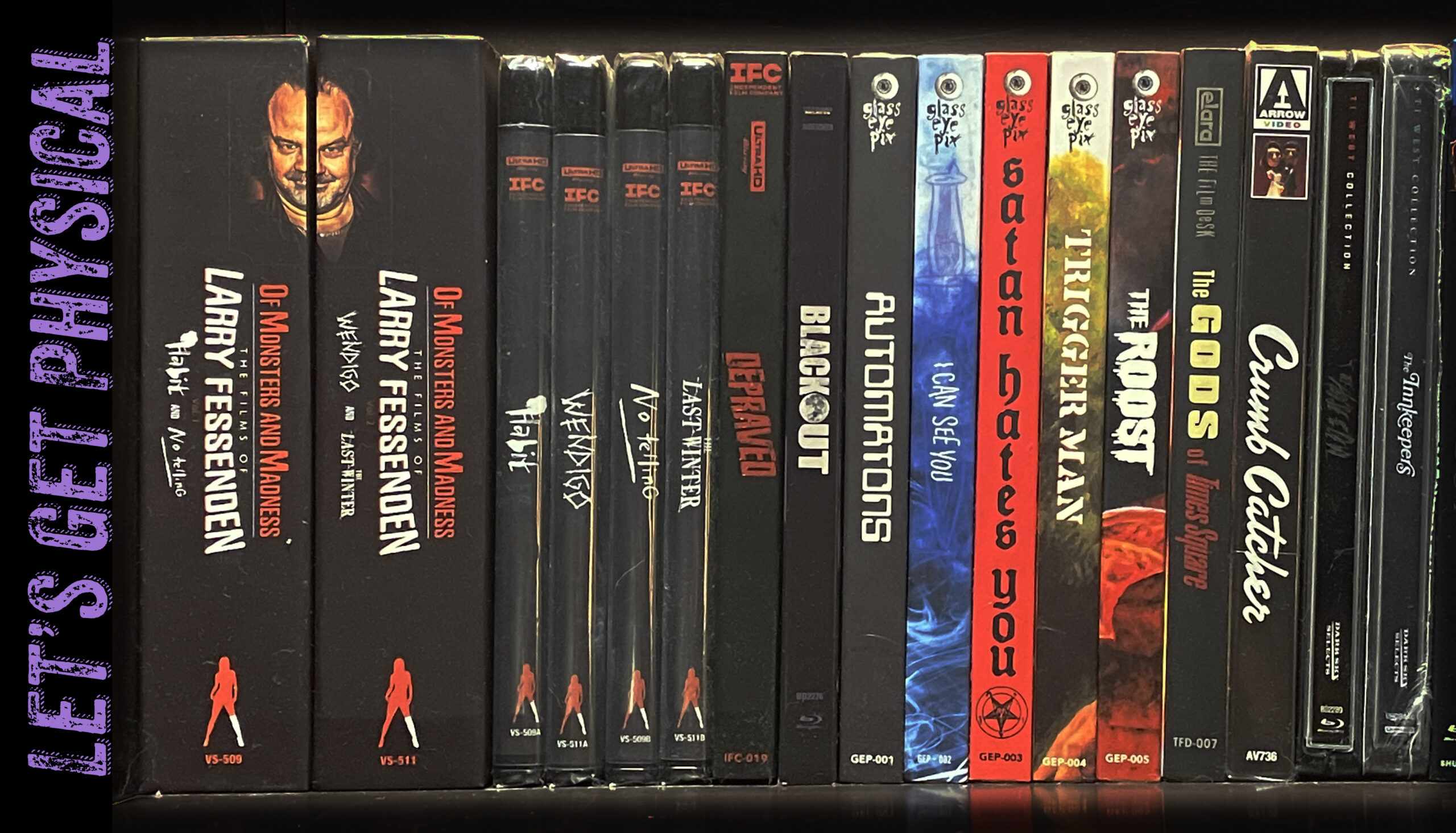
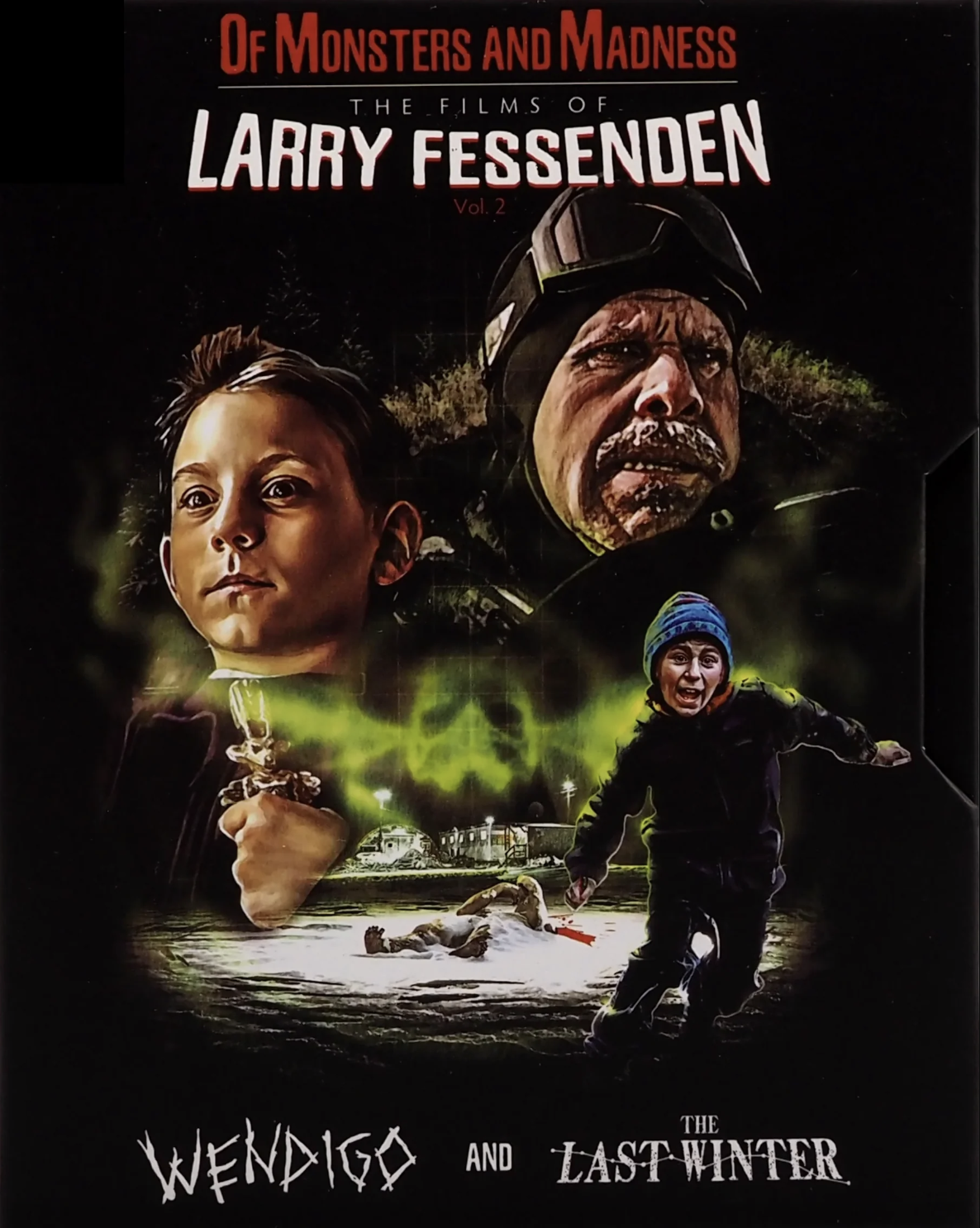
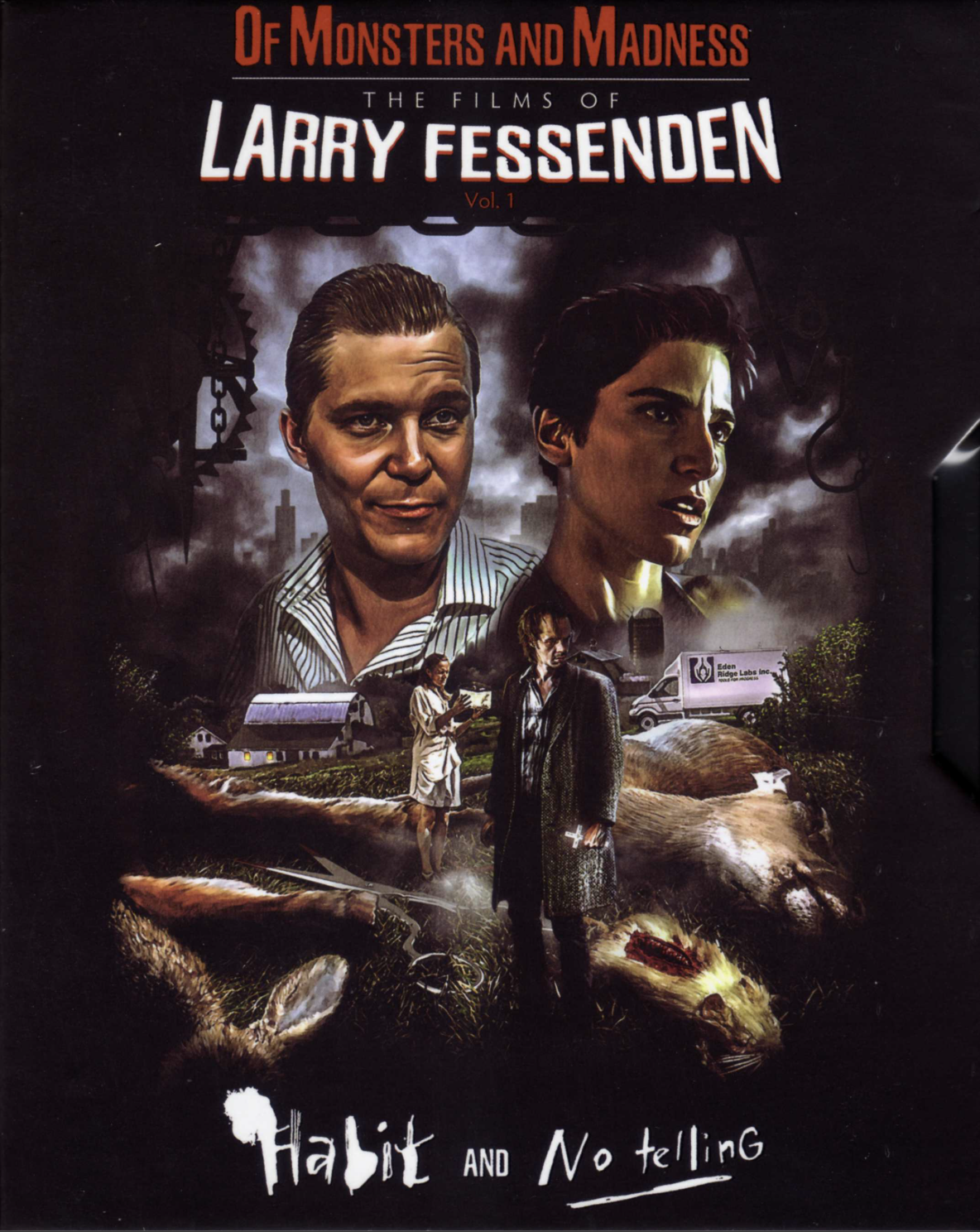
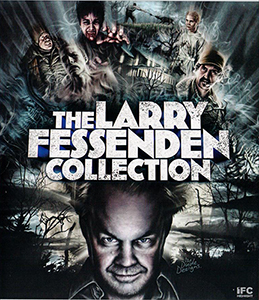
Though he may be moving forward, there’s no shame in taking a thoughtful look back, and that’s exactly what Scream Factory is doing with The Larrry Fessenden Collection, a retrospective of career highlights that also acts as something of a time capsule for that so-recent yet so-far-away era. “Habit, No Time, Wendigo, the Last Winter, these movies have become hard to see over the past few years, and this’ll make it a lot easier for people,” Jenn told me in anticipation of my interview. When I finally had the opportunity sit down with Fessenden, he demonstrated himself as someone whose reputation as a man of the people accurately proceeded him: Laid back, conversational, and introspective, it’s easy to see what draws his prodigies to him, and vice versa. It was a fun way to kill an evening, as we talked video stores, the new indy age, and looked back in joy…

Preston Fassel: How did you get into film?

Larry Fessenden: I wanted to be an actor when I was little. I liked movies, horror movies in particular, of course. I discovered that the camera is the way the story is told, and that made me intrigued by actual film-making, as opposed to putting on plays, which is what I had been involved in: Acting in and directing plays. So it was a sort of progression from there. I became enamored with a movie called Suspicion, by Hitchcock, and I became more and more enamored with the power of where you put the camera and how you tell the story. And that’s something I’ve carried with me ever since, really paying special attention where the film is designed, and how that’s stories are told. For years, I fetishized going to film school, but, in the old days, there wasn’t too many options.  So I wound up going to NYU as an undergraduate, and I found that in the media department there was a great deal of freedom to actually make synch-sound movies. And that was such a freedom because, before that, I was shooting on Super 8, and it was a very awkward and time consuming activity. Of course, I cherish those days, but shooting on video was really liberating. I was able to make features quite young that way, and really experiment and learn the medium.

PF: How did GEP get started?

LF: In 1985, I decided to direct this massively ambitious play made by a group of people I knew, called Experienced Movers. It was insane. It was four hours long. And I thought, we’ve got to make a movie of this, because with video, it was something we could conceive of with a budget in the thousand-dollars range. I think, in the end, it cost like nine or ten thousand. But it was a two-and-a-half hour movie, with twelve lead characters. An absolutely, massively strange movie, and I think it took two years of my life to put it all together. But it was a great learning experience, there were just two or three of us making the film plus all of these wonderful actors, and it was great. It was the first time I used the name Glass Eye Pix. We distributed it ourselves. I would take it to a video store with a nice package and ask, “Can I put this in your rental department?” And they’d say, “Sure.” This was in the late 80s, and there were some stores in New York that would do that, and a store in Chicago. Then I spent a lot of time working on scripts. In 1990, I made a movie called No Telling with some private equity, and that got some attention, and we sold it overseas. But here, uh… It’s been a little tough. My sensibilities are not entirely mainstream.

PF: So you have more success overseas as opposed to in the States?

LF: Ah, no! That would be a cool myth. Like, a Charlie Parker myth. (laughs) But, no… Actually I think there was always a perception that a movie like Habit, which was my next feature after No Telling, would do well in France, or something like that. But actually there weren’t a lot of mechanisms to do that. It was picked up, mostly, by a video label, when I finally did get it distributed. I did my own theatrical distribution, and it did garner a lot of positive reviews… Y’know, the business side has always eluded me. Wendigo, I think, had some more foreign presence, and then No Telling certainly sold. But, I don’t have some cult following in Europe. (laughs) That would be cool.

PF: You know, you actually have a cult following in Oklahoma. I’ve got to be honest, I didn’t realize I knew who you were until I found out you were the guy who’d done Wendigo. In Tulsa and Broken Arrow in, like, the 2000s, seriously, like, every freaking rental store… you couldn’t go into a video rental store without there being at least one copy of Wendigo.  Everybody saw that movie.

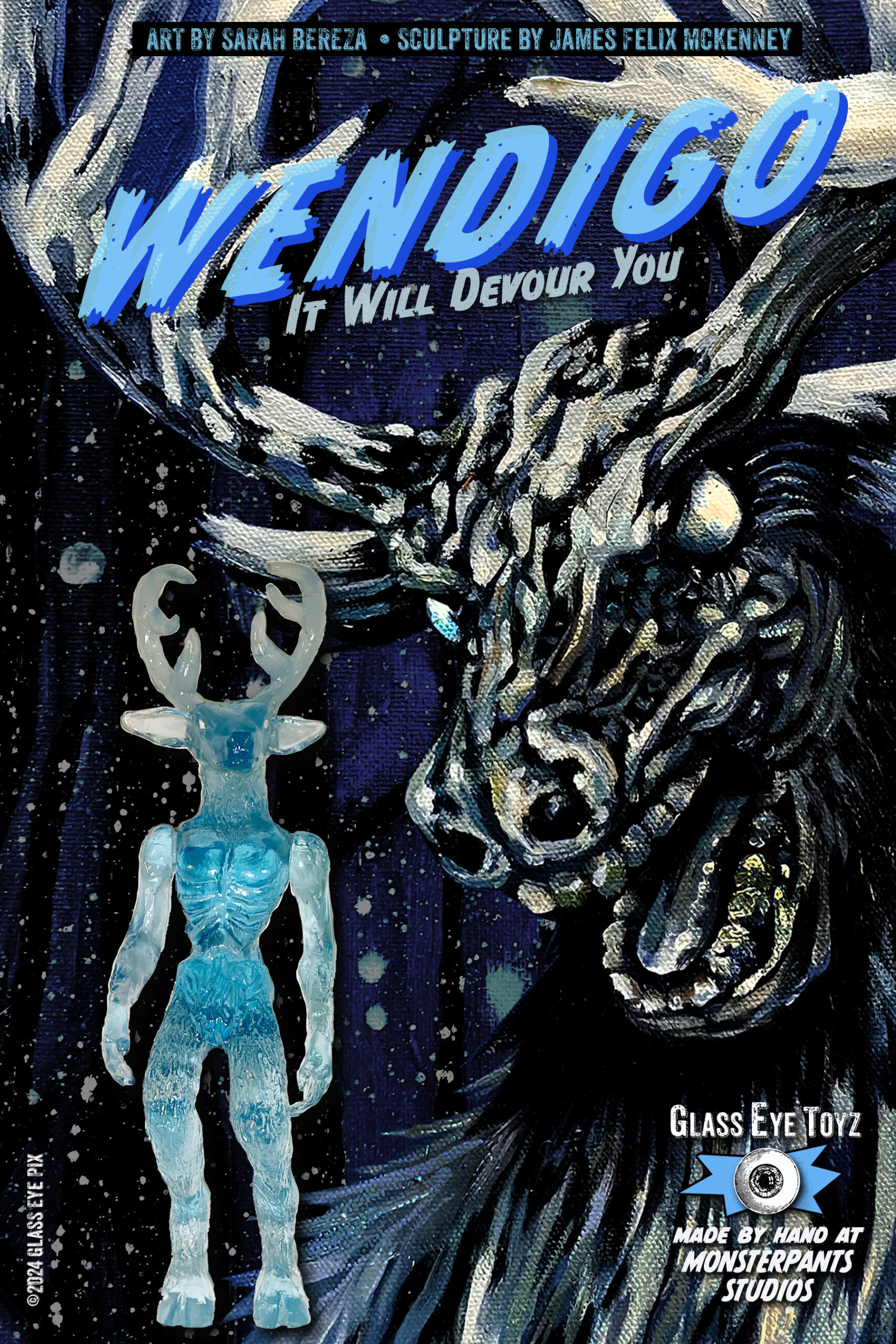
LF: I think that’s because it was distributed by Artisan, who, obviously, had tremendous success with The Blair Witch Project. So maybe they, uh, had a very strong distribution arm there. I gotta say, man, you’re making me very reminiscent for the old days of that kind of video store discovery, where a guy like yourself could walk in and say, “What the hell is this movie?” It had a terrible cover. I still hate it to this day. It looked sort of like the reboot of The Mummy, this sort of mouth yelling… And when they designed it, I literally called them and I said, “Have you even seen the movie? It takes place in the snow! You’ve got all this parchment!” These are the disappointments of being a low-budget filmmaker with very little influence over how things are sold. But it’s funny what you’re saying… In those days, you’d walk into a video store, and there’d be so many treasures. I ended up getting to know Ti West, and I produced many of his films, and the reason he knew who I was, was the same thing. He walked into a video store in Maryland and rented Habit, just some weird, obscure movie that had some sort of effect on him. Weird, great discoveries… I know you can do that on Netflix, and, uh, that’s fine, but there’s something about taking that box home and thinking, “What’ve I got?”

PF: OK, so, back to the 90s. You’ve got two movies under your belt, you’ve distributed under Glass Eye Pix. How does it move from a passion project into a full scale production company?

LF: I’ve always had this sort of desire to inspire other people. Even before I made Experienced Movers, I would video other people’s shows, and have a lot of opinions of how they could improve, what they could do, how we could present them on video. I worked with a guy named Impact Addict, who would jump off of buildings jumped in bubble wrap, and we would make—this was long before Jackass, make no mistake, we were doing this—and we would make these great pageantry videos out of his work. So I always had a great love of celebrating other artists, it was always something that, to me, is part of the process. Part of the creative process. To inspire other people. So I really try and inspire when I write, and direct, and produce, to get the most out of others’ visions. So, it’s just part of my nature. And then when I met Ti, I said, “When you get out of college…” – he was my intern—“when you graduate, come back, and we’ll make a feature. I like your short films. I also had a guy named James McKinney, and he teased me that he could make a movie for twenty grand because he had his own film crew. And I said, “Let’s see how that works.” And we set him up, and we got Angus Scrimm to be in it. And it got flaws, but, in those days, you could sell to a video company, and we doubled or tripled our money, because, y’know, it was a viable film. We had this great, golden period where we made low budget films with new filmmakers, and we actually made our money back for a long period of time. Graham Resnick made “I Can See” under that model, Ti made three movies. Oh. Really cool, low budget movies.

PF: It’s amazing, that you used to be able to market directly to video stores. You couldn’t really do that now.

LF: And you had labels, distribution labels like Showtime, uh, weird little labels… I’d have to look at who bought The Off Season. But you know, they paid us, and they obviously had a business model that made sense.

PF: It makes me think of the stuff you used to be able to find in places like Movie Gallery, Hollywood Video, supermarket rental stores where it was, ah, it was, “What am I seeing?” Something shot on VHS, and it’s, like, “Who made this? How did it get here?”

LF: Yes, exactly! Oh, I’m looking at the Off Season Disc now. It was Barnholtz Entertainment. I remember him! Barry Barnholtz. I called him up and I figured he was just some dude sitting in a room with a stack of (laughs) of videos, and he said, “I’ll buy it…” Uh, I see the Lion’s Gate Logo on here now, too, so maybe Lion’s Gate bought the rights from him. But, it was a great infrastructure in those days, where you could get really eclectic stuff paid for, [and] you could justify the next low budget production. And there’s a new version of that, but, it’s a little more difficult now, I find. Because the whole world is piled on you.

PF: How does it work now versus the 80s and early 90s?

LF: You have to have movie stars in the movies… And unless you get them really young, a lot of your crew are going to be in film school, where they’re being reminded they should get a [particular] wage. So the structure of real film has infiltrated even low, low budget movies, and that changes the relationship of… Well, everything. You’re not working long hours, you’re not a starving artist. And that’s fine. You shouldn’t have abuse in this business. But at the same time, the thrill is to start out giving it your all and trying to break out. When I made Habit, I only had six crew members including myself, the producer did our sound, and we shot for forty-five days and not today’s usual eighteen. Some days we’d shoot for three hours, get the scene, then we’d say, all right guys, let’s take a break. Oh, you have a real, paying job tomorrow? We’ll see you the next day, then.” We did it differently… And I wish you could still approach film that way. I still try to. I ask, is there a reason we’re on this strict, studio-like scheduling?

PF: Do you consider GEP to be a primarily horror production company?

LF: I think it’s really a company that’s about the… Well, my slogan is, “We support individual voices in the arts.” And I’ve been involved in a lot of movies that aren’t in the horror genre. Glass Eye Pix’s mission is to stand up against the homogenized entertainment coming out of Hollywood and to try and create a community of excited filmmakers who’re trying to push the envelope of what cinema can do.

PF: In terms of film, what is GEP’s crowning achievement?

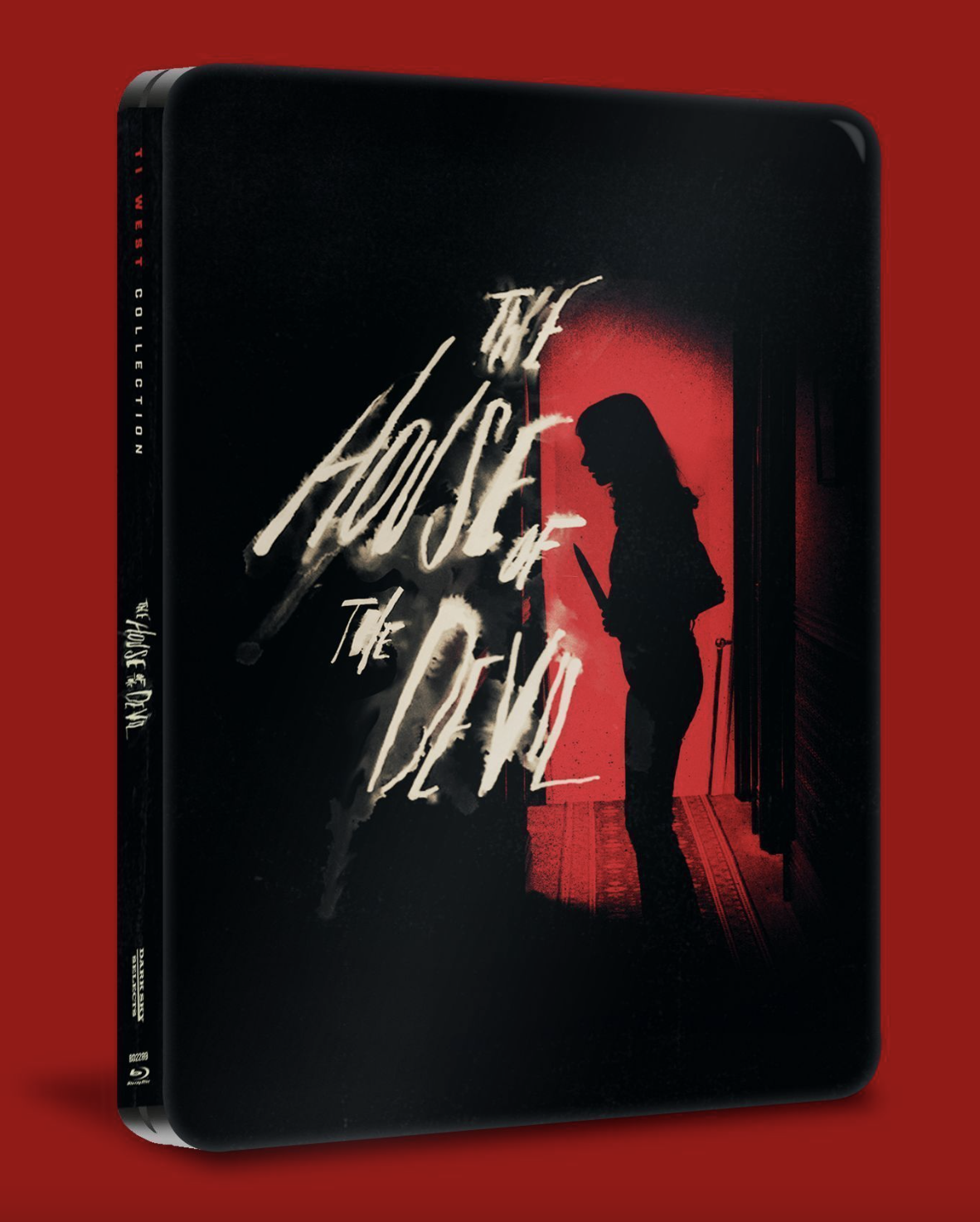
LF: It’s the collective. Maybe that’s a cop out, but, it’s true, it’s a collective. Uh, I’m very proud of Stakeland, House of the Devil, and, obviously, my own films. They’re all very unique. They seem to inspire other people to think about the genre in a fresh way. So I think, uh, it’s another mission statement I have on my website, so forgive me for parroting myself, but it’s an accumulation of the work over time. And in the end, we’re talking about, uh, a bit. I’d like to think that Habit is in there somehow, an important approach to horror that resonated out into these other movies, an observational film about people going through real things but elevated by the presence of horror archetypes. Who wants to see a drama when you can see a vampire lurking in the corner? That’s my problem…I want to see the monster. I don’t want to see just straight drama. We all have to live with that every day.

read article at Cinedump

January 12, 2016
Share:
Facebook Twitter Email

James Felix McKenney on Angus Scrimm

GEP pal James Felix McKenney pens a moving dedication to his friend and longtime collaborator Angus Scrimm for indiewire.

My first conversation with Angus was in early 2003 when I offered him a role in our film, “The Off Season.” The part was that of an eccentric chain-smoking neighbor. He called me to tell me how much he enjoyed the script, but that he had to turn down the part because he had lost so many friends to smoking-related illnesses. When I told him that I’d happily make the character a non-smoker, he was astonished. “You would do that? For me?” he said. I told him that I would do just about anything to cast him in the role. “Well then, how can I refuse?” he responded.


Horror Legend Angus Scrimm Remembered By His Longtime Collaborator

By James Felix McKenney 

The “Phantasm” star passed away this weekend at 88. A filmmaker who knew him well recalls their friendship. 
Angus Scrimm in "Phantasm"

Editor’s note: Angus Scrimm, who passed away over the weekend at 88, was a veteran horror actor best known for his role in Don Coscarelli’s 1979 cult classic “Phantasm.” In his later years, he regularly collaborated with low-budget horror filmmaker James Felix McKenney in films ranging from “The Off Season” to “Automatons.” Most recently, Scrimm acted in McKenney’s episode of “Tales From Beyond the Pale,” which premiered on Indiewire last month. Here, McKenney shares his thoughts on Scrimm’s friendship and work ethic. 

I had the extremely good fortune to direct the man called Angus Scrimm in three feature films and an audio play. I interviewed him for an internet radio show and various DVD bonus features, and co-presented his Lifetime Achievement Award at last year’s New York City Horror Festival. I was honored to consider him a friend.

We last spoke on the phone just before Christmas. We talked about holiday plans, J.J. Abrams, dogs (a favorite subject) and some recent films that Angus had enjoyed (he absolutely loved both “Joy” and “Trumbo”). A few days later, a box of See’s Candies arrived at our house with a warm holiday greeting for myself and my longtime girlfriend and collaborator, Lisa. At just about the same time, our package of New York-made goodies made their way to his home in Los Angeles. You see, Angus had a real sweet tooth, just one of many attributes that defined this wonderful and remarkable man.

Angus was incredibly modest.

My first conversation with Angus was in early 2003 when I offered him a role in our film, “The Off Season.” The part was that of an eccentric chain-smoking neighbor. He called me to tell me how much he enjoyed the script, but that he had to turn down the part because he had lost so many friends to smoking-related illnesses. When I told him that I’d happily make the character a non-smoker, he was astonished. “You would do that? For me?” he said. I told him that I would do just about anything to cast him in the role. “Well then, how can I refuse?” he responded.

For years after that, whenever I — or anyone else connected to our little group at Glass Eye Pix — would offer him a part, Angus always refused at first because he didn’t feel comfortable flying in from Los Angeles to play a role that he felt could be filled by a New York-based actor. He didn’t want to put a local out of work. He couldn’t wrap his head around the fact that we didn’t just want to fill a role in our film. We wanted Angus Scrimm.

He was very easy to work with.

The movies that Angus and I did together were so under-funded that the term “low-budget” would be considered an understatement at best. The conditions were never great, things were always cramped and we never had enough people on the crew to provide a regular stand-in for our distinguished actor. But he never complained. Not once. Rainy weather, heat waves with no air conditioning, long hours, last minute cancellations and location changes, travel difficulties – you name it – Angus took it all in stride. He always knew his lines and took these little no-budget genre outings very seriously. And, of course, he always gave an amazing performance.

Angus Scrimm 2

Angus was insanely thoughtful and generous.

Every time we spoke on the phone or had dinner together, the conversation would include Angus asking about every member of our extended film family. He remembered every person’s name and was always genuinely interested in their lives and careers. He was regularly sending people extremely thoughtful gifts, both large and small. Our house is filled with memories of Angus: DVDs of his favorite films, candy (always candy); vegan cookbooks by Chloe, the gifted daughter of his greatest collaborator, “Phantasm” creator Don Coscarelli; even a subscription to Dog Fancy magazine. Angus was always thinking of others.

Then there was the time Lisa and I traveled to see our friend while he was appearing at a horror convention in New Jersey. We met him in the lobby of the hotel where the convention was being held to have dinner at the restaurant there. We had barely said our greetings before the first Angus fan approached to ask for a hug and a photo. Angus, of course, obliged. This happened over and over again with Angus taking the time to happily chat with every single fan, despite his growling stomach. It took us almost 40 minutes to cross that small room.

He had an amazing sense of humor and did not take himself seriously.

Just Google “Angus Scrimm sings” and you’ll see how incredibly fun (as well as talented) Angus was. Even during the last couple of years when he was feeling tired and easily fatigued, he was always very quick with a joke and eager to entertain his fans. His quick wit and clever responses seemed rehearsed, they were so perfectly timed and executed. But they weren’t. Angus was just a very funny man.

We had one more film that we were planning to do together, a dark fantasy called “World’s Fair.” Angus and I had been arguing on and off about the script, which he thought was too grim, its outlook too bleak. I refused to budge and stopped talking about it. Eventually Angus phoned me, suddenly more excited about the project than he had ever been. He had had an epiphany: He would perform the role entirely nude. I was never entirely sure if he was kidding or not because no matter what I said, the 88-year-old actor wouldn’t crack. Ever. Sadly, the film did not come to be in time for Angus to give us one more very memorable performance.

He had an amazing sense of humor and did not take himself seriously.

There are so many other things I could say about Angus’ character. He may have played some nasty villains on the screen, but you won’t find a single person who worked with him who won’t tell you that the reality of Angus couldn’t be farther from those characters. He was incredibly kind, gentle and sweet. Most of all, he was gentleman, a guy with a lot of class.

After every interaction with him, or even just when Angus would come up in conversation, Lisa would always say this; “Whenever I spend time with Angus, he makes me want to work harder to be a better person.”

That sums up Angus to me. A man who showed us how easy it can be to be humble, thoughtful, generous, funny and kind. The world would be a wonderful place if we could all just be little more like the man known as Angus Scrimm.

All who had the great fortune to know Angus and his work, miss him deeply. Goodbye, friend.

 

January 10, 2016
Share:
Facebook Twitter Email

Gallery: Out and About with Angus Scrimm

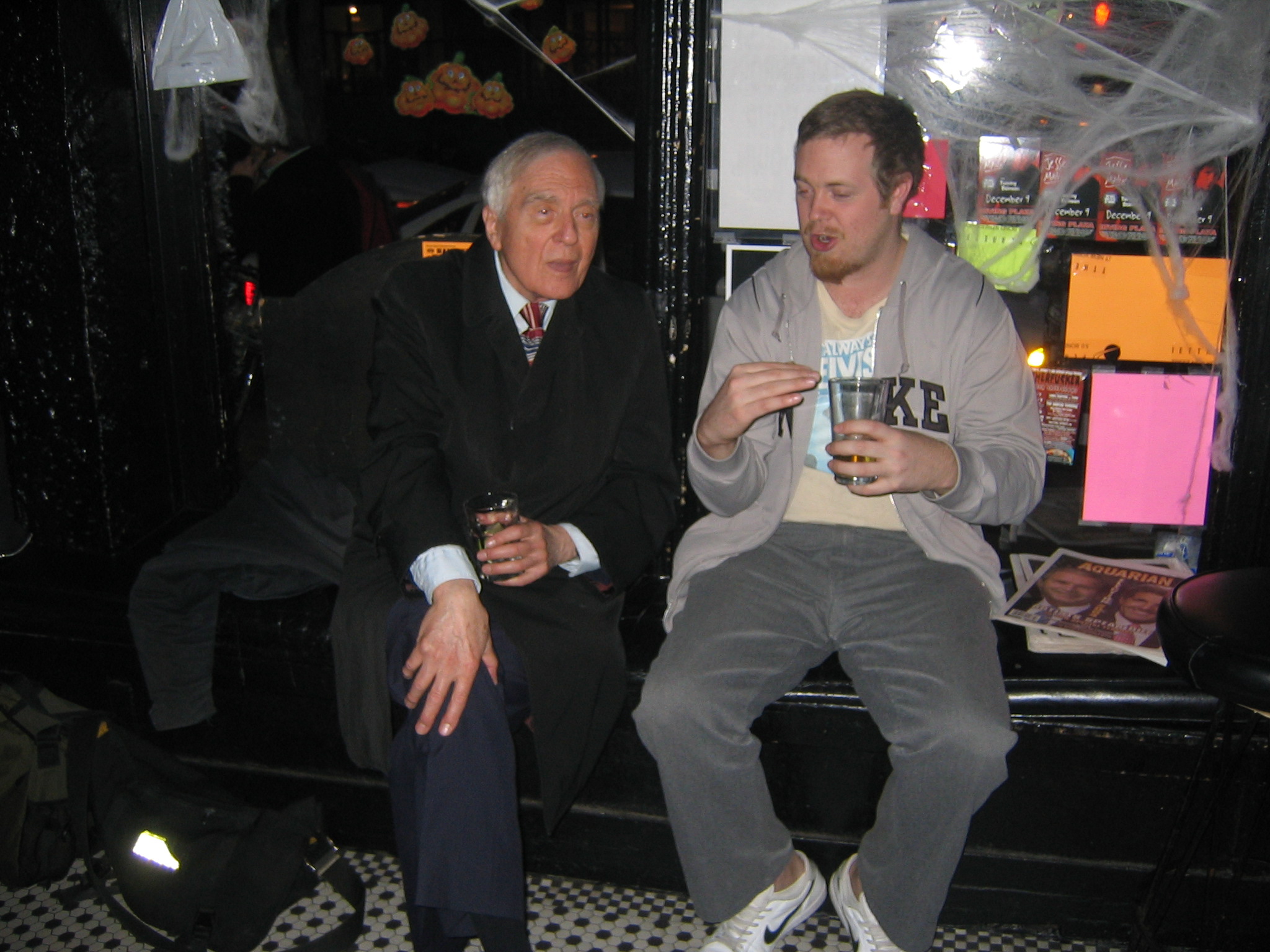
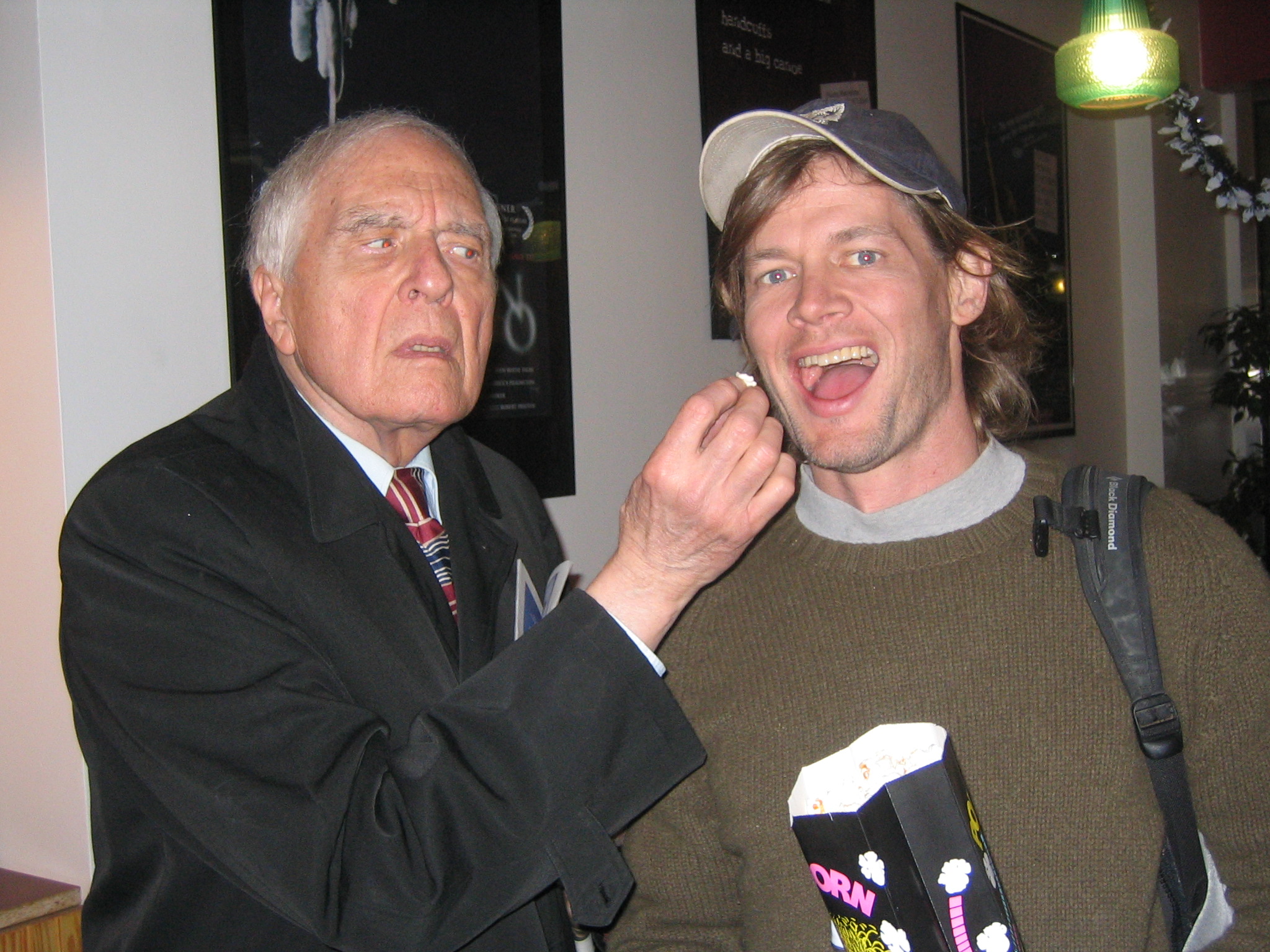
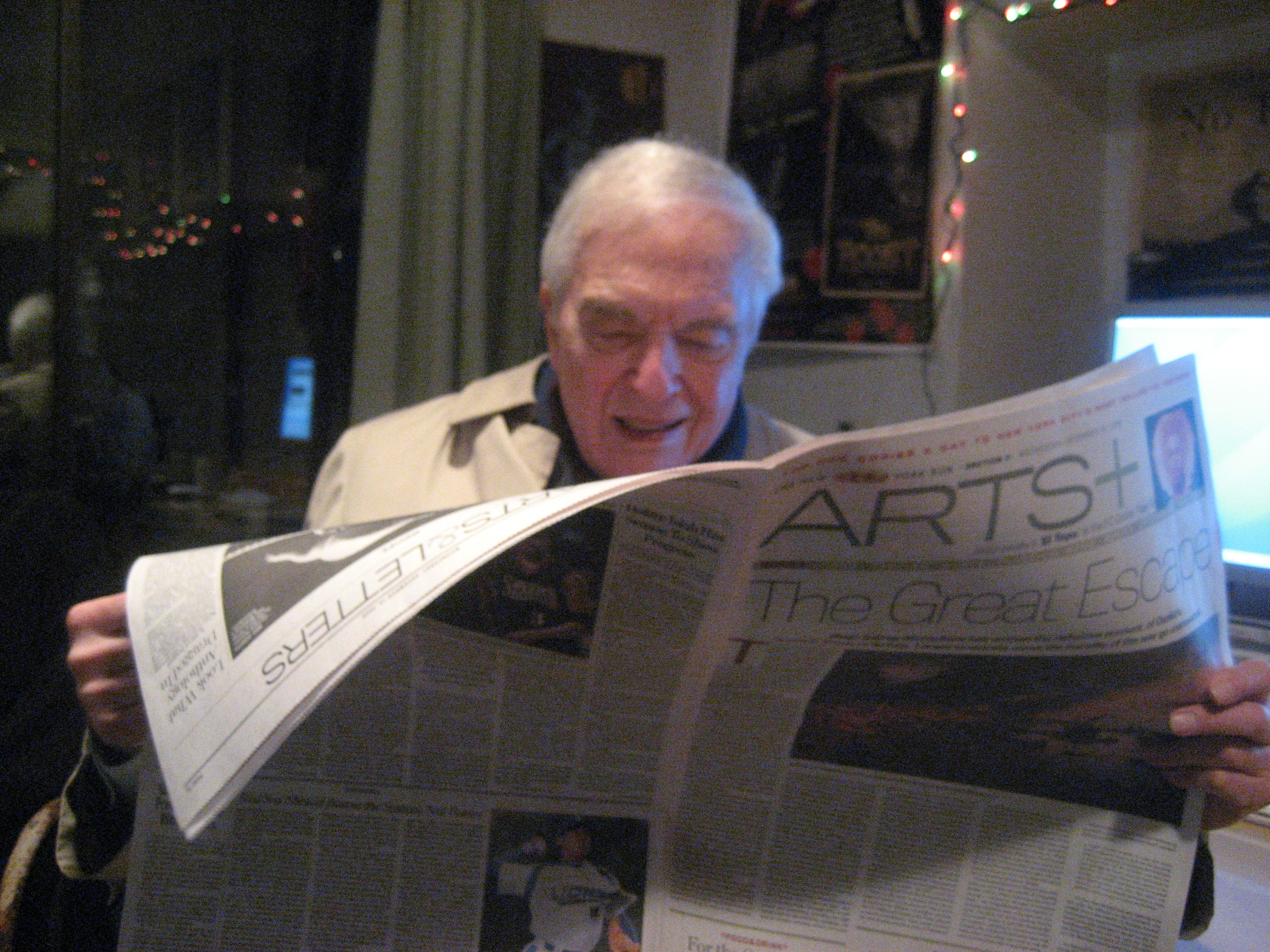
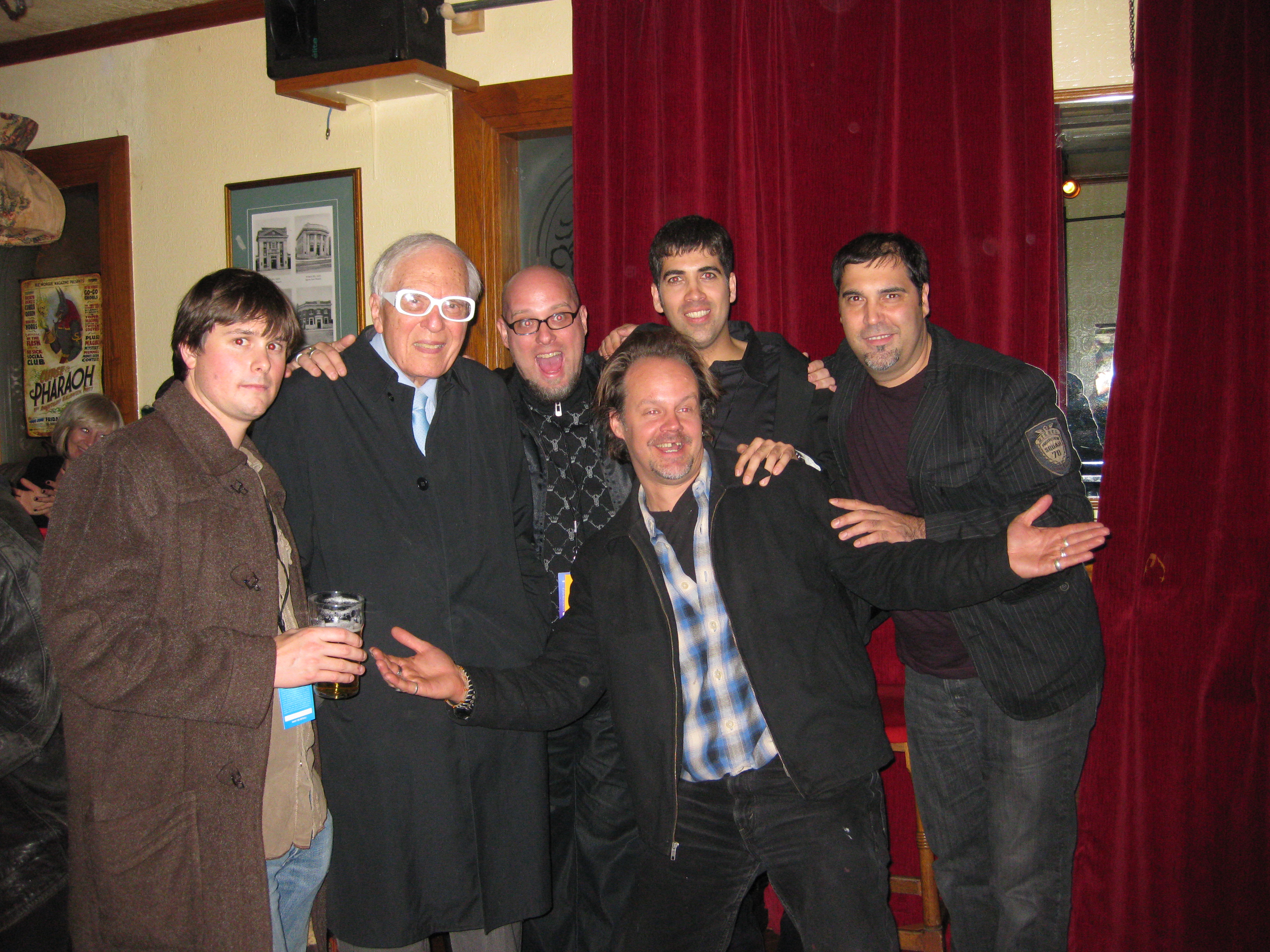
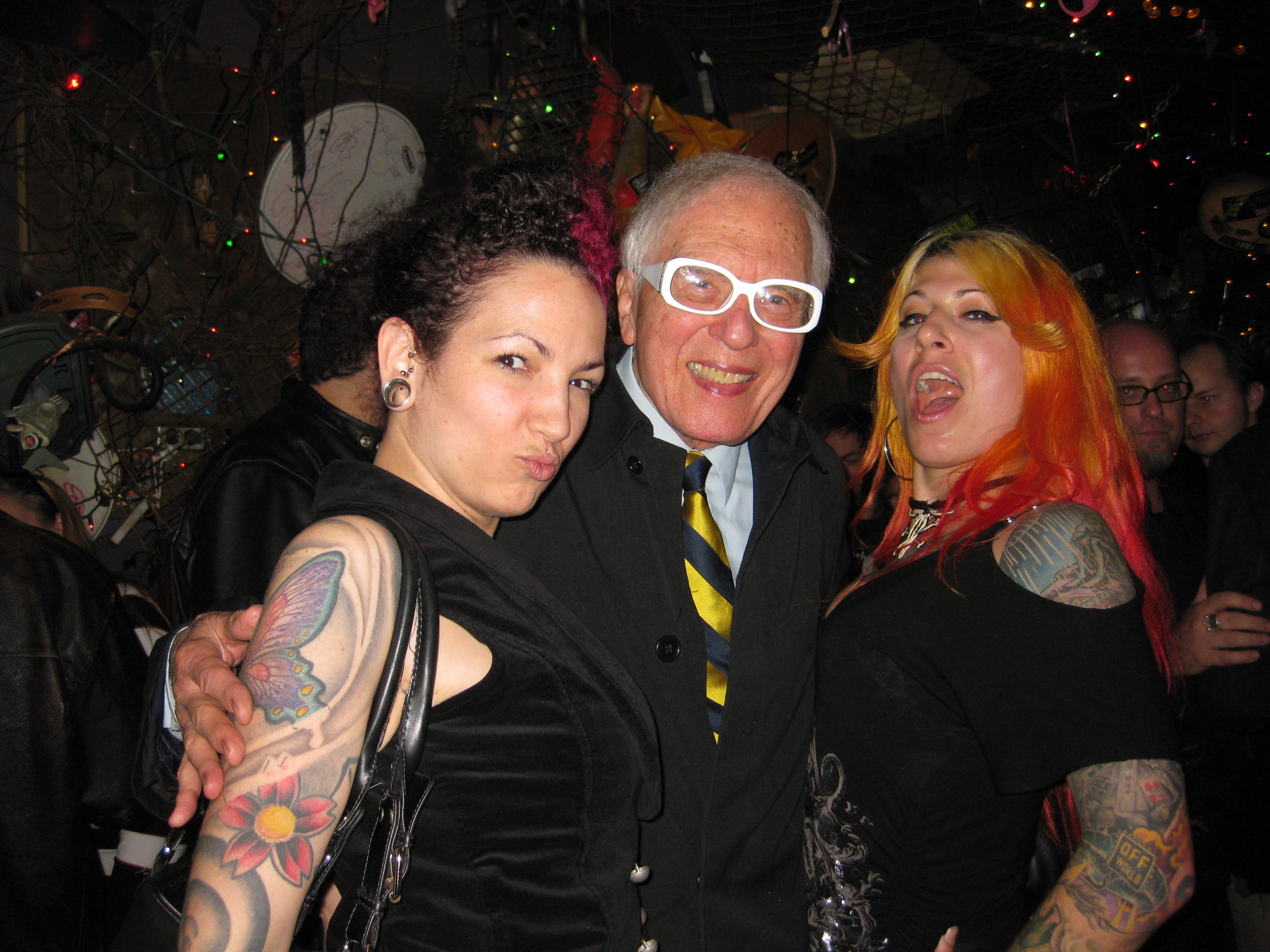
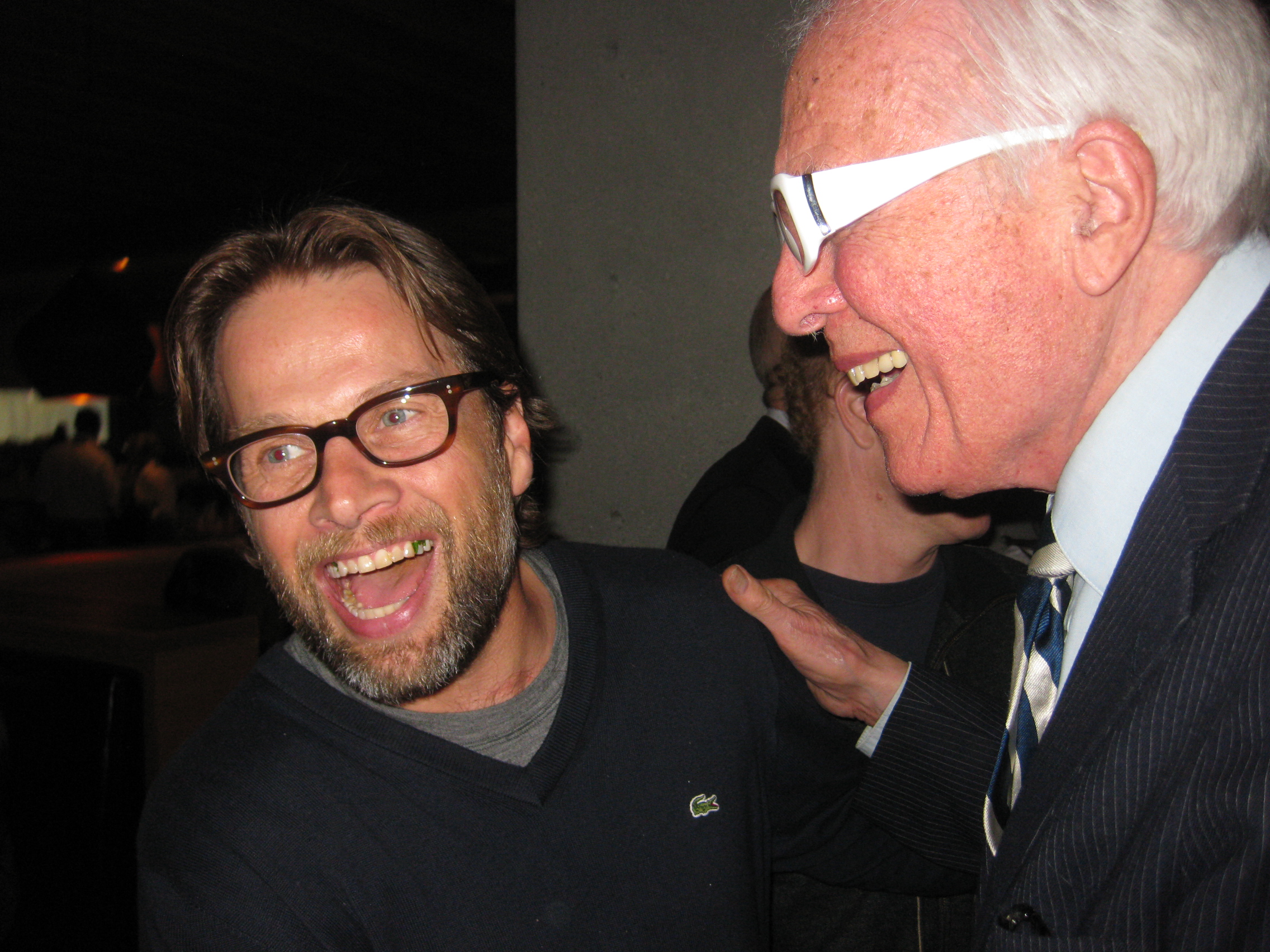
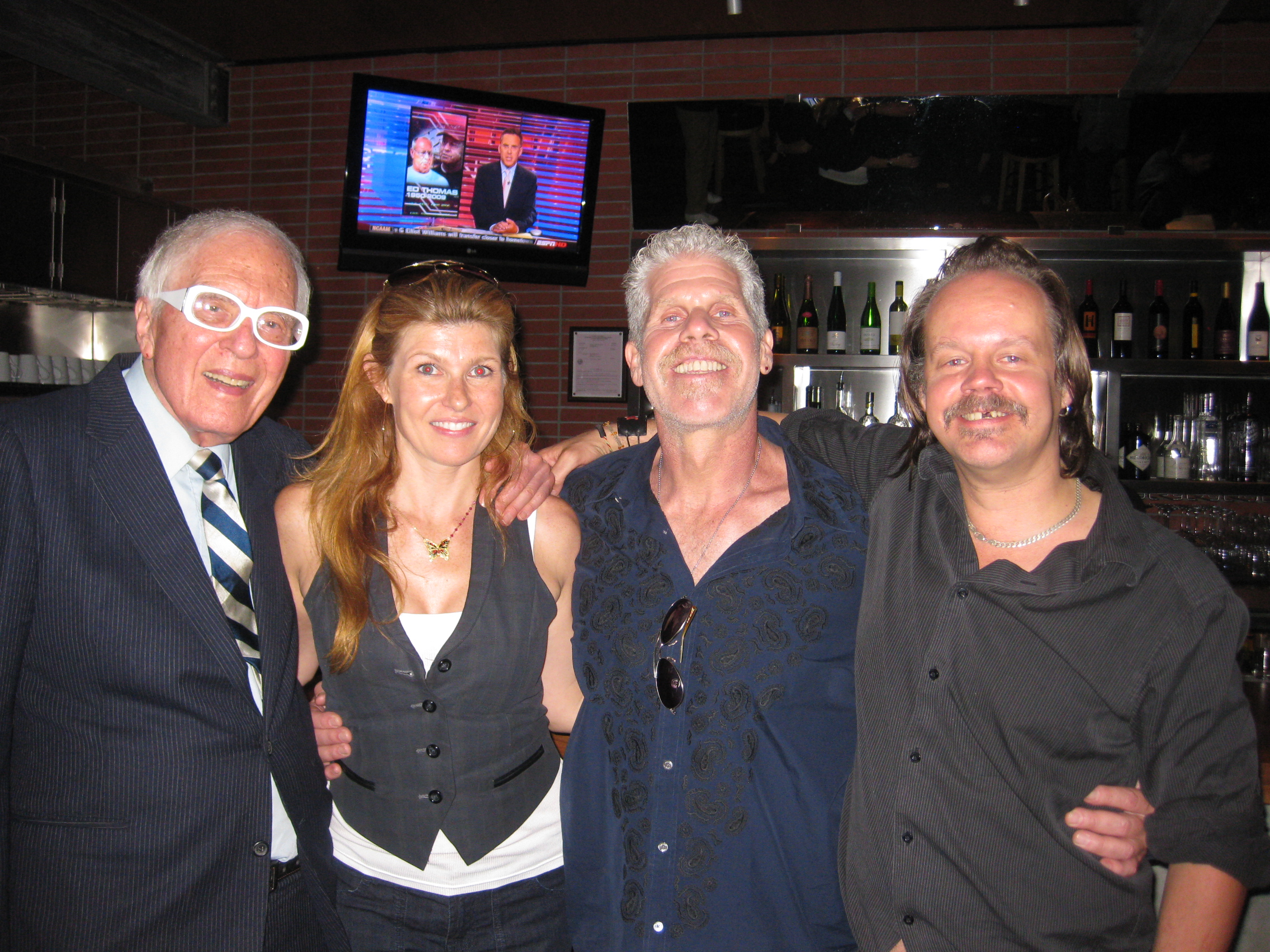
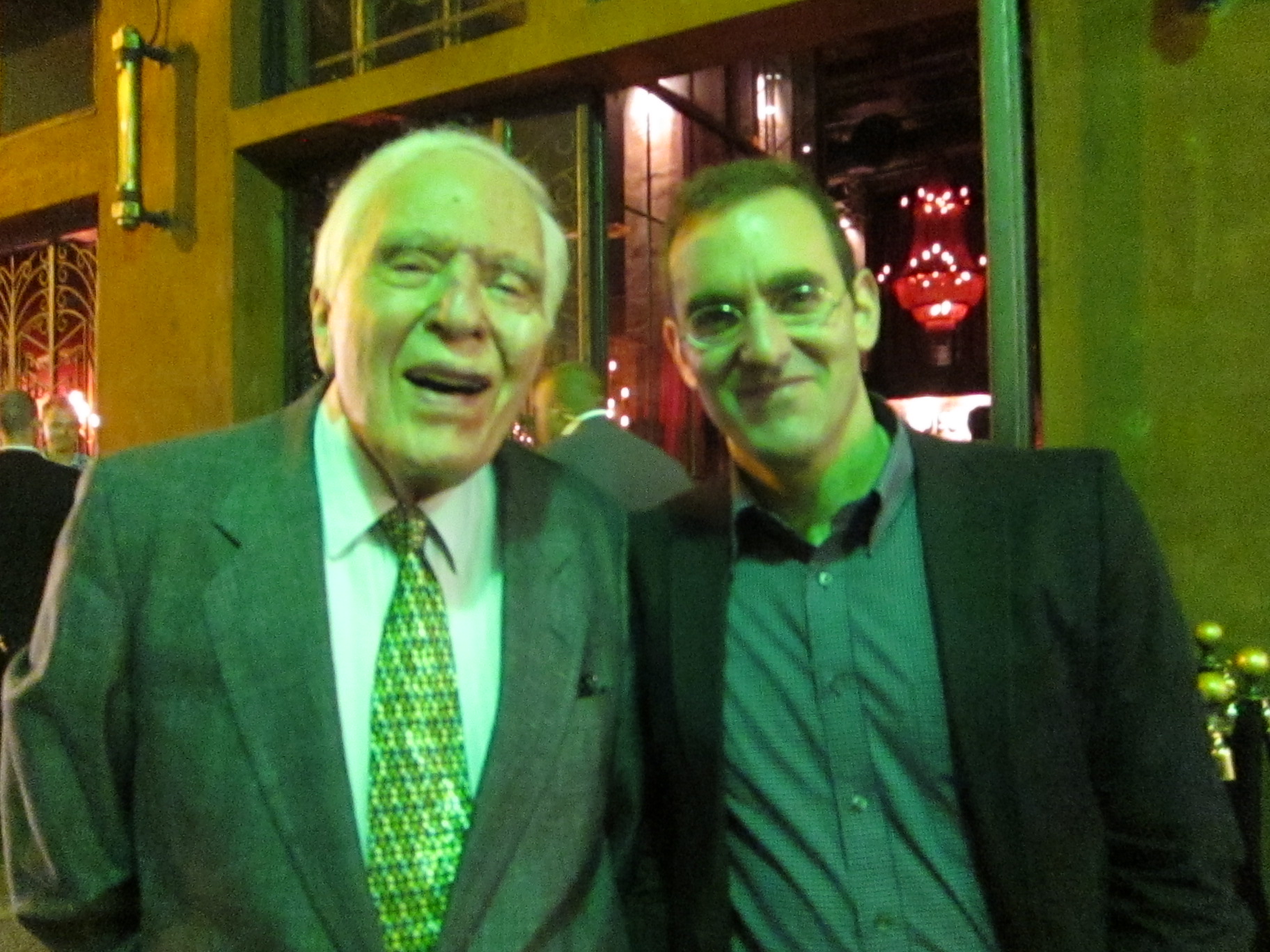
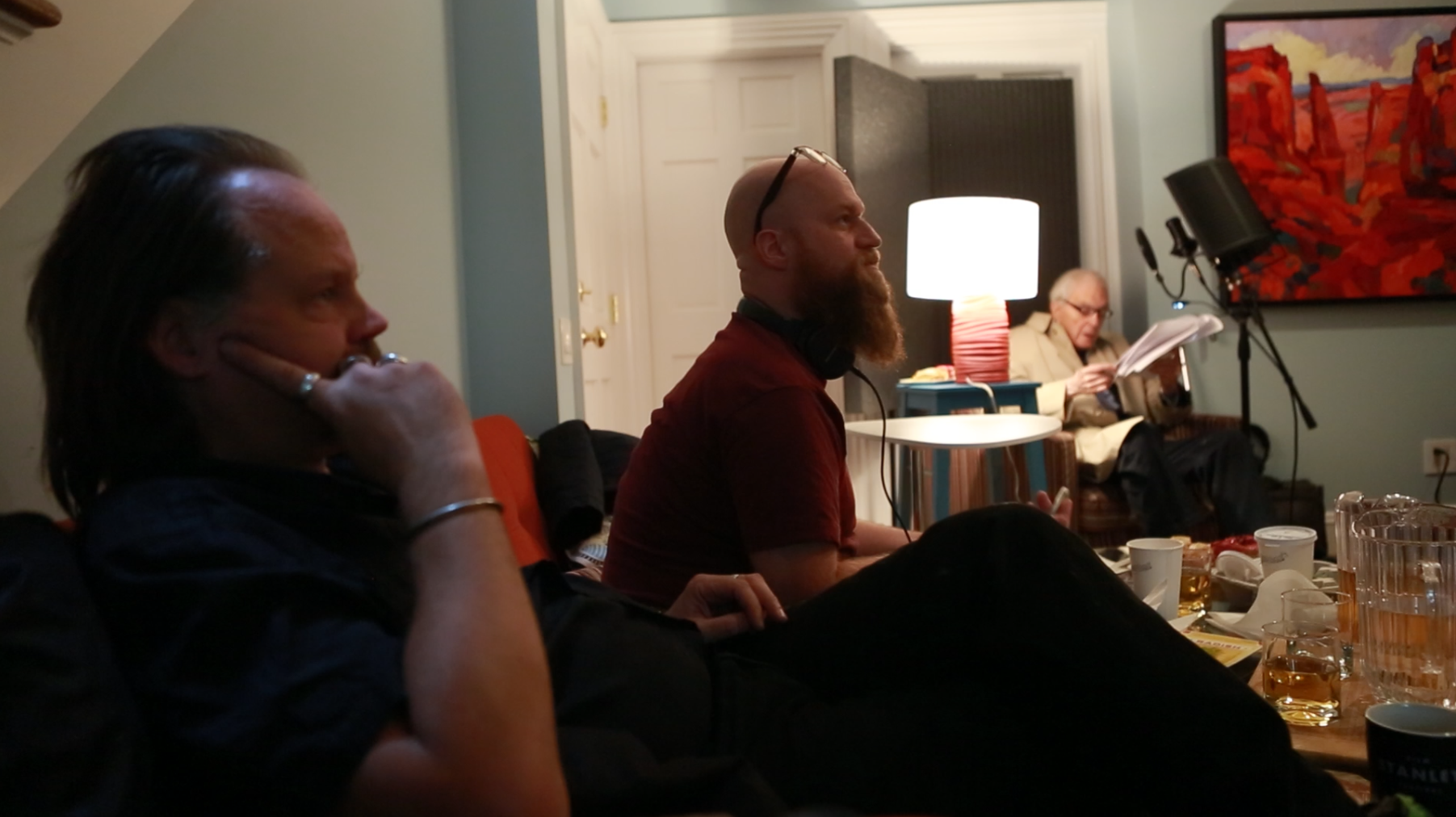
We send off Angus with a gallery of shots culled from years of outings, premieres, screenings and productions. Forgive inaccuracies with dates: life is a blur and what we are left with is the essence of our relationships and the camaraderie and work. So long, Angus.


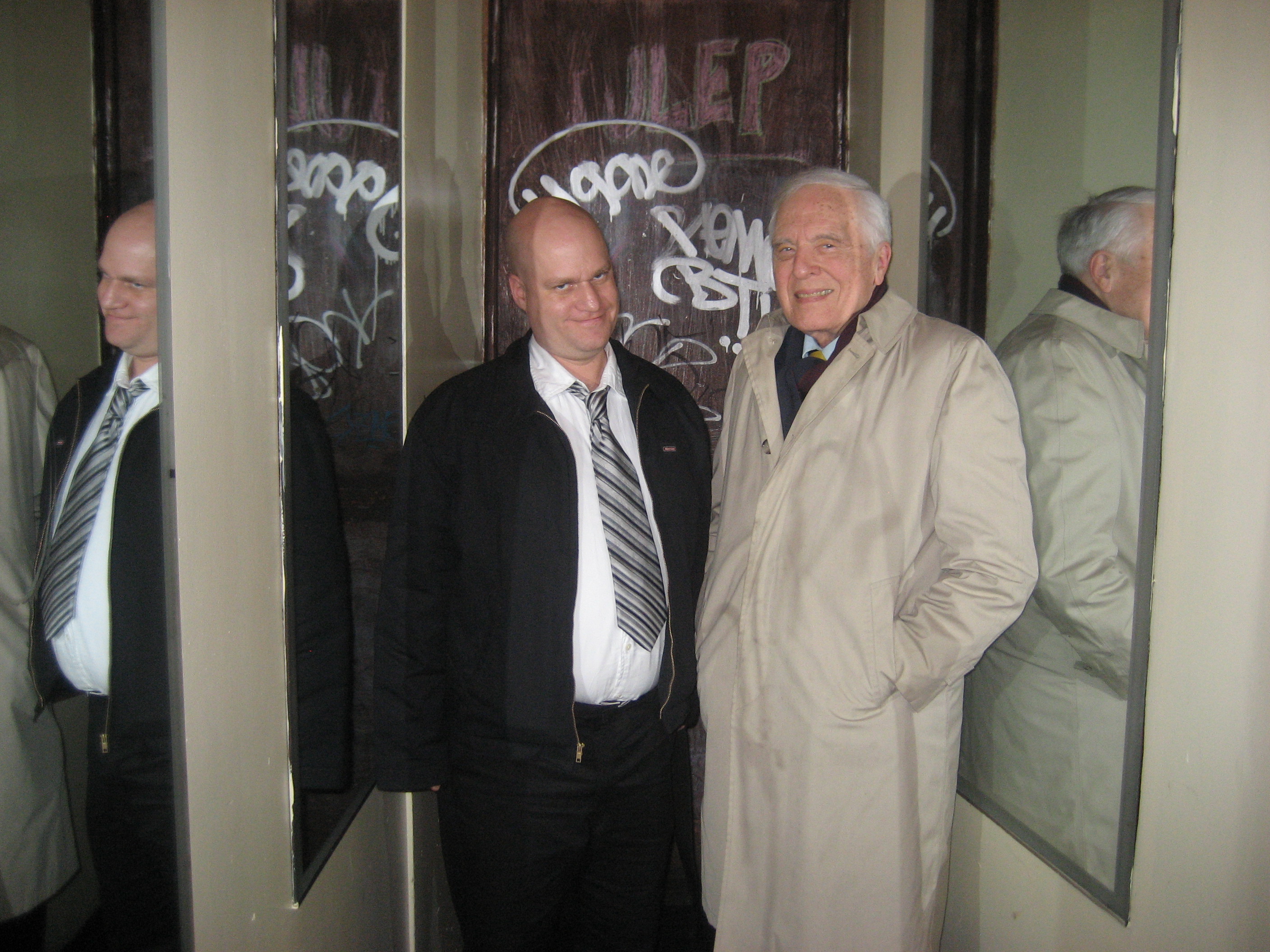
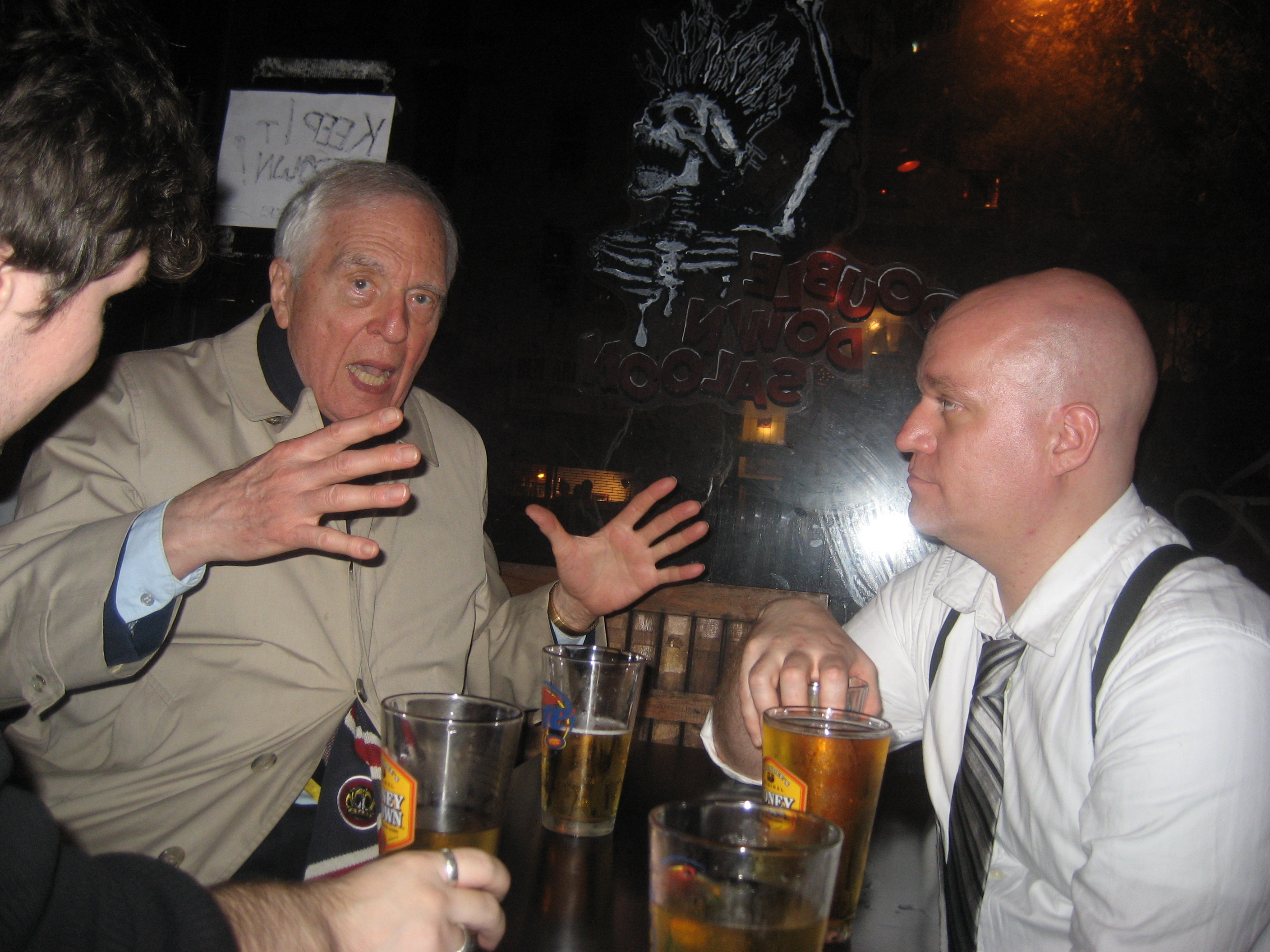
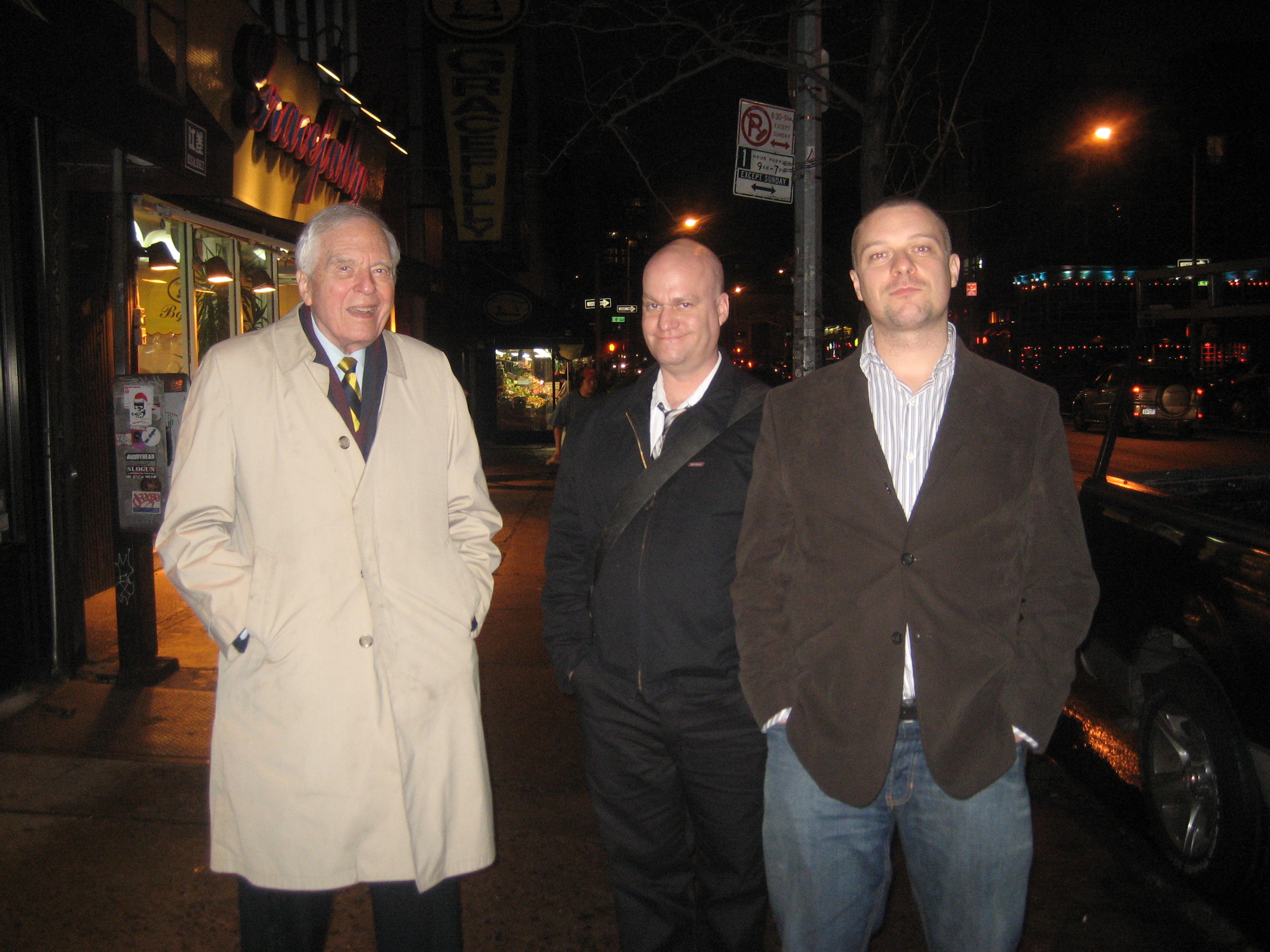
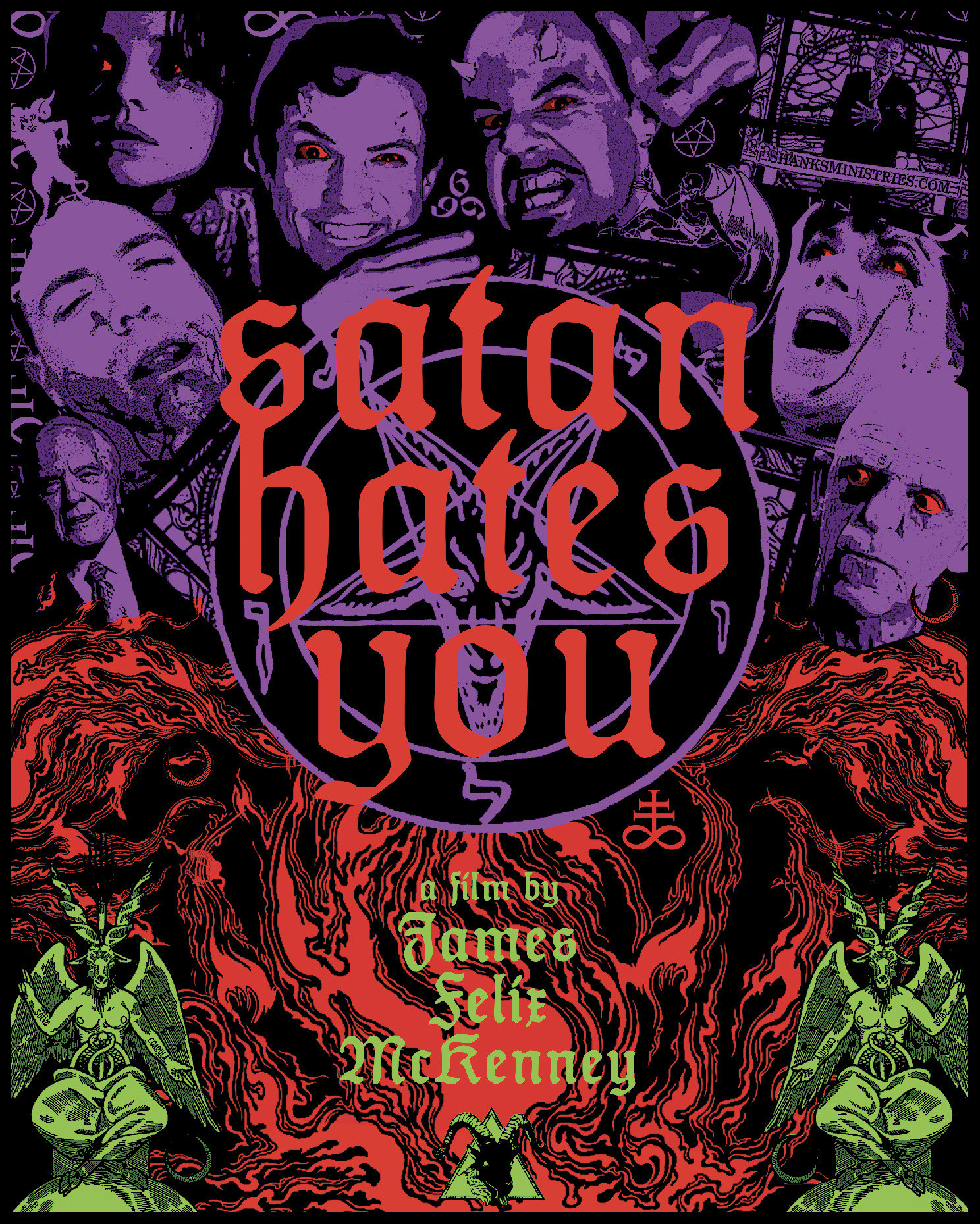
Glass Eye Pix projects featuring Angus Scrimm: THE OFF SEASON, AUTOMATONS, SATAN HATES YOU, I SELL THE DEAD, THE GRANDFATHER, THE TRIBUNAL OF MINOS, Liner notes for the Vinyl release of I SELL THE DEAD score.

January 10, 2016
Share:
Facebook Twitter Email

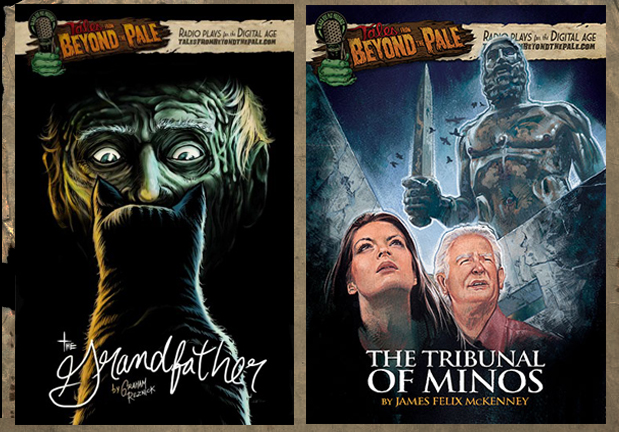
Spend time with Angus in two TALES streaming now


ANGUS_DOUBLE_BILL

As we spend some time thinking of Angus today we have posted
two TALES FROM BEYOND THE PALE in which he starred:
THE GRANDFATHER by Graham Reznick and
THE TRIBUNAL OF MINOS by James Felix McKenney.

Please enjoy them streaming now in the Tales LISTENING ROOM.

January 10, 2016
Share:
Facebook Twitter Email

ANGUS SCRIMM, R.I.P.

Beloved Angus Scrimm, AKA Lawrence Guy, departed this world on January 9 2016. He has been a loyal and cherished friend for many years. While fans will remember him as The Tall Man, at Glass Eye Pix we fondly recall the many contributions he made for film, audio, print and music projects too. But most of all for us he was a loyal, articulate, supportive, dear friend. We are still enjoying the chocolates he sent for Christmas.
Farewell Angus, we are so blessed to have known you and you will always be with us in our hearts and in our memories and in our collaborations for which you showed unwavering enthusiasm.

In my car, I still have an old hand-written note from you, addressed to my son Jack, in which you annotate the contents of some gifts you were bestowing on him: some Jazz and classical CDs you thought might fortify his musical enlightenment. You have inspired us with your warmth and humanity and grace.

Your own musical gifts will not go overlooked, dear Angus, as this clip will attest: an original composition of yours we commissioned for Jim McKenney’s film THE OFF SEASON, recorded in a conference room at a Fango convention in L.A. in 2005.


January 8, 2016
Share:
Facebook Twitter Email

NEW 30th Anniversary Mini Doc: Brent Kunkle, Producer

Our 30th Anniversary Hootenanny continues with this series of Legacy Docs celebrating the community and collaborators that have kept us honest all these years…

Chris Skotchdopole edits this Glass Eye Pix 30th Anniversary Mini-Doc with Brent Kunkle, Producer and Office Manager from 2007 to 2014. Brent worked on many of the classic Glass Eye films including I SELL THE DEAD, STAKE LAND, BITTER FEAST, THE VIEWER, SANTA CLAWS, AMERICAN JESUS, THE COMEDY, and LATE PHASES. He speaks about his time working at Fessenden’s Independent production company.

January 6, 2016
Share:
Facebook Twitter Email

WE ARE STILL HERE Nabs 8 2015 Fright Meter Award Nominations: Fessenden Nominated for supporting thesp.

WE ARE STILL HERE garners eight different nominations for the 2015 Fright Meter Awards! Fessenden Nominated for Best Supporting actor:

fright-meter-awards-logo-3

From Slasher Studios:

The 2015 Fright Meter Award nominations have been revealed and It Follows, Spring, and We Are Still Here lead the 2015 nominations with seven each, including Best Director and Best Actress.

The Fright Meter Awards have been presented annually since 2007 by the Fright Meter Awards Committee, a registered non profit organization dedicated solely to honoring the best in horror each year. Nominees and winners are determined by the committee, which consists of horror bloggers, actors, directors, producers, and others involved in the industry.

Without further ado, the 2015 Fright Meter Award nominations:

Best Horror Movie

The Final Girls
Goodnight Mommy
It Follows
Spring
What We Do In The Shadows

Best Director
Justin Benson & Aaron Moorhead (Spring)
Guillermo del Toro (Crimson Peak)
Severin Fiala & Veronika Franz (Goodnight Mommy)
Ted Geoghegan (We Are Still Here)
David Robert Mitchell (It Follows)

Best Actor In A Leading Role

Mark Duplass (Creep)
Lou Taylor Pucci (Spring)
Ryan Reynolds (The Voices)
Kurt Russell (Bone Tomahawk)
Taika Waititi (What We Do In The Shadows)

Best Actress In A Leading Role
Barbara Crampton (We Are Still Here)
Taissa Farmiga (The Final Girls)
Nadia Hilker (Spring)
Maika Monroe (It Follows)
Lin Shaye (Insidious: Chapter 3)

Best Actor In A Supporting Role

Larry Fessenden (We Are Still Here)
Matthew Fox (Bone Tomahawk)
Richard Jenkins (Bone Tomahawk)
Leigh Whannell (Cooties)
Rainn Wilson (Cooties)

Best Actress In A Supporting Role
Malin Akerman (The Final Girls)
Jessica Chastain (Crimson Peak)
Deanna Dunagan (The Visit)
Lisa Marie (We Are Still Here)
Sierra McCormick (Some Kind Of Hate)

Best Screenplay

Bone Tomahawk
The Final Girls
It Follows
Spring
What We Do In The Shadows

Best Makeup
Bone Tomahawk
Crimson Peak
Deathgasm
We Are Still Here
WolfCop

Best Special Effects
Crimson Peak
Deathgasm
Headless
Insidious: Chapter 3
Stung

Best Score
Crimson Peak
Deathgasm
The Editor
The Final Girls
It Follows

Best Editing
The Final Girls
It Follows
Spring
Unfriended
We Are Still Here

Best Cinematography

Bone Tomahawk
Crimson Peak
It Follows
Spring
We Are Still Here

Best Short Horror Film
Chomp (Directed by: Lynne Hansen)
The Confession Of Fred Krueger (Directed by: Nathan Thomas Milliner)
The Package (Directed by: Damon Rickard)
Ronald McDonald Playground Slaughter (Nominees to be determined)
Selfie From Hell (Directed by: Erdal Ceylan)

For more information about the Fright Meter Awards, visit www.frightmeterawards.com or find the awards on Facebook: www.facebook.com/frightmeterawards or Twitter: @Frightmeter.

December 31, 2015
Share:
Facebook Twitter Email

Happy New Year from Glass Eye Pix

Thanks one and all for sharing with us this 30 year celebration these last several months.

Of course it was just an excuse to highlight old projects and long-time collaborators and to puff ourselves up so we can go a few more rounds. We’ve got some more mini-docs we’ll be rolling out at the start of the year, there’s always one more GEP alum with their side of the story to tell…

As 2015 ends, we have three features in post production, and several more in the pipeline, and a season of Live Tales from Beyond the Pale we’ll be trying to get out to you. Oh and some comic books and a non-fiction paper-back we hope will tickle your fancy. So do stay tuned…

With the U.S. election coming up, and the world teetering on the brink of collapse, this will be a year filled with horror for sure. Let’s hope most of it is in our fictions.

Happy New Year, cinephiles and audiophiles and horror fans. Until next time, this is Fessenden signing off.

December 28, 2015
Share:
Facebook Twitter Email

YEAR-END SHOUT-OUTS and BEST OF’S for Fessenden and GEP

2015 was a busy year for Fessenden, Glass Eye Pix and all our assorted GEP Pals. Here are some year-end showings on various Best-Of 2015 lists….

THE FESSENDEN COLLECTION Blu-ray Box set of 4 Fessenden Films

Bloody-Disgusting: BEST BLU-RAY COLLECTIONS OF 2015
“Scream Factory had an incredibly impressive year, both on their own and from their partnership with IFC. Through all those great releases one truly stood out for me and that was The Larry Fessenden Collection (my review).”

L.A. TIMES: BEST BLU-RAYS OF 2015
“The Larry Fessenden Collection” (Scream! Factory/IFC/Glass Eye Pix): One of the best arguments for the continued existence of physical media is this box set spotlighting the work of one of America’s most original horror auteurs. Fessenden has quietly put together a body of features, shorts and experiments that make more sense when they’re gathered all in one place than when they’re scattered.”

TALES SEASON 3 by Fessenden and Glenn McQuaid / A Glass Eye Pix Production

AV CLUB: STAFF PICKS
“Larry Fessenden lives and breathes horror. Besides writing and directing a box-set worth of his own indie scare fare, he’s also acted in any number of fright flicks, mentored young horror mavericks like Jim Mickle and Ti West, and worked on the screenplay for this year’s slasher-movie-inspired video game, Until Dawn. One of his most interesting contributions to the genre, however, is the horror podcast Tales From Beyond The Pale, whose third season premiered on Black Friday. Produced and developed by Fessenden with regular collaborator Glenn McQuaid, the series resurrects the radio drama of early last century: Each episode is a one-act horror play, gamely performed by voice talent both recognizable and not, and written/directed by various artists of the genre, with Fessenden dropping in before and after to play old-school host. The content varies in quality, but especially in tone: Some episodes aspire to the creaky theatrical style of an old Boris Karloff segment, while others are distinctly modern in adult subject matter and language. What links them all, beyond uniformly excellent sound design, is an earnest interest in using pure audio techniques—foley effects, dialogue, creepy music—to elicit unease and create a whole world within listeners’ ears. The best of the bunch, such as season one’s unnerving surgery story “The Conformation,” serve as good reminders that what you can hear and imagine is sometimes much scarier than what you can see. It’s not surprising that Fessenden, a one-man champion of all things frightening, would understand that better than most. [A.A. Dowd]”

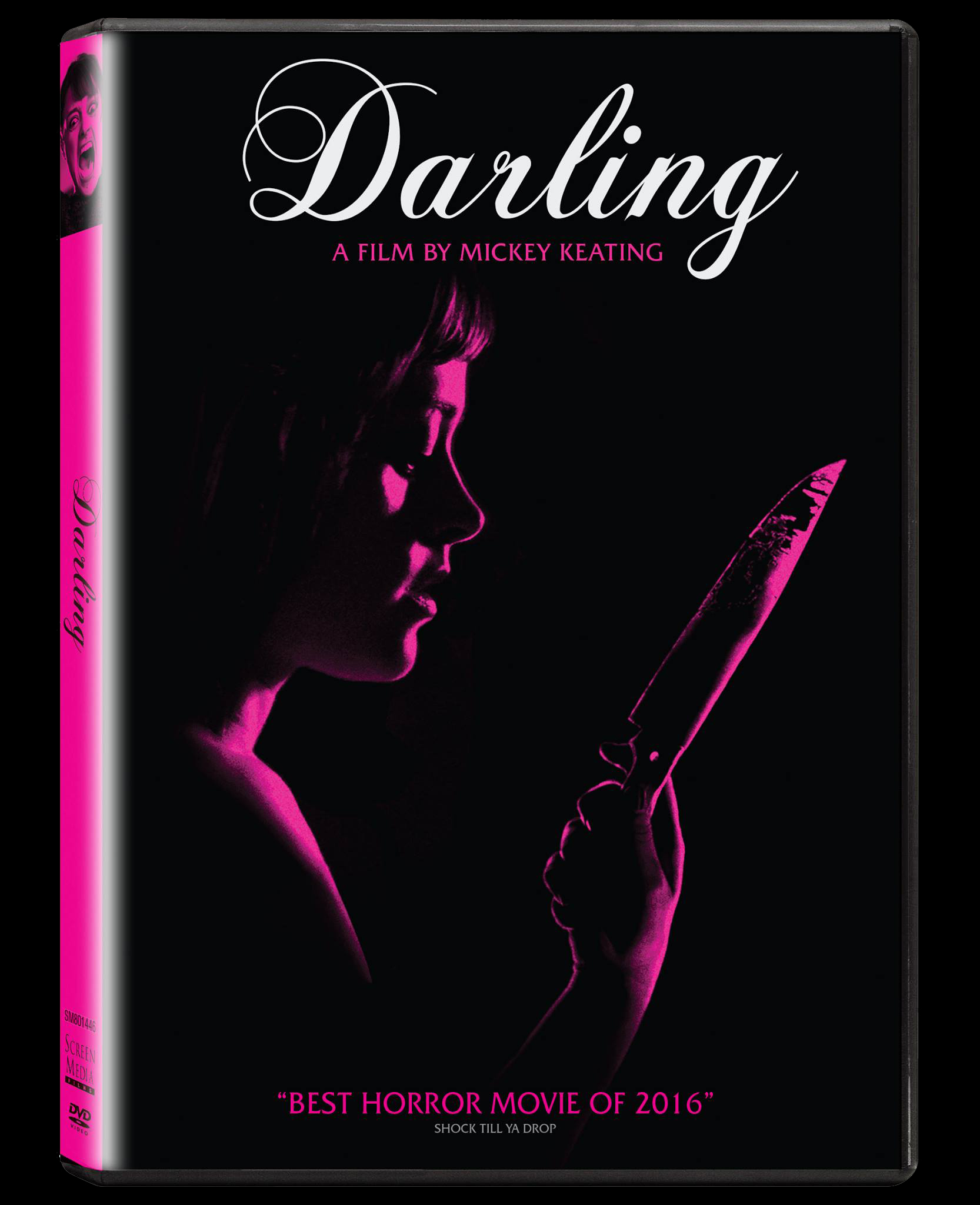
DARLING by Mickey Keating / A Glass Eye Pix Production

Iconsoffright: TOP 10 HORROR MOVIES OF THE YEAR
“#1 DARLING is in no way for everyone, that’s one thing I’ll get out of the way when talking about the film that is easily my favorite film of the entire year and in all actuality, my favorite film in quite a few years. It’s a complete descent into madness, told through flashing lights, long moments without dialogue and a Polanski-heavy vibe that is sure to turn some genre fans off. With all of that being said though, it’s also very simply, a film so close to being a perfect piece of cinema that it feels like an important thing, watching it.”

WE ARE STILL HERE by Ted Geoghegan, featuring Fessenden

Rolling Stone: 10 Best horror movies of 2015
“A peculiar New England terror with Lucio Fulci in its veins, Ted Geoghegan’s wintry haunted-house film defies the tired affectations of the standard ghost story. Its isolated pair of couples are melancholy, middle-aged, and terribly offbeat (see: the possession of Larry Fessenden and the space case of Lisa Marie). The specters on hand are as likely to thrust charred hands through a body, as they are to ominously lurk. And it’s all tied to a Lovecraftian home, a beast of a structure whose walls are the canvas for one of 2015s finest splatter-filled finales. SZ”

UNTIL DAWN, writers Graham Reznick and Fessenden / Sony Playstation

Engadget: These are our favorite video games of 2015
“Supermassive Games’ PlayStation 4 debut is unlike any big-budget game I’ve played in ages. Rather than sticking a gun in my hand, it sat me down in a director’s chair and essentially told me to craft my own horror movie. It could’ve been disastrous, but Supermassive intrinsically gets what makes for a good horror flick: the unknown, atmosphere, killer writing, and great performances from (mostly) unknown actors.”