Barbara Crampton Wraps Horror ‘Jakob’s Wife’ From ‘Amulet’ Outfit AMP International
By Tom Grater
March 4, 2020 4:13am
AMP/Ava Jazlyn
EXCLUSIVE: Horror legend Barbara Crampton (Re-Animator, You’re Next) has wrapped filming on her latest genre feature, Jakob’s Wife, after an under-the-radar shoot in Canton, Mississippi.
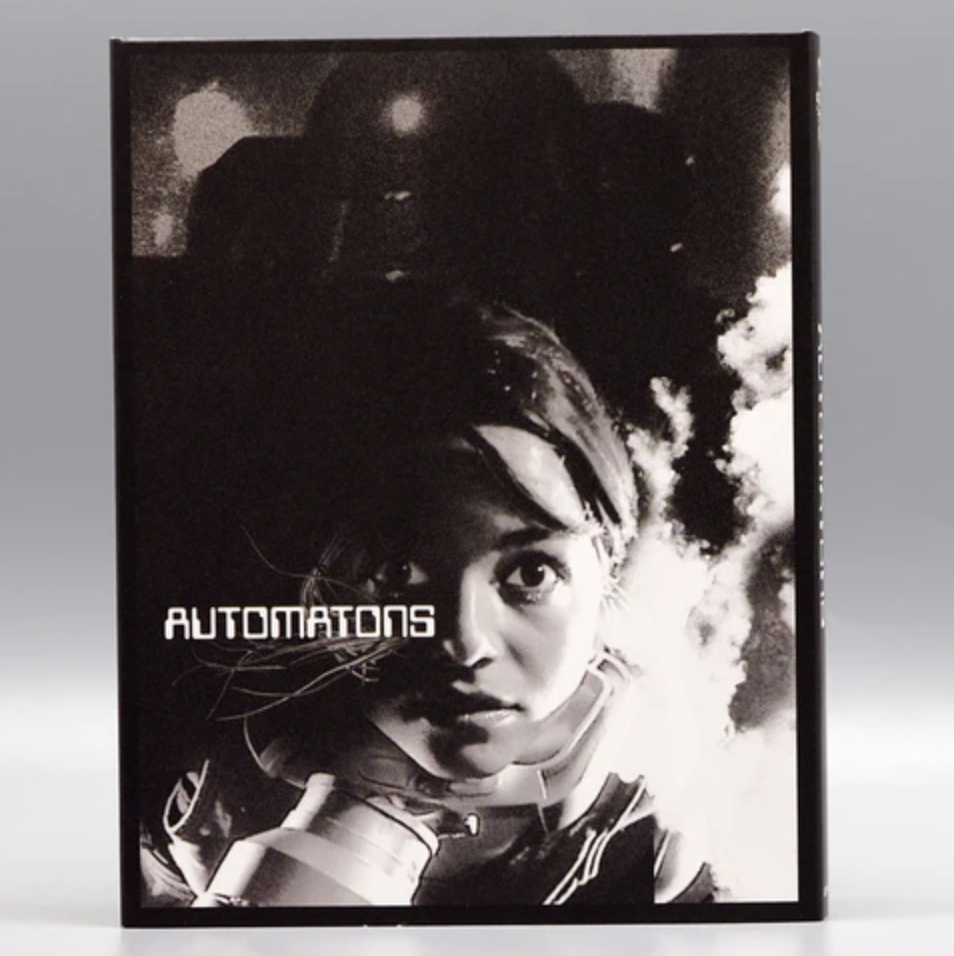
Travis Stevens (Girl On The Third Floor) directed. The project comes from production and sales outfit AMP International, which recently premiered its latest movie, Romola Garai’s Amulet, in Sundance’s Midnight program.
Jakob’s Wife was developed by AMP and Crampton from a script by Mark Steensland, Kathy Charles and Travis Stevens. The story, a supernatural horror, follows a woman in her late 50s who, after a chance encounter with ‘the Master’, discovers a new sense of power, a change that comes with a heavy toll.
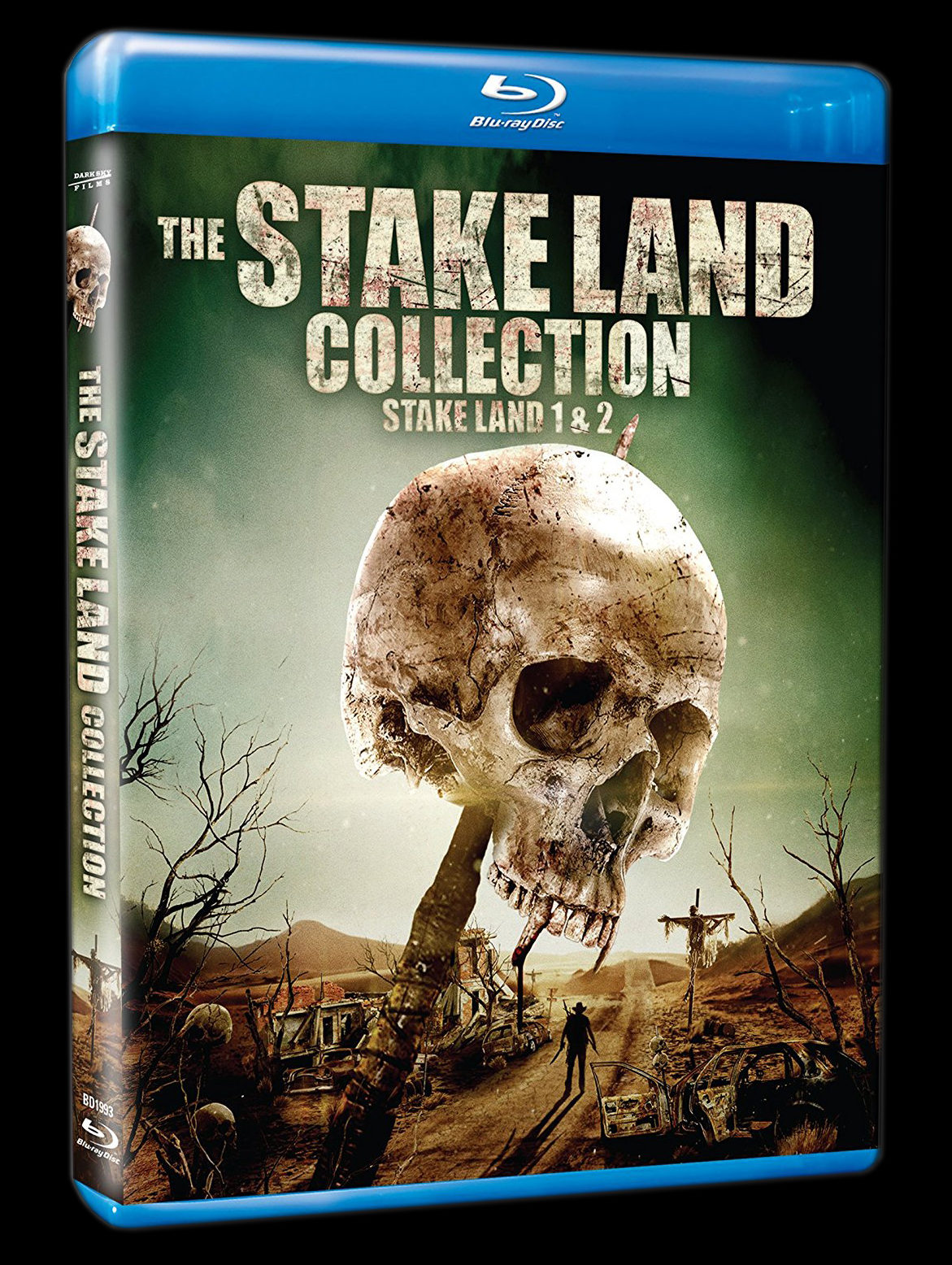
Also starring are Larry Fessenden (Stake Land), Bonnie Aarons (The Nun), Robert Rusler (Weird Science), Sarah Lind (Edgemont), Mark Kelly (Fear the Walking Dead), Nyisha Bell, and Phil Brooks (Girl On The Third Floor).
Producers are Bob Portal and Inderpal Singh from AMP, alongside Barbara Crampton and Travis Stevens. The project was also fully-financed by AMP – the London and Los Angeles company is looking to ramp up production activity in 2020.
The film is a co-production with Mississippi-based Eyevox Entertainment, with Rick Moore from Eyevox serving as executive producer, alongside James Norrie and Nina Kolokouri at AMP. Co-producers are Joe Wicker, Morgan Peter Brown and Kim Barnard.
“I’m thrilled to be able to bring Jakob’s Wife to life with such highly experienced producing partners at AMP International. It’s been wonderful working closely with Bob Portal in developing this amazing project, and reuniting with two of my favorite colleagues in the business, Travis Stevens and Larry Fessenden,” commented Crampton.
“Since making We Are Still Here together, I’ve been looking forward to telling more scary stories with Barbara and Larry. Jakob’s Wife has been a chance for us to dig deep in to the lives of these fictional characters and test them in ways I think genre fans are going to love seeing,” added Stevens.
Producer Portal called the project “a wild ‘marriage’ of talent that’s created such a rollicking, smart, fun genre feast.”
Director Stevens previously acted as a producer on the 2015 Crampton-starring pic We Are Still Here.
AMP’s credits include Anna And The Apocalypse, and the Sam Rockwell-starring Blue Iguana.
Each year, the Film Independent Spirit Awards give the Someone to Watch Awardto an emerging filmmaker of singular vision. In this column, film critic David Bax revisits some of the grant’s recipients to see how their work and careers have continued to develop. The 2020 Someone to Watch Award was given on January 4.
***
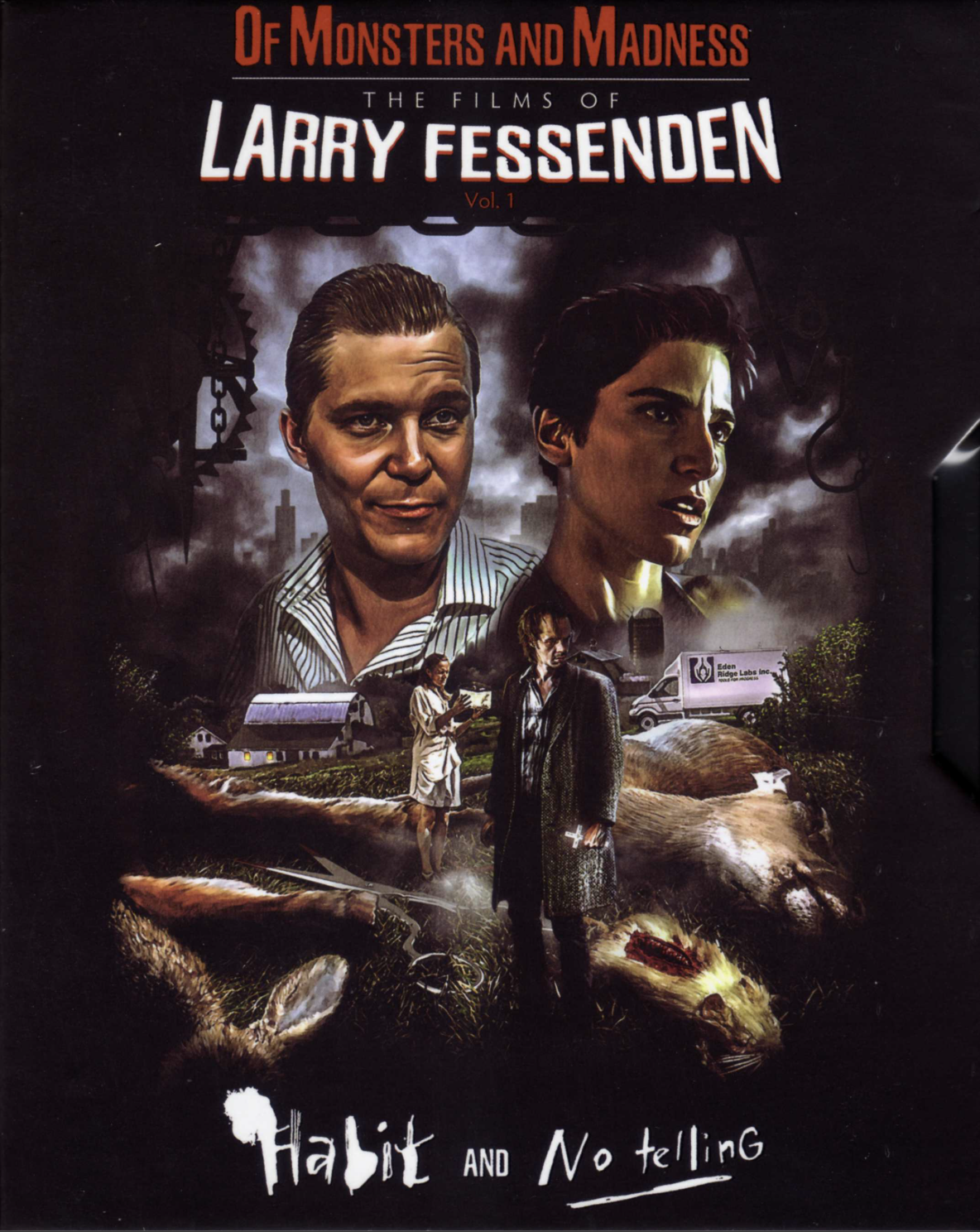
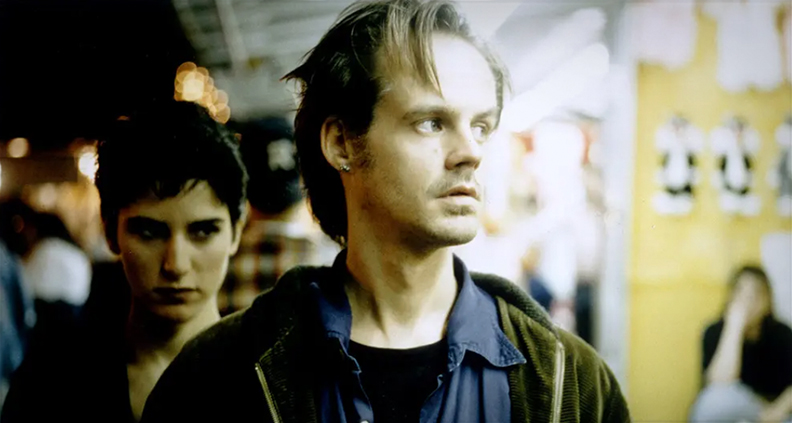
In the first full scene of Larry Fessenden’s Habit—which earned the NY-based actor and filmmaker Film Independent’s Someone to Watch Award in 1997—a man clomps, semi-purposefully, around a New York City apartment, arranging boxes. That man, Sam (Fessenden himself), with his lanky frame holding up a large wool trench coat from which his head and flopping hair sprout like the top of a carrot, is so perfectly Gen-X and the wide-angle 16mm photography so perfectly ‘90s American indie that, watching it from a quarter of a century’s distance you might be forgiven for expecting a movie that has perhaps aged into self-parody.
Or, rather, you would be if it weren’t for Habit’s actual opening: a brief, eerie procession of shots, including those a seemingly unmanned boat floating in midnight waters, all accompanied by Geoffrey Kidde’s ominous score. Before the screenplay’s first page is over, Fessenden has already established his assured, undeniably cinematic hand.
Turns out Sam—an erstwhile musician working as a night manager at a dive-y Manhattan Mexican joint—isn’t cleaning up his own apartment in that first scene. It’s that of his late father, who has recently died. But he has some rearranging to do at his place, too, since his longtime girlfriend, Liza (Heather Woodbury), has just moved out.
So Sam’s not exactly at his best when he shows up, already well into a night of sorrow-drowning, at his friend’s Halloween party. Still, that doesn’t keep him from catching the eye of Anna (Meredith Snaider), a party-crasher who leaves with Sam only to mysteriously disappear when he runs back upstairs for his forgotten coat. Soon, though, Anna will show up again and again—quickly becoming a fixture in Sam’s life even as he is increasingly convinced that she’s, y’know, a vampire. Sam’s suspicions stem from Anna’s ability to seemingly appear or disappear without a trace, the fact that their intense and erotic sex life involves a lot of biting on her part and (most concerningly) his increasing illness and pallid demeanor.
There’s an unsubtle metaphor at work here about the scary dangers of dating amidst the fear of AIDS. But Fessenden is clearly more interested in more specific, psychological allegories of indulging in compulsive behaviors and fixations as a means of not coping with emotional distress. It’s more likely that Sam’s physical deterioration is a result of his constant drunkenness than of Anna’s supposed state of undeath. But that doesn’t stop Fessenden from layering Habitwith chilling, unabashedly genre-based touches like jump scares and near-subliminal shots of unexplained otherworldliness.
Larry Fessenden in 1996’s ‘Habit’
It was, presumably, this blend of idiosyncratic independence and an unironic embrace of horror tradition that made Fessenden stand out enough to garner the Someone to Watch Award. I doubt anyone could have predicted, though, just what an epochal moment in American horror Habit would come to represent.
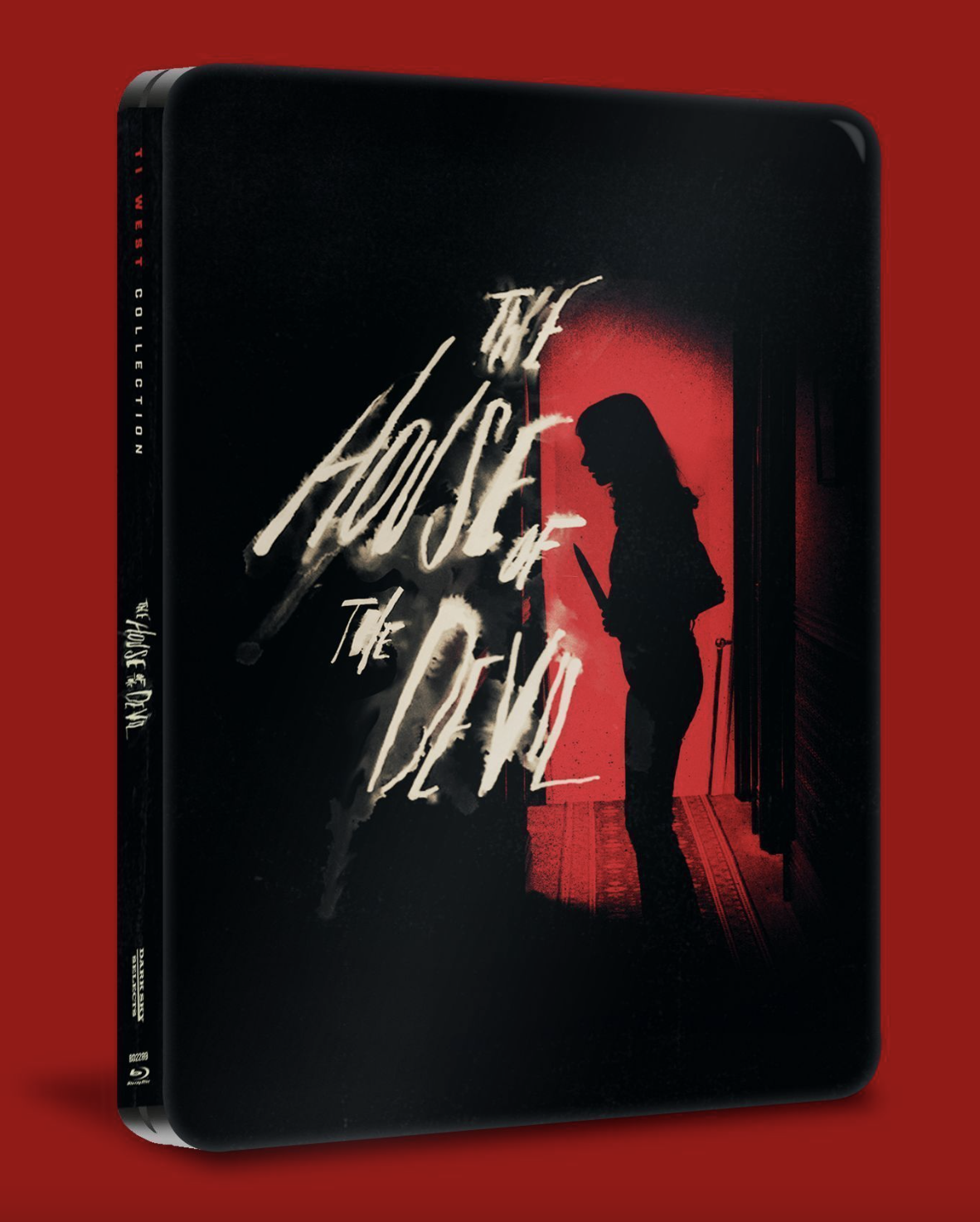
Fessenden has continued to direct—we’ll get to his most recent effort shortly—but his legacy has been chiefly solidified by his work as a producer and an actor. In the former role, he’s helped shepherd to the screen early works from unique horror talents like Ti West (The House of the Devil), Ana Asensio (Most Beautiful Island) and Mickey Keating (Psychopaths). But it’s as an actor that he may have made the biggest impression. He shows up in roles of various sizes in horror flicks ranging from Brad Anderson’s Session 9 to Adam Wingard’s You’re Next, to Bridey Elliott’s Clara’s Ghost, to truly bizarre, under-the-radar works like Chad Crawford Kinkle’s Jug Face. The upshot? If you’re watching an independent horror film and Larry Fessenden shows up on screen, you know you picked something good.
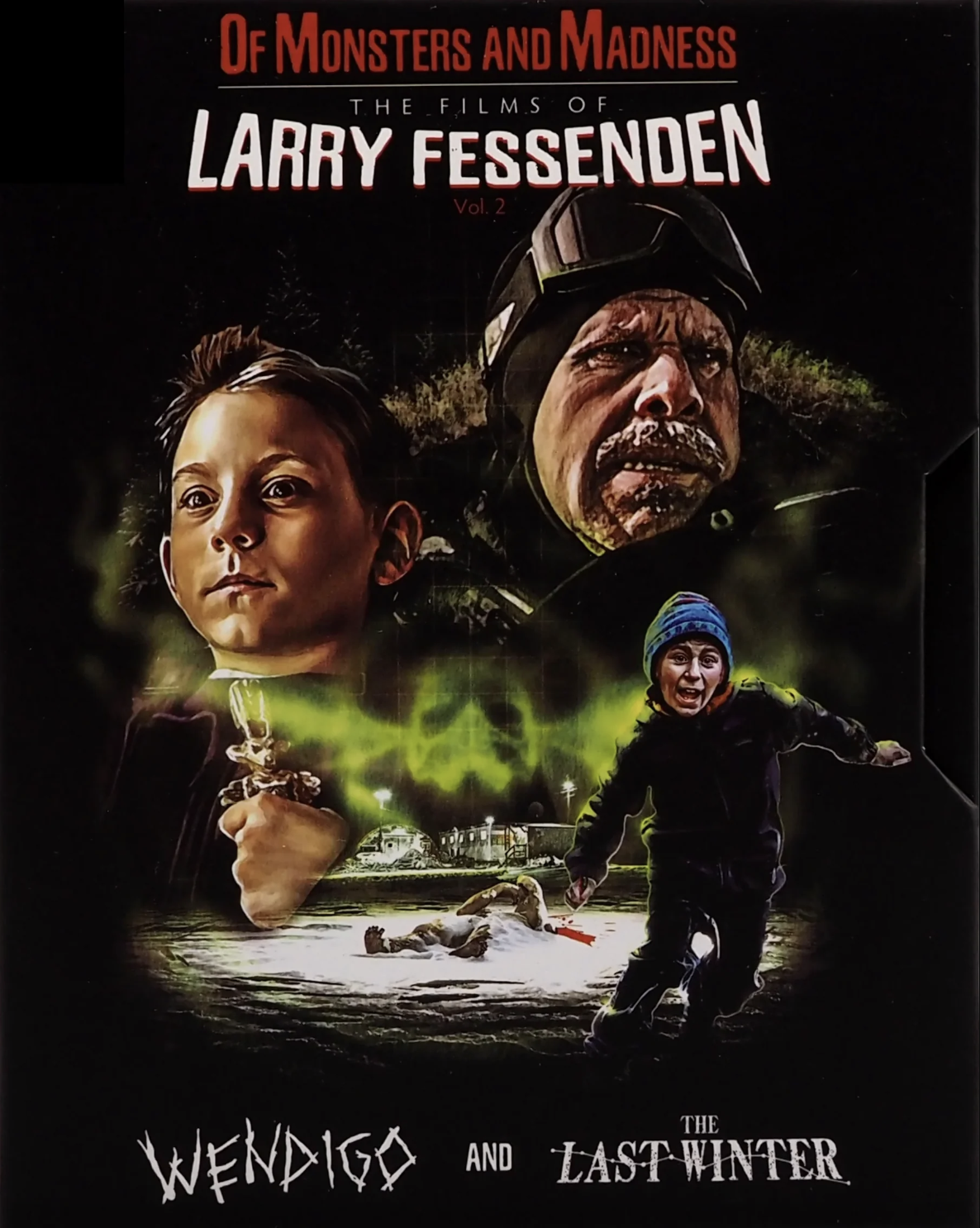
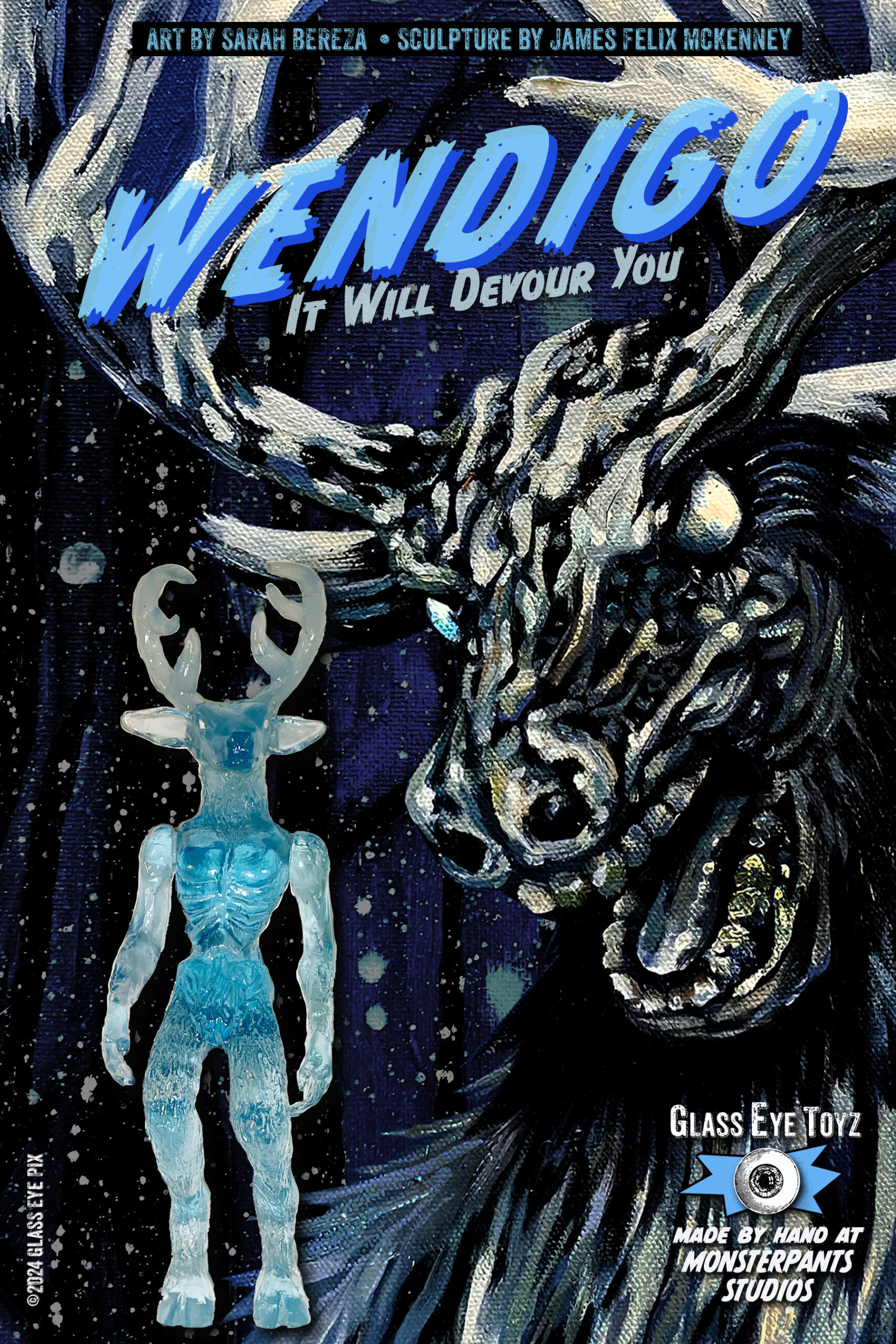
With strong showings from all of the directors listed above and more, American independent horror had a bit of a moment in the 2010s. It’s not difficult to imagine these filmmakers picking up Habit or Fessenden’s Wendigo (2001) at their local video store a decade before making their own films and being inspired by someone so geekily in love with the genre, yet so purely committed to making art that’s personal and new. Fessenden didn’t just kick off a career with Habit’s Someone to Watch award win (indeed, he’d already been directing for more than ten years); he kicked off a whole new wave of independent genre filmmaking.
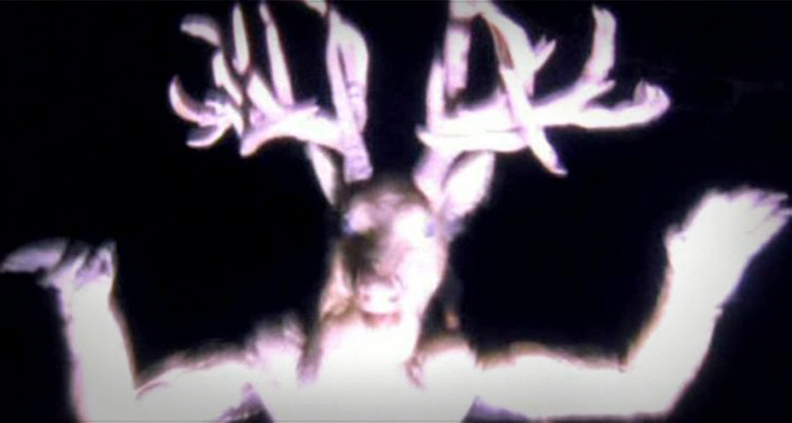
‘Wendigo’ (2001, dir. Larry Fessenden)
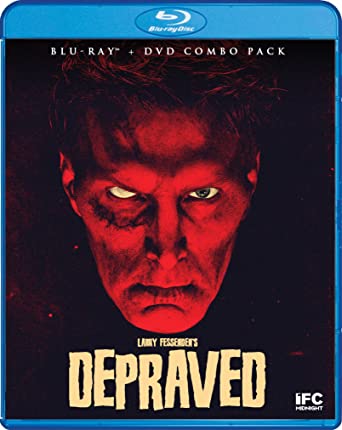
In many ways, 2019’s Depraved offers a sharp mirror-reflection of Habit (making it particularly well-suited to the format of this column). Nearly 25 years later, Fessenden returns to New York City, though now the boho apartments have been relocated from Manhattan to Gowanus. And he once again plucks his premise from the classic monster oeuvre, trading Habit’s seductive female Dracula for a PTSD-suffering combat vet version of Dr. Frankenstein, giving his monster a sensitive beefcake twist.
Henry (David Call) is a brilliant doctor still reeling from his military experiences in the Middle East, who’s been given free rein by his childhood friend Polidori (Joshua Leonard), now a wealthy pharmaceutical exec, to pursue his life-restoring experiments, all in the name of testing experimental drugs. Using body parts (and a brain) procured by Polidori via methods about which Henry would rather not know, he’s created a new life whom he’s named Adam (Alex Breaux); for what it’s worth, Depraved both acknowledges the corniness of that name and, eventually, provides a powerful explanation for why Henry chose it.
There’s no need to delve further into the plot in this space. As you might imagine, things don’t go smoothly and we can leave it at that. It’s more fun to instead dig into the more subtle similarities between Fessenden’s early and current work.
There remain hints of the occult that add more to the atmosphere than to the narrative. In Habit, Anna gives Sam a creepy two-headed figurine. In Depraved, one of Polidori’s unwilling donors was wearing a necklace with an arcane symbol on it—a present from the dead man’s girlfriend.
Also intact is Fessenden’s penchant for sexual content as salacious as it is potentially upsetting. While nothing in Depraved approaches Habit’s Battery Park hand job scene, there’s a fascinating, almost humorous dichotomy found in the tenderly suggestive interactions between Adam and Henry’s girlfriend, Liz (Ana Kayne), and the more fantastical nightmare versions of these interactions plaguing Henry’s sleep.
What shines through most from 1995 to 2019, though, is Fessenden’s ability to blend the topical with the personal. Where Habit embodied STI fears, Depraved explicitly invokes the opioid epidemic in its tale of human bodies treated as commodities by a greedy and heartless pharmaceutical industry. But beneath that is an emotional exploration of the necessity of nurture to human development and the anxiety of not knowing if you’re up to the task of parenting. It’s not surprising to discover these concerns in a man who served as forefather to an entire generation.
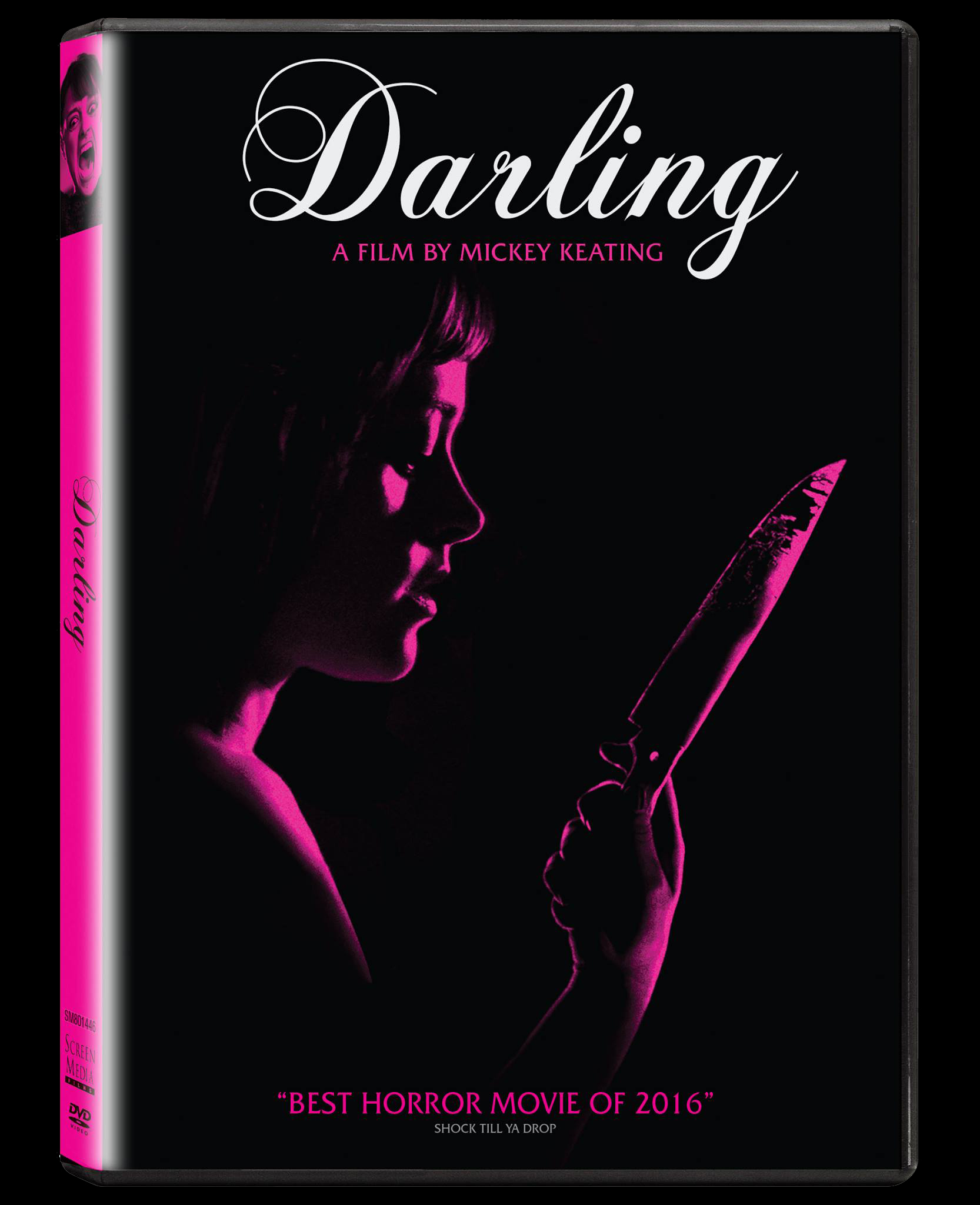
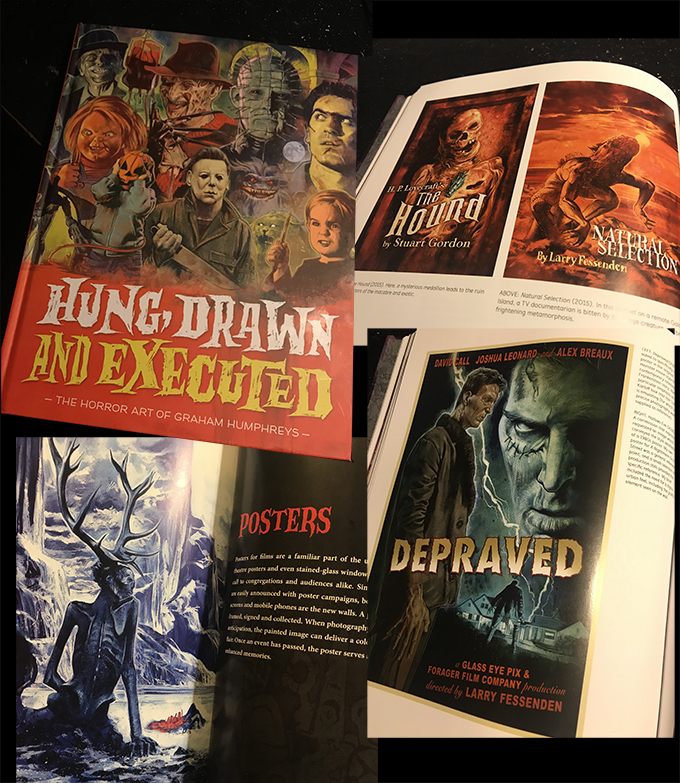
GEP Collaborator Graham Humphreys releases HUNG, DRAWN AND EXECUTED
chronicling his work as an illustrator of horror.
Many pages are dedicated to work done with Glass Eye Pix,
from recent retro DEPRAVED poster, to the Wendigo image for Sudden Storm,
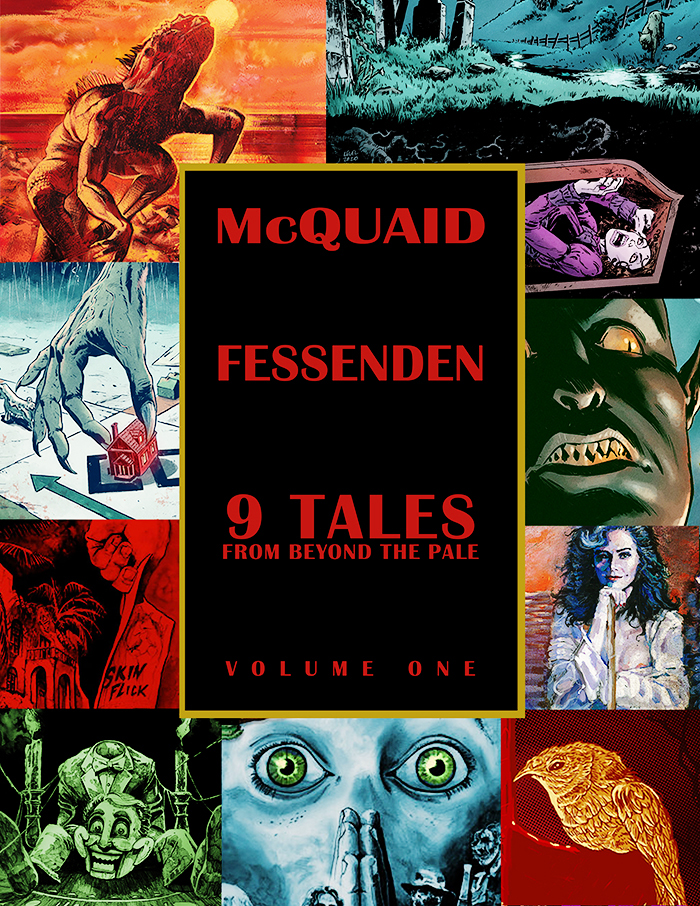
to the ten posters created for Tales From Beyond The Pale Season3.
From the description: Graham Humphreys’ career as a poster artist looms large over horror cinema. From designing the iconic Evil Dead poster to Nightmare on Elm Street and House of a Thousand Corpses, his work is familiar to everyone. It’s easy to see why his work grabs the attention of horror fans and filmmakers alike…
… It’s a little crazy to think that were it not for Tom Cruise’s abysmal The Mummy film tanking, we might not have this version of The Invisible Man. Instead we would have had some over-the-top budget blockbuster with Johnny Depp hamming up the screen. Thankfully though, the planned ‘Dark Universe’ was put to bed…though if they were to all tap into the same vein as this, we could be tempted to revisit the idea, especially if Larry Fessenden’s Depraved were to become the Frankenstein of the world…
JT Petty on “Johnny Boy” his Tale From Beyond The Pale now available on the podcast
“Parenthood is about as scary as shit gets. And I’m saying that as the dad in the equation. I know I got off easy. I didn’t have to submit to a transformation that would make Cronenberg queasy. I didn’t have to somehow push a watermelon through a wallet.
“But even as the dad, just witnessing something so obviously supernatural unmoored a lot of my comforts and cynicisms about the world. Watching my wife give birth made me think a less dramatic transformation like, I dunno, lycanthropy wouldn’t be so far fetched a proposition. And the day-to-day transformations of our daughter from dumpling to human are equally amazing. Watching the fontanelles come together and fuse, the sporadic inch-a-night growth spurts; I wouldn’t be all that surprised if she woke up one morning with webbed toes and leathery wings.
“Even outside the Rob Bottin material, there are the obvious fears of parenthood: a.) no matter how good you are, you will eventually fail your children, and b.) eventually you will die and they’ll have to figure out all this shit on their own. So I thought, man, that sounds like fun listening.
“And working in pure audio is such a good opportunity to actually scare people. It’s clichéd advice by now to cover your ears if you don’t want to be frightened watching a horror movie. You don’t have that safety net for a radio play. If you don’t want to be scared, don’t listen at all. So I hope you enjoy “Johnny Boy.” It may not be as disturbing as the Ron Howard/Steve Martin meditation on parenthood, but it’s definitely scarier.”
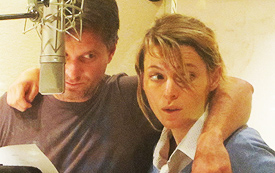
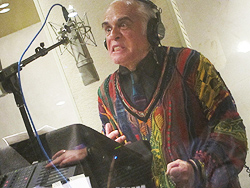
Statement from Nov 2010. Top: JT Petty, Bottom Left: Shea Wigham and Amy Seimetz; Bottom Right Troma vet Bill Weeden
EXCLUSIVE: U.S. sales outfit Yellow Veil Pictures has scored a raft of territory deals across its slate, including a five-picture deal with Australia/New Zealand releaser Umbrella Entertainment.
Umbrella has picked up territory rights for Rob Grant’s lost-at-sea crowd-pleaser Harpoon, Josh Lobo’s mystery-horror I Trapped The Devil, Jack-Henry Robbins’ retro comedy VHYes, Joel Potrykus’ apocalypse comedy Relaxer, and Larry Fessenden’s horror thriller Depraved.
Yellow Veil has sold four titles to Spanish outfit Wild Duck Productions: Depraved, I Trapped The Devil, as well as A.T. White’s cosmic-horror Starfish, and Tilman Singer’s German thriller Luz…
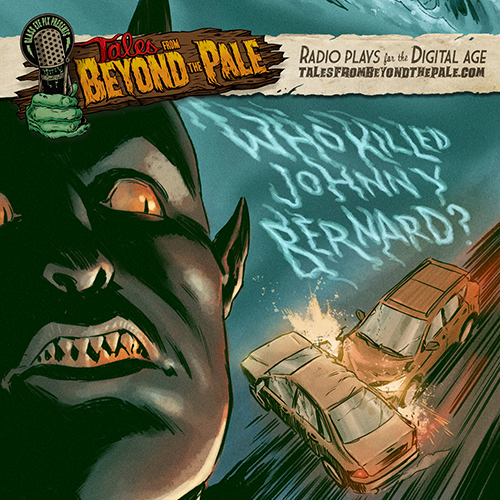
Pale Men Glenn McQuaid and Larry Fessenden chat about Fessenden’s audio drama Who Killed Johnny Bernard? Now available at TALES FROM BEYOND THE PALE The Podcast. Sketches by Brian Level.
GLENN McQUAID: WKJB is a very personal piece for you, how was the experience of putting your grief into this story?
LARRY FESSENDEN: The script came to me very organically. I had been to my friend’s funeral and many stories were told and so the set pieces wrote themselves: The accident, the sailing ship, swimming with a whale shark, working in a bank. Of course I added the bargain with the demon, because that’s what we do in story-telling, we envelope the truth in a cloak of the imagined to quench our thirst for meaning in a random world.
I liked the idea of writing a literary piece, with plenty of voice over. Sometimes with our Tales we dive into the drama through dialogue and sound effects and let the audience figure out where they are, but here I wanted to celebrate the written word with a prose style and that approach worked for this piece.
Another structural device I employed was to repeat the same dialogue twice, providing a jump-scare with the accident the first time, and then the second time, a deepening of the emotion and sense of dread as you start to recognize the dialogue and this time you know what’s coming. I like to think of it as a demonstration of Hitchcock’s famous description of shock vs. suspense: if there’s a bomb under the table and it goes off, that creates shock. If you know it’s under there, but the characters don’t, that creates suspense. This is maybe a slight variation, where you feel sad because you know the fun they are having is going to end horribly.
Anyway, these are all things we can do in our radio plays: experiment with ideas in writing and structure and point of view and see what we can get away with in this format. As for dealing with grief, I cried many times writing the piece. At least the process was cathartic for me, I can’t judge its effect on the listener.
GM: Who Killed Johnny Bernard uses quite a few different locations and drifts between several time-lines, how did you find producing and directing such an ambitious live event?
LF: Glenn, you and I worked very hard to have the transitions make sense. Ambiences and sound effects are even more crucial in a piece like this because they are actually establishing cut points and dissolves between time and locations as if it were a film. It was quite ambitious to pull it off. It is after shows like this that we always say, why not run the same tale for a week so we can actually do it right. Alas, we have never allowed ourselves that opportunity. I don’t mind the punk aesthetic but it takes its toll.
GM: As somber as the piece gets, I had a lot of fun working on it with everybody, there was a fun, family oriented vibe about the production that echoed some of the lighter moments of the story. Was that intentional?
LF: The story deals with the relationship between father and son and it was quite magical to have my pal James Le Gros and his son Noah on stage and then myself and my own son playing music for the piece. Glass Eye Pix projects always aspire to family and camaraderie not because we’re a bunch of saps, but because that is the best way I know to ward off the darkness all around. This radio play is about the horror, but it is also a celebration of a life well lived and the other intangible things we must defend, even as our ideals unravel in the public sphere.
GM: It’s alway a pleasure to work with James LeGros and he is terrific here, was he on your mind while writing?
LF: James is family, I always know he will serve the material well. I liked the idea of pairing him with his own son for this so it might have been on my mind.
GM: Matthew Stephen Huffman, one of the nicest guys I know, is absolutely terrifying here, what have we done to poor Matt?
LF: Matt is a treasure we’ve been mining since the first season of Tales. He has a great voice and the perfect attitude for the Tales ensemble. I think life has pulled him away from acting regularly but it is nice to know we can drag him back to the mic now and again and get these delicious performances.
GM: Music is a big passion of both of ours, how cool was it to have your son, Jack Fessenden jam along side you and James LeGros’ son, Noah?
LF: That was fun, all part of putting something real and unexpected on stage. We’re the producers: If we want to end the play with a little sax solo, that’s just what we’ll do!
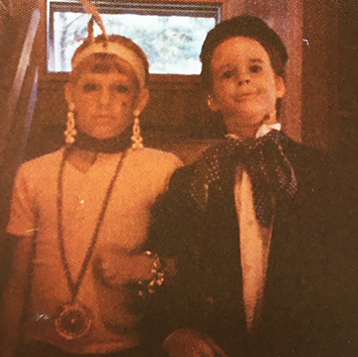
In conclusion I want to post this photo of me and the real Johnny (last name not Bernard), showing the sorts of things we got up to. At my insistence we would perform scenes from “Cabaret” for friends and family, with him playing Liza Minelli and me as Joel Grey. John was game for anything. We were doing drag acts in the 70s before it was cool.
A man tries to bargain with the devil to change the fate of his son after a deadly accident
written and directed by Larry Fessenden featuring Larry Fessenden, James Le Gros, Noah Le Gros, Lauren Ashley Carter John Speredakos, Matthew Stephen Huffman
guitar & drums Jack Fessenden • sax Larry Fessenden
Performed Live August 20th 2016 • Poster by Brian Level
for more TALES physical media, info and Swag, visit
From People I Think Are Cool:Glenn McQuaid is a writer, director, producer, and musician. He is the co-creator of the popular horror audio play & anthology series Tales from Beyond the Pale. He’s also the writer and director of the film I Sell the Dead, starring Ron Perlman and Dominic Monaghan. I discovered Glenn through his music created under the name Witchboard. Glenn is incredibly talented. In this episode, we talk about working in different mediums, creating stories with Larry Fessenden, the music that inspires him, and using sound to tell scary tales.
Glass Eye Pix is the fierce independent NYC-based production outfit headed by award-winning art-horror auteur Larry Fessenden with the mission of supporting individual voices in the arts. Read more...




 “Even outside the Rob Bottin material, there are the obvious fears of parenthood: a.) no matter how good you are, you will eventually fail your children, and b.) eventually you will die and they’ll have to figure out all this shit on their own. So I thought, man, that sounds like fun listening.
 “And working in pure audio is such a good opportunity to actually scare people. It’s clichéd advice by now to cover your ears if you don’t want to be frightened watching a horror movie. You don’t have that safety net for a radio play. If you don’t want to be scared, don’t listen at all. So I hope you enjoy “Johnny Boy.” It may not be as disturbing as the Ron Howard/Steve Martin meditation on parenthood, but it’s definitely scarier.”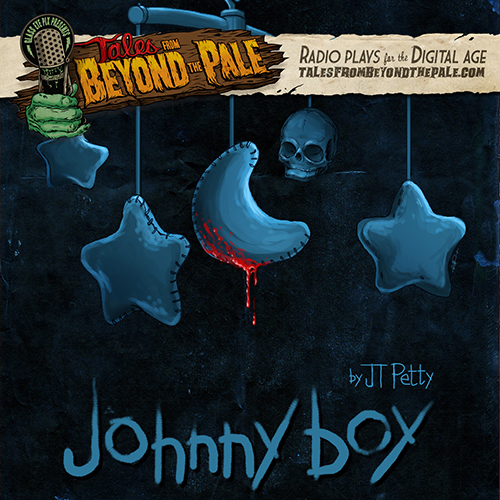

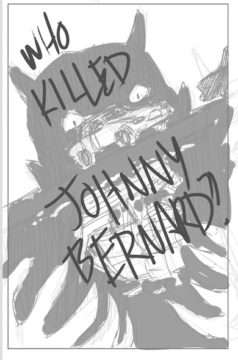 I liked the idea of writing a literary piece, with plenty of voice over. Sometimes with our Tales we dive into the drama through dialogue and sound effects and let the audience figure out where they are, but here I wanted to celebrate the written word with a prose style and that approach worked for this piece.
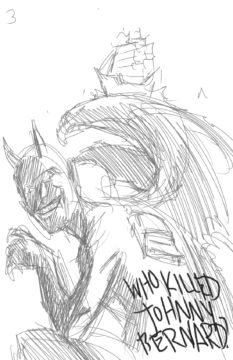 GM: As somber as the piece gets, I had a lot of fun working on it with everybody, there was a fun, family oriented vibe about the production that echoed some of the lighter moments of the story. Was that intentional?