November 3, 2015
Share:
Facebook Twitter Email

GEP Celebrated 30th Birthday with EXPERIENCED MOVERS Screening at Lucy’s

Last night Glass Eye Pix rung in their 30th birthday with a screening of EXPERIENCED MOVERS at Lucy’s: the bar where the film was shot. 30 years ago, to the night last night, the Glass Eye Pix logo first graced a screen.

IMG_1684

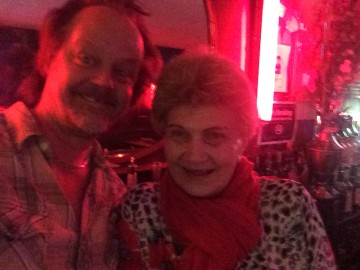
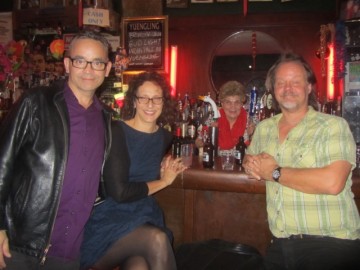
Fessenden with Lucy, present for the original shoot 30 years ago

IMG_4864-2

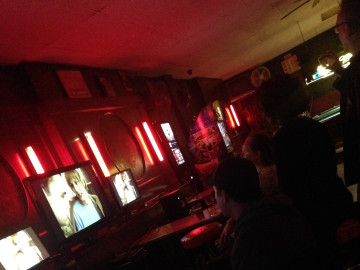
Watching EXPERIENCED MOVERS at Lucy’s

IMG_4866

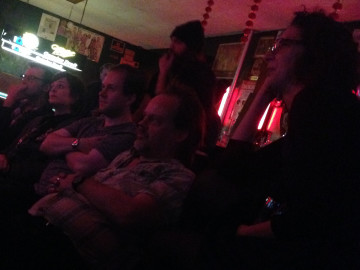
Fessenden and co. watching EXPERIENCED MOVERS

IMG_4870

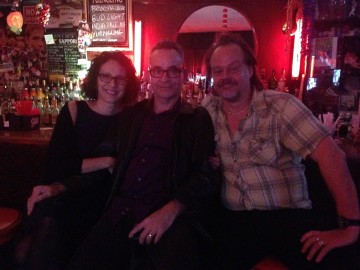
Fessenden with actors David Reith and Janet Donofrio

IMG_1337

Fessenden with Lucy, David Reith and Janet Donofrio

November 2, 2015
Share:
Facebook Twitter Email

NOV 2: EXPERIENCED MOVERS plays on 30th Anniversary of GEP

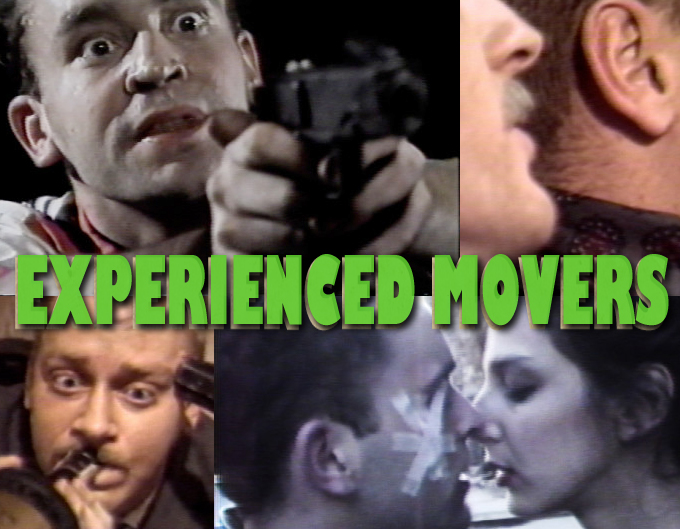
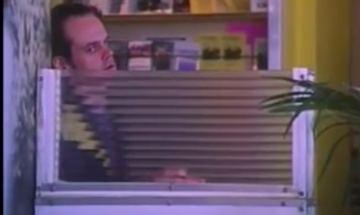
Yes friends, it was the sprawling Epic EXPERIENCED MOVERS, based on the 4 hour play by East Village Dramaturge Evan McHale and produced, directed, shot and edited by Fessenden, that first bore the production title Glass Eye Pix.

Premiering in the downtown club Danceteria Nov 2 1985, ExMovers went on to play in bars and basements in the East Village on TVs Daisy-chained together by RF cables.

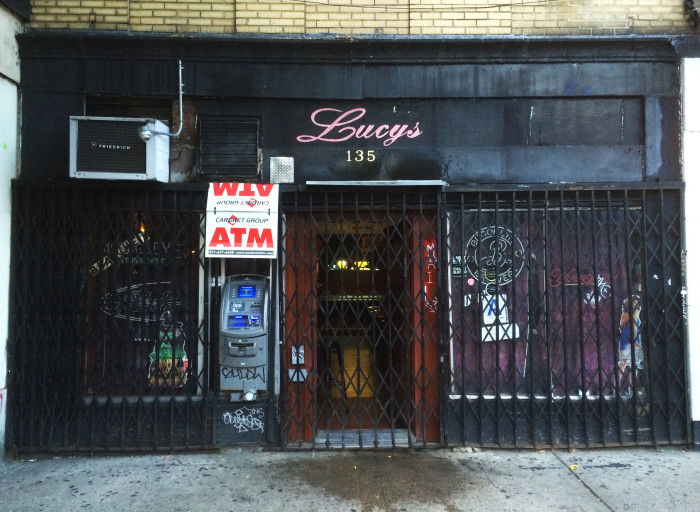
In tribute to those days of independence and self invention, we return to the bar where XMOVERS was filmed, hosted by Lucy who was there every day of the shoot providing hangover-helpers to the director and his 2-man crew.

Ambitious, flawed, bizarrely original, XMOVERS is an endurance test and indie filmmaking before there was such a term. See if you can survive it. FREE. BYOB. (buy your own Booze)

XMOV


Lucy's

October 30, 2015
Share:
Facebook Twitter Email

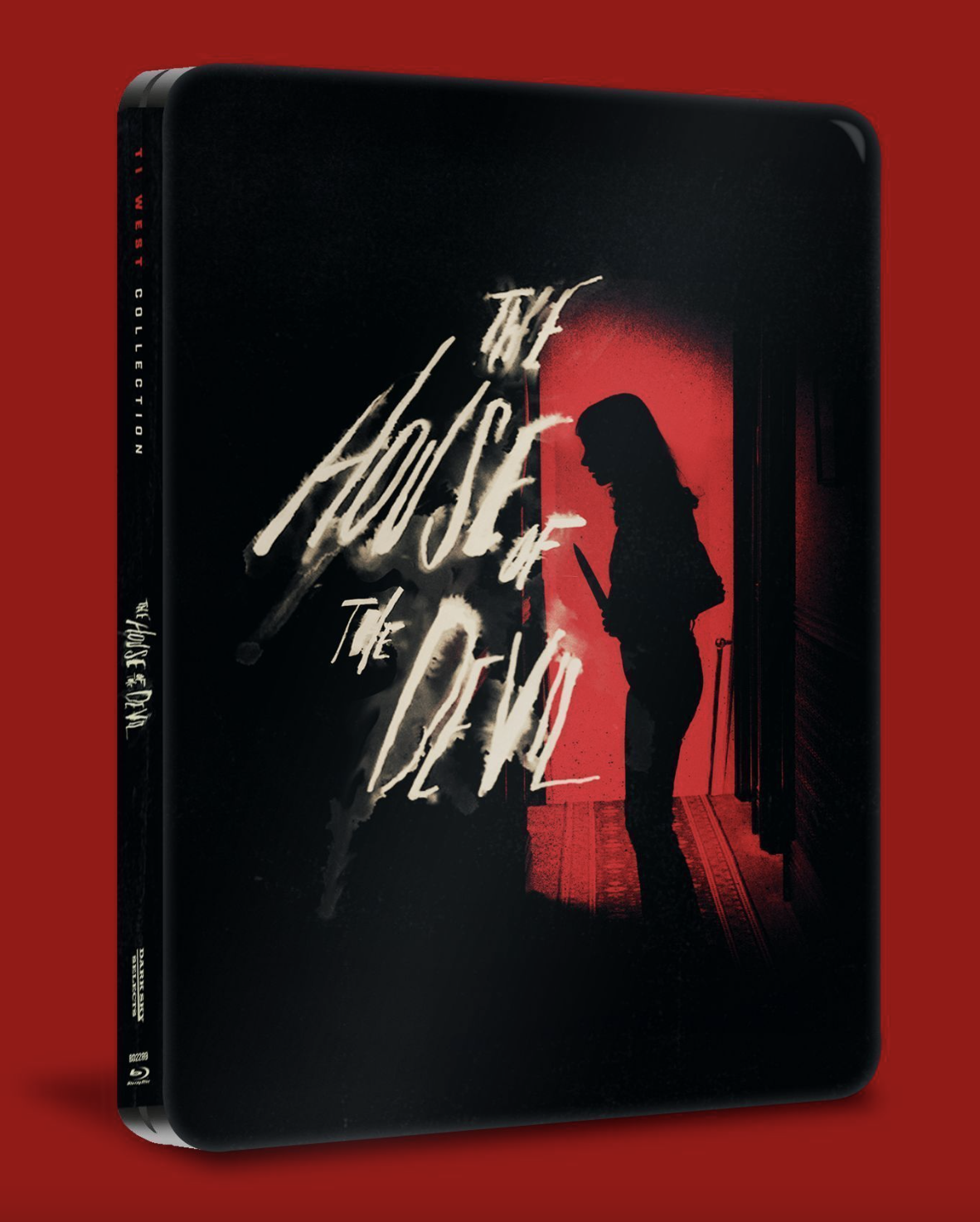
Tonight! HOUSE OF THE DEVIL at IFC Center in NYC

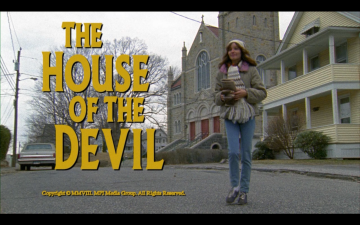
Attn NYC Fans! Catch two 12:30am showings of HOUSE OF THE DEVIL from director Ti West tonight 10/30 and tomorrow night 10/31.

House-of-the-Devil-title

“West playfully subverts the horror film genre by insidiously setting up the mood and letting it eerily and slowly play out before slamming home with a fiendish finale.”

For tickets and more info, head over to IFC Center.

October 30, 2015
Share:
Facebook Twitter Email

EW Debuts Exclusive Poster and Stream from TALES FROM BEYOND THE PALE Season 3

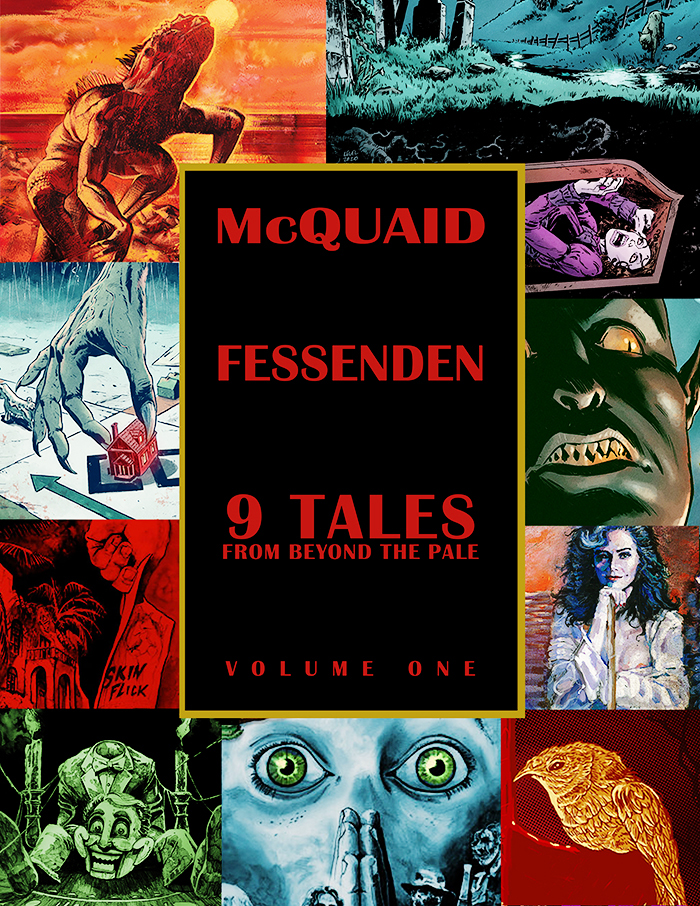
TALES FROM BEYOND THE PALE, SEASON 3 is coming for you November 27th (Black Friday)! But Entertainment Weekly has a Halloween treat for you today– Stuart Gordon’s episode, THE HOUND, is available for you to stream, plus they’ve got exclusive poster art (created by acclaimed Nightmare on Elm Street/Evil Dead artist Graham Humphreys) along with info about the release.

Screenshot 2015-10-30 13.52.07

“The 10-episode season will feature tales written by McQuaid, Fessenden, and Jeff Buhler (The Midnight Meat Train), among others. Meanwhile, the impressive cast list includes Dominic Monaghan, Billy Boyd, Vincent D’Onofrio, Nick Damici, James LeGros, Sean Young, and Pat Healy.

The new season also features a Re-Animator reunion with director Stuart Gordon, actress Barbara Crampton, writer Dennis Paoli, and composer Richard Band returning to H.P. Lovecraft territory with an adaptation of the famous horror writer’s short story, The Hound.

Tales from Beyond the Pale: Season 3 will be released with a hardcover book — illustrated by renowned poster artist Graham Humphreys — and on a USB drive that will also feature an introductory film by Beck Underwood. 

We can only show you a sliver here, so head over to listen to the episode and check out the new poster.

TALES: SEASON 3 is now available for pre-order over at the TALES online store.  Visit TalesFromBeyondThePale.com for more info about the new season.

October 29, 2015
Share:
Facebook Twitter Email

New 30th Anniversary Mini-Doc: TALES FROM BEYOND THE PALE Season 3

New Doc from Glass Eye chronicler Adam Barnick features ‘Tales’ creators Glenn McQuaid and Fessenden detailing the origins of their macabre radio dramas; the nature of working exclusively with sound; and offer a sneak peek of the episodes and creators of Season Three, including Stuart Gordon!

October 28, 2015
Share:
Facebook Twitter Email

Fessenden, Reznick, Wexler on the DEATHWAVE Label

Blumhouse spoke with Fessenden, Graham Reznick, and GEP Producer Jenn Wexler (among others) about the development and use of the term “DEATHWAVE” to label horror movies with elevated plot and characterization.
IMG_6280-750x750

By Jerry Smith

Unless you’ve been living under a proverbial rock for the last five years, you’ve noticed the same thing that I have: horror films are becoming something more than what they had become for almost a decade. Gone are the cast of whatever WB or CW channel-filled adaptions of the too witty for their own good Kevin Williamson adaptions. No, we’re not getting I KNOW WHAT YOU DID LAST SUMMER, URBAN LEGEND of even the torture-filled films that quickly became the new tone of terror afterwards, when American filmmakers did their best to outdo the powerful and thematic French Extremist films of the early 2000’s. Within the last few years, genre films such as THE BABADOOK, AT THE DEVIL’S DOOR, HONEYMOON, STARRY EYES, CHEAP THRILLS, SOME KIND OF HATE and various others arrived and offered something that our beloved genre had been lacking for quite some time: a full developed story, characters that were motivated by more than just being chased by slashers or tortured for your gore enjoyment. These characters were placed inside of stories that meant something and had themes. They bypassed the former films that were lacking in depth and substance, ones that were in genre films that overpopulated the marketplace prior to their arrival. Sure there were always films that were emotionally resonant and powerful, such as THE TEXAS CHAINSAW MASSACRE, ROSEMARY’S BABY and so on, but this was something different. This new wave of films and filmmakers were offering stories that were able to find their place deep within the tastes and hearts of horror fans, and though there were some who weren’t a fan of those types of films (Christopher J. Jimenez wrote a piece for Sinful Celluloid on how horror is dead because of those kinds of films), the general consensus has been one of praising these films.

Last year, while looking through my Twitter feed, I stumbled across a word that was able to immediately catch my eye: DEATHWAVE. Just the sound of those two words put together were enough to cause me to look up everything I could on what it meant. It seemed like a movement, almost a manifesto of sorts, and to be honest, it sounded like something close to the films I had been currently writing. Naturally, it was time to investigate, and when visiting the set of an upcoming anthology film produced and directed by my friend Adam Egypt Mortimer (Director of SOME KIND OF HATE), I noticed that he was wearing a shirt that read…DEATHWAVE. Naturally, I had to ask about it, and our conversation opened my eyes to what the term meant and what it insinuated.

Fast forward to this year’s Fantastic Fest film festival in Austin, TX. In between films, I sat at a table talking to my friend (and excellent writer/producer) Heather Buckley and somewhere in between talking about an upcoming film I’m working on and her upcoming projects, the term Deathwave came up, and I described to Buckley my understanding of it. “You should write a piece on that, and talk to as many people as possibly for it”, she said. So, I reached out to quite possibly everyone I could contact, who were either supporters of Deathwave or quite the opposite: people who see it as just another label that the genre doesn’t need. The conversations and interviews were very divisive, and with good reason. Both the pro-Deathwave people and anti-Deathwave term people all had valid points that I felt were important to write about, so that’s where we are now. Blumhouse readers, this is quite the epic piece, with statements from legendary genre filmmakers like Larry Fessenden, notable producers such as Travis Stevens and Jennifer Wexler, actors such as Noah Segan, Publicists/festival programmer Kaila Sarah Hier and many more. We’ve decided to split this into two parts and we genuinely hope you like reading it, that it inspires some thought on the subject and that it asks you what you think. So, here we go: DEATHWAVE – The New Movement or Just Another Label?
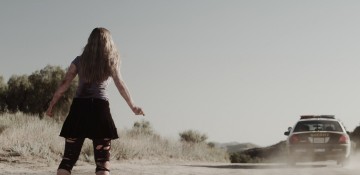
Some_Kind_Of_Hate_Anamorphic_0-1200x584

Adam Egypt Mortimer (Writer/Director – SOME KIND OF HATE, Ballistic, HOLIDAYS)

BLUMHOUSE: Let’s talk about the origin of “Deathwave”.

MORTIMER: When we talk about the origin of it, there are two things. The first being when did I come up with this awesome/stupid word for it versus what is the origin of trying to describe what kind of movie it is, so there’s two particular things. Let me talk about both of those things. As far as the first time I said the word “Deathwave”: I had kind of worked in isolation, without having a bunch of friends around me who were into the same thing and into horror. When working on SOME KIND OF HATE, I was lucky enough to have Josh Ethier (Actor/Editor, SOME KIND OF HATE, ALMOST HUMAN, THE MIND’S EYE) edit it and he would always talk about all of these people. He’d say things like, “Man, we should show this to Joe Begos, We should show this cut to Mickey Keating or Graham Reznick”, so they could give me feedback. He kind of put me in touch with all of these people, who would watch edits of the film and give their feedback. There was this key moment, when Josh invited me to this Fourth of July barbecue at Jen Yamato (Entertainment Reporter for The Daily Beast)’s house. I’d really like to call that moment the birth of Deathwave, the 4th of July, 2014. I went along, and Mickey (Keating) was there, Roxanne Benjamin, Joe Begos (ALMOST HUMAN), Dennis Widmeyer (STARRY EYES), all of these people I never would have known. I noticed all of these people having tattoos of things like DAWN OF THE DEAD, in the way that people used to have band tattoos. Travis Stevens was there too. I was there, standing around thirty-five people, all of which were making these emotionally relevant, personally driven, low budget horror films. They were all making their own films, but seemed to have a singular vision and were almost connected in a way. I mean, Josh Ethier edited so many of those movies.

There’s something important about recognizing that there’s this organically created movement, maybe not even a movement, but a moment. A moment in time and space. There was this group of people who had realized with very little money and the understanding of what a horror film is, that you can tell contemporary and very emotionally relevant stories. I thought to myself, “I have to be able to describe this to people who are not standing in this room with us.” I didn’t really want to define it, but I wanted to describe it, so that’s when I started saying “Deathwave”. I immediately went home and started tweeting about it, and I think I sent you the original tweets about it, how it was so cool that these people grew up on John Carpenter but turned that love into their own personal artistic vision. In a small way, I said it to be silly, but in another way, it’s pretty serious, and it’s like death, really dealing with death and grappling with the idea that death is 100% going to happen and it’s the worst thing that you can imagine. So in Deathwave, it can be silly and fun, but we can’t help but address the true reality that death is on its way.
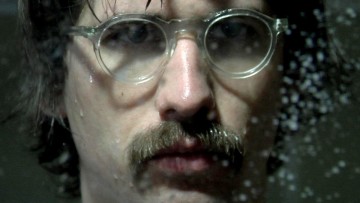
i_can_see_you-03-1200x675

Graham Reznick (Actor/Director/Sound Design – UNTIL DAWN, I CAN SEE YOU, V/H/S, THE SACRAMENT)

REZNICK: “DEATHWAVE” is, for me, not about dying or gore or violence as the name might suggest. “Death” in this case means change, transition, metamorphosis. Over the last two decades we’ve reached an oversaturation point of passionless studio horror films, artless remakes, and bland cash grabs all made for the wrong reasons. Because many of these films are made inexpensively and yield a large profit, we’ve learned to praise the financial success of the genre – but we’re in danger of losing our sense of artistic power and responsibility. Truly great horror films are meant to challenge us and force us to examine our place in society. If horror becomes solely a celebration of body counts, blood splatter and box office mojo, we will be missing a profound opportunity to use a popular mainstream genre to tell stories that are personal, that have purpose, that explore and confront our collective existential uncertainties. We need a response to this mortal malaise – we need to destroy the cynicism that has brought us to this point. DEATHWAVE is the death of the cynical model, and it is the wave of passionate, sincere filmmakers and storytellers who want their work to have meaning and impact. Those who associate with this wave feel we have no choice or alternative to our approach because if our stories have no meaning, it will spell the death of our culture – and “death” in this case will mean “to disappear.”
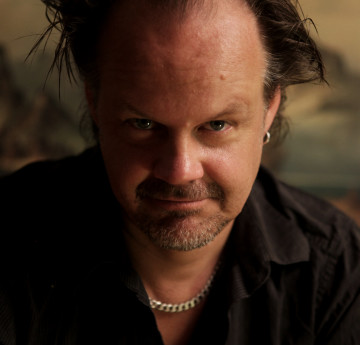
LarryFess-high-res

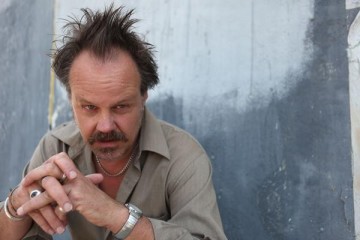
Larry Fessenden (Actor/Director/Producer – Glass Eye Pix)

BLUMHOUSE: The term “DEATHWAVE” was coined by SOME KIND OF HATE director Adam Egypt Mortimer as a way to describe genre films that are in a lot of ways elevated from just being typical slash and dice films. Films like those of Mickey Keating’s, Mortimer’s and various others as well. When I mentioned that your work has always felt that way to me, Mortimer said that in his opinion, you’re the John Cassavetes of horror and that if anything; you’re the godfather of the Deathwave movement. What is it that you think has made your films so influential to up and coming filmmakers and so resonant?

FESSENDEN: I think my films have a deliberate and determined vulnerability, dealing with melancholy and loss as much as the horror tropes that I clearly love. I have tried for authenticity in my work, tried to get at nagging truths about things as I see them. There is nothing calculated or commercial in the work (just ask my investors) and so the movies are inspiring to young filmmakers that come from a more idealistic place as they start out in the business. I have also championed the do-it-yourself approach which again is inspiring for those with few resources and a dream. Maybe most of all, I take horror movies seriously. I’m telling scary stories that matter to me, the viewer can tell that. It’s not everyone’s cup of tea of course.
Fantasia-Film-Festival-Header

Kaila Sarah Hier (PR, Programming – Fantastia, Ithaca International, Boston Underground Film Festivals)

HIER: I like to think I have a pretty solid outsider’s account of the development of the Death Wave movement. Without getting too autobiographical, I think it could be what inspired me to get more involved in genre cinema- and I don’t think I’m the only one. I used to be so disconnected from Horror movies- both new additions to the genre and the pillars that make it thrive. It was something I missed out on growing up and felt left out of for my lack of foundation. Then I found myself stumbling into some of the early incantations of the Death Wave genre (specifically, I recall, the spotlight on Adam Wingard films at Fantasia in 2011 that had me glued to my seat and inexplicably drawn to the screen) – these horror films that seemed to trigger an emotional connection within, that were enthralling in a whole new way, and that didn’t necessarily have to come with a mental encyclopedia of scary movies. These films were such standouts to everything else in the festival programming, and they all seemed to build off of each other in themes and tones without ever feeling repetitive or competitive. Meeting the people behind these films cemented this impression. The Death Wave genre developing before us is so rich with collaboration and it comes out beautifully in the films that focus on personal stories and intimate portrayals of characters made possible by the trust these film makers approach each other with while building these projects up.

From the position of a publicist I’ve had the thrill of seeing these films be very well received by audiences. Even a flawed film is easily recognized as impressive for its style and unique approach to horror themes, and people are responding very strongly to both the characters and the stories that are being made. Death Wave is interesting in that respect because it doesn’t just appeal to Horror junkies who acknowledge all the influences, but to new fans of the genre, and is often a ‘gateway drug’ inspiring new viewers to delve deeper. There’s no denying that Death Wave films resonate strongly with the world we live in and have announced themselves as the next wave of horror cinema.

It’s funny how long it took to put a name on it. When I was first approached with the concept of Death Wave and what it meant it was like a puzzle piece long lost falling into place. I’d tried and failed to put a name to the movement before and it was rewarding to finally see it justified. There was just such a sense of there being something there, lurking and growing. By the time it finally found a name it was already very much a movement that everyone involved felt the pull of. Naming it has just made it more accessible to the public, thus ultimately bringing it to the forefront of the modern horror film genre and bringing both the audiences and the filmmakers closer together through its representation.
JennWexler-1200x1122

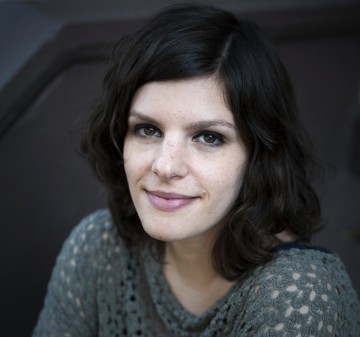
Jennifer Wexler (Producer –BENEATH, ABC’S OF DEATH 2, DARLING)

BLUMHOUSE: The DEATHWAVE vs “These films shouldn’t be labelled” thing is quite an issue between different filmmakers right now, what are your opinions on the idea of that term and also the collective films and people it describes?

WEXLER: From a branding perspective, if a name like Deathwave draws attention to these kinds of films then I’m all for it. Sometimes you need to label a thing to build hype around it and draw eyes to it. But I don’t think filmmakers should take the label too seriously. If you focus too much on trying to fit into some kind of label, I think the storytelling is at risk of being diluted. I think the label could potentially be distracting for some filmmakers. When you approach filmmaking backwards, trying to get your story to fit under an umbrella—that’s when you end up with the same kind of thinking as the studios—chasing after a thing because it’s being deemed cool and popular. All that said, if branding these films “Deathwave” makes it exciting for viewers, and draws more people to the genre, and carries the message that the genre can be deeper than blood & guts, then that’s great. I think we all just need to take it with a grain of salt.

BLUMHOUSE: It’s hard not to notice that within the last couple of years, we’ve seen such a large amount of “elevated genre films” as they’ve been called, films that emphasize on character development and great storytelling just as much as “hey let’s have awesome kills” like a lot of other genre films were going for at the time. Films like HONEYMOON, STARRY EYES, CHEAP THRILLS, THE HOUSE OF THE DEVIL and more recently, DARLING, have shown influences outside of the genre as being just as important as the genre influences. What do you think brought this change in intentions within the genre?

WEXLER: I love the movies mentioned here, but I also think that this type of film has been around for a very long time. Just to list a couple favorites, THE SHINING, ROSEMARY’S BABY, ALIEN, THE DESCENT. I think maybe something that has changed is the cost to make a movie. You can do a whole lot more now for a whole lot less than you used to be able to, across all stages of production. It’s still certainly not easy to make a movie, but I do think it’s becoming much easier to find financing, go through production and post, and market your own film every year, without having to rely on some corporate entity to make it happen. So I think this is allowing people who love these elevated genre films to go out and create their own. The Auteur is coming back, because in this kind of indie filmmaking, you don’t need the approvals of 15 different executives every step of the way. Larry was able to make HABIT because he made it completely outside the studio system, and was able to really explore that world as an auteur. The changes in technology are allowing more filmmakers to do that and this stuff that we crave—substance!—is appearing more often and being more recognized by festivals and press.

October 28, 2015
Share:
Facebook Twitter Email

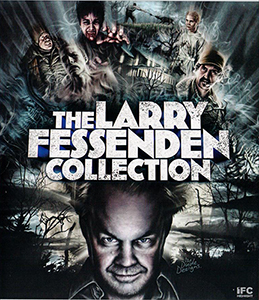
IONCINEMA Review: The Fessenden Collection is “inspired” “consistently intriguing”

the-last-winter-review

From ioncinema.com:

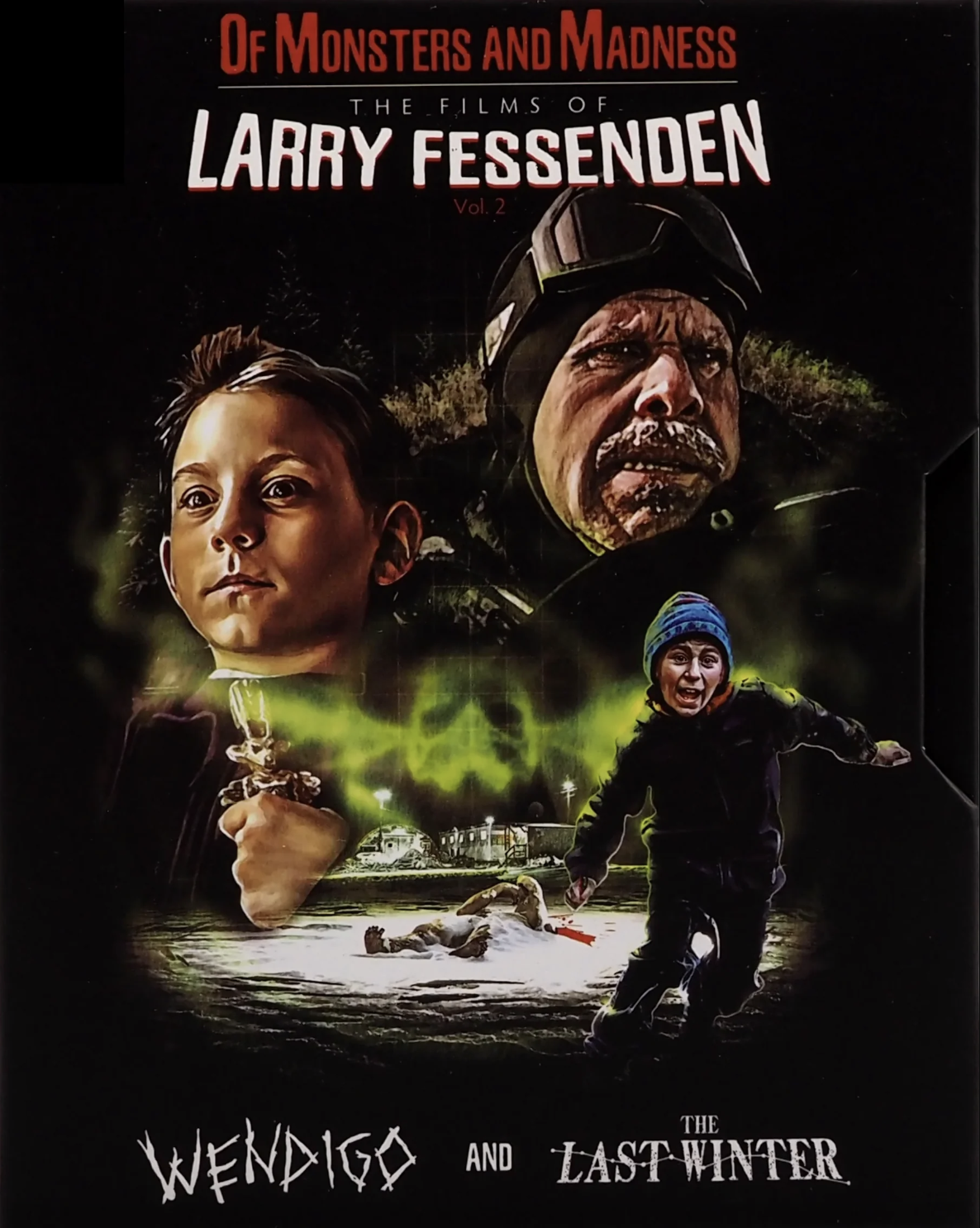
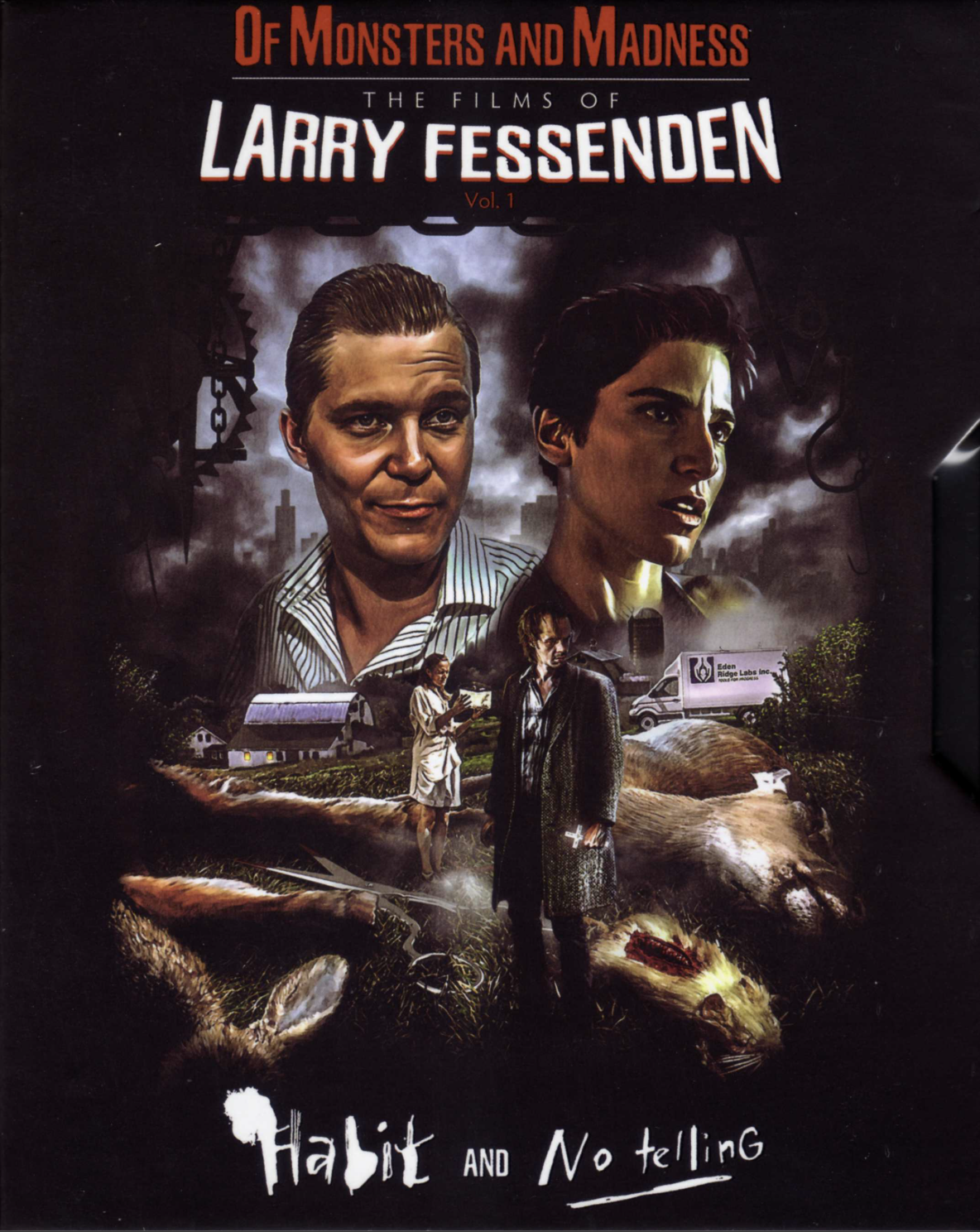
Scream Factory and IFC Midnight have paired up to present an inspired disc set for The Larry Fessenden Collection, an assortment of four of the director’s most notable genre films. Migrating between a number of notable projects as a character actor (he usually appears as some peripheral, grizzled weirdo, showing up in titles by Scorsese, Neil Jordan, and Kelly Reichardt, amongst others), he’s also a noted producer, editor, screenwriter, and cinematographer. But Fessenden’s made his most striking impression with a growing body of genre oriented independent directorial efforts. Usually prizing strong characterization amidst situations of mounting dread, Fessenden seems fascinated with testing the strengths and inherent weaknesses of mankind, and it’s probably easiest to label his filmography as environmental horror.

Out of Fessenden’s own production company Glass Eye Pix, 1991’s No Telling (or the Frankenstein Complex) melds motifs of Mary Shelley’s famed mad scientist with modern animal experimentation. Geoffrey Gaines (Stephen Ramsey) is a medical researcher working for a corporation called Fex, and studying a hypothesis on something called ‘chemo-electric therapy.’ Receiving a grant for his research, Geoffrey relocates his artistically oriented wife Lillian (Miriam Healy-Louie) to the countryside where he locks himself into a lab with his secret research. Lillian, meanwhile, feels even more estranged from her husband of three years and begins a casual flirtation with local organic farmer Alex (David van Tieghem). Soon, it becomes apparent that Geoffrey is performing Mengele-like experiments on local farm animals, even abducting a young girl’s little doggie from a nearby farm. Enhanced by Fessenden’s own idiosyncratic editing, the film is filled with arresting visual sequences, culminating in its rather grisly finale.

Fessenden’s most accomplished work is his 1995 film Habit, his only outing where he also casts himself as the lead protagonist. Michael Gingold’s insert essay aligns Fessenden’s film with two other low-fi vampire films from the same period of American cinema, Michael Almeryeda’s Nadja (produced by David Lynch) and Abel Ferrara’s The Addiction). It captures a certain gritty New York energy of the period, not unlike the texture of a Larry Cohen production. Fessenden gives a great performance as a man headed for a breakdown after losing everything, including his father, and the dissolution of a troubled relationship. Battling alcoholic tendencies, he meets the sexually ambiguous Anna (Meredith Snaider) at a Halloween party. She’s a bit too pretty and polished for Fessenden’s down and out vagabond, but it becomes clear increasingly Anna may be a vampire. It was the first major credit for DoP Frank G. DeMarco, who would go onto work regularly with John Cameron Mitchell as well as J.C. Chandor on All is Lost (2013).

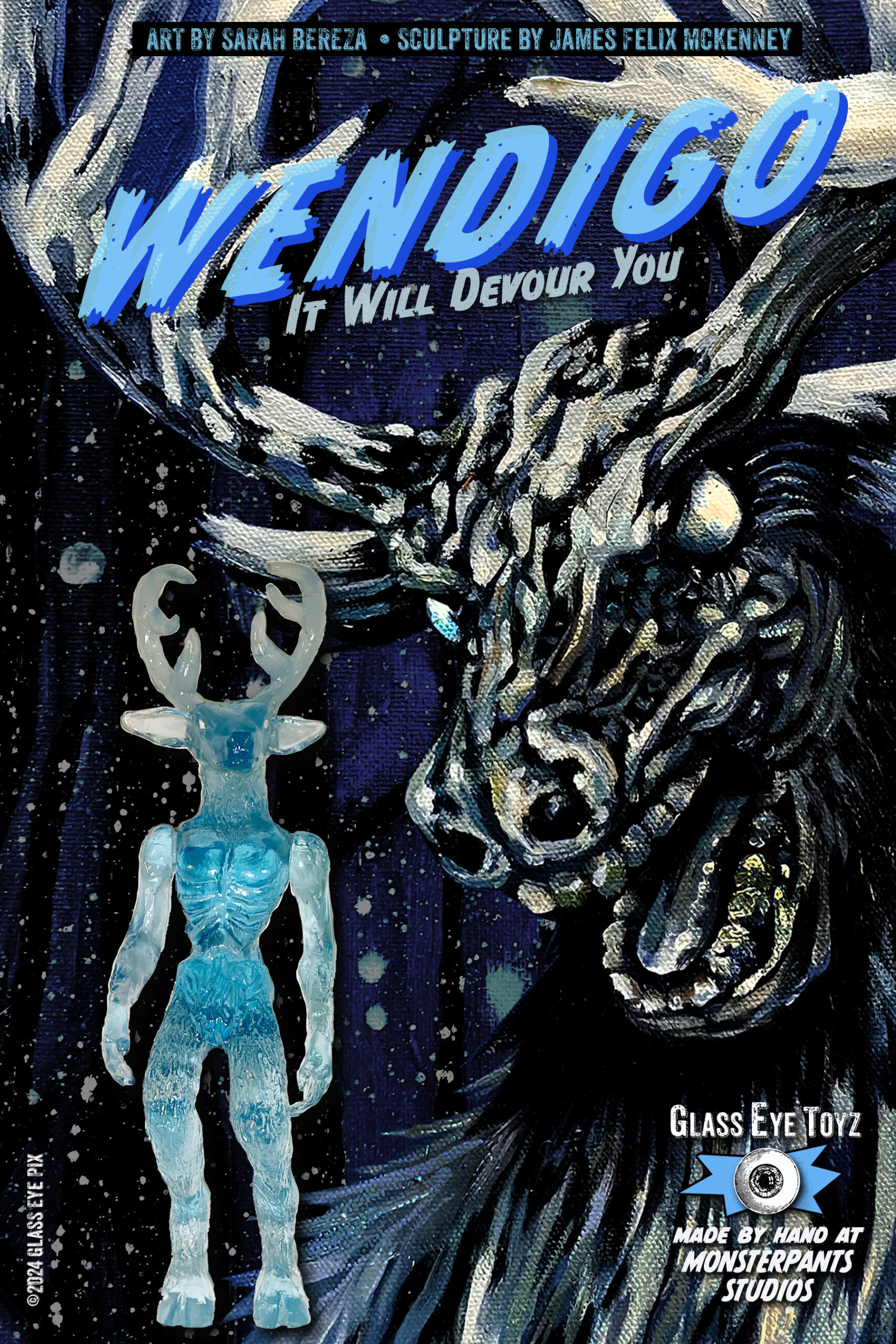
In 2001, Fessenden returned to his ecological interests with an inventive addition to the werewolf genre via the Native American legend of the Wendigo (something John Landis reconstitutes to silly effect in the 2005 season of the Masters of Horror series with “Deer Woman”). Starring the incomparable Patricia Clarkson and Jake Weber as a family taking a wintry break from reality with their precocious son (Erik Per Sullivan) in a set-up similar to the beginning of something like The Shining (1980), Fessenden jumps into mankind’s habit for abusing nature. As seen from the perspective of the young boy, there may or may not be an angry woodland spirit materializing to exact retribution. The film features Fessenden’s most inventive use of special effects, sidestepping potential silliness with a rather haunting genre effort, lensed spectacularly by Terry Stacey, who has gone on to lens a variety of milquetoast romantic melodramas (Safe HavenThis is Where I Leave You).

The last addition to the collection is Fessenden’s most popular work, the 2006 title The Last Winter, shot on location in Iceland and unfortunately hobbled by a bit of third act CGI that compromises the rather compelling ecological message. Unravelling like John Carpenter’s The Thing (1982) but with the dialed down characterizations from No Telling, including a love triangle between a woman and two men of clashing viewpoints, Fessenden gets great performances from James Le Gros, Ron Perlman, and Connie Britton while Kevin Corrigan and Zach Gilford each have memorable moments. On a remote oil drilling station, an ornery head of operations (Perlman) is upset to return to find an environmental consultant (Le Gros) has not only taken the affections of his colleague/plaything (Britton) but has dire warnings about the facility’s damaging effects on the local environment. Fessenden and co-writer Robert Leaver assert that these fossil fuels are provided at the expense of the environment, and thus, we are virtually haunted by an angry mother nature and the spirits of the deceased creatures now rebelling against the virus of mankind. To date, it’s Fessenden’s most elaborate and ambitious directorial effort, and unfortunately it failed to recoup its budget at the box office.

Disc Review:

Shout Factory presents these four titles in HD for the first time, and for those unfamiliar with Fessenden’s considerable body of work, this is a great discovery. Not only are these excellent transfers, but each title is accompanied by an extravagant amount of bonus features, including optional audio commentary from Fessenden on each feature.

No Telling

Making of No Telling
A twenty four minute feature finds Fessenden speaking on the impetus of the film.

Archival Footage
A twenty-six minute feature has Fessenden introducing footage not included in the making of feauturette.

Short Film “White Trash” (1979)
A Super 8 short, which Fessenden counts as his second project is available on the disc.

Glass Eye Pix Sizzle Reel (1985-1990)
To track the progress of his projects, Fessenden includes a sizzle reel on these discs, beginning with his production company Glass Eye Pix in 1985.

Habit

The Making of Habit Featurette
The twenty-four minute feature includes raw footage narrated by Fessenden on this project, using the vampire as a metaphor, “new truths using old clichés.”

Short film “Habit” (1981)
Fessenden’s seventeen minute short film from 1981, providing the original ideas behind the 1995 feature, is included.

The Making of short film “Habit”
A five minute segment finds the director discussing the difficulties making this film, initially meant for feature length, which proved to be a difficult feat at the time.

Save You from Yourself Music Video
A music video for the track used in the film is available.

Short film “N is for Nexus” from The ABCs of Death 2 –
Fessenden’s four minute segment from the anthology film is isolated here, a tale of accidental tragedy costumed in classic movie monster imagery.

The Making of “N is for Nexus”
Nearly as long as the segment itself, this four minute bit of footage finds Fessenden working behind the scenes.

Frankenstein Cannot Be Stopped Music Video: 
Fessenden introduces this music video he directed for the band Life in a Blender, which he claims is connected to the “Nexus” segment thematically.

Wendigo

Search for the Wendigo
Behind the Scenes – This thirty two minute making of featurette aims to maintain the mysterious attitude of the film as Fessenden does his best to convey the long-gestating interest he’s had in the subject, dating back to a third grade classroom experience in 1972.

Interview with Larry Fessenden (2001)
An eight minute interview from 2001 has the director speaking about the origins of the film and its intentions as a fable.

Wendigo – Animated Series Trailer
Fessenden presents a trailer for “Manitou Valley,” a proposed television series.

Short film “Santa Claws” (2008)
Shot in one day, Fessenden includes this project, a stop motion animation effort, intended for a creepy Christmas film festival.

Glass Eye Pix Sizzle Reel (2010)
An updated sizzle reel of Glass Eye Pix productions is included, with titles from other artists that have been funneled through Fessenden’s company.

The Last Winter

The Making of The Last Winter
The near two hour feature is a comprehensive examination of the title, beginning with initial location scouting, story development, special effects, and the eventual shoot, including cast and crew interview footage.

Archival Footage (2005)
Fessenden includes eighteen minutes of footage from the period not included in the making of feature.

Short films “Jebediah” “Origins” and “Mister”
Fessenden, in an effort to create an evocative marketing campaign for Jim Mickle’s Stakeland, Fessenden includes three shorts from other directors, with screenplays written by Nick Damici.

Tired of Killing Myself music video
A five minute music video with Fessenden and his usual collaborators (an interesting juxtaposition from the music video for Save You From Yourself in 1995).

New 2015 Larry Fessenden Interview
Journalist Adam Nayman conducted this twenty-two minute interview with Fessenden in March of 2015 which finds the director speaking of the evolving treatment of the horror genre and how it’s now an legitimate independent offering.

Glass Eye Pix Sizzle Reel (2014)
A two minute sizzle reel of more updated Glass Eye Pix releases is included.

Final Thoughts:

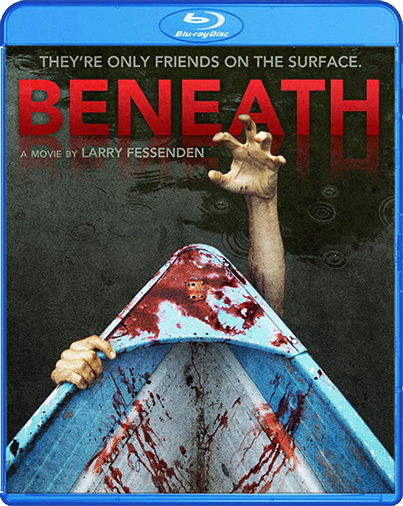
Championed by Guillermo Del Toro as “one of the most original voices to emerge in the horror field,” (although Fessenden is no longer attached to direct the English language version of Del Toro’s produced The Orphanage due to rumored casting issues), these are four highly inventive titles from a filmmaker who still flies under the radar. Although the absence of his last feature, 2013’s Beneath is rather curious considering Shout Factory owns the distribution rights, Fessenden is consistently intriguing, his films a haunting testament to the destructive forces of mankind, often featuring someone plagued by the awareness that the universe contains powerful forces they (or, rather, we) are too afraid or unwilling to acknowledge.

No Telling
Film Review: ★★★/☆☆☆☆☆
Disc Review: ★★★½/☆☆☆☆☆

Habit
Film Review: ★★★★/☆☆☆☆☆
Disc Review: ★★★½/☆☆☆☆☆

Wendigo
Film Review: ★★★½/☆☆☆☆☆
Disc Review: ★★★½/☆☆☆☆☆

The Last Winter
Film Review: ★★★½/☆☆☆☆☆
Disc Review: ★★★½/☆☆☆☆☆

– See more at: http://www.ioncinema.com/news/disc-reviews/the-larry-fessenden-collection-blu-ray-review#sthash.2rKWRMN8.dpuf

October 27, 2015
Share:
Facebook Twitter Email

Blumhouse Teases With Animated TALES FROM BEYOND THE PALE Promo

Blumhouse has your exclusive first look at a new animated teaser for Season 3 of TALES FROM BEYOND THE PALE.

Screenshot 2015-10-27 14.44.55

We told you recently about the upcoming third season of TALES FROM BEYOND THE PALE — the amazing old-school horror radio drama created by writer-producer-director-actor and all-around genre legend Larry Fessenden (HABIT, WENDIGO, THE LAST WINTER) and his partner in auditory mischief, writer-director Glenn McQuaid (I SELL THE DEAD). This season, genre icons like Stuart Gordon (RE-ANIMATOR), Eric Red (THE HITCHER), Barbara Crampton (WE ARE STILL HERE) and more will be joining the TALES team, so we’re seriously stoked — and you should be too!

Screenshot 2015-10-27 14.45.12

To help in that area, the fine folks at Glass Eye Pix (Fessenden’s production company for three decades and running) have a little present to tide you over until the new season begins: a spooky stop-motion animated teaser directed by Beck Underwood — who was also art director and production designer on several Glass Eye productions, including STAKE LAND, I SELL THE DEAD and BITTER FEAST. She’s also the creator of animated shorts THAT CREEPY OLD DOLL, PHANTOM LIMBS and PERFECTLY PERFECT.

Check out more of her amazing creations at BeckUnderwood.com… but first, dig this adorably creepy Season 3 promo, which today you can only see right here!

More TALES FROM BEYOND THE PALE news coming soon… so keep your ears open!

To watch the full, creepy teaser, head over to Blumhouse now.

Ears_boarder.RGBsm_-541x750

October 27, 2015
Share:
Facebook Twitter Email

Fessenden in the News

Over the past few days there has been a deluge of interviews, reviews, and features on Fessenden.
We’ve assembled snippets of each here, with links to the full pieces.

Larry Fessenden Is the Greatest Horror Film Director You’ve Never Heard Of
VICE.com
Screenshot 2015-10-27 08.47.23

“I’ve worked pretty hard to get all these movies back under one roof—
I had to sort of rescue Wendigo from total obscurity. So that was a challenge.
I’m a collector-minded person, and none of my movies were on Blu-Ray,
and none of them had been well transferred onto DVD since their VHS days, either.
So I did it as an act of self-preservation.”

‘The Larry Fessenden Collection’ – 4 Films from the Mind of a Genius
Bloody-Disgusting.com
Larry-Fessenden-600x400

“What Scream Factory and IFC have put together makes for
one of my favorite Blu-ray releases of the year.
While I think each film holds up on their own individual merits,
there really is something special about watching them together as a collection.
You get to see a director morph in front of your eyes
and grow as a director while never once straying from his roots.”

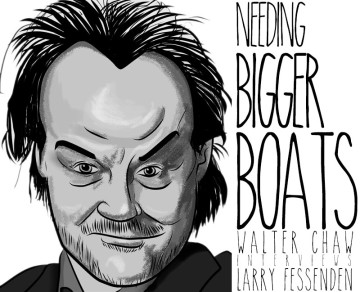
Needing Bigger Boats: FFC Interviews Larry Fessenden
FilmFreakCentral.net
6a0168ea36d6b2970c01b8d16c50b8970c-800wi
“When I was younger, one did buy into the theory of progress.
That we would invest in freedoms. Not George Bush freedoms,

but freedoms to flourish, freedom of sexual expression,
you know: freedoms. That we would take council from scientific discovery.

That we would stop putting DDT into our gardens.
But the way that we’re wired is so much more primitive.”

Fessenden on Festivals:
Indie Horror’s Larry Fessenden Reflects on the Fests that Shaped His Career

MovieMaker.com
fesrondom
“What I found discouraging was that at Sundance
they were not programming thoughtful horror films,
but just schlocky B-movies that played at midnight.
The genre was not being treated seriously,
it seemed to me, and as a result my aspirations
to elevate the horror film was being frustrated.”

Here’s What Happens When Great Indie Horror Directors Make a Video Game
Indiewire.com

75

“The unique voices of Fessenden and Reznick
come through clearly in the story.
Isolation is a theme both writers have circled
with an almost predatory focus in their previous work.”

October 25, 2015
Share:
Facebook Twitter Email

GLASS EYE PIX weekly roundup

30th anniversary of GLASS EYE PIX weekly Round-up:

WENDIGO played Fri & Sat at IFC NYC

Graham Reznick and Fessenden appeared on Indoor Kids talking UNTIL DAWN

Our pals at Slamadance hosted screenings of I SELL THE DEAD and WENDIGO
at the Arclight Theater in Los Angeles,
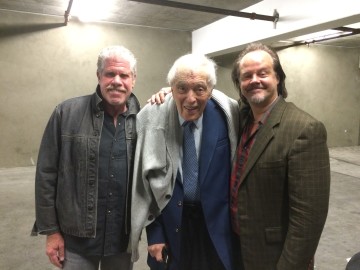
Angus Scrimm, Ron Perlman and Jake Weber in attendance

IMG_1518

Back in NYC, Posteritati hosted the Glass eye Pix Poster party in celebration of
The release of THE FESSENDEN COLLECTION


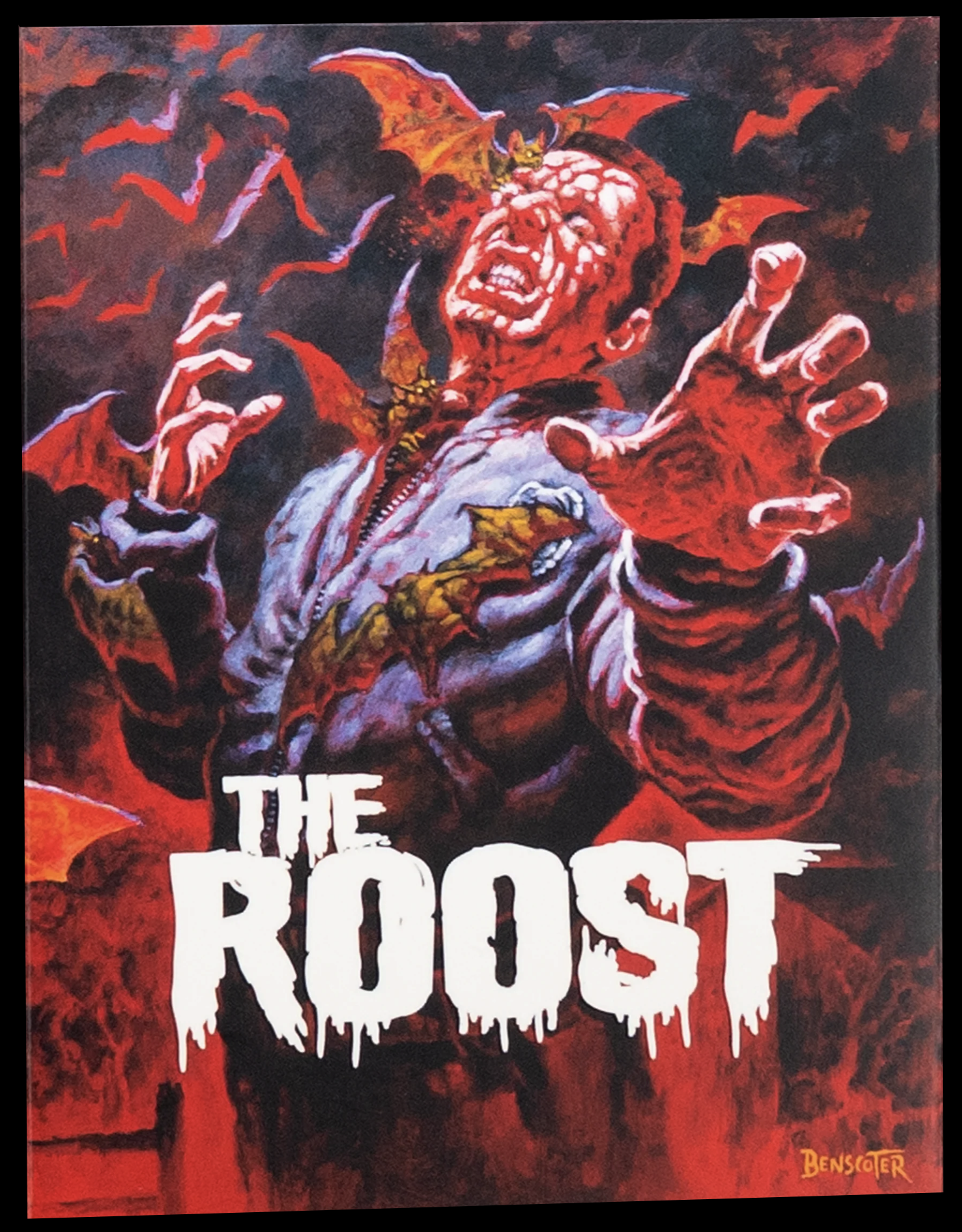
The ROOST Screened Fri and Saturday at IFC in NYC.

Stay tuned!! Halloween week Belongs to
TALES FROM BEYOND THE PALE SEASON 3!!