


Retreating From The Elephant: The Perpetually Impending Demise of Indie Cinema
by Scout Tafoya
At any given moment, the movie I’m most looking forward to seeing simply doesn’t exist because no one financed it. Right now, it’s the new movie by Amanda Wilder. We are more than 10 years away from “Approaching The Elephant,” the magnificent and sensitive documentary about an alternative school in New Jersey, made by someone who seemed primed to become the heir apparent to Allan King. The trouble? No one with money ever paid to find out just what Amanda Wilder’s career could have been.
For those of you who don’t know, I’ve spent the better part of the last three years trying to get a movie financed, and when that didn’t happen, I quite literally begged people for money and came up with just enough cash to shoot it. We still owe many thousands of dollars to different funds, and there’s no post-production budget. If this sounds like a blue ribbon winner at the 8th-grade sob story competition, it most certainly is, but imagine how the rest of the independent film world feels.
I’ve been making micro-budget features since I was 20. Some people tried to do things the hard way, and all they got was this lousy economy and a sudden industry interest in movies by YouTubers. During my years-long odyssey to get my film “Stubborn Beast,” co-directed with my best friend in the world, Tucker Johnson, I called in every favor I had accrued, and when I tell you it wasn’t even close to enough…
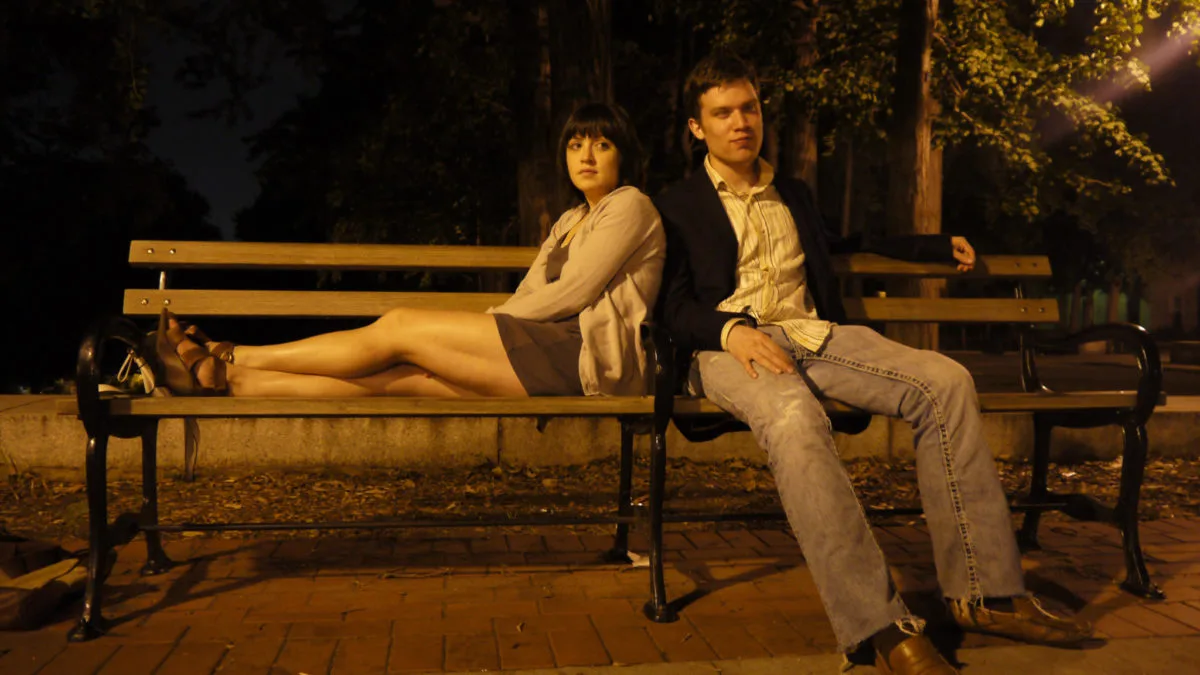
The film I’m looking to second of all is the non-existent follow-up to Jennifer Prediger and Jess Weixler’s sharp and surreal “Apartment Troubles,” a comedy that came out of nowhere, the product of two underutilized actresses with a lot to offer beyond the bare facts of their places in the film economy. This hysterical movie struck me as the arrival of a duo capable of anything. Evidently, I was wrong, as no one else but me seemed to rise to this special movie’s defense.
The independent film world is more harsh and worryingly dispirited than it’s been since the 1960s. I was asking people for leads, only to be told time and again that if such things existed, there’d be a much healthier American cinema. Or as Bruce LaBruce memorably let me down easy: “Honey, if I knew someone, I’d be making a movie right now.” And LaBruce is comparatively prolific if not better treated by distributors, certainly in America. It’s a miracle when one of his movies makes it to my television, let alone theaters near me.
The one art theatre in Baltimore needs new projectors and runs mainstream movies to keep the lights dim, and programmers like Eric Allen Hatch and Alex Lei try to keep the cinema flourishing elsewhere. Alex and I took Tony Buba, the legendary (to the initiated) documentarian behind “Lightning Over Braddock,” and it took us both by surprise how much the experience of an 82-year-old experimental Marxist non-fiction director and the 36-year-old version of the same thing were alike.
As Amanda Wilder’s second film doesn’t exist, as “Apartment Troubles 2” seems less than certain, the movie I’m most looking forward to this year, Patrick Wang’s “A. Rimbaud,” I likely won’t see. It’s only playing a handful of theatrical dates, put up almost like concerts. A great artist can no longer rely on regular bookings. With this in mind, I wanted to run down a list of artists whose work struggles to enter the public consciousness, or indeed artists who never made their second film.
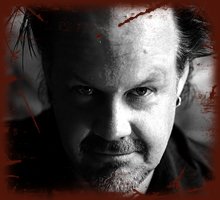
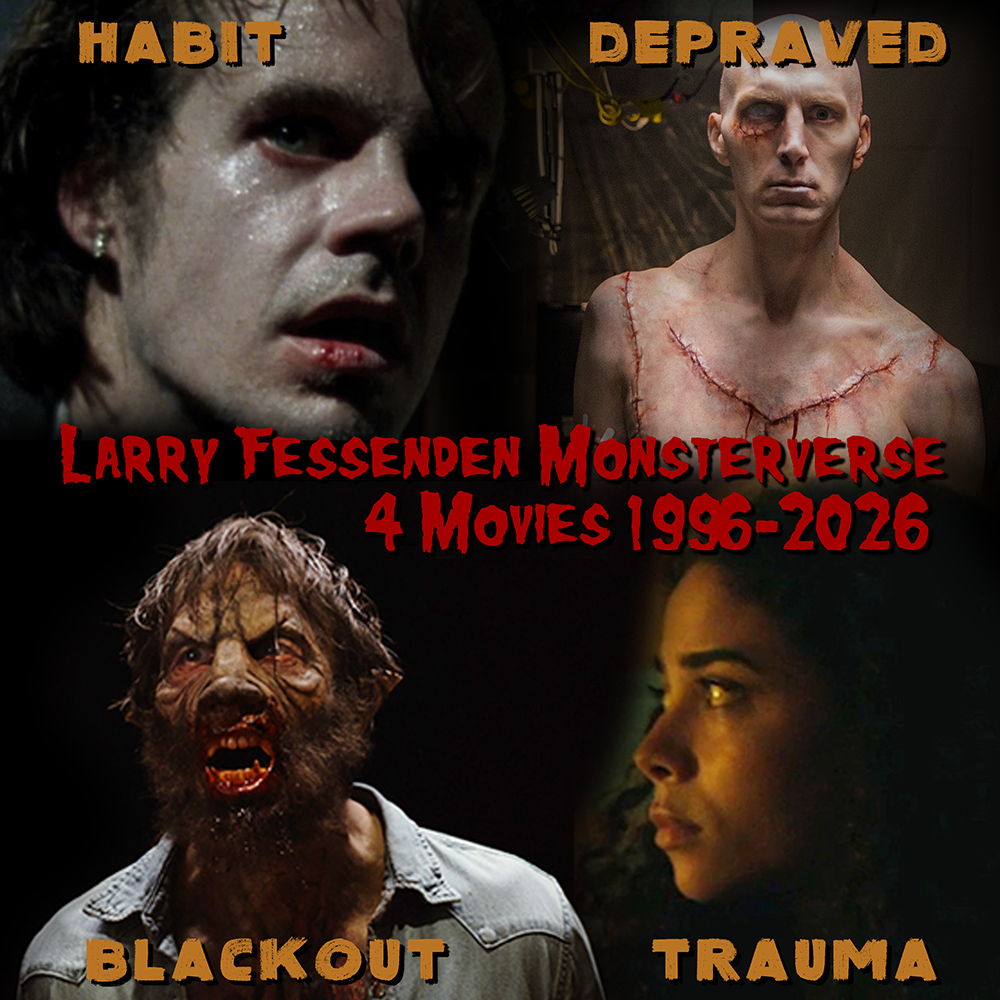
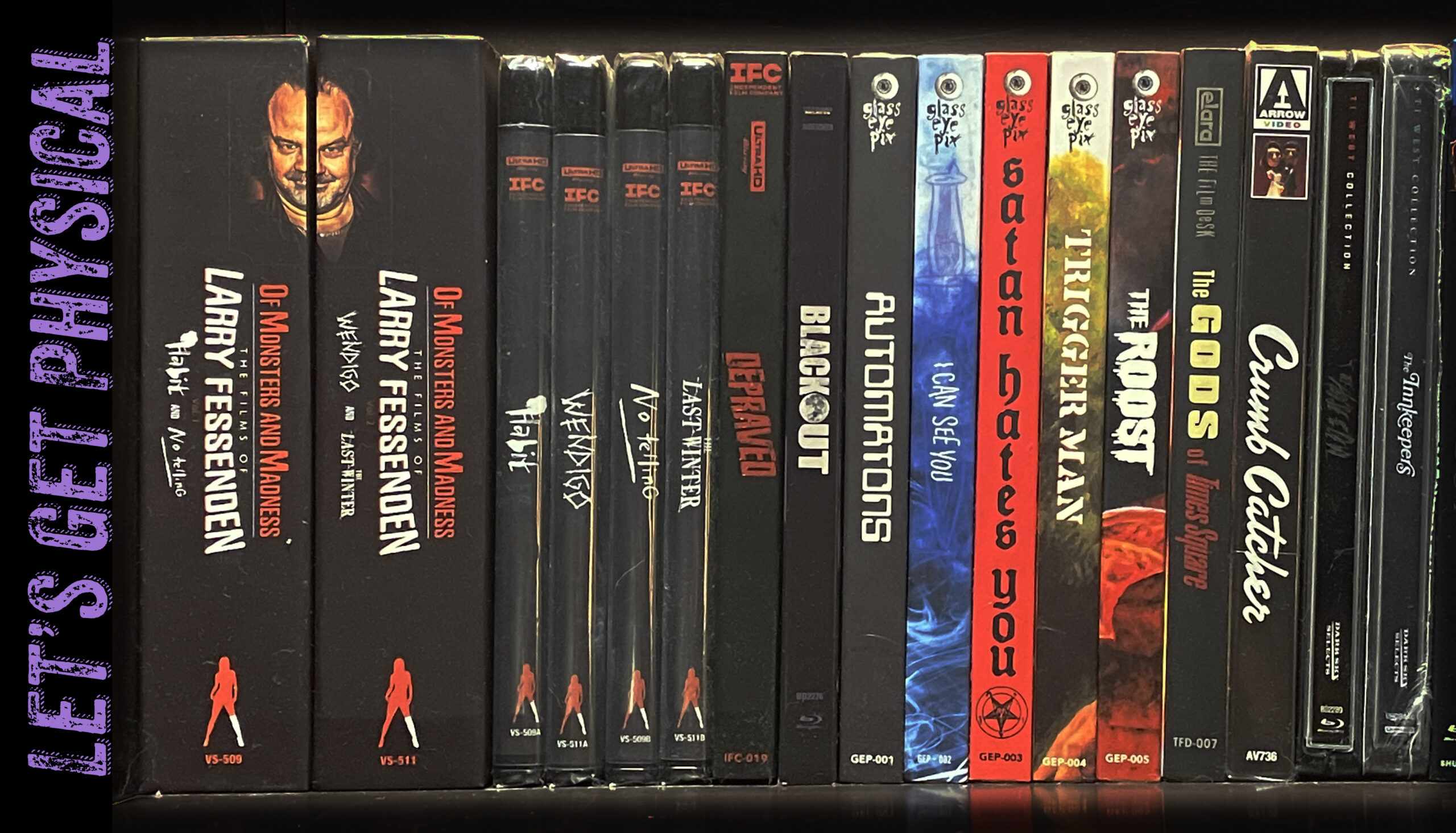
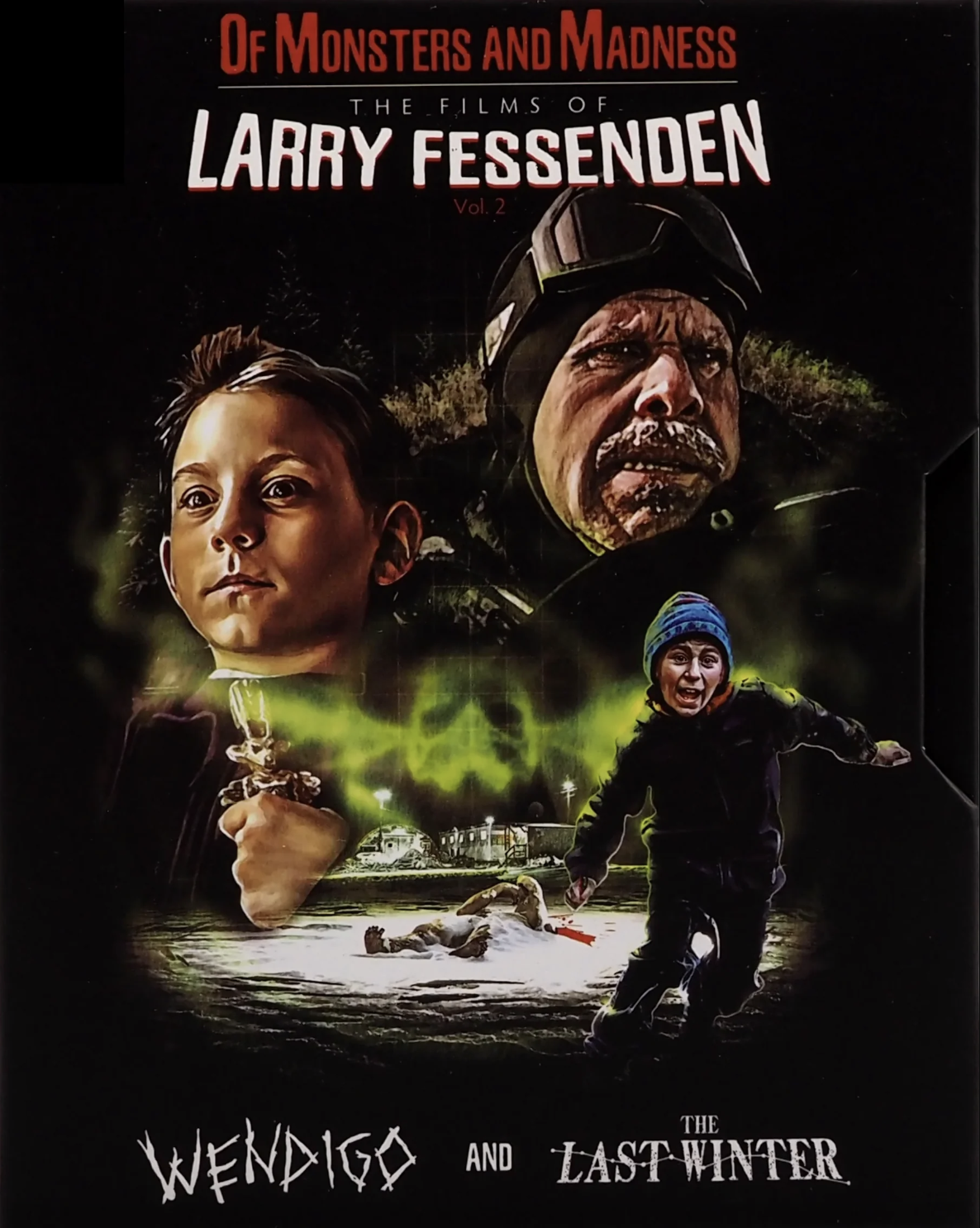
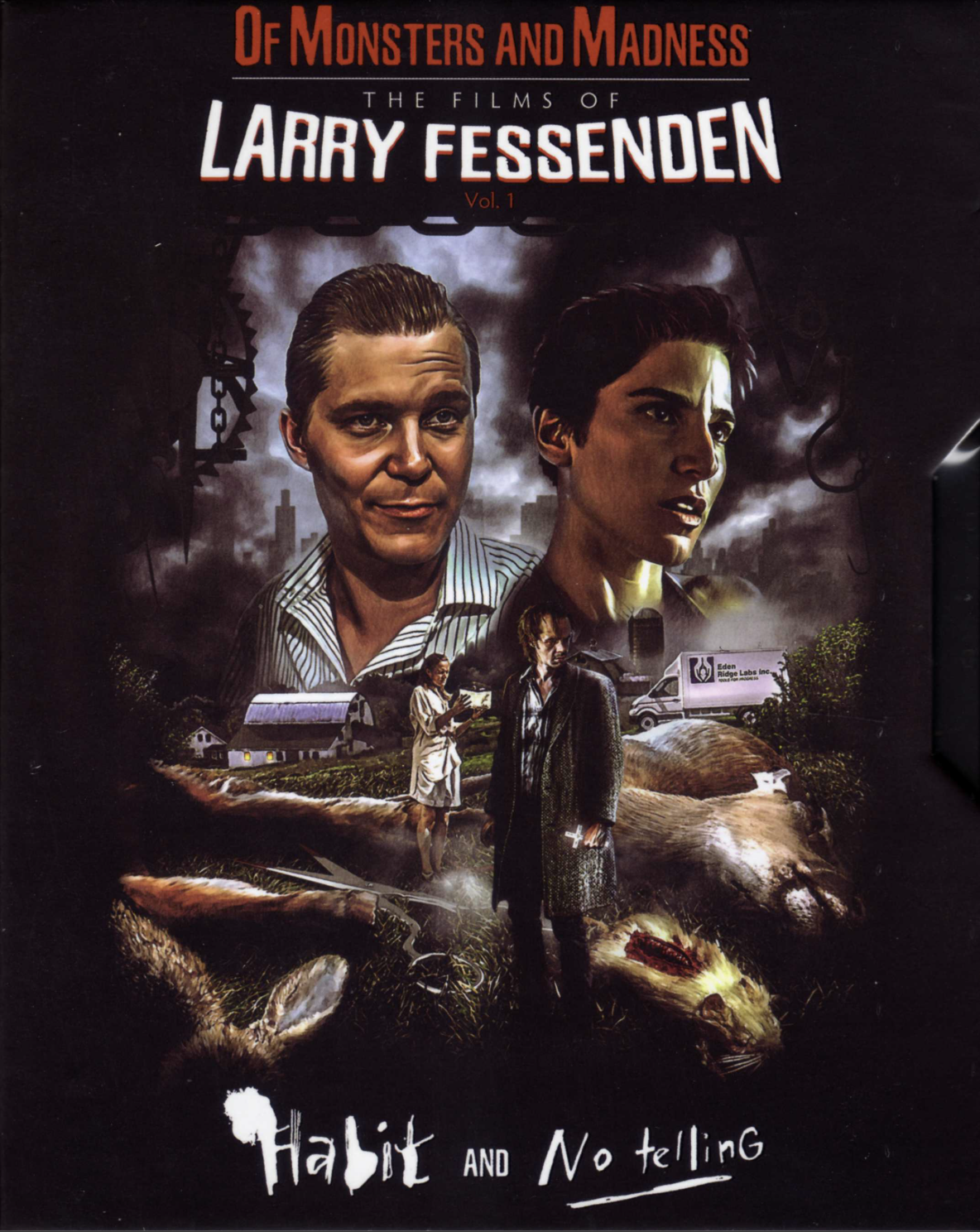
Independent cinema gets thrown around at directors who maybe once had to scrounge to get their budgets, like Sean Baker and the now-divided, rightly polarizing Safdie brothers, but they’ve been supported by a pretty serious financial apparatus in the last 15 years. Those directors ought to be subsidizing independent cinema, and to their credit sometimes they do (Baker produced Joanna Arnow’s first feature to his eternal credit), but there is no reason for there to be an ecosystem of people connected by and best defined by wasted potential, and that’s before we tally up “valedictory” figures like Alan Rudolph, John Waters, Billy Woodberry, Julie Dash, Tamara Jenkins, and Larry Fessenden. As with any other industry with insufficient union protections, the infrastructure was made by people who won’t get to enjoy it.
So yes, by all means, feel sorry for me, GOD KNOWS I NEED IT, but I’m at the very bottom of a very long list. The less curious we get about where the money is going, the more we have to settle for not caring what the studio system produces, because there’s only so much funding, only so much oxygen, and only so much room at the top, and that’s without factoring in the people who kick the ladder down when they’ve made it there. Enjoy the next movies you see with no studio financing, no name producer, no major stars, the next truly independent movie you see. It could be your last.








Add a comment