Larry Legend
An essential retrospective at the Museum of Modern Art showcases the directing, producing, and acting work of Larry Fessenden.
Adam Nayman • 01 APR 2022
In Kelly Reichardt’s Wendy and Lucy (2008), Michelle Williams’ road-tripping heroine has a harrowing nighttime encounter with a derelict played by Larry Fessenden—a witty bit of casting calling back to the latter’s starring role in Reichardt’s 1994 debut, River of Grass. There, a leaner, lankily handsome Fessenden essayed an Everglades variation on Martin Sheen, except that instead of a charismatic crackshot, his character Lee is a hopeless fuckup who can’t handle his borrowed gun; in a genre full of wrong men on the run for murders they never committed, he may be the only one who failed to hit the target in the first place.
It’s possible to imagine that Fessenden’s unnamed, unmoored character in Wendy and Lucy is Lee fifteen years later, still on the outside looking in and relocated to the Pacific Northwest. Even if not, he and Reichardt remain joined at the hip artistically. Back in 2006, while reviewing Fessenden’s awesome, cautionary The Last Winter—about a team of deep-core drillers lacerating Alaska’s permafrosted surfaces and unleashing the end of the world as we know it—I wrote that his melancholy films could be campfire tales for the “falling-tear shaped universe” described by Will Oldham in Old Joy. In 2013, Reichardt laughed when I noticed that the (fictional) activist documentary being screened in the opening scenes of Night Moves was signed by her producer, mentor, and former leading man.
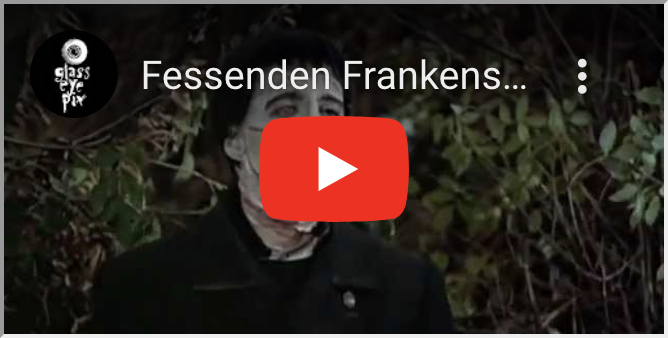
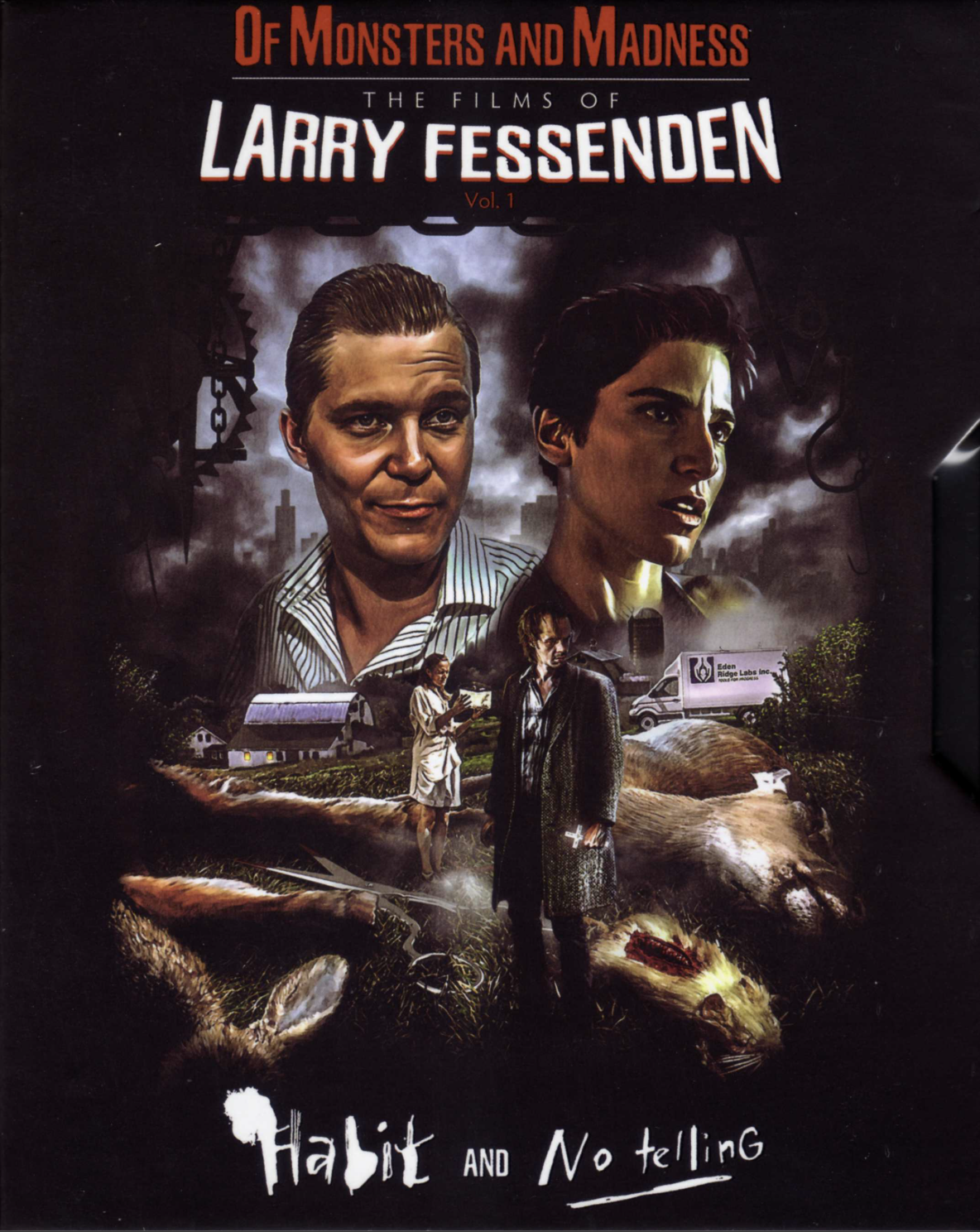
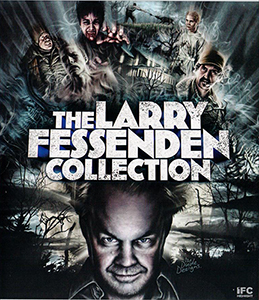
Both River of Grass and Wendy and Lucy are featured in the Museum of Modern Art’s welcome—and, for the uninitiated, essential—retrospective of Fessenden’s work as a director and producer, which paints him as one of the most underrated genre filmmakers of his generation. As a director, Fessenden typically cultivates a winning mix of cheapo ingenuity and lofty ambition: charmingly raconteurish in conversation and beloved within his community, he is not without his artistic pretensions. His resume includes two separate modern-dress adaptations of Frankenstein, located at either ends of his career and each illustrative in their way of a socially conscious approach to horror in the tradition of George A. Romero. In the earliest, 1991’s No Telling, a city-mouse artist transplanted to the country for the summer discovers that her husband is conducting unspeakable experiments on animals; a shot of Stephen Ramsey’s Geoffrey yanking a calf across a hillside evokes a timeless cruelty. The film’s wild angles and crash zooms place it superficially in the neo-splatter tradition of The Evil Dead but it’s ultimately a sober examination of the hardwired human urge to dominate our environment—a study of hubris lubricated by innocent blood.
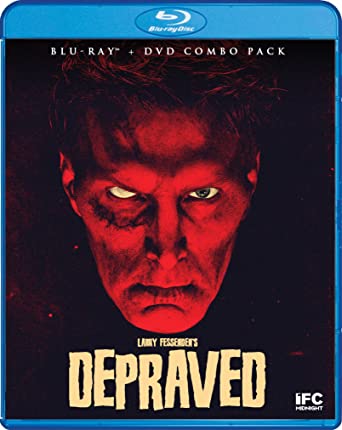
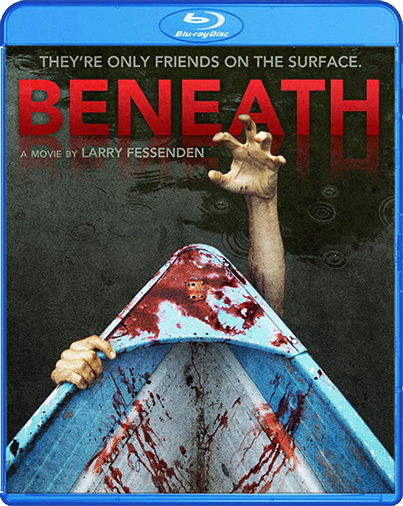
That theme repeats itself in 2019’s Depraved, which hews closer to Mary Shelly’s Modern-Prometheus narrative; where No Telling kept its mad scientist’s activities shrouded in mystery, Depraved stitches us complicity into the activities of ex-field medic Henry (David Call), who’s methodically offing Williamsburg hipsters in order to construct his own private Adam. Considering the director’s godfather status to mumblegore practitioners like Jim Mickle, Joe Maggio, and Ti West—all of whom have released features under Fessenden’s Glass Eye Pix banner—Depraved’s millennial satire could be construed as mean-spirited—a charge better suited to 2013’s wobbly B-movie pastiche Beneath, in which a boatful of solipsistic teenagers become chum for an unlikely apex predator. At their best, Fessenden’s palpably handcrafted features are like slingshots taking aim at American superstructures; where No Telling criticized the ruthless exploitation of pharmaceutical companies, Depraved takes aim at internet start-ups, personified by Joshua Leonard’s unscrupulous tech bro, as much a harvester of twenty-something souls as David, and the true villain of a film that fuses gore and moralism at a molecular level.
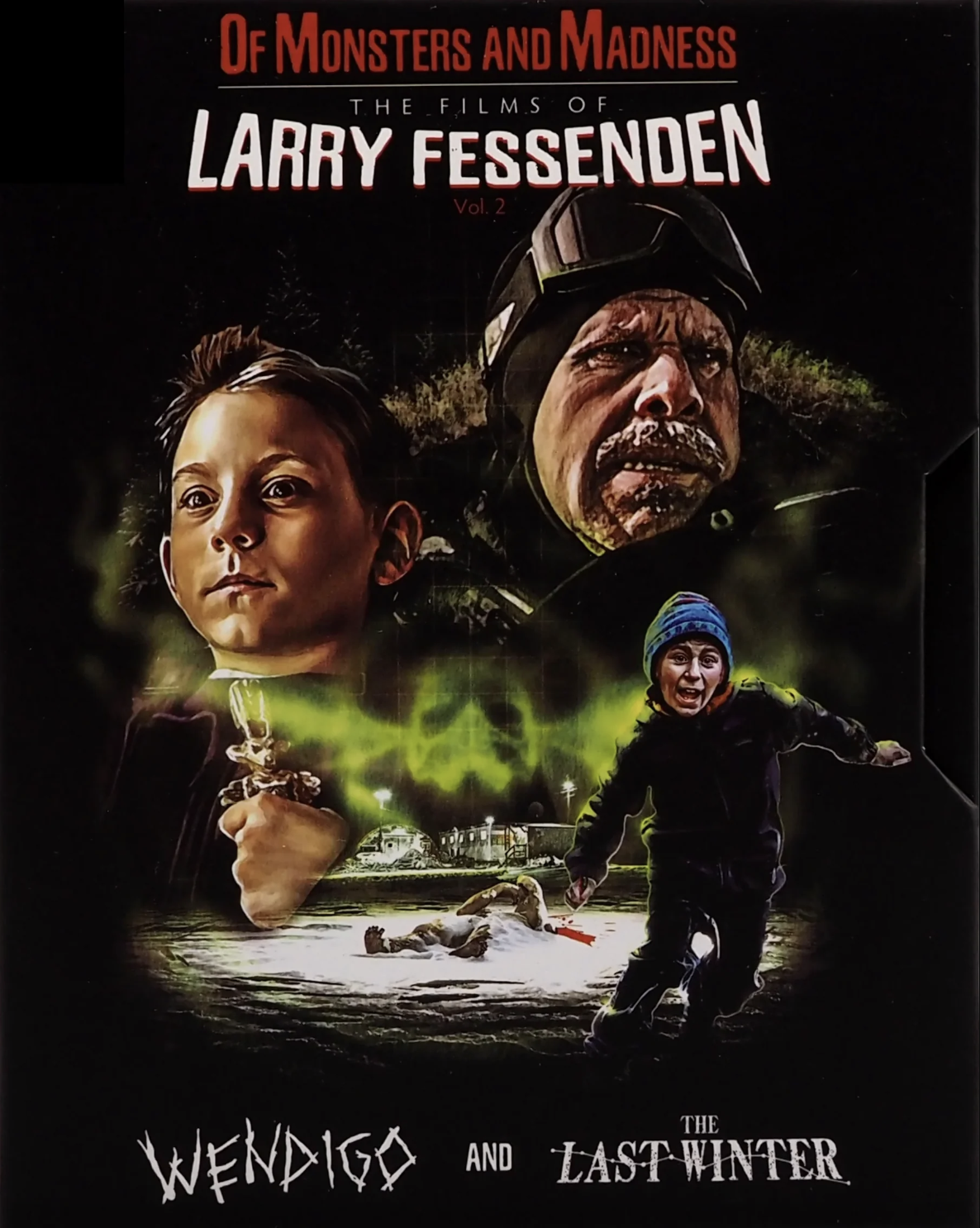
Depraved wears its thriftiness like a badge of honor, and at this point, the raggedness of Fessenden’s productions—and the way he manages to orchestrate elegant aesthetics in sync with his fiscal limitations—is part of his legend. In 2006, the authors of the sardonic best-seller The Film Snob’s Dictionary sniffed at the possibility of Fessenden being anointed by the in-crowd as the next John Carpenter, but even a relatively deluxe production like The Last Winter, which explicitly riffs on The Thing, is compromised by ropey CGI. In Reverse Shot, Andrew Tracy graciously extended Fessenden the benefit of the doubt by framing the film’s effects as “a confession that nothing [the director] puts on the screen could possibly be more frightening than the reality he’s concerned with,” which is similarly true of 2001’s wonderful—and unabashedly analogue—Wendigo, which opens with a child smashing action figures together during a car ride—a wittily mythic image recently pilfered by M. Night Shyamalan in Old. With respect to Shyamalan, there’s nothing in his repository of Spielbergian motifs as perfectly child-eyed as the scene in Wendigo where a small boy leaps across the dark spot at the top of the stairs outside his parents’ bedroom. And with respect to Spielberg, I’d juxtapose Wendigo’s paternal pathos play, with its father-son flashcard spell-along of “separate” and climactic tableaux of boots waiting to be filled, alongside anything in Jaws or E.T.
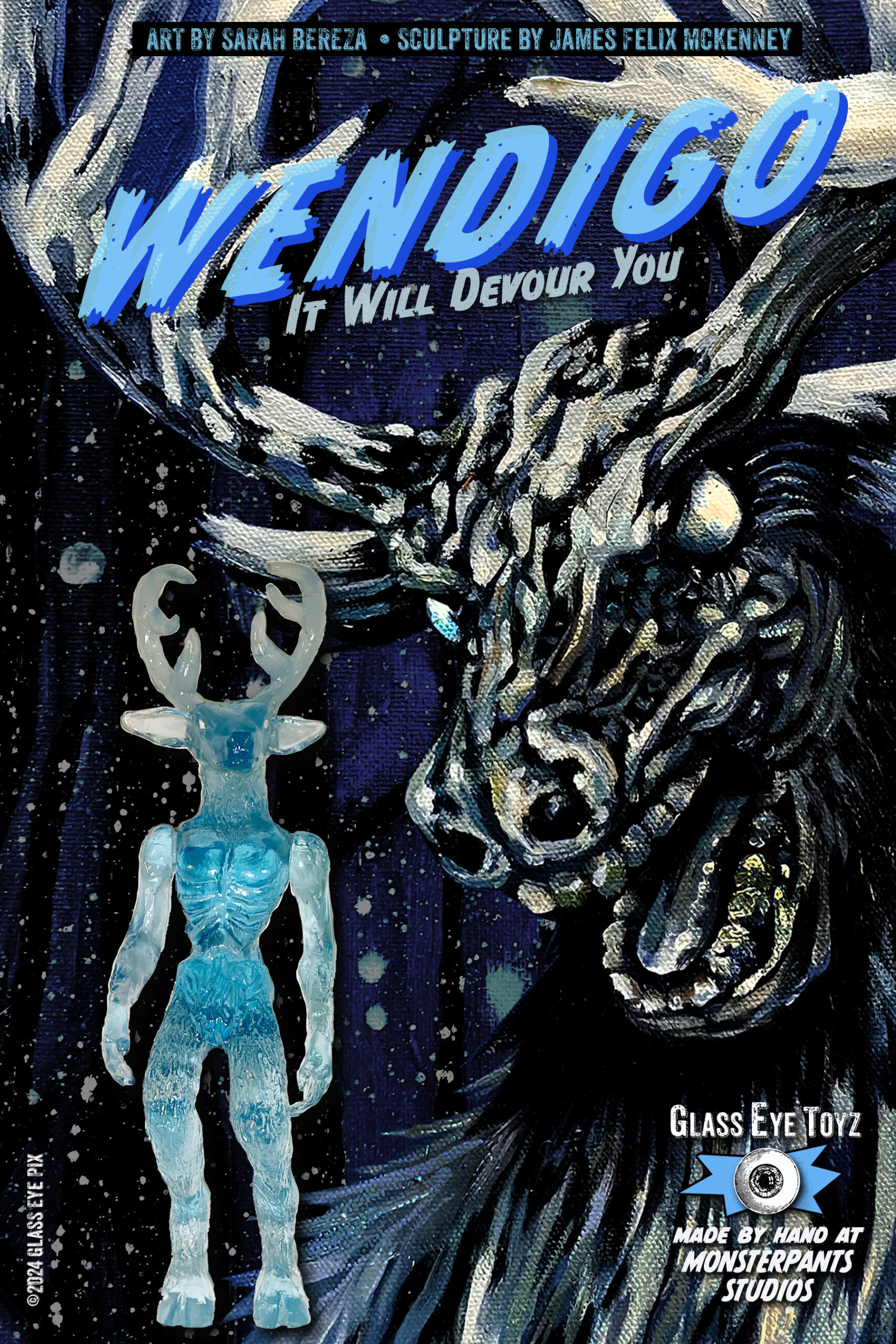
The Native American legend of the Wendigo—a creature that gets hungrier and more desperate the more it masticates—provides the conceptual throughline for Fessenden’s career; even as his 1995 breakthrough Habit drew on the iconography of vampire movies (especially Romero’s sad-eyed Martin), its real subject was the insatiable nature of human appetite (a word which also gets meticulously spelled out in Wendigo). What keeps Fessenden’s parables of conspicuous consumption from getting pedantic is a sense of gallows humor that mostly bypasses irony (a tool wielded more effectively by acolytes like West) and a moviemaking fever that’s simply more vital than mostly good left-liberal auteurs, regardless of their vintage. That Fessenden and Reichardt (who’ll be present at MoMA for the screenings of her films) continue to occupy the same subcultural space and sensibility is heartening, as was Fessenden’s characteristically weather-beaten cameo in Jim Jarmusch’s The Dead Don’t Die, where he felt like part of the gang alongside Tilda Swinton, Steve Buscemi, Bill Murray et al—another survivor who’s endured long enough to stare down the apocalypse without blinking.
Read Full article at MUBI