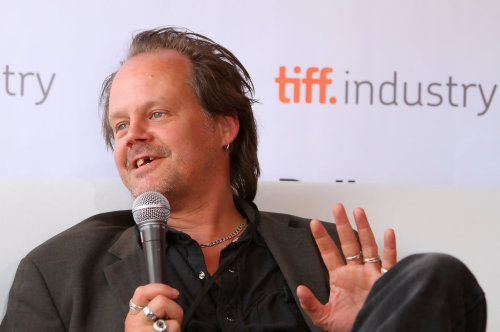
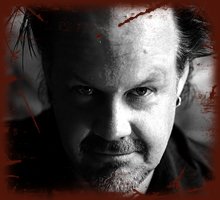
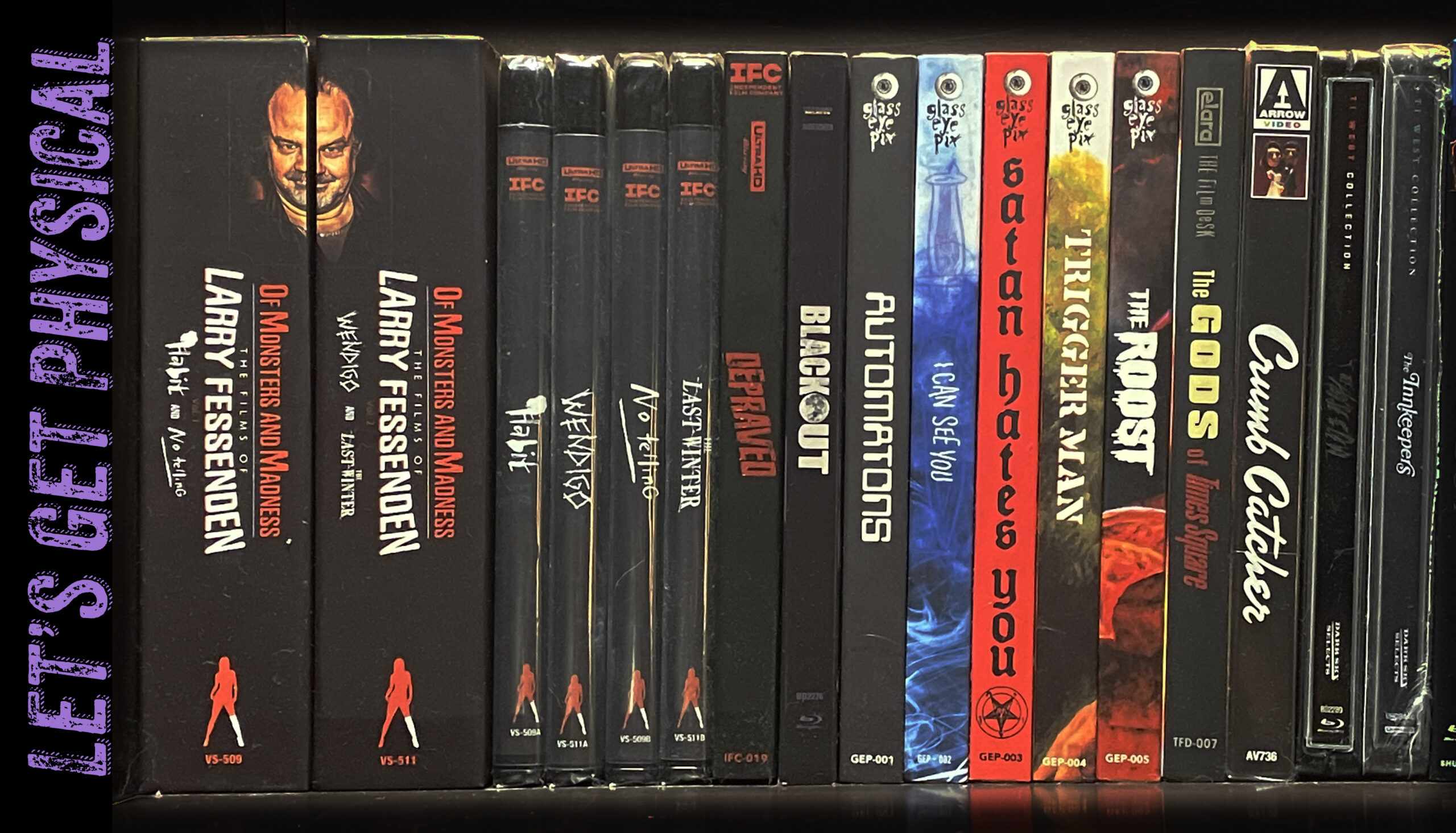
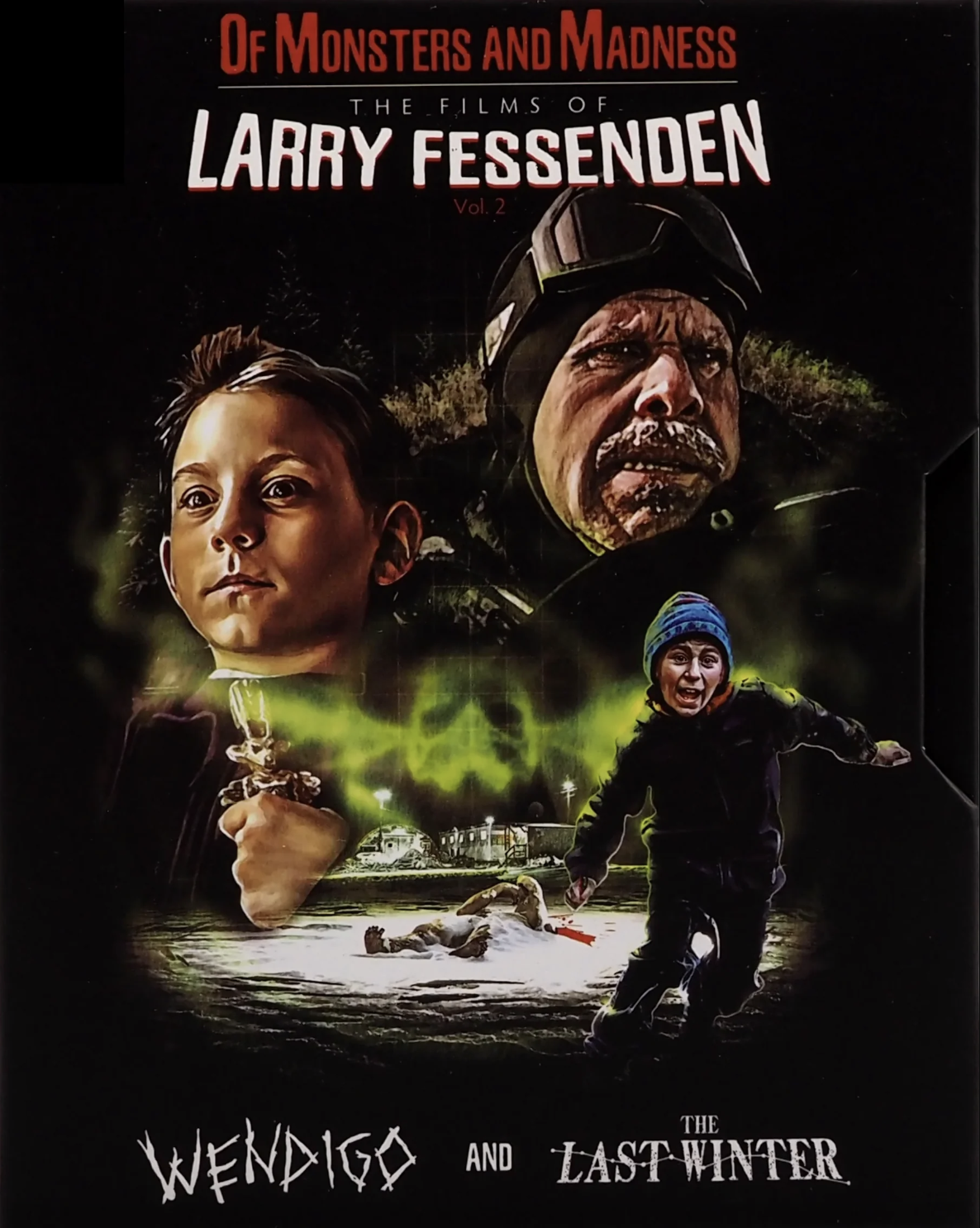
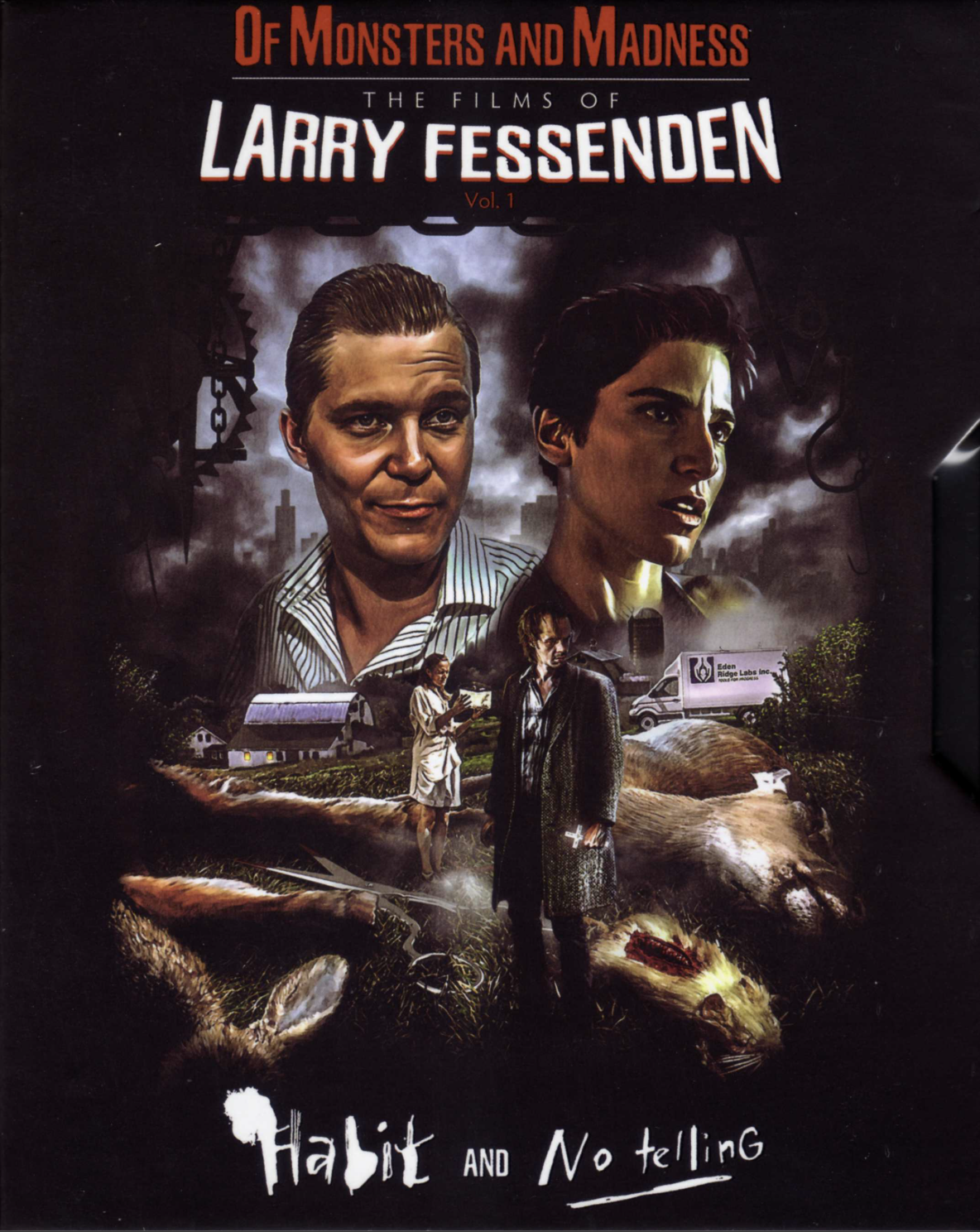
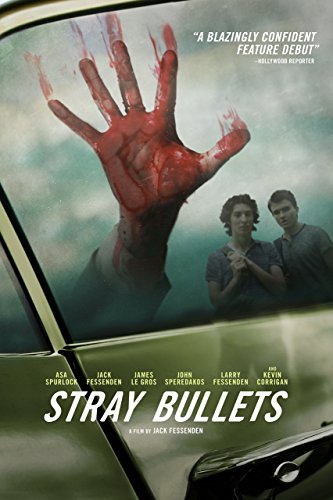
Today I present to you an interview with the prolific horror writer, director, producer, and actor Larry Fessenden. Mr. Fessenden is probably most recognizable to horror lovers as Willy Grimes in “I Sell the Dead” or Erik Harson in “You’re Next”, but he has also written and directed movies such as “Wendigo” and “Habit.” Without further ado…
Craig Thayer: Do you find that being an actor has helped to inform how you write or direct a movie?
Larry Fessenden: Absolutely. Being an actor informs all of my writing and my directing. It also means for me “story” is character-based and not plot-driven. I am very at home directing actors and I have great empathy for the strange business of acting, the vulnerability and craft that it takes.
CT: You are well known for being killed in movies, which death scene is your personal favorite?
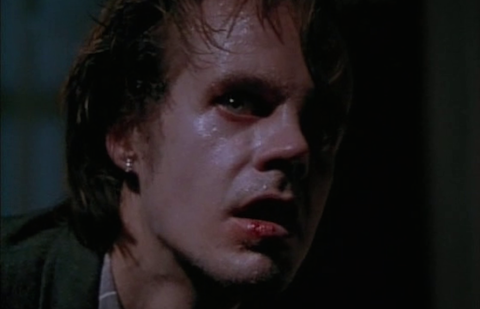
LF: I have two answers for that: One that hasn’t been seen yet, should be seen in a September release. The other was cut from the film. In THE LAST WINTER my character has been horribly burned and he dies on camera. My producer felt it was over the top and I cut it, but I have always regretted it. Seeing someone pass from life to death is very moving, and I think I achieved that in the performance.
CT: Since you are known for loving creatures, which classic Universal monster scared you the most?
LF: I guess the answer has to be Frankenstein. Of course, in the early Karloff version the creature is depicted as sympathetic, but as a horror icon that lives in the mind, Jack PIerce’s fabulous creation was terrifying. When I grew up in the 70′s the idea of that monster lumbering around the corner with his strange flat head and big boots, neck bolts and forehead scar, it was very scary to a child. I still look at that makeup with awe.
CT: Which mythological creature would you like to adapt into a movie?
LF: Well, let’s just say the monster I most identify with is the werewolf. I would love to explore all the dynamics in that mythology. And of course, I never tire of the Wendigo.
CT: You have often stated that you are a sentimental person, which of your projects do you feel portrays this the best?
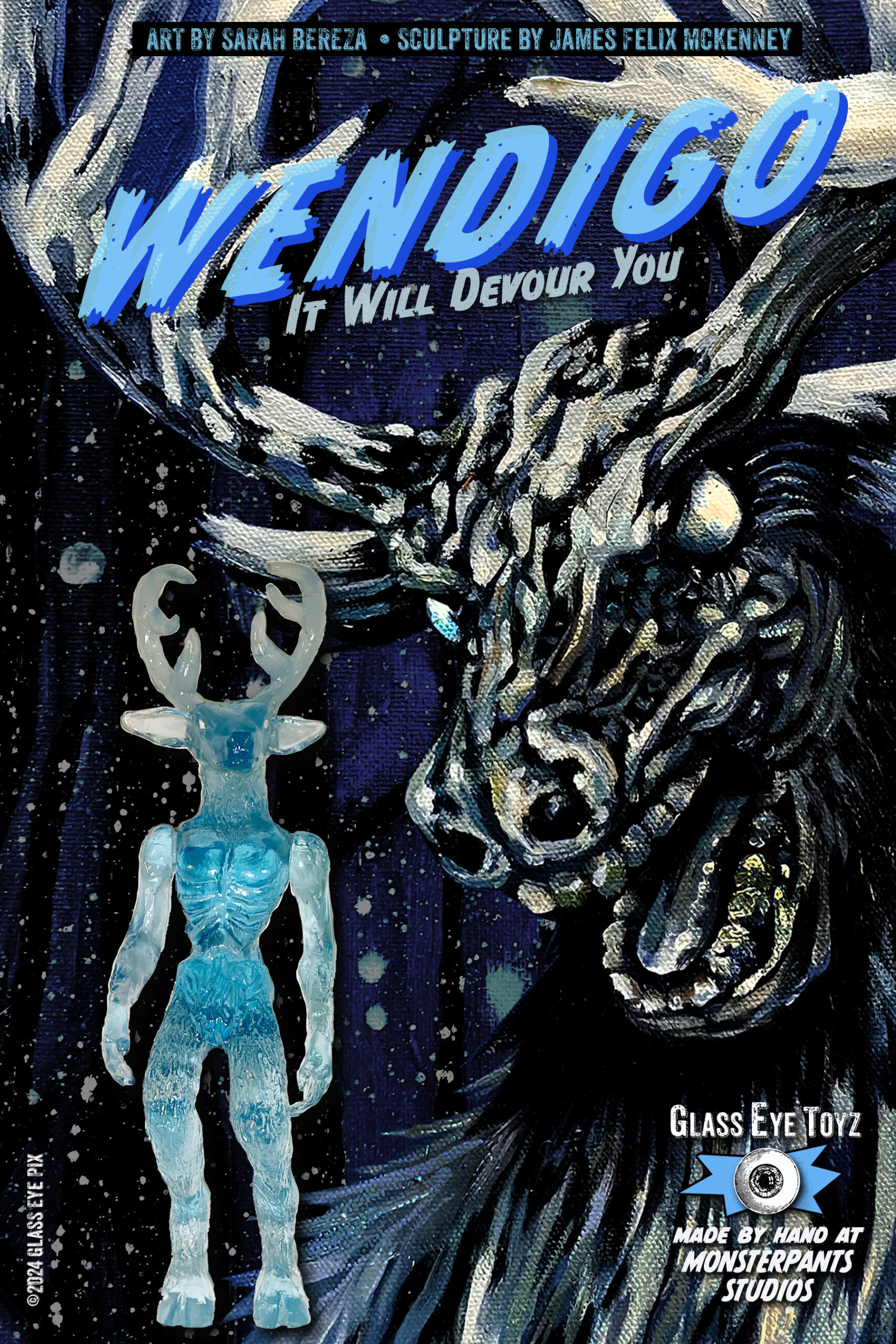
LF: No doubt it is Wendigo, as that is about a father/son relationship, and the power of myth and yearning, and the sadness of loss and the repercussions of conflict and violence. What makes me sentimental is any tender feeling I have I immediately feel t he correlating horror that lurks in the shadows: love your wife? Cancer can’t be far off. That makes the tenderness feel so fleeting and dear.
CT: You have said in the past t hat “Wendigo” was not initially intended to be a horror film and now that Glass Eye Pix has put out some non-horror related movies, would you be interested in trying your hand at something without horror themes?
LF: Well, Wendigo uses horror tropes and it should be scary in some awestruck way, so it is a horror movie, I might have suggested it has other things on its mind… And yes, I have written a couple non-horror scripts, even a musical! But in the end, my heart is in horror, or spooky, or supernatural, chilling, uncanny, whatever it might be called.
CT: Since you do so much producing, are there any up and coming directors you think the horror community should be keeping an eye on?
LF: Well, that’s a tough question. I obviously support a lot of up and coming filmmakers, so anyone in the Glass Eye community I think you should watch out for, but there is so much stuff I’m not seeing. I don’t get out to every festival or go to every cineplex.
CT: What is one thing you feel that mainstream horror is lacking?
LF: Variety. Excitement. Once they find something that works they flog it to death, forgetting that original work is what inspires their franchises. SAW, PARANORMAL ACTIVITY, THE PURGE, all cool films flogged to death with sequels. They had success with CONJURING? Bring on the sequel. They had a doll on the poster for ANNABELLE, let’s use a doll for the POLTERGEIST remake. They basically are crushing the genre by trying to commodify it. Horror is a genre that should make you uncomfortable, should shock you, should scare you. That is incompatible with the commercial need to pander to your needs.
CT: Thank you so much Larry. We here at Nightmarish Conjurings wish you continued success on your films and with Glass Eye Pix!
Nighty Nightmares, – The Creeping Craig
Click HERE for the Nightmarish Conjurings article.
On Set: Mickey Keating’s Psychological Creepfest “DARLING”
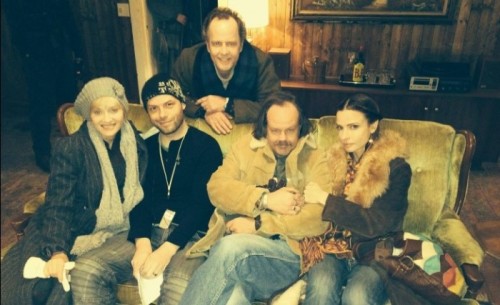
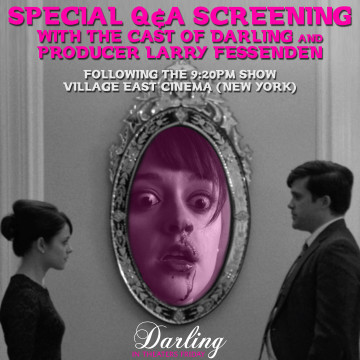
Walking toward the Harlem townhouse serving as the key location of DARLING, your faithful Fango correspondent spots a couple of cops hanging around the front steps. It seems odd that such a small independent shoot would need this kind of security—and then it turns out that the uniformed lawmen are actually executive producer Larry Fessenden and his regular actor John Speredakos, making cameos in the movie.
For Fessenden, a longtime supporter of up-and-coming talent, DARLING (beginning its theatrical release tomorrow in New York and Toronto via Screen Media before moving on to other cities and VOD next week; go here for complete details, and see our review here) is the culmination of a professional relationship that goes back several years. “Mickey was an intern years ago at Glass Eye Pix,” he recalls, “and he was so enthusiastic, and I really took a liking to him. He was there around the time we were doing the STAKE LAND webisodes, and he was a great PA on those; every day, he was like, ‘This is my favorite day of my life.’ He just loves cinema, and I always kept in touch with him.
“I did a piece in his first film, RITUAL—actually, it was just a phone role, I did it through the door—and then I went up to Maine to be in [Keating’s second feature] POD,” continues Fessenden, pictured at right with Speredakos. “I like the way he works; he’s got a great relationship with his DP [Mac Fisken]. Then he called and said, ‘I want to do one in New York; will you guys support it?’ So I got Jenn Wexler [who’s producing with Keating and the latter’s longtime creative partner Sean Fowler] and Chris Skotchdopole [associate producer] involved, and we all teamed up to lend a hand. I’ll always want to work with Mickey; I think he’s a great filmmaker, and he’s only getting better.”
When we meet Keating inside the multistory apartment, he looks too young to be on his third feature as a director, though our conversation quickly reveals that love of the movies Fessenden referred to. A devotee of scary cinema of all types, he previously explored the supernatural in RITUAL and sci-fi terror in POD (which he discussed here), and DARLING sees him venturing down yet another avenue. “I wanted to do something a little more meditative and Polanski-esque,” he says, and DARLING certainly fits that bill. Lauren Ashley Carter, who previously starred in POD as well as JUG FACE and the upcoming THE MIND’S EYE, has the title role, a young woman who lands a caretaking job in the tastefully opulent building. She’s advised by her employer (Sean Young) about a bit of the place’s unpleasant history, and told not to enter one particular locked room.
Those are signposts of what’s to come: Darling’s slow descent into madness, an intentional change of pace from Carter’s POD role that Keating wrote specifically for the actress. “I’m very good friends with Lauren, and I really liked what she did in POD, and how we worked together,” he says. “I thought it would be cool to create a totally different part for her, so what I wanted to set up was the idea that you were going to watch this kind of ’60s-style haunting movie, and then pull a switch on the audience. That was very intriguing to me, and I wanted to take Lauren from being the victim in my last film to playing someone slowly going insane in this one.”
Carter uses her big, expressive eyes, which served her so well in her ingenue roles in POD and JUG FACE, to palpably express Darling’s many levels of psychological vulnerability and mania. As Fango watches (sometimes on monitors displaying the images in black and white, as they will be in the movie), she creeps through the townhouse’s stairwells and out onto a balcony, very much appearing to be not quite in her own head. “She looks very sweet, but she’s…not,” Carter, who’s also an executive producer on DARLING, laughs. “She’s got some demons, for sure. She’s a nomad; she doesn’t come from any family that she makes anyone aware of, and she goes from place to place working as a caretaker or a nanny.
“The cool thing about this film,” she continues, “is that even though I’m in almost every frame, the house is such a character. And as an actress, I have to let the house be part of the performance, and use everything around me. I’ve been staying in this place by myself, and every so often I have to get out of the crazy house for a little while.”
Carter actually discovered this perfect setting for Darling’s descent. Keating had originally conceived DARLING to take place in a smaller apartment, but when a friend of the actress who had recently moved into the townhouse offered it as a location, he rewrote the screenplay to take advantage of its expanded opportunities for atmosphere, adding Young’s role in the process. Wexler notes that the greater space has been a boon to the production as well. “It’s awesome; this house is gorgeous, and it fits Mickey’s vision perfectly, and it’s also nice to be [filming almost entirely] in one place,” she says. “I was telling someone before that our company move is, like, ‘Let’s go across the hallway now.’ [Laughs]
“We’re flying through our days,” she continues. “It’s great, because it’s a very small group of filmmakers, and everybody’s really close. Mickey and his DP have worked together before, and they can kind of read each other’s minds.”
“That kid’s a genius,” Keating says of Fisken, noting that “just to be safe, and to appease our financiers, DARLING is being shot in color and will be post-converted. But I love black and white, and it’s really cool that you have filmmakers like Noah Baumbach and Ben Wheatley coming out with beautiful movies shot that way now. This movie was born in my brain as black-and-white, and I feel like I’d be betraying that sensibility if it was released in color.”
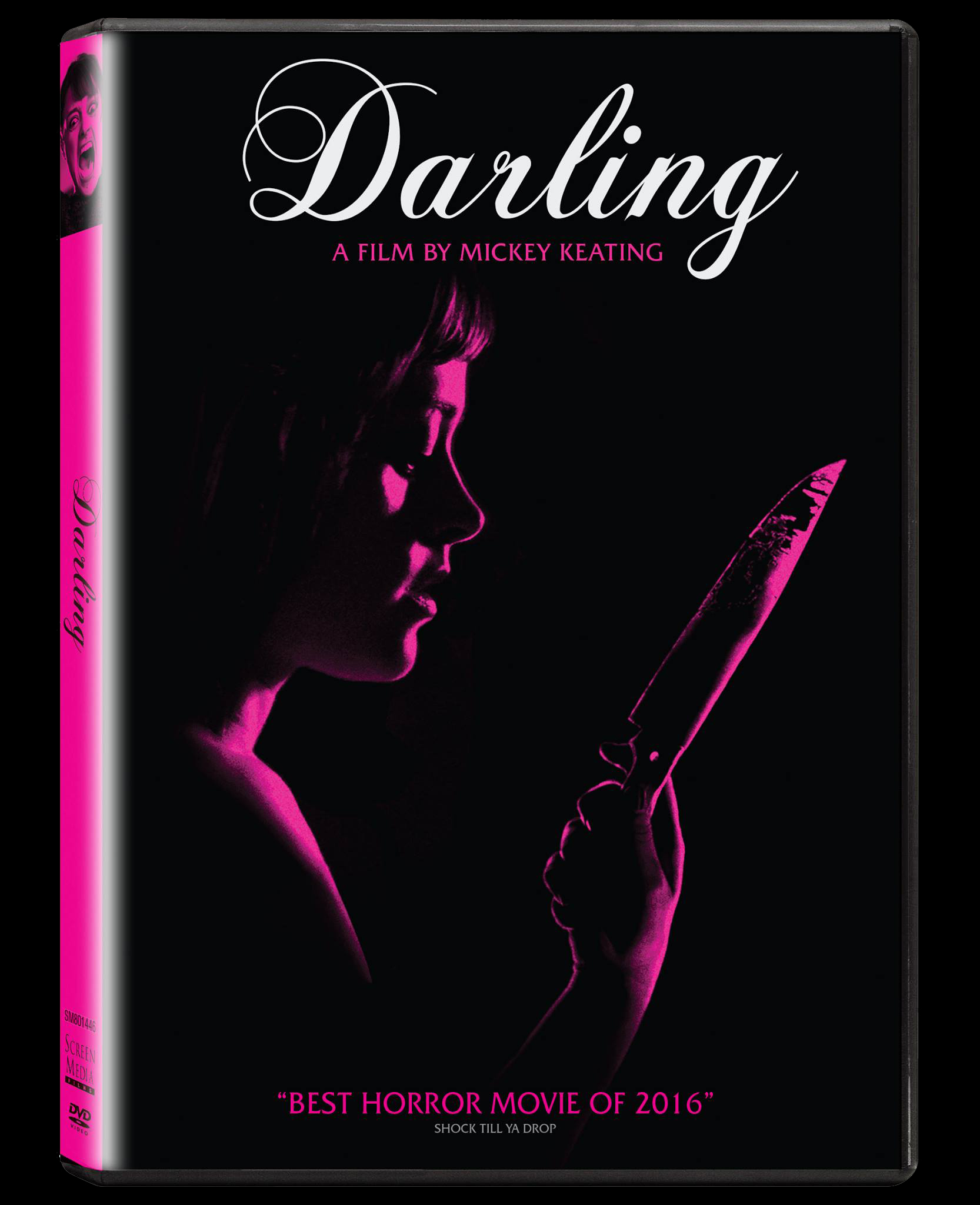
Using the simplest of settings — and familiar genre devices — Mickey Keating’s horror outing “Darling” manages to conjure an effectively unsettling miasma. The story borrows from the Polanski playbook (particularly “Repulsion” and “The Tenant”): A young woman, Darling (Lauren Ashley Carter), accepts an assignment from a wealthy matron (Sean Young) to mind an upscale Manhattan apartment, only to unravel into a homicidal psychopath. A previous employee committed suicide while performing the same work, so perhaps the apartment itself exerts a malevolent force.
“Repulsion” had an arresting feminist subtext, in which the persistent onslaught of the male gaze drove Catherine Deneuve over the edge; “Darling” doesn’t bother with such commentary (though there is a hapless male victim, played by Brian Morvant). Darling merely has had a hidden history of mental illness — and maybe a bad relationship.
Out come the time-honored trappings: the carving knife; a soundtrack alternating among ambient Lynchian strains, cheesy pop numbers and snatches of hard-core rock; lightning-fast shock cuts in the editing, including glimpses of dismemberment. But also present are impressive performances, especially a compellingly mercurial turn by the horror veteran Ms. Carter (a star of Mr. Keating’s “Pod” and Lucky McKee’s “The Woman”). Another invaluable asset is the director’s frequent cinematographer, Mac Fisken, whose gorgeous, haunting black-and-white compositions enlist the Manhattan cityscape as one more threatening entity.
Last month Shudder, the horror streaming video service backed by AMC Networks, launched Shudder Labs, an intimate and immersive workshop for aspiring genre filmmakers; and at that time the deadline for registration was March 30th. However, the date has now been extended, and along with more info on that, we have news about the Labs’ first Masters-in-Residence and workshop leaders, which include the great Larry Fessenden!
From the Press Release: Due to popular demand, filmmakers who would like to submit to the 2016 Shudder Labs programs will now have until Friday, April 15, 2016.
Shudder Labs is a one-of-a-kind retreat that will bolster and support the next generation of horror storytellers as they develop their projects under the guidance of established creators and tastemakers. The week-long, intimate workshop will host ten carefully selected aspiring filmmakers who already have a project in the works.
The inaugural Shudder Labs program will take place June 13-18 in New Paltz, New York, and will feature a variety of workshops including directing, screenwriting, and special makeup FX. Masters-in-Residence will lead classes and talks based on their skill set and personal experience, while workshop leaders will be on hand for invigorating and informative discussion of essential avenues like crowdfunding and on-set makeup FX. Additionally, the selected filmmakers will sit for crucial one-on-one time with our filmmakers, where they can dive deeper into the specifics of their projects.
Each program participant will graduate as a Shudder Fellow and take home a $5,000 grant and a year-long mentorship from one of the Masters-in-Residence.
The first wave of year-long mentors include actor, producer, and director Larry Fessenden and CEO of Snowfort Pictures Travis Stevens. Both Masters-in-Residences have strong backgrounds in horror films. Fessenden is no stranger to taking on the role of mentor, having produced early works by genre veterans Jim Mickle and Ti West. Stevens will bring his producing expertise having worked on award-winning films such as Cheap Thrills, Starry Eyes, and We Are Still Here.
Kickstarter’s George Schmalz will be leading workshops alongside Josh and Sierra Russell of Russell FX.
Shudder Labs is now open to filmmakers who have produced at least one short film or micro-budget feature. Further details on the program and application can be found at labs.shudder.com.
Exclusive featurette explores the disturbed characters of “DARLING”
Up-and-coming horror filmmaker Mickey Keating delves deep into Manhattan madness with DARLING, which begins its theatrical release this week. Check out an exclusive interview clip featuring Keating and scenes from the movie after the jump.
Screen Media releases DARLING in New York and Toronto this Friday, April 1, and it then expands to 16 other cities April 8, along with on-line platforms including iTunes, Amazon, Vudu and Google Play (see the complete theater list at the film’s official website). According to the official synopsis, “DARLING follows a lonely young woman [played by Lauren Ashley Carter] who moves into an old, mysterious Manhattan mansion. Hired as caretaker, it’s not long before she discovers the estate’s haunted reputation and troubling past—stories that slowly transform into a backdrop for her twisted and violent descent into madness…” The cast also includes Brian Morvant, Sean Young, Larry Fessenden, John Speredakos and Helen Rogers; Keating, Carter and Fessenden also produced with Jenn Wexler and Sean Fowler. See our review of DARLING here and look for more coverage at this site soon!
Mickey Keating’s Darling is a uniquely troubling horror film. It’s stark black and white photography, choking atmosphere and an utterly spellbinding performance from Lauren Ashley Carter Darling is a startling and fascinating horror yarn.
Darling (Lauren Ashley Carter – The Woman, Jugface) has just been given the job of minding an historic old house in New York, New York. Madame, the owner (Sean Young – Blade Runner, Jugface) says that they have worked to try and rehabilitate the reputation of the building stories persist of hauntings and the terrible suicide of the previous caretaker. With that, she hurriedly leaves Darling alone by herself in this large house. Darling explores the house while making herself at home, finding she can enter every room except for one at the end of a narrow corridor. Things begin to become strange when Darling starts to put away her things in her room and finds an inverted crucifix on a chain.The next day Darling goes out to buy groceries and is stopped by a man who says she dropped something: the same cross. Darling’s utterly terrified reaction to seeing this man is a turning point. Darling starts down a path towards violence and hallucination where what’s real and what isn’t are irreparably blurred and the consequences horrifying.
This film begins with a warning about flashing lights but also “hallucinatory images” which sounds like a seizure warning deftly combined with a cheeky Alfred Hitchcock-like warning of what is in store for the viewer. What it doesn’t warn you about is the sensory overload of not just flashing lights but multiple layers of brilliant sound design, an unnervingly intimate shooting style and a deliberate intent to disorient the viewer. Shot in brilliant black and white Darling immediately stands out from its peers by evoking 60’s style and sensibilities including those of Hitchcock and Polanski. The stark photography gives the film a cold otherworldliness, exterior shots of New York city look imposing and unwelcoming. That the film also contains anachronisms throughout helps create the feel that this film is taking place in a world of its own. This along with other surreal touches such as in the sound design are David Lynch-inspired choices which result in a surreal feeling of being trapped in this young woman’s nightmare.
This movie wants you to squirm in your seat. Comfort will be the furthest thing from the viewers’ minds as Darling assaults the senses. Further enhancing the fear and discomfort is the flashing lights and incredibly fast cuts which brings to mind something like Shinya Tsukamoto’s Tetsuo: the Iron Man. The sound design punctuates these cuts, sometimes with plucks of a violin other times with jarring and terrible sound. At one point we are even barraged with the cacophony of death metal. The soundtrack is constantly changing style, calming the atmosphere with pleasant music before again jarring us with discordant noise and startling visual cuts. Darling is relentless in its goal to keep the viewer off-balance, to disorient and terrify.
The center of this film and its biggest asset is Darling herself, played with incredible skill and energy by Lauren Ashley Carter. Carter has some tremendous performances under her belt already, this scribe was especially impressed by her in Jugface, but her performance here is on a whole other level. There are moments throughout the movie where Darling walks straight towards the camera or just stares directly into the lense, the stark photography rendering her huge eyes a deep black that drill their way into your brain and beneath your skin. Darling knows that we’re watching. We are complicit in what she experiences but we have no better grasp on what is happening than she does. We have to watch on as Lauren Ashley Carter runs a whole gamut of emotions and states of mind, from confusion and fear to focused rage, to intense anguish. Carter walks that line between being genuinely sympathetic as her ordeal continues but is also detached and terrifying. This small, unassuming young woman unravels before us in brutally devastating fashion. Comparisons could be made to Natalie Portman’s Oscar-winning performance in Black Swan but even that cannot match the sheer intensity of what is felt here. This might very well be one of the most outstanding performances you will see all year.
Darling might not be for all tastes. It’s extremely small scale, singular style and it’s unsettling and surreal mystery is quite unlike the usual horror experience. However those who experience the film through to it’s deeply chilling final scenes will find themselves rewarded with one of the most unique and excellent horror films of 2016. A new classic in the making.
• RELEASE DATE: In Theaters April 1st
• WRITTEN BY: Mickey Keating
• DIRECTED BY: Mickey Keating
• STARRING: Lauren Ashley Carter, Brian Morvant, Sean Young, Larry Fessenden
I really, REALLY love when our beloved horror biz goes and gets itself all artsy and experimental. Give me a BEYOND THE BLACK RAINBOW over yet another tired 80s slasher throwback any damn day. Well, to that end, I have a real doozy of a flick in front of my eerie eyeballs today: a stylish lil’ number called DARLING.
DARLING starts out like a throwback to the Gothic thriller genre: a young, seemingly naïve woman comes to find herself as the caretaker of an aged grande manse (this one happens to be located in Manhattan), and of course, said estate just happens to be rumored to have a haunted past (in the form of the previous owner, a student of the occult who had tried to summon the devil). Well, before long the ol’ arcane abode starts messing with our heroine’s mind… a mind that may not need much of a push when it comes to being a bit off.
Now I admit, that die-scription above was e’en vaguer than my legendarily legendary vague summaries, but I really want you cats to check this one out. Because the easiest way to convince someone that they’ll love something is to make a comparison (and I’m all about takin’ the easy way out, as anyone that’s read one of my reviews can plainly see!), so here goes: DARLING is kinda like what would happen if Tim Burton and Stanley Kubrick got together to die-rect a version of THE HAUNTING, but they only had a vague notion as to what that story is actually about. That’s a good starting point, but the actual film is so much more interesting than that!
Filled with gorgeous black and white cinematography, disjointed and off-kilter soundtrack choices, whispering voices, shocking violence, and subliminal edits (not to mention an ever growing sense of dread), DARLING is the perfect fusion of arthouse and grindhouse, and it works so much better than you would ever assume it would. And while the aesthetics are unique and stylish, the performance of lead actress Lauren Ashley Carter really hits this one home. Surrounded by only a handful of other characters (including a great cameo by Sean Young as the upper-class owner of the house), Carter carries the film. She is in nearly every frame of the film and offers up a performance that runs the gamut from doe-eyed waif to screaming nightmare with equal aplomb.
DARLING is truly one to savor — experimental, shocking, and filled to the rafters with good ol’ malevolent evil, it’s Grade-A F’n awesome!
Mickey Keating’s Darling runs only 75 minutes, yet it’s got more genuine horror than most fright flicks that run longer. This is a dark, stunning work that creates psychological terror to match its most shocking moments of physical violence. Initial scenes employ some familiar horror elements, butDarling finds unique ways of utilizing them as it goes on. In other words, once you think you’ve got the picture figured out, it goes in a whole other direction, just to mess with you.
Lauren Ashley Carter (who was so good in The Woman and Jug Face) gives a superb performance as Darling, a shy young woman who gets a job house-sitting for an off-puttingly formal woman, identified only as Madame (Sean Young). The brownstone is a little creepy but otherwise normal, save for a door at the end of a hallway that Darling is admonished not to open. She doesn’t need to. Not long after taking the gig, she’s haunted by bloody, disturbing hallucinations. Her personality changes, especially after hooking up with a guy (Brian Morvant) at a local bar. The movie keeps you guessing as to whether Darling has been possessed, is simply suffering some sort of psychotic breakdown, or both. Either way, blood is shed.
Darling contains very little exposition. It opens with her taking the job, so there’s no explanation of who she is or how she comes to be employed by Madame. Neither is there any overt discussion of whatever sinister force may be in the house, aside from a brief mention that the previous caretaker jumped to her death, thereby creating the vacancy Darling fills. In most movies, this lack of backstory would be a detriment. Here, it adds to the eerieness. The absence of expository information causes us to lean in, to scan the frame for details. It also forces us to watch Darling with great scrutiny. Everything we need to know about her is right there in Lauren Ashley Carter’s face. We come to sense the character’s vulnerabilities and insecurities. We get inside her head in a way that wouldn’t be possible if the movie’s dialogue simply told us everything there was to know about her.
This is not a conventional horror film. Darling is not so much about what happens as it is about how things happen. Keating creates a very chilling mood that sucks you in, making the presence of evil virtually palpable. The movie is shot in stark, ominous black and white. Strobe lights and graphic, almost subliminal images are intercut with the main action at times when we do not expect them. Certain objects are photographed in shadow or out of focus to enhance their mystery. There is heavy manipulation of sound, with whispering voices and echoes on the soundtrack, as well as dramatic shifts from silence to noise. At one key point, Keating even uses an upside-down shot of New York City to suggest Darling’s world inverting.
Perhaps the most daring technique the movie employs is to have Darling look directly at the camera at certain points. She’s looking right at us, essentially suggesting that we, too, are possessed by whatever has its teeth in her, be it demon or mental health disorder. (Or, perhaps a demon preying on a mental health disorder.) More disturbingly, it might be a case where we are possessed by her. The darker Darling’s behavior gets, the more we can’t stop watching her. Does that make us complicit in her actions? One could totally interpret Darling as a metaphor for our inherent fascination with violence, with the horrible things people are capable of, and with evil itself.
Darling joins the ranks of It Follows, The Babadook, The Witch, and Goodnight Mommy as an example of original, deeply atmospheric horror that has no need for cheap shocks or tired theatrics. Armed with a pitch-black sense of humor, a confidently-executed nightmarish style, and a dazzling turn from Lauren Ashley Carter, the movie works its way into your psyche and gradually frays your nerves.
If you love horror, Darling is a film you should not miss under any circumstances.
Question Everything With This ‘Darling’ Soundtrack Sampler (Exclusive)
Mickey Keating stunned horror audiences with his paranoid conspiracy theory film Pod, which has been acclaimed by both critics and audiences alike. Now, his latest upcoming film Darling is gearing up for release and, according to our reviews, is ready to give audiences something really special. Luiz was “…mesmerized” and Trace gushed that it’s, “…a trippy, hypnotic ride.”
In anticipation of the film’s release, which hits VOD and limited theaters this Friday, we’ve got a sampler of the film’s score, which was composed by Giona Ostinelli, which you can hear above. Ostinelli’s score also comes out this Friday.
Ostinelli explains:
There’s barely any dialogue throughout the whole film, so the music had to play a major role by being another character in the film that is always present. It is a rare opportunity in today’s film industry, as well as a major challenge. The score has to be incredibly focused on guiding the audience through the film with confidence.
‘Darling’ presented a wonderful opportunity to experiment creating a score as a combination of classical, noir and sound design elements. I was able to achieve a particular sound by creating a unique hallucinatory soundscape, which features a heaving distorted Ondes Martenot combined with various layers of piano going through a very specific type of reverb. On top of these hypnotic intricate sonorities, I occasionally introduced a distant solo trumpet, which added a disturbing noir element that worked perfectly with the black-and-white images.
“‘Darling’ begins as a lonely young woman (Lauren Ashley Carter) moves into an old, mysterious Manhattan mansion. Hired as a caretaker, it’s not long before she discovers the estate’s haunted reputation and troubling past. These stories slowly transform into a backdrop for her twisted and violent descent into madness…“
Explore the terrifying house from horror movie Darling in exclusive clip
Writer-director Mickey Keating’s new, Must List-approved horror movie Darling (out in New York on April 1) has a fine supporting cast, which includes Brian Morvant (Pod) and Sean Young (Blade Runner). But there’s no doubt the film has two real stars. The first is actress Lauren Ashley Carter (Jug Face, The Woman) who plays the new caretaker of a large Manhattan house. The second? That would be the house itself, an imposing edifice which becomes ever more spooky as the movie’s plot unfolds.
In a new behind-the-scenes clip, Keating talks about finding, and shooting in, the main location of his film, which expands to other cities April 8 and will also be available to watch on VOD and digital platforms from that date.
Glass Eye Pix is the fierce independent NYC-based production outfit headed by award-winning art-horror auteur Larry Fessenden with the mission of supporting individual voices in the arts. Read more...