August 29, 2016
Share:


Indiewire talks RANGER and other projects at Frontières
Looking for a way to get your indie genre film made? You might wanna read this! Frontières at Fantasia Fest has some promising projects coming through those doors, including GEP producer Jenn Wexler’s directorial debut, THE RANGER.

August 25, 2016
Share:
Cutting Room #73 – Hitchcock/Truffaut
Fessenden steps in to highlight this week’s Cutting Room post:
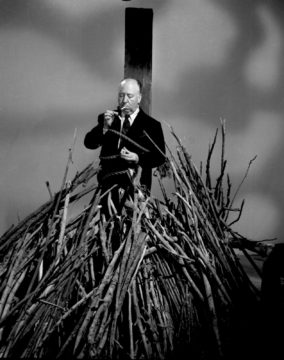
“For some time at Glass Eye Pix, when I’ve encounter a promising filmmaker, I make a gift of the seminal Hitchcock / Truffaut book.
To me it is the filmmaker’s bible, for it explores with extraordinary candor the filmmaking process. Nevermind the famous set pieces from Hitch’s movies— although take notice, those set pieces were not just showmanship, but genuine expressions of his philosophy— instead check out essential advice like: don’t let the camera lead the action. If an actor is going to get up off the couch, don’t cut to a wide shot anticipating the move. That may not seem like sexy advice, but the accumulation of ideas from the master will stimulate your tiny mind and make you a better filmmaker and a better film-watcher.
Hitch/Truffault the movie is a poignant account of two filmmakers appreciating one another and a profound celebration of different approaches to cinematic expression. Read the book. See the film. Read the book again.”
August 18, 2016
Share:
GEP pal John Speredakos flaps his gums at Diabolique
Beyond the Pale: John Speredakos on his Career, Collaborators and Joe Begos’ The Mind’s Eye

John Speredakos The Mind’s Eye (2016)
With a career spanning nearly three decades, actor John Speredakos has worked on just about every platform an actor would want to find a creative home on. Beyond big blockbuster films, John has lent his voice talents to video games, radio theater like Tales Beyond the Pale. Recently he has worked with the likes of Ti West, Mickey Keating, Larry Fessenden and now Joe Begos. Finding drive, madness and intelligence in his latest role, as the heel character Dr. Michael Slovak, Speredakos took some time to talk to Diabolique about his role in The Mind’s Eye (2016) as well as his friendship with Larry Fessenden, working with a younger generation of actors and the pride he has for Tales Beyond the Pale.
Diabolique: Let me start by saying, The Mind’s Eye is a throwback to the great body horror/ TV thrillers of the eighties. When a filmmaker and his team recreate a sub-genre of horror and manage to evoke just the right sense of visual style and atmosphere, you go along for the ride as a cast, crew and viewer! What was the conversation like between you and Begos? What was it like on set for the film and working under Joe Begos; what kind of director is he?
John Speredakos: I hadn’t met Joe prior to The Mind’s Eye. First time we spoke was on the phone when he offered me Slovak. He had asked me to play a smaller role, which I was not overly excited about, having played similar roles before. I remember thinking Slovak was the part I’d like but they’d probably go after a name. Then when Joe actually offered it to me I was like “Uh…let me read it again…” I just knew between the make-up and the wires and the squibs and the blood it was going to be a hell of a physical shoot. But it was just too juicy to walk away from!
We had no meetings prior to my first day on set— just no time. And I hadn’t seen Almost Human (2013) so I waited till after I wrapped to watch it! That way if it sucked it’d be too late to back out. And… it didn’t suck. It was actually so well done it was hard to fathom that was his first real film. Joe of course is very hands-on on set. I loved that he was his own D. P.— really gave him the chance for spontaneity while filming. You know, he could call “Action”, then actually just film whatever captured his fancy in the scene. He also encouraged me to improv a lot and ad lib. No problem with that; and it’s always beneficial whether it stays in the film or not. Helps you carve away at the scene. Joe’s obvious passion and love for the project was contagious and inspiring. I just really wanted to bring Slovak to life for him.
Diabolique: What were your thoughts when you found out that Begos wanted you for Dr. Slovak? Was there a personal characteristic or connection you wanted to instill in the madness and charisma of Slovak?
John Speredakos:I sort of answered that already. But I’ll add that with Slovak it was clear to me that there was such a great arc to this guy. He really had to start at one level and wind up somewhere else. Of course the challenge was judging just where you were in that arc during any given scene— especially when you’re shooting out of sequence! You hope it all cuts together with the gradual unraveling that you’re going for. And you can’t be thinking about that stuff DURING the takes— that’s when you just have to make choices and commit to them.

John Speredakos and Graham Skipper The Mind’s Eye (2016)
Diabolique: You have played villains over the years in different projects for different directors. What do you think made Slovak such a fitting villain to Zack’s hero (played by Graham Skipper)? What was the dynamic like between the two of you in your contrasting roles?
John Speredakos: Graham and I balanced each other out well I thought. Physically we matched up well, and we work in similar ways. We each had a lot of screen time separately, and then together. Graham’s such a gentleman in person, and so focused on screen. We really built up a trust, had each other’s backs in the takes we did. Which was crucial because it got so intense and sometimes all you’ve got is that other actor’s eyes to lock onto and know you’re on the same page. That’s what’s so great about screen acting— you let it all hang out between “action” and “cut”. We had a chemistry I think conveyed to the screen.
 Diabolique: Speaking of great characters, names like Graham Skipper, Lauren Ashley Carter, Jeremy Gardner, Noah Segan, and Matt Mercer (among others) showcase their talent on this project. Did you find working with such an infusion of young talent inspiring? Also, what was it like having another opportunity to work alongside Larry Fessenden and Lauren Ashley Carter?
John Speredakos: Well, here’s some impressions regarding those people:
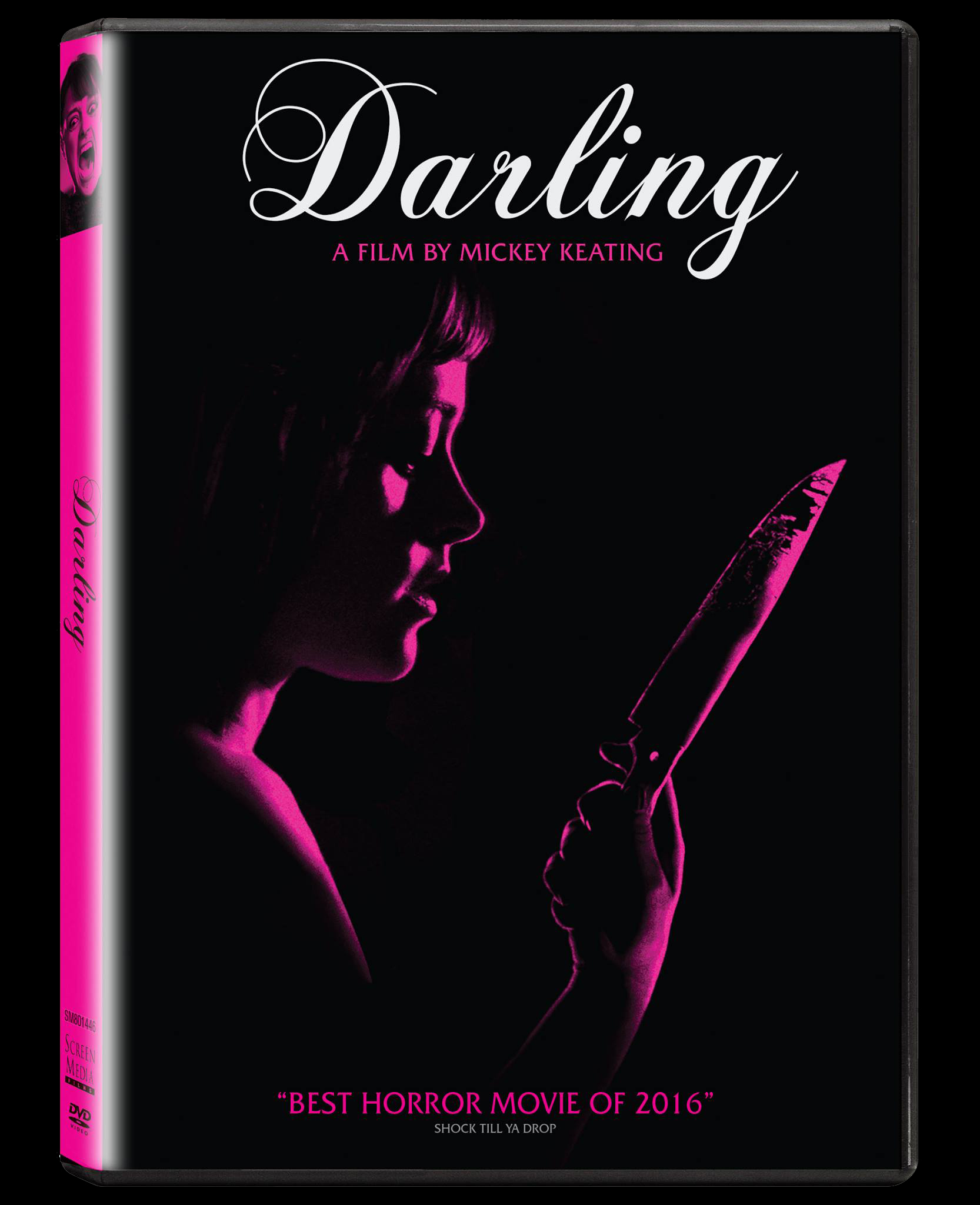
Lauren and I met shooting Darling for Mickey Keating. I’d seen her in Jug faceand POD, so I knew what a talent she was. She’s just one of those gifted people that comes along way too infrequently. And if you’re smart, you’ll just work off what she’s giving you because it’ll be so full and pitched so beautifully. And we had a whole relationship to explore in the film but I knew the story was going to barrel along like gangbusters so we couldn’t really delve in as much as we’d have preferred. Ask Joe about the “gotch yer nose!” moment sometime. Lots of layers with Rachel and Slovak.
Jeremy Gardner— Pound for pound, maybe the most talented guy on the set! I’m a huge fan of Jeremy’s— but I hadn’t seen The Battery till AFTER we shot The Mind’s Eye. As I told him later, I’m so glad I hadn’t seen it first or it would have been impossible to treat him with suitable condescension! The guy is Orson Welles with better hair. He can do pretty much everything: act, write, direct. No stopping Mr. Gardner, and for the record, The Battery is about as good as independent filmmaking gets.
Noah Segan— Telegenic bastard! Noah’s another guy like Graham and Joe with an encyclopedic grasp of indie horror so it was great hanging out with him. And he brought that great stillness, that really compelling focus to Travis that is riveting. The eye patch didn’t hurt either.
Matt Mercer— I love this guy! We had such a great, fun relationship on screen. Pure disdain and contempt is always fun to play! Matt’s such a seemingly effortless actor that he managed to imbue Armstrong with an inner life despite relatively little screen time. Armstrong could easily have been dismissible— but Matt played him perfectly. A great side-kick. And a sniveling worm. Classic Armstrong!
Let’s not forget about Michael LoCicero— another gorgeous piece of understated work. Sharp as a dagger. And Josh Ethier has a ridiculously appealing screen presence. In Almost Human he was a certifiable chainsaw-wielding maniac— who you’d kind of like to have a beer with! Not a bad act to pull off!
As for Fessenden, what can you say? I’ve spoken about Larry before. I love the guy, I’m grateful to him, there’s a reason he’s a legend. There’s pretty much nothing he can’t do well. I’d love to see him go mano-a-mano with Gardner in a “Who’s the Bigger Genius Contest!” So, yeah… it’s slightly inspiring being surrounded by young(ish) talent! But I’ve also worked with Hal Holbrook, Alan Arkin, and Eileen Colgan— so I’ll take my talent any age I can get!
Diabolique: The weather in Rhode Island became a huge character in its own right and in The Mind’s Eye. I know you live in the northeast, was the snow a huge factor to you? Talk about how the cold and snow affected your performance? Did it add an edge to your character of Dr. Michael Slovak?
John Speredakos: Well, everyone’s talked about the weather because there was just no escaping it. It was a monumental two months, with a storm every few days. But we only actually lost one day of shooting. Yeah, there’s an isolation that creeps in when the weather is such an adversary. The motel we were staying in was up a really steep slope— and shrewdly we had drivers without four-wheel drive! So a few days/nights I remember Lauren and I having to walk up the hill to get to the motel because the cars couldn’t get up.
I also remember shooting in Slovak’s basement the scene where Matt and I have our little… falling out. A concrete floor. Cinderblock walls. Windows open because of cables and wires. Temperature well below zero. And we’re standing there for hours. I was just so cold I was shaking pretty much constantly. And you can’t ignore it; it won’t let you.
Likewise, when we shot the car flip/fire scene. On paper it sounds great. But then that night we had it all: freezing rain, heavy snow, wind. And I’m upside down inside the turned over car, crawling out onto the frozen blacktop. For a LONG time while they change camera set-ups. And that ground was just SO hard SO frozen SO unforgivingly unpleasant. That can’t help but feel you in the scene! Slovak’s body was pretty broken at that point so it all added to it. I remember sitting next to Graham in our “warming car” when I could, and again, I literally couldn’t stop shaking. Couldn’t talk. Couldn’t get rid of that chill.
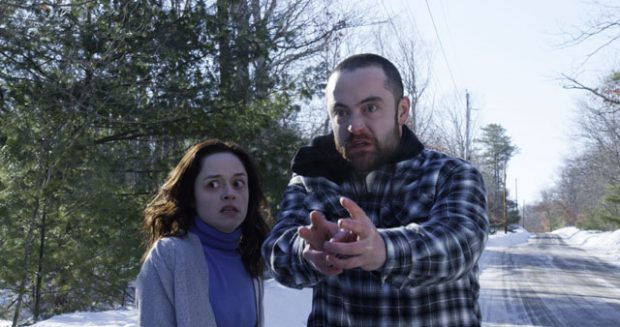
Lauren Ashley Carter and Graham Skipper in cold weather conditions The Mind’s Eye (2016)
Diabolique: Talk about the final showdown and what that experience was like? How much prep did you do for the stunt work? Did your makeup cause any sort of issue during the shoot?
John Speredakos: Well, depends what you mean by “final showdown”? Inside or out? Like I said, outside was miserable. But when I went up on the wire for the finale, the one thing there was plenty of was OXYGEN!! It was easier to breathe outside, even with the brutal cold. Not so inside…
The reality is you’re in a harness, like wearing a girdle. I’m sure you’re familiar with that Jay! It straps on between your ribs, so your ribs and lungs are constricted— and that’s before they hoist you! Then I’ve got 3 lbs. of latex makeup and veins all over my face, really hard to turn your head or nod. Then they put a blood tube up my back, over my ear on the down-camera side. So you can gargle and spew blood. Right before “Action!” Brian Spears puts blood drops in my eyes, so for a minute or so I can see absolutely nothing but hazy silhouettes. Even Graham’s face is just a blur. Then they smoke the set so we have that great grainy texture they like on screen. You’re breathing an acrid smoke that stings your eyes further. Finally— they hit you with a strobe light effect through the venetian blinds, so it truly becomes surreal. And the one thing you’re supposed to do— scream— you can’t do, because you can’t breathe. Then… they… hoist… you… And it tightens around your ribs like Jon Voight in Anaconda. My body chose to do the only logical thing— shut down. I was vaguely aware that everyone was focused on me and I was supposed to do… something. Graham said my head just kind of nodded off each time. Mini black-outs, oxygen deprivation. Scary, because you’re not used to the sensation. But we needed the money shot— both of us in the air at once. When I talk about relying on your fellow actor, that’s what I mean! Graham and I got each other through that scene.
Diabolique: Speaking of the “Godfather of Indie Filmmaking”, how has that relationship both personal and professional with Fessenden been? What makes him so connecting, visionary and humble?
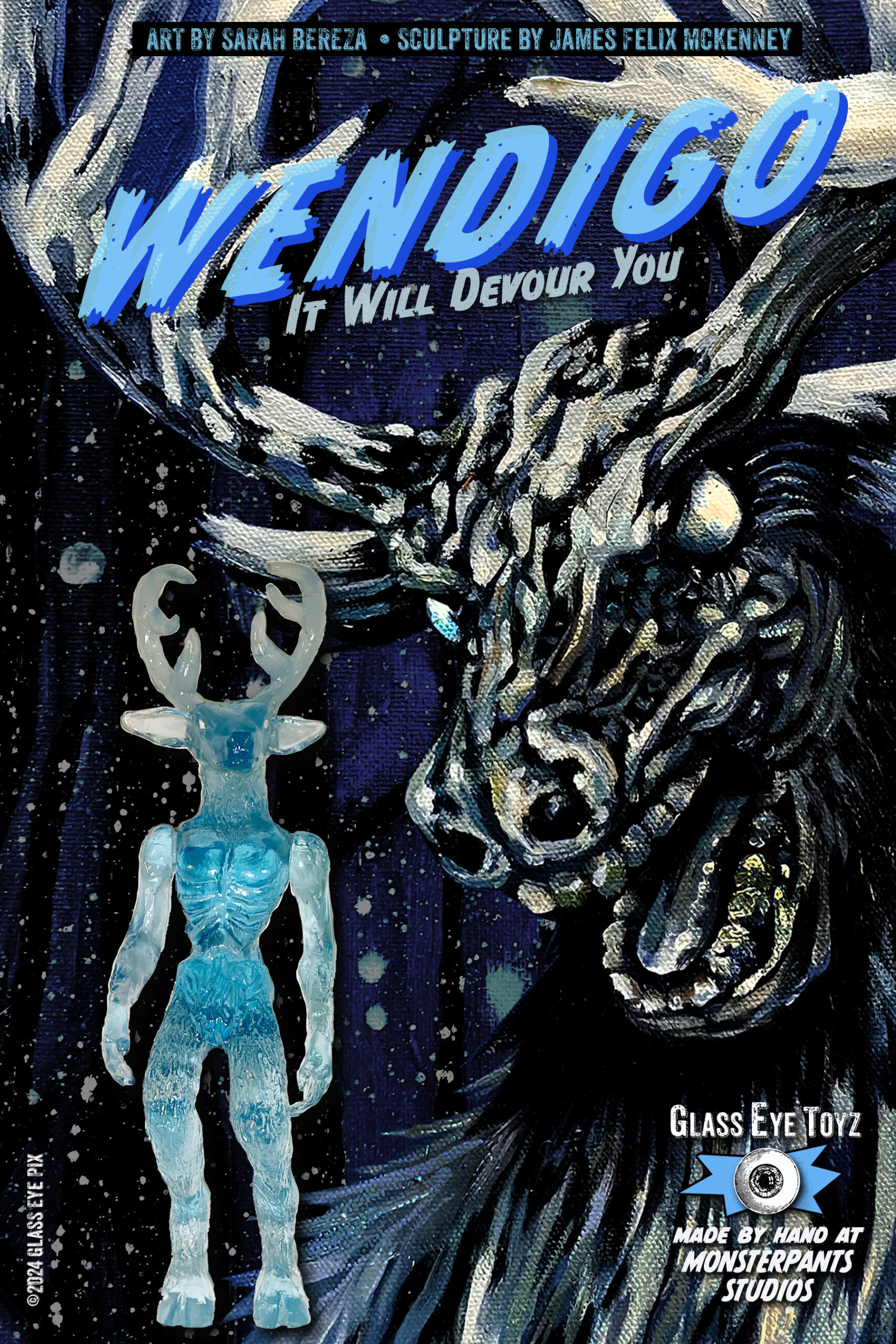
John Speredakos: Ahh, a Fessenden question. At last! I literally don’t know how many times Larry and I have worked together, in various capacities. It’s just a great professional relationship. We met of course on Wendigo in 2000. Larry’s got you coming and going— he’s smarter than most folks, but also deeply sensitive. He’s a natural leader, but a born collaborator. He’s a showman with a hammy side, but capable of tremendously subtle, detailed work. He’s passionate about his causes and can articulate them better than anyone. He’s politically astute. He can act, write, direct, edit and play sax! He looks like the guy next door, if you live next to a Sanitarium. He’s riddled with fears, and turns those fears into action. He’s the living embodiment of an Artist.
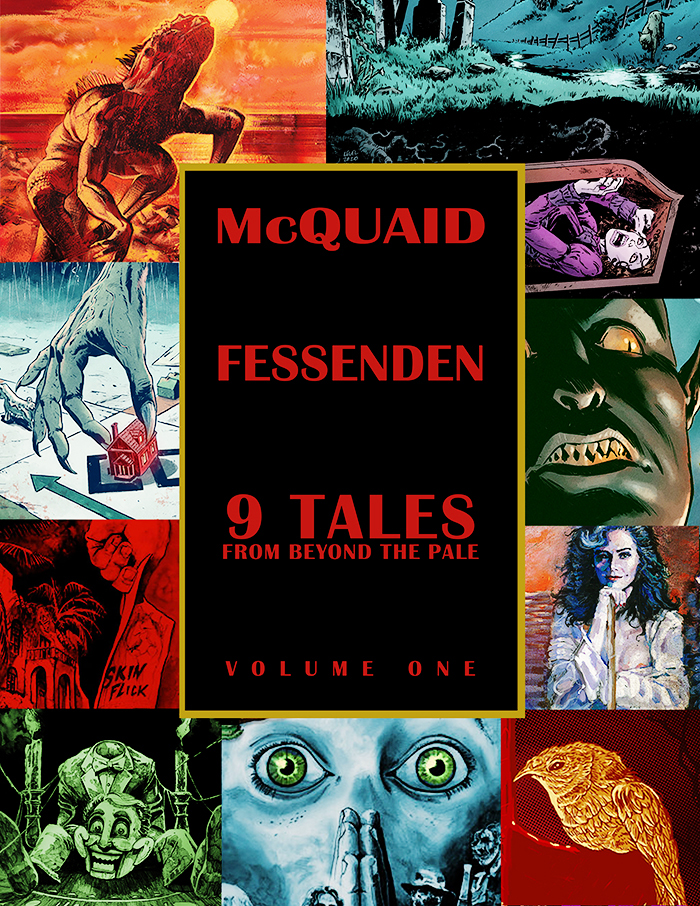
Diabolique: Fessenden and Glenn McQuaid also; how has the radio theater Tales from Beyond the Pale been as a creative channel for you? How different is it to only be able to use the tools of your voice and personality to bring these characters to life? Was the live season more challenging then the studio sessions since you were a part of all three sessions to date? How was it working on The Ripple at Cedar Lake?
John Speredakos: Glenn and Larry created the Tales together, and it’s been a creative Godsend to many of us. I’ve always loved doing readings and workshops of new material, it’s pure performance without the anxiety of being off-book. And I was in the very first Tale with Larry, Vince D’Onofrio, Nick Damici— Man of the Ledge. We were finding our grove. But as Glenn will attest, it enabled a lot of writers with ideas to get their stories told without the usual hassle of years of fundraising to finance a movie. And yeah, it calls on some different skills as a performer. You’re not working off the other actors as readily, you’re forging a relationship with the listener THROUGH the microphone. It’s intimate. Which is what makes it such a great story-telling device. We did the whole second season live which was a blast. I played alongside James LeGros and Sean Young in Glenn’s The Crush and had great parts in Stranger and Larry’s Caper. The audience had as much fun as we did. Almost. But I wouldn’t say it was more challenging, just different. I hope we do more live Tales.
Season Three is another great one— I was in two Tales, including Glenn’s The Ripple at Cedar Lake . That was pure pulpy camp— which he happens to excel at. But it was also full of ideas, gorgeous language and imagery. And I played another mad scientist, come to think of it! We did a lot of improv on that, really letting us vamp at times. Of course then he cut it all back! Glenn is a magnificent writer— I always tell him he’s incapable of writing a boring character! It may be one line, but damn, that line will encapsulate an entire mindset and also advance the plot! Pretty nifty trick. So as long as Glenn keeps wanting to work with me I will gratefully say “Yes, Sir. Thank you Sir!”

Diabolique: Back to The Mind’s Eye, where do you think the strength lies in this film?
John Speredakos: The strength of The Mind’s Eye is simply Joe knows the story he’s telling and who he’s telling it to! And it succeeds beautifully at what he -and all of us- were trying to do: tell a ripping good yarn full of lots of nasty visuals. It’s over-the-top, campy fun. And it comes by its epic quality honestly. To analyze it, is sort of to miss the point. Let it cascade over you, like fine detritus! We all committed to it fully so it’d be easy for an audience to get behind it
Diabolique: What’s next for you filmwise? Where can we find out more?
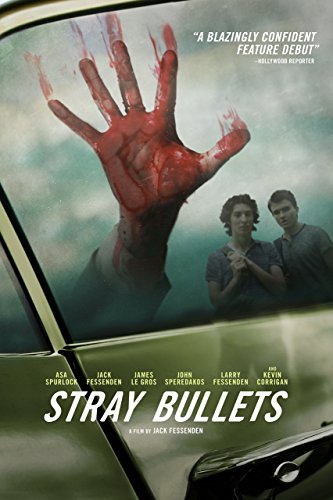
John Speredakos: The thing I’m most excited about is a film I shot last summer with Larry, LeGros, Kevin Corrigan and Larry’s son Jack. Called Stray Bullets. Jack wrote it and directed it AND plays a lead role. Larry was D.P. It’s a caper film, not horror, but it’s got a wonderful poetic quality to it. I believe we’re premiering at Woodstock Film Festival in October. My role is sort of the anti-Slovak: the nicest of the bad guys! And I’m not too slick or confident. It was, again, pure joy to shoot— a real Fessenden Family affair. And Larry’s magnificent, he does noir better than anyone. Throw in LeGros and Corrigan and you’re talking about some of the most experienced and compelling actors out there. I really hope it finds and audience. It deserves one. More credit to Jack. I don’t really do the social media thing very much, so best place to look for info would be IMDB. Or you can always check the Glass Eye Pix site for updates. I show up there from time to time!
August 16, 2016
Share:
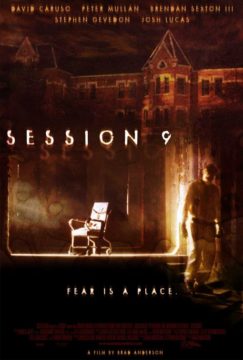
Brad Anderson’s classic SESSION 9 Now on BluRay from Shout Factory
From Film School rejects:
31 Things We Learned from the Session 9 Commentary
28. The awl going into Larry Fessenden’s eye is the film’s only CG shot.
August 16, 2016
Share:
Tribute to Fantasia in Paste Magazine
Genre Gets Its Due at the Fantasia International Film Festival
As the lights fade and the audience settles in for the film, it starts. First from one voice to the left. Then way in the back. Meow! Mew? The literal cat calls (with the occasional smartass dog bark or sheep’s baa) scatter around the Concordia University halls for the few dark moments between the house lights fading and the film commencing. These cat mews are nothing new to the audience, as they stretch far back into Fantasia International Film Festival’s history. (Their origin is debated, but the most commonly accepted origin story is that the mewing started after one screening of a Simon’s Cat short film.) Do not let the momentary rambunctiousness fool you into thinking that the participatory audience is going to be rowdy and interrupt the screening. After the film begins, you will be in the company of diehard genre film fans who will keep perfectly and politely silent for the rest of the film. That is, unless the villain gets decapitated in a particularly violent manner. Justice deserves applause.
The Fantasia International Film Festival celebrated its 20th installation this year, and it had plenty to celebrate. It is easily one of the world’s leading genre film festivals. Spanning a full three weeks in two constantly screening theaters on the Concordia University campus, Fantasia is more of a marathon than a sprint. Local Montrealers pace themselves and take in what screenings they can without losing their day jobs, and film industry professionals fly in from around the world for as much of the fest as their schedule allows. Unlike some of shorter four-to-ten day film festivals, there is an understanding that most people will come for a small sliver of Fantasia’s programming, forever fueling their FOMO (Fear Of Missing Out). Choosing the right week or two to attend the fest is a difficult task as there is no such thing as a “wrong” week of Fantasia. Every day brings world premieres, impressive film guests, and satisfied audiences. This year early attendees were treated to two genre godfathers: Takaski Miike and Guillermo del Toro.
Miike was on hand to accept his Lifetime Achievement Award from the festival. Wearing sunglasses, red metallic sneakers, and accompanied by his multilingual interpreter, the cinematic legend humbly enjoyed soaking in the appreciative applause of his fans. With a career spanning over 100 films, Miike was quick to credit Fantasia with being his first introduction to the West. Over the festival’s 20 iterations, approximately 30 Miike films have screened, including two this year alone. Miike is best known to horror fans for creating the slow-burning Audition and highly tense Ichi the Killer, but Miike’s two screenings at this year’s festival showed his other interests as a director.
Terraformars and As the Gods Will both are based on popular Japanese manga series. Each has a playful tone, and an alarmingly high body count, but that is where the film’s commonalities end. Terraformars is a science fiction-fueled battle where we are rooting for a team of human-insect hybrids to reclaim Mars from the humanoid cockroaches who have taken over the planet. It is essentially a mash-up of Starship Troopers, The Martian, and Power Rangers, and plays out like an interspecies land war. Not only do you learn a bit about entomology, but you also get to watch powerful creatures battle one another for Martian domination.
As The Gods Will has similarly preposterous circumstances, though far less exposition. In fact, most of the characters have no idea what is happening. What we do know is that the film opens with classmates being killed by a massive doll head that has been brought to life, sitting impatiently at the front of their classroom. This disembodied head is toying with them and their lives, but they soon figure out the rules of his deadly game. Violating the rules of the game (which is essentially red light/green light) results in the student’s head exploding, complete with a blood geyser. As soon as the rules of this game are mastered, and the game bested, the few survivors are whisked off to the next deadly challenge. Closely resembling the feel and pace of Sion Sono’s Tag,As The Gods Will showcases Miike’s ability to balance death with delight. Mourning and mischief are not mutually exclusive in Miike’s worlds.
In attendance to accept the Cheval Noir Award was Guillermo del Toro. The jolly Mexican director endeared the audience with a one-hour Q&A following the screening of the documentaryCreature Designers: The Frankenstein Complexi. A fairly standard exploration of the history of special effects and creature creation, the film briefly highlights del Toro’s work in creature design as well as the now necessary marriage of digital and practical effects. Del Toro speaks with such conciseness and insight that it is as if his flowing thoughts are all specifically designed to be soundbites. He told the audience that he thinks of his films as if they were his children, and of being willing to die for his art. He speaks of his long-delayed At the Mountains of Madness as a miscarriage, with a deep sense of loss and pain. He also spoke of the importance of Fantasia and other genre film festivals, to bring together the monster kids of the world and inspire them.
Del Toro keenly described Fantasia as a shrine, and not a church. It is where the faithful come to worship their celluloid gods, and not a place to be seen by the flashier side of the industry only on the high holy days. This description of Fantasia feels perfect. The festival is not showy or glamorous. The focus is not on the red carpet, or on the A-list star. But it is a very accessible gathering of genre fans who want to see the cutting-edge of what is next in their beloved fantasy worlds.
The appearance of Miike and del Toro as a pair happens to speak strongly to Fantasia’s roots. Originally founded as an exhibition of Asian cinema for Montreal, the festival expanded to include genre cinema with equal affection. Even the name of the festival reflects the two sides to the fest’s programming focus—Fantasy + Asia = Fantasia.
A highlight of the Asian cinema offerings at this year’s fest is Lowlife Love. Rather than a love letter, prolific Japanese director Eiji Uchida instead uses his voice to pen hate mail to Japan’s scummy micro-budget cinema scene. The director in question is a washed-up sex addict who is tragically still riding the small goodwill created from his first feature in 1999. He lives with his mother and takes advantage of young actors who believe his egocentric lies. What we see is a seedy version of Japan’s film world, where both men and women use sex as currency and everyone just wants to “make it,” whatever that means. The bumbling comedy plays like JapaneseBowfinger, without character ambition or resourcefulness. Though Lowlife Love has no fantastical elements, the film’s charm and strong voice made it a natural choice for Fantasia’s programming.
Other films that were not to be missed this year included the Polish mermaid musical nightmareThe Lure, the zombies on a Korean bullet train film Train to Busan, and Richard Bates’s pitch-black comedy Trash Fire. These three epitomize Fantasia’s genre-bending, accessibility, and expertly assembled line-up.
Beyond the festival’s films and catcalls Fantasia strives to continue to break fresh ground with its newest feature: virtual reality. Dubbed “The Samsung Fantasia Virtual Reality Experience,” this installation lived within one theater’s lobby for four days of the fest. With ten different short films to experience it was an interesting appetizer to an emerging medium. Holidays: Christmas VR(starring Seth Green) is a quick ten minutes with a frantic father trying to give his son the perfect Christmas. After using his flexible moral compass to get the last virtual reality headset, he is unable to shake the experience from haunting him. The viewing experience toggles between watching the film in a virtual cinema to jumping into the character’s own virtual reality experiences. Not only is the viewer experiencing the virtual reality, but they also get to relate to the characters experiencing their own first experiences with virtual reality. The novelty of the virtual reality gimmick is even able to buoy a bland zombie short like War of the Dead. The story and acting is nothing we haven’t already seen, but the ability to glance back and forth between zombie and victim is a fun way to take it all in.
After hours, Fantasia earns its reputation as a summer camp for the greater genre film industry with its regular pub night. On any given night during the three weeks of the festival you will find attendees taking over the back terrace of the nearby Irish Embassy Pub. Old friends get to connect and introduce new friends to one another, and nearly any combination of filmmaker, critic, and fan seems to blissfully make sense. Though I tragically turned in early the night that Miike decided to stop in for a pint, I did manage to say hello to the eccentric Larry Fessenden and spy the Troma-rific Lloyd Kaufman sporting his beloved Tupac hoodie. I don’t bring this up to start a name-dropping contest, but rather to highlight how communal and accessible Fantasia is to professionals and fans alike.
With such universal goodwill within the industry, it is always sad to see another Fantasia come to a close. The films themselves are traveling to other festivals—Fantastic Fest often overlaps programming with Fantasia—and the filmmakers and fans likewise have headed home. And all of us have begun the countdown to next year’s fest. Such a magical shared experience is no accident, and the people who make Fantasia possible year after year have all of our faith that next year’s fest will be just as wonderful as the last. Until 2017, bon cinema!
August 5, 2016
Share:
THE MIND’S EYE on Fangoria
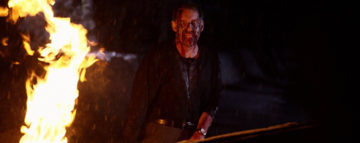
FANG: You have a fantastic cast of genre veterans and up-and-comers: Graham Skipper, Lauren Ashley Carter, Larry Fessenden, etc. You even included former FANGO staffer Sam Zimmerman. How did you assemble such an excellent team for THE MIND’S EYE?
BEGOS: Very early on, I wrote the script with a couple people in mind, like Graham and Lauren, but we shot in Rhode Island, which is about a couple hours outside of New York, so we were sort of pulling from New York where a lot of the Glass Eye Pix family is. I’m a big fan of using kind of familiar faces but I feel like a lot of horror movies nowadays sort of use horror actors just because they’re like “Oh, this guy was in this movie,” and they’re not even particularly good. I’m pretty happy that we were able to assemble what I feel like are kind of some of the best of the best actors in the genre.
THE MIND’S EYE not only fantastic actors who embody their roles really well, but they feel like real people and they’re from horror movies. For instance, Jeremy Gardner, who I’m surprised hasn’t been in some more movies, and I can’t believe that people don’t utilize Larry Fessenden beyond beyond two minute cameos because he’s such a fucking phenomenal actor. Once I realized Larry was just going to play the sheriff, we were talking and I was like, “Dude, that’s such a throwaway role, man. I think I’m going to give you the Dad role.” I wanted to utilize him in that way he was in HABIT, so he killed it with these great takes and great references. He’s normally shoe-horned into these little roles, but I’m glad really showed up and shined through the movie.
read all at Fangoria:
watch THE MIND’S EYE on itunes!
August 4, 2016
Share:
THE MIND’S EYE by Joe Begos hits theaters August 5!
The Mind’s Eye, the second feature from writer/director Joe Begos hits theaters tomorrow! Catch the NYC opening at City Cinemas Village East at 11:55am and 7:30pm! Check your local listings for showings near you and don’t miss out on this telekinetic nightmare starring Darling‘s Lauren Ashley Carter, Graham Skipper and Glass Eye pal John Speredakos along with Fessenden!
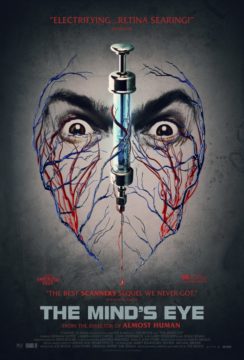
The AV Club – “The Mind’s Eye is punk as fuck”
Entertainment Weekly – “It’s Scanners meets Death Wish“
Dread Central – Interviews Graham Skipper
Indiewire – The Mind’s Eye trailer
August 4, 2016
Share:
Mike Gingold talks “maniac-in-the-woods chiller” THE RANGER
Glass Eye pal Mike Gingold talks THE RANGER in this Fantasia/Frontières exclusive!
“During this summer’s Frontières International Co-Production Market at Montreal’s Fantasia festival, RUE MORGUE got the chance to chat with several filmmakers who were there pitching ambitious genre projects to potential backers. Among the most notable were Jenn Wexler and Larry Fessenden of Glass Eye Pix, with a unique maniac-in-the-woods chiller called THE RANGER”