October 31, 2016
Share:


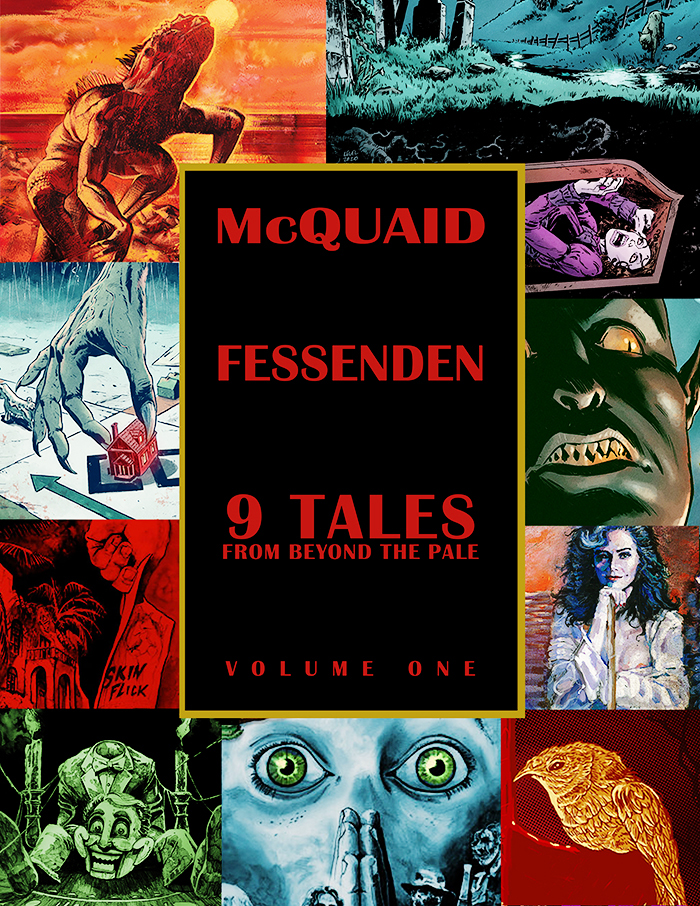
Tales From Beyond the Pale LIVE @ The Overlook Film Festival!
New Genre Film Festival to Launch at ‘The Shining’ Hotel
Horror will take the spotlight at a new genre film festival launching next year.
The Overlook Film Festival will open on April 27 at Oregon’s Timberline Lodge, which was used for the exterior setting of the Overlook Hotel in Stanley Kubrick’s “The Shining,” Variety has learned exclusively.
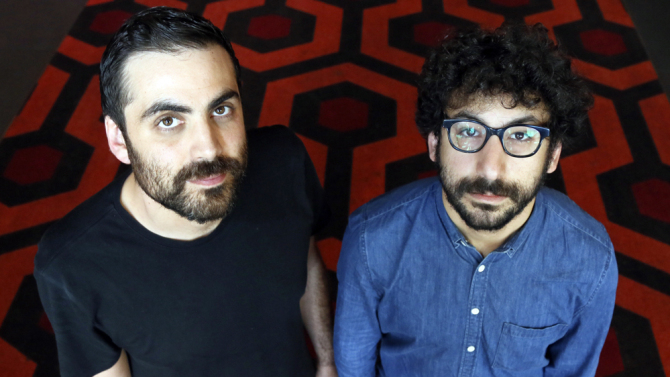
Organizers Michael Lerman and Landon Zakheim announced the event on Halloween. They are planning to present experiential events, work in new and classic horror cinema, and interactive activities at the Timberline, located at the base of Mount Hood. The four-day festival will feature a weekend-long immersive game from Bottleneck Immersive and an original live version of the radio play “Tales From Beyond the Pale” by Glass Eye Pix.
“The Shining” takes place in the fictional Overlook Hotel, a haunted resort in the Colorado Rockies. Kubrick’s movie, starring Jack Nicholson and released in 1980, was based Stephen King’s 1977 novel.
The Overlook Film Festival advisory board includes actor Elijah Wood, director Joe Dante, Sundance Film Festival programming director Trevor Groth, Alamo Drafthouse CEO Tim League, and “Insidious: Chapter 3” director Leigh Whannell.
Other members include Kristen Bell (Fantastic Fest), Nate Bolotin ( XYZ Films), Larry Fessenden, Colin Geddes (Toronto Intl. Film Festival), Mick Garris, Stuart Gordon, Daniel Noah (SpectreVision), Lindsay Peters (Fantasia Film Festival), Tom Quinn, Alix Taylor, Ryan Turek (Blumhouse), Josh C. Waller (SpectreVision), and Diana Williams (LucasFilm Story Group).
“We’re so grateful to the Timberline Lodge for providing such a gorgeous, iconic venue in the beautiful location of Mt. Hood, Oregon, where our unique, experiential celebration of all things genre can thrive,” Zakheim said.
Read Article from Variety
October 31, 2016
Share:
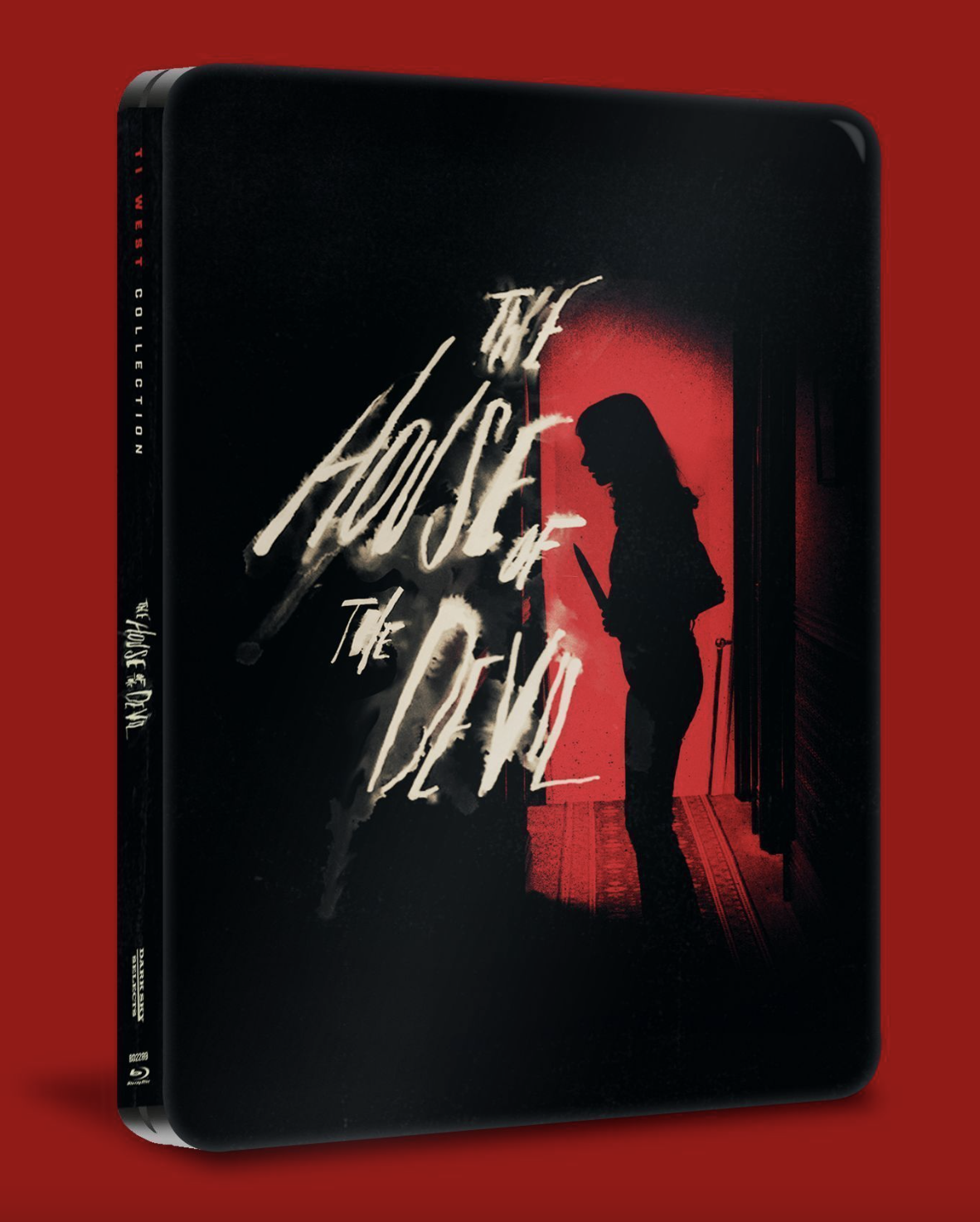
ROLLING STONE top 50 Horror flicks of 21st century: #12 The House of the Devil
12. ‘The House of the Devil’ (2009)
Ti West’s slow-simmering “Beware of Satanists!” cautionary tale looks and feels like an artifact from the early 1980s, found in a dusty corner of an abandoned video store. A naive college student takes a babysitting job at a creaky Victorian house, working for a couple of shady characters (played by veteran cult movie weirdos Tom Noonan and Mary Woronov). Before the literal all-hell-breaks-loose third act, The House of the Devil plays up the spooky atmosphere and retro style – right down to a scene involving a cranked-up Walkman, a song by the Fixx, and our sick fear that everything’s about to go very wrong. NM
The List also includes Fessenden-featuring SESSION 9 and YOU’RE NEXT along with many other favorites… Check it!
October 30, 2016
Share:
FANGORIA: 10 Things You Can Do This Halloween! #7 Play UNTIL DAWN
Madeleine Koestner

- Play UNTIL DAWN
Did you play UNTIL DAWN when it came out last year? Do it. Do it now. Now’s the time. Call your friend with the PS4 and tell them it’s time. Run over there as fast as you can. Uh oh, quick time event. Hold X to jump over the tree branch. Did you do it? Your choices affect what happens next.
For anyone who complains that video games aren’t as good a storytelling form as movies, or that movies just aren’t interactive enough, UNTIL DAWN is literally a playable horror movie written by genre Glass Eye Pix’s Larry Fessenden and Graham Reznik. It’s an awesome choose-your-own-adventure kids-in-a-cabin pick-em-off. It functions as both a fantastic story with interesting, complex characters and a really fun game. You get to control Rami Malek (MR. ROBOT) and Hayden Panettiere (HEROES). It’s a stellar cast with brilliant people on the production side. Seriously, if this was just a horror movie with no playable aspect, you’d watch it in a heartbeat — but you actually get to interact with it, and it works! And it’s spooky!
October 30, 2016
Share:
JUST IN TIME FOR HALLOWEEN: “I Sell The Dead” gets a Shout-Out!
10 Overlooked Recent Horror Movie Gems
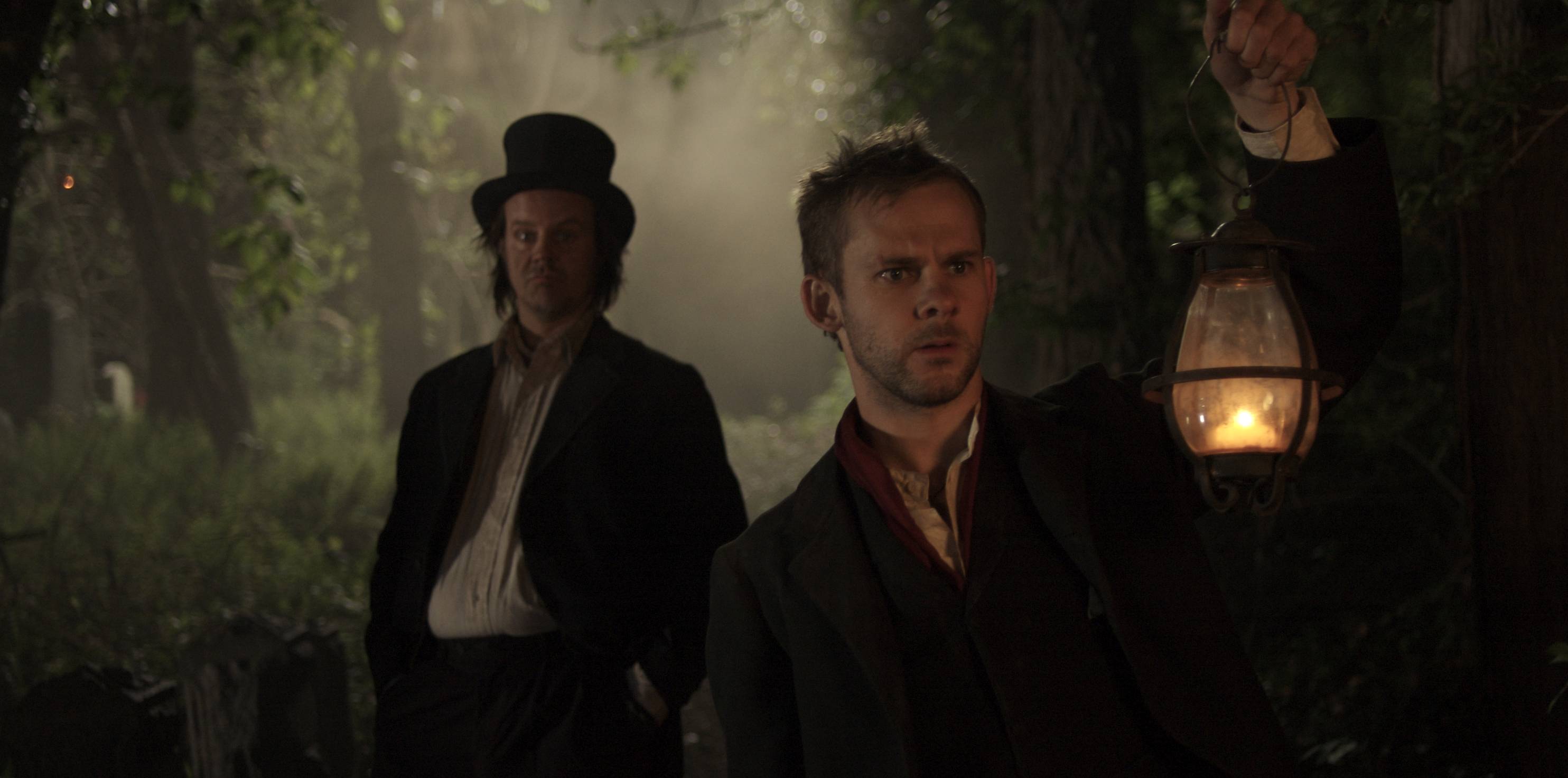
“I Sell the Dead” (Glass Eye Pix)
When it comes to my Halloween season viewing, I often fall back on the vintage stuff: Hammer favorites, Universal monster classics, the Val Lewton cycle, or any previously unseen golden oldies that catch my eye.
But despite the plague of “found footage” cheapies and an endless streak of inferior remakes and sequels, there have been some very good recent horror movies. It’s just that many of the best have gone virtually unnoticed except by the most insatiable horror fanatics. And I know for that diehard crowd, much of this list might not seem so overlooked. So, while I certainly do want to hear about that grainy $5,000 stalker film from Uruguay you found in a black market video shop, understand my definition of “overlooked” isn’t quite that obscure.
The list was restricted to films released over the last five years or so, just to have some sort of cutoff. There are other movies from the same period (like Trick ‘r Treat, House of the Devil and Splice) that also should have received a wider release or more media attention, but those films have found a very devoted cult following. The films below have some fans, but continue to fly way too far under the radar for my liking.
Five of the ten films are debut features, so maybe there’s something to be said for new chefs contributing to the horror stew. The rankings are a bit meaningless considering how different the films are, but the hierarchy is simply those I felt were the most essential viewing.
Oh … and Happy Halloween!
I Sell the Dead (2009): A fantastic debut feature, Glenn McQuaid’s joyful throwback to genre traditions is horror-comedy of the highest order. Getting convincing period detail on a very low budget, McQuaid also brings filmmaking verve to every scene. And it’s a darn funny film too, with great hammy performances by Larry Fessenden and Ron Perlman and a reactive comic role to treasure from Dominic Monaghan in the lead. If you grew up with Hammer horror films on TV and grisly EC Comics reprints, I Sell the Dead will seem letter-perfect. It never played in a Chicago theater, which is a goddamned shame, as this was made to see with an audience.
October 29, 2016
Share:
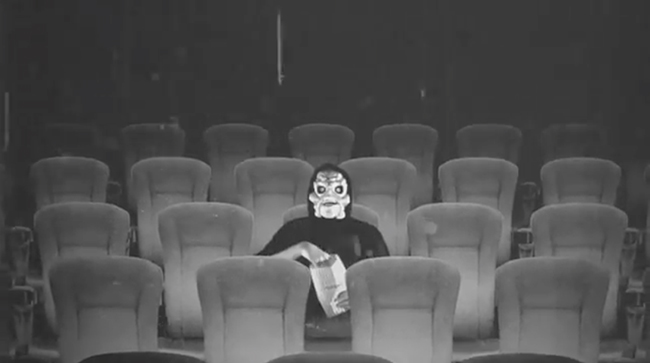
**UNWANTED HOUSEGUEST** new VIDEO MUST-SEE
Click to head over to You Tube for some Halloween fun from a GEP pal. His identity remains unknown…
October 28, 2016
Share:
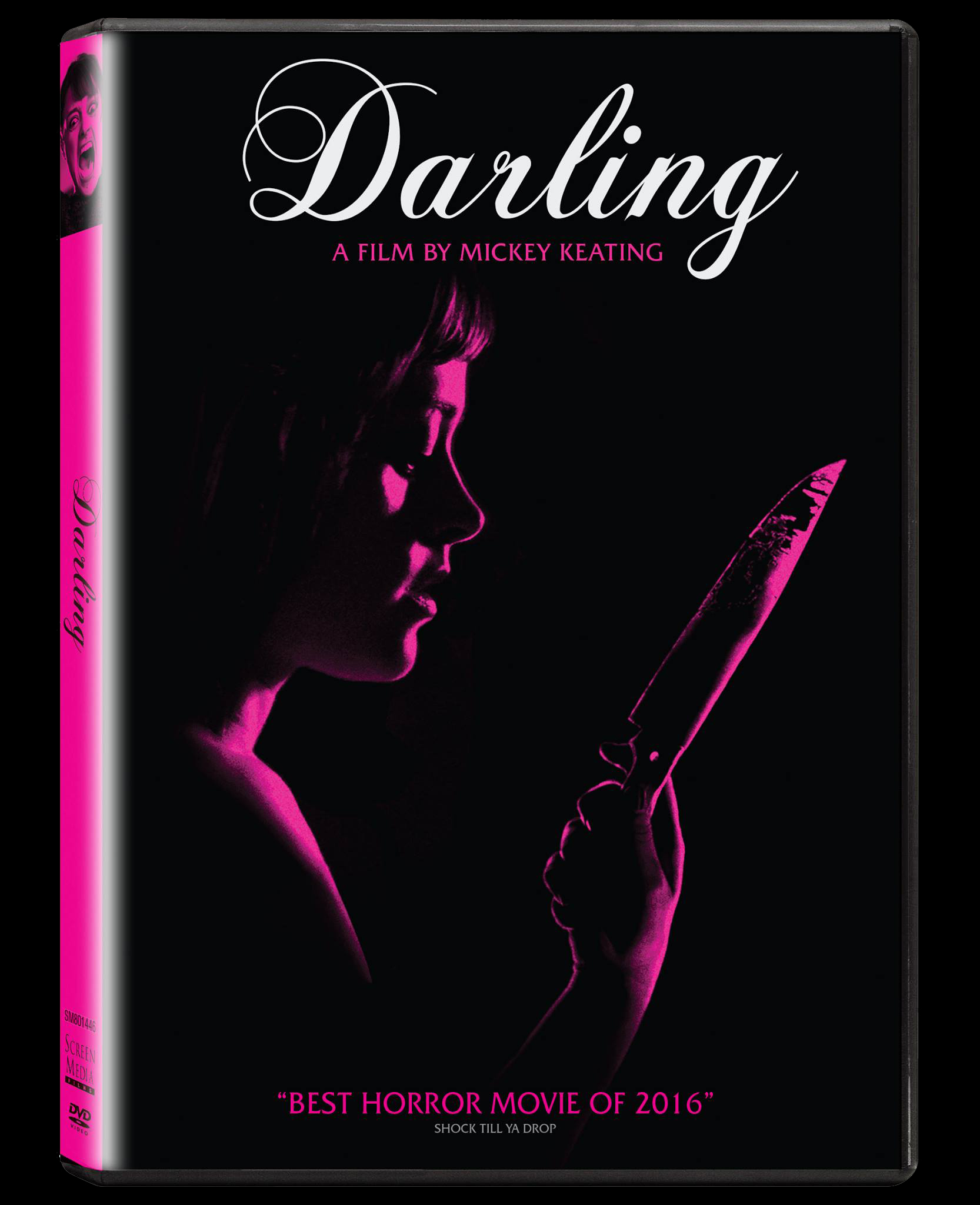
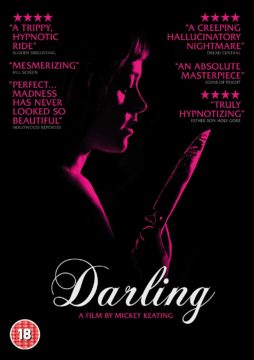
DARLING out on DVD in the UK: DTV has a review
… But first, some gushing about Fessenden’s Glass Eye Pix…
Dave Wain’s essential ZH breakdown of this week’s cavalcade of straight to disc treats. Step inside the DTV Junkyard!
Forgive, if you will, this protracted love in of Larry Fessenden that I’m about to embark upon, but who out there isn’t willing to kneel at the altar of this great independent filmmaking genius?
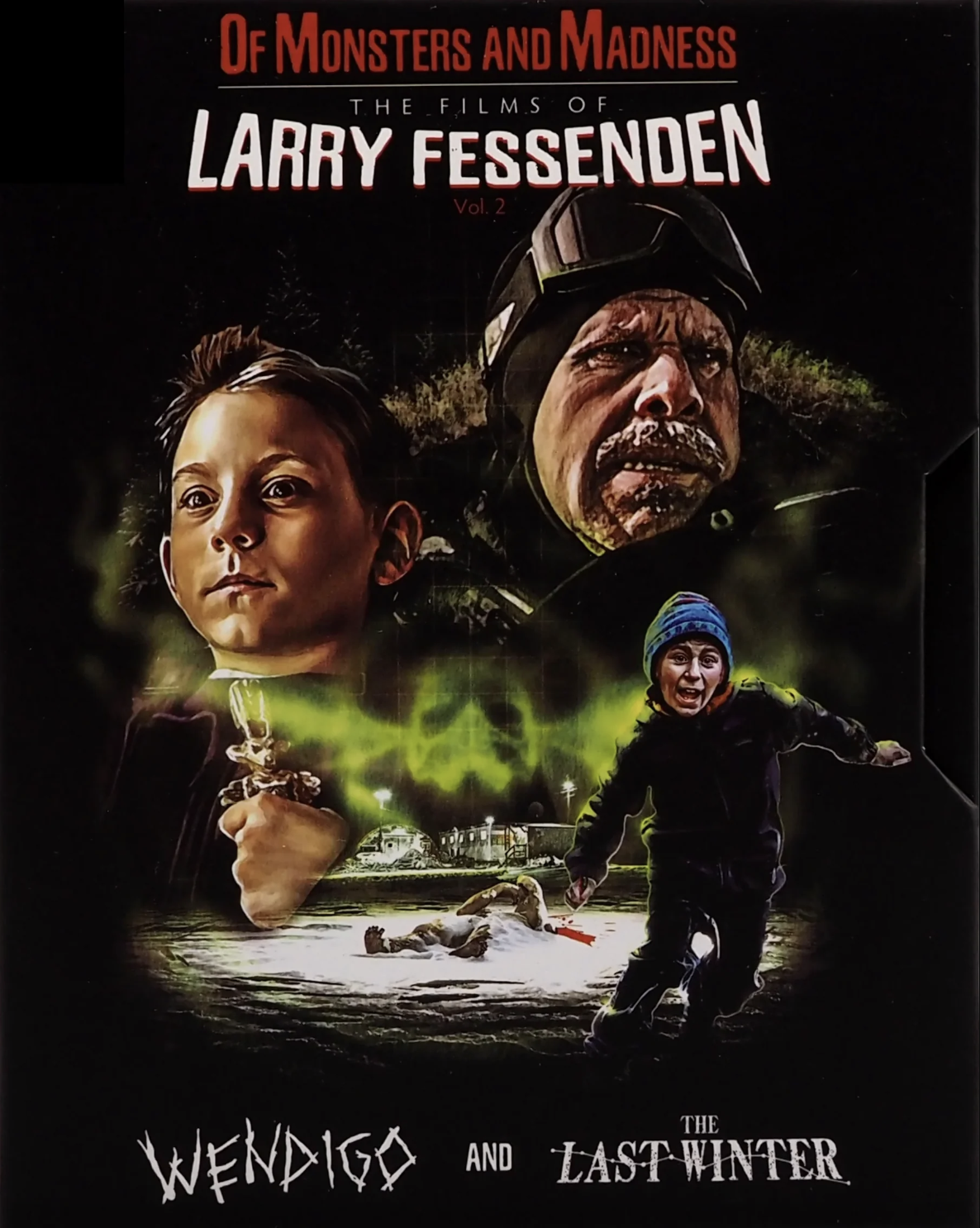
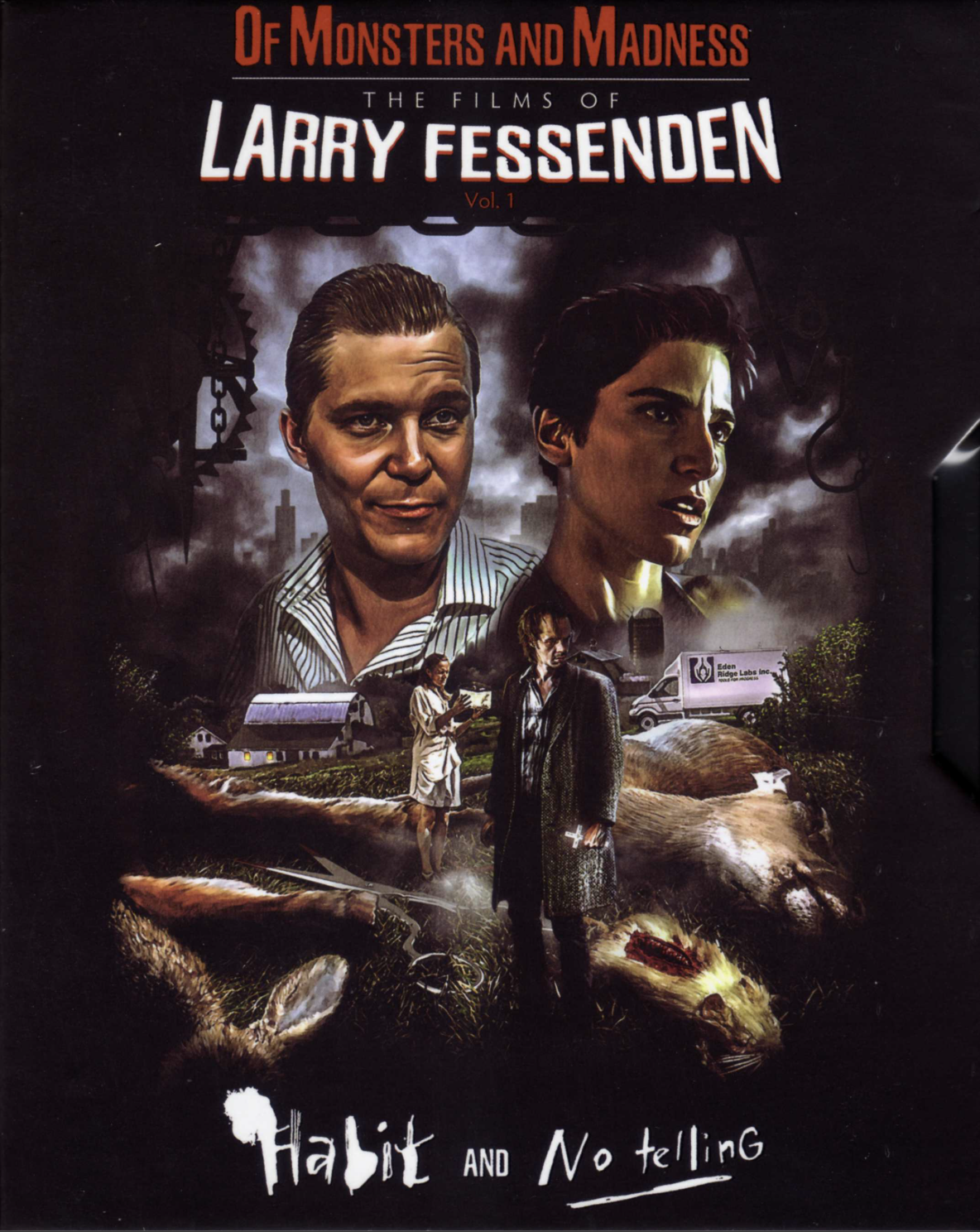
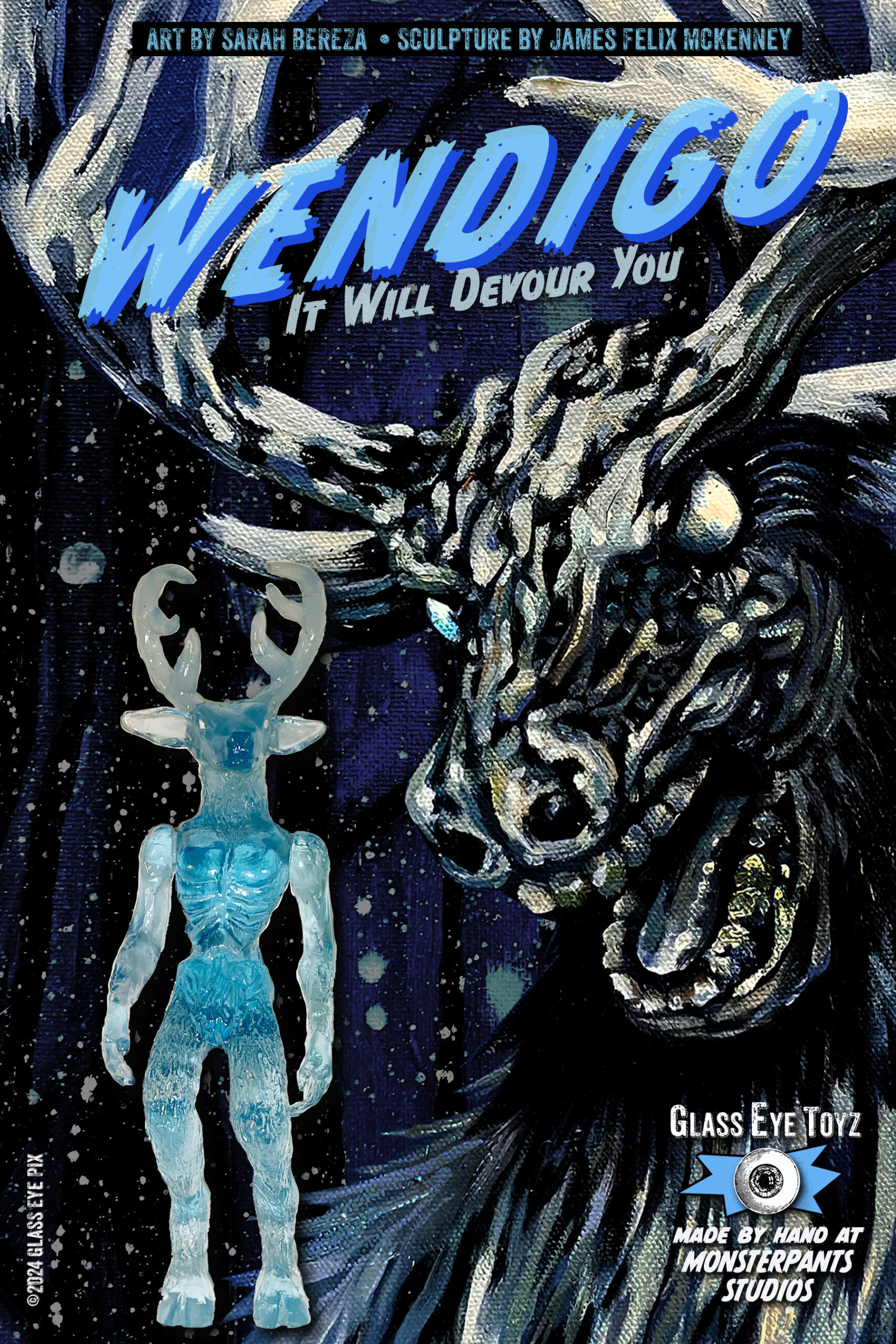
From Habit to Wendigo to The Last Winter, the native New Yorker offers a keen eye, and an enviable knack for fine tales of the macabre. But, there’s another side to this auteurs body of work that deserves a heaped helping of praise, and that’s the role of the production company that he founded in 1985 – Glass Eye Pix.
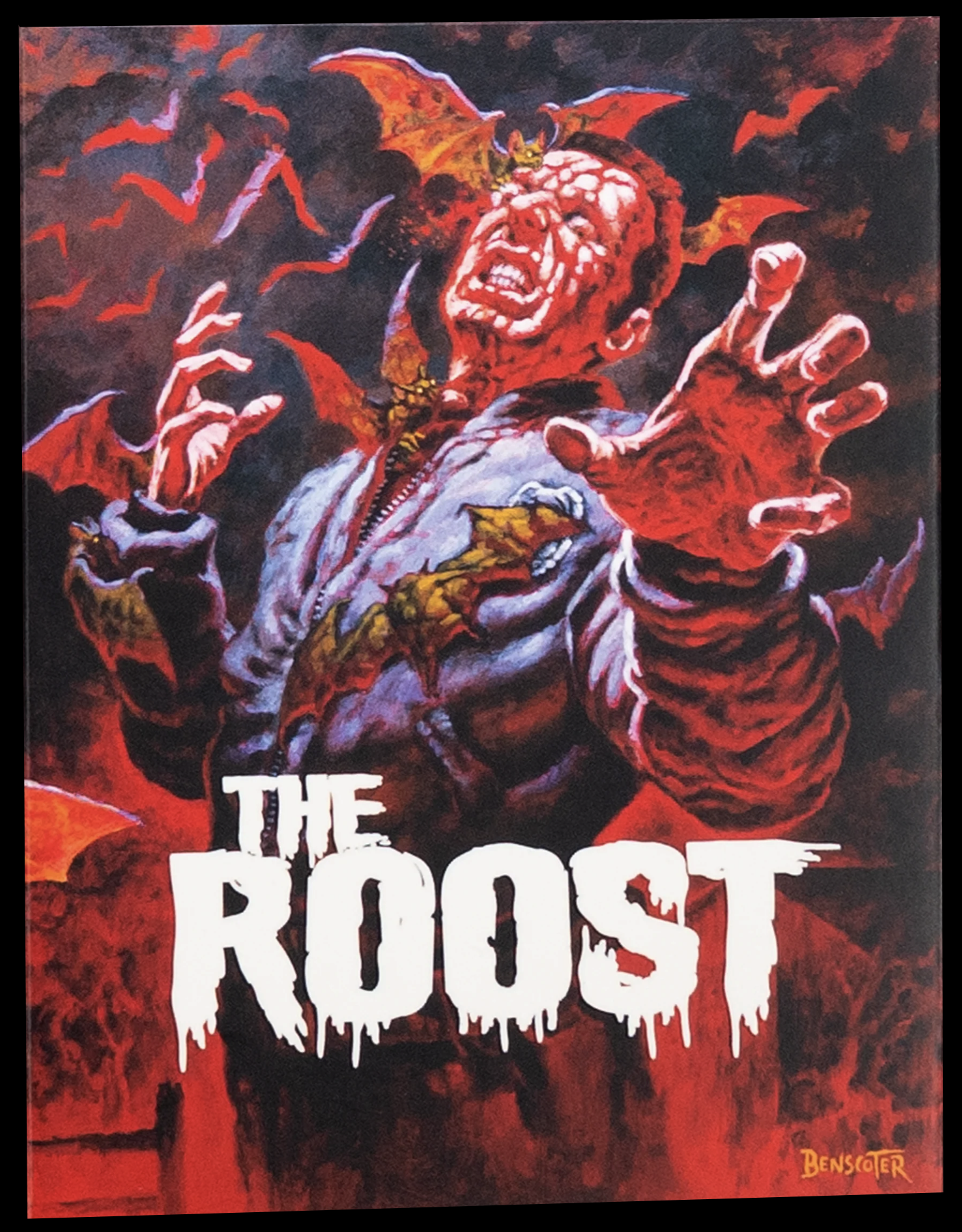
The last decade of their resume reads like a buyer’s guide to indie horror, with such indispensable fright flicks as The Roost (2005), The House of the Devil (2009), Stake Land (2010) and Late Phases (2015).
Joining the ranks of these iconic little pictures is Mickey Keating’s impressive psychological nightmare, DARLING, which makes its way on DVD in the UK this week courtesy of Soda Pictures.
October 28, 2016
Share:
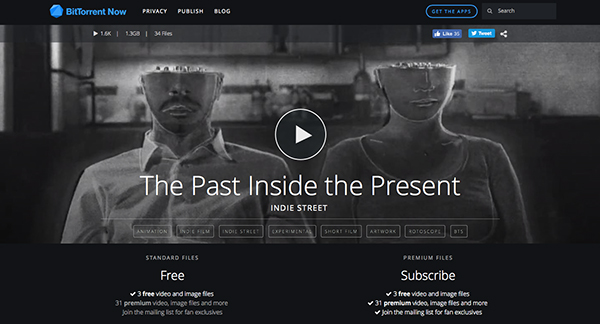
THE PAST INSIDE THE PRESENT on BitTorrent Now
Check out the masterwork The Past Inside The Present, now available for download on BitTorrent.
October 28, 2016
Share:
Until Dawn: Rush of Blood Review – Horror on Rails
“Save for the role of a circus ringleader played by Larry Fessenden, there aren’t any other notable characters to Rush of Blood and frankly, a horror game of this nature isn’t necessarily required. The lack of Peter Stormare reprising his role as the psychiatrist from the first Until Dawn is certainly lamentable, but Larry Fessenden does a great job in his role both in vocal performances as well as overdramatic facial work. Fans of the original Until Dawn should recognize him as the very same actor that portrayed The Stranger, Jack“.
Read Full Article HERE
October 27, 2016
Share:
AV CLUB: Pack up your knives and die: BITTER FEAST turned cooking into horror
Pack up your knives and die: Bitter Feast turned cooking into horror
This article discusses major plot points of the 2010 indie horror film Bitter Feast.
Unbelievable stress, the potential for public embarrassment, the risk of being shamed by Gordon Ramsay—these are the things that make cooking competition shows compelling viewing (and in some cases, send contestants, like Elaine Mayfield, to the emergency room). Even if you’ve never worked in a kitchen yourself, it’s impossible not to cringe when you see a plate of runny risotto or a sad, collapsed soufflé make its way to the Top Chef judges’ table. Joe Maggio’s indie horror film Bitter Feast understands these anxieties, and it turns them into pure dread.
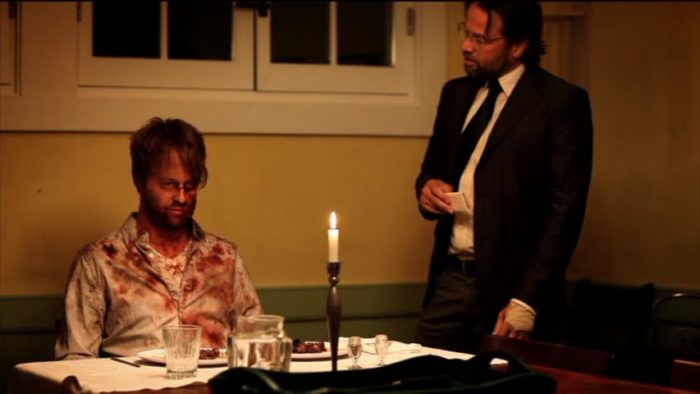
Released in 2010 to minimal fanfare, Bitter Feast follows a celebrity chef, Peter Grey (James LeGros), whose career takes a huge hit after a popular blogger, J.T. Franks (Joshua Leonard), writes a caustic review of his restaurant. As a result, Grey is fired from his own restaurant (by Mario Batali!), dropped from his cookware endorsement deal, and humiliated on his own daytime cooking program, which is co-hosted by a vapid sidekick who routinely mocks Grey’s passion for rustic, organic ingredients.
Consumed by bitterness, Grey kidnaps Franks, chaining him up in his cellar before putting him through a series of cooking challenges. Can the critic execute what he claims the artist cannot? It’s an age-old revenge fantasy that Bitter Feastcleverly mixes with blood and viscera, turning the exploitation already simmering beneath those cooking competitions up to a slow boil. The finished result is a satisfying, delectable dissection of culinary celebrity.
While horror might seem an odd vessel for such a story, it ultimately proves to be a good fit. Elaine Mayfield’s description of her MasterChef stint, though ultimately a positive experience, still brims with exhaustion, paranoia, and a sense of instability—traits that, when escalated properly, dovetail perfectly with effective horror.
In addition to these traits, there’s an innate cinematic tension to the act of cooking. On shows like Top Chef, MasterChef, Chopped, etc., cooking becomes a precarious wire act, where decisions as granular (literally) as how much salt to add can determine your reputation—and your survival. That’s because cooking, unlike other art forms, actually has agreed-upon indicators of success. We can argue endlessly about whether Ulysses is the greatest novel ever written, but there’s no quibbling over whether a steak has been cooked to a perfect medium-rare. In cooking, perfection is achievable. And to fall short of that is to acknowledge one’s failure; success is an all-or-nothing proposition. We see it in kitchens every day: A first date can be marred by a salty broth, an existential crisis triggered by a broken yolk. To say such gravity is absurd is negligible; to say it’s entertaining is a given.
With Bitter Feast, all Maggio has to do is twist the dial a little to make those life-or-death stakes literal. First, Grey has Franks cook dishes that he attacked in recent reviews: a perfect sunny-side-up egg, then a perfect medium-rare steak. If he succeeds, he can eat. If not, he starves. The climax finds Grey testing Franks’ supposedly refined palate by serving him two plates of the same dish—but only one is topped with poison berries. They’re the same kind of challenges you’d see on Top Chef, but here the losers aren’t getting sent home in anything but a body bag.
For all its nasty fun, Bitter Feast isn’t perfect. Maggio’s movie is tonally inconsistent, thematically confused, and about 15 minutes too long, during which the film’s flavorful pulp spoils into the sort of murky sourness that plagued the American horror scene at the turn of this decade. Still, in an era of Saw knockoffs, lame remakes, and grimy found footage, Bitter Feast is an original vision, and its use of food is particularly innovative. In horror, especially, food is often used to nauseate; here, it serves a much greater purpose. Sure, there are lingering shots of bloody, sinewy carcasses and other tossed-off scraps, but one of Maggio’s greatest tricks is in how he thoroughly deglamorizes even fine cuisine; even the finished dishes have an anemic look to them. And it must be said: LeGros is wonderful as Grey, conveying his character’s sociopathy through shots of him soullessly preparing pasta or butchering a chicken.
Not only does Bitter Feast deflate the pageantry and refinement we’ve come to associate with culinary culture by emphasizing food’s necessity to our survival, but it also uses it to build character. Grey and Franks are men whose identities have been built upon food and whose continued relevance in the world depends on their relationship with it. As such, whatever passion they once had for it has devolved into desperation. Grey’s cooking is mechanical, while Franks’ writing is combative. For them, food is a means of feeding their egos, not their stomachs.
Maggio’s film never quite figures out what it wants to say, but it does nail that toxic codependence that can develop between artist and critic. Bitter Feast’s best moment comes near the end, when Franks wrongly chooses the plate of poisoned berries. Grey gloats over his enemy’s failure, the knowledge that he was right all along and his critic knows nothing. But Franks, the poison curdling his insides, persists: The pasta? Overcooked. The ragout? Sour. Here, the psychological horror is on par with the physical. For both, passion begets hubris: The need to be right is terrifying. It’s a perfect moment in an imperfect movie.
Had it ended there, Bitter Feast may not have disappeared so quickly into the digital bargain bin. It’s too bad that it did, because there’s plenty to laud here, from the film’s distinct POV to Maggio’s composition to LeGros’ overblown performance, which works to reduce the film’s grimier elements and bring out the innate satire. But what the movie really captures is how food can be as unforgiving as it is essential to our survival. Horror fans would be wise to weave it into their rotation this Halloween; one can only take so many episodes of Chopped, after all.