February 9, 2017
Share:


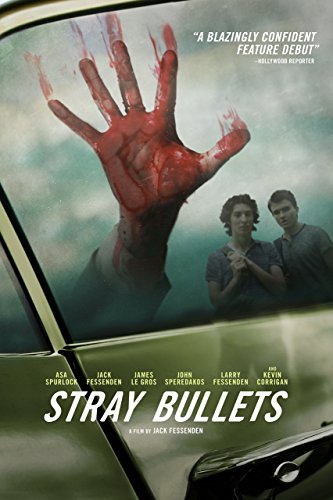
Exclusive: Alternate posters give STRAY BULLETS some teenage kicks!
February 9, 2017
Share:
RUE MORGUE: Exclusive: Jack Fessenden talks his zombie short RIDING SHOTGUN, available this week
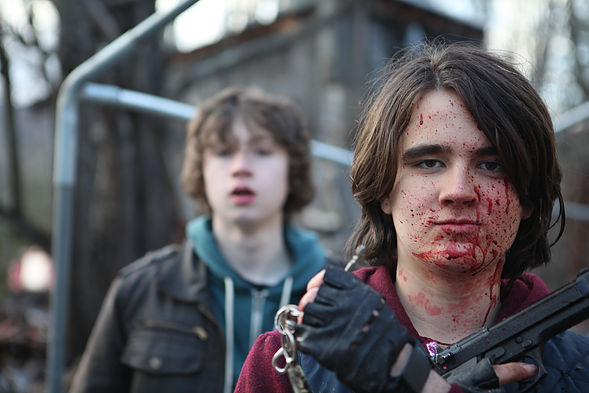
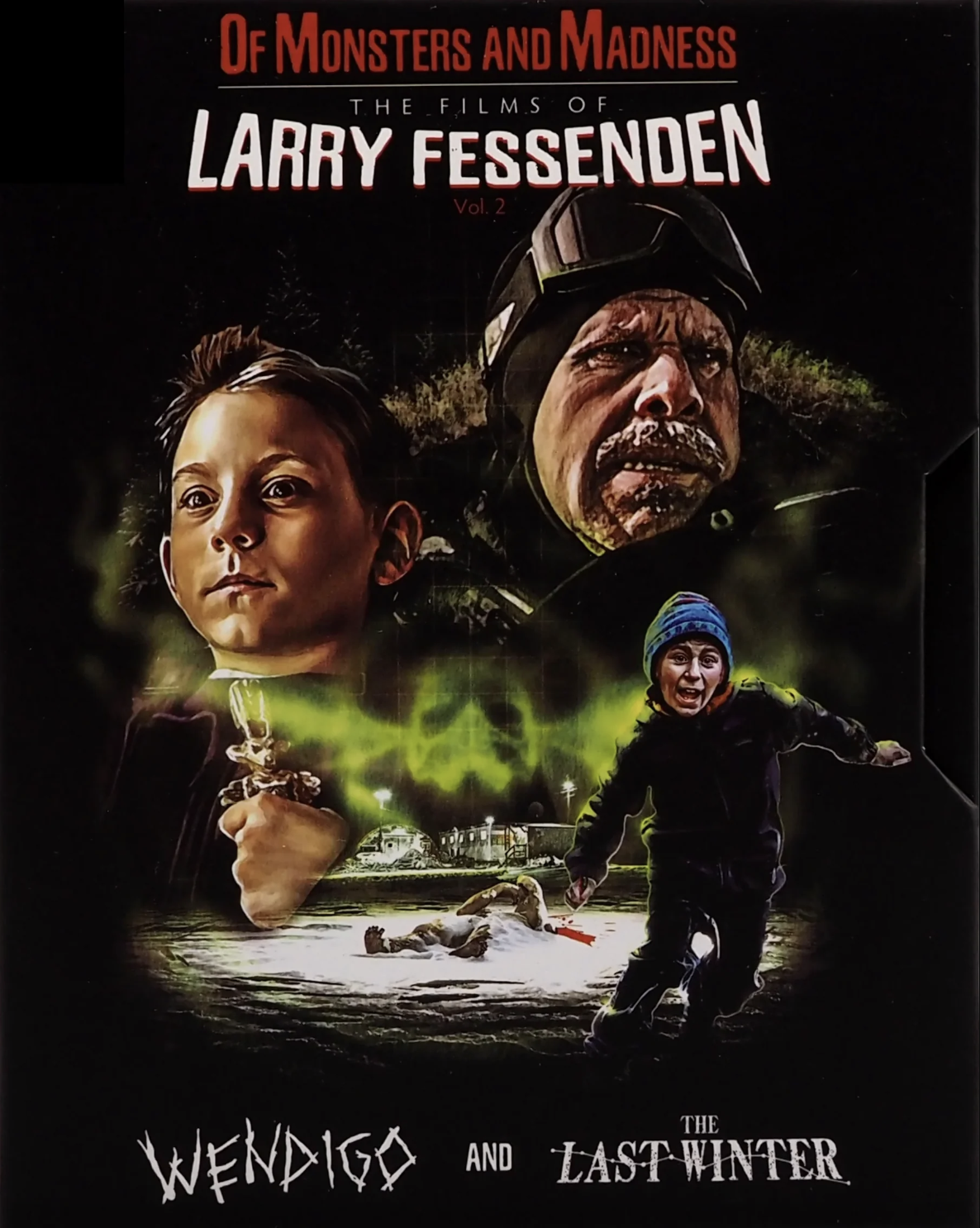
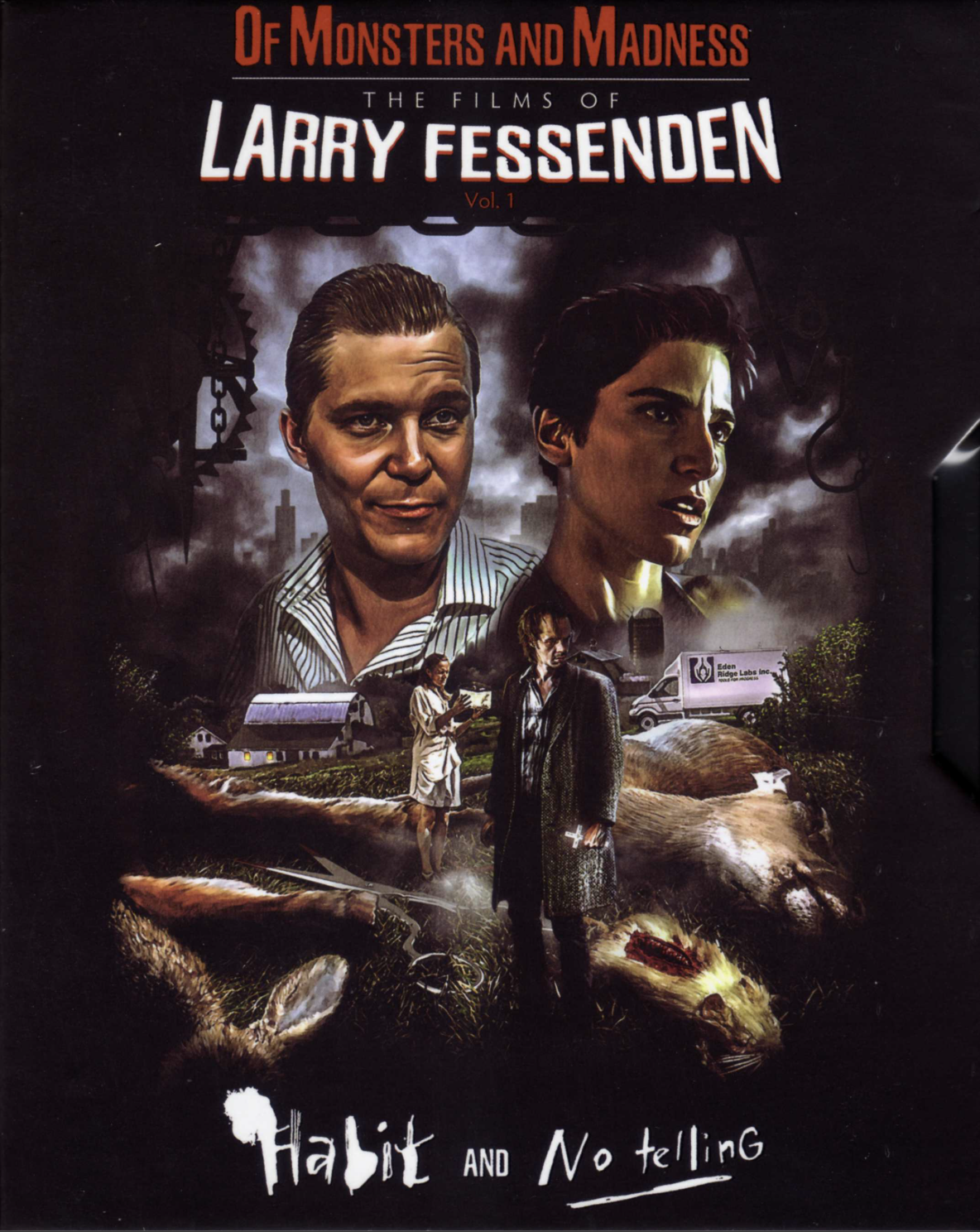
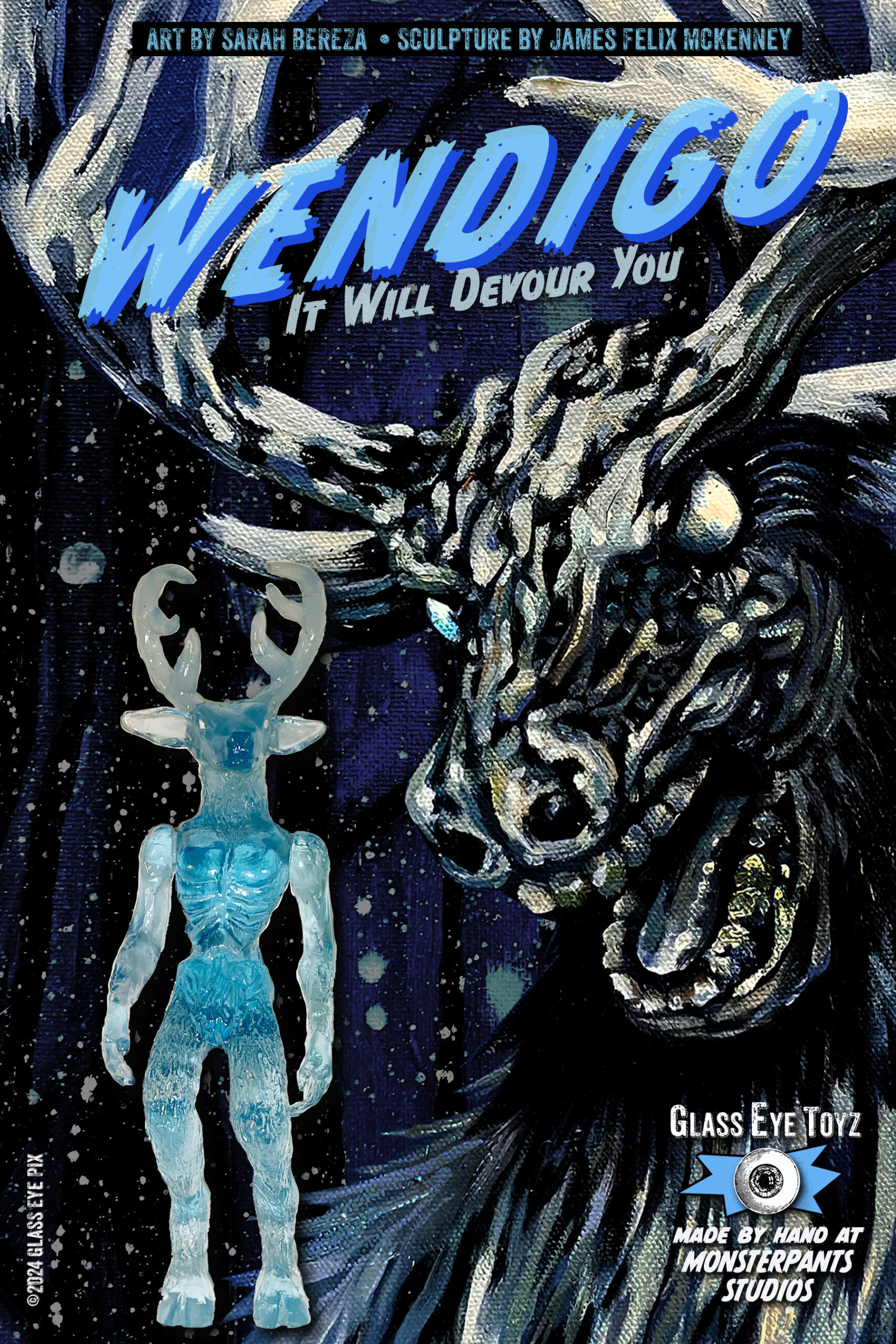
Jack Fessenden, son of filmmaker Larry Fessenden (who runs indie fright factory Glass Eye Pix and helmed the likes of HABIT, WENDIGO and THE LAST WINTER), didn’t wait long to follow in his father’s footsteps. The teen auteur’s “first serious” production, a short zombie thriller called RIDING SHOTGUN that he made when he was just 13, is commercially available for the first time this week, and we’ve got exclusive words with Fessenden about it.
RIDING SHOTGUN will be visible exclusively via iTunes tomorrow, February 10, in conjunction with Screen Media Films’ theatrical/VOD release of Fessenden’s feature debut, the violent actioner STRAY BULLETS. (SHOTGUN will be included with an iTunes purchase of the latter.) Fessenden and his friend Alex Hoffman wrote the short together, and also star as two friends bickering their way through a postapocalyptic wasteland infested with the living dead. “We developed the story in one day,” the now-17-year-old Fessenden (who discussed STRAY BULLETS in RUE MORGUE #173) tells us. “We were really sort of playing extreme versions of ourselves. The movie depends on our chemistry, and I think it works nicely.”

It was far from his first shot at directing, he recalls. “I always made movies just because I could when I was growing up, from the time I was 7 or 8 years old, with my friends. My dad would shoot them with a little point-and-shoot digital camera. But it wasn’t until I had just turned 13 that I wrote RIDING SHOTGUN. Before that, I hadn’t thought of filmmaking as a serious pursuit, but after I made it, I got a camera and started taking it more seriously.”
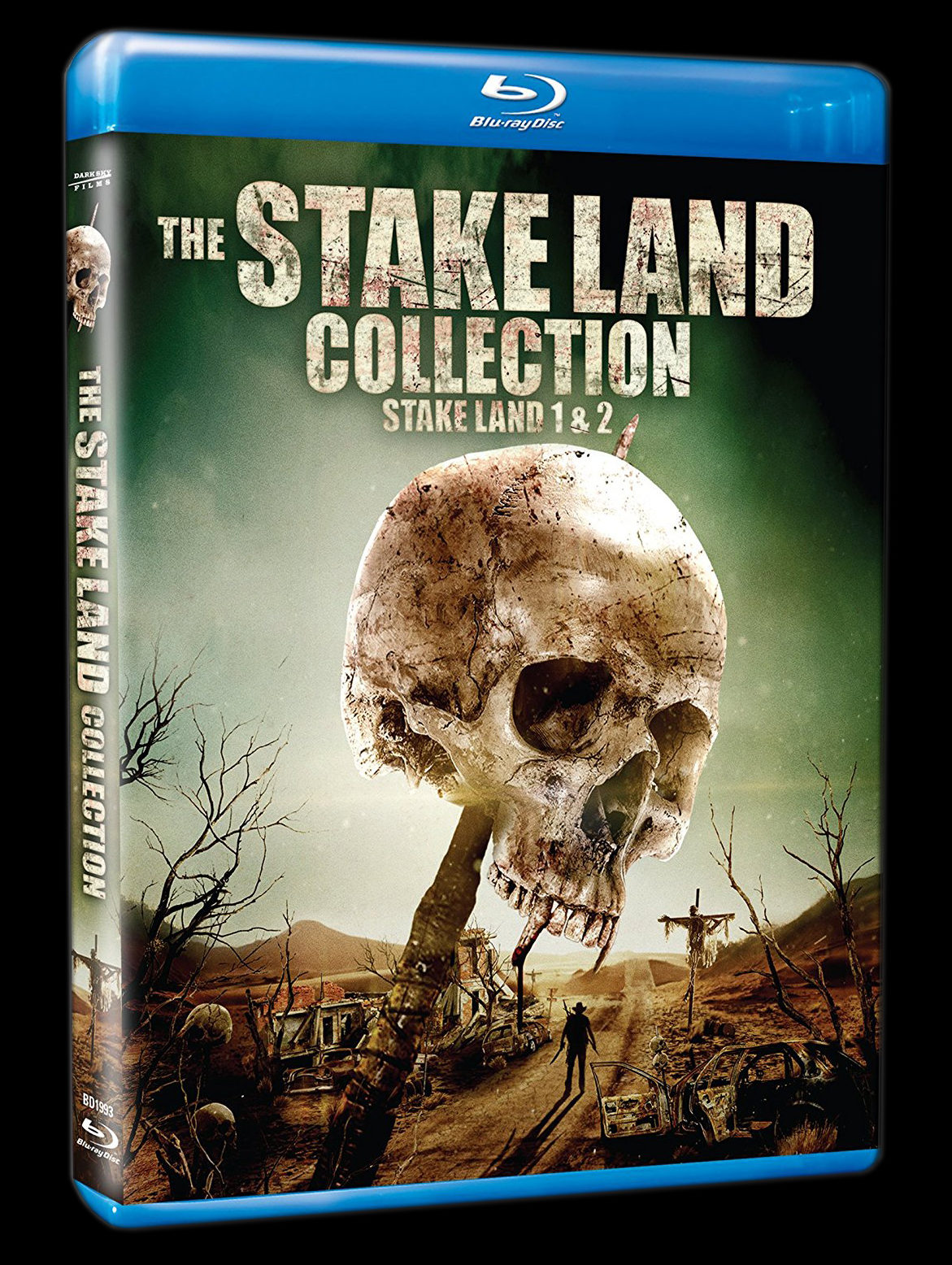
Fessenden notes that he also takes the zombie genre seriously. “I think apocalyptic movies and that sort of world are very cool,” he says, “because it places characters in a situation of extreme stress, and allows you to see them for who they really are. I was very inspired by STAKE LAND, which my dad produced. I had gone to that set as a kid, when I was maybe 10 years old.”
In fact, SHOTGUN’s ghoul prosthetics were fashioned after the vampire visages created by Brian Spears for STAKE LAND, and Spears applied them himself on the big zombie day, with Fessenden’s mother, production designer/animator Beck Underwood, taking that task on the rest of the shoot. Larry served as director of photography and plays a supporting role, as he subsquently did on STRAY BULLETS, and Fessenden says he’s never had a problem telling his father what to do. “I was always a very bossy kid,” he laughs. “I still call him ‘Daddy’ on set, which is pretty funny.”
SHOTGUN hasn’t had a great deal of exposure up to this point, due to issues with its running time: “It’s a difficult length,” Fessenden says, “because it’s a 32-minute movie, and that’s very long for a short.” An organizer at the Woodstock Film Festival wound up taking it on, and gave SHOTGUN its world premiere in front of Rob Kuhns’ George A. Romero documentary BIRTH OF THE LIVING DEAD.
Now, with both BULLETS (in which he also stars alongside James LeGros, John Speredakos and Asa Spurlock) and SHOTGUN headed out into the world, Fessenden says he’s not letting genre be his guide when picking his future projects. “I don’t really think about that too much,” he explains. “I just like telling stories about people, and all my movies have a common theme concerning friendships and their complications. Whether that takes me to horror or action or just plain old drama, it doesn’t really make a difference to me.”
And as for whether he’ll continue to cast himself in starring roles, he says, “I usually write scripts from my own personal perspective, which is why I end up in the lead. I want to try to get away from that, but for now, I think it’s fine.”
February 9, 2017
Share:
Film Journal:
…
None of which diminishes Jack’s achievement, Yes, his home was a supportive, immersive film school and he grew up watching young filmmakers ranging from Kelly Reichert to Ti West benefit from his father’s mentoring. But he also saw others spend years on movies they never finished, and the takeaway was a hard lesson he was fortunate enough not to have had to learn firsthand: Pre-production isproduction and winging it is a luxury for which low budgets do not allow. Jack went into Stray Bullets knowing that if you’re going to shoot a theatrical feature in 16 days, every minute on set/location has to count.
“Every scene was storyboarded by my dad and myself in the weeks leading up to the shoot,” he explains. “That’s not to say that we didn’t change things on set—we were very flexible—but we allowed ourselves to be flexible because we had that framework in place, which also made to very easy to edit the film.
…
February 8, 2017
Share:
MOVIE ELITE – Interviewed Nick Damici on behalf of Stake Land II.
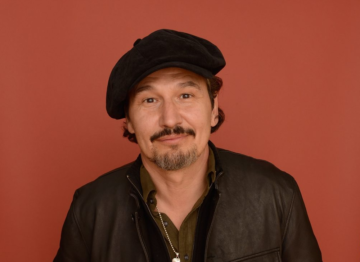
Fewer and fewer films are made and released with striking and distinctive voices all their own, and Jim Mickle’s vivid post-apocalyptic road film Stake Land from 2010 is such a picture. Written by its lead actor Nick Damici, who plays a tough vampire slayer of few words named Mister, the film is as American as they come with a stark vision of an apocalyptic future where vicious vampires have decimated the population. Damici’s Mister is a surrogate father and teacher of sorts to a young man named Martin (Conor Paulo), and together they form a special bond as they pick up more allies in a world gone wild. The sequel – Stake Land II (a.k.a. The Stakelander) – picks up years after the events of the original, but Damici is back as a rougher, harder version of Mister, and in this interview he discusses his inspirations for his apocalyptic vision, and where he’s coming from as the creator of these two vivid forays into the post-apocalyptic genre.
February 8, 2017
Share:
OZY: Profile of Jack Fessenden in the trendy rag. Check it!

For a magical period during the summer of 2009, 10-year-old Jack Fessenden slept in the closet of his parents’ bedroom in New York’s Catskill Mountains. His own room had been transformed into hair and makeup. Outside his family’s rambling farmhouse, the 11-person crew for the indie horror parody Bitter Feast slept in tents and bunked in the old chicken coop. Jack’s father, Larry, a veteran, was producing and acting. Beck Underwood, aka Mom, was production designer. This was not the first film shot at the old farm, but it was the first the boy saw in a new way: as a seductive experience. The house where the Fessendens spent weekends and summers now seemed bewitched to Jack, the familiar made wonderfully strange.
“I always thought what my dad does is so cool,” Jack, now 17, reflects. “The way he talks about film is so inspirational.” Discussion of every aspect of cinema was routine as toothbrushing in the Fessenden home, but seeing it put into action galvanized Jack. By the end of the Bitter Feast shoot, he had learned what differentiated director of photography from director and had gone Rollerblading with the boom operator. He stood in the still eye of independent filmmaking’s controlled whirlwind, watching everything. And he realized he wanted to do this when he grew up.

February 7, 2017
Share:
Village Voice: STRAY BULLETS “shows promise for its precocious director”
While Old People Were Complaining About Millennials,
a 16-Year-Old Made the Pretty Good Crime Thriller ‘Stray Bullets’
—Village Voice
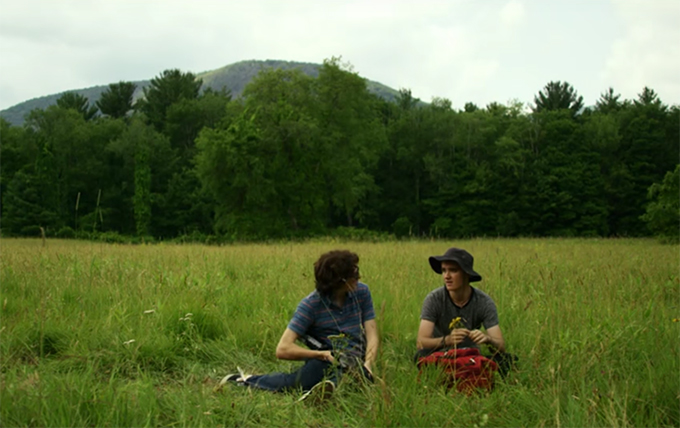
“She’s a beauty,” sixteen-year-old Connor says to his friend Ash as they gaze upon the glory that is their newly purchased paintball gun.
In his feature-length debut as a writer-director, actual sixteen-year-old Jack Fessenden (who also stars as Connor) captures that feeling, so familiar to kids but forgotten by adults, of mundane tasks being drawn out to the point of adventure — a feeling that fades once Stray Bullets takes a dark turn. The two friends quote Scarface and Apocalypse Now as they head to the trailer they’ve been tasked with cleaning out, distancing themselves from the reality of their situation.
In these early scenes the film seems on the verge of making cogent points about how young minds process violence, whether real or fictional, but then the necessities of plot intervene: An initially separate narrative thread finds three criminals on the lam after a job gone wrong. The film doesn’t fare as well once this trio (including Fessenden’s father, Larry, a longtime character actor) takes over, as the young filmmaker almost does too good a job of making the thugs seem two-bit and inept. (Watching one slowly bleed out in the back of a getaway vehicle, Reservoir Dogs–style, is somehow more reminiscent of the Wet Bandits from Home Alone, which is oddly appropriate.)
If we’re grading on a curve, though — and seriously, it bears repeating: Fessenden is literally sixteen years old — it’s impossible not to give the film kudos for being a not-bad genre exercise that shows promise for its precocious director.
February 6, 2017
Share:
Slant: STRAY BULLETS “reduces a stock scenario to its primal essence, informing genre blood sport with pulp transcendentalism.”
“What distinguishes Stray Bullets from so many other low-budget crime films
is Jack Fessenden’s sense of quietness… “
—Slant
Stray Bullets
While shooting Stray Bullets, Jack Fessenden—the film’s writer, director, composer, and co-star—was 16 years old. Filmmaking at any age or level of confidence is remarkable, but Fessenden’s accomplishment is particularly impressive, as he sidesteps many of the clichés and uncertainties that mark the efforts of neophytes, especially when working in the crime genre. Crime films have a tendency to encourage young filmmakers to insecurely posture themselves as too cool for school—to take refuge in references to other films while staging violence callously for cheap and shrill shock effects. Fessenden astutely recognizes his limitation of experience and tailors a film specifically to reflect and accommodate it, often incorporating ellipses that reflect the unformed point of view of young protagonists.
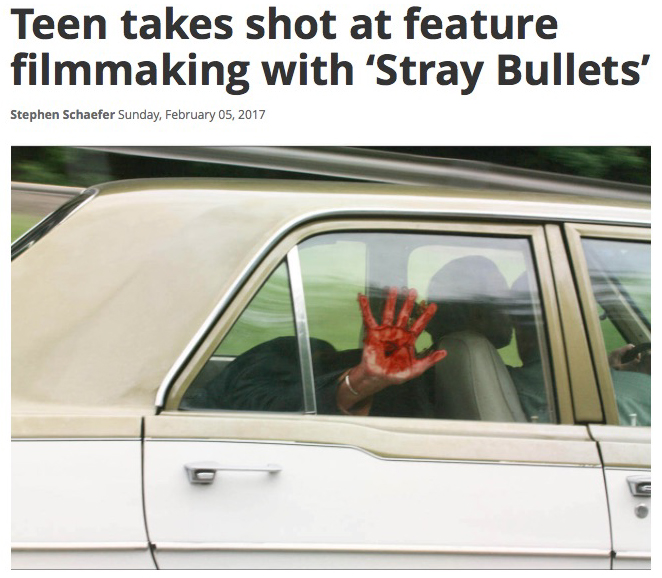
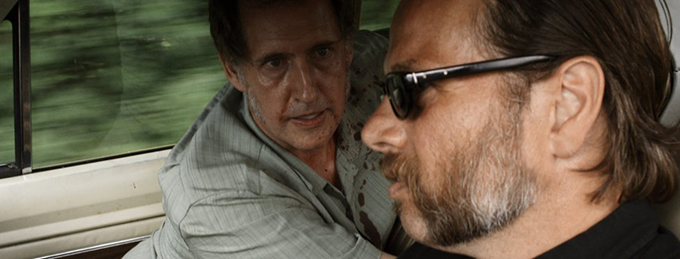
The film follows a classic crime-movie structure, setting up a few disparate narratives that will unite, of course, in a violent climax. In the primary thread, we follow Ash (Asa Spurlock) and Connor (Fessenden) as they screw around one morning, stealing a paintball gun, wandering the woods, flirting with girls, and putting off the work that Ash’s father, JT (Robert Burke Warren), has assigned them, which involves cleaning out a dilapidated trailer. In the secondary story, a gang executes a robbery that goes awry. Cody (James Le Gros), Dutch (John Speredakos), and Charlie (Larry Fessenden) steal a suitcase from a gangster, and head off into the woods, as Charlie gradually dies in the backseat of their getaway car from a gunshot to the gut, in a series of sequences that somehow never quite quote Reservoir Dogs.
It doesn’t take an astute viewer to figure out where Cody, Dutch, and Charlie are heading. What distinguishes Stray Bullets from so many other low-budget crime films is Fessenden’s sense of quietness. The filmmaker lingers on images, informing them with inchoate dread as well as a talismanic sense of wrongness. When JT runs into another father in a country store, they exchange pleasantries with curt, pleading facial expressions that fill in a wealth of implicated backstory within a matter of seconds. Ash and Connor’s frequent fondling of the paintball gun in the early scenes is contrasted heavy-handedly yet effectively against the adult gunplay of the other story, clearly foreshadowing later events. As a filmmaker, Jack owes a significant debt to the beautifully, evocatively scruffy films of his father, Larry, who also serves as cinematographer here, bathing Stray Bullets in autumnal light that connotes loss of innocence, as Ash and Connor amble toward a trap.
Fessenden displays a sense of parred authority that would be impressive for older, more experienced artists. The robbery that sets the second narrative in motion is framed through an alleyway that runs toward us almost three-dimensionally. We hear gunshots in the background, near the back of the alley, and the crooks gradually rush toward us to the front of the street. There’s a brief, strikingly horizontal gun battle, and the robbers are off in their car—a potentially intricate set piece reduced to a few evocative gestures.
The dialogue is similarly efficient, most notably the conversations between the bad guys, who don’t speak Tarantinoese but talk simply of the action behind and ahead of them with escalating desperation and panic. Cody has particularly memorable agency, with a clipped vocal delivery and pregnant physicality that simultaneously communicate suspicion and strange compassion. At one point, a criminal tells a compatriot not to fire his gun because the other guy’s just going to shoot back anyway. This display of common sense is remarkable in a macho genre that often prizes aggression as sensory stimulation above all, and it indicates a refreshing respect for human life that resounds throughout the film. (When innocent bystanders are killed in the haunting climax, their deaths are allowed to matter as violations against an ideal order.) Stray Bullets reduces a stock scenario to its primal essence, informing genre blood sport with pulp transcendentalism.