Penned by Tales From Beyond the Pale regular Jeff Buhler (The Stranger, This Oracle Moon, Guttermouth)
the Stephen King adaptation features GEP pal Amy Siemetz (BITTER FEAST, TFBTP Johnny Boy)
and “Young Chelsea” Jeté Laurence from THE RANGER.
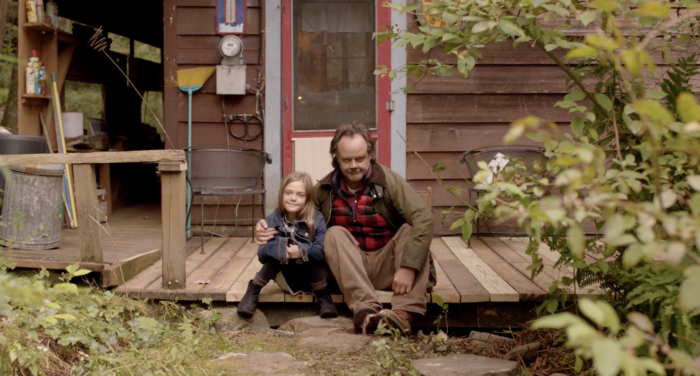
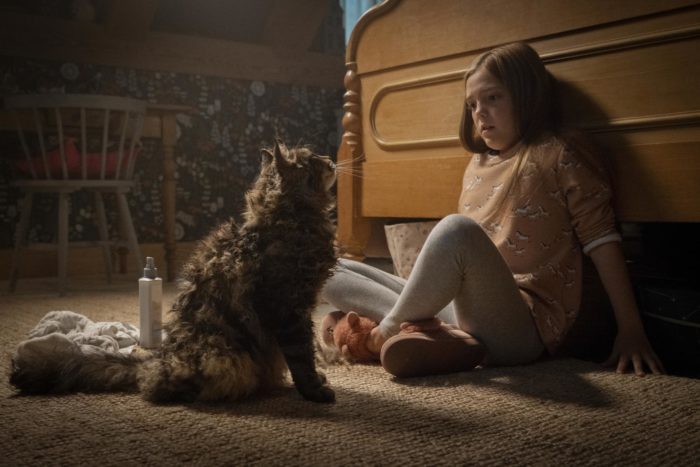
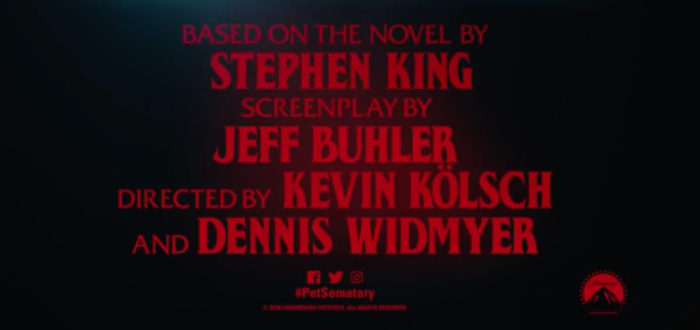



Penned by Tales From Beyond the Pale regular Jeff Buhler (The Stranger, This Oracle Moon, Guttermouth)
the Stephen King adaptation features GEP pal Amy Siemetz (BITTER FEAST, TFBTP Johnny Boy)
and “Young Chelsea” Jeté Laurence from THE RANGER.

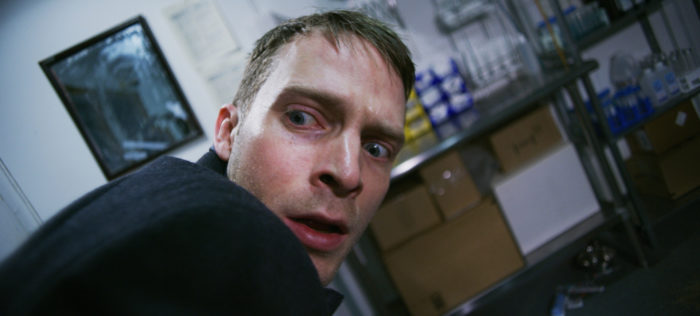
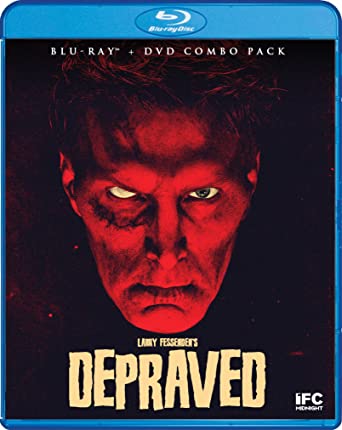
DEPRAVED isn’t the first time Larry Fessenden has delved into the Frankenstein mythos. The Godfather of Indie Horror Cinema played with reanimation in one of his first films, the mad science drama NO TELLING. That was 1991 and even though NO TELLING was a memorable and powerful film, Fessenden has perfected his distinct style and delivered a stunning low fi masterpiece in DEPRAVED.
Fessenden brings Mary Shelley’s tale into the modern age, following a PTSD afflicted war medic named Henry (David Call) who pairs up with an opportunistic pharma businessman named Polidori (BLAIR WITCH PROJECT’s Joshua Leonard) to test their new experimental drug on a recent murder victim. Naming the reanimated victim Adam (Alex Breaux), Henry goes about his private rehabilitation in a meticulous and careful manner – teaching Adam basic coordination and memory skills. Of course, this isn’t fast enough results for Polidori. Meanwhile, Adam is having flashes of his previous life and urges to find a mate of his own, much like Henry’s devoted girlfriend Liz (Ana Kayne). You know where this is going…and it’s going to be bad.
Fessenden hits all of the story beats we’ve seen in tons of reinterpretations of the Shelley classic. The difference here is that Fessenden distills the basics from the story and applies it to a modern tale of big pharma, lofty ambition, and the conflict between corporate demand vs. humanitarian treatment. Despite those heady themes, DEPRAVED is drenched with character and heart all around, as Fessenden imbues both Henry and Adam with sympathetic traits. Henry wants what’s best for Adam, looking after him like a child. But this treatment isn’t happening fast enough by Polidori, who is desperate to report results and make money off of all of this. This conflict is one of two in this tale, paralleled with Adam’s struggle to regain his humanity. All elements work marvelously and reflects Shelley’s tale in an intricate way that most Frankenstein tales fail.
Another thing that sets this film apart is Fessenden’s unique cinematography. Fessenden uses quick montages of images, simple overlays of color and light, and other rudimentary (but effective) camera effects that gives even more substance and style. This is a technique Fessenden has used before in films such as WENDIGO and THE LAST WINTER. Though this technique has been used by other directors (Aronofsky’s REQUIEM FOR A DREAM, for example), it feels like Fessenden’s unique stamp on each of his films. I would love to see Fessenden get his hands on a big budget film. He has been behind the scenes for way too long and has been a major trumpeter for many of the best voices in today’s horror game. Maybe he is comfortable with the low budget control and personal take to all of his own films, but I’d love to see what this soulful and passionate filmmaker would do with a couple of mill. That said, DEPRAVED is truly one of the best FRANKENSTEIN adaptations you’re going to find. Be on the lookout for it
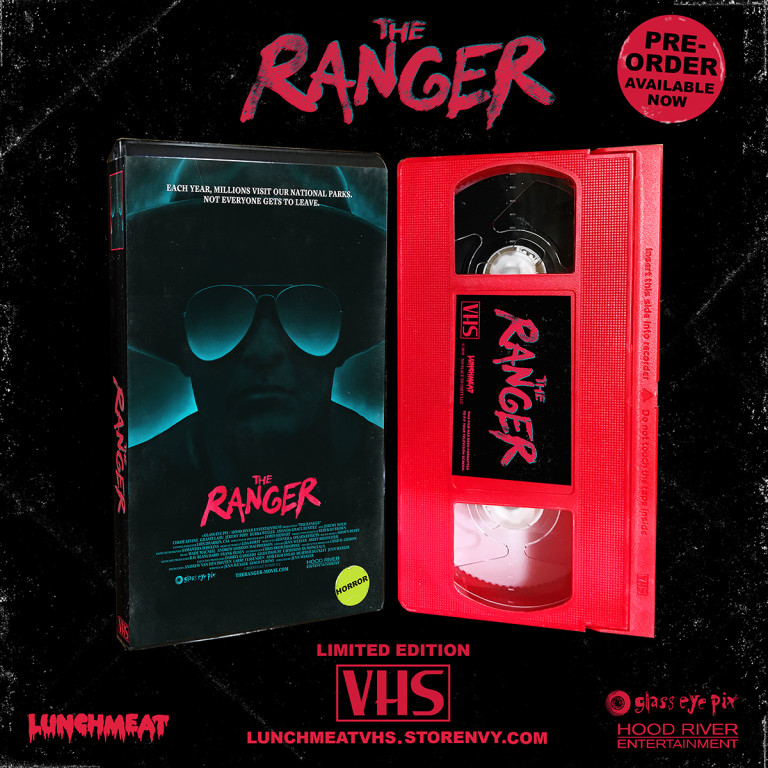
Jenn Wexler’s THE RANGER comes to Limited Edition VHS, a Lunchmeat exclusive.
“THE RANGER is the movie I wished I could have watched on VHS as a kid. It’s set in what I like to call “1980s dreamland,” an imaginary past reminiscent of ’80s punk horror classics like RETURN OF THE LIVING DEAD. Having Lunchmeat create a RANGER VHS is a dream come true. Now all I have to do is time-travel back to sneak it onto the shelf of my local video store.” – Jenn Wexler
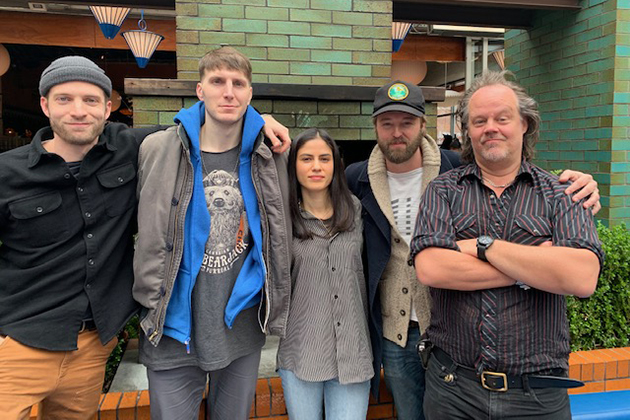
I wasn’t able to see any other films at last week’s second annual What the Fest!? genre film festival at the IFC Center in New York City, but I am confident in assuming there were none better than Larry Fessenden’s Depraved, which sold out on opening night.
A clever, provocative, terrifically acted and written modern-telling of Frankenstein, it is the cult director-writer-producer-editor-actor’s best film in a long career that includes the prize-winning art-horror trilogy Habit, Wendigo, and—about another scientist doing diabolical experiments—No Telling). I especially appreciated how Fessenden exhibits respect for Mary Shelley’s source novel and the classic horror films it spawned, yet injects 21st century ideas and issues into the story in startling ways without angering don’t-change-a-thing traditionalists like me.
You may know Fessenden from his supporting roles for directors Martin Scorsese, Ti West, Neil Jordan, and Jim Jarmusch, and appearances in numerous horror films. You may not know that since 1985, his Glass Eye Pix has released an impressive array of low-budget films of all genres, including Kelly Reichardt’s Wendy and Lucy and Ti West’s The House of the Devil and The Innkeepers. A horror fan since he was a boy, Fessenden, who has “made it my mission to breathe new life” into Universal Studios’ classic monster movies, wanted to update Frankenstein in order “to pay tribute and respond to one of the great icons of cinematic horror, to analyze where Western culture has succumbed to narcissism and collapse, and to tell a personal story of being alienated simply by being conscious in an indifferent and arbitrary world.”
Having wanted to tackle the Frankenstein story since 2003, he finally “decided in December 2017 to mount a no-budget version of the film by committing to a location and starting to build a set. I figured if I couldn’t raise the money, I would only lose the cost of the rental on the space [in Brooklyn] and the supplies to make the wall of windows that would play as our industrial loft. I liked to joke that I built my wall before Trump built his.”
The (slightly edited) synopsis in the press notes: Alex (Owen Campbell) leaves his girlfriend Lucy (Chloë Levine) after an emotional night, walking the streets alone to get home. From out of nowhere, he is stabbed in a frenzied attack, the life draining out of him. He awakes to find he is the brain in a body he does not recognize. The creature, Adam (Alex Breaux), has been brought into consciousness by Henry (David Call), a brilliant field surgeon suffering from PTSD after two tours in the Mideast, and his accomplice Polidori (Joshua Leonard), a predator who married their rich classmate Georgina (Maria Dizzia) and is determined to cash in on the experiment that brought Adam to life.
After teaching his strong and smart but innocent creation things that will help him integrate into society—except about the birds and the bees–Henry is increasingly consumed with remorse over what he’s done. Only Liz (Ana Kayne), Henry’s estranged girlfriend, reaches out to consider the creature’s loneliness. But that can’t save him: when Adam discovers his own origin, he goes on a rampage that reverberates through the group and tragedy befalls them all.
Last week at the B Bar & Grill in Manhattan, I had this free-wheeling conversation with Fessenden (who doesn’t appear in the film) and its four major stars: David Call (Tiny Furniture), Alex Breaux (Ana Duvernay’s upcoming Netflix miniseries Central Park Five), Joshua Leonard (Blair Witch Project, Unsane) and Ana Kayne (Another Earth, NBC’s new series The Enemy Within) about Depraved and its significant themes and characters.
Danny Peary: Larry, I read in the press notes that there was an audition involved in regard to Alex playing Adam. That surprised me because I assumed while watching Depraved that all your actors knew you and each other from the indie scene.
Larry Fessenden: That’s good! It wasn’t that we were a team, but we discovered that most of the people who worked on this film did know each other to some degree. For instance, it turned out that David had been in Behold My Heart [2018], the last film Joshua directed.
Ana Kayne: I knew David and Chadd Harbold [who co-produced the film with Fessender and Jenn Wexler].
Joshua Leonard: This was the second time that Maria Dizzia played my partner in a movie.
DP: All of you are not just actors but writers, producers and directors, so was there an instant community?
David Call: We came from the same background and worked with a lot of the same people over the years, so we were sort of on the same page. It was a really good group of collaborative folks.
JL: Larry set the tone for a good collaborative environment and there was a lot of camaraderie on the set.
DC (joking): And one of us—Alex [who has acted On- and Off-Broadway]—was highly trained.
DP: Larry, I read that when you were young you got hooked watching Universal horror films? Me too. I was eight when Universal sold all those films to television and I’d watch them one by one and not sleep at night. They changed my life and though you saw them more than a decade later, I think it changed yours, too.
LF: I appreciate your bringing that up because that’s exactly what happened. Until Universal sold its movies, its monsters [the Frankenstein monster, Dracula, the Wolf Man, the Mummy and the Invisible Man] had fallen out of vogue. But suddenly a whole new generation of kids started watching them and that led to the Aurora Monster Models kits and fanzines like Famous Monsters of Filmland. It was actually a cultural phenomenon and kids my age grew up on those monsters.
It made a real imprint on me. That’s why I grew up with Frankenstein and can still relate to it. Of course, they’ve always made new versions since the original in 1931 [which was directed by James Whale and starred Colin Clive as the Doctor, and Boris Karloff as The Monster]. For me, the version starring Michael Sarrazin [a 1973 TV-movie titled Frankenstein: The True Story] was very striking because the Monster was humanized. He actually starts out very handsome and then he slowly decays. That made an impression on me.
DP: So, Alex, when you saw that Larry chose to put in the credits that you play The Monster, rather than Adam, did you think Larry should have put the character in quotes, as “The Monster,” or had you decided he is a monster? That’s the big question people have been asking for almost 90 years.
Alex Breaux: You’re talking about self-definition versus outside perception. My character is perceived by other people as a monster or creature, and he is referred to as that. However, our film is psychological in nature and I think Adam is living within himself and doesn’t understand the “Monster” concept.
DP: The poster for the 1931 film proclaimed FRANKENSTEIN: THE MAN WHO MADE A MONSTER. So the character was always called a monster, even though there was some question about who really is the monster of the story. I don’t think Karloff, who got the role when Bela Lugosi turned it down, objected to his character being called The Monster, but a theme of both James Whale films in which he played the role, Frankenstein and Bride of Frankenstein, and Larry’s horror movies, is that our world has human monsters.
AB: In the script, the character’s name is Adam. That’s the name given to him by his creator, Henry, David’s character. I treated the first half of the film as an accelerated coming-of-age film, where Adam’s creator and father figure tries to build up his confidence and improve his behavior and capacity to integrate into society. I see that as an earnest movement forward by The Monster, even though it’s motivated by Big Pharma and Polidori for more cynical reasons that he’s not aware of.
DP: Larry mentioned Michael Sarrazin’s Monster being handsome at first. Alex, if your character Adam were handsome and have no stitches all over his body, would anyone think him a monster and shun or fear him?
AB: I feel Frankenstein as a parable about discrimination against a minority. What are the differences people pick out that relegates one to the in-group or out-group? What makes Adam a monster is that he’s not human because he’s been assembled from all these human parts. That makes him different.
DP: There’s an adage in horror: If you look like a monster, you will act like a monster.
DC: I think Henry’s whole journey is to recognize Adam’s humanity. In Henry’s mind for most of the film, Adam is not a monster but an experiment or a project not unlike a car that he’s building in his garage. I don’t think he views his creation as a monster or as a person, but as a thing or object he’s made that he wants to work and then work better and better. Only as the film goes on does he begin to recognize Adam is something more. It’s like “Oh, this is a person. I made a person. Uh, oh.”
DP: Larry, do you think Henry would have done this experiment to bring a dead person back to life if he weren’t suffering from PTSD after being unable to keep some injured soldiers alive on the battlefield?
LF: I wanted to show that society thrust him into an impossible situation by sending him on a dubious mission. I’m saying society has let down our soldiers who fought honorably and were there to save lives. As a medic, Henry did try to save lives but felt guilty that he couldn’t bring back to life those who died. He came back haunted by that and that’s why he says he wants to right a wrong. But who takes advantage of that is his friend Polidori, an enabler.
DP: One of the most important lines in the movie is two words long. It’s Henry saying to Adam, “I’m your…” He stops himself from saying more. David, what doesn’t your character say?
DC: I don’t think he knows what to say. Is it “creator?” Or “builder?” Or, since he’s kind of a human being, “father?”
LF: Henry’s whole journey is his coming to realize that he is his father. At a key moment late the film, Henry has a memory of them being together as, he probably views it, father and son.
DP: In the first scene of the movie, Alex and Lucy argue about his unwillingness to have a child with her and whether he could be a good father. Why was it essential for that to be what their conversation is about?
LF: Because the whole movie is about parenthood. Polidori says to Adam, “I don’t suppose Henry has had time to teach you anything.” Yet Henry has taught him music, how to solve puzzles, and how to play ping pong. But Polidori has his own idea of how to present the world to Adam, first with high art at the Met and then a strip club.
DP: Polidori also teaches him pool, which is much more of a vice than ping pong.
LF: Exactly. There are puzzles and games all the time throughout the movie. Even Shelley [Addison Timlin], the woman Adam meets in the bar, is solving a puzzle. The human mind is always trying to solve problems, actually our emotional and spiritual ones. That’s the idea there.
DP: Larry, you won’t mind my disagreeing with something you wrote in the press notes: “In most versions of the story, the doctor is repulsed by the creature.” I think Frankenstein always sees his creation as a beautiful masterpiece. He is never repulsed by its looks. He is, however, horrified by its violent, cold-blooded acts, which are like a slap in his face and shock him back to his senses.
LF: Maybe you’re right, but there is a scene in Mary Shelley’s book and in most of the movies in which Frankenstein rushes into his bedroom and collapses out of despair, and the Monster comes in and parts the curtains. In the original story, that’s the seminal moment—he rejects the creature and the creature leaves. Maybe I played too loosely with the word “repulsed.” but the point is that he does reject the creature in the traditional sense. In my film, it’s played more subtly with Henry slowly becoming more confounded and disappointed in his creation—that’s his form of rejection.
DC: I don’t know that he’s so much repulsed by the creature as what the creature represents. The creature is a physical representation of Henry’s own hubris and lack of a conscience. As I said, The Monster is his work, his experiment, and when Henry is forced to confront his creation’s humanity he’s also is forced to confront his own inhumanity. I think he’s more disgusted with himself than with the creature specifically.
DP: Larry, in the scene from the novel and some films that you described, I believe The Monster opens the curtains in order to bring God’s sunshine back into Frankenstein’s dark, secretive world, which has been absent since the crazed scientist started playing God himself. Frankenstein realizes he has committed blasphemy by usurping God’s creator role. Your modern-day film, however, doesn’t bring God into the conversation.
LF: I believe strongly that this is an existential Frankenstein movie. It’s precisely dealing with the idea that if there is no God and we are the masters of our destiny, then the ways we make decisions, handle technology, and address the issues of life and death are actually done in our names. This movie very specifically takes the initial premise from the great versions of Frankenstein but then moves away from our accepting the God-servant role and says we are in fact the gods. It presumes that.
Also, to me, one of the big little moments in the movie is during the scene in which Polidori takes Adam to the Metropolitan Museum of Art. Adam listens to Polidori speaking about morality in different ways and how humans are narcissistic and depraved, but there is one moment when Adam is looking at a painting of Christ and he is really drawn into it. We linger on that for a moment but Polidori just walks by without saying anything.
This takes place pretty much at the center point of the movie and my idea is that The Monster is drawn to that image of Christ and may be asking himself a spiritual question like “Why is this a powerful picture?” Yet Polidori just ignores it, because in a sense we’re in a godless time in our history. Polidori had a line about the image that was a little preachy in which he says, “Never has humanity wasted more time on something,” but I preferred having Polidori not think the painting is worth mentioning and so just keeps walking.
DP: Joshua, John Polidori is not in the opening of Bride of Frankenstein, although historically he actually was present when Mary Shelley, Percy Shelley and Lord Byron challenged each other to write the best horror story. In fact, he’d write the first vampire story. But Larry references Faust by making him a manipulative Mephistopheles figure in Depraved, a terrific villain who is, I believe, trying to corrupt an innocent. Is that the approach you took?
JH: No. I certainly didn’t approach it with Polidori having the motivation to corrupt a soul. To me, it was far less calculated and far more tragic than that. It had so much less to do with his intentions regarding anyone else than his desire for self-preservation and the notion that he can’t do much on his own. Polidori feels the need to align himself with people who are smarter and richer because he has so little of substance that he can offer himself.
DP: An elitist villain for our times.
JH: Yes. We talked a bit about how he represents the capitalistic id of America. There was a lot of media about Martin Scarelli at the time we were making the film. And that guy [who increased the price of a vital HIV drug by 50 times] was a fascinating creature to me because of how unapologetic he was about being a monster and yet when you watched him you saw this entirely broken human being.
DP: Making Polidori a villain, essentially taking the place of Ernest Thesiger’s memorable Dr. Pretorius in Bride of Frankenstein, was one of Larry’s big changes to the Frankenstein story. Another major difference is the role of the primary female character, who is Elizabeth in the novel and two 30s movies, and Liz in Depraved. The major change is that while Elizabeth is not privy to what her obsessed man Frankenstein is doing behind closed doors, Liz knows of Henry’s unnatural experiment and, though reluctant, she is complicit in his crimes. So, Ana, was it interesting to you that the role of the character was being changed so radically?
AK: I actually wasn’t familiar with how the character has been viewed. I didn’t know about changes and just embraced what was on the page.
DP: What does she see in Adam that makes her be the only one to treat him warmly, as a human being?
AK: She is attracted to his isolation and loneliness. And she innately wants to take care of this obviously unwell creature. I’m just making this up right now, but I think there’s a tenderness and vulnerability that she sees in Adam that isn’t present in Henry, and she finds that beautiful and attractive and that escalates to… I’m not sure what.
DP: His innocence and honesty also must appeal to her.
AK: Yeah, she’s not really finding that in her primary relationship, and this nether creature is living in this place of vulnerability.
DP: You spoke of her innate desire to take care of him. Do her innate qualities include a desire to act as his mother would or act like a girlfriend?
AK: I think both. Although my original impression was that she doesn’t have sexual feelings toward him and that she feels strictly a mothering thing. He is so lonely that her feelings move toward a slightly sexual thing, but I think for her it’s more curiosity than a desperate need for connection. It can be interpreted as sexual, but I didn’t come from that place.
LF: One thing you mentioned is important. She is complicit. She goes to Henry, “You mean you really did it?” That means he has been talking about creating someone from the parts of dead bodies for the longest time. Liz and Henry drifted apart perhaps, but there is a sense that she knew what he was up to all along. The same with Polidori’s wife, Georgina. Before they see the creature moving about, the two women may not have entirely believed it’s possible to create a living being from dead people’s body parts, but they knew what Henry and Polidori were up to.
The other thing I’d like to say is that Liz is supposed to be the conscience of the movie. Everyone else is behaving very selfishly. And in her backstory we get snippets of who she is. She is someone who chooses to work at the Veterans Hospital and tries to help people. Henry tells her, “You can’t solve everything with kindness.” But we get the impression that kindness is what she does put out into the world. Even when it becomes slightly sexual with Adam, her allowing him to “explore” is another act of generosity.
DP: One of the interesting questions about the two Karloff films is: Does anyone feel guilty about the murders The Monster commits? In the two Karloff films, it’s not clear if The Monster ever feels guilt for murdering people. At the end of Bride, he sends Henry and Elizabeth to safety and stays behind to die with the Bride and evil Pretorius. But even then we don’t know if The Monster knows he has done wrong or just realizes that he is an abomination who doesn’t belong in this world.
AB: I think he feels not so much guilt as confusion. He has an internal logic. When he ends up hurting the woman he meets at the bar, he assumes that Henry can perform the same magic he did on him and put her back together again. When Henry yells at him, “It doesn’t work that way!,” it starts dawning on him that he should feel guilty about something, that he misinterpreted the logic of the reality he is living in.
LF: He gives something of Alex’s back to his girlfriend, Lucy, who’d given it to Alex on the night of his slaying, because he figures out that she is the girl he keeps having flashes of in his memory. Then, realizing he caused a lot of deaths, he exiles himself. In a way he does learn a lesson and knows that it’s best if he removes himself and walks away, which, of course, is how it is in the book. In the book, he says he went away on the waves, which too is self-exile. That’s the tragedy of The Monster.
DP: As I said, Henry is horrified by the murders, but perhaps his guilt is not about the deaths themselves, which he blames on The Monster, but about his defiance of God. David, does your character feels guilt of any kind?
DC: Henry feels guilt for sure. But not until The Monster tells him, “I want to have a girl, like you have a girl.” That’s when Henry is confronted with the humanity of this being he has created and the realization that it can never actually have a human life and participate in humanity even though it is in some degree human. That’s where the guilt comes from and why Henry ultimately decides he should kill The Monster.
DP: Ana, does Liz feel guilt?
AK: Definitely. And she takes on Henry’s guilt as well. She didn’t help him create The Monster, but when she makes the switch and becomes complicit in Henry’s attempt to get rid of The Monster, she feels tremendous guilt. That’s what drives her toward madness.
DP: I think Polidori is the one character not to feel any guilt.
JH: It will take Polidori a good 10 years in therapy for him to get to the point where he can even touch on guilt.
DP: To me he exhibits the casualness of evil.
JH: I don’t think it’s so casual. I don’t think he’s a sociopath, I just think he has such a perilously constructed version of who he is in his own brain, and that if you pull one thread it will all fall apart.
LF: My favorite moment is when his rich father-in-law says he doesn’t care about what his company is doing, and Polidori’s whole world drains away.
AB: Polidori is a capitalist and his morality is connected to his survival.
LF: When Polidori tells the angry Monster, “I’ll take care of you,” he’s just groping at straws to survive. He’s feigning remorse.
DP: Did you want all your characters to feel guilt?
LF: It’s a movie where I’m trying to say who accept their own responsibilities and to what degree. So it is a story about accountability and exactly when people will recognize they have it.
DP: Larry, in 2003 you came up with the idea of making this film by writing a one-page synopsis. Is this the film you had in mind back then?
LF: Yes. I like to point out that when I put the edit together—very quickly, because it all went together—I asked myself, “What did I do?” Because I wondered if I didn’t make it scary enough or forgot to do certain things that would make it easier to sell and not let down people who will want it to be another type of film. So while this is absolutely the film I have wanted to make for all these years, I wondered if it is the right movie.
DP: I can say that it is.
On Tues., March 26, the sixth annual NY Acker Awards will once again honor some of the
best and brightest local contributors to the Downtown arts community.
Among this year’s diverse group of recipients are
film directors Larry Fessenden and Beck Underwood
Produced by documentarian Clayton Patterson, the Acker Awards recognize
avant-garde artists, writers, musicians and community organizers
that enliven the Downtown arts scene. While the event’s name pays homage
to the late feminist writer Kathy Acker, it’s also an archaic Dutch word that means
“a visible current in a river.”

NY ACKER Awards
Tuesday, March 26, 2019
Theater For The New City,
155 First Ave.
Doors Open 6 program starts 7 PM
FREE OPEN TO THE PUBLIC….
Creator Producer: Clayton Patterson
MC: Phoebe Legere
Entertainment: Gryphon Rue, Keith Patchel
Life Time Achievement: Theater for the New City – Crystal Fields & Jan Herman editor, writer, blogger
Candy Darling Award:Cynthia Carr writer, historian, intellectual. Presented by Ruby Lynn Reyner.
Art: Alexandra Rojas, Brigitte Engler, Carol Ann Braddock, Linus Brant, Mimi Gross, Andrew Castrucci & gallery, Marty Martin & community support.
Theater: Susan Cook playwright Susan Cook playwright, Vit Horejs puppetry & producer, Melba LaRose.
Performance: John Kelly & art, Anne Lobst & Lucy Sexton Dancenoise.
Film:Larry Fessington director & producer, Beck Underwood producer & animation, Tessa Huges & curator. Jacob Burckhardt, Tom Jarmusch.
Venue Erez Ziv theater, Trigger Smith music, Liberrad Guerra culture creative director.
Historic Preservation:Andrew Berman.
Music:Chris Iconicide & documenting, Jesse Malin & venue, Josh Wilson & mentor, Power Malu & community support, Johnny Velardi & art, curator.
Writer: Bonnie Sue Stein writer/producer, David Herskovitz writer/publisher, Michael Carter, Brian Belovitch. Lee Ann Brown Poetry,
Photography: Efrain Gonzalez.
Community Support:Lilah Mejia
Jewelry: Spencer Fujimoto & skateboarding, community.
Director/curator: Ted Riederer & artist.
Skateboarding: Alex Corporan& marketing, event planner, community.
Tattoo artist: Tommy Houlihan & studio, Baba Austin & studio.
Posthumous Awards Cups: Anthony Zito Adela Fargas, Joe Heaps, Harry Smith, Brian Butterick, Herbert Huncke, Ira Cohen, Charles Gatewood, Louis Cartright, Matty Jankowski, Philly Abe, Lionel Ziprin, Boris Lurie, Al Orensanz, Bill Heine, Bill Salmon, Konstantin K. Kusminski Thom deVita, Rev. R.O. Tyler.
Video: Brian Neff, Alicia Angel & 360 photography: Roman Dubchak, RoyalZ
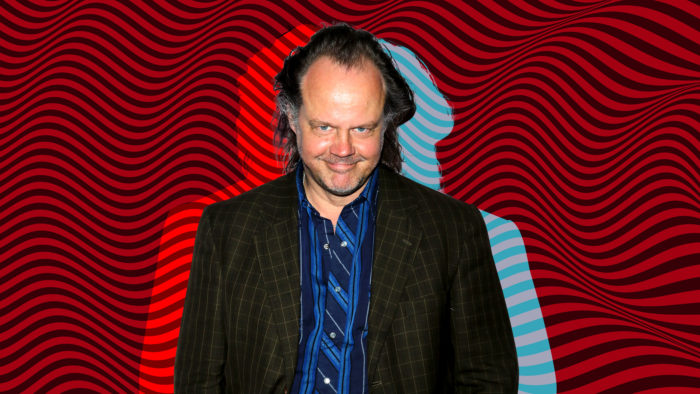
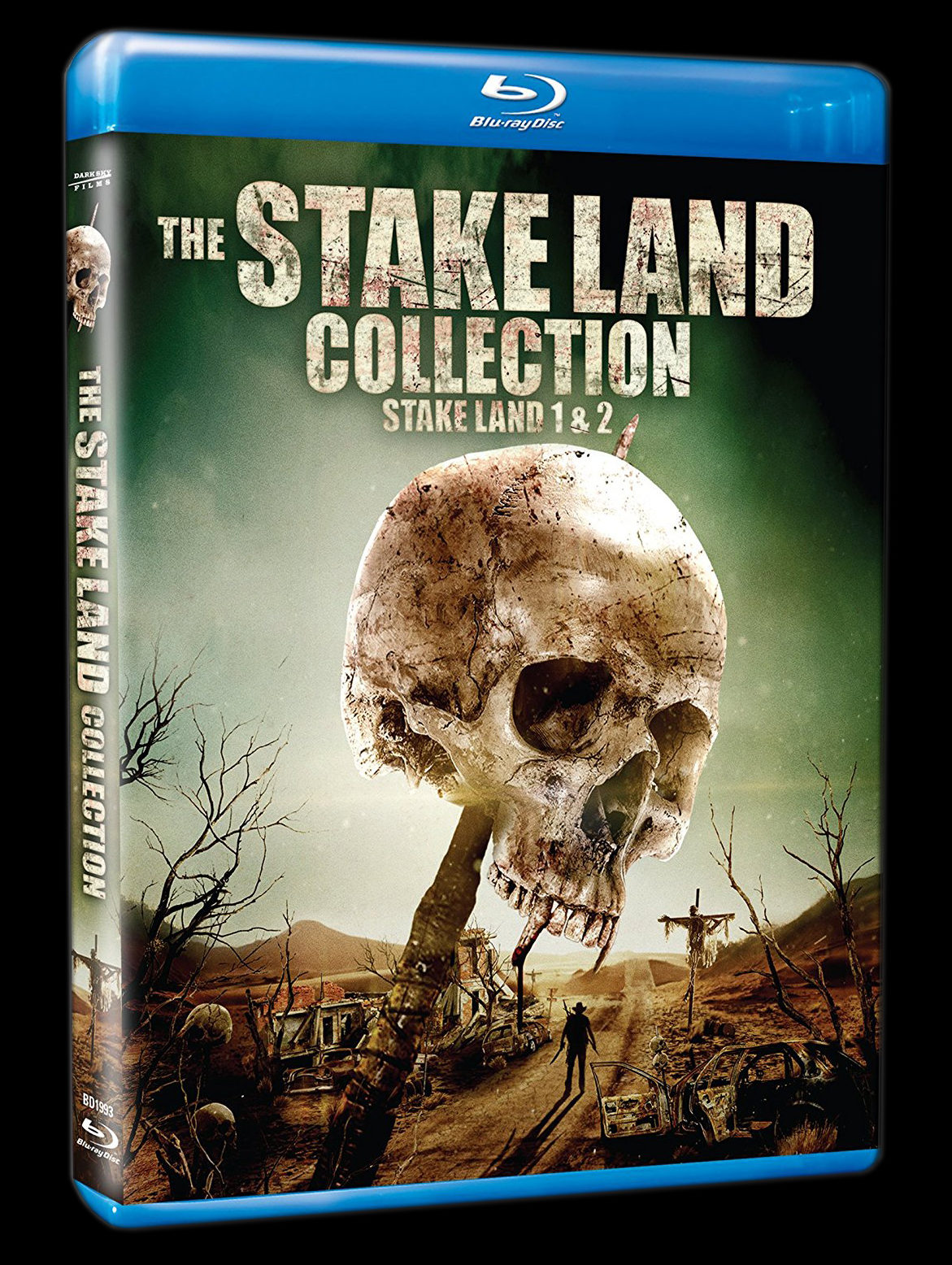
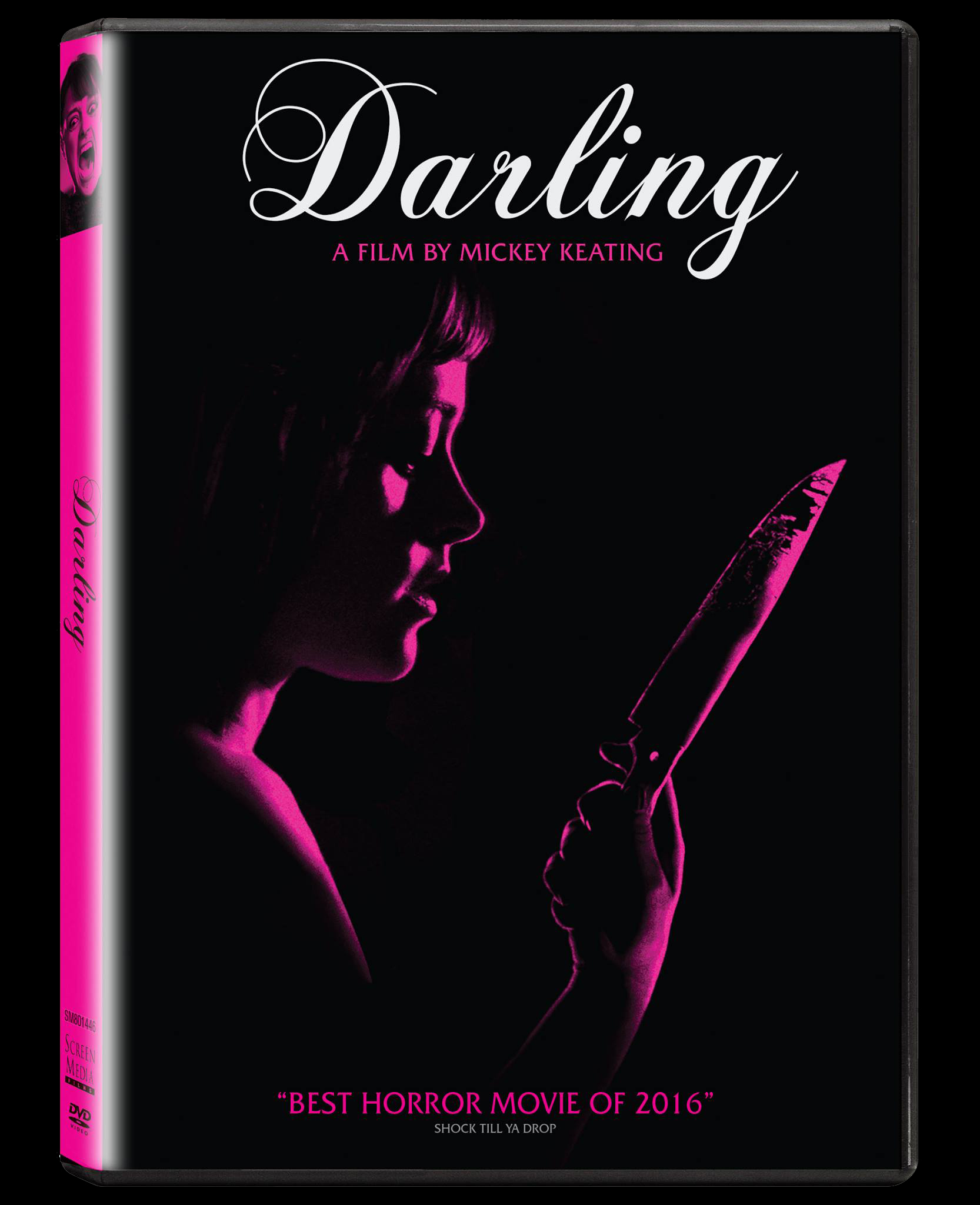
Larry Fessenden’s name is pretty much inextricable from independent horror cinema at this point. Over the course of the past few decades, he’s become not just an omnipresent indie character actor (turning up in everything from You’re Next to Session 9 to Martin Scorsese’s Bringing Out The Dead), but through his company, Glass Eye Pix, he’s helped to bring countless ambitious low-budget films to to life—mostly horror (and what a resume: The House Of The Devil, Darling, Stake Land, to name a few), but also some bold drama and oddball fare (Wendy And Lucy, The Comedy). He’s also dipped into the world of video games, winning a BAFTA award for writing the hit survival-horror game Until Dawn. And through it all, he’s maintained a fairly consistent pace of writing, editing, and directing his own films at the slow but steady rate of one every five years or so. His latest, Depraved, (which had its world premiere last night at the What The Fest?! film festival in New York) is a modern reworking of Frankenstein set in the Gowanus neighborhood of Brooklyn.
When we caught up with Fessenden, what began as a discussion of his latest film turned into a fascinating and freewheeling look at the current state of indie cinema, the durability of horror, and why there’s no justification for being an asshole in the pursuit of great art.
AVC: Even though it’s a retelling of the Frankenstein story, Depraved feels like it’s grappling with the ideas and themes you’ve been dealing with throughout your entire career. Have you always wanted to take a crack atFrankenstein in the back of your head, or was the genesis of this film more recent than that?
Larry Fessenden: Well actually, the truth is it’s quite an old project. I say that I have a draft where I wrote a one-page synopsis from 2003. But it does fall into my usual themes of really trying to re-imagine the great horror movies I loved as a kid in a contemporary setting. So I think it’s always been a part of me. I didn’t re-read the book; I just know the book, and I certainly know all the movies. Especially the old Karloff movies, the sort of pathos—there’s something about the story that speaks to me. You’re both afraid of the monster as an objective thing in the night, and you also feel for the monster. So really, it just becomes a personal account of being an individual in this society, and confounded and confused. I think it’s very intuitive to me. But I don’t want to just tell a coming-of-age story. I want to have something fun in there, like the abstraction of monsters and all of the implications there.
AVC: That’s what sort of stood out. Even going back to No Telling[Fessenden’s first feature horror film from 1991—Ed.], you’ve always been interested in these questions of the uses and abuses of science. Is there something specifically about those sorts of thorny philosophical issues that drew you back into using the Frankenstein story as a way to talk about them?
LF: For better or worse, I just can’t help but engage with the big questions. How do we run our society? What are the choices? It’s funny, people think my films are polemic or that they’re preachy about environmentalism, but I just can’t see the world in any other way but to try to figure out, “How could this work? How could we get along?” It’s on a very personal level. “Why doesn’t my girlfriend like me?” All the way up to, “Why do we have such abrasive racism,” and all of these things. It’s never been an external thing for me. It’s very personal, to try to grapple with these philosophical questions.
AVC: It’s funny that people have dinged you for being preachy, because your focus and your interest is always on the psyches and relationships of the people who would involve themselves in such work. Is that what captures your imagination in the original Frankenstein? Or is that more the angle you feel you can bring to these kinds of questions?
LF: Well, I think it’s both. It’s why the story speaks to me. As I say, I relate to the monster as an outsider; he’s bewildered by life. And don’t we all feel that, ultimately? At the same time, one thing I grapple with in Depraved is the dilemma of science solving our problems, physically making us live longer. One thing is, the soldiers that come back from Iraq now, they actually are kept alive, but they have these terrible, traumatic head injuries. Is that really life? I’m not making a judgment whether they should live or die, but there’s an ability for science to get us to a certain place, technology and all of that. And yet we will have to make amends of our mental, spiritual life. And that’s sort of tossed aside.
So that I find really interesting, and that’s why the Frankenstein story is so rich. At one point, the guy says, “You can’t solve all the problems with kindness. Sometimes you need technology.” That’s such a perfect dilemma, because he can create this monster, but he doesn’t know how to parent it. These are just the contradictions of life and I find them so interesting. And they are in these old stories, you know.
AVC: There’s almost a Talented Mr. Ripley quality to these characters. The whole, “No one thinks they’re a bad person, no matter what they’ve done or what they’re doing.” There’s just that disconnect between what they can do and what they’re able to do. The humanism is what I feel was of interest to you.
LF: Dude, you’re singing my song. [Laughs.] That is my point. As an actor, I always say, “When you play a villain, you don’t play him like he’s bad. He absolutely thinks he’s doing the right thing.” Think of Heath Ledger’s Joker. Such a beautiful portrait of insanity, depraved insanity. But he obviously thinks everything’s ducky. I really wanted to bring that to the character of Polidori, that Josh Leonard played. He’s horribly villainous, they talk casually about raising the prices on pharmaceuticals, like that villain in real life [Martin Shkreli] who’s much more depraved than my character. Almost to a fault, I have too much humanity in my characters. Maybe that’s because I wrote it before the current political climate, where just fucking outright disgrace is considered completely normal.
Anyway, whatever, I’m sentimental, so I still have my characters have human emotion. But I love how sad Polidori is. He’s obviously the villain. That’s the place where I stray from the original structure, because the doctor isn’t the villain or the madman, he’s sort of a victim of circumstances and PTSD, and he was tossed aside by society. Even the other guys’ motivations are so petty. They’re saying, “Well, my father didn’t love me.” “I was there in the room, I helped you!” I really feel that human interaction comes down to this little sad pettiness, and that’s what I like to show, the details of the psychology.
AVC: It’s funny that you mentioned the way in which you relate to the monster. The film travels from one of the world’s great art museums to a strip club, and that blending of what we traditionally consider high-brow and low-brow culture felt almost like an exploration of your own art and career, where you’ve done just that. Did parts of that sort of take on an autobiographical vibe for you at times?
LF: I really appreciate the question. Yes, I feel like… all of us are so… there’s such a richness of influence in our lives and our upbringing. I have all the books and the puzzles and the sort of things that jumpstart the mind. And there’s this sort of other lofty notion of great art and museums, and they’re rarified. But then there’s just the physical impetus that you’ll find in a strip club, those impulses. So it is, like, what makes a character of a human being in our society? All of that sounds lofty, but it’s very visceral, to just show it. It’s funny, there’s a moment when the monster looks at a painting of Christ, and he’s actually drawn in. And Polidori is sort of contemptuous and doesn’t even comment on it. There’s some yearning in the human animal to see life through that religious thing, but then you have a pretty good time at the strip club, too. There’s something there, I don’t know what it is. But yeah, that’s the idea.
AVC: It’s interesting, because it’s not just grappling with that seeming disjunction between high and low, but also these ideas of the value of the old versus the new, as well. Both aesthetically and narratively.
LF: Yeah, and where do we make the choices of what we keep and what we discard? I showed Jackson Pollack, and I don’t actually personally believe this, but Polidori says, “Art shat the bed.” Or, “This is where narcissism took over.” I do feel that human narcissism is a corrupting, toxic element, and the whole point is that you try to aspire to higher ideals. Anyway, the weird thing about the movie—I was trying to write about it, just for the fucking press kit, and it’s not pretentious, it’s just to say that it is about all these things. I used to joke on the set, I’d say, “Oh don’t worry, we can show the wire, because this movie’s about electricity among everything else.” And everyone would laugh and roll their eyes. But my point is I really wanted to try to tell a very succinct story in which everything was sort of accounted for, the whole history of humanity. I used to say that on set. It’s unbearably pretentious, except that I don’t mean it that way. It’s just that you’re filled like a vessel with all this sort of stuff, and you have to sort through it in order to be a moral person. And of course, I suggest in the end that it’s not possible, that everyone’s an asshole. [Laughs.] Sad little tale.
AVC: The last time we interviewed you was almost exactly 10 years ago, when I Sell the Dead was coming out. Are you surprised by where your career has taken you? Or does this feel like the natural progression of where you were at that time?
LF: Well, I don’t know. John Lennon, or you can quote whoever, “Life is what happens to you when you’re making other plans.” When I was a kid, I thought I’d be Spielberg, because I loved Jaws. But I also never quite played the game. You actually wake up one day, and you go, “I’ve done it exactly true to myself.” It’s very frustrating, though, because I see exciting, big movies, I see them fuck up the Universal pictures, whatever that’s called—the Dark Universe—they fucked that up. They don’t understand horror. So in that regard, I’m extremely bitter that I’m just where I am. In case you need to know. [Laughs.] That’s the headline: “Fessenden’s bitter!” But the reality is, I also accept that my movies are peculiar. I’d rather make them as best I can, try to make the best possible movie along the lines of what I see than be chasing a dream that’s really just a dream to be at the Oscars. So it’s complex. I don’t profess to be delighted to have to spend 10 years raising the money to make a Frankenstein movie; that’s ridiculous. But we’ve made a lot of cool movies.
AVC: I do think there’s a philosophical element to the fact that oftentimes great horror comes from the margins. It comes from the underground, these weird, dirty, strange places that aren’t the middle of the road.
LF: Dude, you are, once again, singing my song. This is the point. Horror is supposed to be alternative. It’s supposed to make you really question society, quite honestly. It’s supposed to shock you out of a certain complacency. As you well can imagine, all of the profound political implications of horror throughout the century, from Night of the Living Deadto Godzilla, they’re all responding to real problems, real world problems. When you just turn it into—all due respect to Jason Blum—those haunted house movies, you’re not really using the genre as robustly as you could. It should be alternative. I always say, it’s right there next to porn in the video section. Eh, we don’t have video sections. [Laughs.]
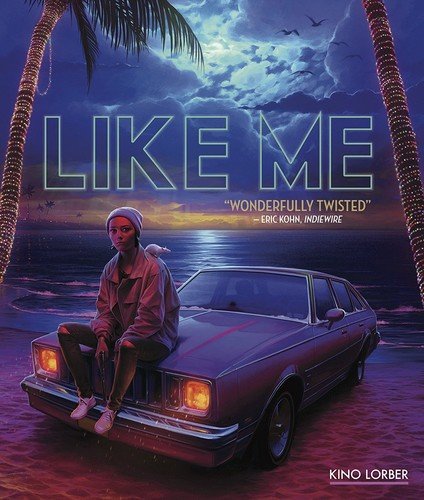
AVC: Has there been a shift, maybe even in your own thinking, about how horror is changing to express new thinking or new ideas? Because some of the projects you’ve been involved with lately, either as an actor or producer—I’m thinking here of Like Me or Darling or even Until Dawn—reflect a very different world and even a different public understanding of horror than existed 10 or 15 years ago.
LF: Well, horror was really the perennial, and it did manage to make money. The cliché is that you can make a cheap horror film because you don’t need movie stars, because the genre itself is the star. So that’s all wonderful. And it’s a playground for young filmmakers to sort of learn their craft, Coppola and so on made early horror films. But at the same time, I do think the genre has grown up. And now you really can see a blend—I’m thinking of It Follows or The Babadook—between an indie sensibility and then something very dark.
Remember, horror is really just speaking of dark things, probably with a fantasy element, or some other layering of artistry, which is why I like it. The genre’s grown up. I’m not really here to complain about that in particular. I feel great about the movies we’ve made. I don’t know if Like Meis really a horror movie, except you could say it depicts a society gone fucking wrong. But the movies we make are challenging, unexpected, off-kilter, and that’s really where cinema can still be vital. In all due respect to the superhero movies, you kind of know what you’re getting into. You know, they might have a little tiny sheen of something forward-thinking when they have people of color or women starring in them and all those things, but those are just sort of cultural shifts. Are they really challenging you? I would say not quite.
AVC: With Glass Eye producing so many of the more noteworthy unconventional and challenging movies of the past decade or so, what would you say has most surprised you about the work you’ve done in that time?
LF: Just how little traction I get. A tiny pocket of very deep love, and I’m extremely respectful and grateful for the people that know my work. But there’s a whole bigger game that I’m not very good at, to sort of get your foothold. Listen, all of this is for the sake of wanting to do your next project, do your work, do better, bring other people up with you. I sort of have done that by getting some young filmmakers their first movie. Some of them I’ve managed to push out the door, like [Jim] Mickel and Ti West, even Kelly Reichardt was my early pal, and we did stuff together. So that’s also a mission. I’ve got to say, you don’t always do exactly what you thought you wanted to do, but I feel like I’m still working that mission.
AVC: It seems like you’ve also discovered some unexpected angles to your own work. For example, I can’t imagine you’d have guessed 10 years ago that you’d have this project four seasons and running that’s essentially resurrected the radio play, complete with live performances at Lincoln Center. [Tales From Beyond The Pale—Ed.]
LF: Oh, yeah, dude. It’s such a pleasure. But you know what? That’s something we can do without the approval of others. We simply do good work and some people care, and they come. By the way, we’re going to put that finally into the podcast format, for the kids. The kids can’t seem to find our CD box sets. We’re losing them. [affected voice] I have some 8-track cassettes here for the little ones. [Laughs.] So yeah, I do that with Glenn McQuaid, and we’re just wildly proud of it. It feels like, while you guys are all raising money, we’re going to show you how this is done and take you in an incredibly immersive world of audio plays that are of every conceivable tone. That’s the thing about horror, it’s a huge umbrella under which there’s comedy, period pieces, grave robbers, toxic waste, giant monsters. Everything wonderful. I’ve made more monster movies on the radio. I assure you, it’s very cheap. All you need is like three growl sounds. [Laughs.]
AVC: That’s what is so great about Tales from Beyond the Pale, it cuts to the heart of the appeal of storytelling. Have you discovered a renewed love for the purity of old-school storytelling, stripped of any visual aspect, through doing that?
LF: Oh yeah. But I do believe some of them are very forward-thinking in terms of structure. That’s the thing—you truly get to experiment in a format that’s not going to break the bank, and if it doesn’t work, so be it. Although, I have to say, they’re all just so refreshingly different. One of the things Glenn and I loved to do is to say, “well, this one, we’re not having dialogue. We’re going to have only sound effects.” And we’ve almost pulled it off. I did one in which this house was expanding and collapsing, and the guys were inside going, “Whoa! What’s happening?” It’s all just sound effects. It’s so fun to imagine you can transport someone through sound. I always like to say this about my bad special effects: The audience has to help. They have to participate in building the monster. Wendigo[’s monster] is famously poor as well, just some awkward effects there. But I believe that the audience has to go along with it. When I grew up, you could see the zippers on half the monsters.
AVC: That was always the thing—whenever somebody says, “Oh, that looks so fake,” or “you can see the plastic,” it seems like their problem isn’t that they can see the seams, the problem is that they’re refusing to surrender to the story, they’re refusing to engage in that world.
LF: That is a profound truth. And actually, I feel like the nightmare is, that’s what happened to the culture now. It’s such a gotcha, told-you-so society with Twitter. “Oh, I saw this!” You’re like, oh my god—what was the intention? Maybe they didn’t have the budget. Do you still see the ideas? Or are you just trying to “gotcha”? It’s a very entitled culture that we’re in, all sides. Not just the well-to-do city kids. Everybody’s sort of sitting, judging from their lofty place from their silly little Twitter-sphere. It’s terrible. And the whole world’s collapsing around us. The arrogance of humanity!
AVC: But maybe that’s part of it—when people see everything collapsing around them, it’s understandable to say, “Well, what can helpless little me do? I guess I’ll just sit here and make some jokes on Twitter.”
LF: Well, I understand, but I don’t buy it. I always say, when you’re in the lifeboat, and the hole’s there, you got to bail. Just to say you did, even though you’re going down. And that’s how I feel about global warming, and I don’t approve of this sort of “woe is me” attitude. There’s a hundred reasons for it. One of them is called denial. One of them is called self-preservation and avoiding despair. But I’d rather say, let’s roll up our sleeves and see what we can do here, guys.
AVC: Did the years of trying these different outlets for your work, whether it’s directly through activism [Fessenden founded an environmental site, Running Out Of Road] or whether it’s through writing for radio and everything else you’ve done, did it change where your head was at when you returned to directing after six years since Beneath? Because Depraved feels like the work of a guy that’s in a different headspace at this point than your last couple of features. There’s an evolution to your direction.
LF: Well, that’s cool. I’d like to believe I am maturing. Honestly, part of the problem with Depraved is I really, really insisted I had to get it out of my skin, out of my hair, before I could move on. It’s been a bit of a bugaboo, to be honest. Everyone was like, “Well, you have all those other scripts, why aren’t you pushing them?” I’m like, “No, I just got to get this one out!”
You know, I played saxophone in a band and I helped people do music, and I do this and that—and my point is, to me, all the arts are sort of the same, and the political aspect is the same. It’s more about problem-solving. The real question is, how do you make a society work? That, I find a wonderful question. You know, you have to address that when you’re on a set. I always discuss this with my people. Do you rule by fear or by love? I love that question, because it resonates outwards. And obviously we’re dealing with that in the political spectrum right now. Do you make everybody feel uplifted and like they’re participating? If so, therefore, you build a great little society for 30 days when you’re making a movie. To me, it’s the same thing. I don’t really know that it’s different.
Obviously, there are tyrannical directors who are mean and they make good work, and that’s fine. But I always believe that it’s all integrated. So I have an obligation to create an atmosphere so people can flourish and see if they can pull their shit together. To me, it’s all about living. I’m trying to live right. I’m not saying I’ve achieved any of this, I’m saying those are the goals, that’s the conversation, and then you take note of how much you’re failing at it. [Laughs]
AVC: The arguments that people always make of, “Oh, sometimes to make something great, you’ve really got to be a dick and crack heads” or whatever, always seemed to be a very sort of Wall Street mentality. The idea that you don’t care about treating people with respect because something else is important at the moment—it’s like, do you really think they can’t go hand in hand?
LF: Absolutely dude. And it’s because the journey is the whole point. In other words, you don’t even know if you’re going to get to the fucking finish line. You don’t know if your movie will be seen. So all the suffering—you see people lay waste to the location, leave trash and garbage, being jerks, saying, “We’re too busy, we’re making a movie! This is the most important thing! Soon we’ll be at the Oscars!” And you’re like, “Yeah, but what if none of that happens? Then all you’ve done is just fucking made a mess here and acted like an asshole, so get your shit together! You can do both things at once!”
AVC: At this point, you’ve been doing this long enough, you’ve become a fairly ubiquitous character actor for a lot of people. What is the thing you find you get recognized for the most these days?
LF: Oh well, it’s a funny question, because the answer is Until Dawn. Can you imagine? I went to Comic-Con one year after the game came out, and because I’m in it for a minute and a half as a flamethrower guy, I actually felt famous for a brief second. It was absurd! I’m like, “Listen, kid—have you seen my picture Wendigo” He’s like, “What are you talking about?” So unfortunately, it’s video games. Oh, and also Tim Heidecker’s movie [The Comedy]. I once posted about that, which I produced with Brett Kunkle and some others, and oh my god, all the likes I got made me feel very small when I’m just tweeting about myself. So there you go. That’s when you learn how totally meaningless you are.
Paul D’AgostinoThomas Micchelli
“Depraved” (2019), directed by Larry Fessenden, © Glass Eye Pix (all images courtesy Glass Eye Pix)
I wrote the following capsule review of Depraved, a new film by Larry Fessenden, just after viewing it, in part to spur on ideas for a fuller review:
Immediately ensnaring and narratively circuitous on levels literal, mesmerizingly visual, and metaphorical alike, Depraved is not a mashup, rather a pastiche of essentially all you might hope for it to layer, paste, stick, piece, and yes, oh yes, stitch together — from film and literary references to production values, chronologies, political critiques, and philosophies. Its enigmas run deep. Its puzzles are many. And especially with its setting in Brooklyn, it’s also a holistic embodiment of multiple forms and histories of DIY ‘life.’
But then something different took shape instead.
My colleague, Hyperallergic Weekend editor Thomas Micchelli, viewed the film as well. In a brief exchange we had right afterwards, he said that he also found Depraved compelling, and that he had some thoughts about it. So I sent him my initial thoughts in my capsule, and he then had more thoughts.
So then what we thought was this: Given that the film itself is all layers and multiplicities of disciplines, inputs, and chronologies, it could be more interesting to present a layered, multiple-voiced exchange between the two of us — a kind of review-qua-pastiche or pastiche-qua-review, not unlike the pastiche that is this film.
Below is an edited version of our exchange.
— Paul D’Agostino
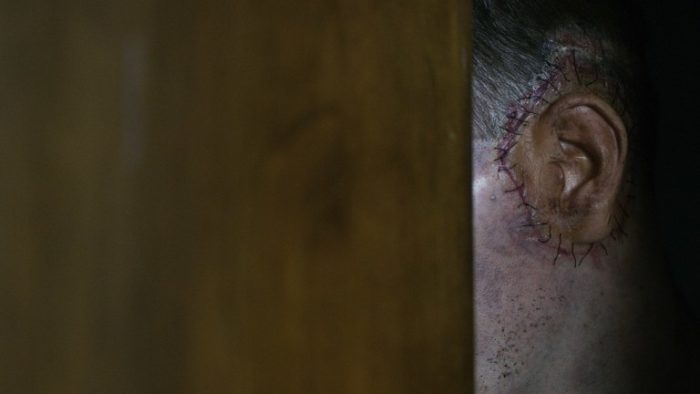
Paul D’Agostino: It seems you too were flooded with thoughts after watching Depraved. Were you also flooded with thoughts as you watched it? I was, and I had so many and jotted them down so sloppily while watching, eyes wide open, in the dark, that at one point I actually turned a low light on my notes to make sure I’d be able to reread them later. I saw already that would be a challenge. Anyway, you too? And what were your initial thoughts, i.e. before I sent you the capsule? And after you read the capsule?
Thomas Micchelli: No, I never take notes. I just let my responses pile up, with the hope that the better ones will stick.
My reaction to the first frame usually presages my opinion of the entire film, and the first frame of Depraved — the overhead shot of a vinyl LP spinning on a turntable — seemed to be ushering in a movie that would be fatally arch and not terribly original.
But this was one of the rare times that the first-frame test failed, maybe because it belonged to a different movie, the five minutes of rom-com tease that you mentioned when we talked on the phone. I did think, though, that the way the overhead shot continued across the half-finished meal and ended in the voyeuristic glimpse through the bedroom doors had a refreshing earthiness to it.
We will be getting into the specifics of the movie’s pastiche of every Frankenstein imagining and then some in a little bit, but overall, the film that it evoked most strongly for me was Beasts of the Southern Wild (2012), with the first part mesmerizing and inexplicable, and the second part surrendering to the demands of plot. The first half-hour was especially persuasive — the sound design was brilliant in its ability to communicate the monster’s disorientation in his new world. The use of his point of view, including the deficiencies in his eyesight, was a device that I think could have been used more and explored further.
PD: Well, I don’t always take notes either when watching films to review, but I do at least try to jot down quotes that strike me as piquant, revealing, maybe meaningful for what might follow. Or if they’re particularly stupid. Anyway, I like your description of the first-frame test. I should try that. I do something that’s less of a test than a search for an entry into a bit of writing, again if I’m watching something I might review: I look for how much the director has attempted to pull me in, all the way into the visuals and the narrative, in the first few minutes. It’s less of a gauge of the film’s entirety than your method, but useful for me for reviews.
At any rate, Fessenden does more in those first five or so minutes than I was prepared for. But I was excited by it. It was a true jolt. As you brought up, the film opens in such completely mundane, maybe rom-com-cum-drama ways, that you’re hardly ready for what’s next. It goes from that slowish pan over some unfinished meals in a living room, into a bedroom where the couple has retreated to burn off dinner with the dessert of coitus, to a moment of happy, maybe post-coitally enlivened chatter in the living room, only to then quickly transition into an argument out of nowhere, punctuated by a claim of, “You keep setting me up to be a disappointment,” barked by Alex, whose identity won’t remain exactly that for very long.
All that’s in the first few minutes, after which a brutal murder comes almost out of nowhere, and it is extreme in its immediacy and intensity — i.e. already a different genre of film, in a sense — before then transitioning into some of the near-campy, classic sci-fi-ish, a bit flashy but also not overwrought digital overlays suggestive of electrical pulses and cerebral flashes, and so on. It’s so fast, and so suggestive already of the film’s many layers yet to come. It’s already a pastiche, and it would become much more of one — much like we already know the ‘monster’ is as a ‘thing’ pieced together into ‘life.’
Early on I began thinking of films like Memento (2000) and Primer (2004) as kindred works. Further on I thought a lot about Matthew Barney’s films and art. We can come back to some of that, but I’m interested in what you say about the monster’s eyesight. True, that did come up a lot. Similar in import, and that we can infer as elaborated throughout, was the refrain, “Gravity is your friend,” which were essentially Adam’s — at this point the monster’s name is Adam — first words, to the great astonishment of Henry, Adam’s ‘Dr. Frankenstein.’
TM: I’d like to return to your initial take on the film, its stylistic use of pastiche as a mirroring of Adam’s bodily pastiche. As opposed to a movie by Martin Scorsese or Quentin Tarantino, in which the film-geek references are subsumed into the cinematic flow, a pastiche lets its edges show, like the scars on Adam’s body. The citations pull you out of the moment and divert your attention to themselves.
The references in Depraved seem out of the blue, such as the twisting camera angle when Adam breaks loose and roams the streets, which brought to mind The Cabinet of Dr. Caligari (1921), or the close-up of Polidori’s mouth eating a piece of steak, a reference that’s eluding me but I know I’ve seen. (Caligari, which revolves around a carnival barker and an unnaturally tall somnambulist, seems as much of a touchstone as James Whale’s or Kenneth Branagh’s Frankenstein films, especially given the number of times Henry tells Adam how important it is for him to sleep.)
There were a number of narrative holes, some that bothered me (there was no setup for Adam’s discovery of his backstory, making it feel rushed and contrived), and others that I found fascinating, such as why Adam has been created out of multiple parts in the first place. If the idea, as we find out later, was to find a way to bring the freshly killed back to life, there seems to have been no need for Henry to sew together an Übermensch, other than to satisfy the director’s desire to make a 21st-century Frankenstein movie. And in that light, the monster’s pastiche of dead parts seems like a critique of the enterprise.
Still, I wonder why we are talking about this movie in particular. What makes it compelling enough to single out for discussion? I can’t quite articulate it.
PD: Great point. Great points. On the latter one, I suppose we’re discussing it because it offers itself as the direct product of the piecing together, rather than blending, of genres, styles, references, and angles of social critique. It’s true that we could just leave it at: ‘Hey folks, this movie is really good, even fun, and it’ll make you think!’
But then, yes, so do many other films out there to see. But it does make sense, given its internal multiplicity of points of view, its interdisciplinarity, to address the qualities of Depraved from multiple points of view. The film festival presenting it [WHAT THE FEST!? at the IFC Center in Manhattan] seems like it could feature a number of other pictures that have similar efficacy.
I can say that it was that latter aspect that initially got me intrigued. Fessender brings quite a mix of experience in filmmaking to the table and has worked alongside many of the greats in indy film, so I was curious to see how an art-horror director whose work is shown at MoMA, and who has worked on projects with Steve Buscemi, Jim Jarmusch and Guillermo Del Toro, to name a few, might handle Mary Shelley’s classic text.
There’s also of course a very circumstantial aspect to my interest: I happened to see It’s Alive, the Frankenstein exhibition at the Morgan late last year, and it was exhilarating in so many ways. I could go on, or probably we could both go on for a while about how great it was, but that’s a different review. For now it’s worth noting that I particularly enjoyed the ways the exhibit conveyed the interdisciplinarity of Shelley’s brilliance, and the prodigious wealth of creative enterprise and expression her story has continued to generate.
Moreover, one part of It’s Alive! that I found hardest to budge from, in addition to that jaw-dropping suite of paintings by Henry Fuseli, including “The Nightmare” (1781) and “Three Witches” (1783) — and it seems that Fuseli and Shelley’s mother, Mary Wollstonecraft, according to the exhibition notes, had some manner of amorous rapport (what a detail!) — was the section detailing the impact of Shelley’s novel on the history of cinema.
Frankenstein; or, The Modern Prometheus is a story that can seem destined to be envisioned and reimagined in so many ways, through so many mediums and genres. In itself it’s everything from allegory to Bildungsroman to gothic horror delving into sci-fi, and so much more.
So those are just some of the things that got me intrigued in this movie in the first place, which then got me watching those first five minutes that had me all-in, electrifyingly so. For certain, one thing that’s worth noting before turning to your Übermensch point is that Depraved had me constantly marveling at Shelley’s prescience in telling her story. By way of one of the most effective and broadly transmittable media of her time, she told a kind of pastiche of a tale that could be enjoyed just as well at any single level of its narrative or critique, or at all of them at once, and remain just as cogent, just as potent. To watch Depraved is also to be consistently reminded of the monstrous critical importance of Shelley’s creation.
This brings me right to your point about the Übermensch, and maybe also about the critique of the enterprise: PTSD and the wars of the day are regularly dropped into all kinds of films and streaming series these days, not often necessarily or effectively, other than as constant reminders of just how long certain wars, particularly US-led or ‘fed’ campaigns, have gone on.
Here, the references to the wars become relevant to the story in ways that make sense — from the variably stilted, jarred, dazed cognitive states displayed by the film’s protagonists and graphic effects alike, to the intuitable critique of the military-industrial complex, so interested in the successful creation of this monster.
TM: When Henry says to Adam, “I want you to be safe,” he’s trying to make amends for those on the battlefield he couldn’t save, but he had to deal in death to do it.
PD: Yes, he’s working through his own mental trauma. Meanwhile, instigator Polidori seems to simply regard it all as a game, another puzzle for Henry to give Adam to solve in some kind of venture-capitalist-funded experiment in “extreme sports biology,” a telling claim.
Also telling is that moments after Henry says to Adam, “I want you to be safe,” we see him tucking Adam into bed by covering him in a blanket that looks a lot like a quilt, which at that early point in the film is also what Adam’s body already looks like — a stitched-together quilt of flesh, limbs, materials, memories, traumas.
On that note, I think we’ve covered things well enough. Let’s put this critical monster to bed, and maybe awaken it some other time for some other film or whatever else.
In the meantime, let’s test our prescience. Brooklyn DIY trend of the future, ‘artisanal A.I.’? I can see it already: “How to Make Your Own Person at Home in Seven Easy Steps.”
And forget the references to the doctor. The conceptual origin and possible prototype should just be called ‘Mary’s Monster.’
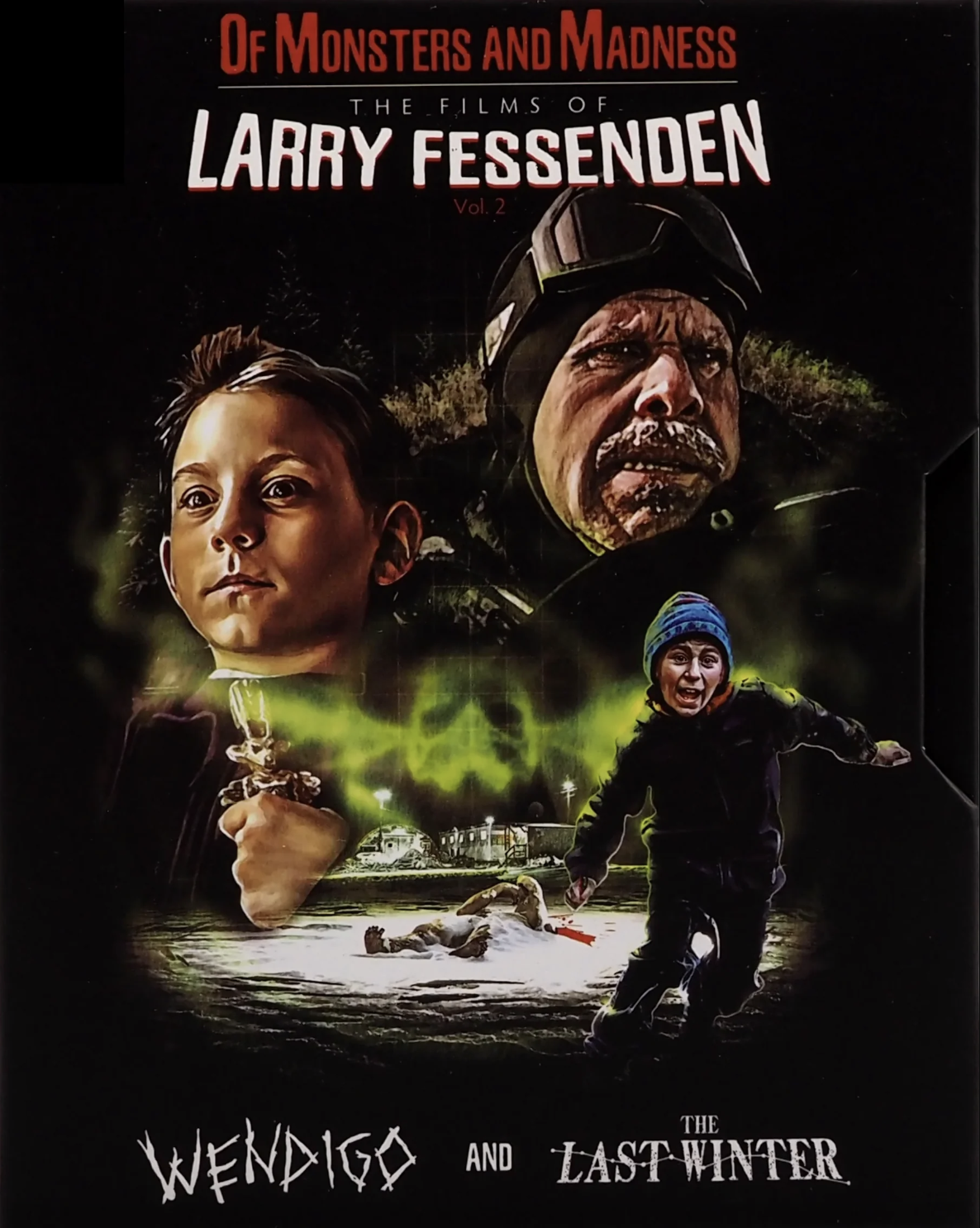
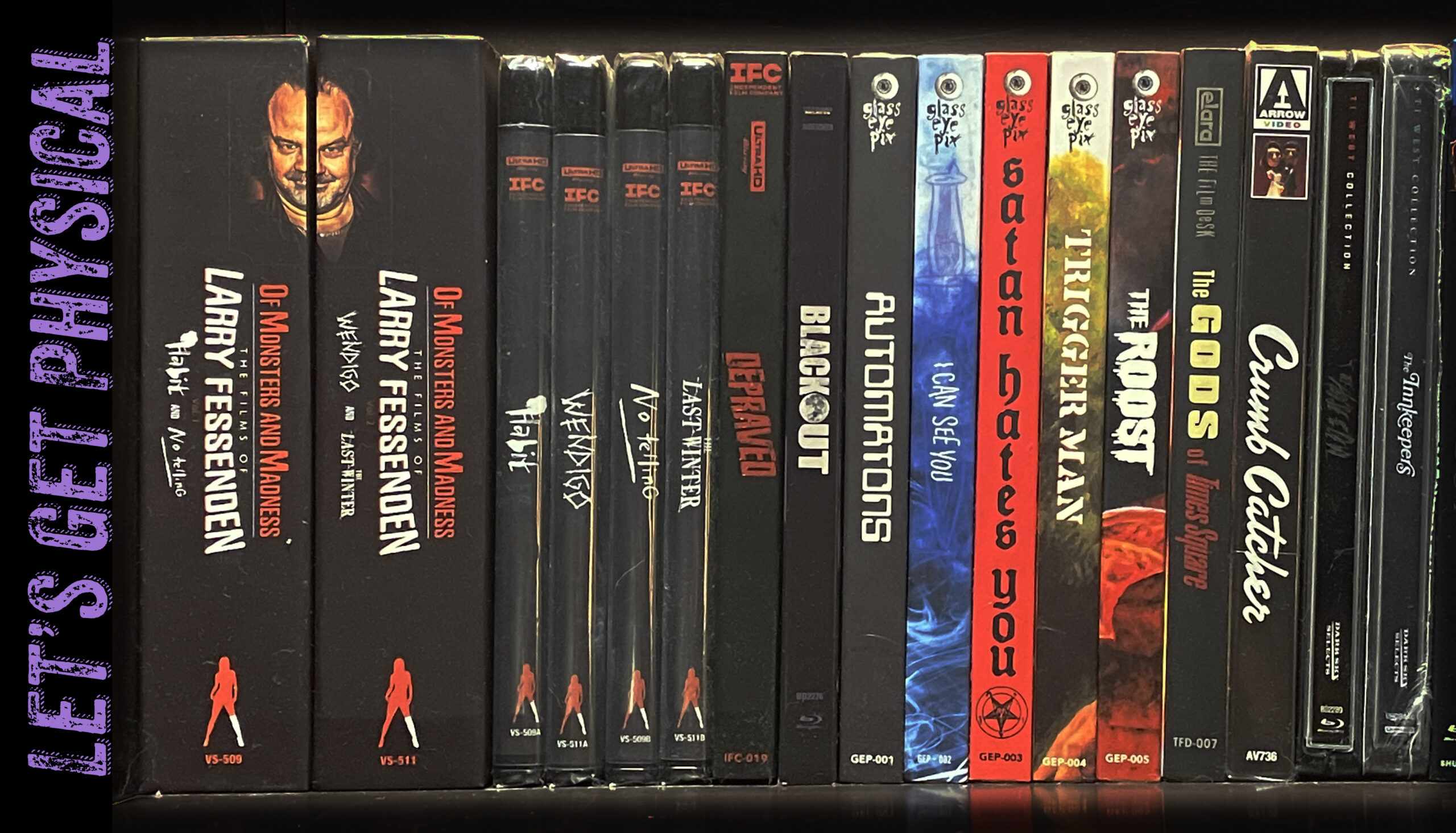
The Films of Larry Fessenden: Vol 2
Wendigo & The Last Winter
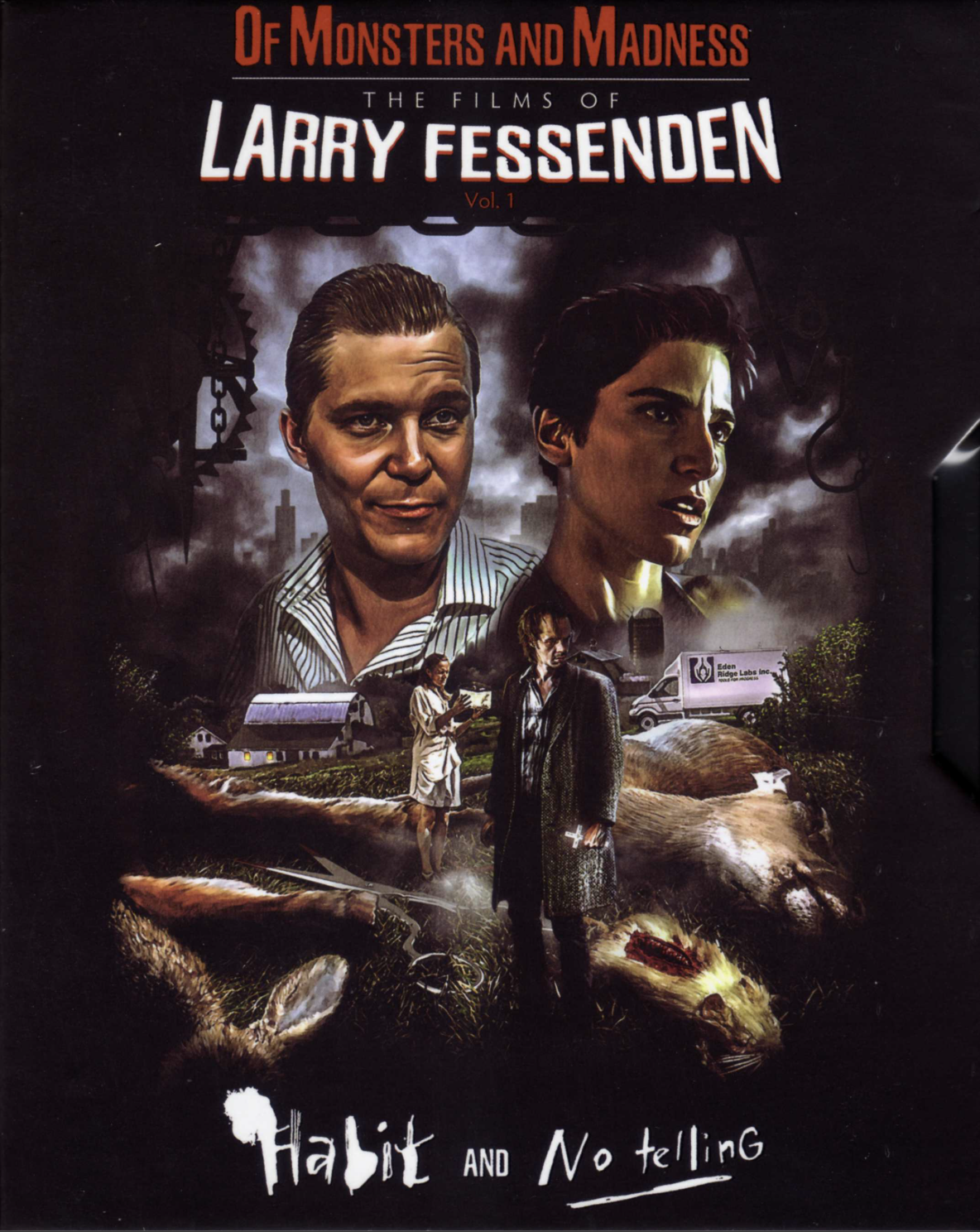
The Films of Larry Fessenden: Vol 1
Habit & No Telling
The Innkeepers
Limited Edition Blu-Ray
The House Of The Devil
Collector Edition Blu-Ray
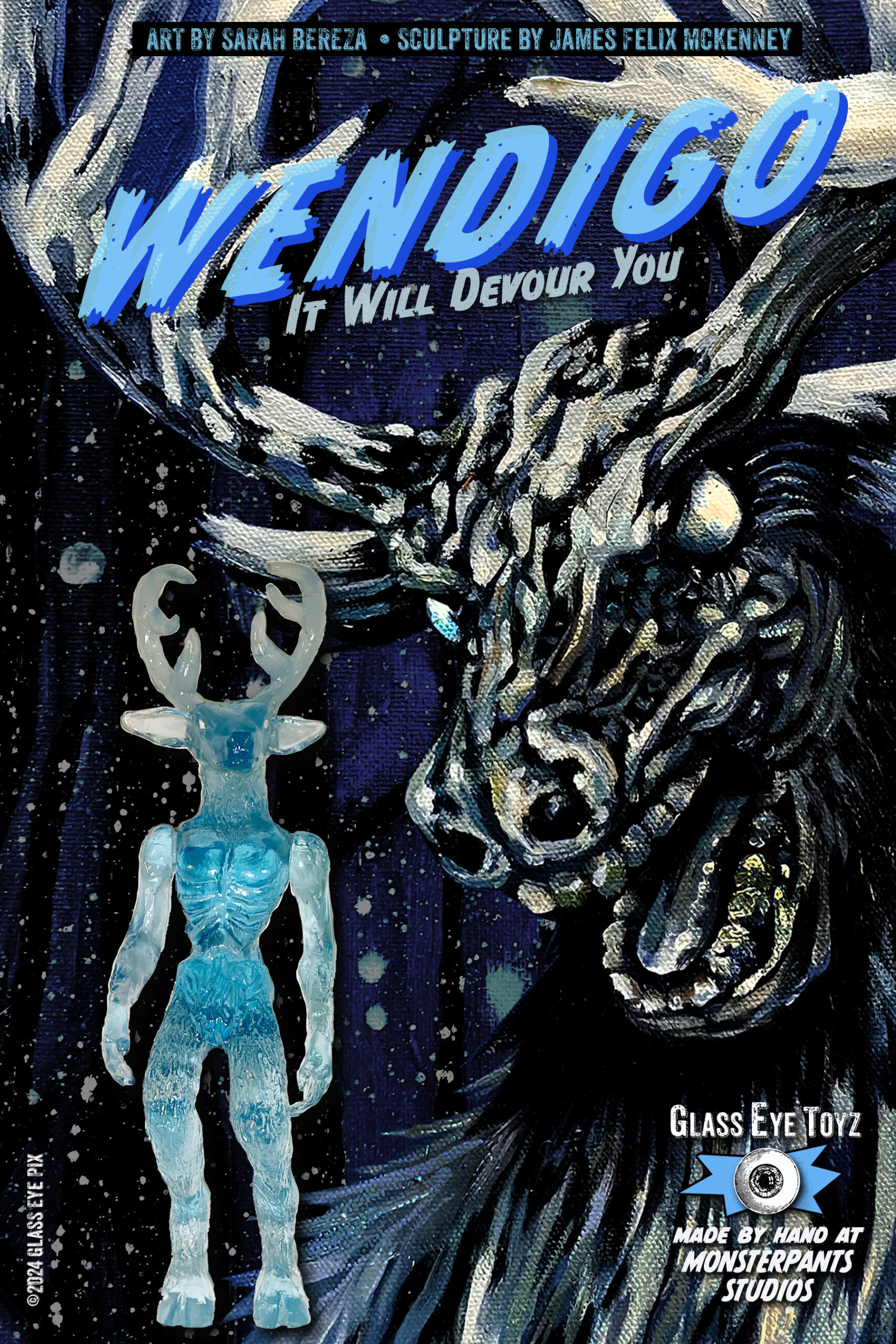
WENDIGO Figures
From Glass Eye Toyz
CRUMB CATCHER Blu-Ray
From Arrow Video
BLACKOUT BLU-RAY
From Dark Sky Selects
FOXHOLE BLU-RAY
From Vinegar Syndrome
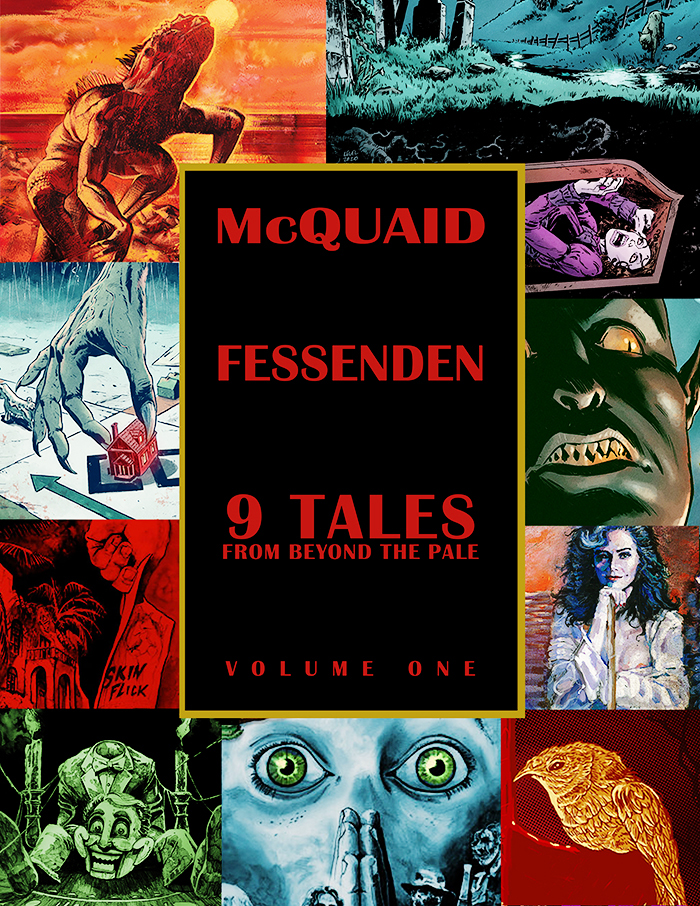
9 Tales From Beyond The Pale
on Amazon!
THE LARRY FESSENDEN COLLECTION Blu-ray
on Amazon!
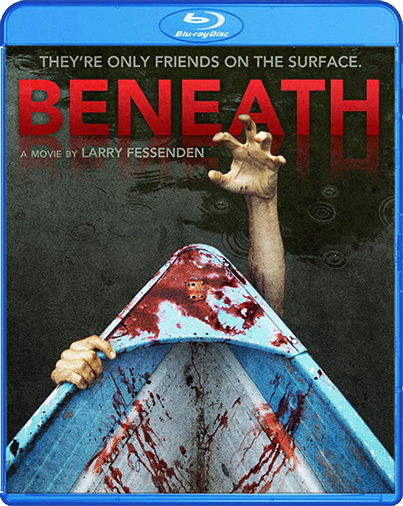
BENEATH Blu-ray & DVD
on Amazon!