Cutting Room
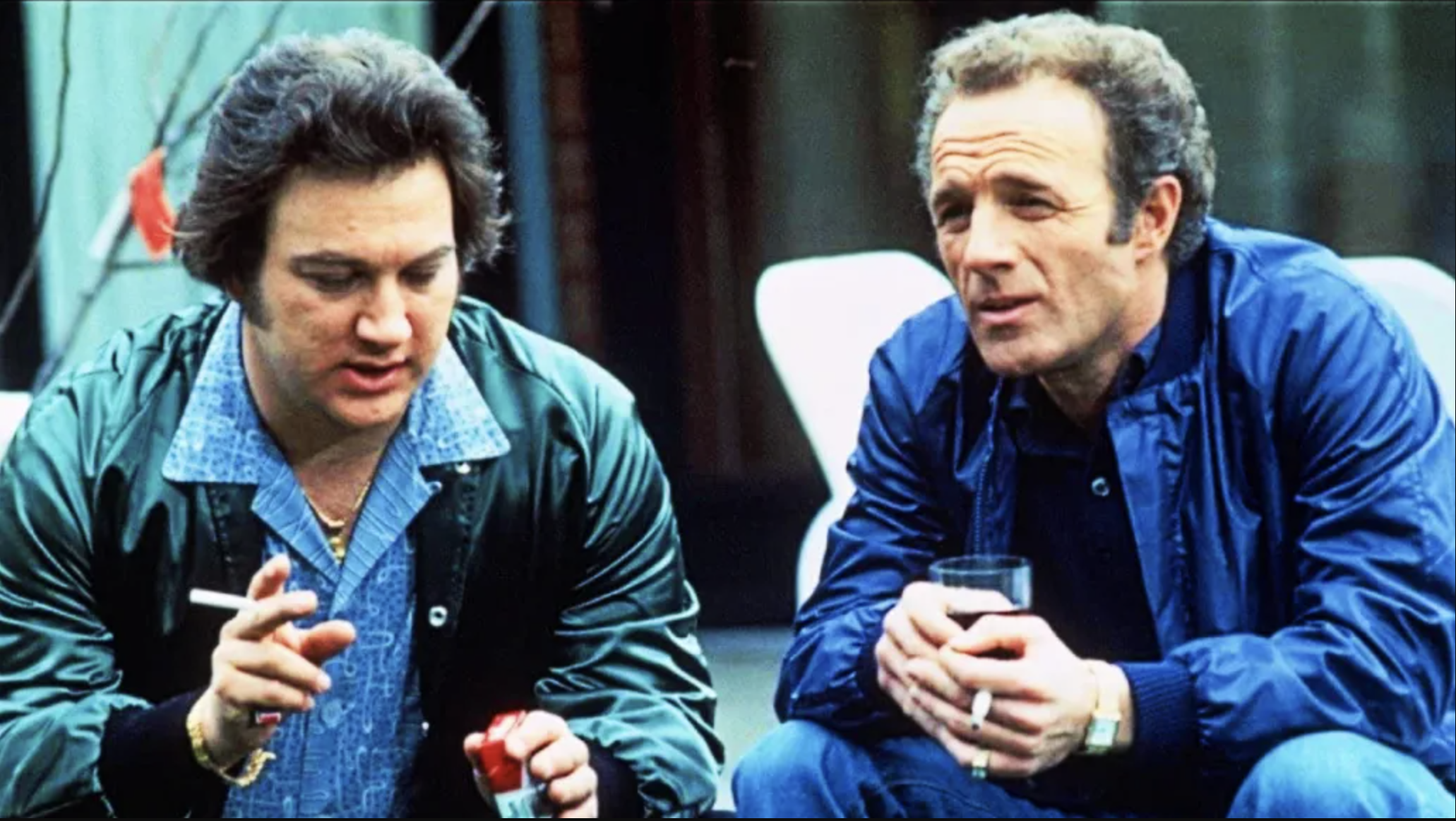
WATCH >> James Caan looks back on Michael Mann’s THIEF

WATCH >> James Caan looks back on Michael Mann’s THIEF

“I don’t mean to put writers down because without them, there’s no tale, but the words are pretty much secondary. I mean, they’re important to start the thing off, but when you look at film, it’s all about behavior. It’s real life, it’s something real, you’re not just talking words.”
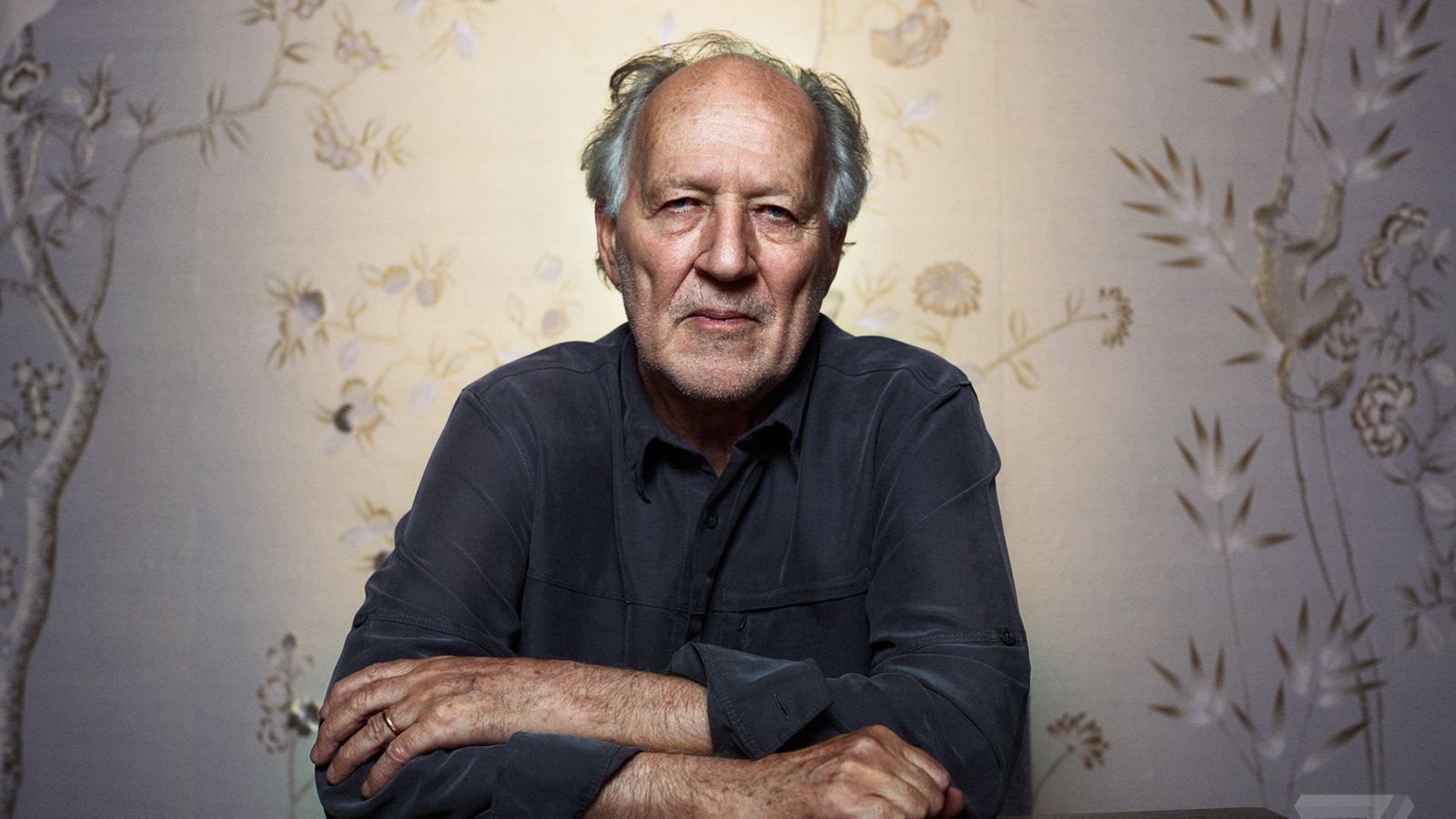
BUY >> The Twilight World: A Novel by Werner Herzog

BUY >> The Twilight World: A Novel by Werner Herzog

The great filmmaker Werner Herzog, in his first novel, tells the incredible story of Hiroo Onoda,
a Japanese soldier who defended a small island in the Philippines for
twenty-nine years after the end of World War II.
WATCH >> Martin Scorsese’s Life Story
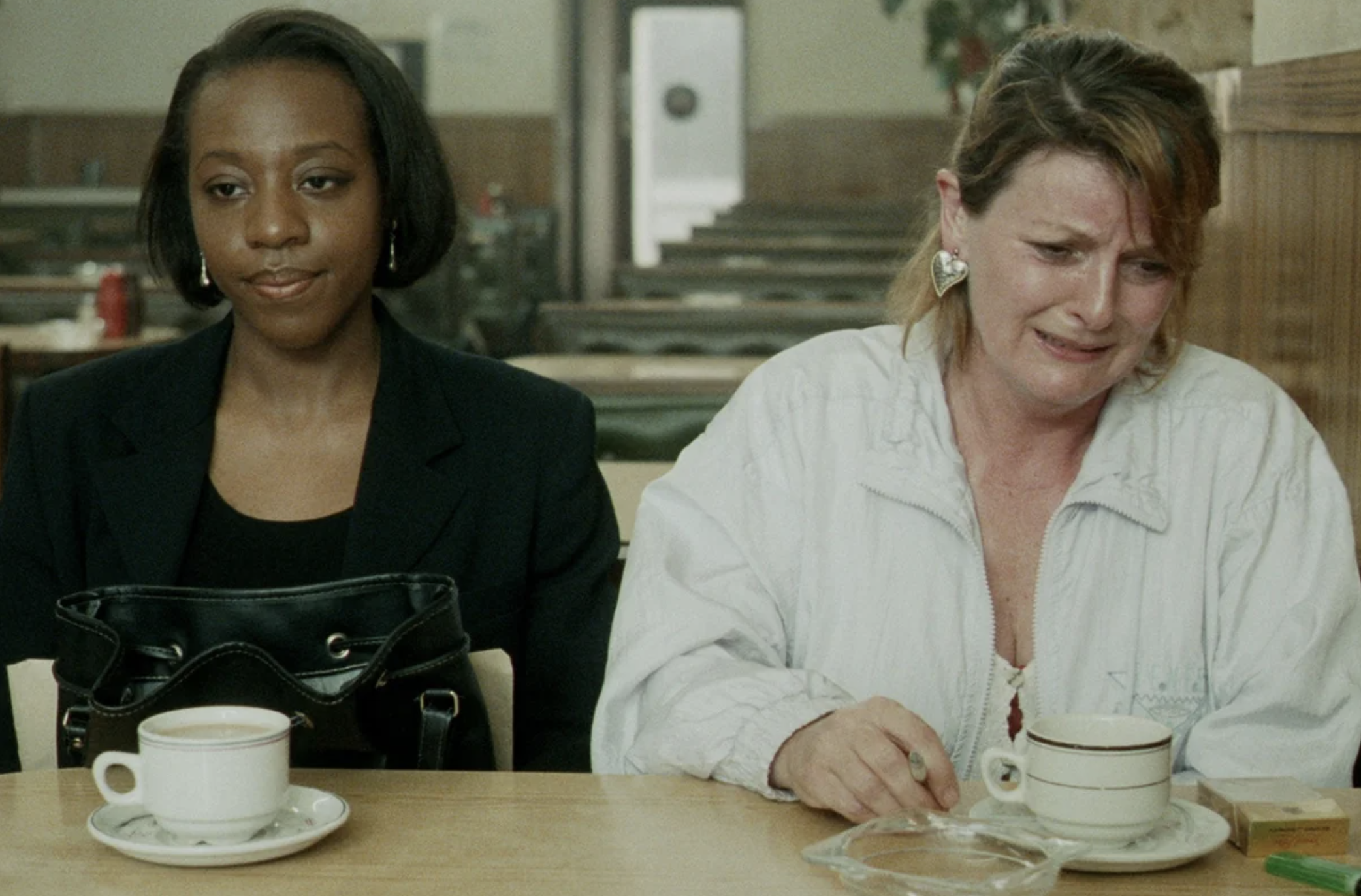
GO TO >> The Films of Mike Leigh at Lincoln Center NYC
READ >> A Scrappier Model for Netflix Might Be More Sustainable

READ >> A Scrappier Model for Netflix Might Be More Sustainable

If you give artists a lot of creative freedom and a little money upfront but a big stake in the movie’s or TV show’s commercial success, more often than not the result will be both commercial (the filmmakers are incentivized to make films that will resonate with audiences) and artistically interesting (creative freedom!).

… As someone who has made both hits and flops, I’ve always thought it fundamentally unsustainable for a company to treat all participants as if they had made a hit before the project is even produced. – Jason Blum

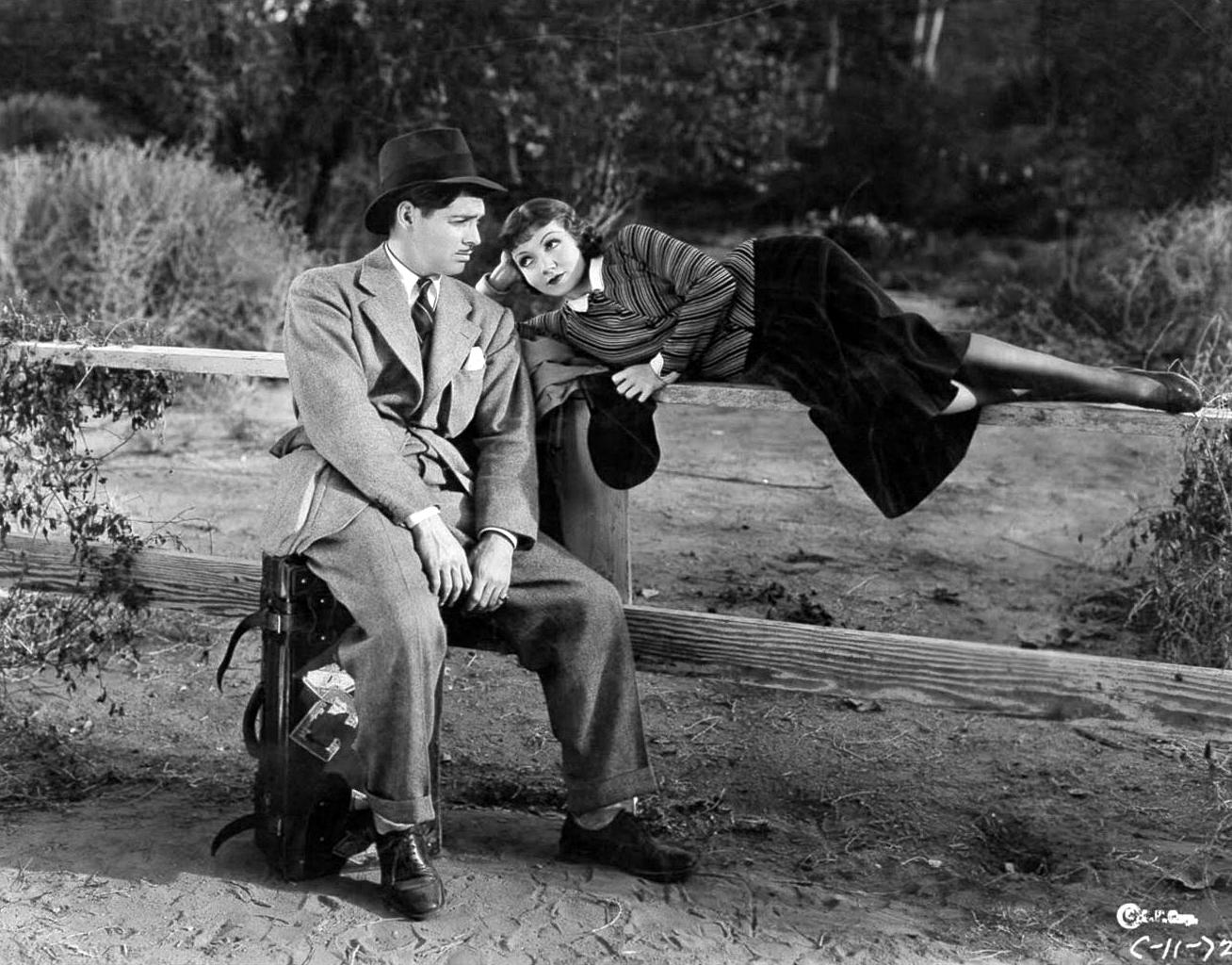
READ >> As opportunities to see old movies fade, so does basic cinematic literacy
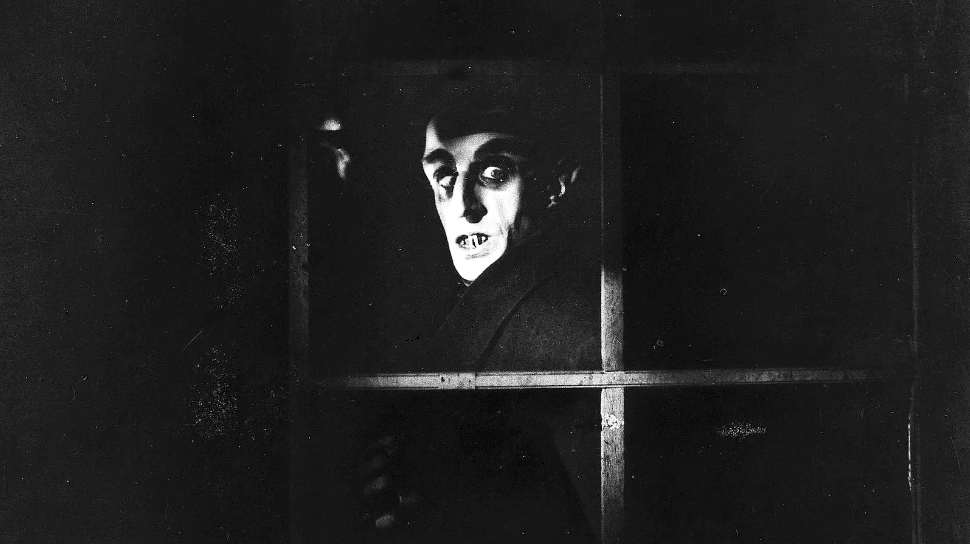
READ >> Nosferatu: The monster who still terrifies, 100 years on
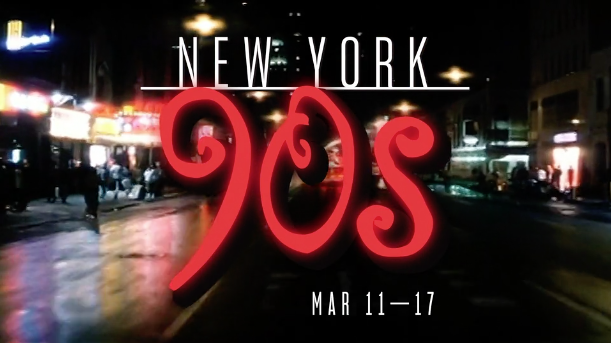
GO TO >> New York 90’s at BAM

GO TO >> New York 90’s at BAM

Unspooling at BAM: Kicking off with the 30th Anniversary special screening of Juice,
followed by Bringing Out The Dead, Jungle Fever, Bad Lieutenant, Belly and more.

Mar 11—Mar 17, 2022

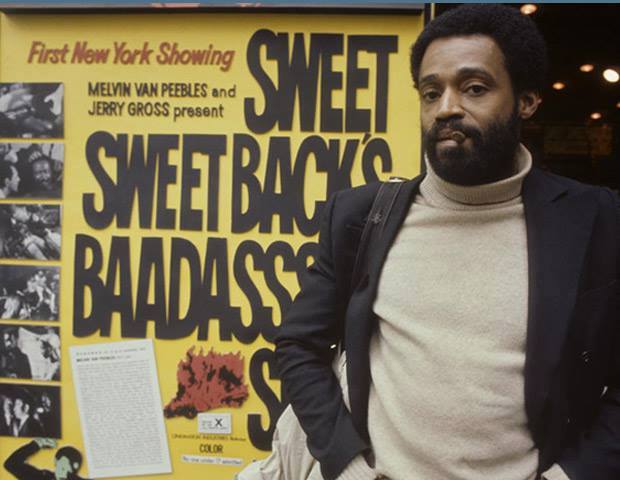
LISTEN >> Melvin Van Peebles, the ‘Godfather’ of Black cinema

LISTEN >> Melvin Van Peebles, the ‘Godfather’ of Black cinema

“My original reason for going into films was that I had gotten tired of seeing
Blacks portrayed in an image that I didn’t agree with. And so I said, gee, I can do better than that.
And if you don’t control your images, then you don’t have a base for controlling your destiny.
So I wanted to control how I was perceived. And therefore, I went into films.”

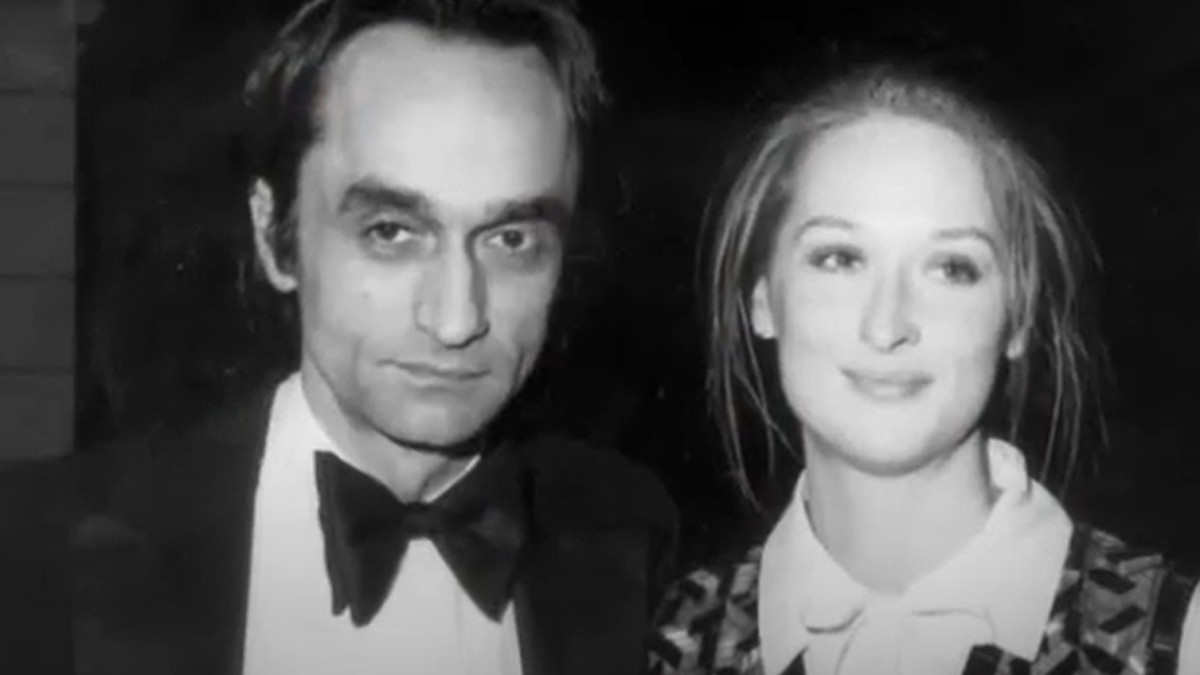
WATCH >> Remembering John Cazale