WATCH >> Jack White Arte Interview
“It’s about struggle. If you don’t have a problem you don’t have a story… I take that all the way to stage performing… I want to create struggle.”

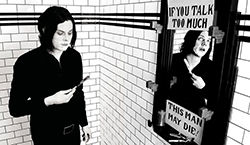
“It’s about struggle. If you don’t have a problem you don’t have a story… I take that all the way to stage performing… I want to create struggle.”
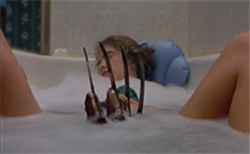
“Unlike melodramas, horror films don’t simply negate the experience of suffering by tacking on a happy ending in which everything comes out right. This can make for grim viewing, but it also challenges us to endure even when hope seems dim or even non-existent.”
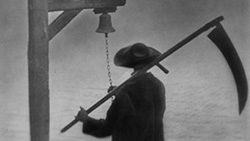
Go see the work of F. W. Murnau, Josef von Sternberg, D. W. Griffith, Alfred Hitchcock, Victor Sjöström, Benjamin Christensen, and Carl Th. Dreyer on the big screen April 1-17.
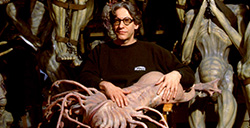
“One of the excitements for me of film was that it was not literature because I had been a would-be novelist since the age of five […] and I was constantly finding myself doing other people […] so when I got to film I felt totally free, I felt totally liberated.”
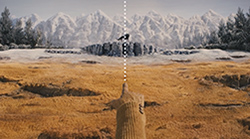
Kogonada’s study of Wes Anderson’s cinematic style
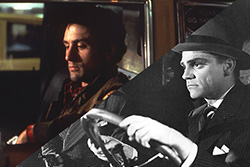
Raoul Walsh painted lean, mean portraits of gangsters and gritty urban locales—providing a virtual template for modern-day maestro Martin Scorsese.
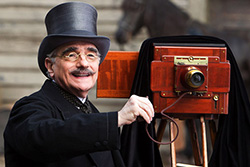
“Whenever I hear people dismiss movies as ‘fantasy’ and make a hard distinction between film and life, I think to myself that it’s just a way of avoiding the power of cinema. Of course it’s not life – it’s the invocation of life, it’s in an ongoing dialogue with life.”
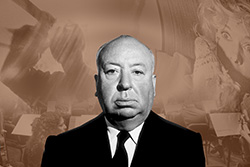
Over a month of The Master!
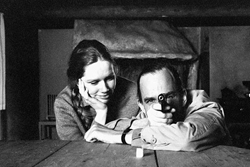
The making of Ingmar Bergman’s Hour of The Wolf.
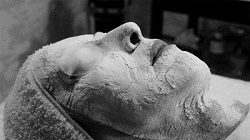
A critical essay/dream sequence about faces, filters, masks, and mirrors.