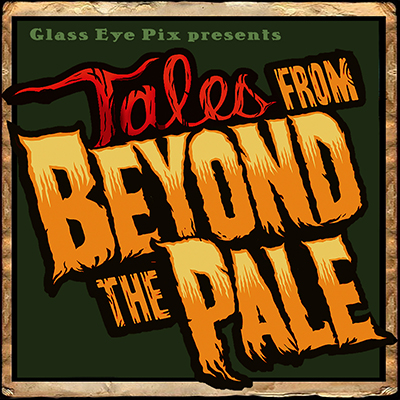
FULL reviews of TALES FROM BEYOND THE PALE The Podcast Episodes 1—14
 “a masterclass in audio horror,
deserving a place with the classic audio dramas
that they were inspired to modernize”
—Craig Draheim, Ginger Nuts of Horror
Tales from Beyond the Pale – The Podcast
November 6th, 2019 – January 8th – 2020
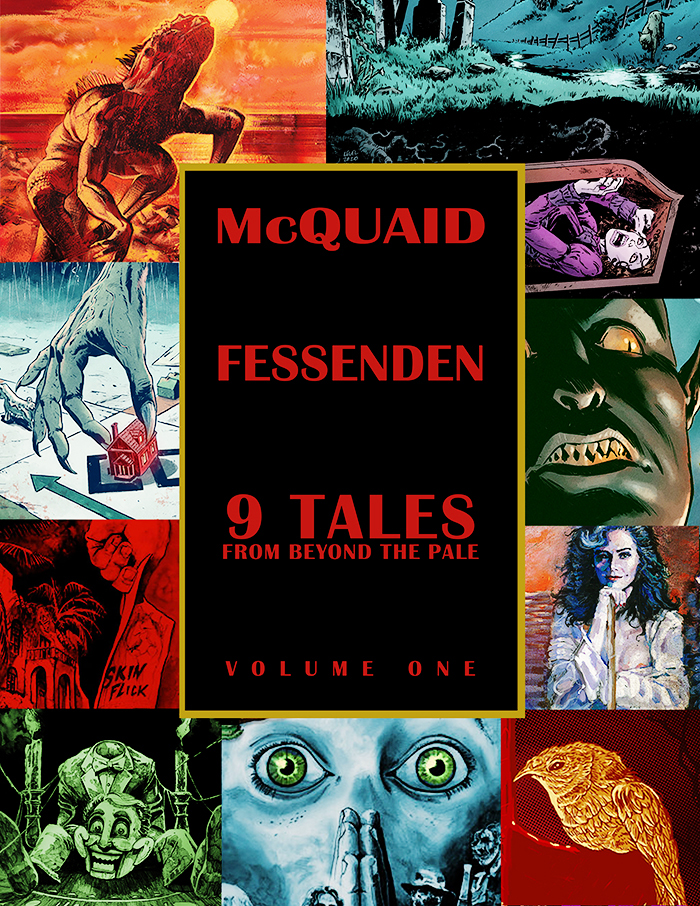
Debuting in 2010, Tales from Beyond the Pale was created by auteur, Larry Fessenden and Glenn McQuaid from their love of classic 1930s radio dramas and as a response to the current state of the indie film world. Originally the only way to listen to the episodes would be if you were in the live audience, heard it through other outlets, or purchased an episode. In October of 2019, Tales from Beyond the Pale – The Podcast was established, releasing a past episode each week that can be downloaded/streamed for free on Android or IOS. Each month I will be providing a review of the episodes that were released.
So not to repeat myself, if you’re interested in learning more on its creation, how it’s produced, or my views on the podcast as a whole, please check out my original review.
Let’s get in to it:
I wouldn’t say the episodes are better than the October 2019 kickoff, since an anthology is based on opinion, but they fit more with the podcast style. In the initial review I acknowledged that despite my amazement for the skill to make a live episode, there was concern of the “live” audience’s reactions taking you out of the story. This is not the case for the episodes I will be discussing in this review, as they were all recorded in studio. More importantly they’re all from Beyond the Pale’s third season.
All coming from season 3 does not affect the individual stories themselves, though they share similar themes of isolation, but it does offer a fun incentive for the audience to continue listening thanks to Fessenden’s opening and closing segments. Throughout the episodes, a season-long story arc unfolds as Fessenden, alone in a lighthouse, encounters a growing creature he calls “Shape.” While we only get a minute of his interaction with Shape, it’s enough to keep you intrigued about how it’ll turn out, though by the end you will wish they provided an extra few minutes to that story.
Much like the series throughout, this season provides many horror legends from both in front and behind the camera that would pique the interest of any horror fan. However, I will admit the strongest showcase of this medium’s potential comes from the writers/directors that’d be deemed “independent” or “up-and-coming.” You’ll find that while the episodes done by these horror icons are well done, they’re traditional in terms of audio drama.
I haven’t heard all the episodes in Beyond the Pales’ run, but I can say from what I did hear, this season has proven to be a masterclass in audio horror, deserving a place with the classic audio dramas that they were inspired to modernize. The only thing I leave this season wishing is that the order was altered to hit a little harder at the end.
Ep. 5: H.P. Lovecraft’s The Hound – Written by Dennis Paoli and Directed by Stuart Gordon – 30 minutes
The Allure of a jade amulet proves troublesome for two aristocratic grave robbers.
Collaborating horror icons, Barbara Crampton and Stuart Gordon (Re-Animator, From Beyond, Castle Freak), come together and return to another H.P. Lovecraft tale. Their collaborative work has played a major influence on my own horror journey and offers a crowd-pleasing start to the season. The only thing better would be if Jeffrey Combs was involved.
While it’s more straightforward (as mentioned earlier) than other episodes, The Hound features, arguably one of the season’s highlights which involved the main cast in a kinky three-way. The episode is funny yet played serious. It’s a period piece but doesn’t get bogged down in exposition and where Gordon’s theatrical background proves useful.
Thanks to the talent attached and being the first episode of the season, it’s guaranteed to be remembered. For me it’s one where nostalgia won in the end, but I think you’ll find that despite an amazing sound design with the creatures and the humorous sex scene, it faces incredibly tough competition for “best of” episodes.
Ep. 6: Junk Science – Written and Directed by Brahm Revel – 36 minutes
Space can be a lonely place. For Pike and his computer AL, friendship may mean the difference between life and death.
To paraphrase Fessenden, this is their $50 million sci-fi script, and it’s probably the one I went in assuming it’d be the most problematic. The reason? As you’re dealing with the future, space, and other unknown territories to our modern human comprehension, there’s the worry that there’ll be a lot of “scene painting” dialogue. I was wrong. Revel plays it the same way it’d be presented on screen and it works for the better.
In my first article I explain how a good portion of episodes were meant to be features that weren’t going anywhere so they were cut down and altered to fit the format. Junk Science gives that perception. It contains elements and gaps of time that feel like there was more there. The “gaps” aren’t necessarily a criticism, because it still made me want to see it on screen, wishing someone would invest in an original sci-fi/horror, but they are noticeable enough to mention.
With the plot being compared to 2001 meets Event Horizon (maybe), Junk Science holds its ground thanks to the working-class feel. And despite the many plot devices that can fall into cliché, they’re altered enough to be fresh.
Ep. 7: The Ripple at Cedar Lake – Written and Directed by Glenn McQuaid – 29 minutes
A scientist, his wife and his lover get in over their heads in this 1950s crime of passion set within the multiverse.
First, a round of applause for Glenn McQuaid for telling a story that is already tricky to do visually, but to make it work through purely auditory means is outstanding. I spent the first half of the episode in awe that it was being pulled off. I am someone who obsesses about the “science” of a film’s loops, dimensions, and time travel, so having multiple versions of our three main characters seemed like quite a task for strictly audio. Yet once you let the story take you there’s no confusion about which version of the scientist you’re following.
I have really no criticism of the piece after it finished as this was a personal favorite for me. The sound design works wonders and assists the listener through the multiverse without becoming overbearing or on-the-nose. What starts off as an almost throwback to an EC Comics (Tales from the Crypt) plot enters the modern age with a bang.
Ep. 8: Food Chain – Written by April Snellings and Directed by Larry Fessenden – 39 minutes
Four hunters set out to trap the elusive Big Foot but it’s not long before the hunters become the hunted.
Speaking of EC Comics and villainous, over-the-top characters getting their comeuppance, Food Chain is the most fun you’ll have in season three. Within the writing and performances this is this season’s pinnacle of horror comedy. Don’t let that fool you, because the last ten minutes could give Saw a run for its money. I won’t spoil cringe-worthy brutality, but not being able to see what happens allows the brain to come up with something much worse than could be produced on screen.
The last third does have a tonal shift that works, but based on the silliness of the opening, can make it feel slightly jarring. I’m not referencing the plot being more than they bargained for, but rather commenting on cohesion throughout. Even if you have a drastic shift it should always feel like it belongs in the same “world.” However, thanks to the silliness described, this issue does not cause enough interference to detract from its enjoyment, and in fact provides the most relisten appeal.
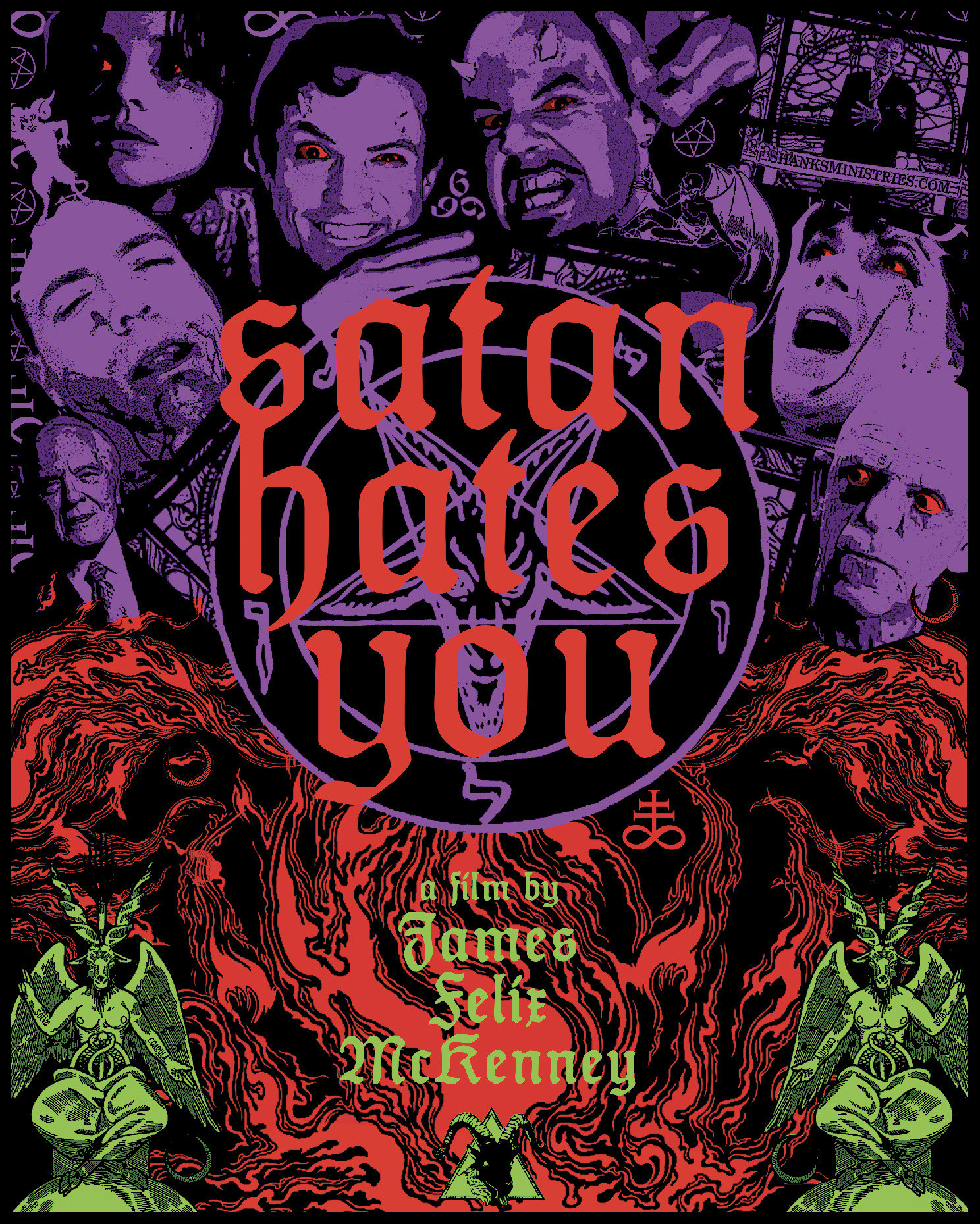
Ep. 9: The Tribunal of Minos – Written and Directed by James Felix McKenney – 37 minutes
Two Americans traveling in Greece find themselves in a mysterious labyrinth haunted by ancient myths and recent memories.
Where Ripple at Cedar Lake had a hurdle in trying to deal with its complex story through audio, The Tribunal of Minos finds itself on the opposite side of the spectrum. It’s primarily two people talking in a featureless labyrinth with a few instances of “spectacle.” This lack of action does provide horror fans with a beautiful performance by Angus Scrimm that feels bittersweet as he was reaching the end of his iconic career in the genre.
As mentioned in my overview of the season, this is one that may be overshadowed by other impressive episodes. The reasoning lies in its structure and character arc. We are introduced to two characters that are meant to be very difficult but find mutual respect in their journey. Mizuo Peck plays a young woman who is angry at the world and protesting the system, and Angus Scrimm represents the very thing she hates; an old, rich, white male. Throughout we come to learn that Peck’s character is a trust fund baby and can afford to make these sacrifices because of the very system she protests. There’s little tension between the two and any of the external threats never come close enough to cause alarm. Unfortunately, by the end we are left with exposition of the ancient Greek mythological story and two people (mainly Scrimm) talking about their life and regrets.
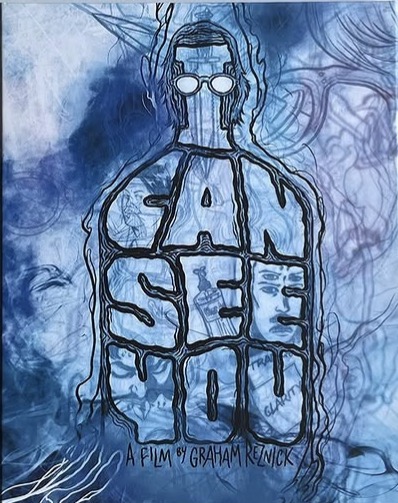
Ep. 10: The Chambers Tape – Written and Directed by Graham Reznick – 39 minutes
Life got you down? We have just the tonic! Relax, breathe deeply and close your eyes. Let the calming effects of The Aviary work its magic on you.
This should have closed out the season. An awesome display of using the medium in innovative ways. It plays like a self-help audiobook with some twists. This review I’m making brief for fear of providing too much information and ruining the experience.
The only form of criticism (more of a warning) I could mention, deals with the concentration needed for this episode. Chambers Tape requires sitting in silence and participation to really invest in the story, thanks to the many subtleties provided. Like most, I listen to podcasts while doing something else (walking my dog or driving), all the other episodes can be listened to without issue when doing these activities.
Unlike the other episodes that could work in another medium, this is audio drama through and through, raising the bar into an artform.
Ep. 11: Natural Selection – Written and Directed by Larry Fessenden – 35 minutes
On the path to find a new species in the storied Galapogos Islands, a TV Naturalist and his cameraman encounter terrors in the night.
Fessenden, eco-horror, and a creature feature. I could end the blurb here and people who know his work will understand. It has some hilarious banter, inventive with its narrative style, and goes in a direction entering body horror territory. Right up my alley.
I mention the narrative style because it’s presented as found footage (or found audio?). This may be a turn off for some, but Fessenden does it in such a way that doesn’t feel like a gimmick. I admit it helps having Dominic Monaghan and Billy Boyd (Merry and Pippin from Lord of the Rings) together, as their chemistry is felt through the soundwaves.
It may not be to the same comedic extent as Food Chain (also directed by Fessenden), but Natural Selection is some of the most fun I had during the season. A quick self-contained story with some great spectacle and creature sound designs.
Ep. 12: Guttermouth – Written and Directed by Jeff Buhler – 30 minutes
Martin hears strange voices coming from the drain. Passion, obsession and madness collide when he investigates.
Who would’ve thought a tale about a sewer being would have so much beauty in it? Maybe beauty isn’t the right word…
I give Buhler credit for making fresh a premise that could’ve fallen into a “been there, done that” category. Obviously, that doesn’t mean it avoids clichés entirely, but it kept my interest with its brilliant use of sound design and vocal distortion.
My biggest issue came from an element that suggests the story may have come from a larger story, which is the marital problems. We are presented with a scenario that should have Martin stuck in a crappy/stale relationship, giving reason to his obsession with this voice. I’ll admit little is given to understand why he’d want out. His relationship has elements that are common in any marriage (busy at work, different schedules, common frustrations from living together, etc.), but both seem to love each other, checking in, and trying to make it work. Because of their mature relationship the end with his wife feels tacked on to provide justification for Martin’s actions and diminishes some of what we just listened to. Up until the last few minutes, Guttermouth was the surprise hit of the season.
Ep. 13: Little Nasties – Written and Directed by Eric Red – 30 minutes
Things are not quite as they seem when Heather Knox and her daughter, Bethany, arrive at a child beauty pageant, after dark…
I was excited to hear about Eric Red’s involvement in the series as a fan of his work, and the fact he was adapting his own short story made it all the better. I’ll champion Bad Moon and Body Parts constantly to the point of comical exhaustion from fellow collaborators.
As I’ve stated many times, the beauty of anthologies is that each person is allowed their favorite segment/episode based on their own tastes. While I’m trying to look at each episode individually, Little Nasties unfortunately comes off as the weakest use of the medium. The story itself has plenty of opportunity to satirize the world of child beauty pageants. However, even for an audio drama where dialogue is crucial to paint a mental picture for the listener, it’s so narrative-heavy and on-the-nose that it detracts from just how much fun it could’ve been. Maybe it’s one of those instances of being too close to the source material, because scenery and internal thoughts were described that were neither necessary to the plot or established through other means. Oddly enough the most successful part is the last four minutes of the episode, its gun shots and yelling establish a vivid picture.
By itself Little Nasties is good, offering laughs and a perfect violent end, but fell short as a whole.
Ep. 14: Cannibals – Written and Directed by Joe Maggio – 38 minutes
An embittered auteur encounters the young filmmaker who has been cannibalizing his work, a game of cat and mouse ensues.
Cannibals is a one-act play that despite a few variations you know where the story is headed. However, thanks to the performance of Vincent D’Onofrio, it’s a hell of a good time getting there. It also makes an interesting statement on these up-and-coming directors who use the term “homage” or “inspired by” to justify copying shots, characters, or plot devices from an older film.
Maggio manoeuvres you through the story in a way that he knows you know where it’s going, then in the last third we’re given the “twist.” Yet we know the twist is coming as well. Without using a redundancy of comments, it’s difficult to discuss this piece as its very good, but sadly gets lost going up against some amazing work throughout the season.
TALES FROM BEYOND THE PALE – THE PODCAST
13/11/2019
EPISODES 1—4
4 ½ OUT OF 5 STARS
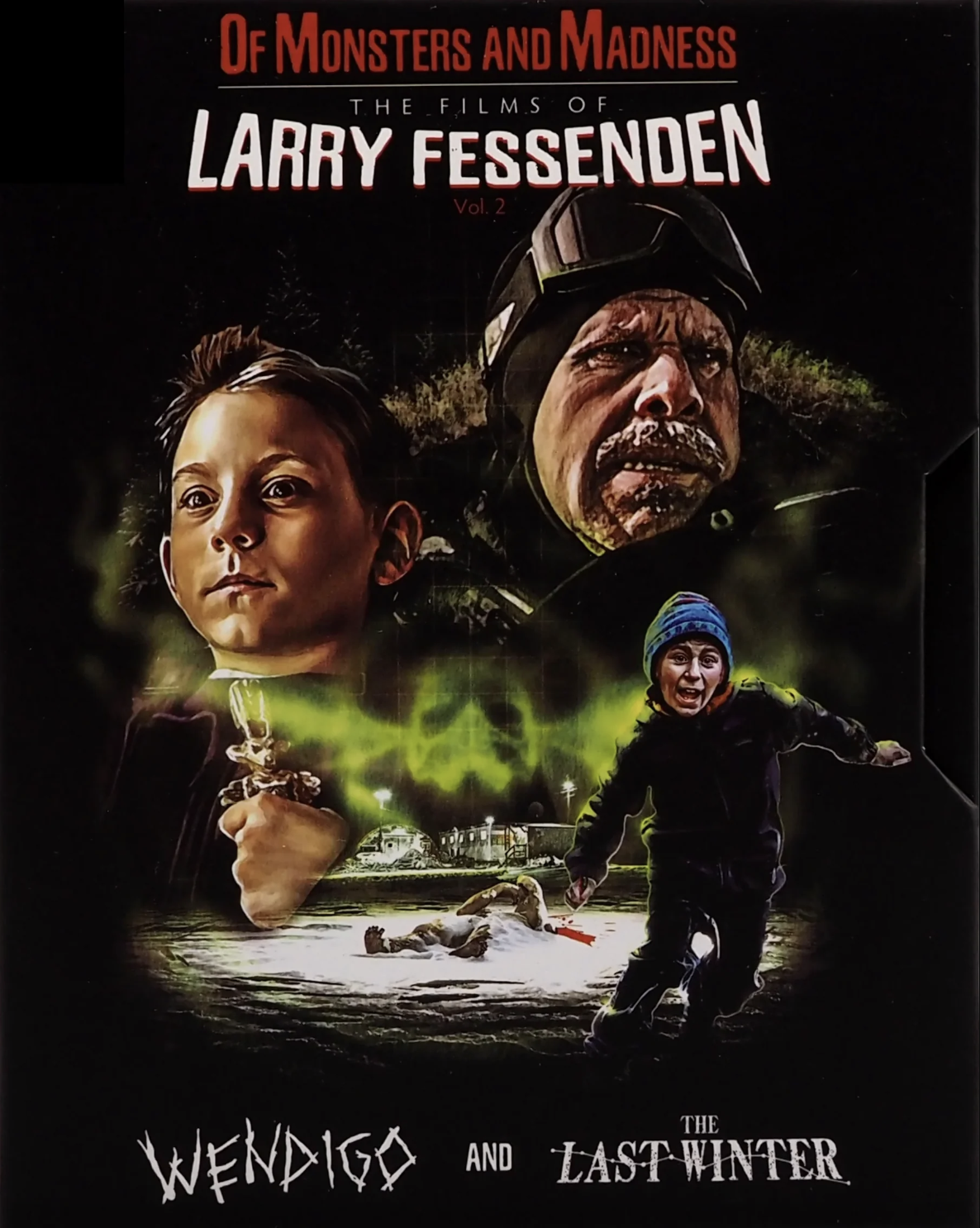
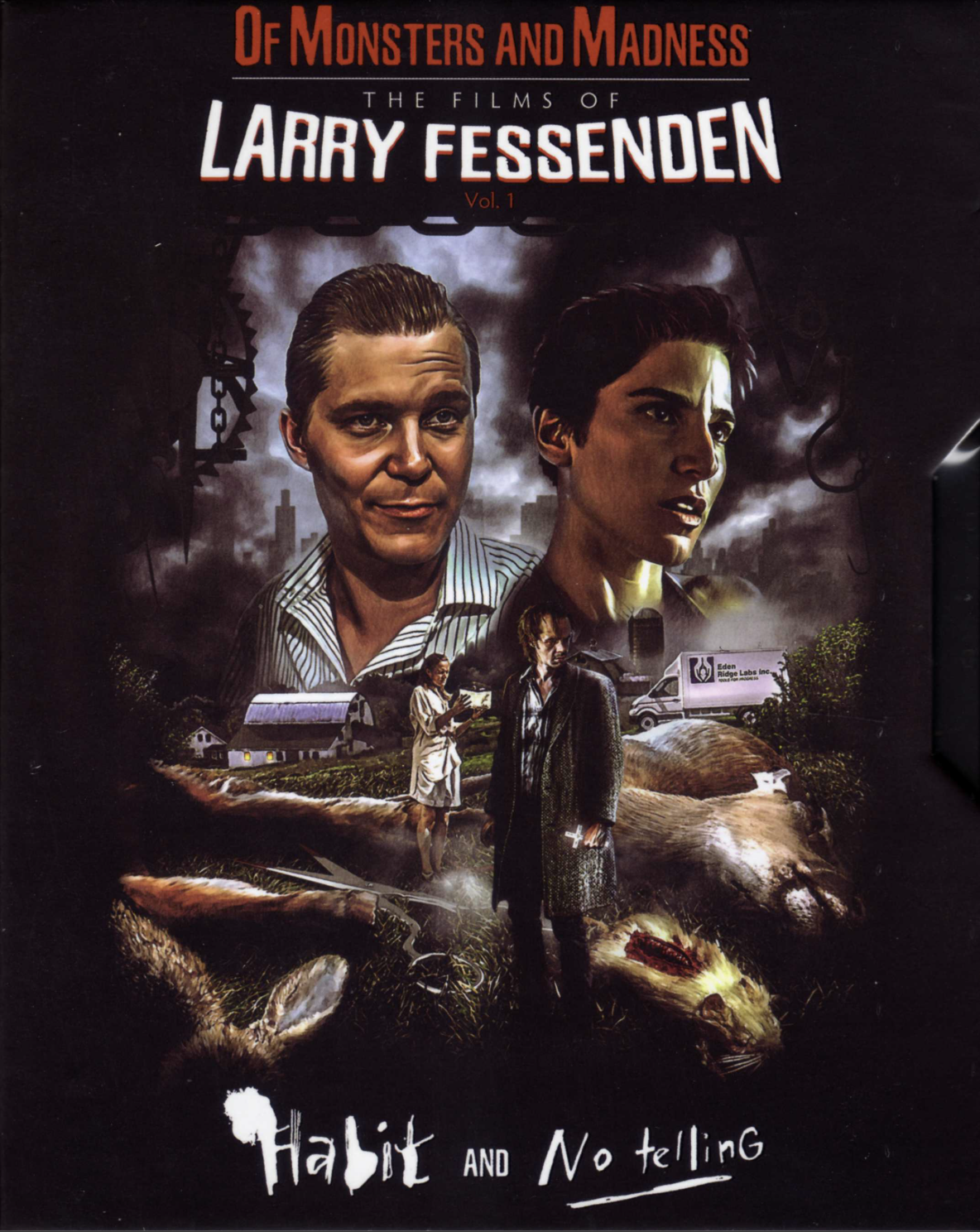
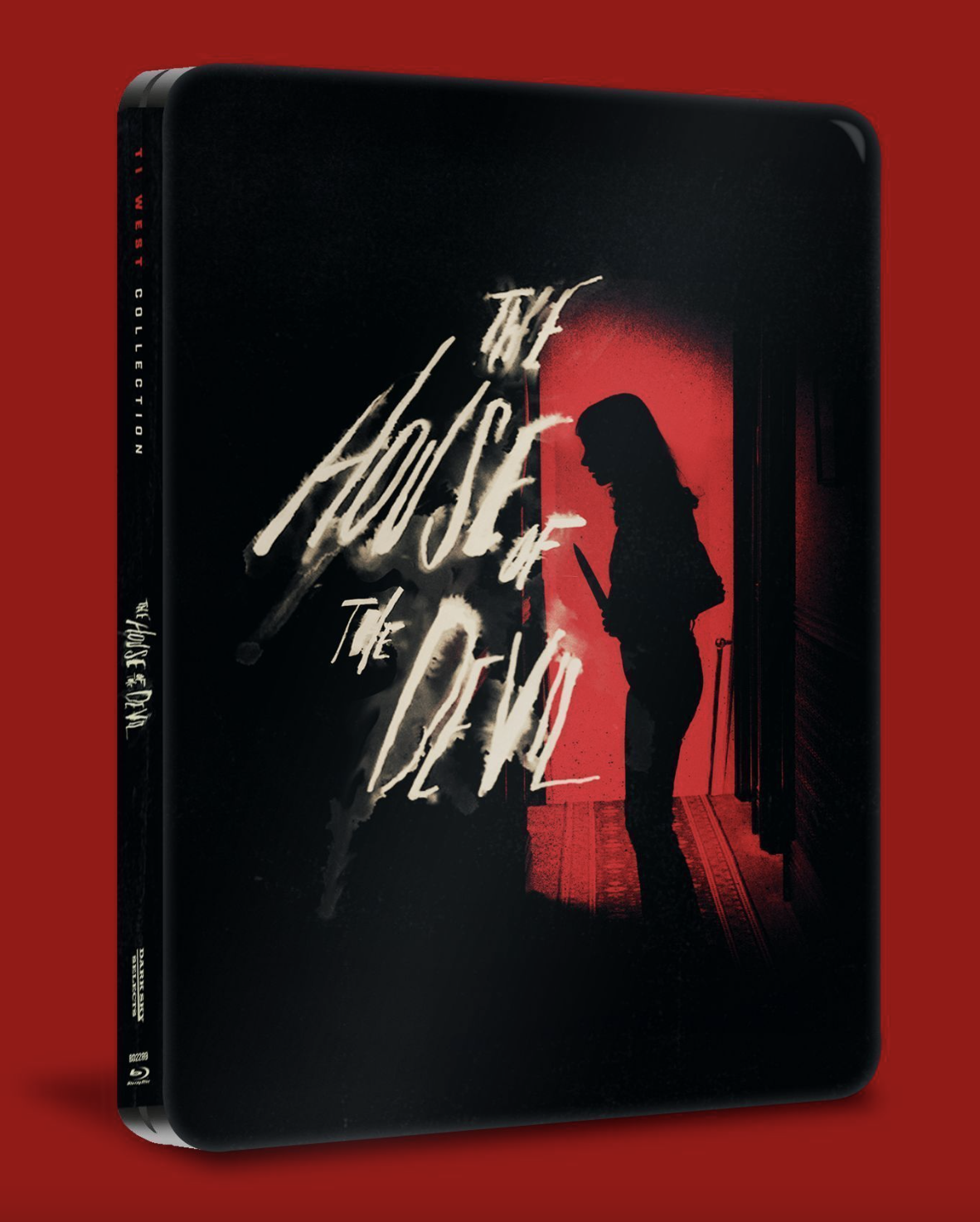
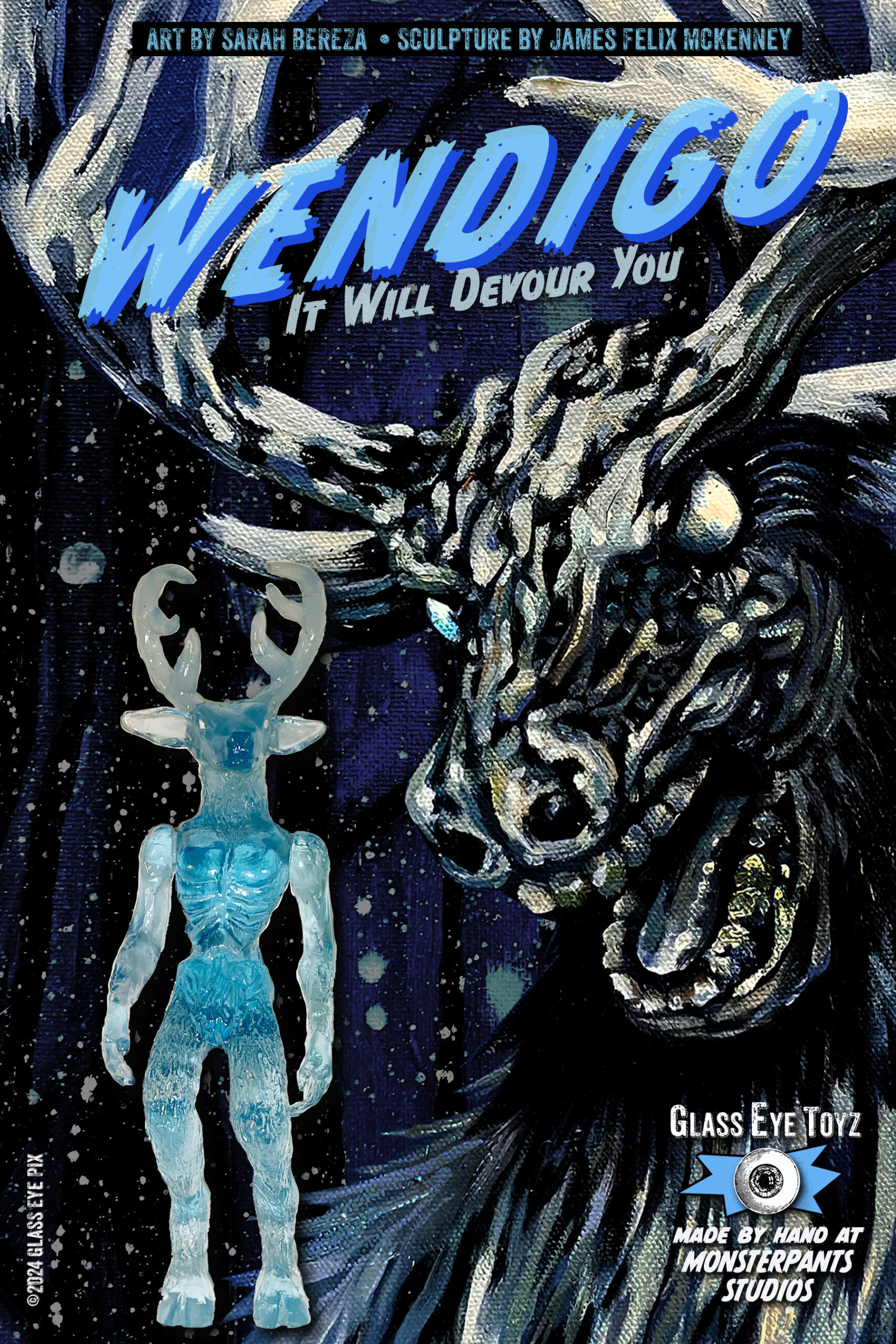
There cannot be a discussion on independent genre films without acknowledging Larry Fessenden and his company, Glass Eye Pix. Created in the 1980s so Fessenden could copyright his own work, Glass Eye shifted their focus on new directors by the mid-2000s to produce lean budgeted, auteur-driven works: Wendigo, I Sell the Dead, The House of the Devil, Stake Land, The Comedy, and Late Phases are a few titles to come from Glass Eye Pix or as Fessenden describes it, “Larry Fessenden’s School of Cinematic Arts.” However, over the last few years Glass Eye has ventured into another medium, one considered archaic only several years ago, a radio drama titled, Tales from Beyond the Pale.
Created in 2010 by Fessenden and Glenn McQuaid, Beyond the Pale came about from their love of classic 1930s radio dramas and as a response to the current state of the indie film world. It used to be an independent company could make some profit from the limited theatrical run, DVD sales, and selling to a network. Now with streaming services the movie will reach more viewers but will be bought for one lump sum that won’t (in some cases) provide residuals, leaving many just breaking even. * This is an amateur explanation of how the business works. * With that in mind, Fessenden and McQuaid asked their filmmaker friends if they had any unused scripts that could be cut to around 30 minutes and minimized for an audio format.
You may be asking why I’d discuss something that debuted in 2010. Originally the only way to listen to the episodes would be if you were in the live audience, heard it through other outlets, or if you purchased an episode. Starting this month Tales from Beyond the Pale – The Podcast has released a past episode each week for Shocktober, that can be downloaded/streamed for free on Android or IOS. Let’s begin:
Anthologies have a stigma about them that the segments within the piece will be “hit or miss,” but how they’re received isn’t known until an audience views them. However, by releasing past episodes that proved successful, Beyond the Pale has beat the odds in a way that only a “live” show could do.
Like many of the most famous anthologies, Beyond the Pale has Fessenden bookending the stories. Nostalgically closer to the Cryptkeeper than Rod Serling, Fessenden’s charismatic showmanship offers an entertaining approach to the host role that the live audience appears to relish.
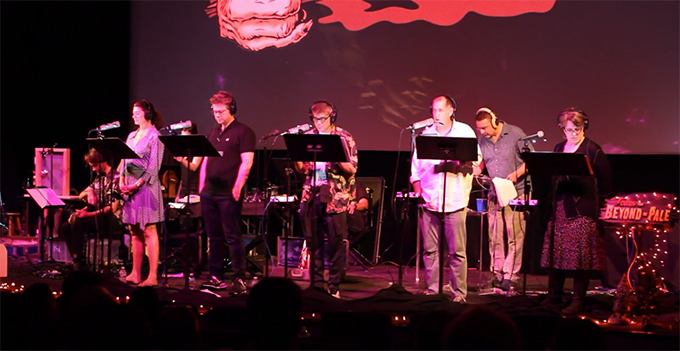
Let’s get this out of the way: Yes, the episodes you’re listening to are the same ones recorded for a live audience, which comes with its own baggage (for better or worse). For me, this knowledge primarily makes me want to see their show live. Knowing that the actors, music, foley (sound effects), are all done on the spot in front of an audience, showcases a well-rehearsed machine of immense talent. I understand there must be some postproduction done to improve the quality but having it so smooth is incredibly outstanding. It works better than the majority of audio horror that is made specifically for the podcast medium. However, on the other end, this can create a separation between the viewer and the source material. No matter how great it is to view/listen to the recording of a live theatrical play, concert, comedy special, or even sports event, it creates a “you had to have been there” mentality. This being “maybe the joke would have landed better” or “I wish I was able to see that goal in person,” a live event has a communal effect whose power diminishes through transferring to another medium. The audience also has the potential to take you out of the story even when you hear them laugh at an intended joke to lighten the mood. So, I can understand why someone would feel that if it’s for a podcast then why not rerecord or make new content specifically to enhance the medium.
As an anthology we have to check out each segment to see how the piece works as a whole.
Ep. 1: Reappraisal – Written and Directed by Glenn McQuaid – 31 minutes – Performed live April 29th, 2017
A man trying to sell his home and uproot his family is visited by a mysterious buyer.
Even though it’s one of the more recent, Reappraisal has grown to become a series’ fan-favorite. Traditionally audio drama is known for using a character as a narrator to add exposition or describe scenes that are too difficult to convey through the audio format. Reappraisal doesn’t use that. Instead it flows like a one-act stage play between two characters. McQuaid provides possibly the most suspenseful of the four, thanks to his tension-building, rapid-fire dialogue and musical accompaniment.
Though it could be considered the most generic of the four, with a well-known “devil’s contract” plot, but that doesn’t mean it lacks an artistic voice. McQuaid gives us an interesting perspective from an Irish immigrant’s POV who wishes to return home due to the current state of the US. No matter how extreme these anxieties may be, we can empathize with the character… just maybe not how he goes about achieving his goal.
As I explained before with the understanding that a majority of these were originally unused scripts condensed and minimized for an audio format, this works the best as a complete story. I’ll get into it more below but the others (though great in their own way) have elements that feel like it should’ve been longer.
Ep. 2: In the Wind – Written and Directed by Larry Fessenden – 24 minutes
Winged creatures descend from the sky to terrorize a snow-bound mountain resort.
Fessenden has become the unofficial spokesperson for environmentalist horror and the Wendigo (a mythological man-eating creature originating from the Algonquian tribes). He’s created many projects across different mediums that utilize the creature in some incarnation. So, it comes as no surprise that the first tale of his to enter the podcast version of Beyond the Pale is one that has a creature comparable to the Wendigo and has themes of mother nature striking back against humanity’s greed.
This is the highest concept of the four and requires a lot of narration from the main character to really get some of the scenes and imagery across. It’s also the one that feels the most like a it was meant to be a screenplay or even adapted to prose, because of how visual it is. And none of this means it isn’t a fun listen nor done with the same technical quality as the others. I found it reminiscent of when I was read to as a child.
If you couldn’t tell from the previous paragraphs, Fessenden is in his element with this segment, an intimate character-piece that’s also a snow-drenched monster story. Right up my alley.
Ep. 3: The Crush – Written and Directed by Glenn McQuaid – 37 minutes – Performed live October 16th, 2012
Loretta will stop at nothing to own a successful vineyard, but when the wine finally flows, it comes at a price.
A greedy person/narrator who gets their comeuppance, elements of dark comedy, affairs, over-the-top southern characters, this is Beyond the Pale’s EC Comics-inspired segment. For those that don’t know, EC Comics have inspired or adapted into many anthologies over the decades, with some of the more well-known ones being Tales from the Crypt or Creepshow. Plenty of the stories revolved around an individual who kills their spouse and then is punished by some (possibly) supernatural element.
The thing with EC Comics that works in this podcasts favor is they are best when they’re short. It’s difficult to sustain an evil character doing evil things and trying to get away with it after a certain point. Achievable? Yes. But difficult to keep audiences invested still. As the longest of the four, Crush comes tauntingly close to that point. The first 20 minutes are slow and not in a building of tension way, but slow in a setting up the scene and exposition way. Again, like Reappraisal, McQuaid can take a standard plot and make it unique. To not spoil anything, I will only say that once they discover delicious grapes for making a wine that alters whoever drinks it, is when the story picks up. I wish that portion of the tale was larger, but I realize inevitably you need that set up in order for the rest to play out as beautifully as it does. It falls into that weird length where it is too long to just tell a simple, in-and-out tale but too short to provide the much-needed character arcs.
In the end you’ll be satisfied but, haunted in knowing it could have been so much more.
Ep. 4: Caper – Written and Directed by Larry Fessenden – 32 minutes – Performed live October 23rd, 2012
Four burglars are trapped in a fantasmagoric nightmare when they discover the abandoned mansion, they break into is shapeshifting.
The last segment for Shocktober is also the one I’d consider the “odd one out” in terms of this collection. It feels like it should have been in the middle, allowing In the Wind or even Reappraisal to close out the month. It’s also a change in style for Fessenden, whose strength lies in his intimacy and sympathy of the monsters. I hate to call Caper safe (because it isn’t) but it is the most mainstream or marketable (which isn’t a bad thing) segment for this month’s collection. As described in my praise of McQuaid’s segments, he was able to take a plot we’ve seen many times before and make it entirely his own. Though entertaining and great in its own right, I didn’t feel that for Caper.
Like The Crush, Caper spends a lot of time setting up the scene/relationships, which is necessary but when the crew finally gets into the mansion it seems to go by in a blur, leaving you wanting more.
I say all this as a fan of his work. Hopefully others listen to the episode and are more than happy, because it’s a good story with a superb sound design that builds to a heart-pounding climax.
Final Thoughts
Any issues I may have brought up didn’t deter me from finding each episode incredibly enjoyable. As I stated above, like any anthology, there’s going to be the segments that you’re drawn to more than others based on your personal tastes and they provide a wide range of stories so hopefully at least one grabs your attention. At the end of the day you should remember that this is an anthology series and podcast so there are storytelling barriers, but that doesn’t seem to stop them from putting their all into each segment. The major draw and what sets this apart from other audio dramas is the undeniable talent across the board utilized to make this show happen. It’s a project that leaves me not only wanting to experience it live but also be a part of it, which is possibly the best compliment I can give. Maybe my recommendation is influenced more by their creative process, making the stories that much better. Whatever it is I am here recommending Tales from Beyond the Pale, so it must’ve worked.
*The 5th episode titled; H.P. Lovecraft’s The Hound will be available by the time this is posted. *