October 26, 2023
Share:
Facebook Twitter Email

INSIDER has the scoop on “Killers” Coda

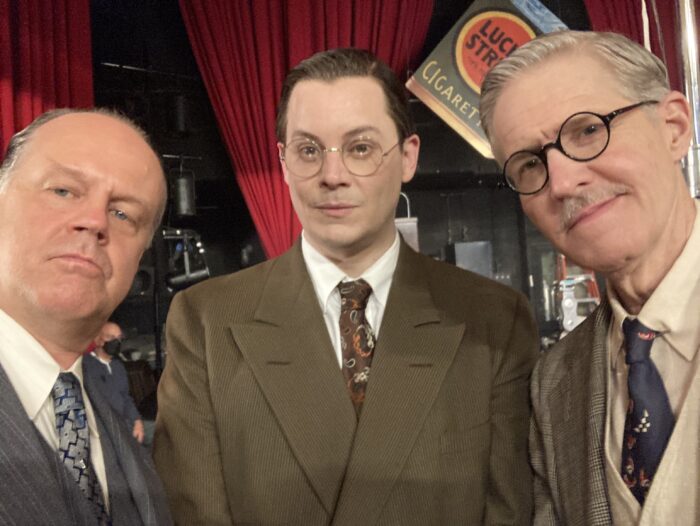
Jack White and Larry Fessenden standing next to each other
Jack White and Larry Fessenden play radio actors in “Killers of the Flower Moon.” 

by Jason Guerrasio for INSIDER

Back in 1999, Larry Fessenden was just an unknown actor from New York when he was cast as a cokehead in Martin Scorsese’s gritty drama “Bringing Out the Dead.”

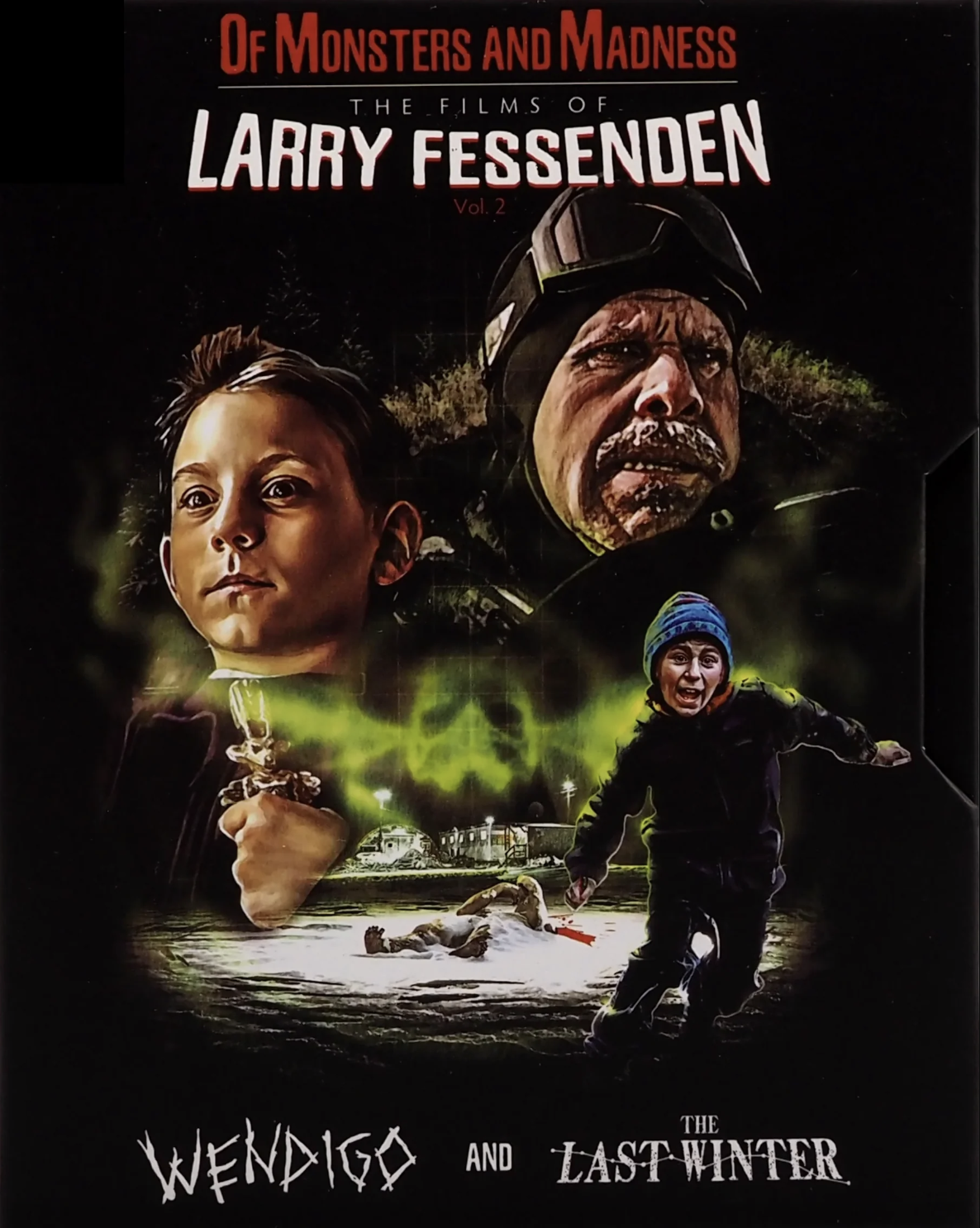
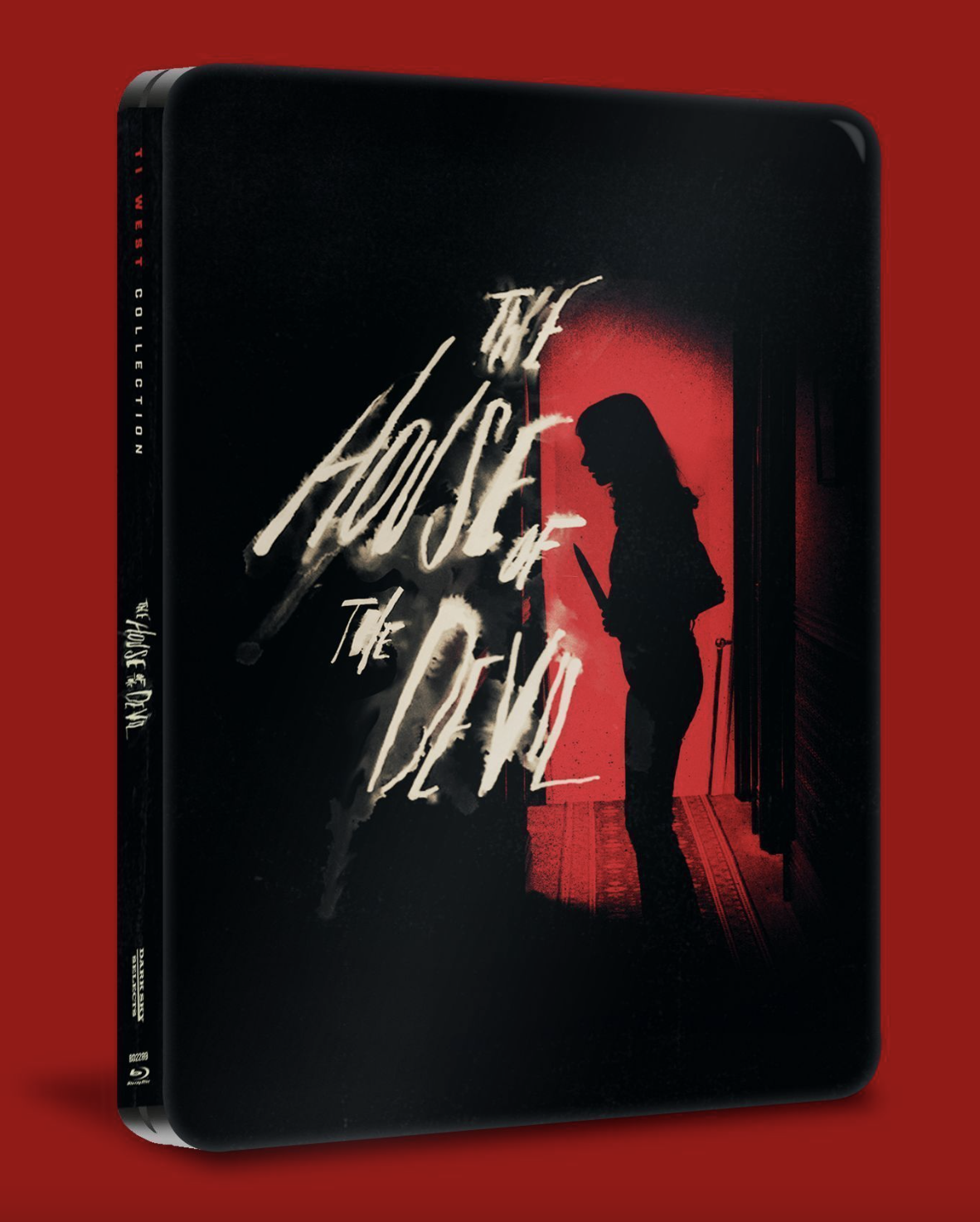
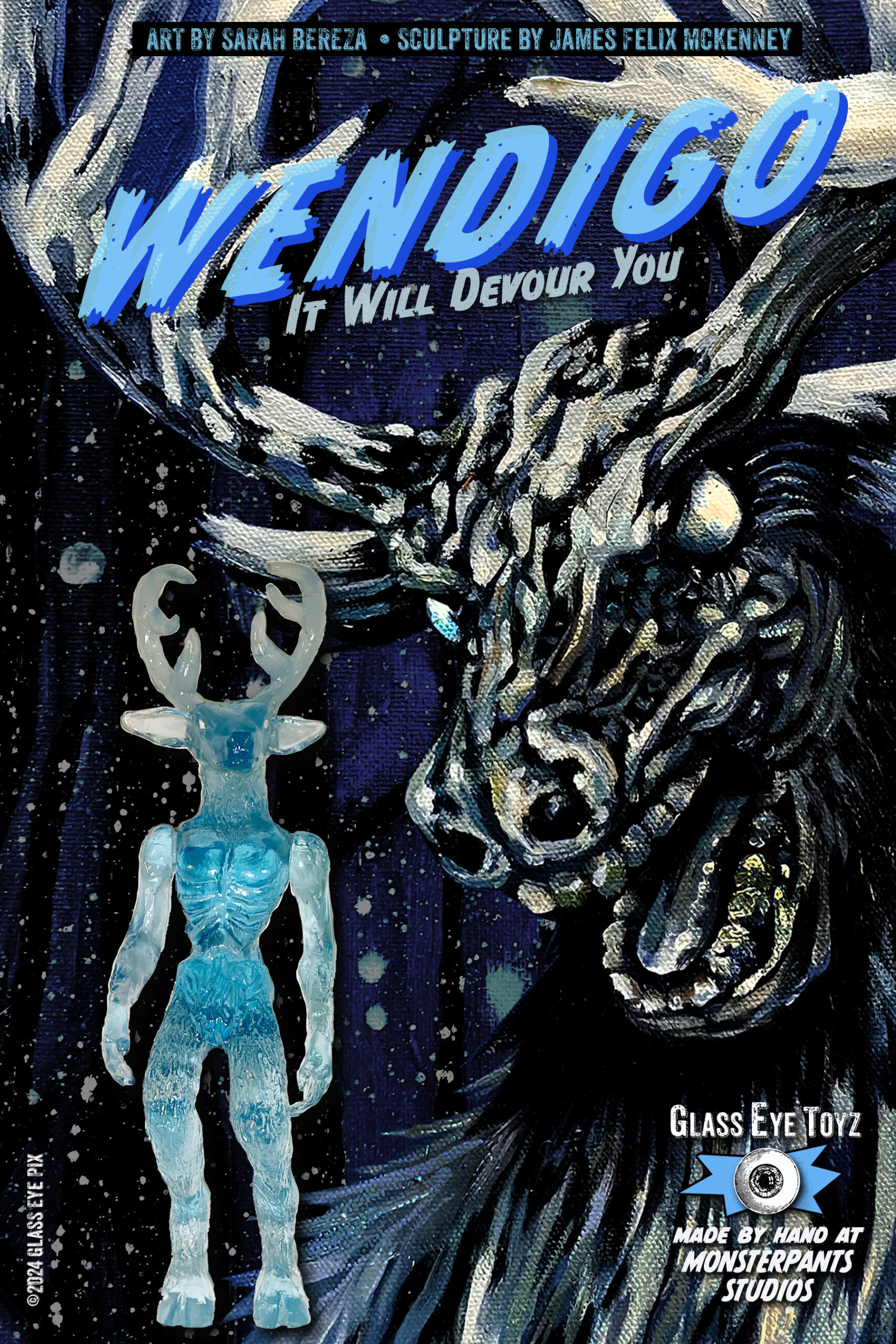
The blink-and-you’d-miss-it part didn’t lead to stardom,  but he had something else to fall back on. His talents as a storyteller gradually made him a legendary figure in the independent-film world, directing horror movies like 2001’s “Wendigo” and 2006’s “The Last Winter” while also helping directors Kelly Reichardt (“Wendy and Lucy”) and Ti West (“The House of the Devil”) get their own movies off the ground as a producer.

However, during that time, he always hoped to one day work again with Scorsese, who is his “favorite living director,” he told Insider.

After a few failed attempts to get cast in another Scorsese movie over the decades, Fessenden finally landed a role as one of the radio performers in the final scene of the director’s latest movie, “Killers of the Flower Moon,” which stars Robert De Niro, Leonardo DiCaprio, and Lily Gladstone.

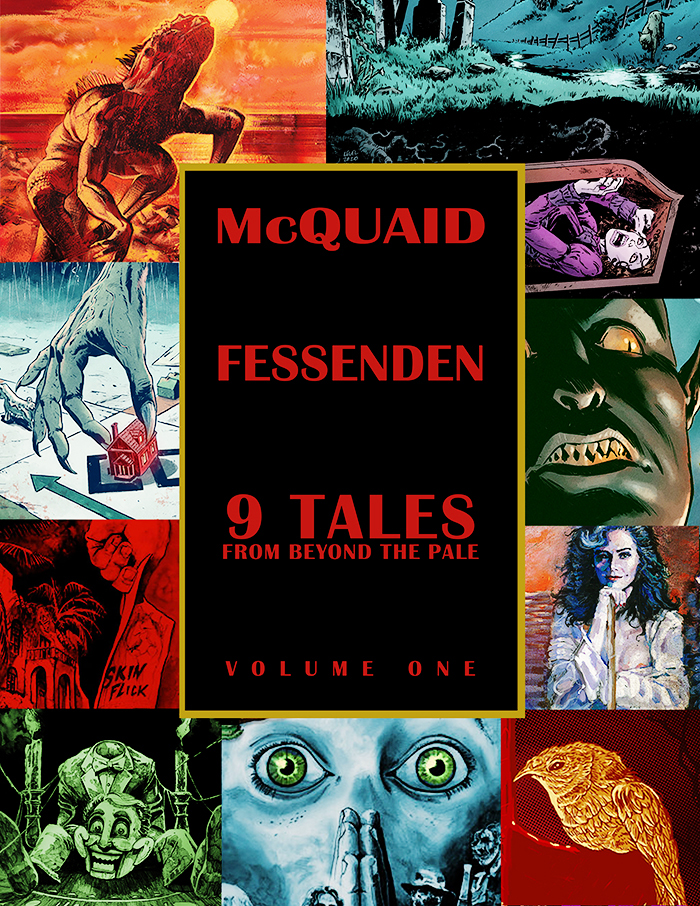
Fessenden plays an actor voicing the roles of the movie’s leads, William Hale (De Niro) and Ernest Burkhart (DiCaprio), in a 1930s episode about the Osage murders on the radio broadcast “The Lucky Strike Hour” (which really happened). He’s perfectly cast, as he was given the opportunity to show off his vocal talents, something he’s mastered over the years doing audio horror plays, called “Tales from Beyond the Pale,” with his filmmaking friend Glenn McQuaid.

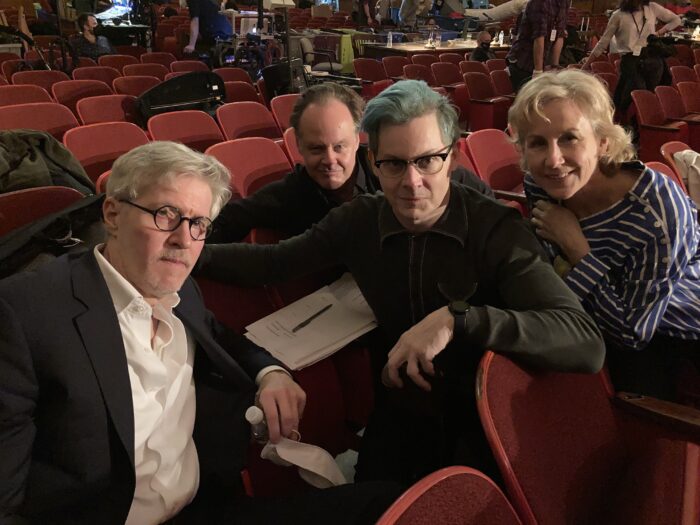
In a recent interview with Insider, Fessenden reflected on the making of the scene at Scorsese’s old high school, which included days of rehearsals, and being one of the few people allowed to witness Scorsese filming his own dramatic cameo.

Early in your career, you had a very small part in “Bringing Out the Dead.” Have you been trying since to work with Scorsese again?


Well, the bottom line is in showbiz, if you know the casting agent, you have your foot in the door and Ellen Lewis, who has worked for Scorsese for years, is graceful and steadfast.

She had brought me in for “Wolf of Wall Street,” “Shutter Island,” and she would always say, “We’re always looking for something for you, Larry.”

She’s a great creative collaborator for Marty and she’s also a straight talker. I reached out to her when I heard “The Irishman” was starting up and she said, “We just don’t have anything for you,” and that’s fine. Each project has its vibe.


You also didn’t get cast in “Wolf of Wall Street” or “Shutter Island.” So was it a shock getting the call from her for “Killers of the Flower Moon?”

Yes. And it was a highlight in my life. It’s not just, “Oh, I might get an acting gig.” This is a Scorsese Picture.

Originally, I was supposed to be in the actual production down in Oklahoma. And I even had a death scene so I was excited. But then I read the book and my character had like a one sentence description. [Laughs.]

What was the role you were originally going to play?

His name was John Ramsey. He’s one of the goons. The only fun thing was I was going to have a choking scene. I was going to be poisoned. So I auditioned for that and this was during COVID so we did the audition through Zoom and it all felt like a go, that I had landed the part.


Then one day, I was randomly at the doctor’s and Ellen called — and you always pick up when it’s Ellen — and she said, “Listen, Larry, they cut that role.” The script had undergone a lot of changes. But she said, “We’re going to find you something else.”

The film wrapped in the fall of 2021 and I hadn’t heard from Ellen so I thought maybe it wasn’t going to work out. But eventually, Ellen called and said they were going to shoot the coda to the film in New York.

She described how the scene would be a radio play and I was so tickled. I told her about “Tales” and she sort of took that information and conveyed it to Marty. 


Where did you shoot it?


We shot it at Scorsese’s old high school in the Bronx: Cardinal Hayes High School.

What!?


It’s this beautiful Catholic high school. Marty told us that, as a kid, he would take the subway from Little Italy to this school run by men of the cloth. Marty teased me that these guys were really hardcore and said, “Larry, you would have been pilloried! They would have slapped you upside the head with that hair.” He was very lively and engaged through the whole shoot. 


It has this beautiful theater, and that’s why it was chosen for the movie. The funny thing is, it’s not named after him. It’s called the Regis Philbin Auditorium. I think Marty has a closet named after him. [Laughs.] 


Was the scene shot in one day?

No. This is what I want to convey, the care and the detail for what appears on-screen for maybe four minutes was remarkable.

We had two days of rehearsal at Steiner Studios in Brooklyn. That was run by this great AD, Jeremy Marks. He was rehearsing the orchestra, the radio-play actors, integrating with the Foley artists, and everything was taped out on the floor. I was accustomed to all of this having done the “Tales From Beyond the Pale” radio plays. During this time, we are also getting our hair done just right, and measured for our wardrobe.

Then the man comes, Scorsese. It’s this great flourish of activity. Then it’s very hush-hush. He sits in this white chair, the same one he’s sitting in if you saw the photo of him shooting in the subway car with Timothée Chalamet.
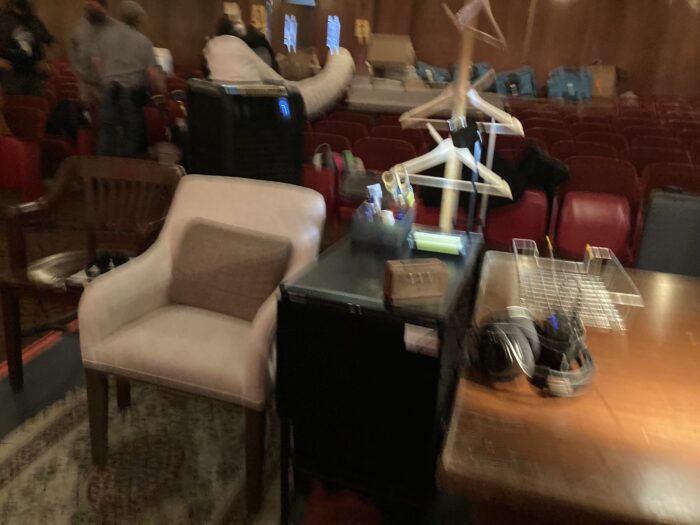
Martin Scorsese’s white chair, which goes everywhere with the director. 

Wow.

Marty always sits in that chair, I’ve learned. That chair must be carried around the country!

Marty goes [Speaks in high-pitched Scorsese voice], “Okay, so let me see what you got!” And we do the whole thing and we’re quite proud of ourselves and he starts breaking everything down, even something small like, “That’s supposed to be a car horn? That doesn’t sound like a car horn at all.”

He was very engaged with every detail and each individual person, the musicians, the Foley artists. After that, we took a week off, and then we shot it at the school. The shoot was three days, I think.


Were there any notes Scorsese gave you?

He was concerned with the level of the accent. Was it too cheesy? Remember, I’m supposed to play an actor in a radio play.

It was fun because I’m the actor voicing both the William Hale and Ernest Burkhart characters, so I’m playing De Niro and DiCaprio. The irony is I could have done a spot on De Niro imitation. [Laughs.] I may have played around with that a few times with Marty, but that wasn’t going to be the move.  

What was the actual shoot like?

We arrive in the Bronx. There’s a huge crane in the auditorium, the set is beautiful. All the extras are there. Everyone is being safe between the shots and wearing masks because this was during COVID, still.

Marty would come in the second half of the day after we rehearsed. Everything was refined. Then, we shot it. We go through close-ups and Marty makes adjustments. It was a very collaborative process. He is guiding and exploring with you to find what he thinks is right. And I had great fun with Jack White.

Did you know Jack was also going to be in the scene?


Well, Ellen Lewis is holding your hand through the whole process, so she had informed me on what to expect.

Jack got us all tickets to see him perform a month or so later. I gave him my son’s record and his son was getting into watching movies on VHS so I sent him a copy of my old movie “Wendigo” on VHS. It’s fun to imagine Jack White and his kid watching “Wendigo” on some old tube TV or something.

Welker White, J.C. MacKenzie, Fessenden

Did you know Scorsese at some point was going to have his own cameo in the scene?

My understanding is that Ellen Lewis had suggested this to him before rehearsals started. She said, “Marty, you have to play that part.” That’s the power of the collaborations he has. We know of Robbie Robertson, Thelma Schoonmaker, but Ellen is also essential. She thought he should do it. 

So on the day of shooting, they cleared the room, and the whole audience left. But we, the actors on stage, were allowed to sit in and watch.

I had tears in my eyes. I could see this was so seminal to the whole project, Marty’s career, even without seeing the movie yet. I just sensed there was genuine anger and a mea culpa about violence. It was profound.

He did it several times and directed himself. We all felt quite privileged to watch it happen. 


When did you see the movie for the first time?


I went to the premiere with my wife. Because of the strike, it was slightly crushing because Leo and Bob and Lily weren’t there. That would have been the cherry on top — not so much walking the carpet with them, but just being in the room with them. But Marty and Ellen and Thelma and Rodrigo were all there. 


What was it like to see your scene?

I was so excited to see the movie that I often forgot that I would show up at the end. When it happened, it went by very quickly.

But in advance of that, I had bought a ticket to see the movie on its opening day. So I went to a theater and watched it alone and it was a much better experience. You’re not sitting there in Lincoln Center all nervous. They cut some of our stuff out of the radio play, but the cuts made sense.

Seeing you are such a fan of Scorsese’s work, can you rank where this scene stands among all the memorable ones from his filmography before it?

I felt it had a profound and deep sadness, a sense of resignation and outrage. I feel that is present in all of his work. I don’t like to rank — it’s a specific movie and I feel it has the weight of our times in it.

I like to joke it’s Marty’s “woke” film, but that’s condescending because that was the mission. A lot has been said about how they veered from making a white-man savior FBI movie and it’s a profoundly better film because it’s not a procedural, it’s a portrait of the cancer inside our industrial civilization; where everything is used and exploited for money. And the complete contradiction is I do believe Leo’s character loved his wife. That disconnect is the core of the film.

The weight of it all is on-screen. This is what makes cinema lasting, it is a recording of all the elements, contributions, and care curated by the singular vision of the director. That’s what makes a masterwork.

This interview has been condensed and edited for clarity by INSIDER / and here by Glass Eye Pix

Read at INSIDER

October 25, 2023
Share:
Facebook Twitter Email

WHAT DOESN’T FLOAT now streaming!

Luca Balser’s WHAT DOESN’T FLOAT (featuring Fessenden)
now streaming on Amazon Video and Apple TV.

October 23, 2023
Share:
Facebook Twitter Email

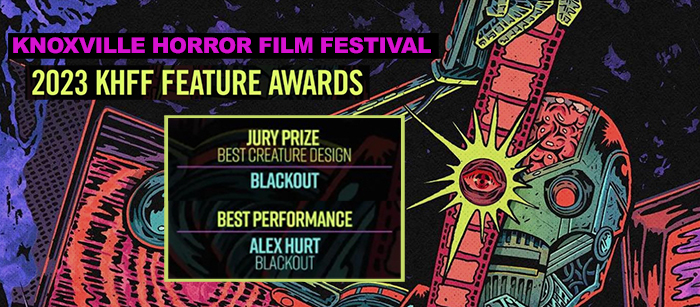
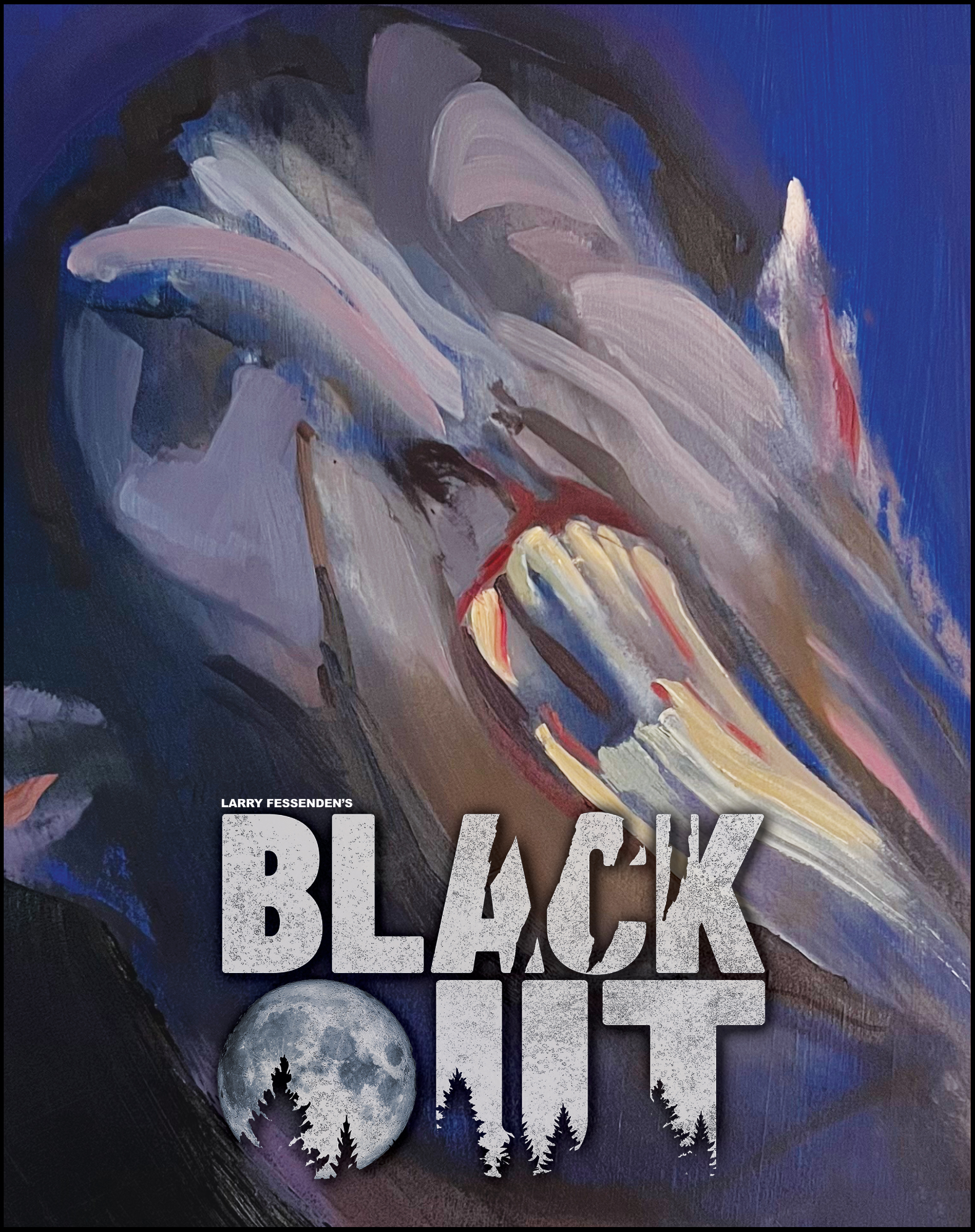
BLACKOUT nabs two awards at Knoxville Horror Fest

Congrats to Alex Hurt and creature designers Brian Spears and Peter Gerner!

October 23, 2023
Share:
Facebook Twitter Email

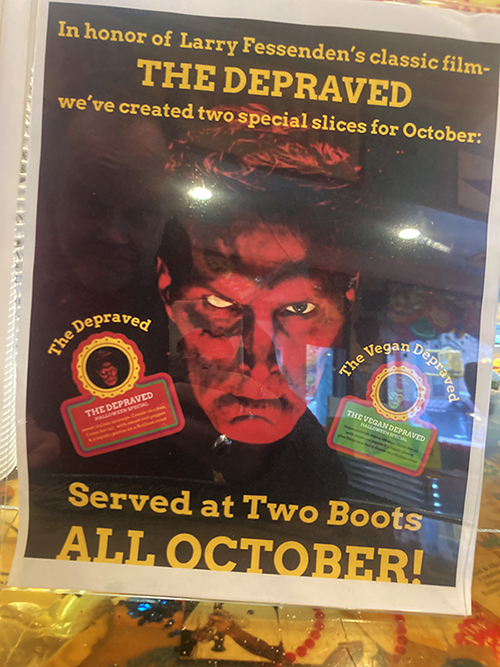
DEPRAVED slices now available through Halloween at TWO BOOTS, NYC

October 22, 2023
Share:
Facebook Twitter Email

Alex Hurt wins best performance for BLACKOUT at the Badass Film Festival in Vancouver

From the fest: This performance was worthy of celebrating.
Congrats to the whole Blackout team for this wild werewolf film.
Full list of winners from the evening at vbaff.ca

October 21, 2023
Share:
Facebook Twitter Email

SLASHFILM: A Cameo From A Horror Legend In Killers Of The Flower Moon Makes Perfect Sense

Larry Fessenden in BROOKLYN 45

BY DREW TINNIN OCT. 20, 2023 11:45 PM EST
The following post contains spoilers about “Killers of the Flower Moon.”

The horrors inflicted upon the Osage people during a string of ghastly murders throughout the 1920s are among the worst atrocities ever committed against Indigenous Americans. Anyone familiar with U.S. history during the Old West will know that’s saying a lot. Based upon the 2017 book by David Grann, director Martin Scorsese’s “Killers of the Flower Moon” uncovers the systematic infiltration of nefarious white men into the lives and affairs of the Indigenous Osage Nation after vast deposits of oil were found on their land. The enormous wealth the Osage possessed led to a string of mysterious deaths that were always deemed accidental or never investigated in the first place. 

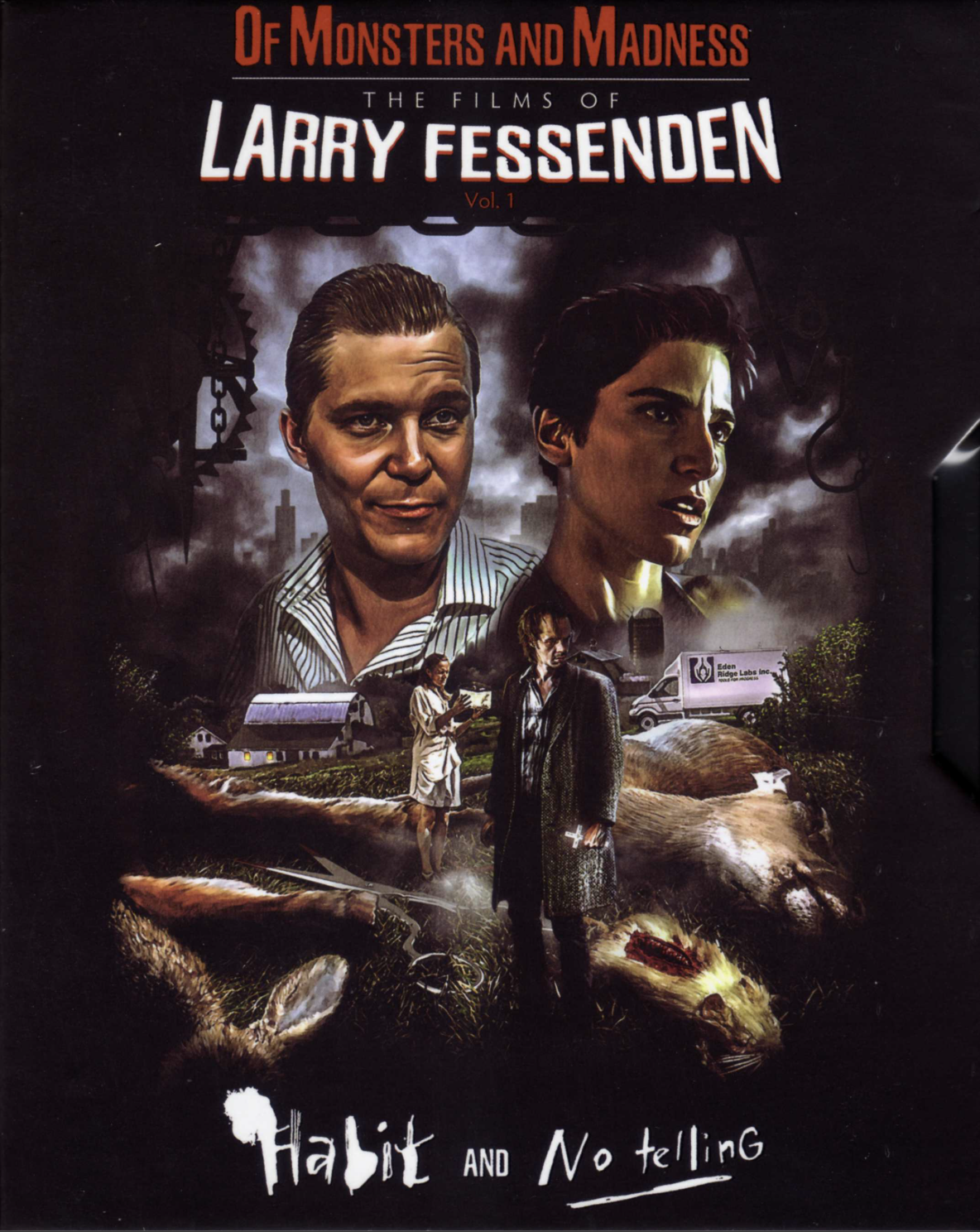
To help tell such a complex web of lies and deceit, Scorsese enlisted the help of a wide array of performers that resulted in some spectacular cameos from musicians like Sturgill Simpson and Pete Yorn. One appearance in particular during the finale of Scorsese’s epic Western should delight genre fans and those that follow the indie horror scene, especially. To wrap up the story and reveal what happened to the major players, Scorsese uses an old-time detective radio show in the final moments of “Killers of the Flower Moon” that features horror legend Larry Fessenden (“Habit,” “The Last Winter”) as one of the bit players on stage. The choice to include Fessenden in this particular context makes perfect sense if you’re familiar with Fessenden’s award-winning horror podcast inspired by the vintage radio shows of yesteryear.

After bursting onto the New York film scene with his indie vampire tale “Habit” in the mid-90s, Larry Fessenden has become a well-respected mainstay within the horror community. When he’s not directing his own interpretations of the Universal Monsters in films like “Depraved” and his latest werewolf movie “Blackout,” Fessenden can be seen on the other side of the camera acting in Jim Jarmusch’s “The Dead Don’t Die,” Travis Stevens’ “Jakob’s Wife” and Ted Geoghegan’s WWII spook fest “Brooklyn 45.” 

Fessenden also founded the independent NYC-based production outfit Glass Eye Pix that has gone on to help produce a bundle of new horror classics including “The House of the Devil” from Ti West, the documentary “Birth of the Living Dead” about the making of George A. Romero’s classic, and Adrian Garcia Bogliano’s “Late Phases.” 
Along with Irish filmmaker Glenn McQuaid, Fessenden created the scary audio drama series “Tales From Beyond the Pale” that lovingly recreates the macabre radio plays of the past for a modern audience. Over multiple seasons, “Tales From Beyond the Pale” has featured a slew of special guest voice talent including notable names in horror such as Barbara Crampton, Joshua Leonard, A.J. Bowen, and also Pat Healy, who pops up towards the end of “Killers of the Flower Moon” as a G-Man looking into the Osage murders. 

Some episodes of “Beyond the Pale” were recorded in front of a live audience, accompanied by live sound effects and audio cues just like the FBI radio play seen at the end of Scorsese’s sprawling new film. Not surprisingly, Fessenden looks right at home up on stage recreating the newsreel radio dramas of the era that reached their height in popularity during the 1940s and ’50s.

At the tail end of “Killers of the Flower Moon,” Fessenden plays the voice of Hale in the radio play, DeNiro’s despicable character that’s finally brought to justice after being tied to the murder of his longtime friend Henry Roan (William Belleau). Featuring a cameo from Scorsese himself, the audio drama provides an ingenious way to inform the audience about what became of Hale and DiCaprio’s character Ernest Burkhart without feeling like exposition. The fate of both gentlemen is told to us as a live performance that’s simultaneously being sent out over the airwaves. It’s revealed that Hale was sentenced to life in prison in 1929, but only served 18 years before being paroled in 1947. Burkhart was eventually pardoned by Oklahoma Governor Henry Bellmon in 1965, and lived with his brother Byron in a broken-down trailer park on the outskirts of Fairfax, Oklahoma. 

The choice by Scorsese to feature Fessenden in this particular context not only highlights the horror director’s own series “Tales From Beyond the Pale,” it’s also a nod to the heart of independent filmmaking in New York City. Out of all the cameos in “Killers of the Flower Moon,” Fessenden’s appearance on stage with Scorsese represents two legendary New York artists. One just happens to have a few more Oscars than the other. 

Read entire article at SLASH FILM

Visit Tales From Beyond The Pale for all your Shocktober chills

October 21, 2023
Share:
Facebook Twitter Email

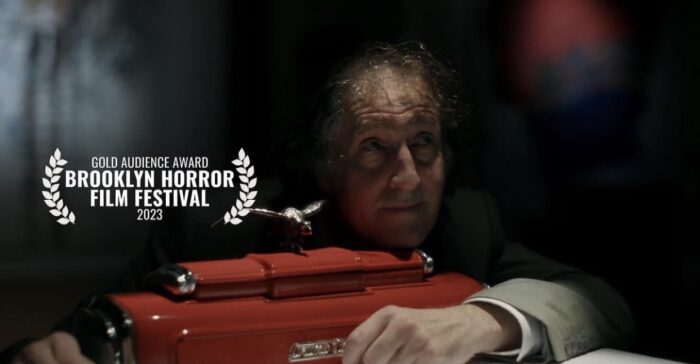
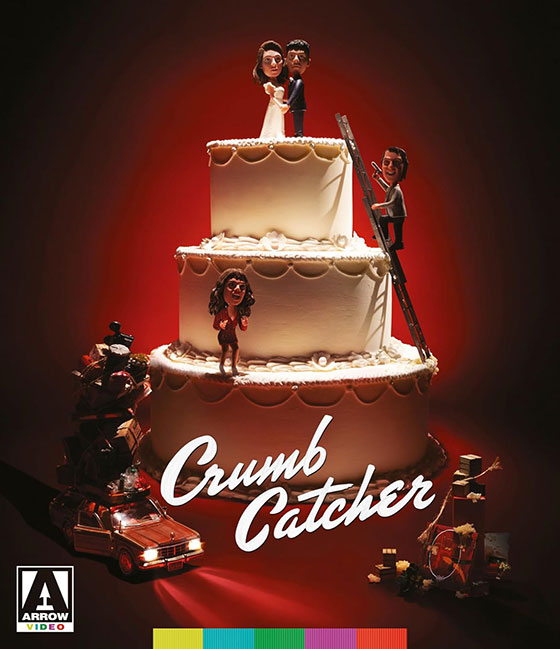
CRUMB CATCHER nabs Audience Award at Brooklyn Horror Film Fest

This marks the second trophy for Chris Skotchdopole’s debut feature CRUMB CATCHER:
Having already won for Best Ensemble,
the Glass Eye Pix / Gigantic Pictures production takes home the Gold Audience Award.

Congrats to all! And thanks for your votes!

October 21, 2023
Share:
Facebook Twitter Email

Fangoria: BLACKOUT is “a singular, handmade work from one of our great American storytellers”

Larry Fessenden Trusts You


by Phil Nobile Jr.

(Mild spoilers for the as-yet-unreleased Blackout follow.)
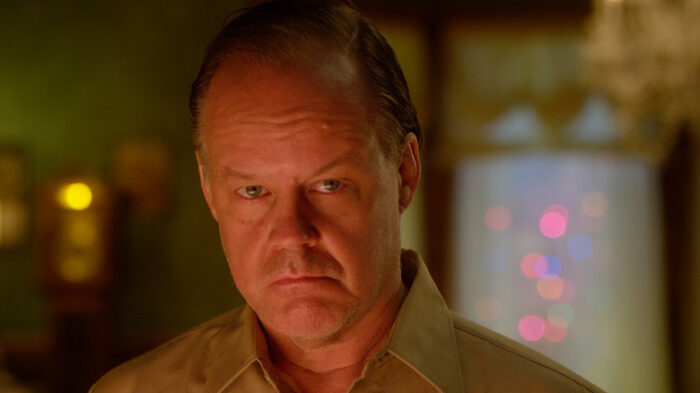
This week at Brooklyn Horror Fest I watched Blackout, the new film from indie genre legend Larry Fessenden (Habit, Depraved). I loved it; it’s a haunting, haunted, old-school werewolf tragedy with equal parts horror, hair, and heart. It continues Fessenden’s career-long conversation about addiction issues while delving into timely sociopolitical topics and the unsolvable tangle of father-son relationships. It’s also hilarious and frequently gory, with great practical FX from Brian Spears and Peter Gerner. It’s a singular, handmade work from one of our great American storytellers. I can’t wait for Fango readers to see it.

This is not a review of the film. But in watching it, I was very taken with one particular aspect of it, and I’ve been chewing on it for days. (Here’s where the mild spoilers come.) The film has no opening credits, so actors are not called out by name until the end of the movie. Charley, the lead character, is played wonderfully by an actor of great depth and an unmistakable air of familiarity. Before I could put my finger on it, the film is discussing Charley’s late father, and Fessenden cuts to pictures of… William Hurt.

That’s because Charley is played by the late actor’s son Alex Hurt, and in retrospect the family resemblance is obvious. But without explicitly knowing ahead of time that this actor is the son of William Hurt, I was yanked out of the movie for a moment as my brain put the pieces together.

And the amazing thing is: Fessenden is fine with this, because he trusts his audience.

And this is exciting, because for the most part we haven’t seen filmmakers trusting their audience like this in a minute. Sometime between Christopher Nolan explaining in 2005 exactly where in Asia Bruce Wayne ordered his Batman cowls and the advent of social media platforms that accelerated media illiteracy, filmmakers and audiences have all shifted toward this priority of making things line up perfectly; bulletproofing plot points and creative choices so that an increasingly unsophisticated audience will continue to suspend its increasingly stubborn disbelief. Movies — especially and tragically, genre movies — now have to be grounded and believable, and asking your audience to stfu and take the ride has become a heavier lift on both sides of the transaction.

And here is Larry Fessenden, who’s been making movies for 45 years, reminding us that movies are dreams, and that we can all choose to be grownups about it and go on a journey whose layers transcend the current cultural need to be completely, thuddingly literal.

So, sure, pics of the late William Hurt might have your mind wandering for a second as you ponder the deeply meta layers of Alex Hurt’s casting — Fessenden says he saw in Alex the wounded weight of legacy that Lon Chaney Jr. brought to 1941’s The Wolf Man — but that’s okay. Fessenden trusts you to come back to the plot after you’ve processed this info, and he’s not worried that he’s lost you with this bold, honestly great choice.

Similarly, Fessenden’s werewolf story is more concerned with lycanthropy as a character exploration device than as some showcase for animatronics or cgi, so when you see the aesthetic route that particular aspect of the film takes, Fessenden trusts you to be on board. If you are, you’re gonna open yourself up to a very special film indeed.

Again, this is not a review, but every aspect of Blackout — its pacing, its beautiful character work, its very specific structure — seems to gleefully abandon expectation and convention, and trusts that audiences will take this sad/funny trip crafted by a wholly original cinematic voice. Certainly this is not the only film doing just that right now, but it feels increasingly important to call it out and celebrate it when it happens.

So many films spend precious time in the weeds trying to sell you their reality, making their verisimilitude airtight and critic-proof, and in 20 years all it’s really done for film is made audiences lazier and dumber while penning in storytellers. Blackout and its director have different priorities, and the film is all the better for it. Ultimately the film presents something that’s more authentic than realistic, and that’s an important and exciting distinction to learn — or, maybe, to re-learn.

Read at FANGORIA Terror Teletype

October 20, 2023
Share:
Facebook Twitter Email

Scorsese’s KILLERS OF THE FLOWER MOON out today

Repeat offenders: J.C. MacKenzie, (THE IRISHMAN, WOLF OF WALL STREET, DEPARTED), Fessenden (BRINGING OUT THE DEAD), Jack White (SHINE A LIGHT), and Welker White (THE IRISHMAN, GOODFELLAS) on set in Queens
Fessenden, White, MacKenzie

October 19, 2023
Share:
Facebook Twitter Email

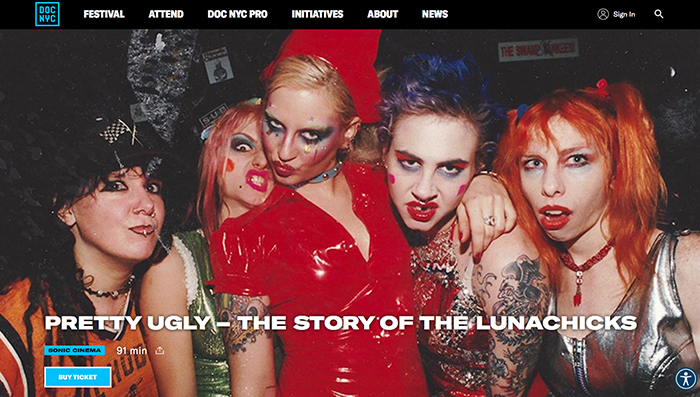
Glass Eye Pix joins PRETTY UGLY: THE STORY OF THE LUNACHICKS by Ilya Chaiken
GEP Pal Ilya Chaiken (LIBERTY KID) helms doc
about NYC punk band The Lunachicks,
World Premiering at DocNYC. SOLD OUT!

WORLD PREMIERE The Lunachicks, an all-female punk band renowned for their unabashed humor and unwavering pro-women ethos, made their mark on NYC’s underground music scene in the ‘90s. A rollercoaster of drugs, romances, and creative conflicts ultimately led to their 2000 breakup, but can love of the music reunite them for one last show? Buoyed by energetic storytelling, gritty ’80s-’90s nightclub footage, insightful interviews, and high-voltage performances, this is a must-watch for music history enthusiasts. – Karen McMullen 

The first screening will be followed by a Q&A with filmmakers and Lunachicks.