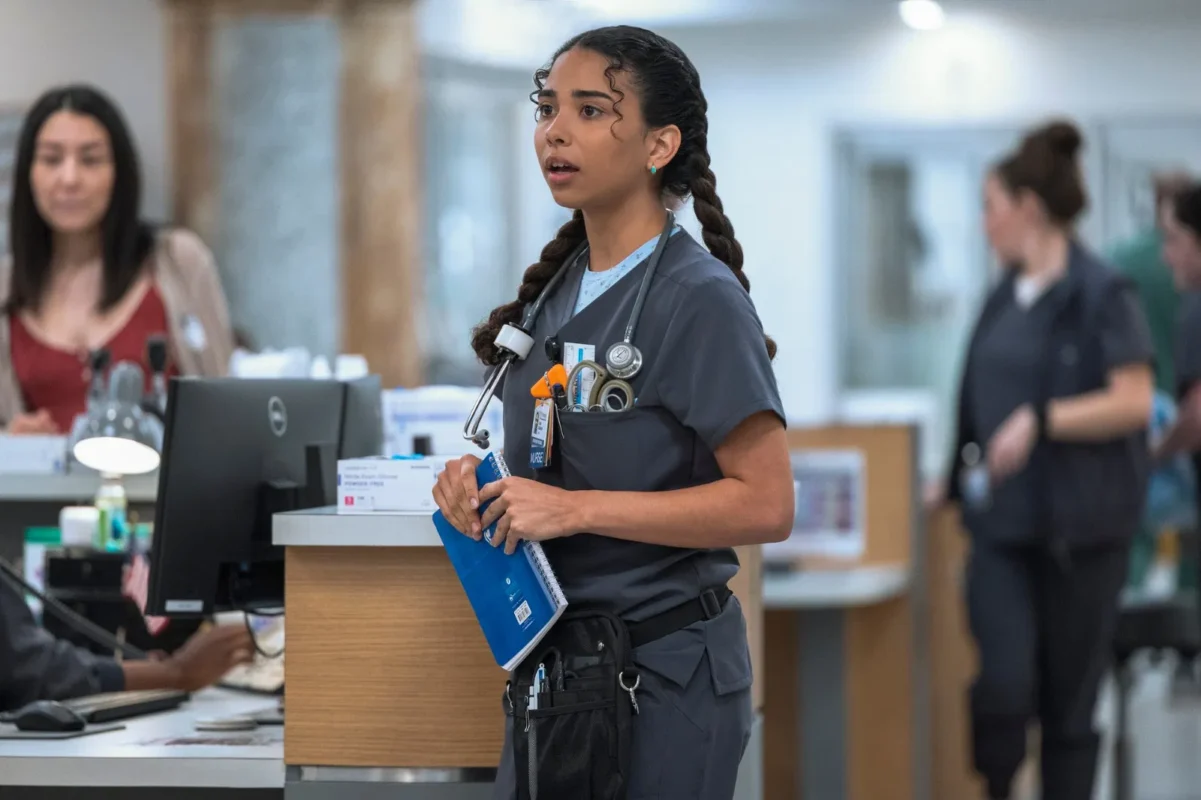
Who Is Emma Nolan in ‘The Pitt’ Season 2? And Who Is Laëtitia Hollard Playing the Character?
Hospitals on television rarely whisper. They declare dominance through chaos, hierarchy, and fluorescent dread. The Pittreturns in season 2 with sharpened instincts, where new faces threaten old rhythms.
…
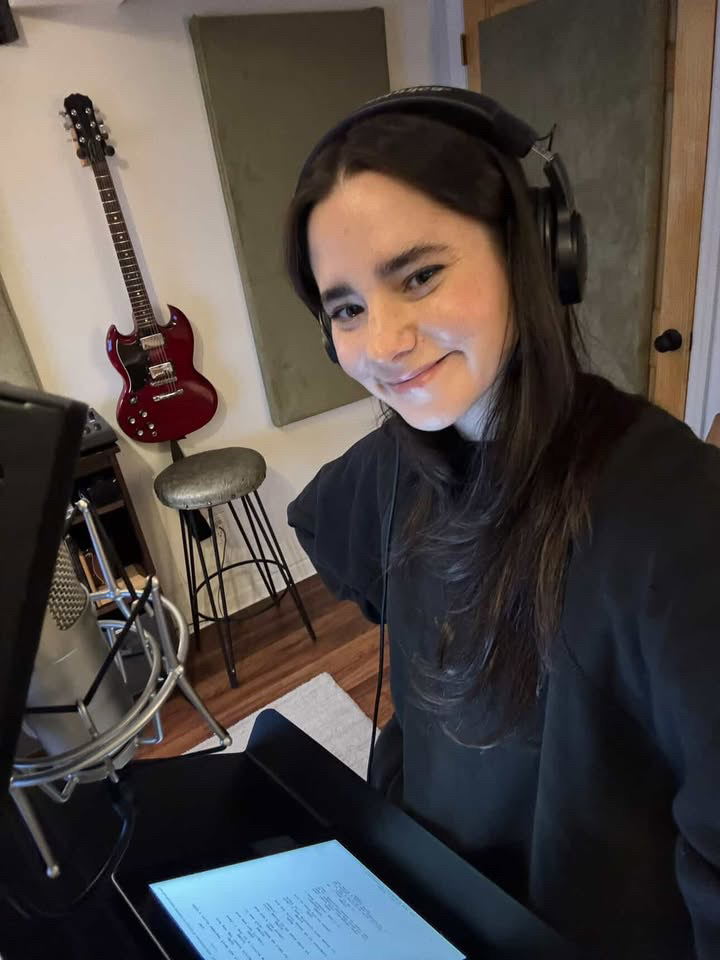
Laëtitia Hollard arrives in The Pitt carrying classical performance weight
Laëtitia Hollard’s professional foundation is built on stage rigor rather than overnight visibility. Based in Wisconsin, as per her Instagram bio, she trained early with Children’s Theater of Madison, Theatre LILA, and American Players Theatre.
Her formative roles demanded range and physicality, including Peter Pan, Carrie White in Carrie the Musical, and a Macduff Child in Macbeth. These performances established emotional precision long before camera proximity entered the equation.
Hollard later refined her craft at The Juilliard School Drama Division, performing Viola in Twelfth Night and Cleopatra in Antony and Cleopatra. Her screen experience includes projects such as Larry Fessenden’s Trauma or Monsters All, and Ravel (2025), as per IMDb.
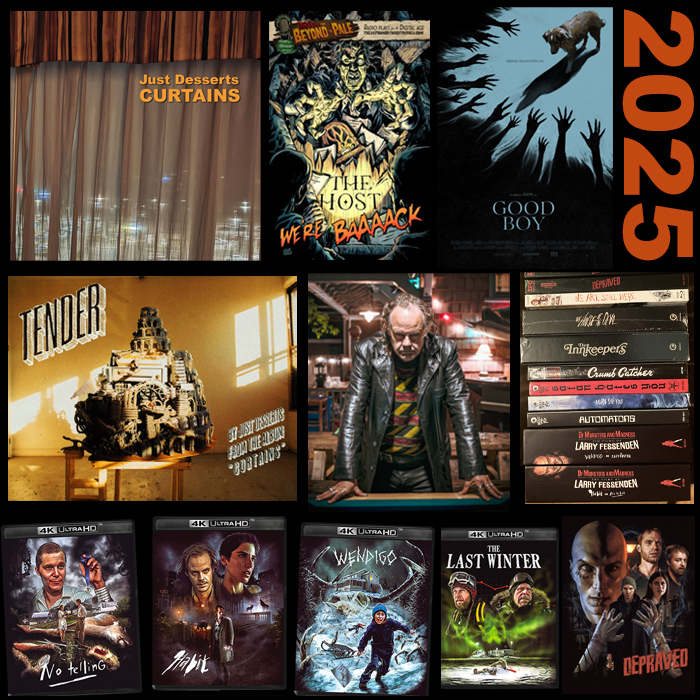
Director Ben Leonberg said that Indy the Dog was “thrilled to be recognized for his work in a movie he does not totally understand he was in.”
The 9th Annual Astra Film Awards has gone to the dogs!
No, literally. Good Boystar Indy the Dog took home the award for Best Performance in a Horror or Thriller at Friday’s ceremony, beating out a collection of talented humans that included Ethan Hawke, Alison Brie, and more.
In a pre-recorded message, the Nova Scotia Duck Tolling Retriever could be seen sporting a black bow tie as his owner and director Ben Leonberg accepted the trophy on his behalf.
A payphone in the desert. That’s how it all started.
A few years ago, I was clicking around the internet and I stumbled upon this photograph. The photo shows a Pacific Bell payphone in the middle of the Mojave Desert.
The image was so stark and uncanny I had to find out what it was. I learned the payphone was installed in the 1960s for the extremely remote communities that lived in this part of the desert, and it was eventually discovered by popular culture in the 90s. People would call the payphone from all around the world, while others made pilgrimages in hopes they would hear the phone ring. Those who became fascinated with the lone booth seemed inspired by it, hoping to connect to something that felt greater than themselves. The phone booth became a surreal symbol for serendipity and connection in the modern world. Fun, right?
But then I started wondering: What if the person on the other line was… Me? But not just me… Me from the future. What existential turmoil could that bring? What opportunities could that present? And how could that go horribly, horribly wrong? The rest of the story developed from there.
When writing this piece, I was inspired by the mythology of the siren as well as classic social-experiment focused episodes of The Twilight Zone. I was also inspired by films such as Donnie Darko, Time Crimes, Coherence and Triangle as well as the delightfully evil desert-set horror anthology Southbound (which also happens to feature the great Larry Fessenden).
I molded each character to my talented cast, and we recorded at Underground Audio NYC with the wonderful Matt Rocker. The day was filled with laughter and screams, and then I went into post with my amazing producer Jordan Gass-Poore’ supporting me throughout. I worked with friend and composer Graham Reznick to craft the uncanny siren-like song that rides atop the desert winds. I provided the vocals for this song, and Graham was masterful at layering and extending the tracks, stretching them into the darkening horizon.
And my sound designer Shawn Duffy, with whom I work as often as possible, helped bring the rest of the world to life. This is the first time I’ve written for audio, and I quickly realized the best thing about audio drama is that you can go BIG. I wanted to begin this piece as a contained drama and social experiment and crank it up to blockbuster levels, embracing the full audio potential of films like Dune and and Tremors in the end. The climax of this piece was really vital to the story, and Shawn masterfully drove it home with his design.
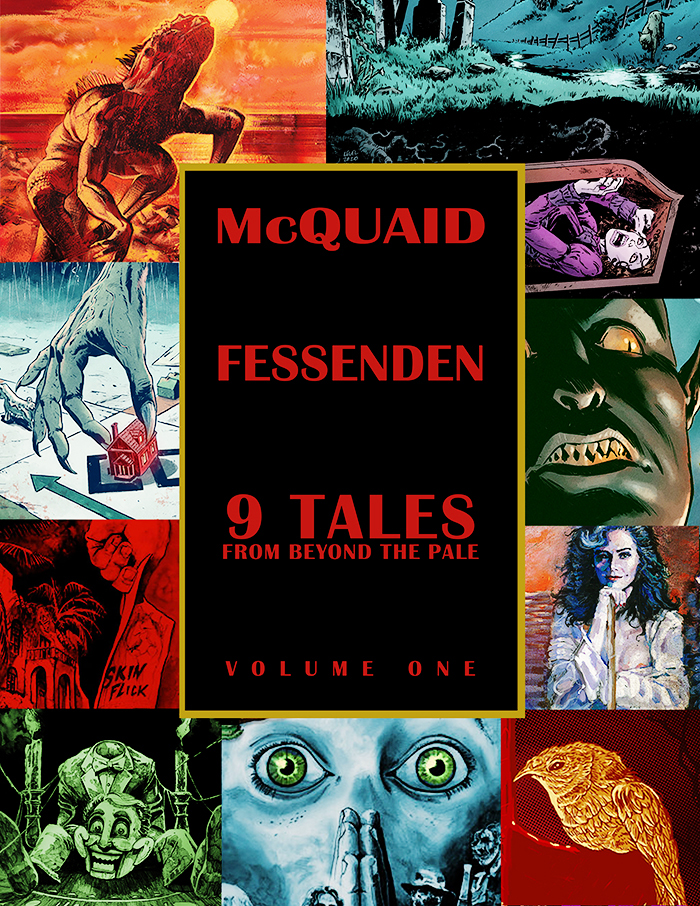
Glass Eye Pix continues to be a subversive yet joyful beacon of light in the darkening desert of media monopolies, empty franchises and AI driven content. I’m honored to join the long lineage of Tales From Beyond the Pale contributors and continue sharing grassroots, independent tales of terror with the audiences I love the most.
And next time, when your phone rings, maybe don’t let it go to voicemail. After all, you never know. The next voice you hear might be your own.
THE NEXT VOICE YOU HEAR WILL BE YOUR OWN written and directed by Emily Bennett
After a week-long bender in Las Vegas, a group of road-tripping friends stumble upon a pay phone in the middle of the desert that allows them to talk to their future selves.
Featuring Madeleine Morrell, Nick Fondulis, Samuel Dunning Rigo Garay, Larry Fessenden and Emily Bennett. Sound design and mix by Shawn Duffy, Original score by Graham Reznick. Additional music by Epidemic Sound. Produced by Larry Fessenden and Glenn McQuaid along with Jordan Gass-Pooré and Rigo Garay. Poster by Trevor Denham.
Alex Breaux is a popular actor, director, and writer who you might have spotted in your favourite series or movies. Be it Lieutenant Akers in Stranger Things or Wild Bill Hickman in American Primeval, or as Camish/Caleb Grimmengruber in Joe Pickett, Breaux handles each role with ease
He was born on January 4, 1986, in Richmond, Virginia. While he was a student and exceptional athlete at Harvard University, he auditioned and was accepted to The Juilliard School’s Drama Division. Breaux initially appeared in a bunch of plays, such as The Real Thing and Red Speedo. He also appeared as Dr. Martin Brenner in Phoenix Theatre’s Stranger Things: The First Shadow.
In 2016, he appeared in projects like Josephine, Katie Says Goodbye, and CBS’s Bull. Apart from that, he also played guest/recurring roles in shows like Law & Order: Special Victims Unit, Blue Bloods, and Blacklist, to name a few. Here are some of Alex Breaux’s must-watch projects.
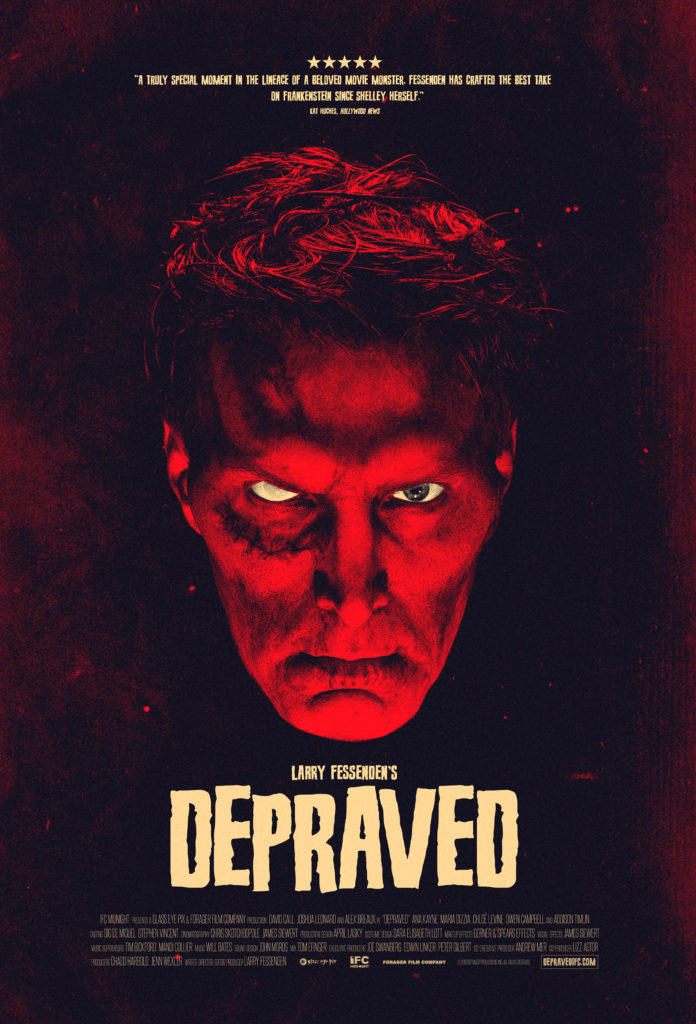
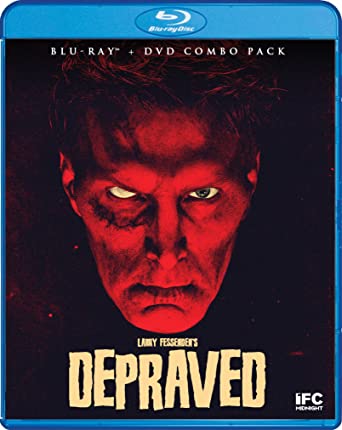
Depraved- Watch on AMC+
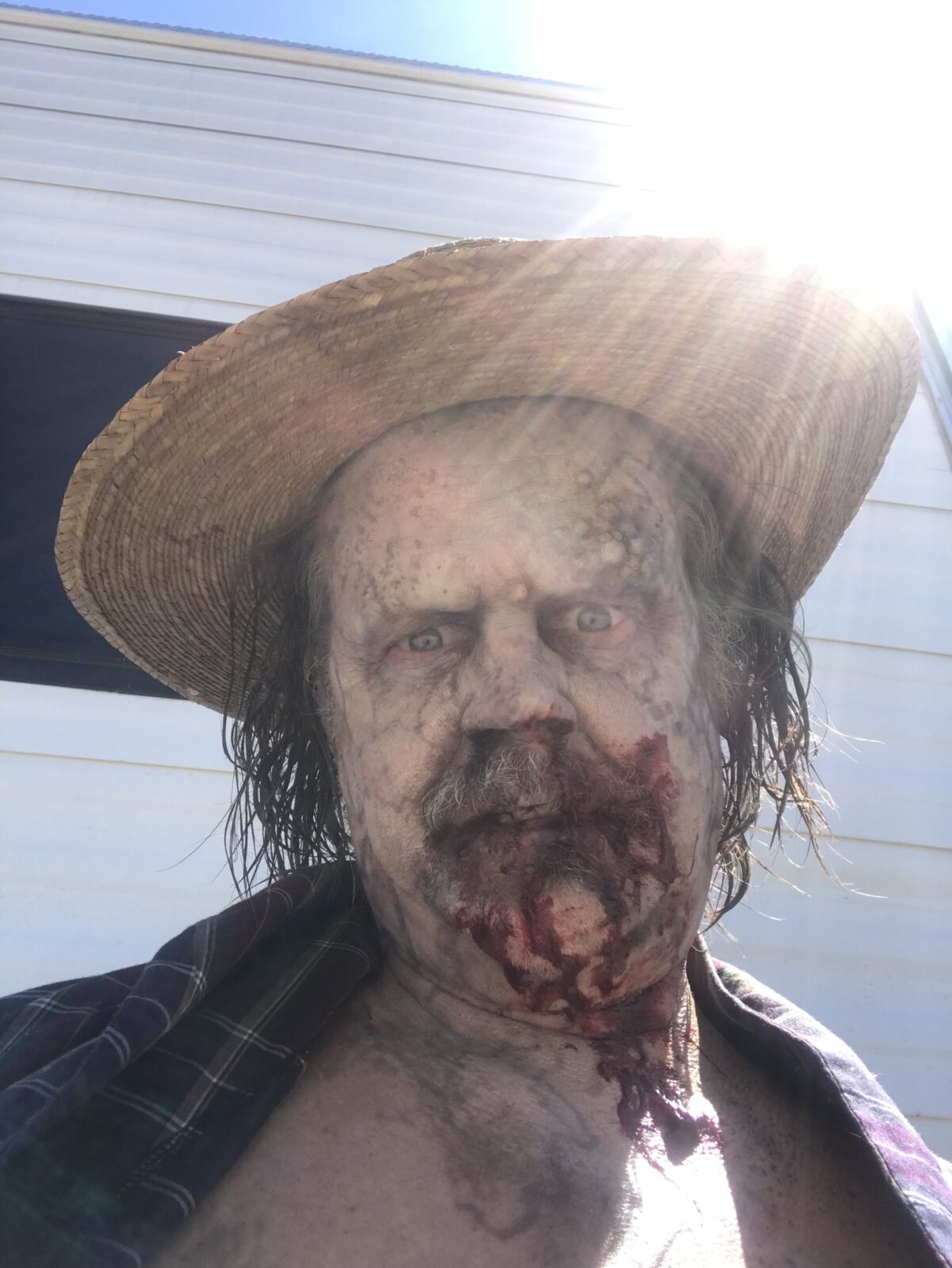
If you’re in the mood for something eerie, Depraved is the right pick. A modern take on Mary Shelly’s Frankenstein, this horror film was released in 2019. Larry Fessenden serves as the director, and it follows Henry, a former US Army medic who now works at a Brooklyn lab to heal from his past trauma. He tries to recreate a man with cobbled body parts and names it Adam, played by Alex Breaux. However, the hard part comes when Henry has to teach Adam how to survive in this evil world.
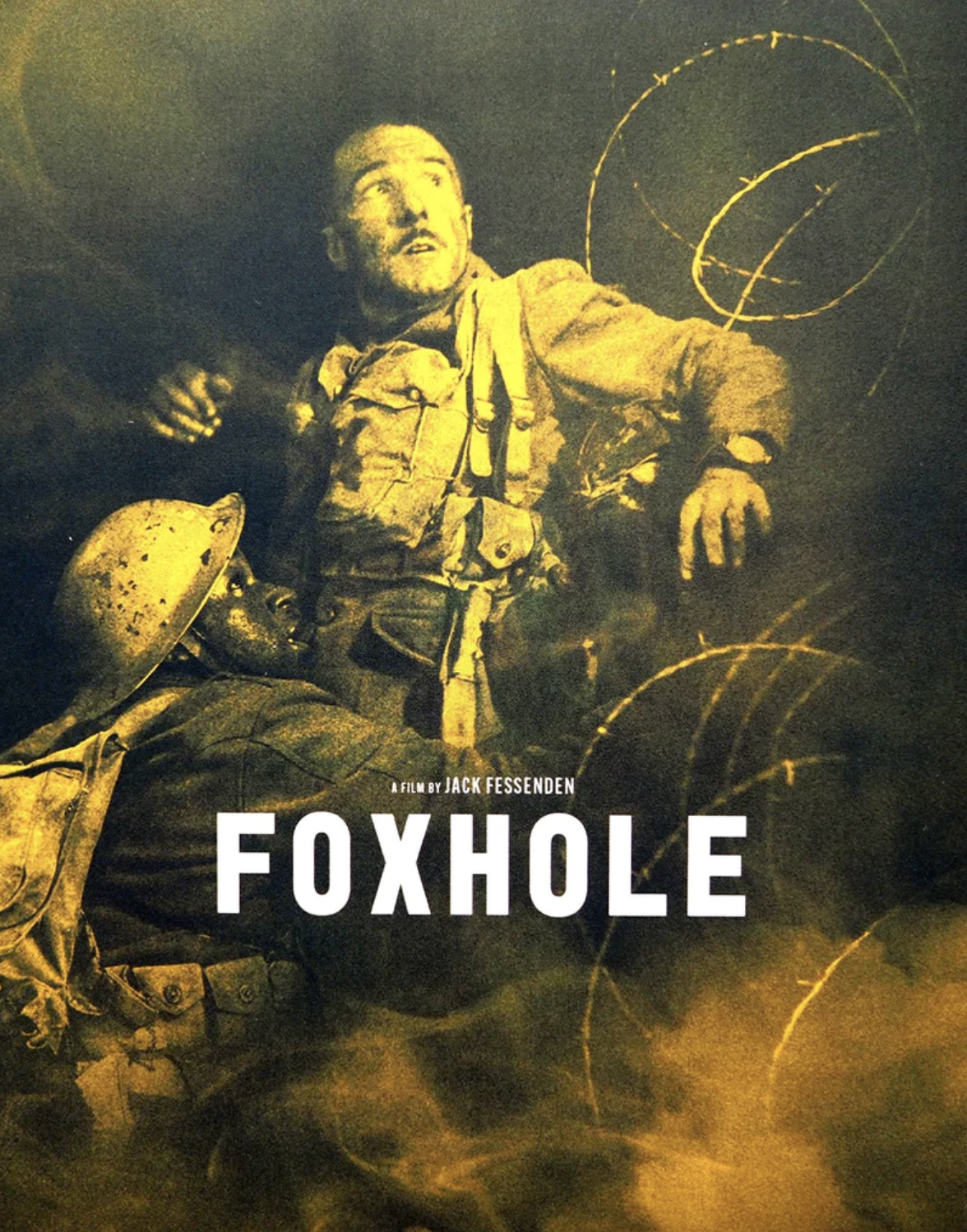
Foxhole- Available on Prime Video
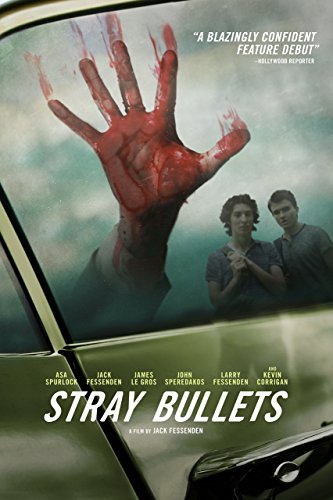
Bored with horror and supernatural series/movies already? Foxhole is a film that you need to add to your watchlist now. This war/action film follows scenes from three different wars through a US Soldier’s perspective, highlighting the moral dilemmas they face. This Jack Fessenden directorial features Motel Gyn Foster, Alex Hurt, Cody Kostro, and Alex Breaux, to name a few.
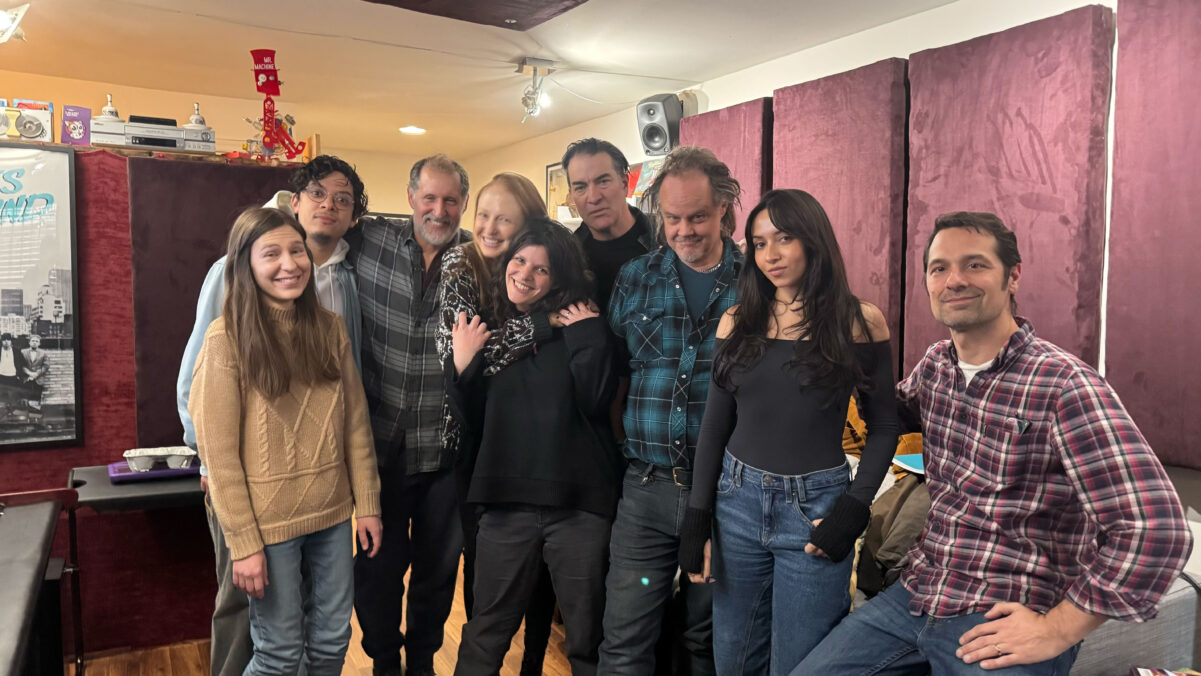
Jordan Gass-Pooré, Rigo Garay, John Speredakos, Emily Bennett, Jenn Wexler, Jeremy Holm, Larry Fessenden, Gaby Leyner, Matt Rocker BELOW:Abi Lieff
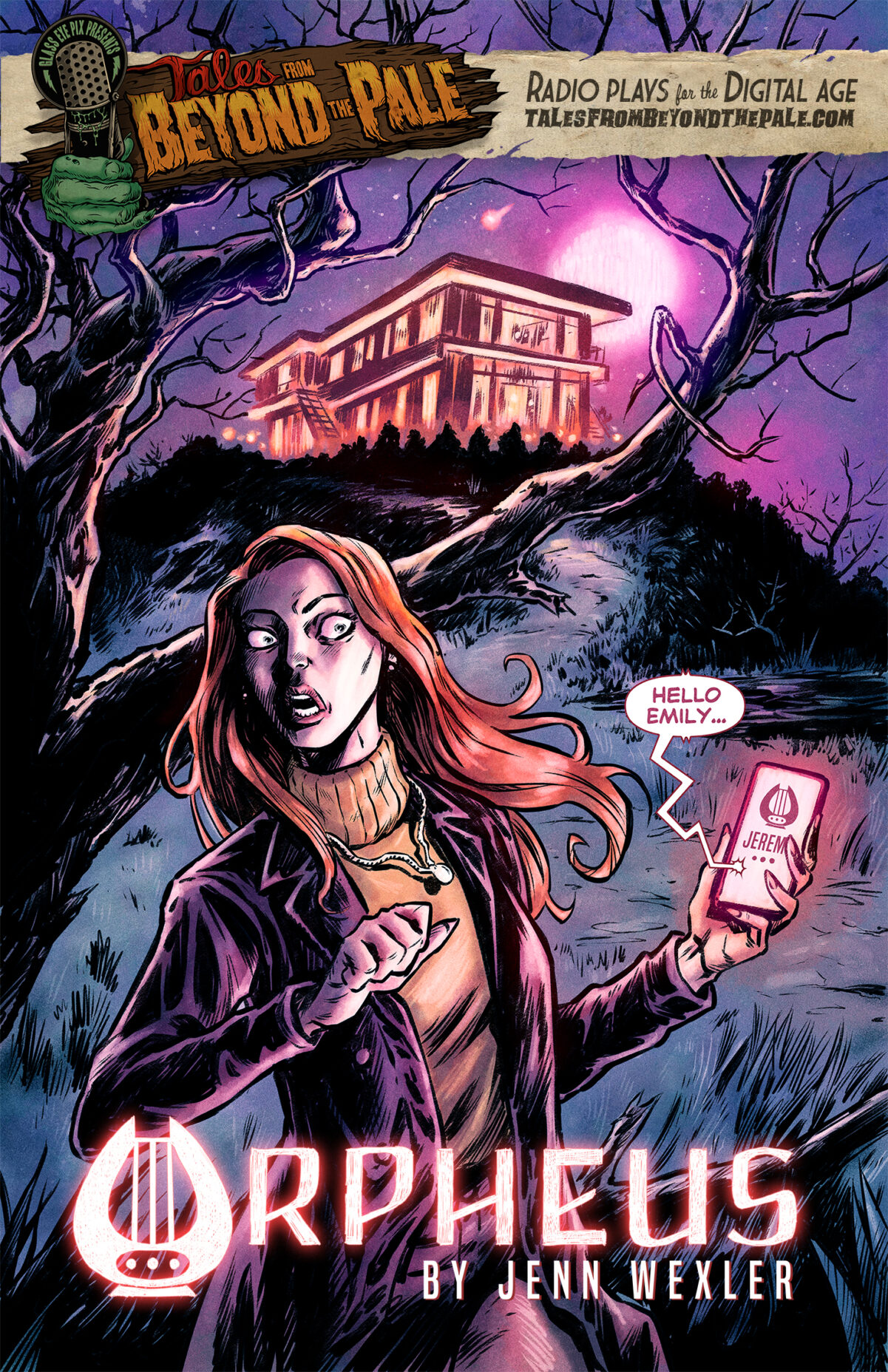
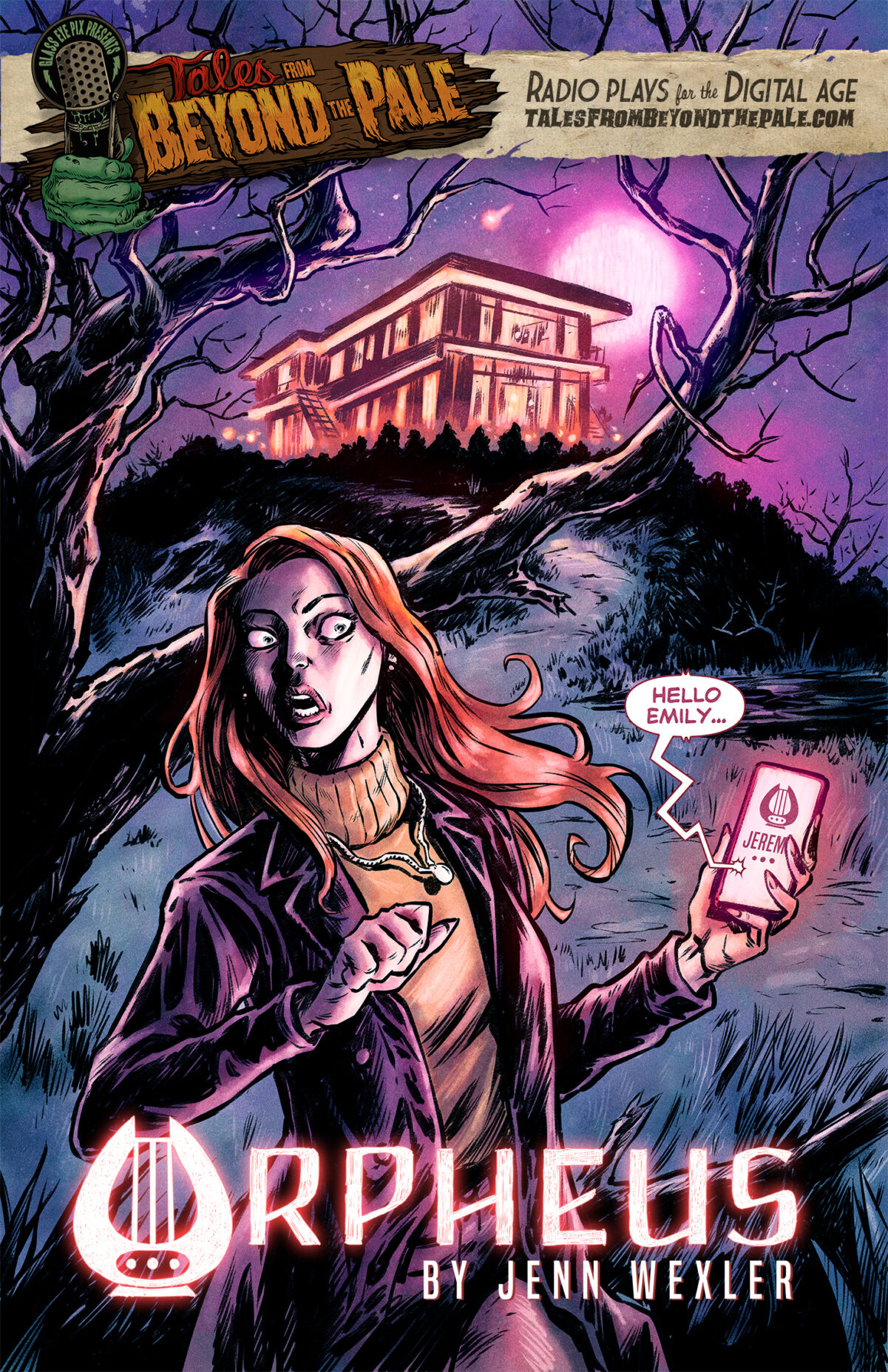
I came up with the concept for “Orpheus” this time last year. In the past I’ve helped to produce Tales (here’s looking at you Seasons 2 and 3!) but this would be my first as a Tales writer/director. I knew I wanted to write an episode that would allow for a variety of soundscapes and that would let me explore multiple horror sub-genres. I wanted to craft a story that could start intimate and expand into something epic – a chamber piece that spins its way into a blockbuster. The magic of the audio drama! One moment, an intimate phone conversation; the next, nuclear explosions and planes falling from the sky. It’s all possible in audio. Which ultimately led me to realize that this creative process could help me cope with the major anxieties I was having around the advent of AI – at that point, primarily the rise in popularity of ChatGPT.
As I started to develop the story, I knew immediately that I wanted Emily Bennett and Jeremy Holm to star as the couple at the center of it, both fantastic actors and my good friends. I pitched Emily on the idea while tucked into a corner of Jack Fessenden’s childhood bedroom during Glass Eye’s legendary Christmas party. She said yes, as did Jeremy soon after, and I got to work writing, with their voices top of mind.
We recorded “Orpheus” in February with Matt Rocker at Underground Audio NYC, the cast rounded out with Glass Eye regulars and newcomers alike, over the course of two days, and then I dove into the dialogue edit. While editing, I got a coffee with incredible singer/songwriter and my good friend Shayfer James, described the concept to him and that I was searching for a song to serve as the couple’s first wedding dance, as well as the theme for the episode. He sent me his song “Waiting,” which I instantly fell in love with. With that in place and the dialogue edit complete, Matt worked his sound design wizardry, and the episode started to come to life.
We set the Tale aside for a little bit while I worked on another project, and when we picked it back up in the fall, AI in the real world had grown exponentially (as I guess you would expect from it.) Writing “Orpheus” back in January, the Tale seemed very science fiction. Now with Sora, Claude, a few weeks ago Nano Banana, et al, AI has become a very real, inescapable part of our lives and our society. (The day before we released “Orpheus,” I read this article in the Independent – “If You Could Speak To Your Dead Grandmother Forever, Would You?”) The future is apparently here.
But at any rate, there was a Tale to release! In November, brilliant composer Antoni Maiovvi came aboard and crafted a score capturing all of the sub-genres I’d been excited to explore – domestic drama, psychosexual tech thriller, end-of-the-world apocalypse blockbuster. We mixed the Tale at Underground Audio with Matt working his magic. And on our final day of mixing, Larry and Glenn recorded The Host’s intro and outro, which was super fun to see come together.
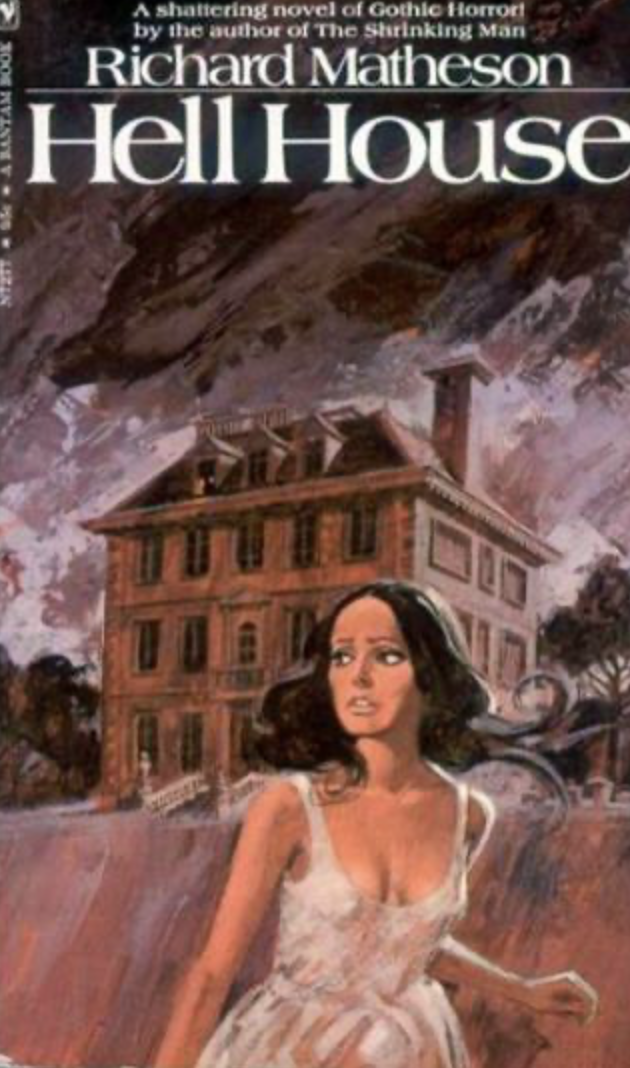
Meanwhile, as we were finishing up the Tale, Brian Level was making my poster art dreams come true, with a modern spin on the classic gothic women-running-away-from-houses paperback novel covers.
There you have it! A year in the life of an episode of Tales From Beyond the Pale.
And probably obvious to say, but this episode was 100% made by HUMANS. There was no AI in the making of this Tale. Sorry, Orpheus!
A recently widowed woman uses a new AI technology to be able to talk to her dead husband.
Writer, director Jenn Wexler
Producers: Larry Fessenden, and Glenn McQuaid, with Jordan Gass-Pooré and Rigo Garay Associate Producer: Sean Redlitz Featuring the voice talents of Emily Bennett, Jeremy Holm, Abi Lieff, Estelle Olivia, Gaby Leyner, Glenn McQuaid, Matt Rocker, Rigo Garay, Larry Fessenden, John Speredakos Sound Recording, Design and Mix by Matt Rocker at Underground Audio, NYC Score by Antoni Maiovvi “Waiting” written and performed by Shayfer James Poster by Brian Level
Glass Eye Pix is the fierce independent NYC-based production outfit headed by award-winning art-horror auteur Larry Fessenden with the mission of supporting individual voices in the arts. Read more...