December 29, 2025
Share:


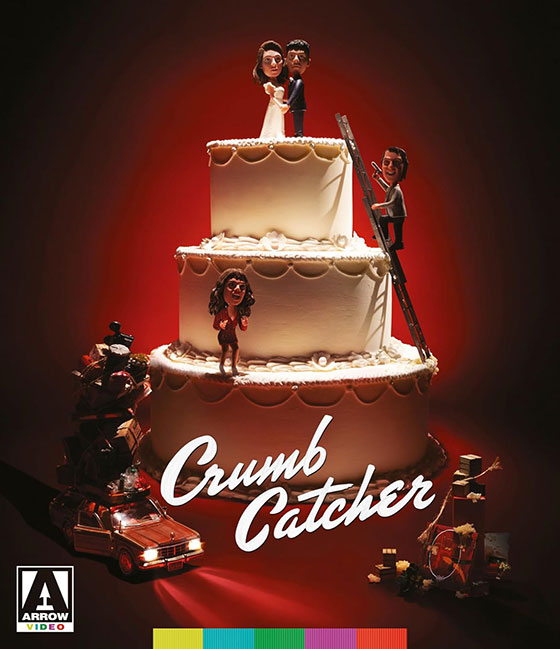
Film Threat: CRUMB CATCHER “a wonderful example of social horror”
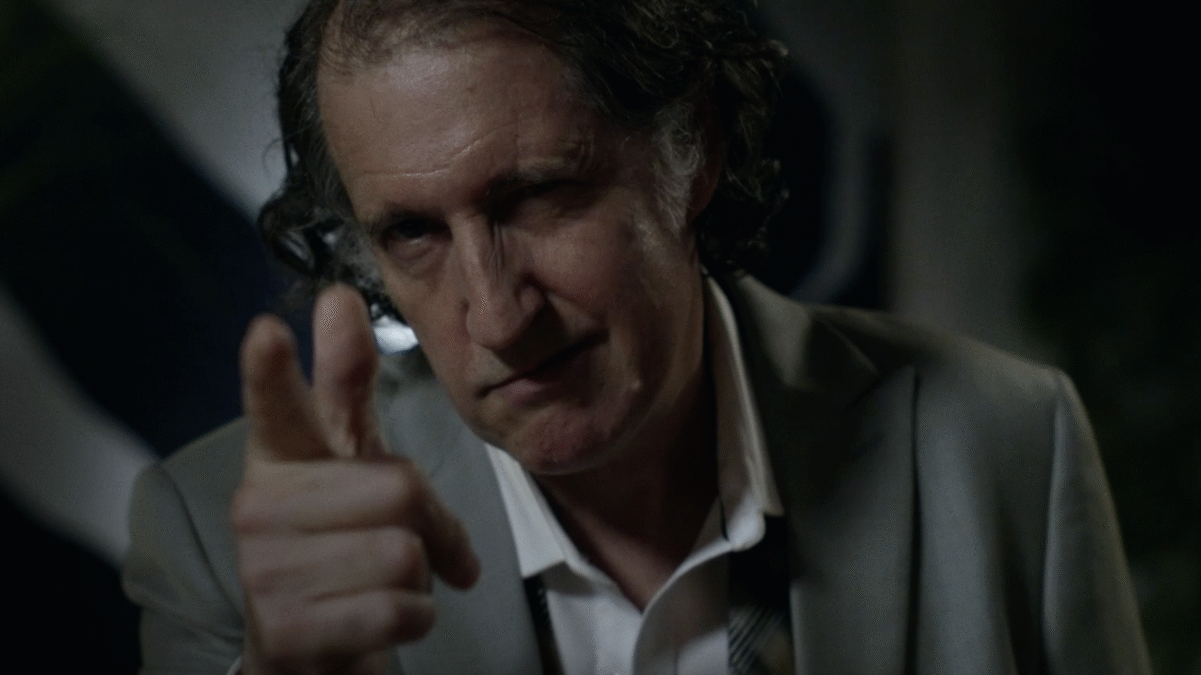
From Terry Sherwood at Film Threat: Crumb Catcher takes a premise that sounds like a lost sitcom pitch and plays it in a social nightmare of obligation. Written and directed by Chris Skotchdopole, from a story by Skotchdopole, Larry Fessenden, and Rigo Garay, the picture begins with newlyweds Shane (Rigo Garay) and Leah (Ella Rae Peck) at their reception, being photographed. The dialogue between them and others is on the edge of an argument and underlying tensions of the moment. The same mood in the drive to the honeymoon cottage, where it’s one learns that Shame is a writer and Leah is his publisher. Shane’s past is filled with childhood trauma from his family. There is some trouble with the wedding cake during the reception, and Shane fails to thank her mother for the reception, which he did not care for in the first place, as he wanted to elope.
Later on, Shane wakes up the morning after his wedding with a headache and zero memory of the previous night. Worse: an envelope containing the wedding guests’ cash gifts is empty. The situation changes when he receives a text from a woman named Rose (Lorraine Farris) hinting that the two of them got intimate. Shane’s confusion is matched only by Leah’s determination to ignore anything that might spoil their honeymoon. So off they go to their getaway: a posh, secluded woodland home supplied by Leah’s boss, where all is quiet, tasteful, pristine. A perfect location for things to go wrong, and they do.
A late-night knock at the door interrupts their attempt at newlywed fun and games. Standing outside is John (John Speredakos), the odd, overly friendly caterer from the wedding the night before, who made remarks about Shane’s used car. He claims he brought the missing wedding cake topper. John initiates himself into their home, has a glass of water, puts it down on a table, ignoring a coaster that irritates Leah. He drones on about absurd details when he finally reveals he’s also come to pitch a device he invented, which is a bizarre contraption called the “crumb catcher.” It turns out to be a sort of handheld vacuum designed to sweep table crumbs into a funnel. He insists Shane and Leah sit for a full presentation. Then the truth detonates: Rose is John’s wife, and she’s the same woman who texted Shane. She has a video of the alleged encounter. If Shane doesn’t invest in John’s crumb-collecting dream machine, the video goes straight to Leah. It’s blackmail with a smile that only gets more deranged as the night progresses.
Speredakos is a bull in a China shop throughout Crumb Catcher. He’s huge, sweaty, oblivious, clumsy, with the temperamental volatility. The man adds menace to each of his lines. He makes every stumble, every loud gesture, every sudden turn feel like an accidental tragedy waiting to explode. Peck’s performance always hints that her character’s exhaustion is something they are resigned to, a sort of grasping at “crumbs” to live on. Shane and Leah are the “normal” ones. Leah responds logically, sharply, almost icily. Shane, however, is a frustrating mystery. Garay internalizes guilt instead of suspicion.
Skotchdopole uses the Hitchcock metaphor of creating suspense when showing a conversation between people, with the audience knowing there is a bomb under the table to solid effect. Leah notices John’s weapon right away. Much like the aformentione master, the filmmaker also infuses humor. The comedy arises not from punchlines but from the horrible social bind of being too polite to throw an intruder out of your home, much like Who’s Afraid of Virginia Woolf. It’s a nightmare built entirely from the dread of not wanting to be rude, which itself is interesting because social media is filled with people who are rude continually to the point of hate. This is hugely similar to Duncan Birmingham’s Who Invited Them which is about a married couple who have a housewarming party to show off to their colleagues and superiors. When the guests have already left, the hosts suddenly discover an unfamiliar couple in the house who enter their lives.
Visually, Crumb Catcher leans into disorientation. Drunken POV effects distort the frame. The film is largely confined to the house, giving it a theatrical feel. The editing keeps the action going well, even the car chase towards the end is well-handled. The picture is a wonderful example of social horror, fear of strangers who are not what they seem, worth a look for the production values well used, and the committed actors.
December 23, 2025
Share:
Blake n’ Grimes: Naughty or Nice?
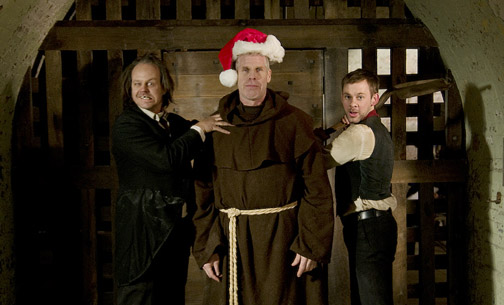
filled with holiday cheer on set of I SELL THE DEAD
Gather around the fireplace on this cozy night and stream
Glenn McQuaid’s I SELL THE DEAD on AMC Plus.
December 21, 2025
Share:
GEP bids farewell to James Ransone
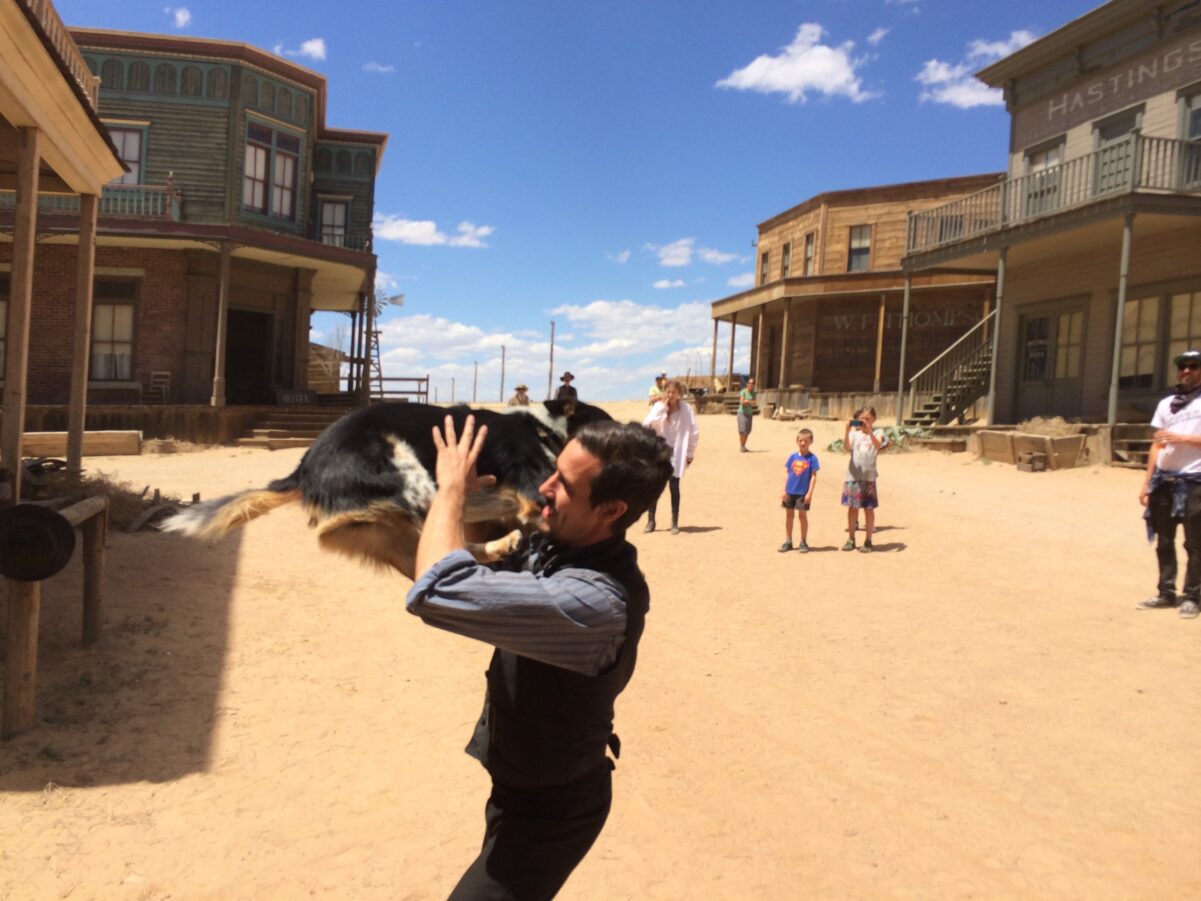
Today we mourn the passing of James Ransone who decided to check out early from this mortal coil. Ransone is known for THE WIRE, SINISTER, BLACK PHONE, IT PT 2, as well as Ti West’s IN A VALLEY OF VIOLENCE (seen above on set playing with canine star Jumpy the Dog) with Toby Huss, John Travolta and Ethan Hawk. Films are such a bonding experience, you feel you’ll know each other for ever.
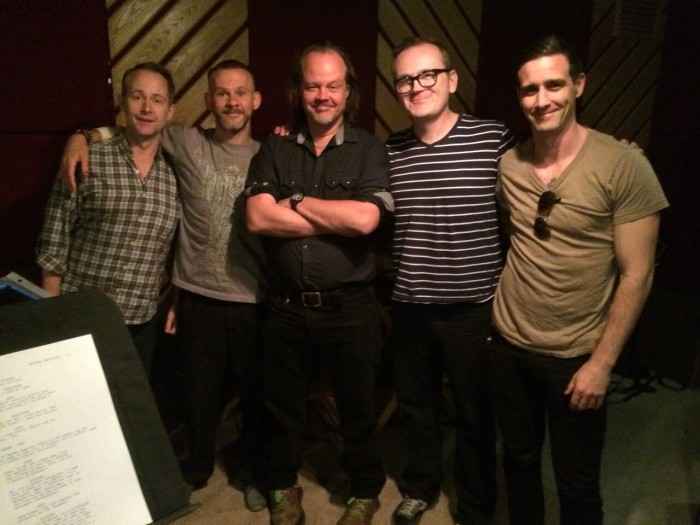
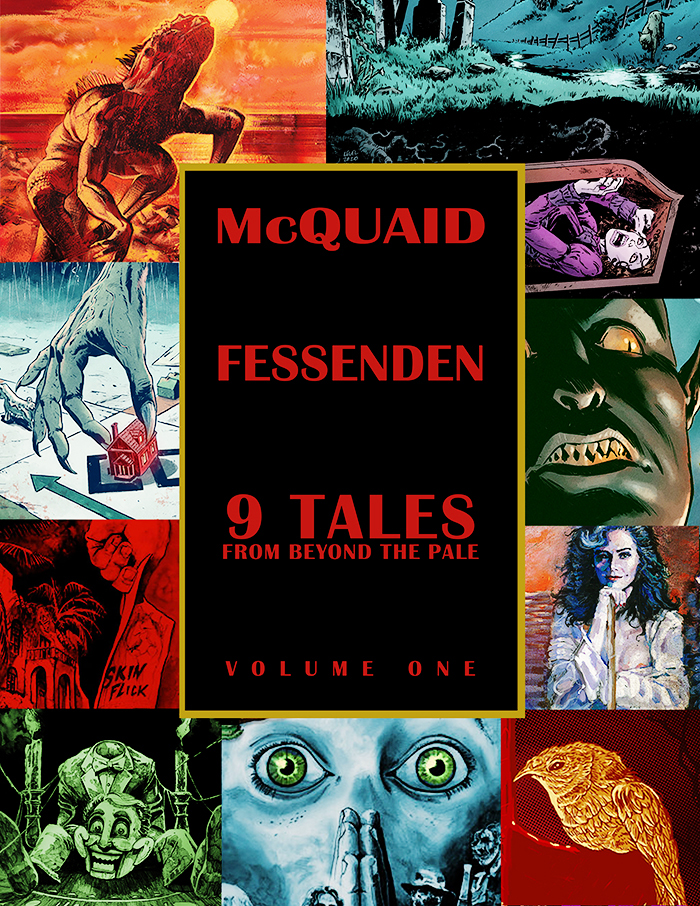
In memoriam we highlight the fine performance he contributed to a TALES FROM BEYOND THE PALE: “Natural Selection” also featuring Billy Boyd, Dominic Monaghan and Pat Healy (seen above with Fessenden during the LA recording, Ransone on right).

Rest in Peace, Ransone, hope you’ve found some now.
Deep sympathy to those left behind.
Hard times.
December 18, 2025
Share:
TBT 2008: Celebrate the Holidays with the ones you love
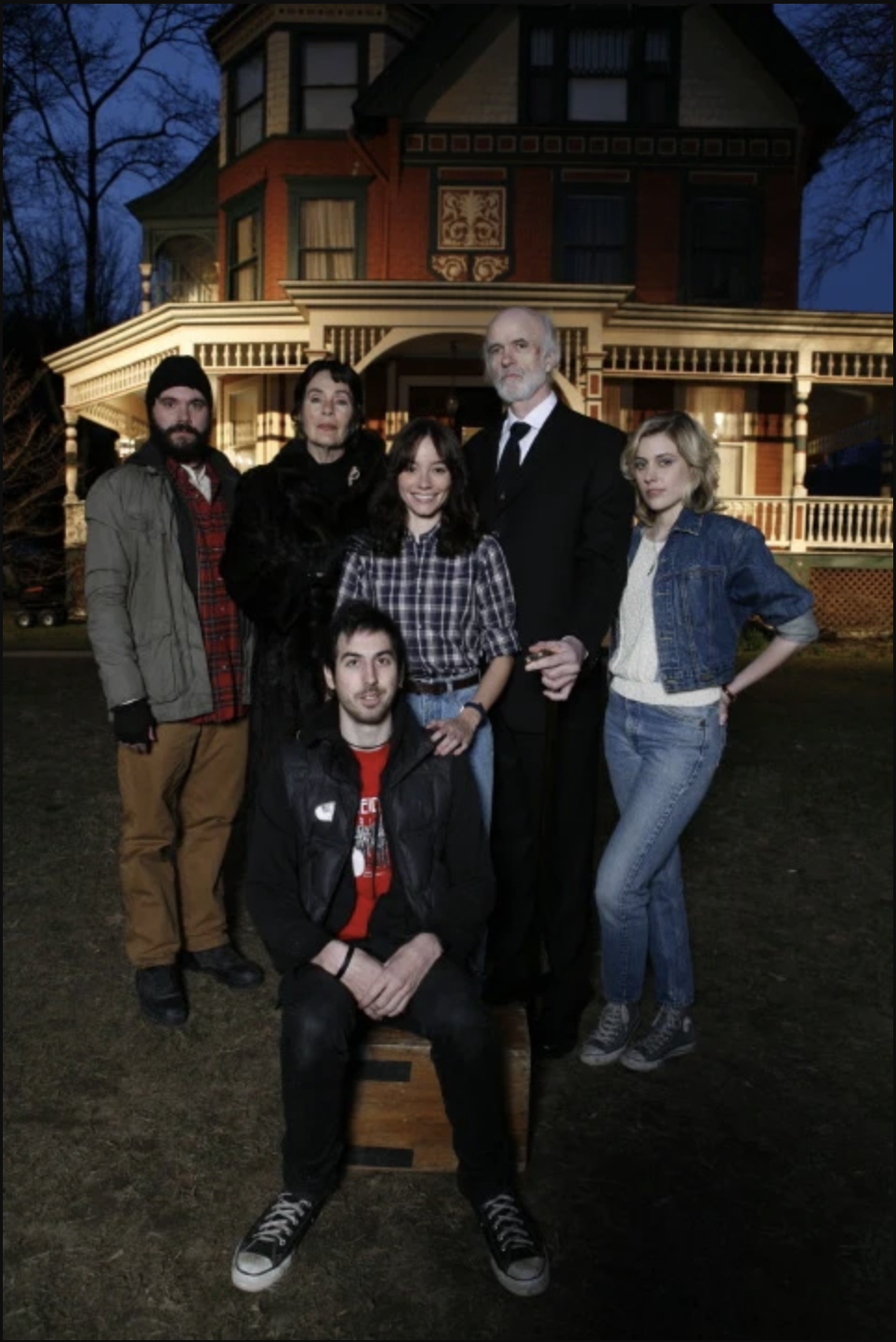
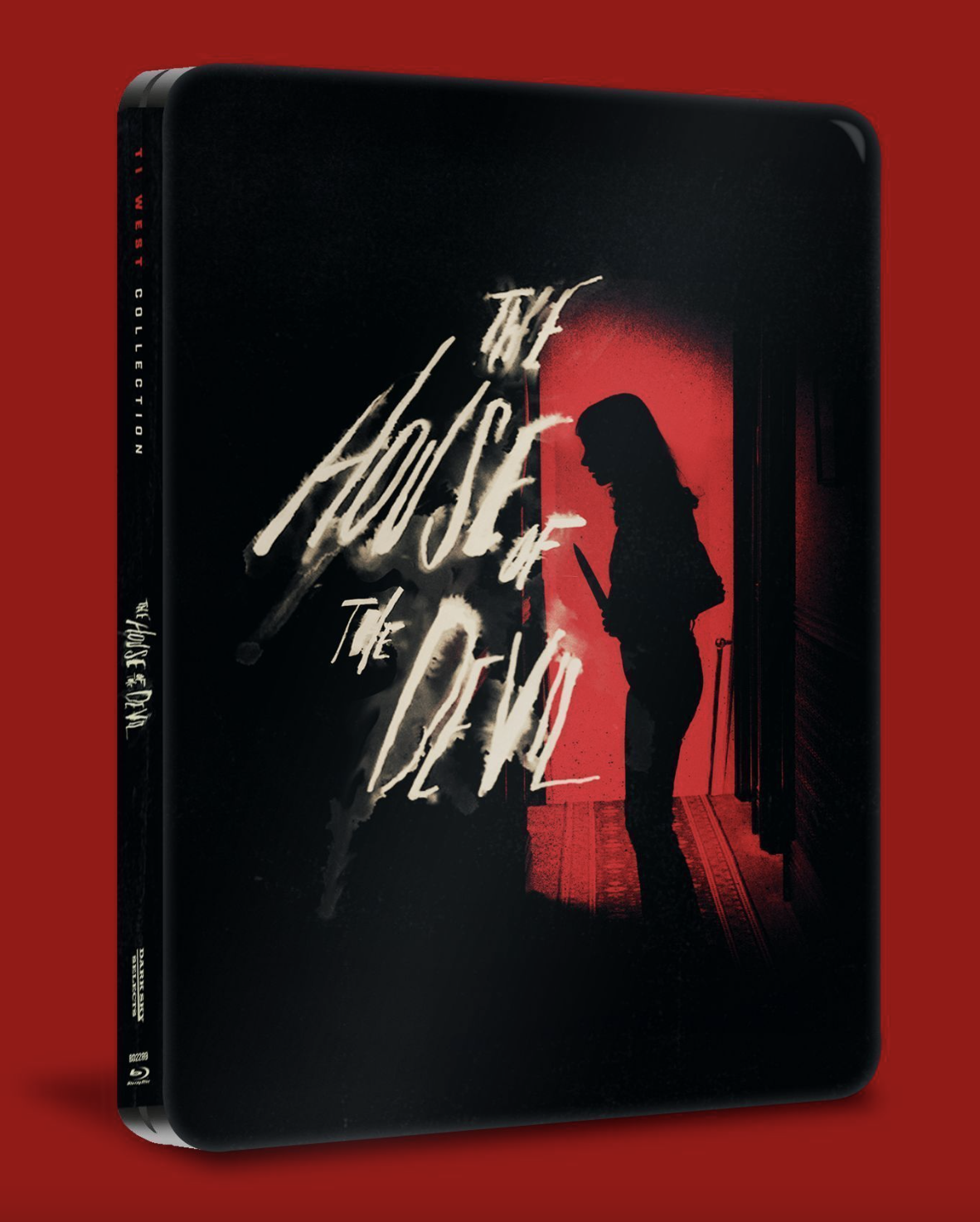
TBT 2008, A.J. Bowen, Mary Woronov, Jocelin Donahue, Tom Noonan, Greta Gerwig
and writer / director Ti West on set of THE HOUSE OF THE DEVIL.
Get the Steelcase Edition Blu-Ray from Dark Sky Selects,
the perfect stocking stuffer.
December 16, 2025
Share:
THE GODS OF TIMES SQUARE Blu-Ray now available!
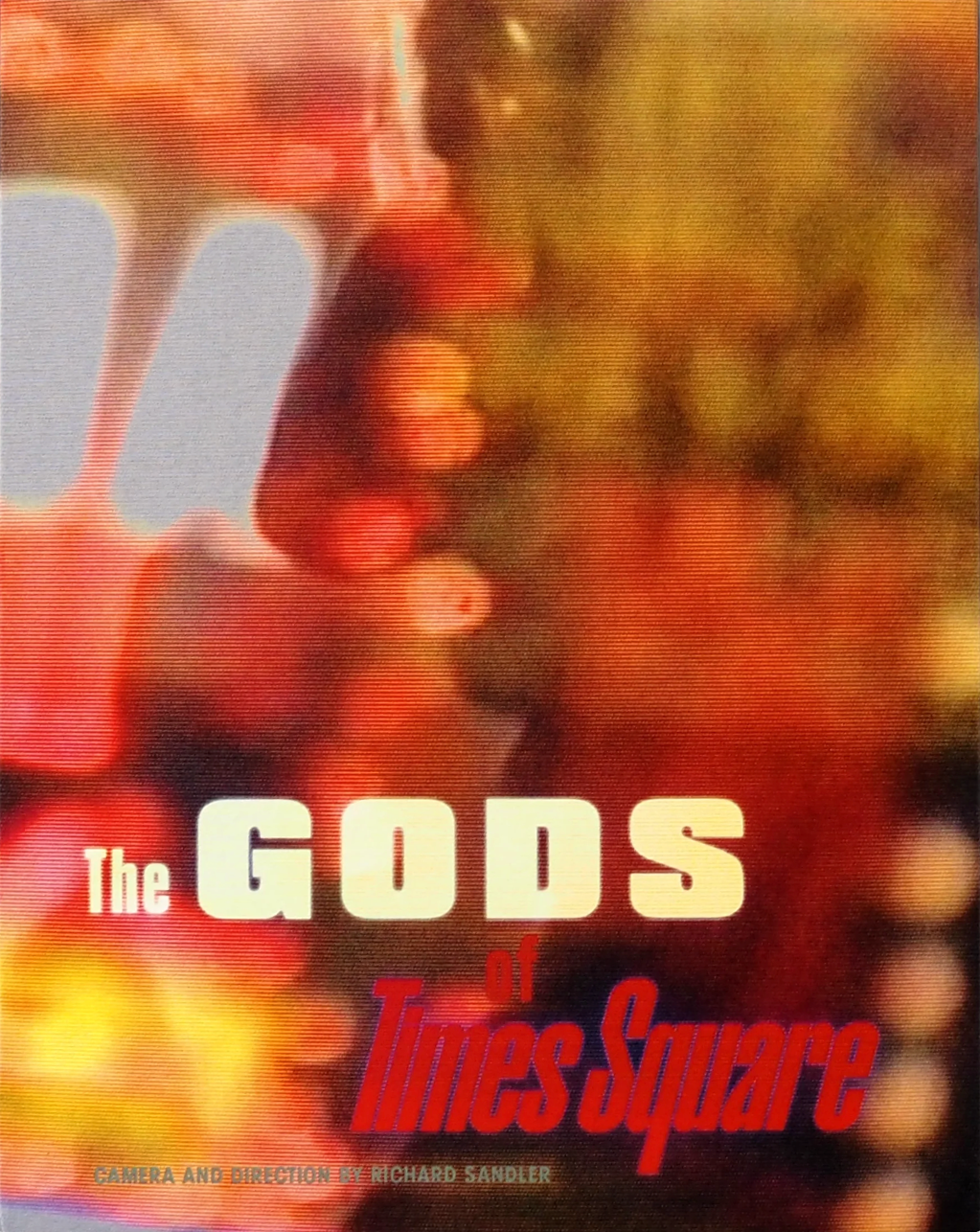
Now for sale at Vinegar Syndrome, Film Desk and Elara Pictures presents
Richard Sandler’s THE GODS OF TIMES SQUARE,
a Glass Eye Pix and Scorpio Dogs production.
Shot on video over six years in the mid-1990s by legendary photographer Richard Sandler, The Gods of Times Square is a portrait of the “Crossroads of the World” at the end of the millennium, told through the words of its denizens, particularly the various street preachers that populated every corner. Now over twenty five years since its transformation to the unrecognizable, the Times Square known for generations only exists in memory and dreams, one of many treasured, vanquished New York demimondes. The Gods of Times Square is now available in an extended version through the auspices of Josh Safdie, Elara Pictures and The Film Desk.
The Film Desk is a theatrical and disc distributor founded in 2007 by Jake Perlin, dedicated to releasing masterpieces of international cinema, with a focus on titles never before released in the United States, or long out of circulation, primarily in new 35mm prints.
Packed with special features including 6 films from Richard Sandler and a
booklet with an interview by Fessenden and critic/author Ed Halter.
BUY NOW!
December 10, 2025
Share:
On This Day in 2008: Kelly Reichardt’s WENDY & LUCY released
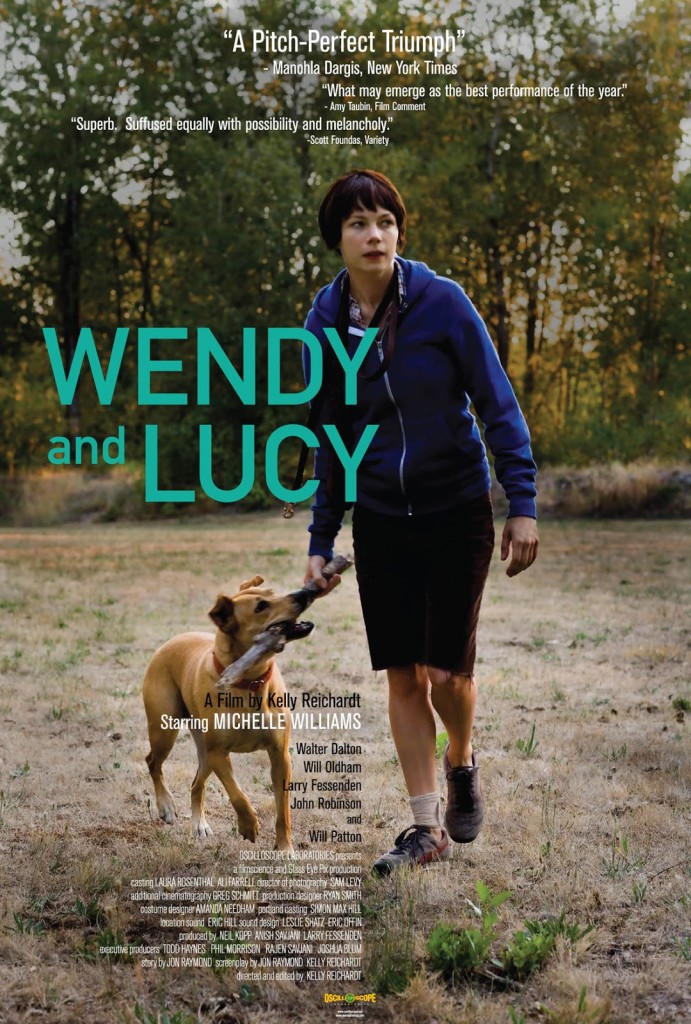
Wendy Carroll is driving to Ketchikan, Alaska, in hopes of a summer of lucrative work at the Northwestern Fish cannery, and the start of a new life with her dog, Lucy. When her car breaks down in Oregon, however, the thin fabric of her financial situation comes apart, and she confronts a series of increasingly dire economic decisions, with far-ranging repercussions for herself and Lucy. WENDY AND LUCY addresses issues of sympathy and generosity at the edges of American life, revealing the limits and depths of people’s duty to each other in tough times.
Based on the short story “TRAIN CHOIR” by Jon Raymond.
A contemplative movie like this clears all the whirling, meaningless imagery out of our heads.
–THE NEW YORKER
…the film manages that rare feat of being both remarkably prescient
and modest at the same time.
–TIME OUT
The victories and insights gained in Wendy and Lucy
are hard-won and small in stature, but they linger on the mind.
–THE STAR
Ramping up to GEP’s 40th Anniversary,
we celebrate 40+ projects
that have come from our shop
December 9, 2025
Share:
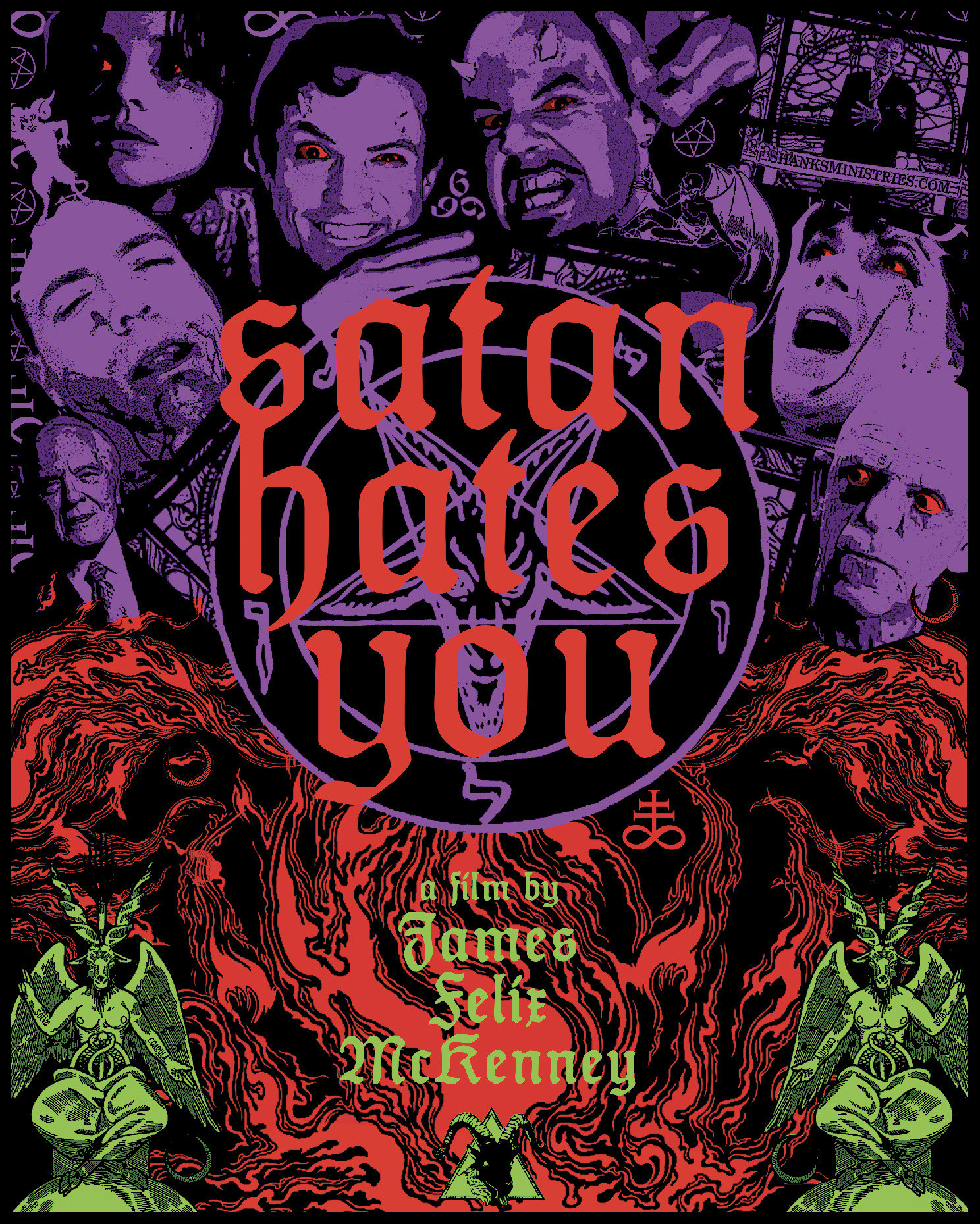
James Felix McKenney’s SATAN HATES YOU on Special Edition Blu-Ray
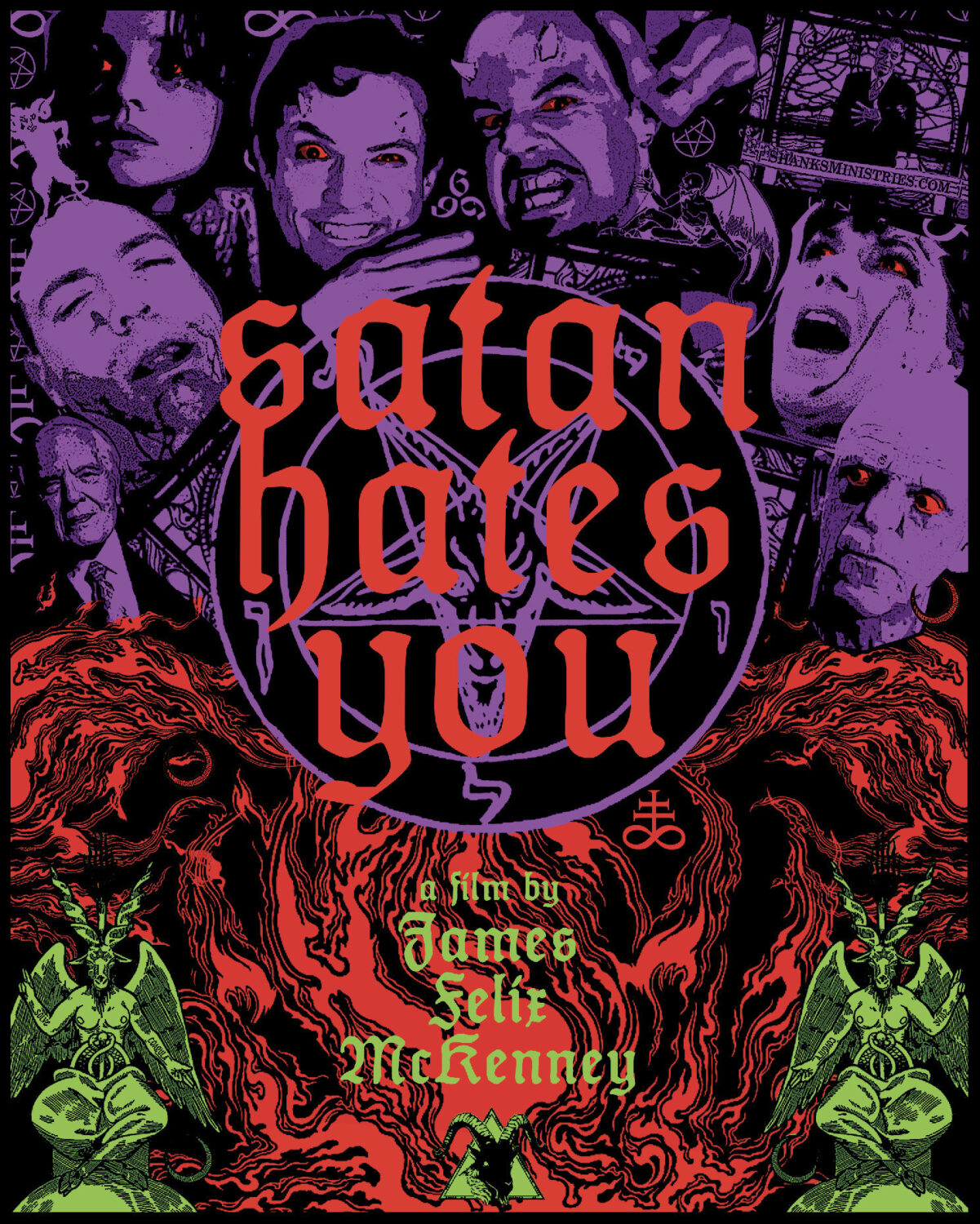
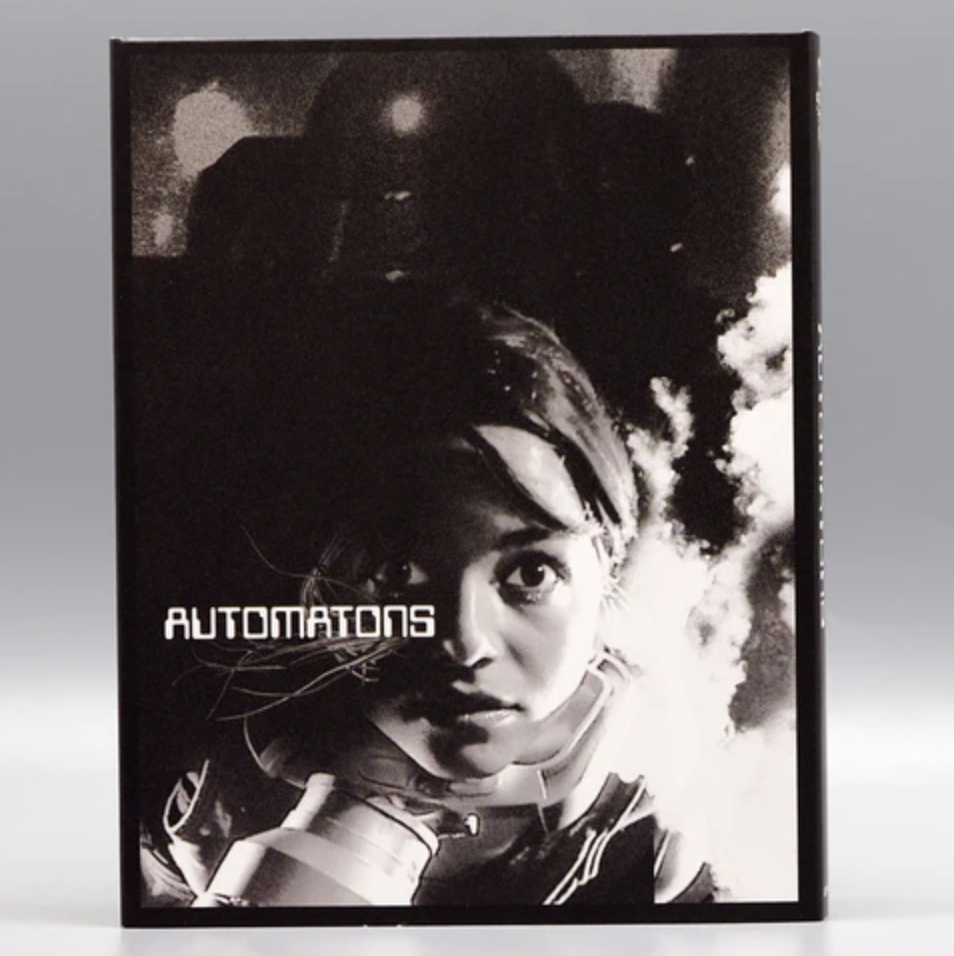
Directed by GEP collaborator James Felix McKenney (AUTOMATONS, HYPOTHERMIA)
Starring: Don Wood, Christine Spencer, Angus Scrimm, Reggie Bannister,
Michael Berryman, Debbie Rochon, Larry Fessenden
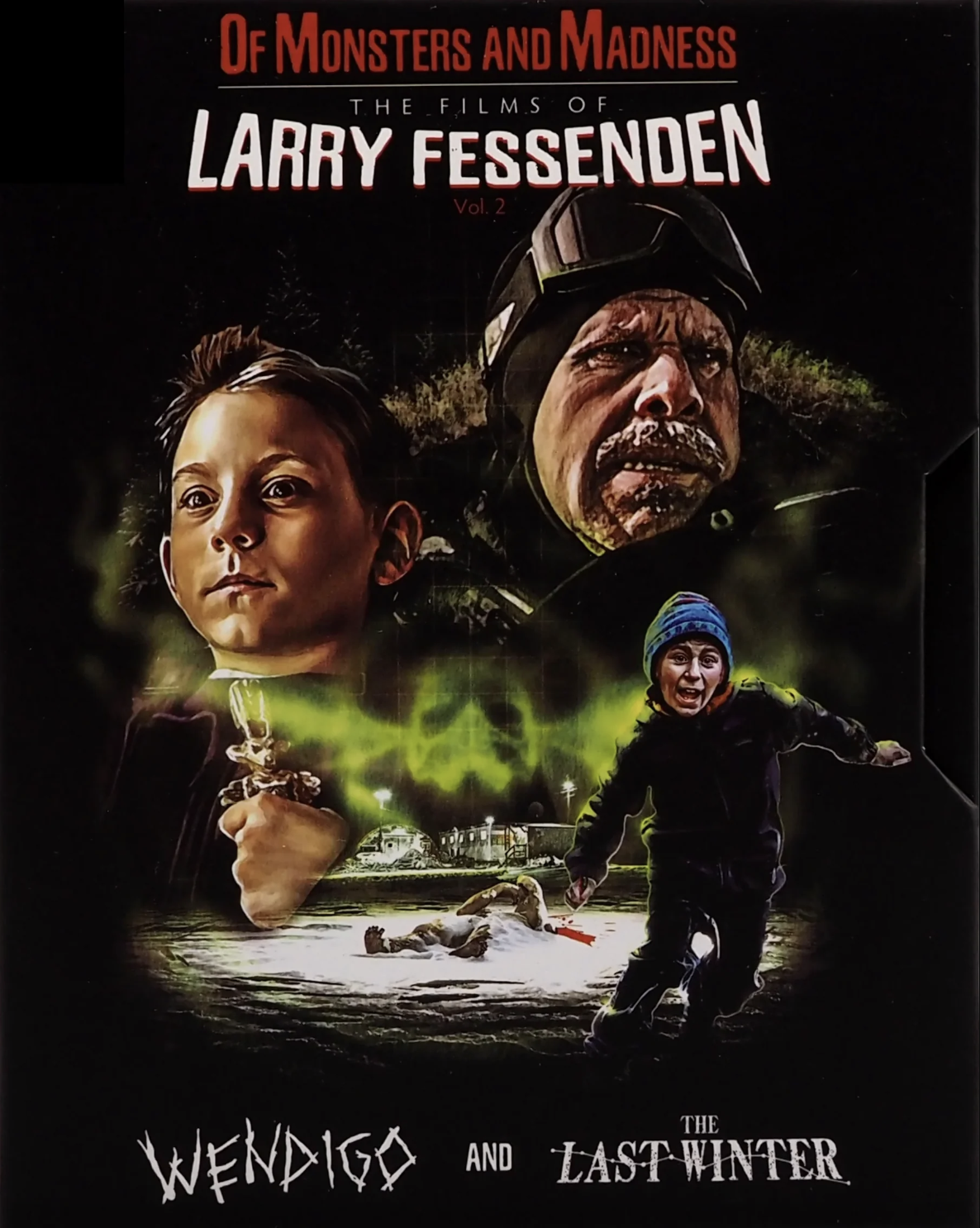
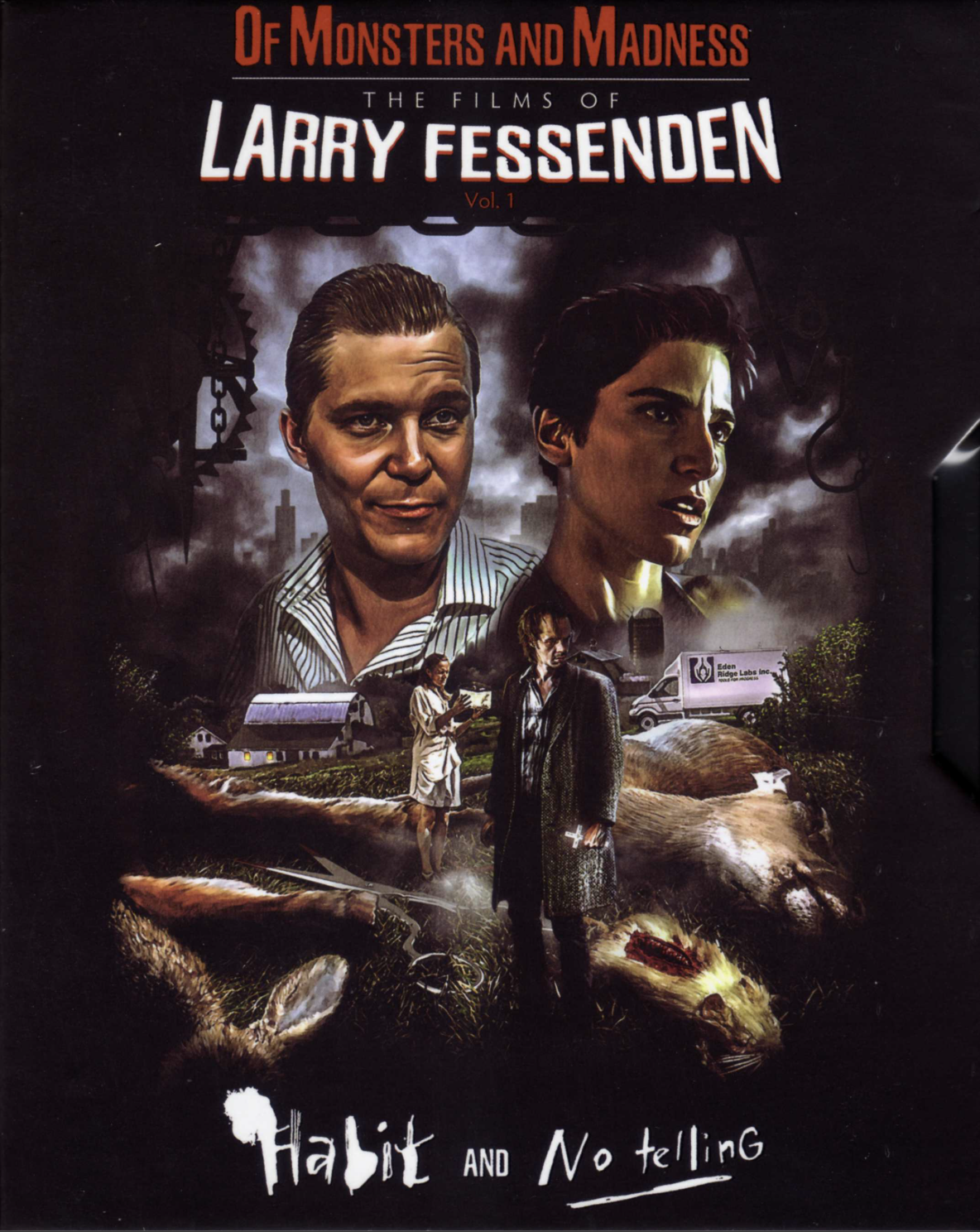
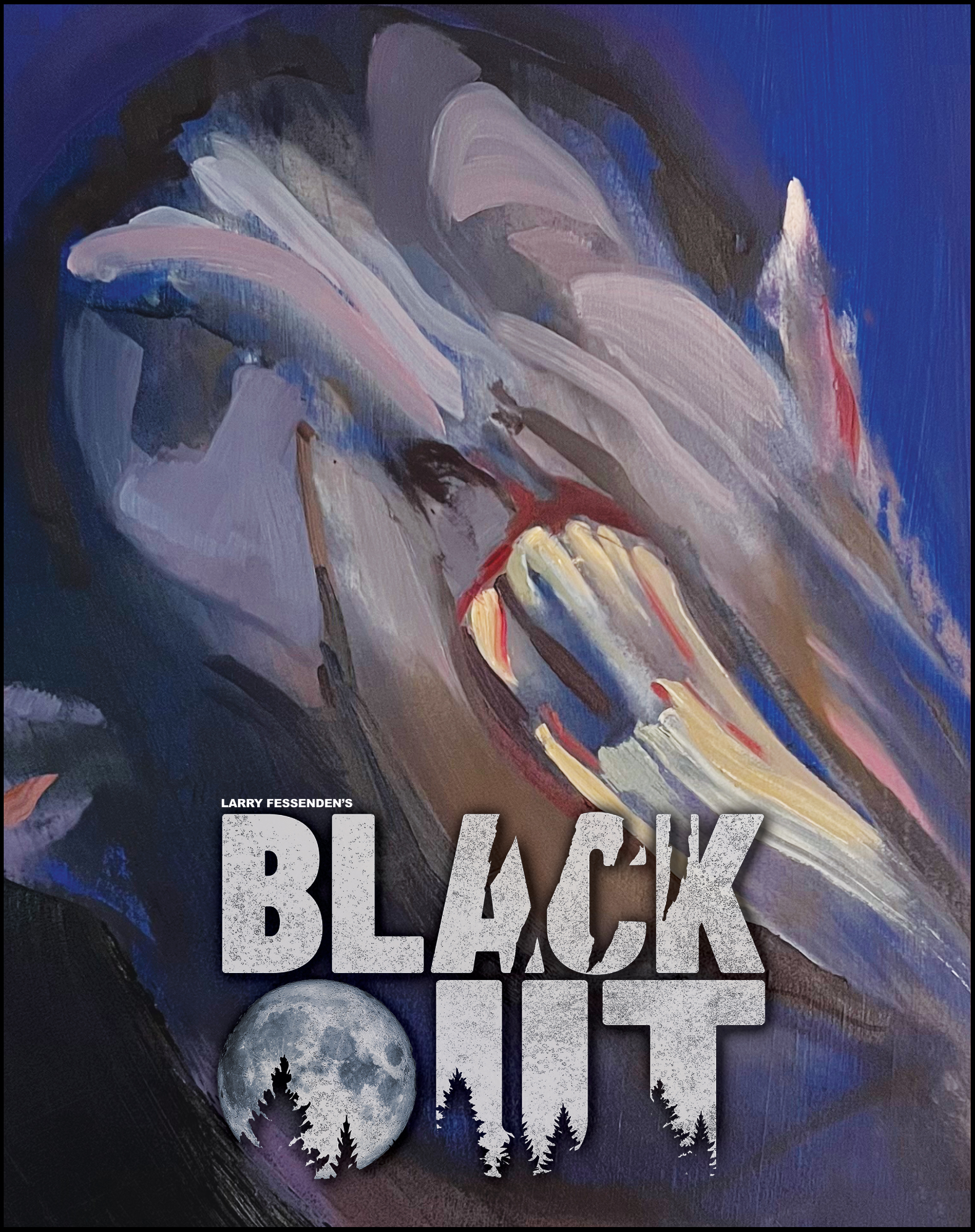
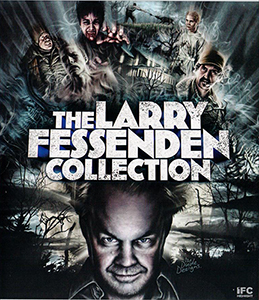
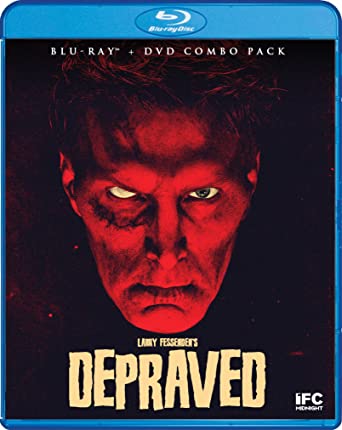
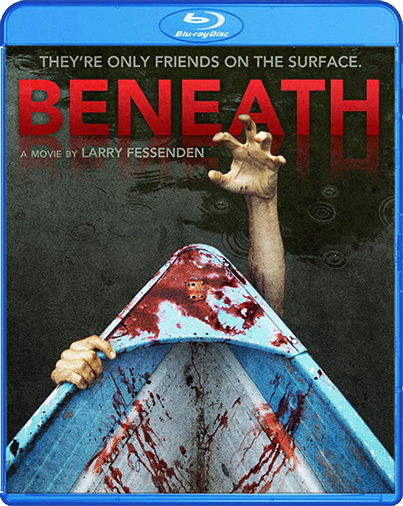
From Vinegar Syndrome: Glass Eye Pix (“one of the indie scene’s most productive and longest-running companies” —Filmmaker Magazine) is the fierce independent NYC-based production outfit headed by art-horror auteur Larry Fessenden (BLACKOUT, DEPRAVED, BENEATH, ABC’s of DEATH 2, NBC’s Fear Itself episode “SKIN AND BONES,” THE LAST WINTER, WENDIGO, HABIT, NO TELLING). Glass Eye Pix is responsible for narrative films, documentaries, books, comics, audio plays, and other unique work designed to inspire and contrast with corporate media. Fessenden (winner of the Someone to Watch Spirit Award) has operated the company since 1985, with the mission of supporting individual voices in the arts.
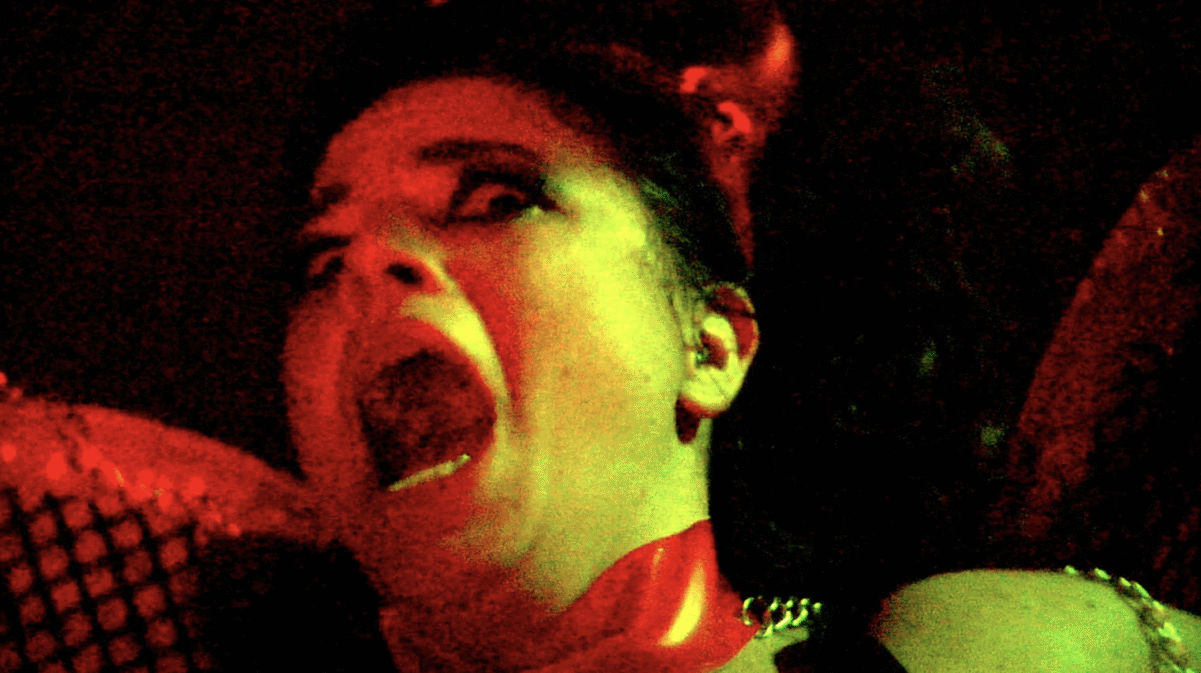
Homicidal maniac Marc (Don Wood) is constantly driven by demons buried deep within his soul while party girl Wendy (Christine Spencer) lives life fast and hard without a second thought to the consequences. Their separate paths will eventually cross, but will it be on the road to salvation or the highway to hell?
- Region A Blu-ray
- Feature film in HD for the first time
- Stereo and 5.1 audio mixes
- Original SATAN HATES YOU trailer
- 22-minute “making of” featurette
- “Creepy Christmas” short film – “December 23rd”
- “Creepy Christmas” short film – “Eighteen Reindeer”
- 13 TV segments from the film featuring Angus Scrimm, Pauley Perrette and author Max Brooks
- Audio Commentary with writer-director James Felix McKenney, cast & crew members Laree Love and Noah DeFilippis
- English SDH subtitles
December 8, 2025
Share:
Dispatch: James Siewert on “Tender” Shoot: 130 Days in the making
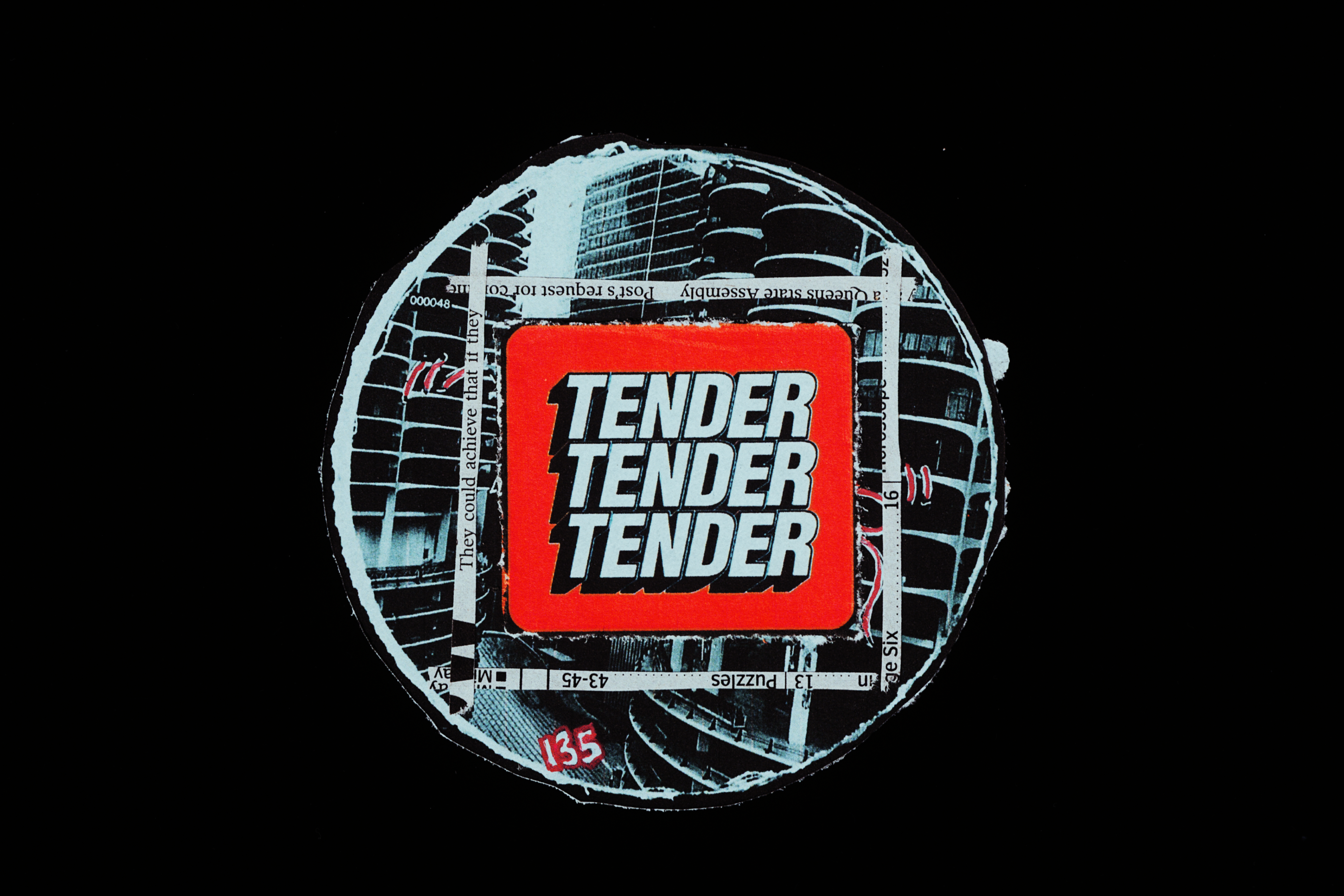
From Filmmaker James Siewert:
Larry and I started talking about a year and half ago.
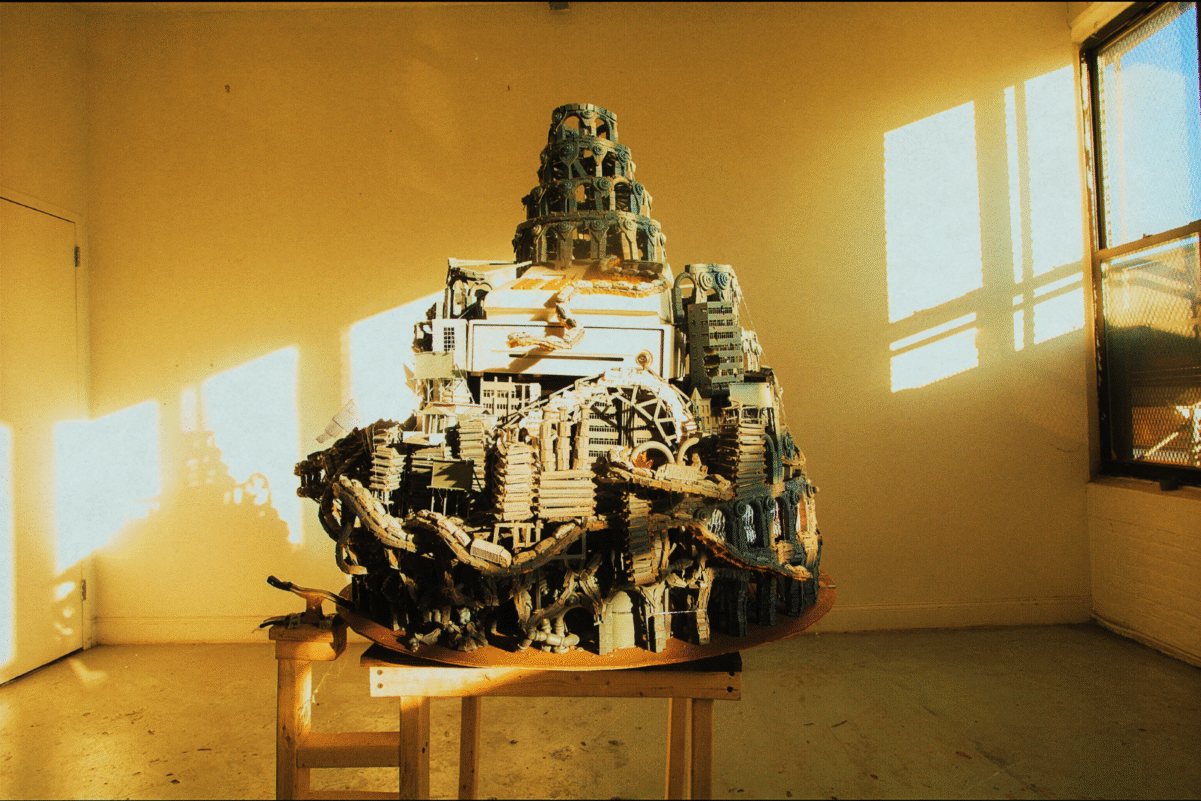
In April of 2024 I made a small piece of animation that was the seed of the idea: frames of animation built up on a rotating platform. I was interested in the dynamic between the growing sculptural form of accumulating frames and the more two dimensional experience of the interior animation. The sculpture becomes the carcass of the film’s expired animated life, and by reconciling the needs of the sculpture with the needs of the animation, both end up taking on unexpected organic qualities, suggesting further growth.
When Larry sent me the song, I think I had already started envisioning a Babel-like construction on the rotating platform, being inspired by my printmaking professor Lothar Osterburg’s series of prints reinterpreting Bruegel’s Babel. “Tender” – with its themes of accumulation, consumption and decay, seemed like the perfect opportunity. Larry told me that the single’s leading image was in fact the Tower of Babel, and it felt like we had to do it.
I started vaguely planning different sites on the tower that would represent different lyrical moments – but allowed the construction to be fairly improvisational too. Often producer Walker White and I would decide to do something different than what we had planned on the day if we happened to find something interesting to incorporate into the construction. The election happened while we were animating and influenced and augmented the inclusion of newspaper sections.
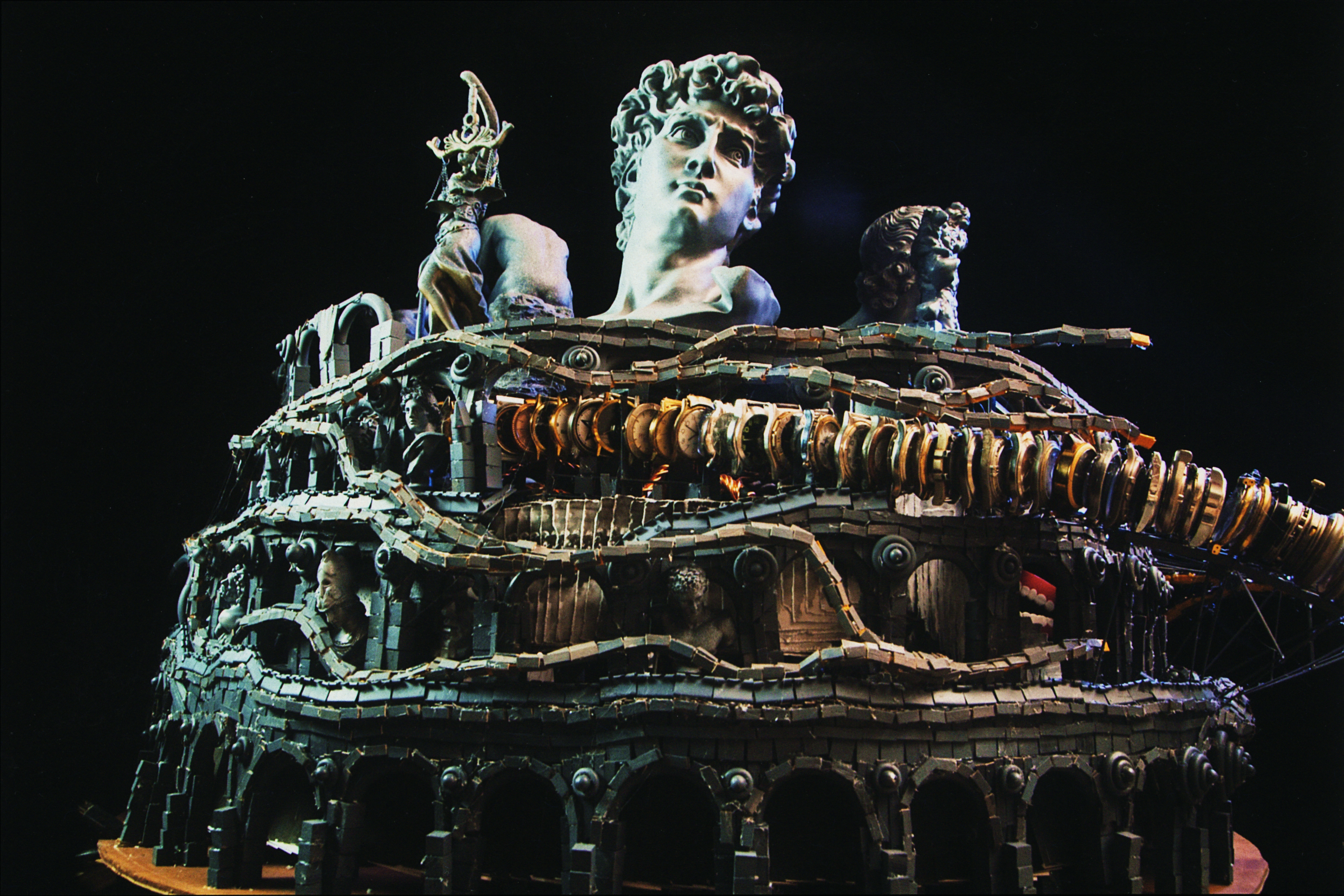
Larry was basically hands off – allowing us to follow whatever weird fancies happened to strike. His one requirement was that a natural disaster of some kind happen to conclude the video. Fire was of course the most exciting to all of us. I think most successful music video are essentially 3 or 4 act compositions and that in the best ones the final rug pull slightly zags, taking a savvy viewer a bit by surprise. The fire I think keeps things fresh just at the moment that novelty of that the “growing tower” concept for the video has worn off. Figuring out how to incorporate the live action fire into the otherwise stop-motion video was another moment in which the reconciliation of different artistic impulses creates a more interesting experience.
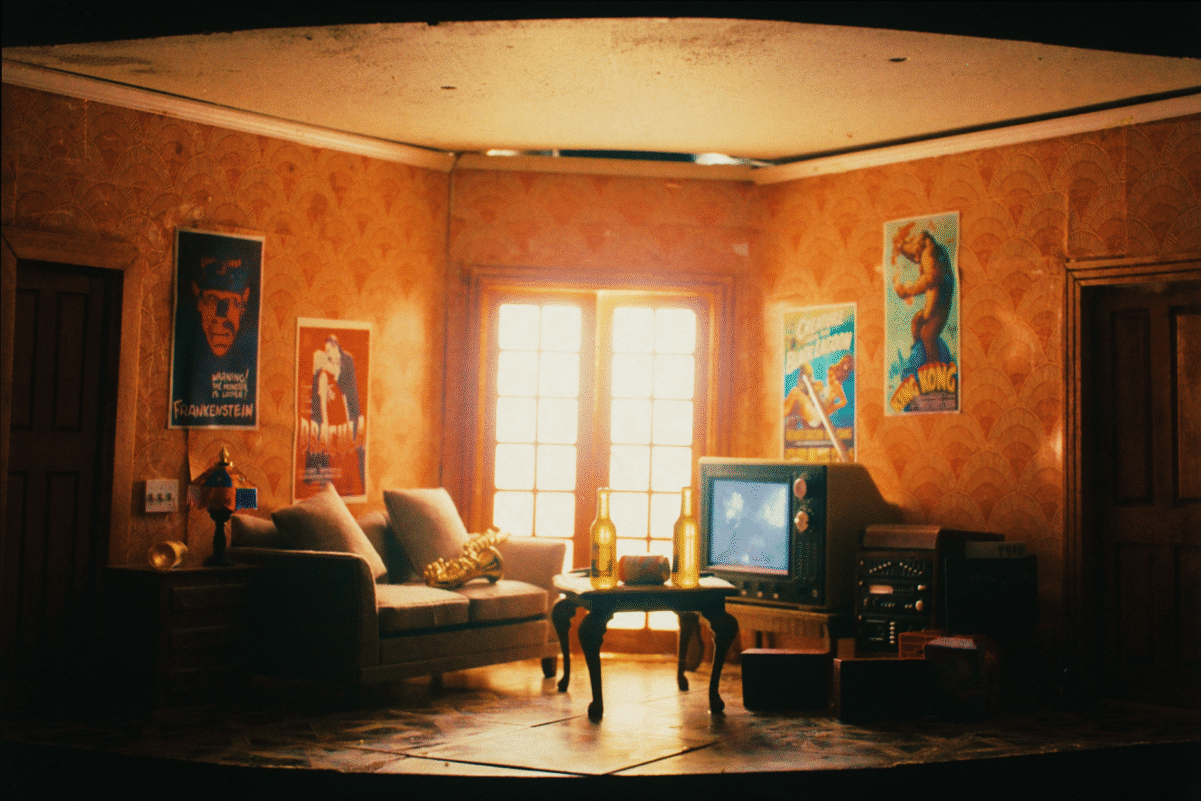
Larry sometimes calls me an “architectural filmmaker”, which leads to some mild bickering – the chief pleasure of our collaborations. Part of the reason why I object to the phrase is that it suggests the filmmaker as having a master blueprint where the actual making of the film is just a paint-by-numbers affair where an essentially static plan is executed. I’m far from capable of this sort Hitchcockian masterminding. What I like about filmmaking excavation and discovery – the emergence of solutions through playful trial and error. When we make a film we set ourselves problems – different artistic impulses, or differing ideas amongst collaborators. The process of synthesizing sculpture and animation – or stop motion and live action – is not one that is done on paper ahead of time, but by following our noses, by remaining stubbornly playful and curious even as the walls close in around us.