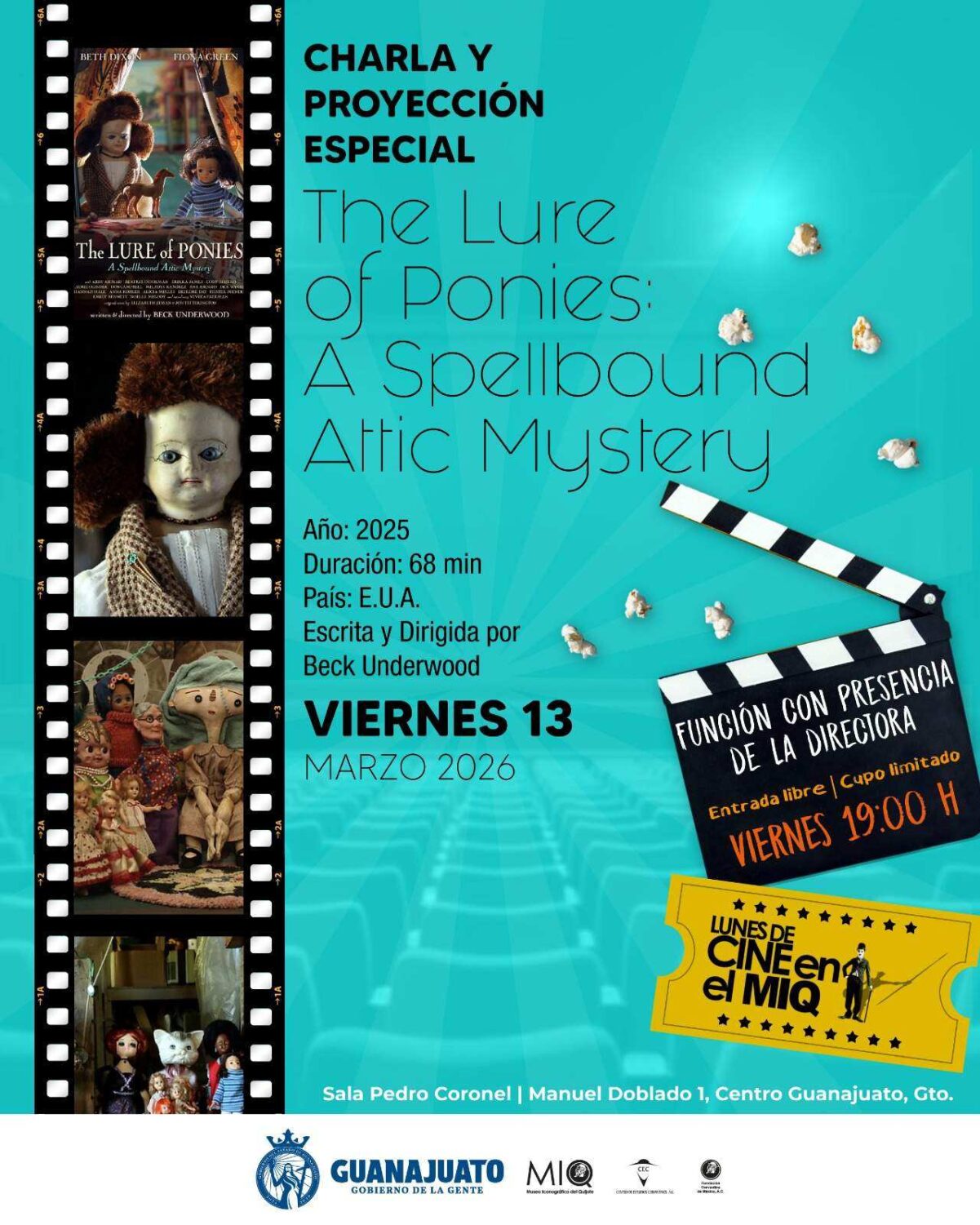
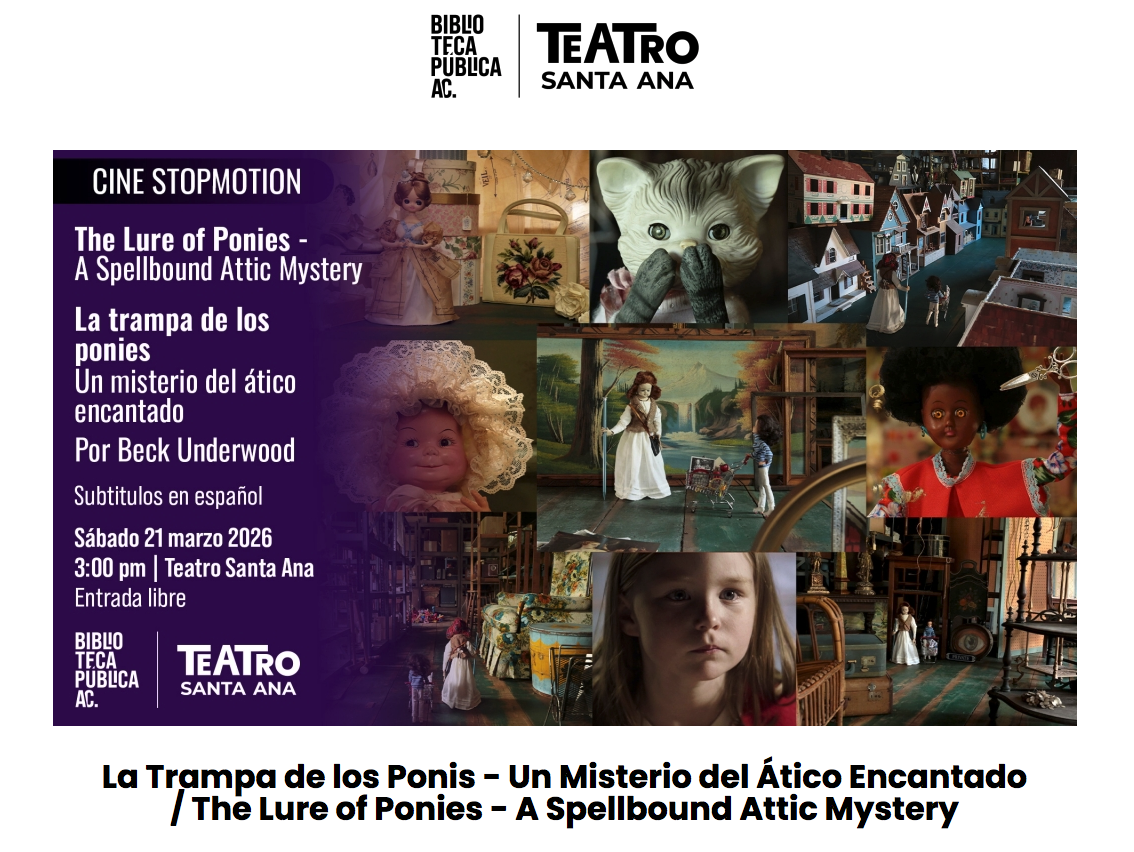
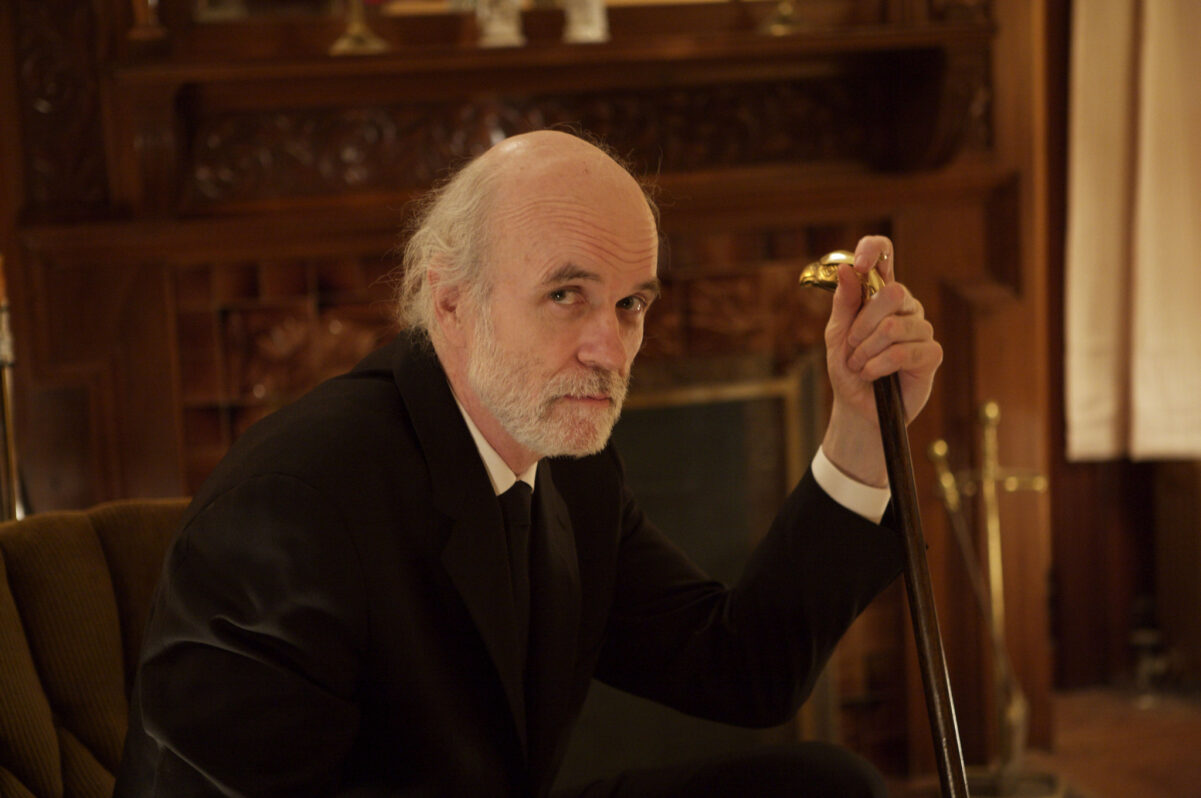
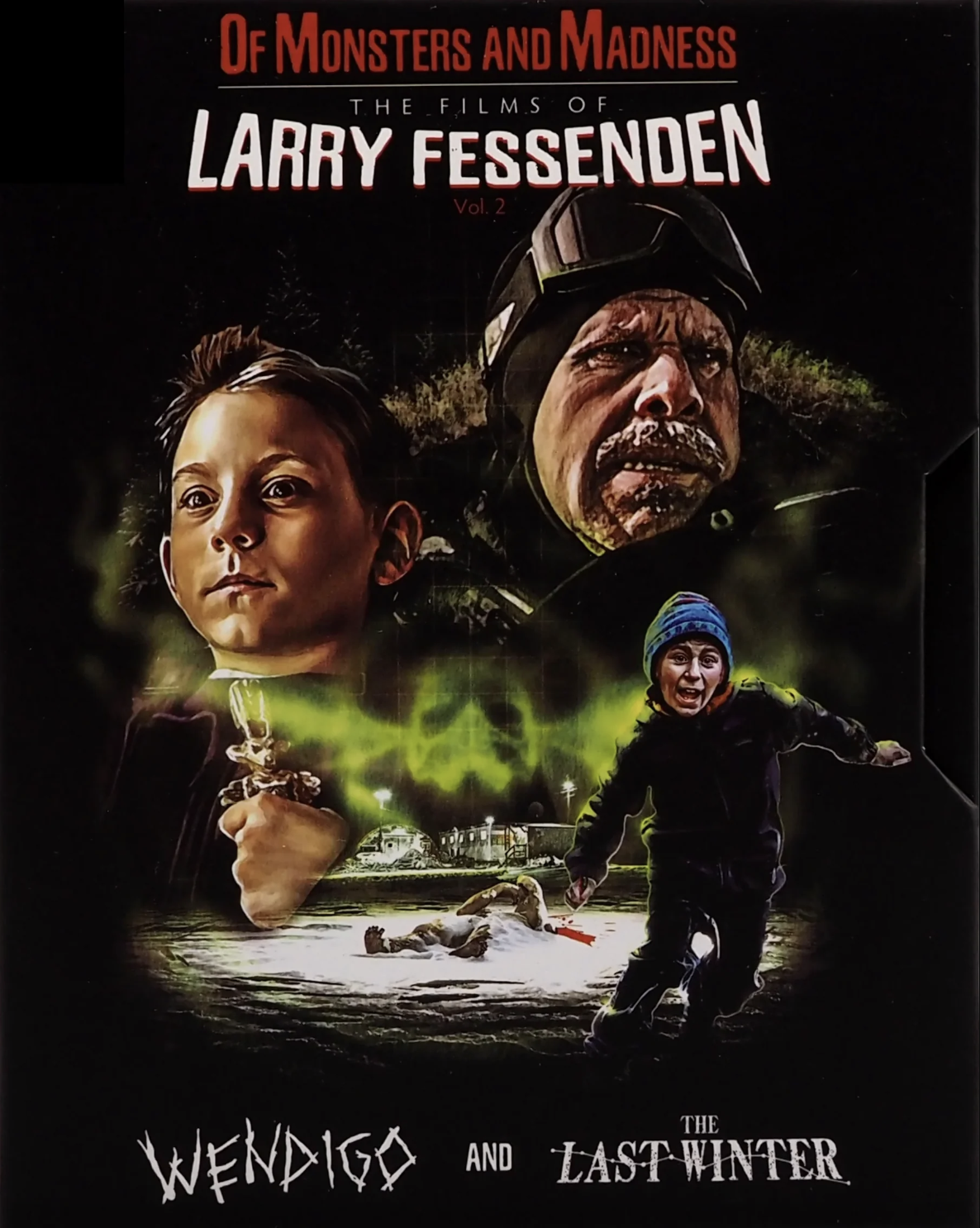
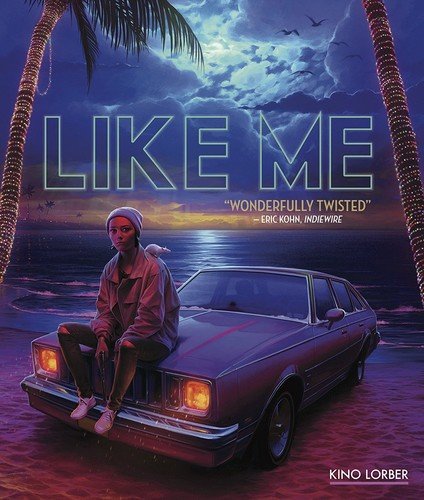
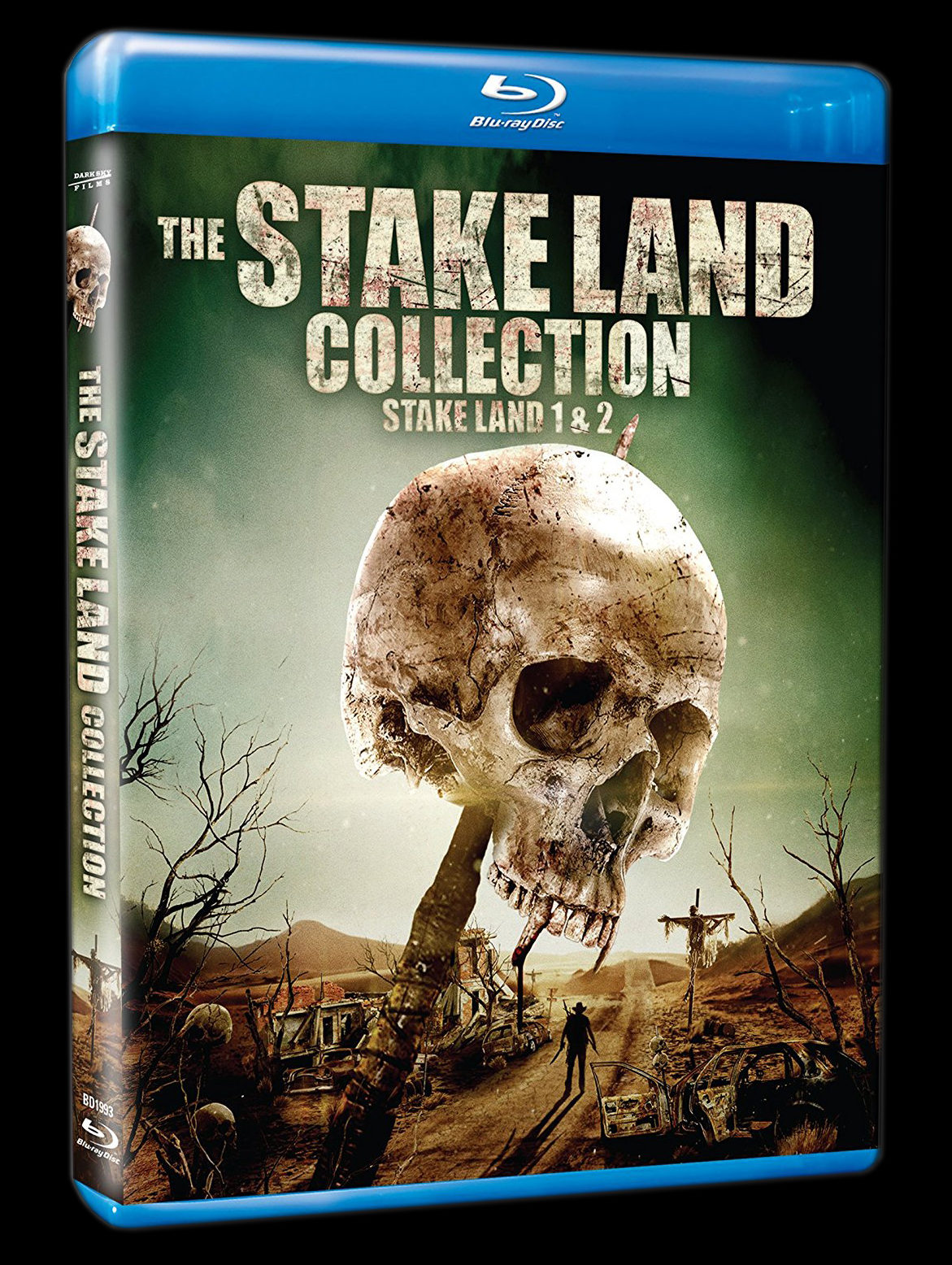
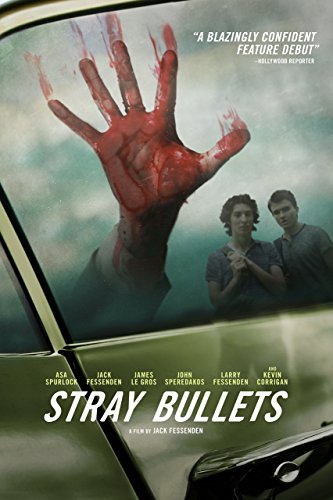
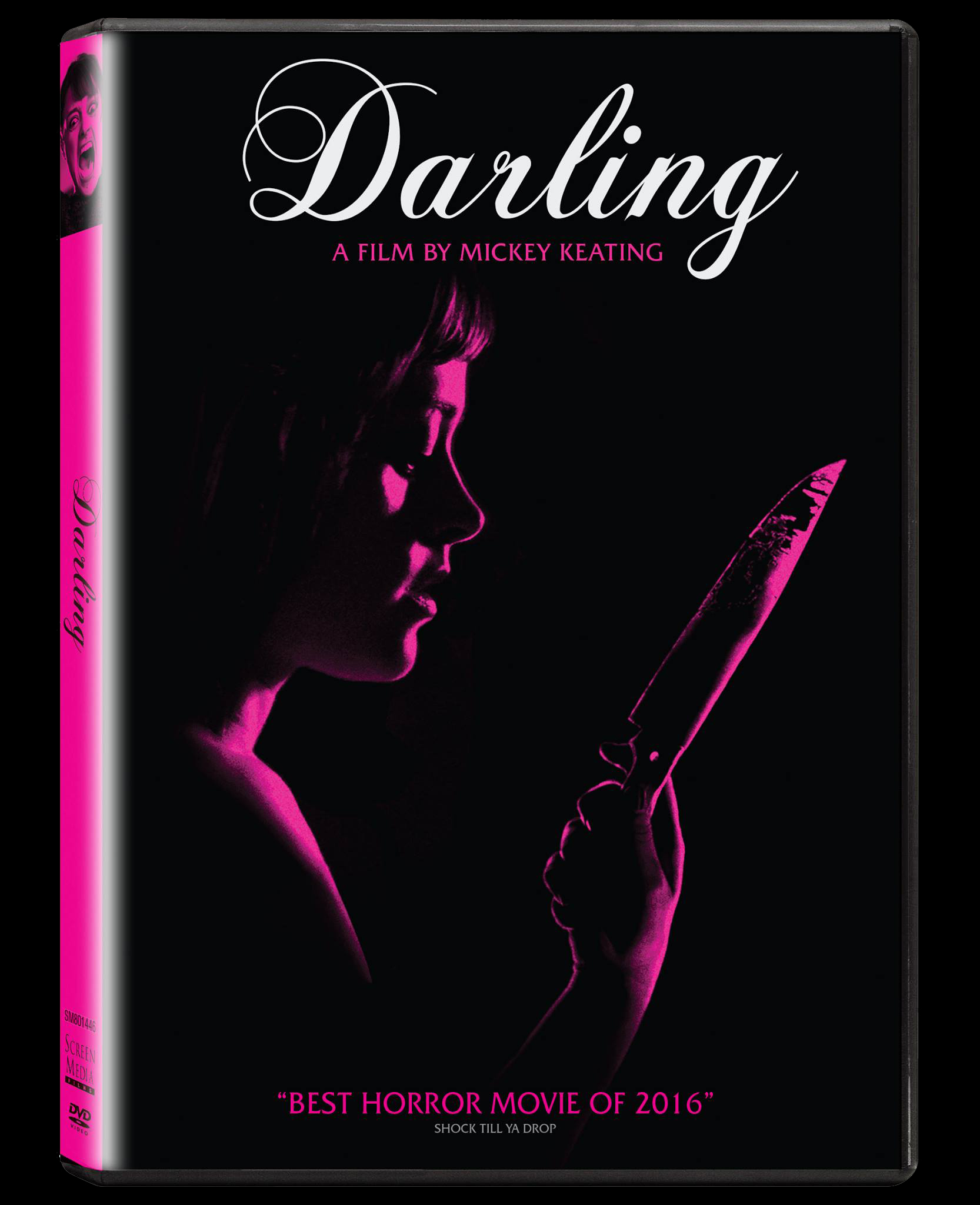
Friday the 13th of March BECK UNDERWOOD’S THE LURE OF PONIES is making its Mexican debut in Guanajuato, MEXICO curated by Alejandro Montes Santamaria @aurorahorror at the Museum of Quixote Iconography the worlds largest museum of all things Don Quixote. in the zona centro @iconografico_quijote
Followed by a screening in San Miguel de Allende SATURDAY 21 March at BiblioTeca Publica 3PM
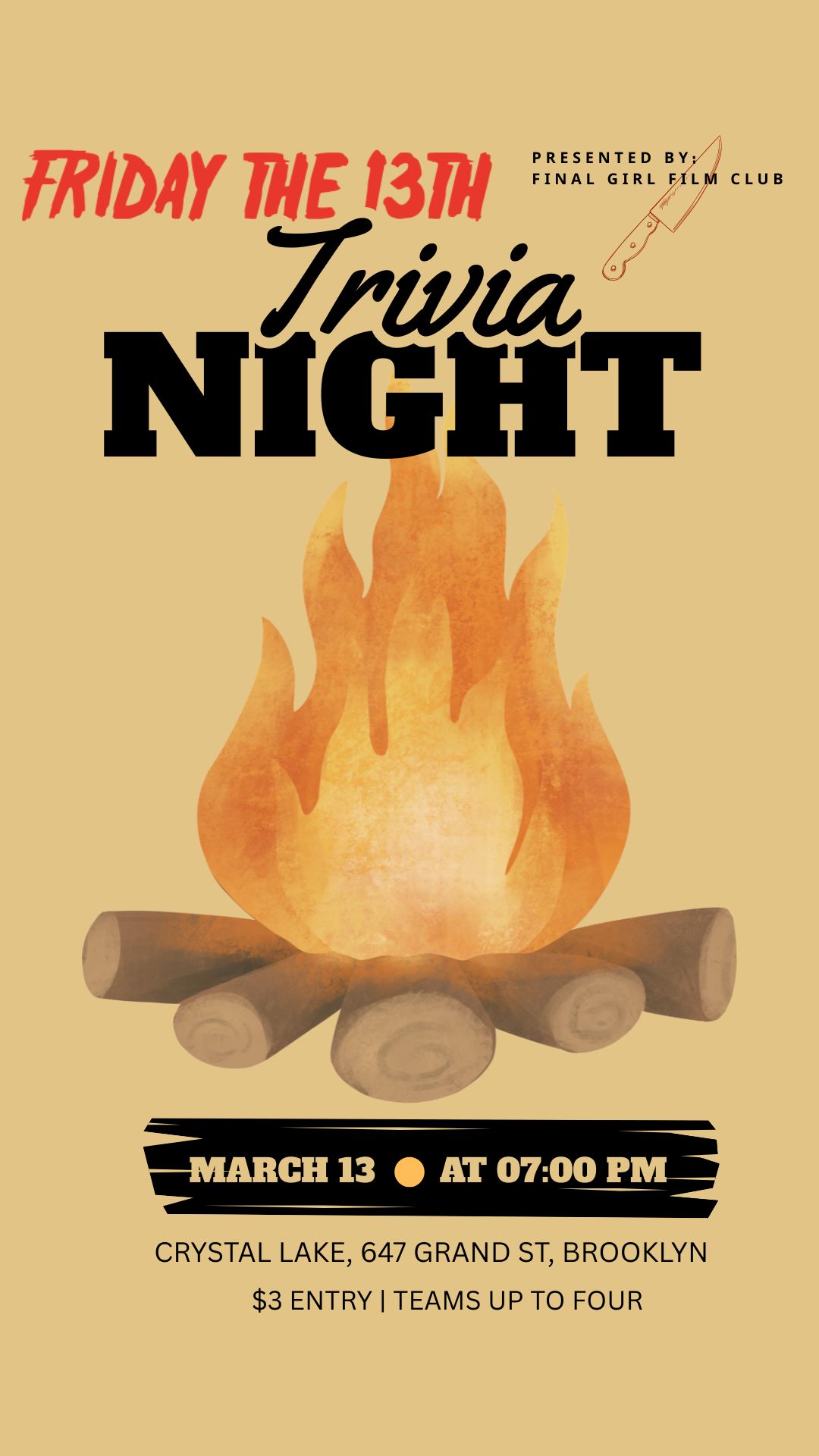
Test your knowledge of horror sequels from various franchises and support the upcoming podcast series about the life and work of Debra Hill, the co-creator/producer of Halloween and the OG final girl.
7PM – 9PM Friday, March 13th @ Crystal Lake Bar 647 Grand St. Brooklyn
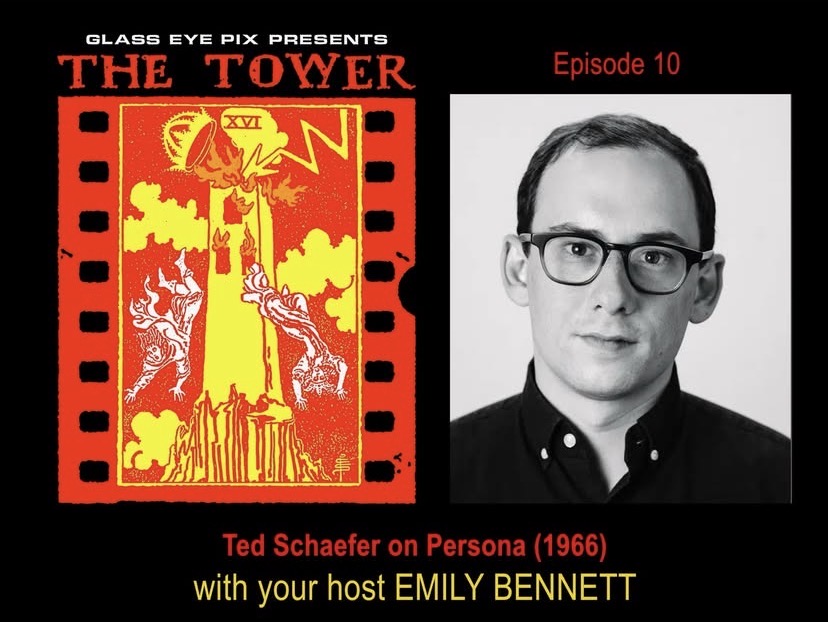
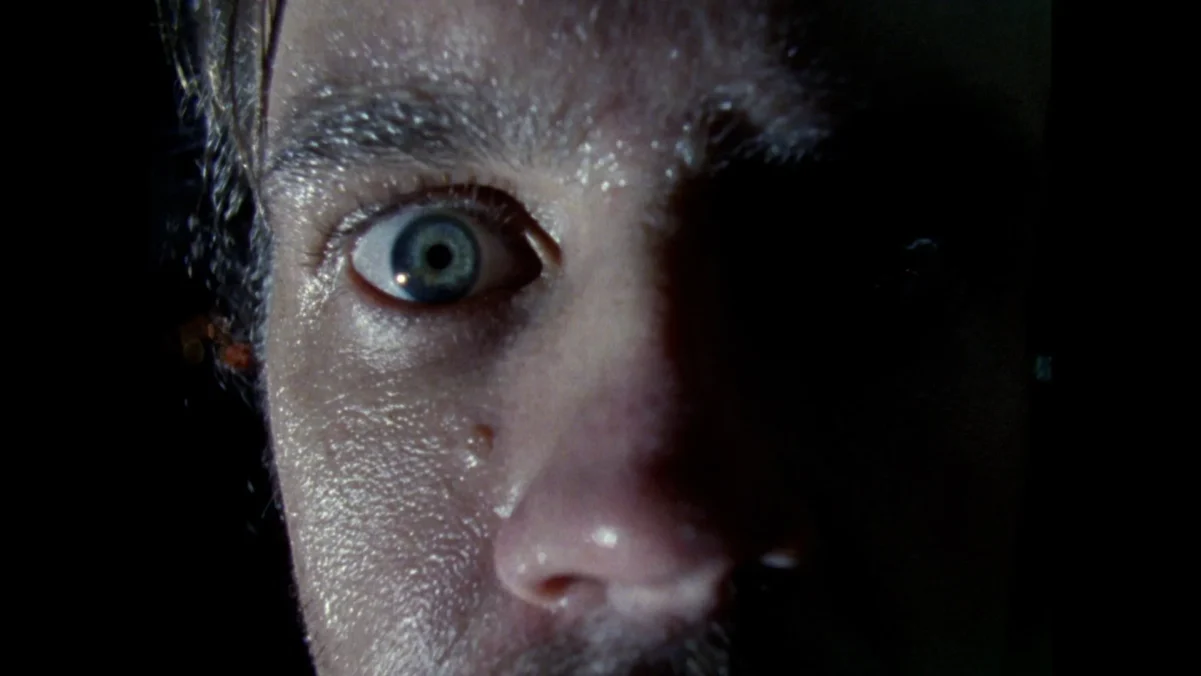
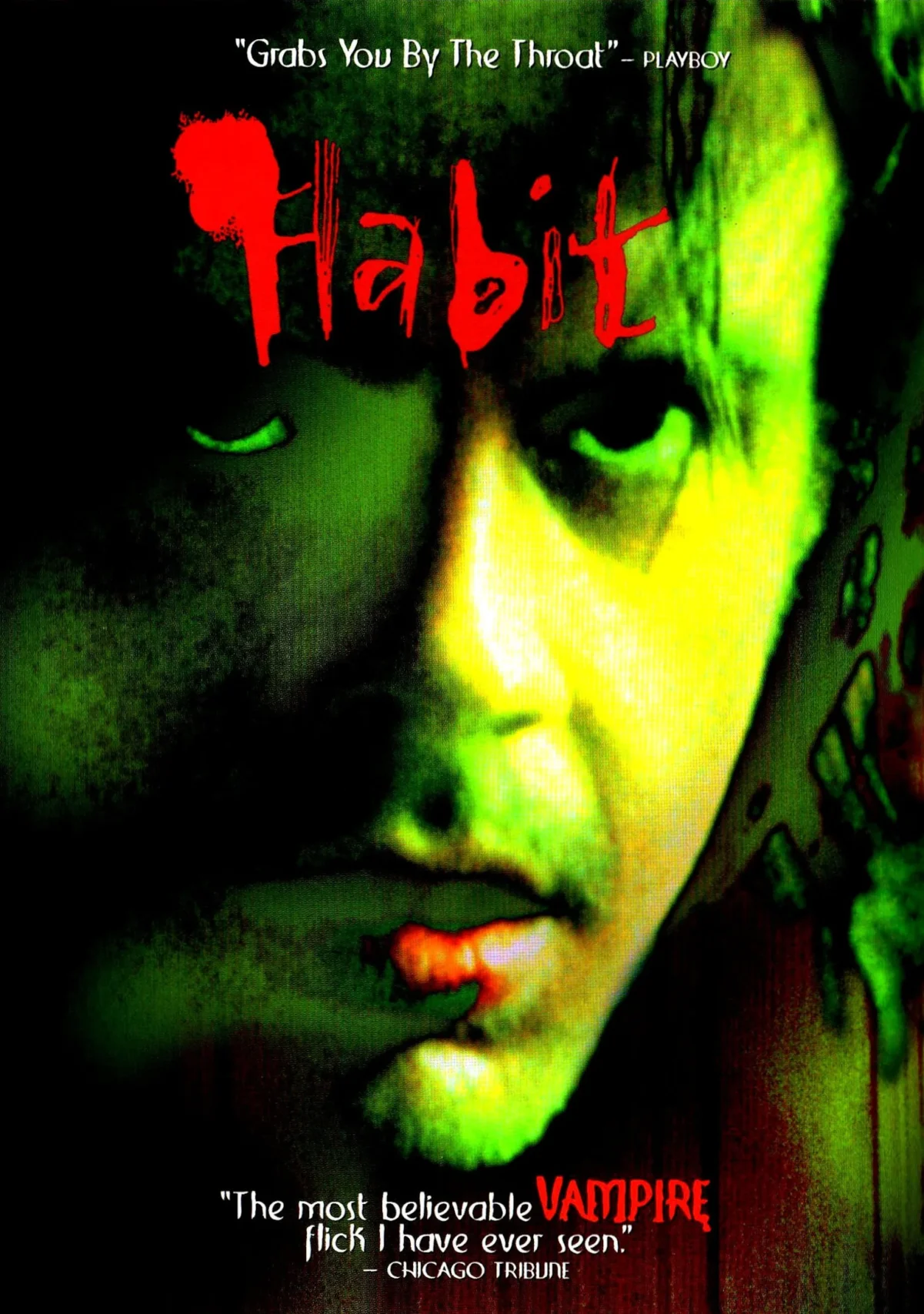
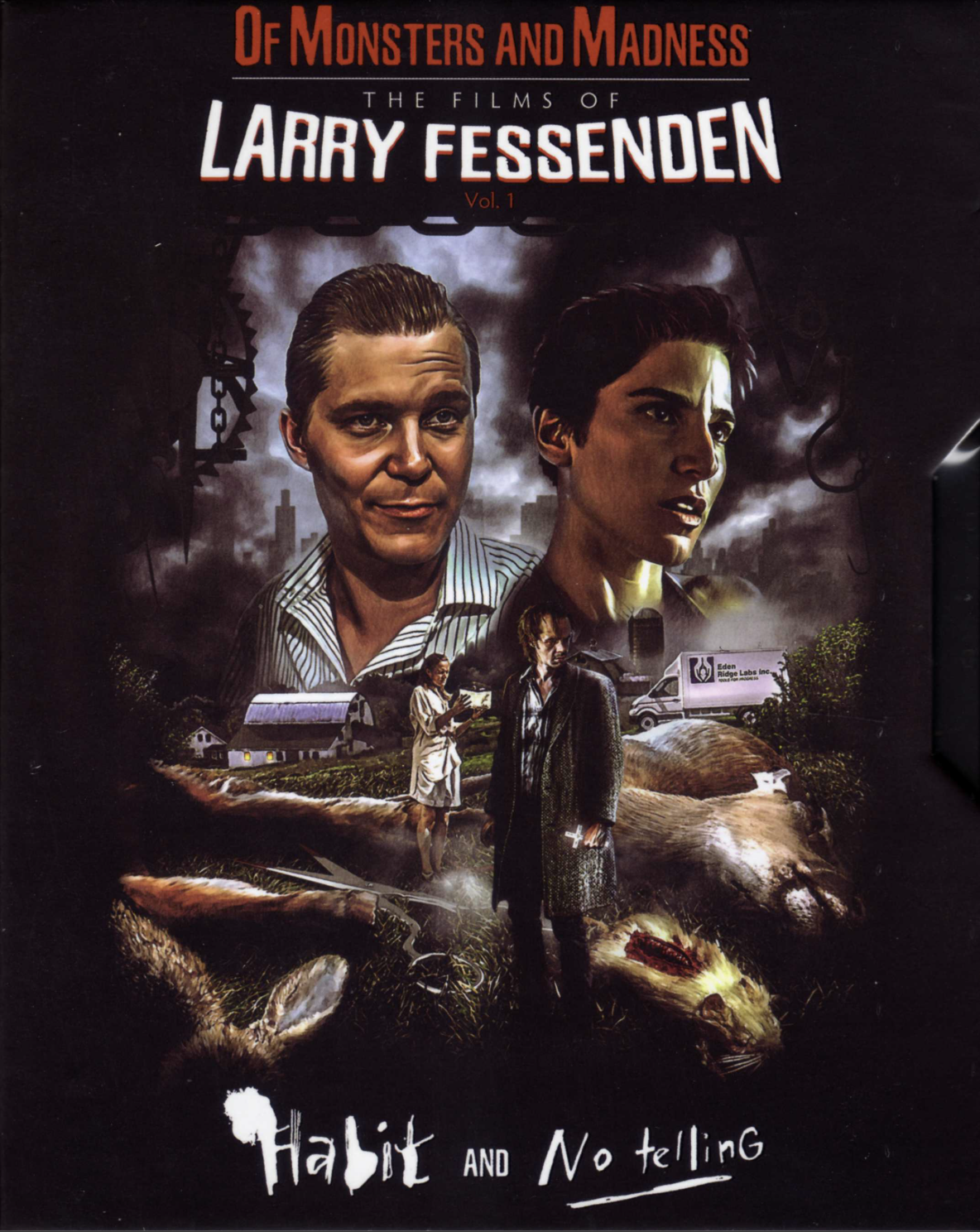
In “Habit,” Larry Fessenden’s Sam does not like to be asked too many questions. No matter that these questions come from his ex-girlfriend Liza (Heather Woodbury), from a place of love or concern, and for a good reason: Sam is slowly destroying himself. “I’m committing suicide on the installment plan,” he says with a wry laugh at the film’s beginning, his words slurring and his smile distracted; it doesn’t feel like a joke. He doesn’t like the feeling of being put under a microscope, every one of his actions scrutinized. Too many questions make Sam a bit upset, even a bit frightening. It’s been this way for a while, even before Sam meets the vampire Anna (Meredith Snaider), even before Sam’s life is irretrievably destroyed. “Habit” is both a vampire movie and not.
Written, directed, and edited by Fessenden, this film is a subtle masterpiece. Sam is a young man trying his best not deal with his father’s recent passing and an unravelling relationship. Tight writing and deft characterization make clear that Sam comes from money, and that he went to art school but has long given up any artistic aspirations (he now works four nights as a manager at a bar). He went to prep school and can afford his spacious apartment, with its exposed-brick walls and contrived bohemian aesthetic, thanks to an inheritance left to him by his long-dead mother. He can recite Cyrano de Bergerac at the drop of a hat and spends his days getting drunk with his close, likewise artsy and financially secure friends, Nick (Aaron Beall) and Rae (Patricia Coleman), who are themselves a couple on the verge of breaking up.
Sam has a drinking problem, and his girlfriend Liza decides she can’t live with him anymore, so she moves out, assuring Sam that she still wants to work on their relationship. She needs some space from his constant drinking, how he behaves when he’s drunk and hungover, and from his refusal to be an active agent in his life. Sam only ever drinks and moves from one moment to the next without any pause for sober introspection. Liza asks Sam to sort himself out. But Sam forgets about Liza, and he asks as soon as he meets Anna at Nick and Rae’s Halloween party. Sam is really good at forgetting. He is immediately besotted with the mysterious woman with short, dark hair and a soft, measured voice.
Anna is calm and assured—she is, in a way, still. Sam is not. Sam embarks on a passionate relationship with Anna, but gradually notices himself becoming absentminded, tired, nauseous, and, overall, very weak. Because Anna has been biting Sam during sex, right before he comes, and has been apparently drinking his blood, Sam becomes convinced she is a vampire. He begins having strange, phantasmagorical dreams of Anna, her skin scaly and her fingers clawlike, surrounded by all the iconography and effects that populate vampire movies. As Sam gets sicker and sicker, he loses his grip on reality and himself, and himself in myth. Fessenden’s genius is never providing us with a clear answer as to whether Anna is a monster—it’s up to us whether we want to see Sam or Anna as the destroyer of his life.
As with many vampire movies, there is a reading to hand for this film that would place it neatly in the ranks of our vaunted horror films, which limn patriarchal fears about women, weave stories about their unclean bodies, and disease. It is defensible to see Anna as the villain because so many of our cultural stories position women as monsters.
In The Monstrous-Feminine: Film, Feminism, Psychoanalysis, Barbara Creed writes about woman as vampire in horror films. Women emerge in pop culture as monstrous beings due to public fears of both straight and queer women’s sexuality and sexual confidence, which threaten to subvert or “undermine the formal and highly symbolic relations of men and women essential to the continuation of patriarchal society.” That is, the realities and subjectivities of various and sexual women give the lie to the myth of patriarchy, the rationalizations behind the subjugation, disenfranchisement, and the secondary role allotted to women. “The female vampire is abject,” Creed writes, or fearsome, “because she disrupts identity and order; driven by her lust for blood, she does not respect the dictates of the law which sets down the rules of proper sexual conduct.”
By this reading, Anna, depicted with the traditional imagery and vocabulary of the life-sapping vampire, is the monstrous-feminine because she leads a proper man to his ruin. And Sam is, at least on the face of things, a proper man: he drinks, like his father before him and Nick alongside him, and he fucks, a strong image of virile masculinity. When he becomes sick, he is left emasculated, sapped of his vigor.
To see Anna as a traditional monstrous-feminine, as the femme fatale and men-destroying vampire, would leave us with the conclusion that “Habit” is continuing tradition in its echoing of patriarchal fears. But such a conclusion doesn’t feel right—it would mean the film has nothing new to offer beyond aesthetic modernity. Such a conclusion elides something integral to the film: its observation of Sam and what is being said through this looking. There is baked into “Habit” Fessenden’s subversive cultural critiques and insights, at least in negative relief. Insightful though it is to consider this film through the lens of traditional feminist film theory, it’s not entirely fruitful because the film’s monsters have switched places; to see patriarchal regurgitation in “Habit” is not to see it as the self-aware, self-critical, and renegade artwork it is.
A second, alternative reading, motivated by a social realist point of view rather than a strictly feminist one, sees Sam as the agent of his own destruction. This reading reveals to us how grief destroys a person, or perhaps explicates the lack of meaning for a certain type of person in the modern world. This reading is one many viewers espouse when they describe this film as hopeless or sad, which it certainly is, but it still leaves the film feeling less incisive, less alluring than it is.
There is a third reading —a synthesis of these two—an understanding of gendered monstrosity commingled with social realism—that offers a way into “Habit,” revealing it to be one of contemporary horror’s resounding masterpieces.
There is a faint edge to “Habit,” as if clouded by the mystifying fog of its genre and visual language. Blink, and you’ll miss it. But it is there, this something, and you can find it in what the women around Sam say. “Habit” follows Sam and is about Sam, but it also refrains from criticizing him. It is in the space around Sam where Fessenden writes, careful and measured as brushstrokes, something far more nuanced, far more interesting than tired patriarchal fears: a woman’s fears.
Anna tells Sam very little about herself. We don’t know where she lives, what she does for work, or even if she is seeing other people. She doesn’t eat anything in front of Sam, she doesn’t drink anything. She only shows up when the day is starting to fade, always dressed like Gary Oldman’s Count Dracula in Francis Ford Coppola’s “Bram Stoker’s Dracula.” Her relationship with Sam is, for all intents and purposes, casual, purely sexual. Anna is, in other terms, a vision of a “cool girl,” wanting nothing from Sam emotionally, not even exclusivity, only interest and consent.
Anna is a far cry from Liza. Liza is warm, sunny, blonde, always caressing Sam, touching his face softly, taking note of his declining health and his moods. Emotionally entangled with Sam, Liza asks him tough questions and wants earnest answers, wants Sam to become better, to try harder, wants exclusivity, always asking him, as if jealous or fearful, whether he has started seeing someone else. Anna couldn’t care less about how Sam is doing—when he leaves the dinner table to throw up at one point, she doesn’t follow him to the bathroom, doesn’t seem concerned about him at all. When Sam does the same with Liza, she is terribly worried.
“I’ve started seeing somebody,” Sam tells Liza when she asks him out for breakfast one day. Liza’s face falls—they haven’t called it quits on their relationship yet, and for Liza, it’s still just a break. “I’m not saying it’s serious or anything, but I just feel like we should start to say our thing is over.” Sobs well up in Liza’s throat. “Well, that didn’t take long,” she says, trembling, not wanting to look at him, shoveling her breakfast into her mouth with a hurried panic, as if both angry at and fearful of Sam’s anticipated answers, the tired look in his eyes. “How long have you known her? Are you fucking her? Well, I hope you’re being careful. You met her at that Halloween party, right? I knew it when I saw you there.”
Sam gets fed up, his words become sharp, and his voice high-pitched: “This isn’t a separation if you keep quizzing me on everything! I mean, how is this any different from living together? You got me under a fucking microscope.” It’s a heated and messy exchange, the polar opposite of the dinner Sam had with Anna the night before. Only Sam eats that night while Anna watches. She evades his questions about her work. “How much do you need to know about someone to be attracted to them?” she says eventually. “I suspect that the less you know about me, the longer you’ll stay interested.” And she is right. While Liza’s questions push him away, Anna’s cool evasiveness is so alluring as to occupy all of Sam’s thoughts for days. Liza clearly loves Sam, while Anna is cold to the touch, yet even so, Sam likes Anna more, because she doesn’t ask him questions, because she is the way he wishes Liza was, because she is the way Sam is to Liza.
Anna is a man’s ideal of a woman, an ideal that is really a reflection of his self, of his own toxic masculinity that uses and manipulates women and others, that takes from others without a care for their well-being. This is not to argue against the idea that Anna is a vampire, or that Sam is not a victim of Anna. But it is to suggest that Sam becomes a victim of a being much like himself, of his own toxic masculinity personified.
We have a sense of what Sam was like to the women he dated before Anna—to Liza, and even to Rae, whom he’d been with for a while before Liza. When Sam helps Liza move into her new place, Liza’s friends stare daggers at Sam. “I can’t believe how I’m getting the hairy eyeball from those two. What the hell did you tell them about me?” Sam says to Liza. “They’re treating me like the schmucky boyfriend who walked out on you.” Liza gives him a look—he was indeed the schmucky boyfriend, resenting Liza for asking him too many questions, for caring for him in the way you care for someone you love, for holding him accountable for his drinking. Sam squirms under Rae’s and Liza’s care because his own parents were so absent. Sam doesn’t feel like he instigated the separation, since Liza is the one moving out. But he’s wrong—he pushed her away first. “You got what you wanted: your freedom,” she says.
Later in the film, we get a clear image of what Sam is like to his girlfriends when he’s drunk. Anna is talking to Rae, who is jealous of any woman Sam sees and who is overtly hostile toward Anna. When Rae says that her being with Sam is absurd, Anna asks, “Are you still carrying a torch for him? I mean, hasn’t it been quite some time since he used to get drunk and knock you around?” Rae walks away without responding. Sam physically abused Rae and emotionally abused Liza.
There’s a simmering violence in Sam that feels as though it’s transferred or displaced onto Anna through his accusations of vampirism. After Anna breaks things off with Sam near the end of the film, Sam himself irrevocably breaks. After a rough night, Sam finds Liza with her throat slashed, and he, paranoid, feels as though Anna is pursuing him, wanting to consume him. It’s easy, by virtue of the swiftness of Liza’s body’s discovery and the panic that propels Sam toward his ultimate doom, to think that the vampire Anna might have killed Liza, but closer scrutiny offers another possibility.
The same critical reading that sees Anna as a monstrous-feminine character might be inclined to see Anna as the one who murders Liza out of a jealous rage, a narrative depiction meant to articulate men’s fears of ruinous women. But though this critical reading is well-meaning, hoping to index narrative instances of patriarchal fears, it doesn’t sit right on Fessenden’s story. Anna’s breaking things off with Sam is too measured, too self-possessed; to kill Liza makes no sense for a woman like Anna, who was never too invested in a serious relationship with Sam to begin with. But killing Liza does make sense for someone like Sam, a man slowly losing his mind, a man with a history of violence toward women.
The Anna Sam perceives—the transacting figure who saps him of his energy, leaving him feeling physically and mentally exhausted and lost, who is cold in her cruelty—is not at all like the monstrous-feminine figure Creed describes. Traditional monstrous-feminine vampires leave their victims “filled with new energy,” Creed writes, with shinier hair, brighter teeth, more vigor and passion. Sam, on the other hand, is wholly depleted and spent, not unlike Liza when she is moving out, wanting to get away from Sam so she can regain herself. In Anna, Sam sees what it’s like to be enamored of a person who doesn’t like you back in the same way. As he throws up day after day, he feels what it feels like for Liza to love him. With Anna, Sam feels physically how Liza feels. The Anna that Sam perceives is a monstrous-masculine figure, an absent partner at least, and the kind of abuser a woman might fear and avoid at most. Anna Sam perceives that it is Sam himself. Anna does to Sam what he has done to Rae and Liza, and this is the serrating story of “Habit.”
Fessenden displays an immeasurable awareness of masculinity in his crafting of Sam, and a graceful sense of self in his carriage. Sam is so incredibly charming and fallible; he is smart and artsy, and he is also incredibly privileged. Sam’s privilege grants him the scope and luxury to make the choice to not think about himself—to be cruel in an easy sort of way, in a way that so many white men are. Fessenden doesn’t seem quite so intent on regurgitating patriarchal tropes as he does on criticizing them, showing them to be ill-suited vessels for lived reality, and by extension showing a need to expand or adapt critical theory to capture the concerns of artists who might not espouse patriarchal ideology; he seems, with “Habit,” more concerned with men who are monsters because they are men. Sam is scary, and he is so indelibly real.
For its rejuvenation of the vampire film alone, “Habit” is an unignorable work of art, but for its expansion of monstrosity, its subversion of our expected villains, for its vocalization of women’s fears, for its depiction of how subtly men can destroy the women who love them, this film is a beautiful beast.
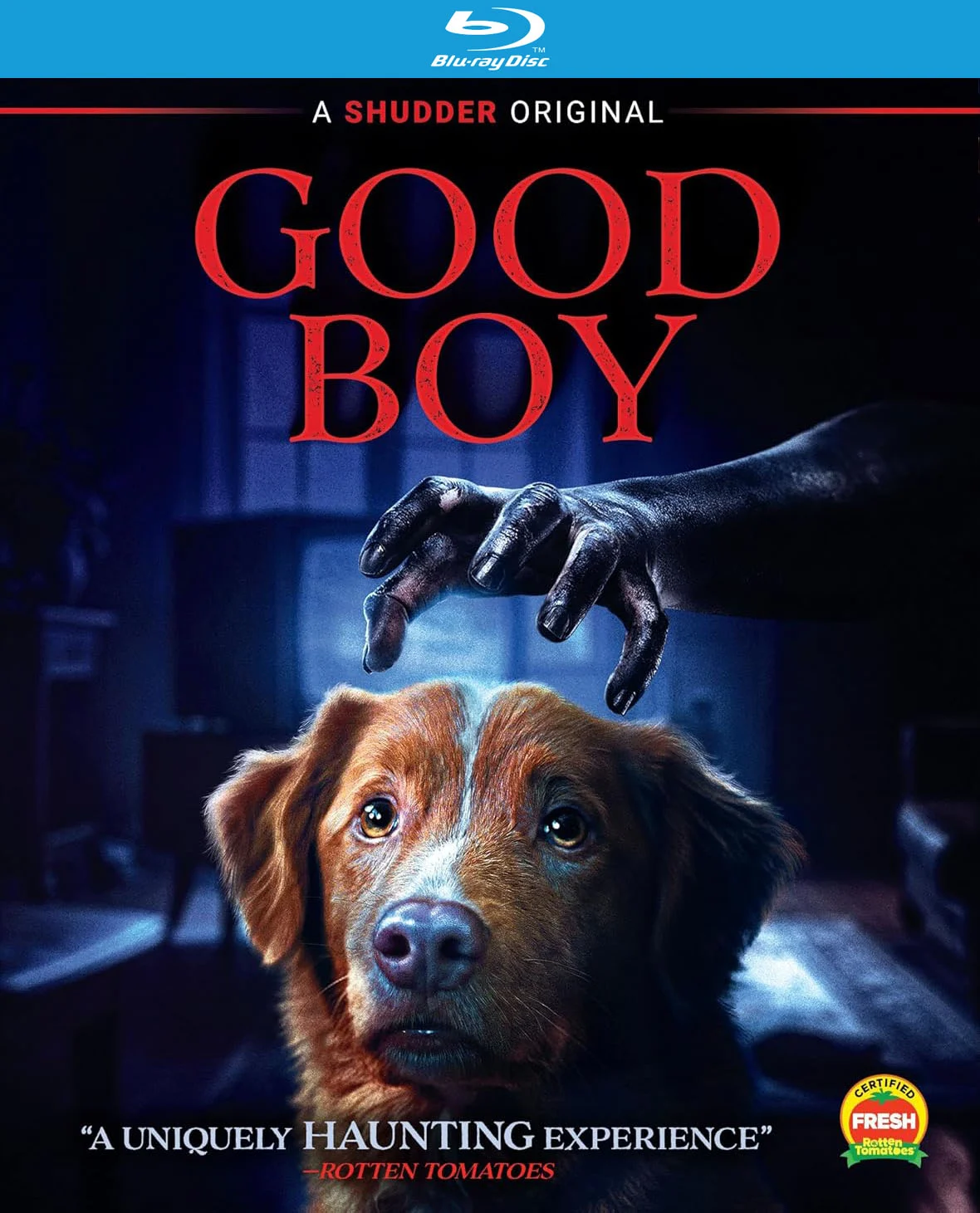
Good Boy will be released on Blu-ray and DVD on March 17.
The haunted house movie told from the perspective of a dog was filmed over the course of three years for $70,000 and went on to earn $8.7 million worldwide.
Special features:
Audio Commentary by Director Ben Leonberg & Producer Kari Fischer
Making-Of Featurette
Behind-the-Scenes Extras
Development Diary
Canine hero Indy finds himself on a new adventure with his human owner — and best friend — Todd, leaving city life for a long-vacant family home in the country. From the start, two things are clear: Indy is wary of the creepy old house, and his affection for Todd is unwavering.
After moving in, Indy is immediately vexed by empty corners, tracks an invisible presence only he can see, perceives phantasmagoric warnings from a long-dead dog, and is haunted by visions of the previous occupant’s grim death.
When Todd begins succumbing to the dark forces swirling around the house, Indy must battle a malevolence intent on dragging his beloved Todd into the afterlife.
Ben Leonberg makes his feature directorial debut from a script he co-wrote with Alex Cannon.
Leonberg’s own dog, Indy, stars alongside Shane Jensen, Arielle Friedman, and Larry Fessenden.
Meagan Navarro wrote in her review, “Leonberg crafts a thoughtful, unnerving, and heartrending portrayal of how utterly terrifying it can be for a dog when his whole world is upended and he’s unable to understand why.”
Lulu Wilson Returns For Action-Thriller Threequel ‘The Last Temptation Of Becky’; Neil Patrick Harris, Brandon Flynn, Kate Siegel & James Urbaniak Also Set
Lulu Wilson has wrapped on the Northern Ireland shoot for The Last Temptation of Becky, the third film in her indie action-thriller franchise Becky from Quiver Distribution. Others in the cast of the film, directed by Jenn Wexler (The Sacrifice Game), include Neil Patrick Harris (How I Met Your Mother), Brandon Flynn (13 Reasons Why), James Urbaniak (Oppenheimer), and Kate Siegel (The Fall of the House of Usher), who reprises her role as Agent Kate Montana from sequel The Wrath of Becky.
Quiver will release the film in North American theaters this summer.
Directed by Jonathan Milott and Cary Murnion, 2020’s Becky introduced Wilson as Becky Hooper, a teenage girl who repeatedly winds up in the path of violent criminals, yet turns out to be far more dangerous herself. The first film saw Becky confront a band of escaped neo-Nazi convicts, led by Kevin James, while spending the weekend at a lake house. Directed by Matt Angel and Suzanne Coote, 2023’s The Wrath of Becky has her go up against a far-right extremist group, led by Seann William Scott.
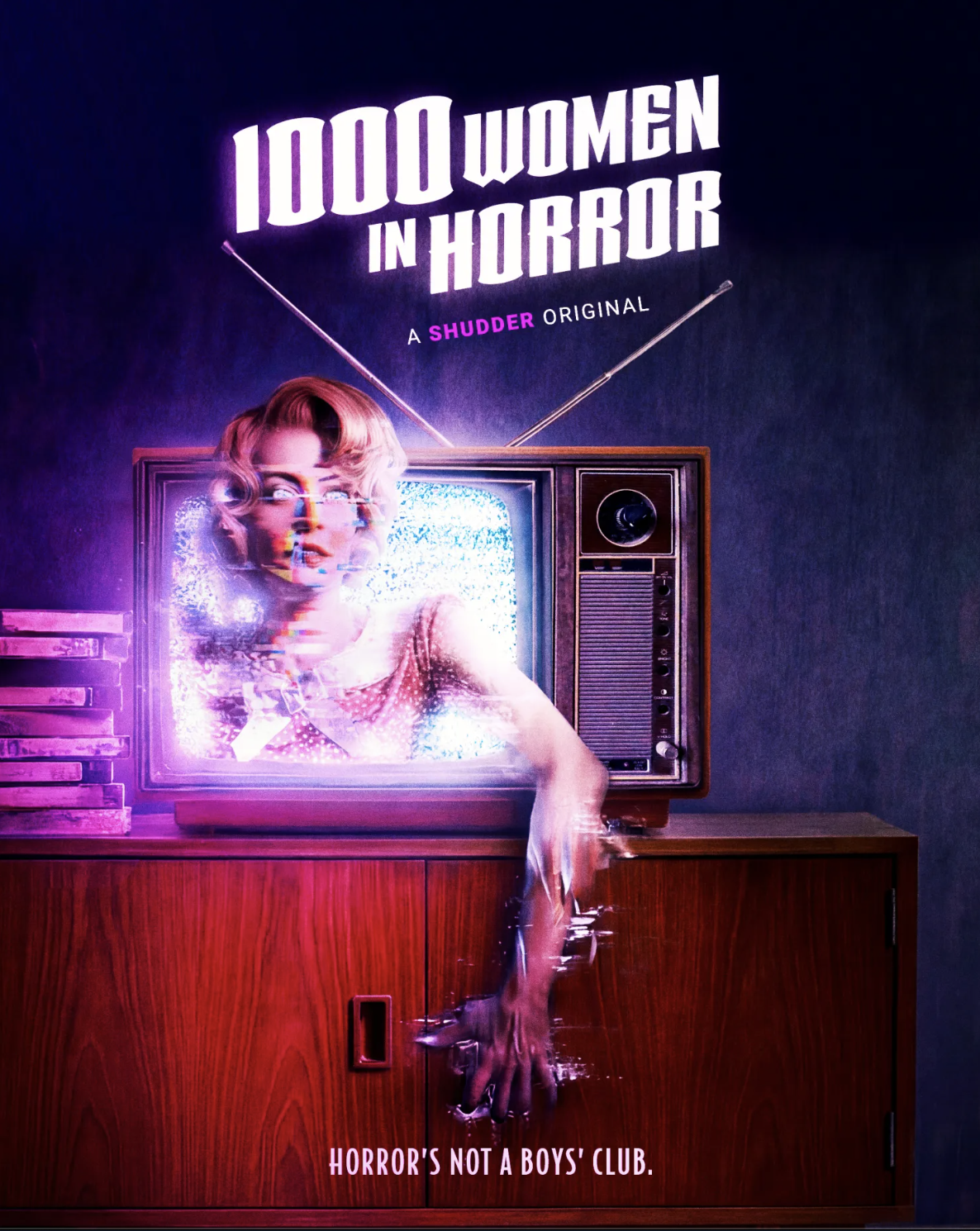
Horror’s Not a Boy’s Club in Shudder’s ‘1000 Women in Horror’ Exclusive Poster Reveal By Meagan Navarro
Acclaimed horror critic, historian, and author Alexandra Heller-Nicholas wrote her first film, 1000 Women in Horror, based on her 2020 nonfiction book of the same name. And we can exclusively unveil the poster ahead of its release.
1000 Women in Horror premieres on Shudder on March 20, 2026.
The documentary offers a deep dive into how women pioneers revolutionized horror cinema through their groundbreaking work as directors, actors, and creators since 1895, leaving an indelible mark on the genre’s evolution. Featuring interviews with Roxanne Benjamin, Akela Cooper, Mary Harron, Cerise Howard, Kier-La Janisse, Nikyatu Jusu, Roseanne Liang, Annalise Lockhart, Toby Poser, Sara Risher, Gigi Saul Guerrero, Kate Siegel, Jenn Wexler, and more.
Donna Davies (Nightmare Factory) directs the feature.
Heller-Nicholas, who recently appeared in Chain Reactions, states, “Like so many women and femme-identifying horror fans, horror is in my blood: I live and breathe it, and it has helped me navigate the real-life horrors of the world more times than I can count. Having dedicated my career as an author and a film critic to the genre, watching my 2020 book, 1000 Women in Horror, come to life on screen has been a dream. This has been rendered even more magical not just through our collaborations with the horror royalty interviewed on screen, but the unwaveringly supportive Shudder team themselves, without whom this film literally would not exist!”
“In my films, I like to rip back the curtain and expose the raw underbelly of stories that obsess me. I love horror because it drags our deepest, darkest fears out into the light. Women have been shaping this genre from day one, but the industry has too often ignored or erased their contribution. This film finally sets the record straight, and SHUDDER is the perfect place for horror fans to discover the voices and films that have too often been overlooked,” Davies adds.
If you’re unfamiliar with Heller-Nicholas’ work, prepare to get schooled; her sprawling tome 1000 Women in Horror, 1895-2018 is a well-researched, joyous tour through extensive and frequently undersung horror history.
The Shudder Original made its world premiere at the Melbourne International Film Festival and screened at Sitges, SXSW Sydney, Brooklyn Horror Film Festival, and more ahead of its arrival on Shudder, just in time for Women’s History Month.
The latest from the creator of I SELL THE DEAD has landed distribution.
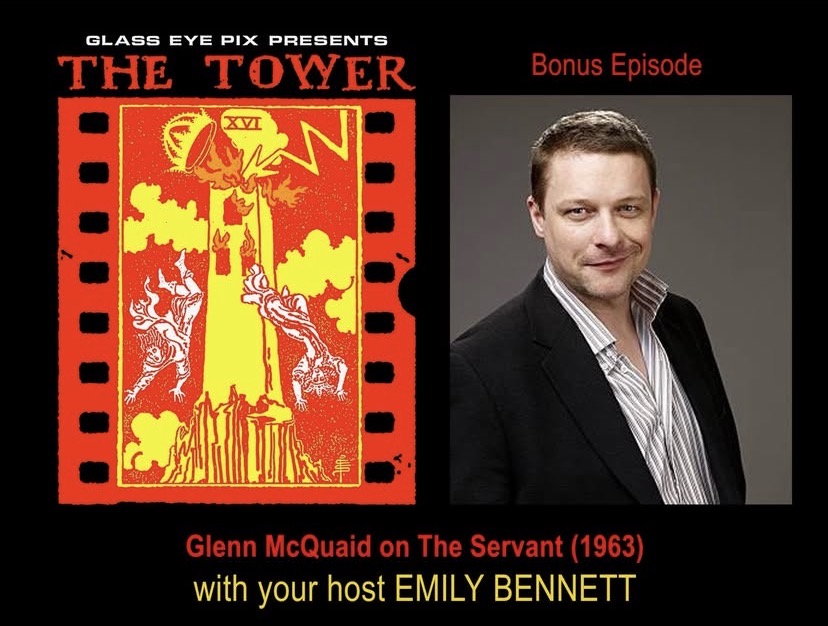
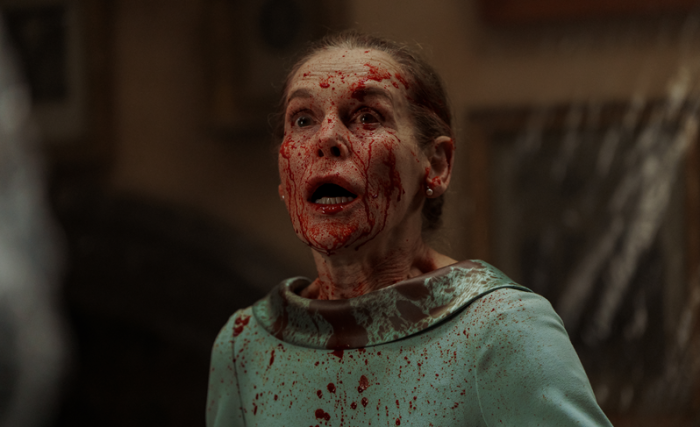
Chroma has announced its acquisition of North American rights to THE RESTORATION AT GRAYSON MANOR, with theatrical release planned for later this year. Directed by Glenn McQuaid (I SELL THE DEAD) from a script he wrote with genre novelist Clay McLeod Chapman, it premiered at last year’s Fantastic Fest and stars Chris Colfer, Alice Krige (SLEEPWALKERS), Daniel Adegboyega, Declan Reynolds, Gabriela Garcia Vargas and Matthew McMahon. According to the official synopsis, Colfer plays “Boyd Grayson, a hedonistic heir who loses his hands in a freak accident. His domineering mother, Jacqueline [Krige], invests in radical experimental new technology to help him.” Things go gruesomely and wickedly awry from there.
“From our first conversations, it was clear Chroma really got this film,” McQuaid says. “Their persistence and enthusiasm throughout the acquisition has been incredibly affirming. THE RESTORATION AT GRAYSON MANOR is a deeply personal, Gothic queer horror, and finding a North American partner willing to champion its ambition and strangeness means everything to us. I couldn’t be more excited to have Chroma bringing it to audiences.”
“THE RESTORATION AT GRAYSON MANOR is audacious, perverse, and emotionally ferocious,” says Chroma VP Ahbra Perry. “Glenn McQuaid has crafted an unsettling horror story that explores queer identity and repression, and bodily autonomy, in a way that feels both operatic and intimate. We’re thrilled to bring this film to North American audiences, and to showcase Chris Colfer’s powerful return to acting in such a daring, transformative role.”
Glass Eye Pix is the fierce independent NYC-based production outfit headed by award-winning art-horror auteur Larry Fessenden with the mission of supporting individual voices in the arts. Read more...